There are several words in the beauty industry that get used interchangeably, like the terms esthetician and aesthetican, but do these words have the same meaning? The answer is that while there are similarities, these titles have different meanings. Let’s explore the differences below.
How Are These Terms Defined?
While aestheticians and estheticians have similar job titles and even overlapping duties in the skincare industry—the main distinction is that estheticians perform cosmetic and skin cleaning treatments and aestheticians perform medical procedures. Whether you are pursuing a career in aesthetics or looking to hire either of them for your beauty location, it is important to understand the distinctions between the two career tracks.
What Is An Esthetician?
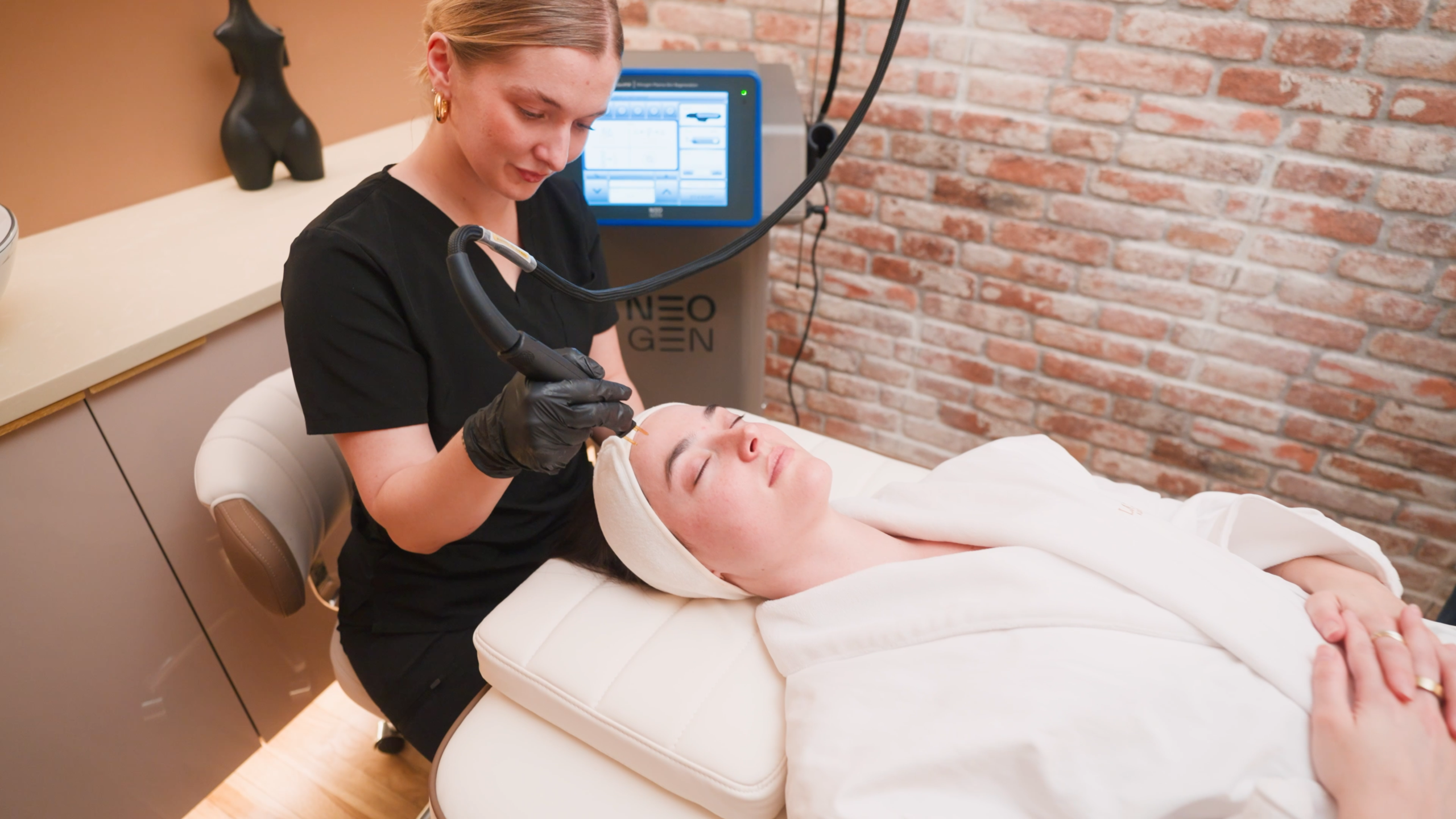
Sometimes referred to as a skincare specialist, an esthetician is a licensed treatment provider who performs facial skincare services in a salon or cosmetic setting. Estheticians assess clients’ skin to help identify skin conditions and recommend customized cleaning and maintenance protocols based on their individual skin type and needs.
Licensed estheticians are required to take a specific amount of classroom hours (that include working on clients) to sit for the licensing exam that is determined by the state in which they are practicing. Beyond professional training, understanding the tools and equipment, and passing the exam, estheticians should have a calming demeanor, and possess strong interpersonal skills and dexterity since the job requires extensive use of the hands. Clients seek the services of estheticians for facials, massages, and body wraps to help address common skin conditions such as dry or oily skin, wrinkles, and age spots.
What Is An Aesthetician?
Also known as a paramedical or clinical aesthetician, an aesthetician is a licensed skincare professional who has additional training beyond the basic licensing requirements and who works in a clinical setting. Aestheticians work with clients who have suffered from skin damage due to burns, surgery, health issues, or chemotherapy to help them nurture and care for the skin with appropriate cleaning, moisturizing, and make up applications.
Some aestheticians choose to focus on one specialty, like laser therapy, while others pursue additional training to perform a variety of other aesthetic treatments. Clinical aestheticians need to have a solid understanding of medicine, technical know-how, safety precautions, and strong interpersonal skills. Clients seek the services of aestheticians to manage burns, scars, and other injuries to the face and body.
Key Differences Between An Esthetician And An Aesthetician
Aestheticians and estheticians are both licensed skincare specialists, however, their jobs differ in several ways including the education and training they pursue to practice their craft. Below are some of the key differences:
Work Settings:
Aestheticians’ work setting possibilities include hospitals, clinics, burn centers, medical spas, trauma centers, reconstructive surgery clinics, rehabilitation centers, dermatology practices, and plastic surgery clinics. Estheticians on the other hand often work at spas, salons, fitness centers, resorts, boutiques, or even own their own salon or beauty business.
Scope Of Work:
In addition to differing work settings, the scope of work for aestheticians and estheticians differs.
An aesthetician’s scope of work may include the following treatments (depending on their training):
- Skin rejuvenation
- Skin tightening therapies that induce natural collagen production
- Laser hair removal or tattoo removal
- Manual lymphatic drainage to help fluid reduction after surgery or because of a medical condition
- Sclerotherapy for varicose vein removal, which requires an injection of chemicals into the vein
- Permanent or semi-permanent makeup applications like eyebrows, lip color, microblading, eyelash extensions, or eyeliner
- Scar or blemish removal
- Recommending treatments
- Making sure the client’s medical information is kept up to date
An esthetician’s scope of work may include the following treatments:
- An in-depth analysis of the skin
- Cleansing of the skin based on skin type
- Skin Exfoliation
- Application of masks that hydrate, refine pores, help make the skin look firmer and younger
- Facials
- Aromatherapy
- Massage
- Hair removal services like waxing, threading, and tweezing Offering treatments to address sun damage, acne, wrinkles or oily or dry skin
- Assisting clients preparing to having injections like Botox or fillers or with after care from injectables
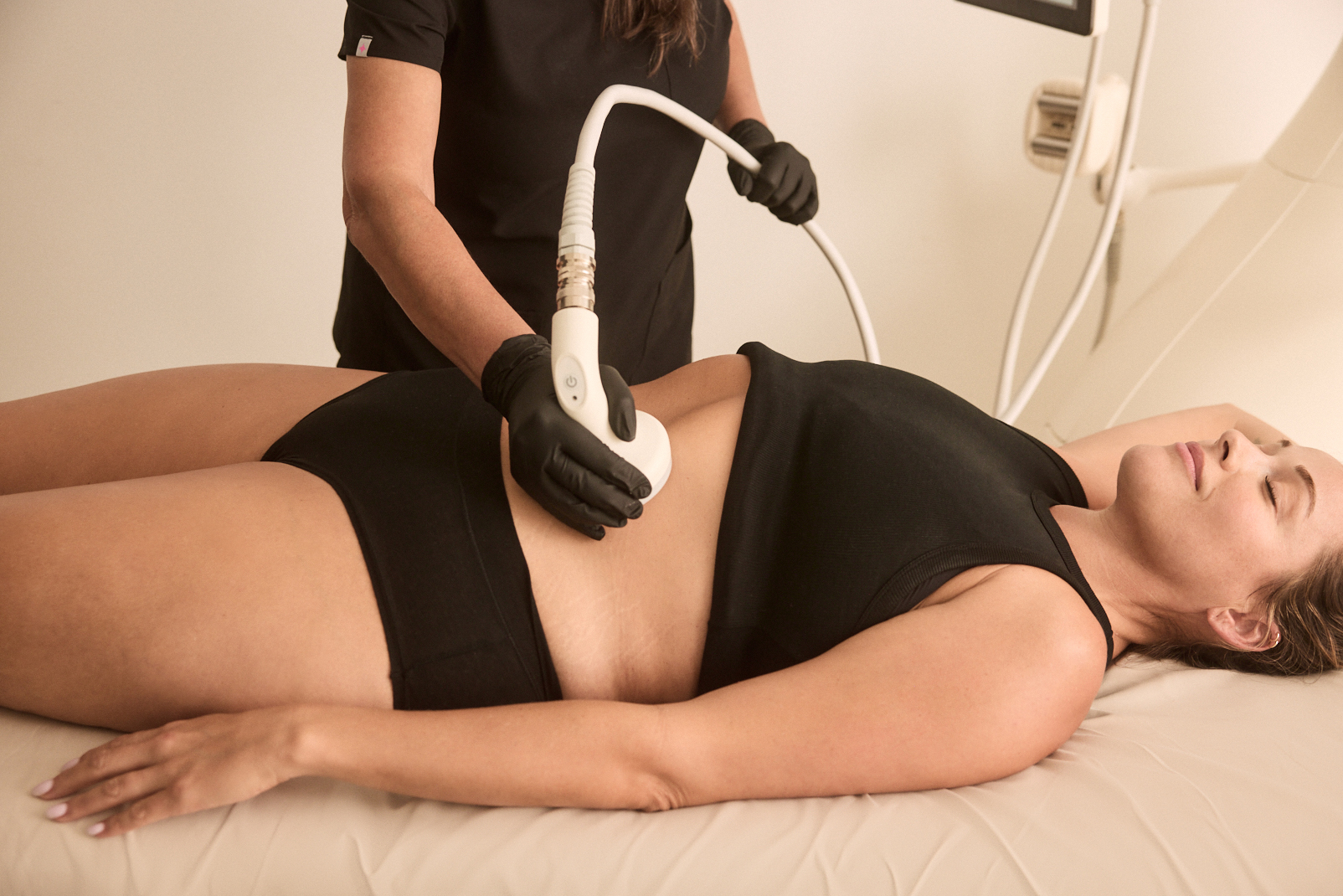
- Body sculpting treatments to minimize cellulite
- Offering product suggestions and showing clients how to use the product protocol at home
Training And Licensing Requirements
Both aestheticians and estheticians have the same legal requirements determined by each state to practice. This includes having a high school diploma, vocational training, and licensure. Once a license is awarded, each state will have licensing renewal requirements to maintain the license and continue practicing.
Estheticians will study courses on proper disinfection and sanitation, skin conditions, massage, facials, hair removal, makeup application, and salon management. Aestheticians may take additional coursework in anatomy and physiology, microdermabrasion, advanced hair removal techniques, chemical exfoliation, anti-aging therapies, and pre and post-surgical skin care.
Job Outlook
According to the Bureau of Labor Statistics Occupation Outlook Handbook, employment for skincare specialists including aestheticians and estheticians is expected to grow 17% from now until 2029, which is a much higher growth rate when compared to other jobs. This is good news for those who are either already practicing aestheticians or estheticians as well as for those looking to pursue a career in the space.
Bottom Line
While there are similarities, the scope of practice and education requirements for estheticians and aestheticians differs. Estheticians typically work in spas and salons, while aestheticians work in more clinical settings like for medical spas, hospitals, and burn and trauma centers. Either way, the career path for both jobs looks positive and is expected to grow substantially through 2029.