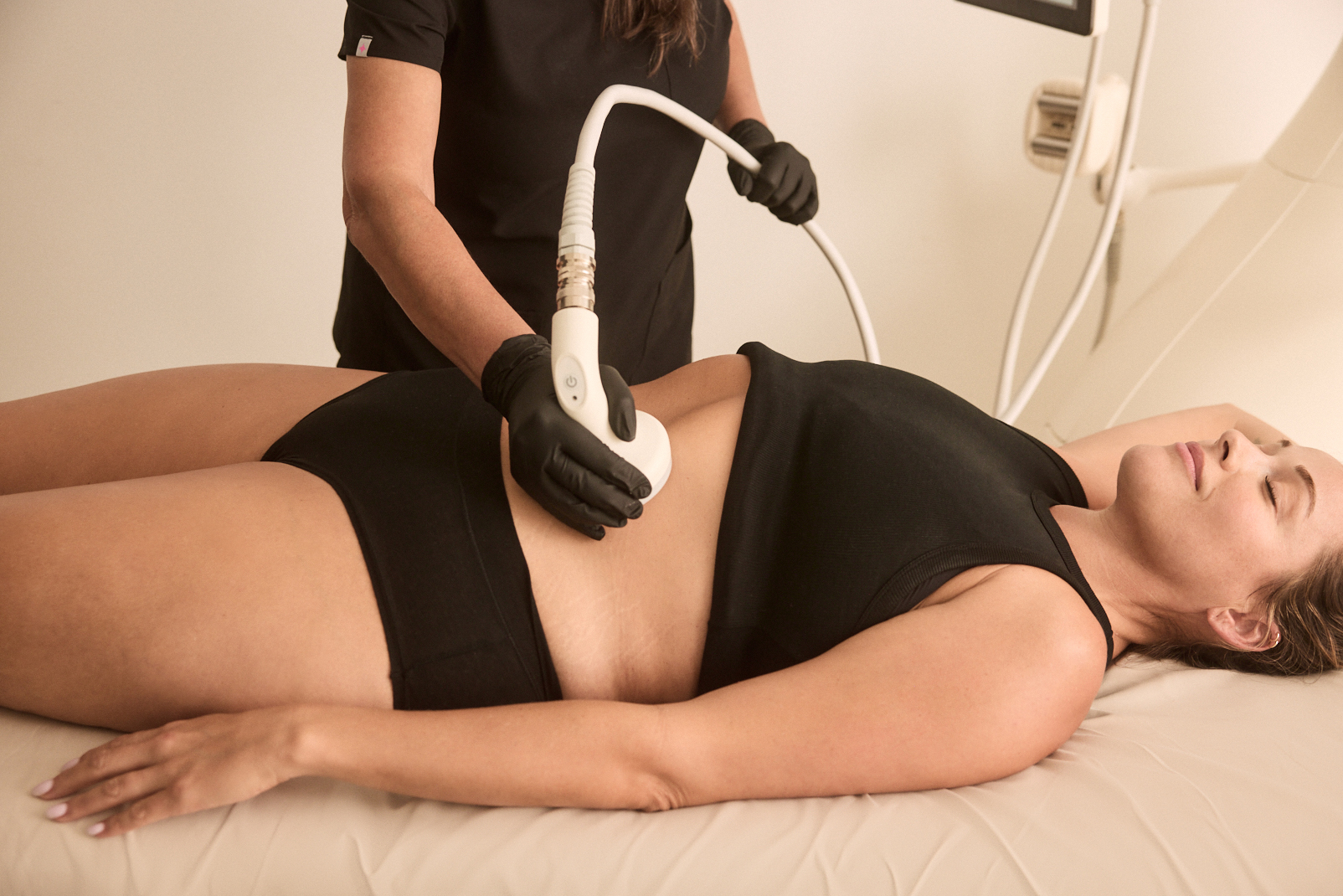
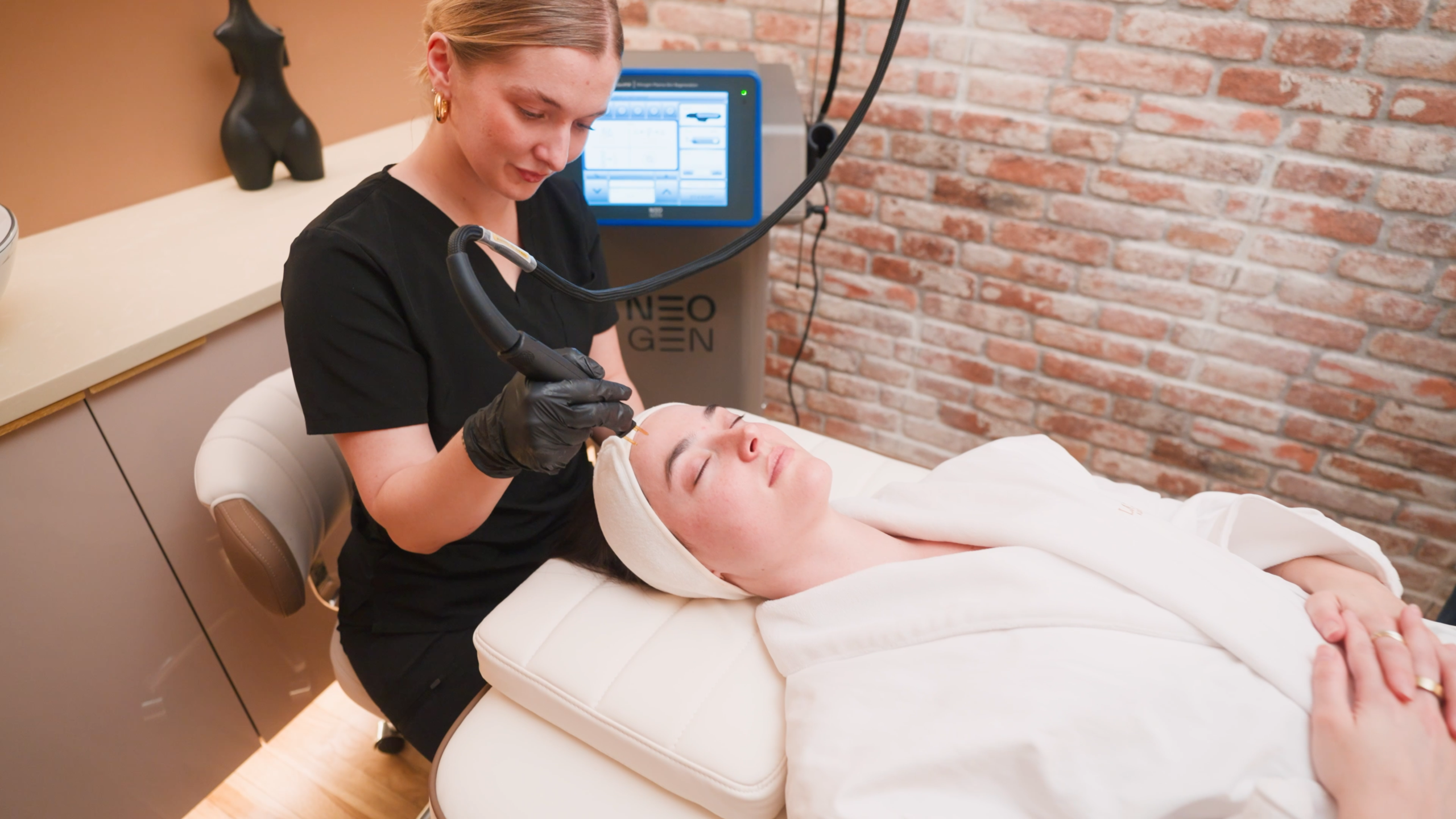
In today’s fast-evolving beauty industry, integrating the right technology isn’t just an option; it’s essential to meet ever-changing consumer expectations.
Simon Mansell, owner of Artemis, is a veteran at sourcing beauty technology for other businesses that not only advances operational efficiency but also enhances customer experiences. “It’s all about maximizing the results you can deliver for your clients through technology. This helps them feel better, more confident, and gives you a nice purpose for your business“
This article is a guide for beauty business owners to the process of researching and vetting beauty technology effectively. By understanding the pivotal steps in selecting beauty technology that meets your business goals for customer satisfaction enables a significant growth within your beauty business.
Understanding the Importance of Research
When integrating technology into your beauty business, conducting thorough research is not just advisable—it’s imperative. The cost of adopting unsuitable technology can be high, not just in monetary terms but also in lost time and potential damage to your reputation.
Simon shares, “Any technology generally improves results, which is better than using your bare hands.” This idea supports the necessity of researching to ensure that the technology aligns with your business goals and customer needs.
Moreover, an error in selecting the right technology can lead to missed opportunities and financial losses. Simon illustrates this point by discussing the need to understand customer desires deeply and ensuring the technology fits those needs before investing.
He mentions, “It’s always good to start with what your customers actually want… making sure that your customers need something that you’re thinking of bringing in”.
Scientific Validation: Ensuring Credibility
Ensuring the credibility of new technology through solid evidence is crucial to maintaining both your business’s integrity and your customers’ trust. Here’s the 3-step approach taken by Simon when examining the scientific underpinnings of potential beauty technologies:
- Review the Scientific Literature: Start by reading up on the scientific research and literature available related to the technology. This includes understanding the basic science behind the technology.
- Search for Validating Resources: Use resources like PubMed to find and verify peer-reviewed studies and clinical trial outcomes that support the claims made by the technology providers.
- Practical Testing: Engage in hands-on testing of the device (if possible) to see the actual results for yourself, adding a practical layer of validation to the theoretical research.
For beauty business owners, this means not just taking manufacturers’ claims at face value but engaging in a similar level of diligence. Reviewing clinical trial outcomes, reading up on peer-reviewed studies, and consulting with medical professionals are essential steps to interpret the data accurately.
This rigorous approach ensures that the technology you integrate into your business is not just effective but also safe and reliable for your clients.
Gathering Customer Insights: Aligning with Market Needs
Understanding what your customers actually want is the cornerstone of successfully integrating technology into your beauty business. Simon emphasizes the significance of this alignment, advising, “It’s always good to start with what your customers actually want. What are the services that your customers want? You shouldn’t bring in technology just because it’s exciting to have something new”.
To gather these insights effectively, consider engaging directly with your customers through surveys, feedback forms, or even casual conversations during their visits. This can provide a wealth of information about their preferences and pain points.
By prioritizing customer insights, you not only tailor your technology choices but also significantly increase the likelihood of satisfaction. This approach is not just about filling a gap in the market; it’s about creating value that resonates deeply with your customers’ actual needs.
Consulting with Experts: Leveraging Knowledge
When navigating the intricate world of beauty technology, consulting with industry experts can significantly influence the decisions you make about which technologies to adopt. This approach is not only about avoiding potential pitfalls but also about ensuring that every technology investment adds real value to your services.
Drawing from your network of other professionals and industry specialists, can help you gather a diverse range of insights to evaluate new technologies. Simon says, “It’s about triangulating opinions…I look at what the experts are saying, check the clinical data, talk to the inventors”. This method of consulting experts helps validate the potential of a technology beyond its marketing claims.
For beauty business owners, forming an advisory board or even having informal consultations with knowledgeable individuals in the field can provide critical insights. This network can help interpret scientific data, assess market trends, and ultimately, guide technology selection to ensure alignment with business objectives and client needs.
By leveraging expert knowledge, you can make more informed decisions that enhance the quality of care offered to your clients, reinforcing your business’s reputation for innovation and quality.
Firsthand Trials and Demonstrations: Experiencing Technology
There’s a unique kind of confidence that comes from firsthand experience with new technology. This belief is firmly held by Simon Mansell, who emphasizes the importance of personally testing devices before introducing them to a broader audience. Here’s how Simon applies a step-by-step process for firsthand trials and demonstrations:
- Personal Testing: At first, Simon personally tests the technology to experience its functionality and effectiveness firsthand. This practical engagement enables him to assess the device’s immediate effects and usability.
- Gathering Informal Feedback: He frequently includes friends or colleagues in these trial sessions, providing them with treatments to solicit their candid feedback. This approach aids him in comprehending the user experience of the technology and the outcomes it produces in an informal, real-world environment.
- Analyzing Integration and Impact: Simon assesses how the technology integrates with existing workflows and its impact on operational efficiency and customer satisfaction during these trials.
For beauty business owners, arranging demonstrations and trial sessions is invaluable. Such trials allow you to gauge the technology’s operational ease and effectiveness, providing a firsthand look at how it integrates into existing workflows and impacts customer experiences.
In one of my own experiences, testing a new facial rejuvenation tool not only reassured us of its benefits but also helped our team become proficient advocates of its features to our clients.
By engaging directly with new technologies, you can ensure that your investments are sound and likely to yield positive returns, enhancing both client satisfaction and business growth.
Assessing Financial Implications: Cost vs. Benefit
When considering integrating new technology into your beauty business, a comprehensive assessment of the potential revenue increase and the broader benefits to your business is required. Simon says, “Whenever you introduce technology into a business, it generally means that you can earn more without doing as much work… It’s really about maximizing the results that you can deliver for your clients through technology”.
Key Considerations for Cost vs. Benefit Analysis:
- Initial Investment and Ongoing Costs: Assess the upfront costs of acquiring the technology, including purchase price, installation, and any necessary training. Consider ongoing expenses such as maintenance, supplies, and additional staff training.
- Potential Revenue Increase: Evaluate how the technology can increase your revenue. This could be through higher service charges due to advanced technology offerings or increased client throughput due to efficiencies gained.
- Indirect Benefits: Consider indirect benefits like enhanced client satisfaction and retention, which can translate into increased client referrals and sustained revenue growth.
- Break-Even Analysis: Calculate how long it will take to recover the initial investment and start profiting from the technology.
By thoroughly evaluating these aspects, you can make more informed decisions that balance cost against tangible and intangible benefits, ensuring a sound investment in your business’s growth and client satisfaction.
Conclusion
Whether it’s understanding the importance of research, verifying scientific claims, or assessing financial implications, each step is pivotal in ensuring that the technology you choose aligns perfectly with both your business objectives and the needs of your clients.
By adopting a proactive and informed approach to technology integration, you’ll not only safeguard your investment but also position your business for sustained success and growth in the competitive landscape of the beauty industry.
Remember, the right technology can transform your operations and enhance the client experience, setting your business apart from the rest. Let’s move forward with confidence and a strategic plan!
📺 Click this link for video.
🎧 Click this link for audio.