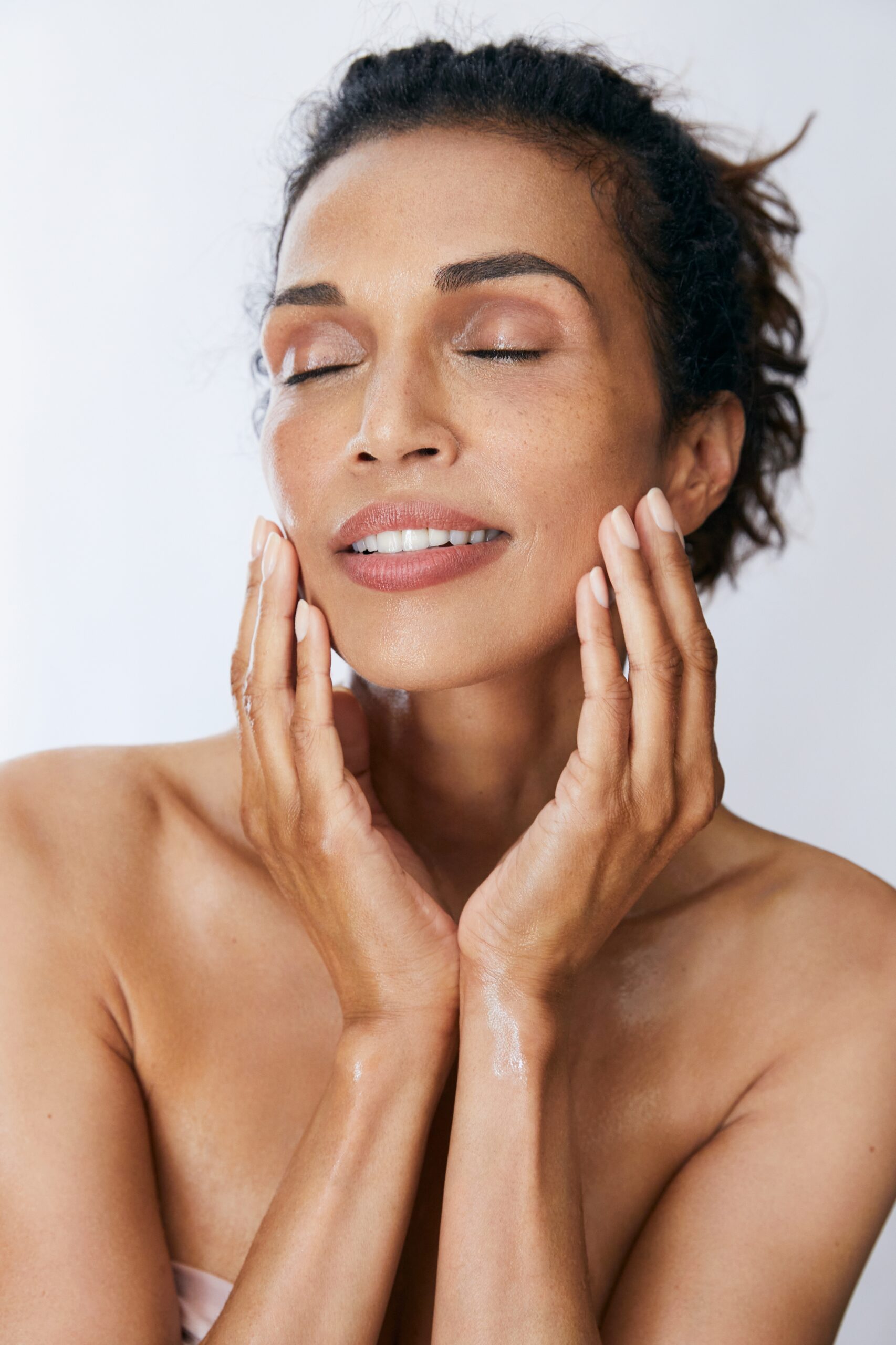
You’ve worked hard to lose weight, and the results on the scale are real. But when you look in the mirror, your face looks tired, hollow, or somehow older than before. This is a common side effect of losing weight, which can have an incredibly powerful negative influence on one’s mental health.
Facial aging after weight loss refers to the visible changes that occur when your face loses volume and support: hollow cheeks, deeper nasolabial folds, a sagging jawline, and loose skin that wasn’t there before. These facial changes are common, but luckily, often improvable with lifestyle adjustments, skincare, and professional treatments.
If you want to learn why people look older after losing weight, how you can prevent this, and how to restore lost volume, read on!
Disclaimer: This article is provided for informational and educational purposes only. The information presented here is not a substitute for professional medical evaluation, consultation, or care and should not be relied upon to make health-related decisions. Always consult a qualified and licensed medical or aesthetic professional before undergoing any cosmetic or aesthetic procedure.
Quick Facts: Facial Aging After Weight Loss
- Definition: facial aging after weight loss describes changes such as facial hollowing, sagging, and more visible lines that occur when facial fat, muscle support, and skin elasticity decrease. Rapid weight loss greatly increases the risk because the skin doesn’t have enough time to adapt.
- Ozempic face: a term for facial aging seen after fast weight loss with GLP-1 medications; the effect is caused by weight loss speed, not the medication itself.
- Most common signs: hollow cheeks and temples, under-eye shadowing, deeper smile lines, early jowling, softer jawline, and looser neck skin.
- Who is most at risk: adults over 35-40, people with naturally lean faces, low collagen levels, sun-damaged skin, or a history of repeated weight loss and regain.
- Can it reverse naturally? Mild changes may improve within a few months, but moderate to severe volume loss or skin laxity usually does not fully resolve on its own.
- Prevention basics: gradual weight loss, adequate protein, resistance training, hydration, healthy fats, quality sleep, and daily sunscreen use.
- Correction options: depending on severity, improvements may involve skincare and lifestyle changes, non-surgical treatments (fillers, collagen-stimulating injectables, skin-tightening devices), or surgery for excess skin.
Why Do People Experience Facial Aging After Weight Loss?
People experience facial aging after weight loss because facial fat, muscle, tone, and skin elasticity change after losing weight.
First, facial fat plays an important visual role. It helps support check contour, smoothen transitions between facial features, and even reduce shadowing under the eyes and around the mouth. When you lose weight, facial fat loss makes facial irregularities more apparent. The shadows become more noticeable, face angles become sharper, the cheeks appear deflated.
Next come muscles. If protein intake is low during weight loss, you can lose muscle mass as well, including the small muscles that support facial structure, which can affect how your face looks.
Thirdly, your skin uses collagen and elastin to stay firm and elastic. When you lose weight quickly, the skin doesn’t have enough time to adapt to the new facial contours. The skin may not fully contract, and the lower face and neck may appear softer.
Last but not least, facial aging after weight loss can be exacerbated by dehydration, reduced intake of healthy fats, high stress levels, and poor sleep.
Common Signs of Facial Aging after Weight Loss
Facial aging after weight loss is usually quite easy to recognize. It may appear as:
- Flattening of the cheeks
- Hollowing of the temples
- More visible under-eye hollows
- Deeper nasolabial folds (the lines going from the nose to the mouth)
- More pronounced marionette lines (the lines going from the corners of the mouth downward)
- softer jawline definition
- Looser-looking neck skin
- Drier and crepey skin texture
What Is Ozempic Face?
Ozempic face is a colloquial term used to describe the facial aging changes that appear after rapid weight loss, particularly in people using weight loss medications like Ozempic.
Despite the name, Ozempic face is not caused by the medication itself. It is caused by how quickly weight, including facial fat, is lost.
People with Ozempic face may have:
- Hollow or sunken cheeks
- Increased under-eye hollowness
- More pronounced smile lines
- Softer jawline and early jowls
- Overall tired or ages appearance
The appearance of sagging is often more dramatic in the lower face, especially along the jawline, under the chin, and around the neck area.
Key Factors That Influence Facial Aging After Weight Loss
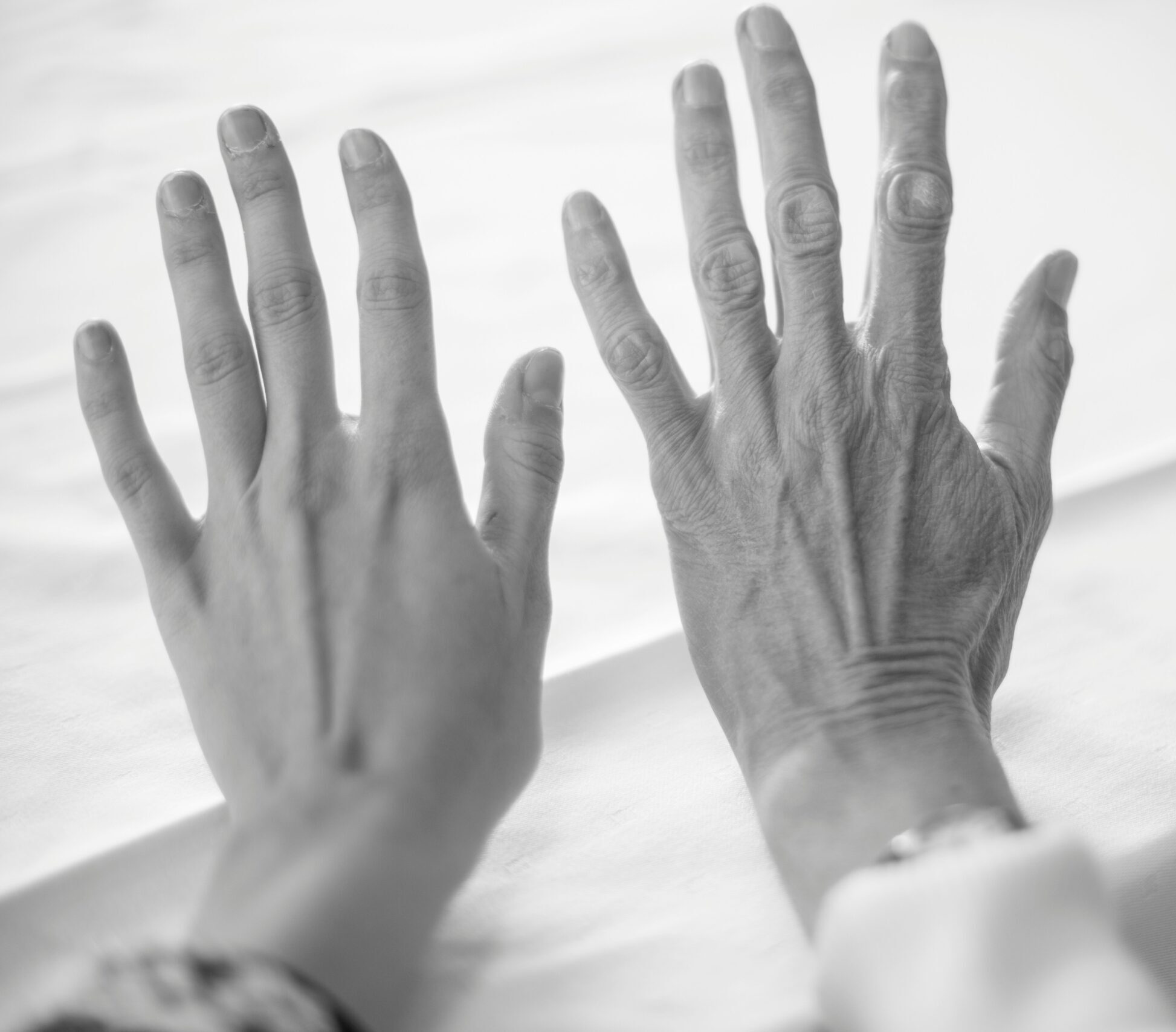
Not everyone experiences severe facial aging from weight loss. Genetics, age, the speed of loss, and your starting skin quality all play significant roles. Two people can lose the same 60 lbs and end up looking dramatically different afterward.
Age and Skin Elasticity
Collagen production starts noticeably declining in your late 20s and continues steadily through your 30s, 40s, and beyond. Elastin, the protein that gives skin its snap-back quality, also decreases with age.
Women around perimenopause and menopause (typically aged 45-55) can experience a more rapid decrease in collagen production, which is linked to low estrogen levels.
Amount of Weight Lost
The volume of weight you lose influences how much your face changes:
- 10-20 lbs: subtle facial changes
- 40-60 lbs: more obvious hollowing in cheeks and temples, especially if you were naturally lean-faced to begin with
- 70-100+ lbs: sagging skin on the lower face and neck that lifestyle measures alone cannot correct
How Quickly You Lose the Weight
The rate at which you lose weight significantly affects outcomes. Your skin needs time to remodel, to break down old collagen and elastin fibers and build new ones that fit your smaller frame.
Rapid weight loss (e.g., consistently losing more than 2 lbs per week) doesn’t give the skin time to adapt. GLP-1 medications, crash diets, and aggressive post-surgical protocols can push people into this faster-loss category.
Gradual weight loss (0.5-1 lb per week) may reduce, but won’t eliminate, the risk of loose skin and hollowing.
Genetics, Face Shape, and Baseline Skin Quality
Your starting point matters enormously:
- Naturally lean, angular faces with thin skin often show volume loss and folds more clearly than rounder faces with thicker, more resilient skin.
- Genetics also influences which changes are most visible.
- Years of UV damage break down collagen and elastin before you even start losing weight. The same applies to smoking and tanning bed use.
Self-Check: What Degree of Facial Change Are you Seeing?
| Facial Change | How it looks | Signs you may notice |
| Mostly volume loss | The face looks flatter or more hollow, especially in areas that previously appeared fuller | Hollow cheeks or temples, under-eye shadows or hollowing, facial bones appear more prominent |
| Mostly skin laxity | Facial contours look less firm, especially around the jawline and neck | Early jowling, reduced jawline definition, looser neck skin |
| Mostly skin quality changes | Skin looks thinner, drier, or less vibrant rather than sagging | Dryness or tightness, uneven texture, smooth lines appearing more noticeable |
How to Prevent Facial Aging after Weight Loss?
Sometimes, you can prevent facial aging after weight loss by taking greater care of yourself and paying more attention to your daily routine. This doesn’t guarantee that you won’t see any facial aging signs after losing weight (especially after losing weight quickly), but it will provide your skin with the much-needed support.
As such, here are some tips on how to prevent facial aging after weight loss.
Lose Weight Slowly
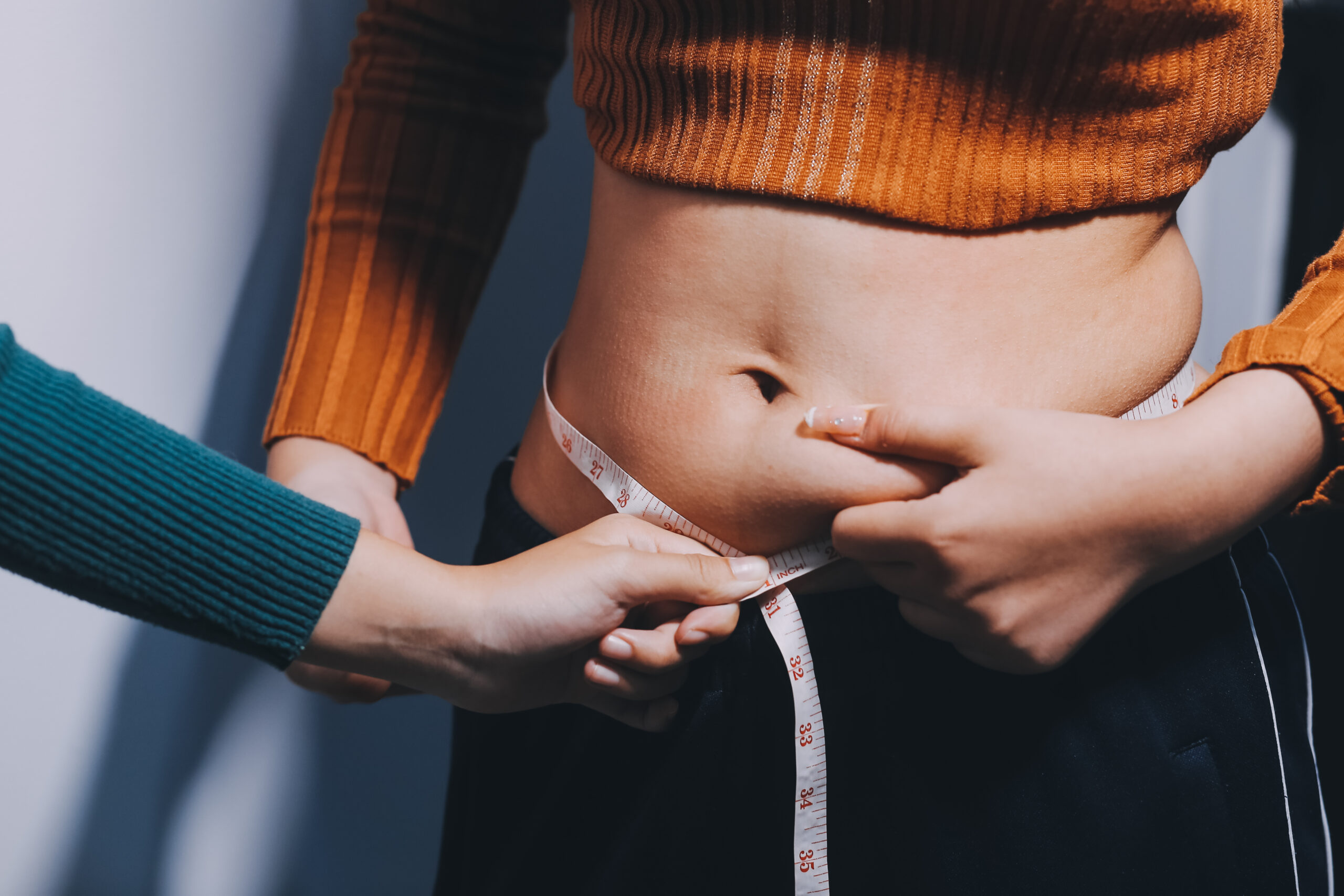
The most efficient method to prevent facial aging after weight loss is to slow down the weight loss process. When you lose weight very quickly, facial fat and supportive tissues tend to decrease faster than the skin can adapt. This increases the likelihood of hollowing and visible laxity.
Conversely, when you lose weight slowly and at a consistent rate, your facial skin has more time to adjust to the changes in facial volume.
For this reason, it’s strongly recommended to discuss your weight loss journey with a healthcare professional.
Prioritize Adequate Protein Intake
Proteins are of the essence in weight loss journeys because they support your facial structures and tissue repair processes. When you’re losing weight, you might experience reduced appetite, or you might be prioritizing lower calorie intake, so protein intake is sometimes automatically lower than needed.
Try Resistance Training
Resistance training can help maintain muscle mass while losing weight. This can influence your overall body composition and may help reduce the appearance of facial volume loss.
Eat Skin-Supporting Foods
The nutrients from the foods included into your diet go to the skin as well, supporting its structure and function. You can, of course, include supplements in your diet, but it’s also important to have a balanced diet with skin-supportive nutrients, including:
- Vitamin C, which supports normal collagen formation
- Zinc and copper, which play supportive roles in tissue maintenance
- Omega-3 fatty acids, which help support the skin barrier
- Vitamins A and E, which contribute to overall skin resilience
Stay Hydrated
During weight loss, certain habits can worsen facial dehydration and dullness: high caffein intake, frequent alcohol consumption, and high-sodium diets, for instance. And, of course, forgetting to drink enough water.
Therefore, it’s of utmost importance to prioritize hydration so your skin doesn’t look excessively dry and stays healthy. Otherwise, fine lines and texture changes will be much more noticeable.
Establish a Good Skincare Routine
Your facial skin needs to be taken care of properly – after all, your skin is the largest organ in your body! Skin care products will not remove any excess skin or completely eliminate the risk of sagging skin after losing weight. But they can help support skin health while you’re losing weight and restore that youthful appearance. However, their effects are temporary, so you’ll have to use the products continuously.
It’s recommended to choose skincare products based on your doctor’s recommendations to avoid acne flare-ups, for example, or allergic reactions. The skin care products must be chosen carefully based on your age, skin issues, and skin type.
And don’t forget about sunscreen! Broad-spectrum SPF creams can help preserve skin integrity during weight loss, as they protect your skin against UV damage.
Non-Surgical Options for Facial Aging after Weight Loss
Some people may also benefit from non-surgical procedures designed to reduce facial aging after weight loss. Regardless of the procedure you’d want to try, you should consult with a healthcare professional first.
Here are some non-surgical treatments that can be helpful in reducing facial aging after weight loss.
1. Dermal Fillers (Volume Replacement)
Dermal fillers are injectable gels that are most often used for volume restoration. They are applied to areas where facial fat has decreased after significant weight loss. This procedure produces immediate effects, so it’s more suitable for people seeking facial rejuvenation on the spot. Dermal fillers are based on substances that attract and hold water (e.g., hyaluronic acid), as they can help recreate softness and more youthful contours.
However, dermal fillers do not tighten skin and their effects are usually temporary, so you’ll have to schedule maintenance cosmetic procedures.
Dermal fillers are commonly used to:
- Restore volume in the cheeks to improve midface support
- Fill hollow temples
- Support the under-eye area (depending on anatomy and provider approach)
- Reduce the overall appearance of shadowing caused by volume loss
However, dermal fillers might not be helpful for:
- Skin laxity or loose skin
- Changes in skin texture or quality
- Neck skin looseness
2. Biostimulatory Injectables (Gradual Structural Support)
Biostimulatory injectables are basically collagen-stimulating injectables. They are designed to support the body’s natural tissue renewal processes over time (by stimulating collagen production) rather than providing immediate volume. Biostimulatory injectables often consist of poly-L-lactic acid, calcium hydroxyapatite, or hyaluronic acid.
Biostimulatory injectables are commonly used to:
- Support gradual improvement in areas affected by mild volume loss
- Improve overall facial structure over time rather than instantly
- Create subtle, progressive changes rather than immediate correction
Biostimulatory injectables are not recommended for:
- Significant volume loss that requires immediate correction
- Advanced skin laxity
- Surface texture issues on their own
3. Energy-Based Skin Tightening
Energy-based skin tightening treatments include radiofrequency, ultrasound, laser treatments, and RF microneedling.
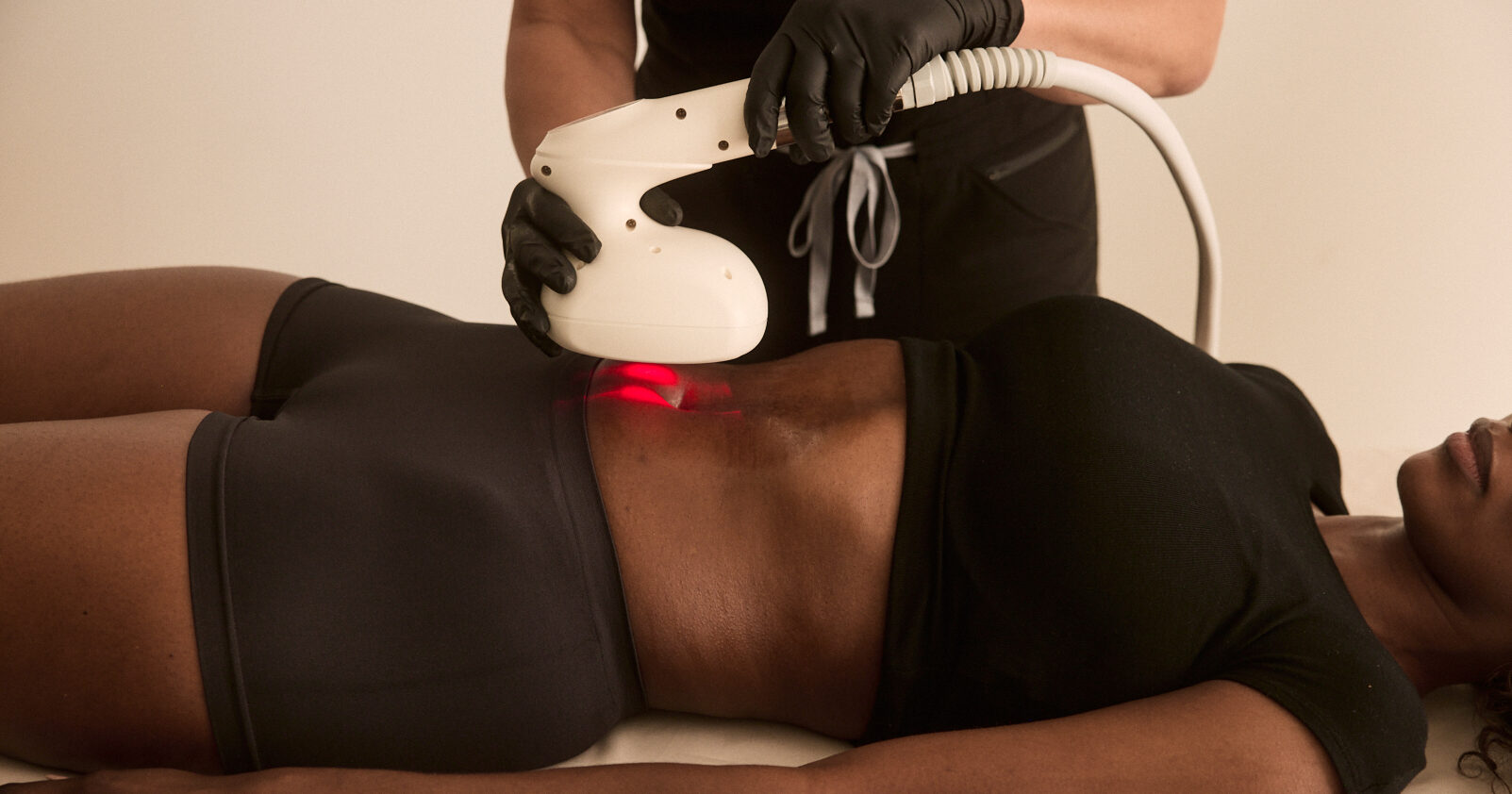
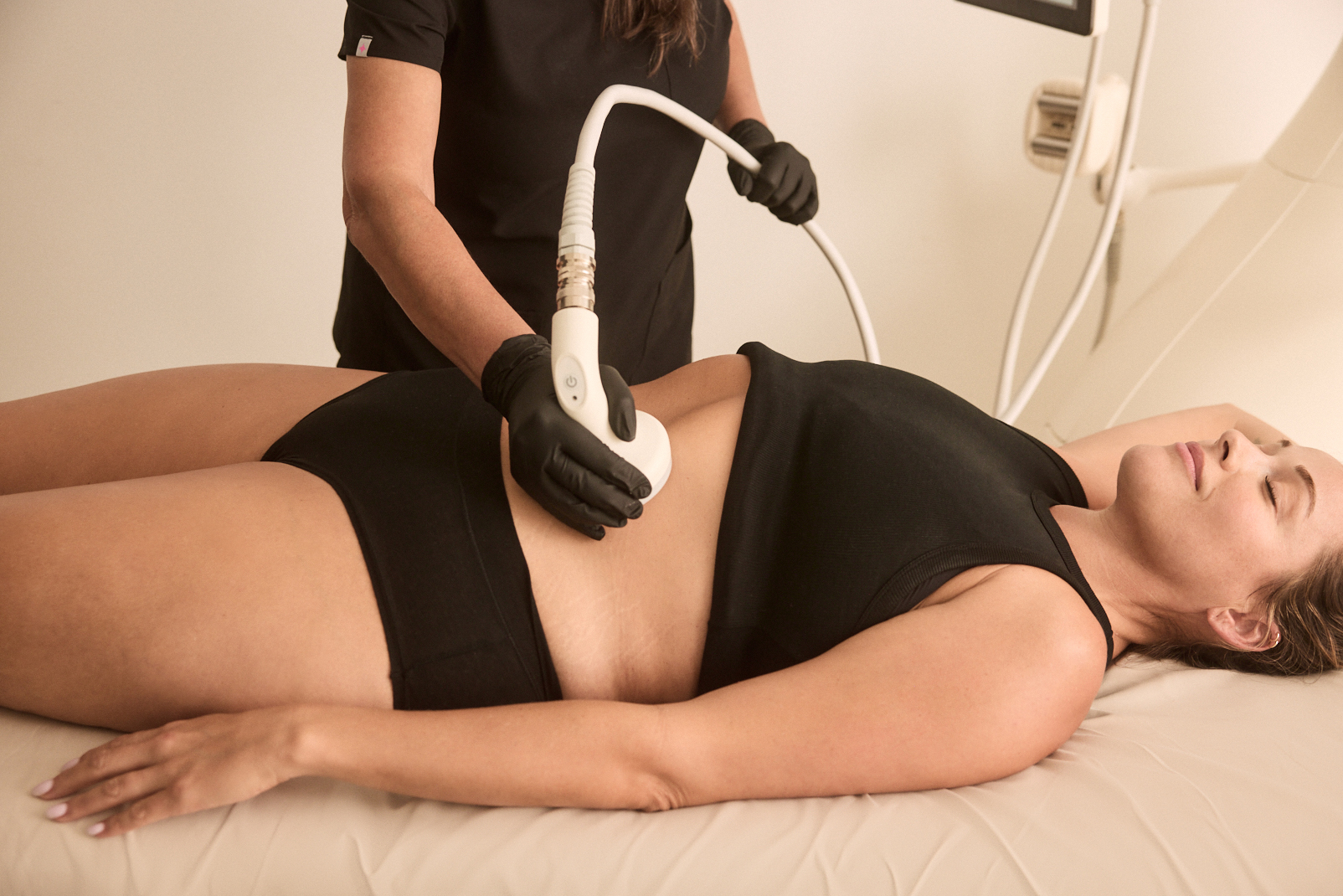
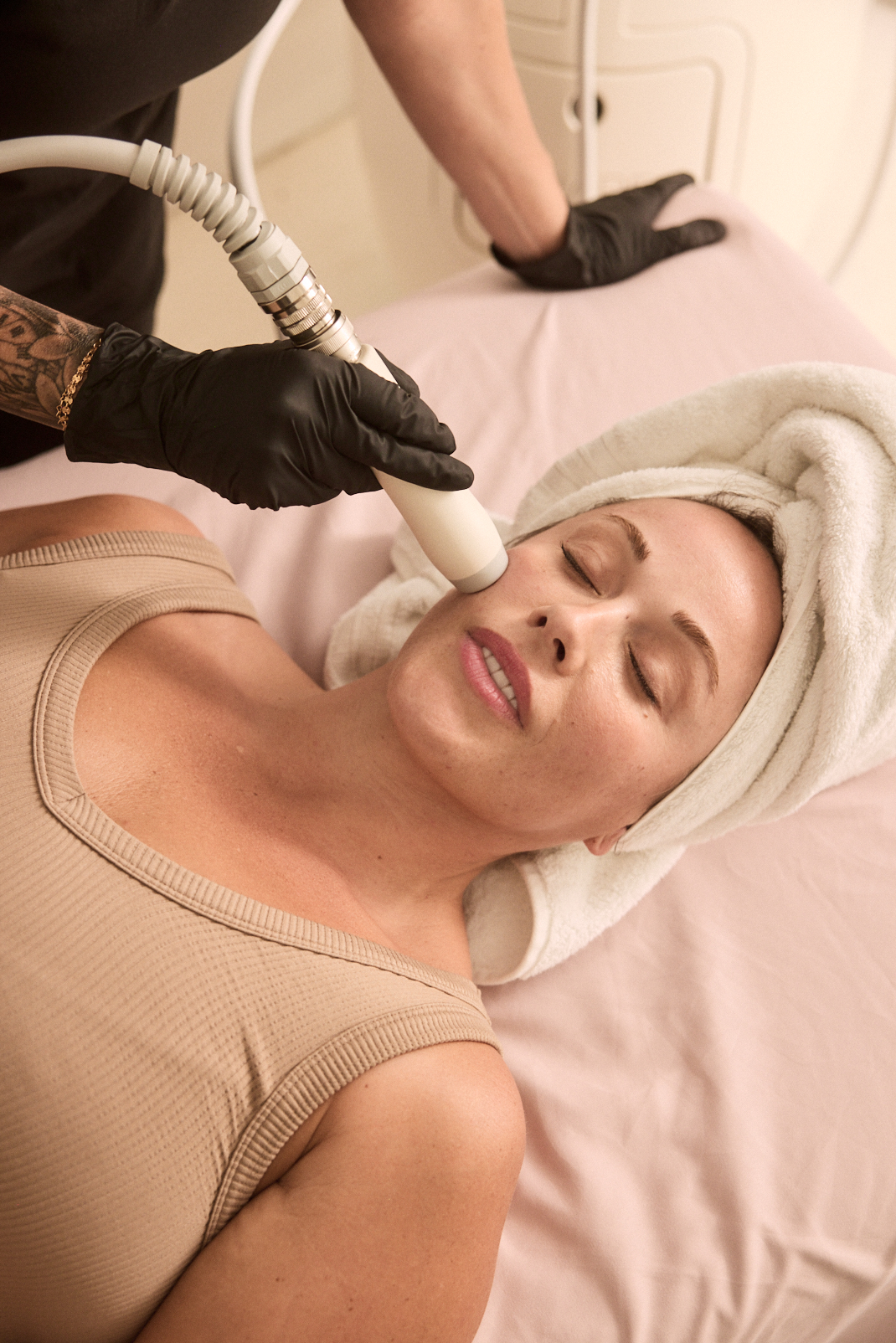
These non-invasive treatments use different forms of controlled energy to make the skin firm and support overall skin quality. These treatments are often grouped together or used together in a single device (like T-Shape 2) because they aim to stimulate tissue response rather than replace lost volume. Like biostimulatory injectables, energy-based skin tightening treatments do not produce immediate results. They encourage the body to stimulate collagen and elastin over time. They also have minimal downtime.
Energy-based treatments are commonly used for:
- Mild to moderate skin laxity
- Reduced firmness in the lower face or neck
- Improving skin texture and overall skin quality
- Supporting gradual tightening rather than dramatic lifting
However, energy-based treatments are usually not recommended for:
- Significant facial volume loss
- Advanced skin laxity with excess skin
- Immediate or dramatic contour changes
T-Shape 2 Fits for Facial Aging After Weight Loss
Many single-technology treatments focus on one mechanism. T-Shape 2, on the other hand, is a multi-technology system that combines:
- Bipolar Radiofrequency (RF): warms deeper skin layers to support a firming response and overall skin quality
- Low-Level Laser Therapy (LLLT): positioned as supportive for cellular activity and microcirculation
- Vacuum-assisted endodermic massage: gentle suction + tissue mobilization for circulation and lymphatic support
- Mesospheric mechanical stimulation: deeper rhythmic stimulation designed to further enhance circulation and tissue responsiveness
This multi-mechanism approach is often used to support overall skin health, natural collagen production, skin firmness, tissue quality, reduced puffy-tired look, and overall facial contour.
Plus, it can be used on many body parts besides the face, as it has several preset programs based on the area you want to treat. A session lasts only 20-60 minutes, and the procedure requires no downtime.
Surgical Procedures for Saggy Face After Weight Loss
In some cases, facial aging after weight loss cannot be fully addressed with non-surgical procedures. This is more likely when weight loss is significant or when skin elasticity is notably reduced because of age or genetics.
Surgical procedures are generally considered when there is excess skin, more advanced laxity, or when non-surgical treatments no longer provide meaningful improvement.
Here are some common surgical procedures that may be considered for facial aging after losing excess weight:
- Facelift for repositioning fat pads and facial muscles back to their original spot, and removing excess skin
- Neck lift for loose or hanging neck skin and a poor definition between the chin and the neck
- Fat grafting (fat transfer) for significant facial hollowing
- Eyelid surgery (blepharoplasty) for removing excess eyelid skin and under-eye bags or hollowness
General Considerations Before Exploring Cosmetic Surgery
Before considering surgical procedures, professionals often recommend:
- Allowing the weight to remain stable for several months
- Evaluating whether non-surgical options can still provide benefit
- Having a realistic discussion about goals, recovery, and expectations
- Understanding that plastic surgery addresses structure and excess skin, not skin quality
FAQs
Why does my face look older after losing weight?
Your face looks older after losing weight because weight loss reduces facial fat that normally supports the skin. Because of this, wrinkles and facial sagging look more visible. At the same time, skin elasticity may not fully rebound, especially with age or rapid/dramatic weight loss.
How do you fix a saggy face after weight loss?
You can fix a saggy face after weight loss with good nutrition, hydration, targeted skincare products, and skin tightening in-office treatments like radiofrequency, ultrasound, and fillers.
How long does it take for facial skin to tighten after weight loss?
Mild tightening can occur over 3-6 months as the skin adapts, especially in younger individuals. But significant tightening is unlikely without intervention if there is excess skin or if you’ve lost a lot of weight.
Can you regain facial fat after weight loss?
Some facial fat may return if you regain weight or stabilize at a higher body fat level. However, fat redistribution is unpredictable. Your face may not fully return to its previous fullness.
How to tighten up facial skin after weight loss?
You can tighten up facial skin after weight loss by having a healthy, skin-supporting diet, hydrating, sleeping well, and using skin-tightening procedures like ultrasound, laser resurfacing, RF microneedling, or T-Shape 2.
How to avoid wrinkles on the face after weight loss?
To avoid wrinkles on the face after weight loss, lose weight slowly, stay well-hydrated, eat a diet rich in protein, vitamin C, and healthy fats, always wear sunscreen, and use collagen-supporting skincare products.
Will my face go back to normal if I gain some of the weight back?
Your face may partially go back to normal if you gain some weight back. This will add some volume, which may reduce hollowing, but stretched skin and weakened collagen don’t fully recover. You may end up with a different distribution than before.