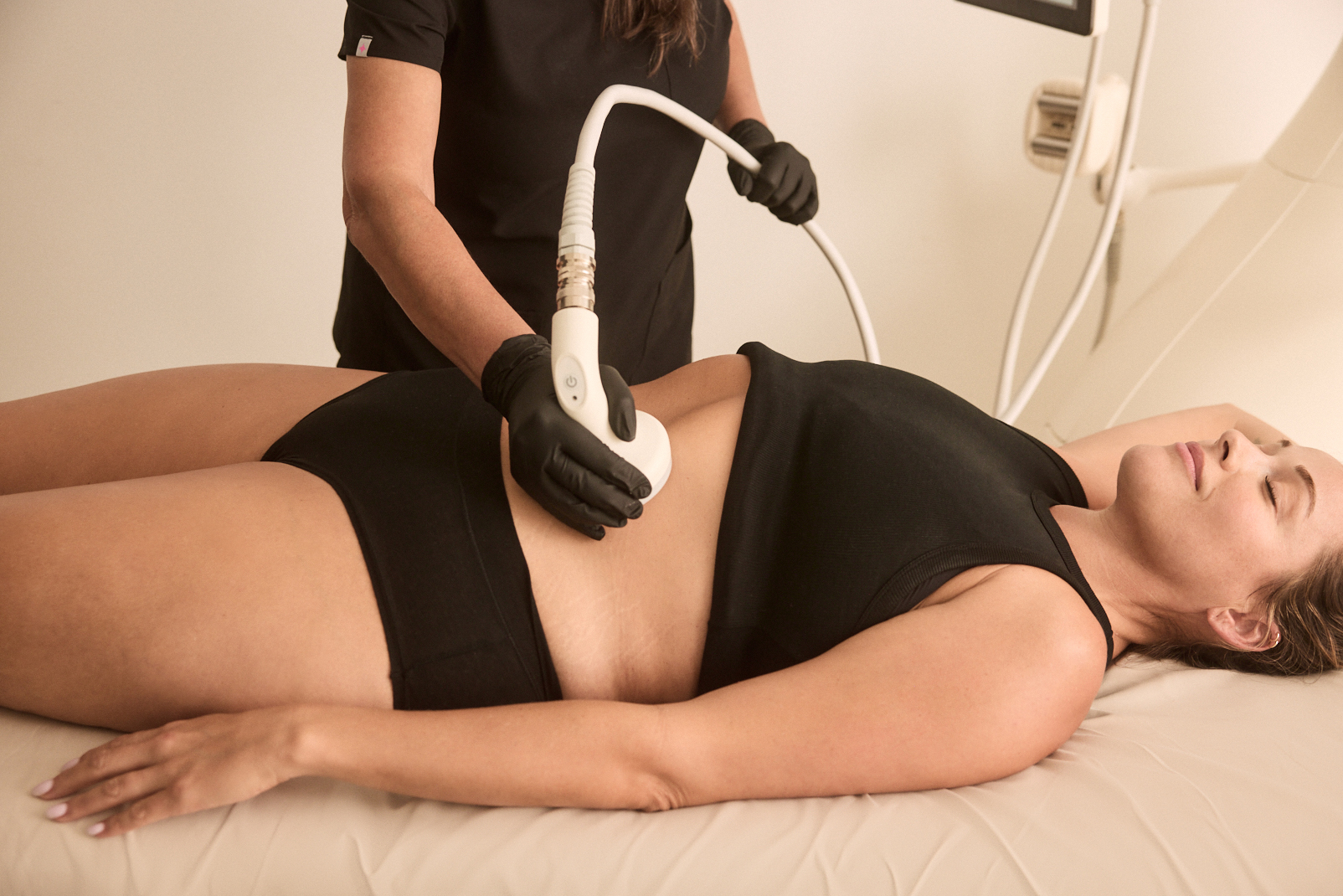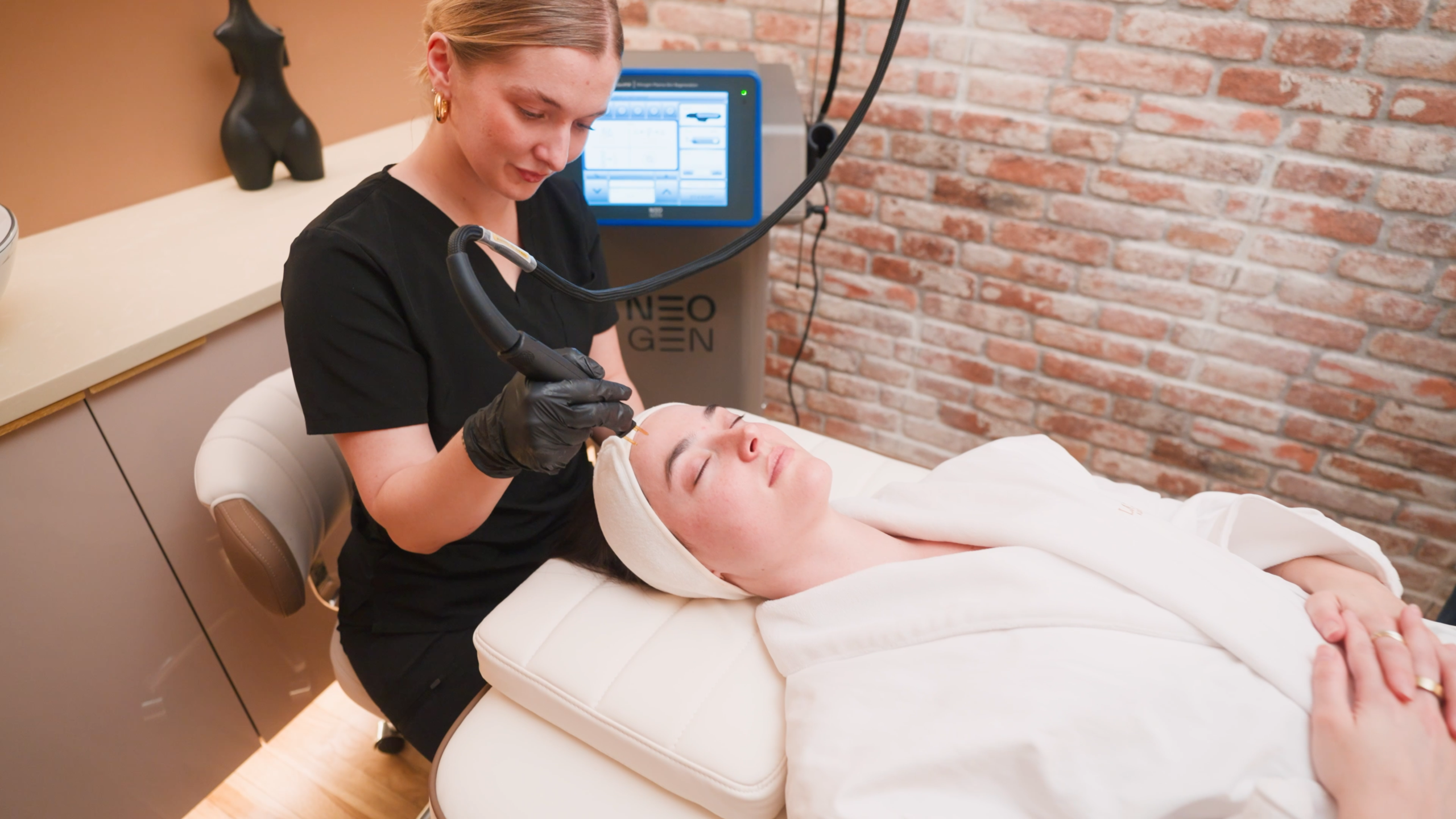
Having cellulite is absolutely normal. Everyone has it to a certain degree, whether on the legs, on the arms, or on the stomach. While this is not a medical concern, meaning it does not cause any harm, it does affect your skin’s appearance, which can sometimes cause distress and affect your self-esteem and body confidence.
Now, having cellulite on the stomach is very common, even though we tend to associate cellulite with the thighs and buttocks first. So, if you’re reading this article because you want to learn how to get rid of cellulite on stomach, we’re here to help you understand why cellulite forms and how to smooth out that orange peel texture.
Disclaimer: This article is provided for informational and educational purposes only. The information presented here is not a substitute for professional medical evaluation, consultation, or care and should not be relied upon to make health-related decisions. Always consult a qualified and licensed medical or aesthetic professional before undergoing any cosmetic or aesthetic procedure.
Quick Answer: How to Get Rid of Cellulite on Stomach
To get rid of cellulite on the stomach, focus on improving skin elasticity, reducing excess body fat, and supporting collagen production.
The most effective approaches include regular exercise, strength training, a healthy anti-inflammatory diet, hydration, massage, and topical treatments containing caffeine or retinol.
Professional treatments such as radiofrequency therapy, acoustic wave therapy, laser treatments, and multi-technology body contouring devices like T-Shape 2 may provide more noticeable and longer-lasting results.
While cellulite is difficult to remove permanently, consistent lifestyle habits and targeted cellulite treatments can significantly reduce its appearance.
What Is Cellulite?
Cellulite is a term used to refer to that dimpled, orange peel-like texture on the skin. It forms when fat cells beneath the skin push upward against the connective tissue. At the same time, the fibrous connective bands pull the skin downward in certain areas. This creates the uneven, dimpled, and textured skin appearance characteristic of cellulite.
It is not a disease or a sign of poor health. Just a structural characteristic of the skin. It affects both men and women, but women are much more prone to developing cellulite. It has been shown that roughly 80-90% post-pubertal women get cellulite.
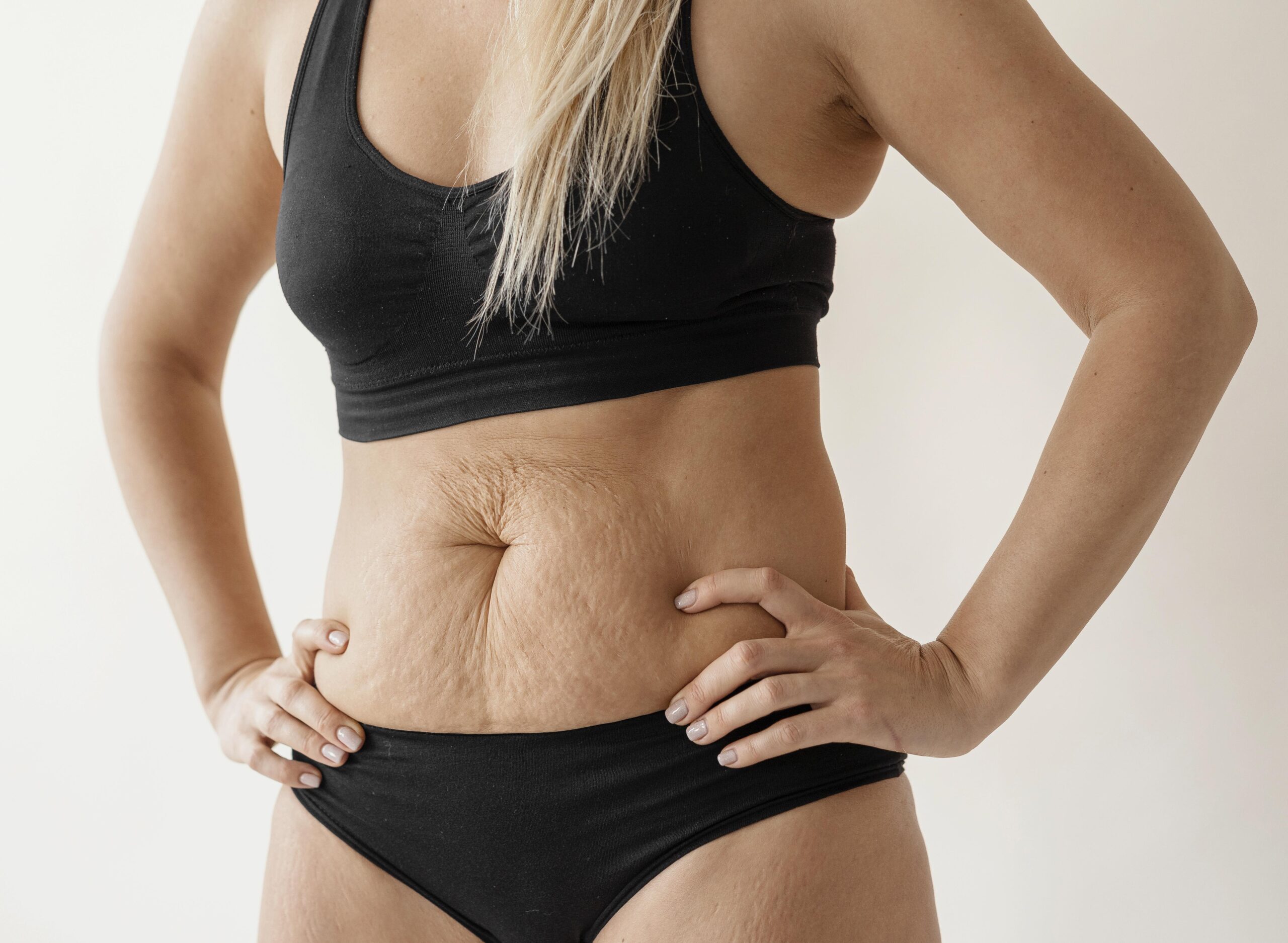
Why Does Cellulite Appear on the Stomach?
Cellulite appears on the stomach because of hormonal changes, age-related collagen and elastin decline, genetics, lifestyle factors, inflammation, pregnancy, and weight fluctuations. Here are some more details about each.
Hormonal Changes
Hormones like estrogen, insulin, cortisol, and thyroid hormones greatly influence fat storage, circulation, connective tissue strength, and inflammation. Estrogen is particularly linked to cellulite because it can affect collagen production and fat distribution.
Age-Related Collagen and Elastin Decline
As you age, your skin loses collagen and elastin, and thus firmness. The connective tissue beneath the skin becomes weaker and thinner. Because of that, the underlying fat becomes more visible, so the dimpled appearance of cellulite also becomes more pronounced.
Genetics
Genetics strongly influence whether you develop cellulite, how much cellulite you have, where it appears, how your body stores fat, your skin thickness, and collagen structure. Some people are simply more predisposed to cellulite, even if they have low body fat levels.
Lifestyle Factors
Sedentary habits, smoking, excessive alcohol intake, poor sleep, chronic stress, and poor diets high in processed foods can increase the risk of getting cellulite. These can worsen circulation, cause inflammation, lead to collagen breakdown, and increase fat accumulation.
Chronic Inflammation
Inflammation in the body may damage connective tissues, cause poor circulation, and promote fluid retention. These can make cellulite more visible.
The Four Grades of Cellulite
Dermatologists usually classify cellulite in four grades:
| Grade | Description |
| 0 | No visible cellulite |
| 1 | Smooth skin when standing; dimpled appearance when sitting or pinching |
| 2 | More pronounced cellulite; orange peel texture visible when standing and sitting |
| 3 | Deep rippling and pronounced dimpling in all positions |

How to Get Rid of Cellulite on Stomach: 5 Lifestyle Changes
1. Adjust Your Diet
Eating healthily is definitely underestimated in this regard because it doesn’t directly reduce dimpling as a cellulite cream or a professional treatment does. But it’s actually one of the most important things you can do for reducing stomach cellulite over time. The goal is to reduce systemic inflammation, support collagen production, and manage body fat levels.
Consider the following:
- Increase antioxidant-rich foods like fruits, vegetables, and whole grains, as they help combat oxidative stress, which degrades connective tissue and accelerates skin ageing.
- Prioritize lean protein, because adequate protein intake supports the synthesis of collagen; eat fish, chicken, legumes, and eggs.
- Reduce sugar and processed foods, because sugar promotes fat cell expansion and inflammation; cut down on sweets, soft drinks, and ultra-processed foods.
- Stay hydrated, as it makes your skin more elastic and less likely to show the uneven skin texture associated with cellulite.
- Include collagen-supporting nutrients like Vitamin C, which is essential for collagen synthesis; go for citrus fruits, peppers, and leafy greens.
2. Exercise Regularly
Just like eating healthily, exercising regularly is one of the most effective ways to manage belly cellulite. But don’t expect to get rid of cellulite overnight, though, even if we’d all like that to happen! Exercise reduces the underlying fat and builds the muscle base beneath the skin, which may make cellulite less visible. And it takes quite some time to notice results. Plus, working out does not directly remove the structural changes that cause cellulite.
So, the most effective workouts to reduce cellulite on the stomach should usually include:
- Cardiovascular exercise like walking, jogging, swimming, or cycling for around 30 minutes most days. Cardio burns excess fat and improves blood circulation, both of which can reduce the appearance of cellulite.
- Strength training, which helps you build the abdominal muscles beneath the skin and create firmer skin, thus reducing how much the overlying fat pushes through the connective tissue. Try movements like squats, lunges, and deadlifts, which are useful for full-body fat reduction.
- High-intensity interval training (HIIT), since alternating bursts of intense movement with recovery periods can be particularly effective for metabolic fat burning.
Don’t forget that spot reduction, meaning the idea that crunches alone will eliminate stomach cellulite, is a myth. Crunches do strengthen the abdominal muscles, but it’s recommended to train your entire body to achieve the best results.
3. Dry Brushing
Dry brushing implies massaging the skin with a firm brush with natural bristles using long, upward strokes before showering. This may temporarily increase blood flow and support lymphatic drainage, which can reduce fluid retention in the tissue and create a temporarily smoother skin surface.
However, keep in mind that dry brushing is not a standalone procedure to treat cellulite, and current evidence for dry brushing is very limited. But it can be useful as part of a consistent routine by modestly improving skin texture, exfoliating the skin, and temporarily boosting blood flow. It might work as a complementary method to other cellulite treatments.
4. Massage
Manual massage, whether performed by a therapist or with a handheld device, can improve blood circulation and support the lymphatic system. Basically, it can help drain excess fluid from the tissue. This may reduce the lumpy appearance associated with cellulite, but it needs to be done regularly to maintain the results – alongside a healthy lifestyle and exercising, of course.
Lymphatic drainage massage is also often recommended as a complementary method alongside other cellulite procedures to help the body process and eliminate broken-down fat.
5. Topical Cellulite Treatments
Topical cellulite products are widely available and can help reduce cellulite, but their effects are generally modest and temporary. The most evidence-backed ingredients to look for include:
- Caffeine, because it may help temporarily tighten skin elasticity by constricting blood vessels and reducing fluid accumulation
- Retinol, which is a vitamin A derivative that can increase cell turnover and support collagen production with consistent use
- Hyaluronic acid, which can help plump the skin and temporarily reduce the visibility of dimpled skin
These products work best when massaged into the skin consistently and combined with other lifestyle approaches. On their own, they are unlikely to produce significant long-term cellulite reduction.
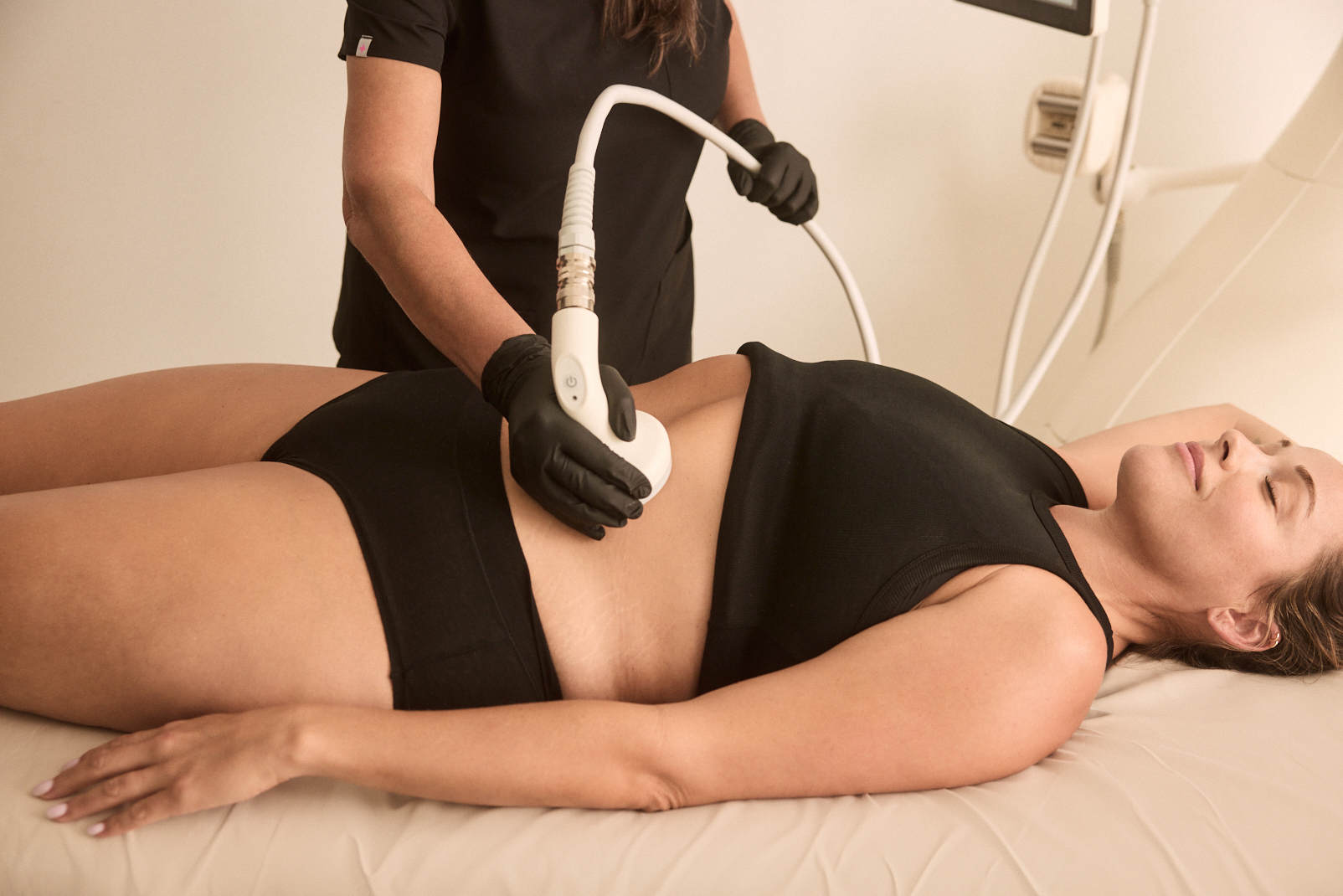
How to Get Rid of Cellulite: 5 Professional Treatments
If you want to achieve more significant and long-lasting results, you can try professional cellulite reduction treatments, which we’ll discuss more about in the following sections.
Before deciding on a procedure, talk to a healthcare professional who can assess whether that procedure may indeed work for you specifically.
1. Radiofrequency (RF) Therapy
Radiofrequency cosmetic treatments deliver controlled thermal energy deep into the skin. That energy heats the connective tissue beneath the skin’s surface.
Firstly, this can stimulate the body to produce new collagen and elastin, which thickens and tightens the skin over time. Secondly, it can cause fat cell membranes to break down. Therefore, RF can be particularly well-suited for belly cellulite because the abdomen responds well to the combination of skin tightening and collagen remodelling.
Multiple sessions are typically required in the case of radiofrequency. Results continue to improve for several months after treatment.
2. T-Shape 2: A Multi-Technology Approach for Stomach Cellulite
The T-Shape 2 is a body contouring system cleared by the FDA for reducing the appearance of cellulite. It stands out among other cellulite procedures because it combines four technologies in a single platform:
- Bipolar radiofrequency (RF), which heats the deeper layers of the skin to stimulate collagen production, break down fat cells, and improve skin elasticity
- Low-level laser therapy (LLLT), which can help improve oxygen supply to the tissue, support lymphatic drainage, and enhance skin health
- Endodermic massage with suction, which can help improve lymphatic drainage and smooth dimpling
- Mesospheric activation, which can help tone the muscles, promote circulation, and enhance overall skin health
Together, these modalities target the three main contributors to belly cellulite: excess adipose tissue, weakened connective tissue, and declining skin elasticity. 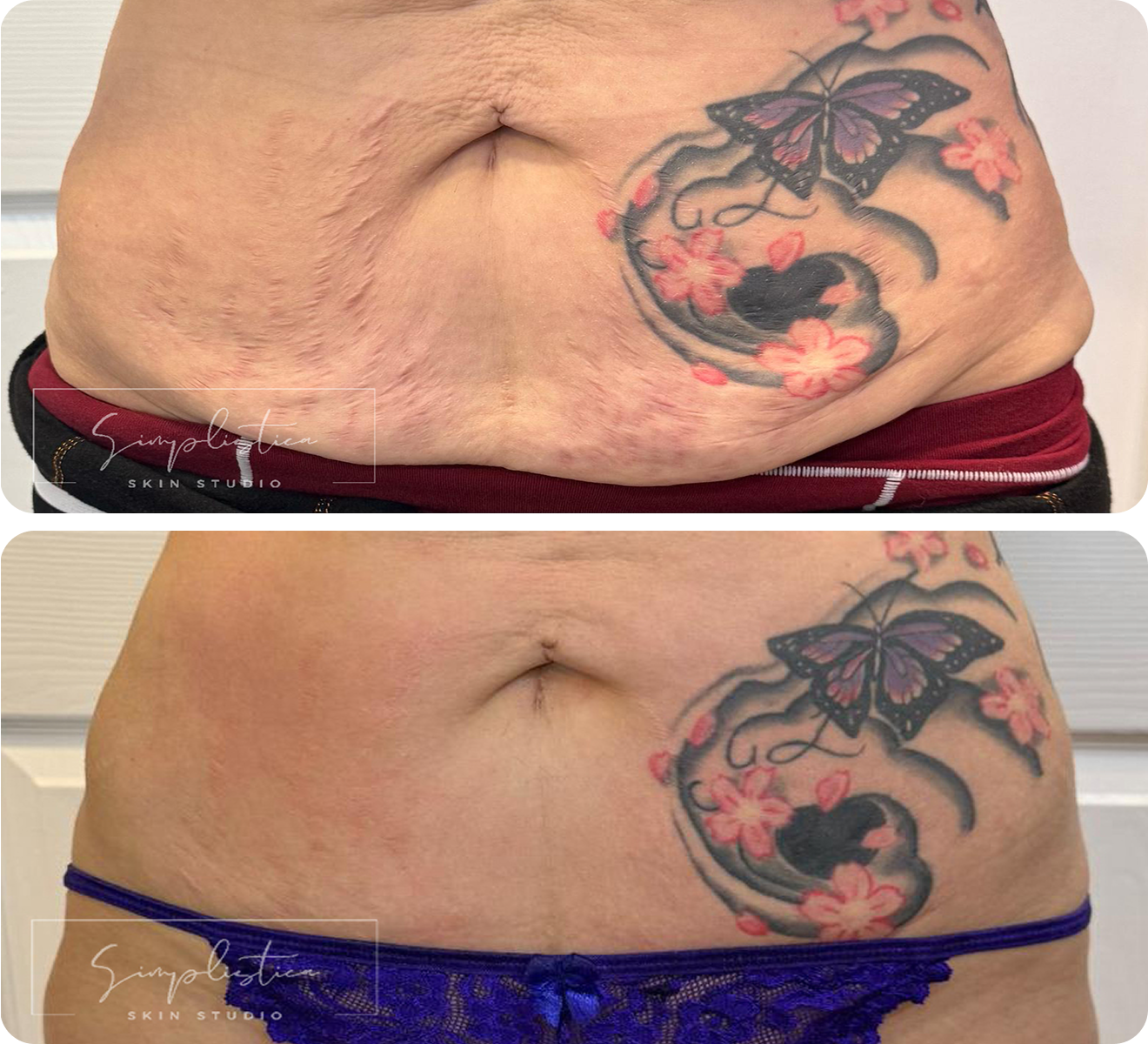
Before and after 5 treatments with T-Shape 2. Courtesy of Simplistica Skin Studio.
Most clients require between 6 and 12 sessions to achieve meaningful results, with sessions spaced a few days apart. Early improvements in skin texture are often visible after the first few sessions. Full results continue to develop for several weeks after the treatment course ends as collagen production continues in the treated tissue.
3. Acoustic Wave Therapy for Cellulite
Acoustic wave therapy, also referred to as shockwave therapy, uses sound waves to disrupt the structural elements responsible for cellulite. The mechanical pressure of the waves breaks down the rigid fibrous bands that tether the skin downward, while also stimulating circulation and collagen synthesis in the surrounding tissue.
A placebo-controlled clinical trial found that acoustic wave therapy produced statistically significant improvements in cellulite appearance, including reductions in skin waviness and the depth of surface depressions, with no adverse effects reported.
Acoustic wave therapy is generally well-tolerated, requires no downtime, and can be applied to the abdominal area.
4. Cellulite Laser Treatment
Laser energy penetrates beneath the skin surface to sever the tough bands contributing to dimpling and stimulate collagen production to firm the overlying skin. Laser treatment can be effective for improving skin texture and firming loose skin, and results may last a year or more, depending on the device and severity of cellulite. Make sure to consult a qualified dermatologist or cosmetic surgeon to determine whether cellulite laser treatment is appropriate for your specific case.
5. Body Wraps
Body wraps can temporarily improve the appearance of cellulite by compressing and hydrating the skin, which may reduce fluid retention and smooth the skin surface for a short period. However, effects are typically short-lived and last a day or two, so it’s recommended to rely on body wraps as a temporary aesthetic boost rather than a cellulite reduction strategy.
Comparison Table: Cellulite Treatment Options
| Cellulite Treatment | Invasiveness | Downtime | Typical Results | Best For |
| Healthy diet + exercise | None | None | Gradual improvement over months | Long-term fat reduction, overall skin health |
| Dry brushing + massage | None | None | Temporary; modest improvement | Circulation, mild texture improvement |
| Topical creams (retinol, caffeine) | None | None | Temporary; surface-level | Supporting other cellulite treatments |
| Radiofrequency therapy | Non-invasive | None | Progressive skin tightening over months | Loose skin + cellulite |
| T-Shape 2 | Non-invasive | None | Improved texture, tone, and contour | Comprehensive multi-technology approach |
| Acoustic wave therapy | Non-invasive | None | Measurable reduction in dimples | Moderate cellulite |
| Laser cellulite treatment | Minimally invasive procedure | Minimal | Skin tightening + fat reduction | Moderate to severe cellulite |
Common Myths About Stomach Cellulite
There is a lot of misinformation circulating about cellulite, some of which leads people to try approaches that are unlikely to help or to give up too soon on ones that could.
- Myth: Only overweight people get cellulite.
Fact: Cellulite can affect everyone, regardless of their weight. It’s a structural issue involving connective tissue and not simply an excess fat problem, so even slim and athletic individuals can have cellulite. Skin elasticity, genetics, and hormonal factors are often more influential than overall body weight.
- Myth: Cellulite will go away if you lose weight.
Fact: Weight gain can sometimes cause cellulite, so weight loss can reduce the amount of fat beneath the skin that is pushing against the connective tissue, which may make cellulite less visible, but it does not eliminate the structural cause. In some cases, rapid weight loss can actually make cellulite look worse because the skin loses elasticity and can’t keep pace with the change.
- Myth: Cellulite is caused by toxins.
Fact: This claim is not supported by scientific evidence. Cellulite is a structural, physiological condition involving fat, connective tissue, and the skin, not a toxic build-up.
How to Prevent Cellulite From Getting Worse
While it may not be possible to prevent cellulite entirely, particularly given the role of genetics and hormones, you can still adopt some habits that can slow its progression and reduce its visibility:
- Maintain a healthy weight, because it will help preserve the integrity of the skin and connective tissue.
- Stay active consistently, as regular exercise supports circulation, maintains muscle mass, and prevents excessive fat accumulation.
- Eat a balanced diet, as already mentioned above.
- Moisturise and protect your skin, even if it doesn’t seem like this would help at first thought. If you keep your skin hydrated and protected from UV damage, you’ll support skin elasticity and help slow down the breakdown of collagen and elastin.
- Quit smoking, as it impairs blood circulation and directly accelerates collagen degradation.
- Consider collagen-supportive supplements. Hydrolysed collagen supplements and vitamin C may help support collagen synthesis, although further research into their long-term efficacy for cellulite specifically is needed.
FAQs
What’s the difference between lipedema vs cellulite?
Cellulite is a cosmetic skin condition that causes dimpling or a “cottage cheese” appearance, usually caused by fat pushing against weakened connective tissue. Lipedema is a chronic disorder that causes painful, symmetrical fat buildup, most commonly in the legs and arms. Unlike cellulite, lipedema often causes tenderness, swelling, and easy bruising.
Do men get cellulite?
Yes, men can get cellulite, but cellulite is much less common in men than in women. Men typically have different connective tissue structures and fat distribution patterns, which make cellulite less likely to form compared to women.
Does cellulite on the stomach go away?
Stomach cellulite can improve, but it usually does not disappear completely. Treatments such as exercise, weight management, skin tightening procedures, massage, and collagen-supporting habits may reduce its appearance over time.
How to get rid of stomach cellulite naturally?
Natural ways to reduce stomach cellulite include regular exercise, strength training, staying hydrated, eating a diet rich in essential nutrients, improving circulation, avoiding smoking, and maintaining a stable body weight. These methods can help improve skin texture and reduce the visibility of cellulite.
Can you get rid of cellulite once you get it?
Permanent cellulite removal is very difficult, but its appearance can often be reduced. A combination of healthy lifestyle habits, topical treatments, massage, and professional procedures may help smooth and tighten the skin.