In recent years, medical professionals have noticed an unusual spike in people experiencing the unwanted facial changes associated with rapid weight loss. Dr. Paul Jarrod Frank, a cosmetic dermatologist, called it the Ozempic face.
So many people have reported feeling cheated by how healthy they feel on the inside… Only to be faced with an exhausted or older appearance in the mirror. They’ve worked hard to lose weight and improve their overall health. Yet they may not recognize themselves in photographs.
If that’s what you’re dealing with right now, you’re in the right place. This guide will walk you through what exactly causes these facial transformations, how to fix Ozempic face, and what you can do to prevent or minimize it in the first place.
Disclaimer: This article is provided for informational and educational purposes only. The information presented here is not a substitute for professional medical evaluation, consultation, or care and should not be relied upon to make health-related decisions. Always consult a qualified and licensed medical or aesthetic professional before undergoing any cosmetic or aesthetic procedure.
Quick Answer: How Do You Actually Fix Ozempic Face?
Ozempic face is the hollow, sagging, more aged facial look that appears after rapid body and facial fat loss. It’s often experienced by people on GLP-1 medications like Ozempic (semaglutide). It is more common in adults over 35-40 or those losing a lot of weight quickly.
To fix the Ozempic face, first stabilize your weight and support skin health with adequate protein, hydration, sun protection, and collagen-supporting nutrition.
Then, you may consider non-surgical treatments like dermal fillers, biostimulatory injectables, radiofrequency, ultrasound, laser, or devices like T-Shape 2 to restore volume and tighten skin.
For severe laxity or large weight loss, surgical options might be necessary.
What Is Ozempic and Why Does It Change Your Face?
Ozempic (semaglutide) is a GLP-1 receptor agonist, originally approved by the FDA in 2017 for managing type 2 diabetes. It can also be effective for weight loss, states Dr. Jennifer Levine, a facial plastic surgery specialist based in New York. According to her, it works because the pancreas secretes more insulin, while the liver produces less glucagon. These effects, along with slow gastric motility and central appetite regulation, can help suppress appetite.
When it’s naturally produced, the GLP-1 hormone keeps the appetite in check for only a short period of time. But in weight loss medication form, as Dr Rahnama, MD, a board-certified internist and obesity-medicine specialist, points out, it can help maintain fullness for 24 hours.
Holly Lofton, MD, director of the Medical Weight Management Program at NYU Langone Health, argues that “it also acts in areas of the brain involved in regulating appetite and food intake.”
All of these effects can lead to rapid weight loss. People often end up eating much less than they normally do because they just aren’t hungry.
And when that rapid weight loss occurs, the skin sometimes cannot adapt to the changes, especially if one loses a lot of weight quickly. The skin struggles to shrink back around the new body shape. So there might be excess skin that feels more lax. Changes in facial fullness are very common. And that’s how the colloquial term Ozempic face appeared.
What Exactly Is Ozempic Face?
Ozempic face basically describes the hollowed, sagging, and sometimes gaunt facial appearance that can appear after relatively rapid fat loss on GLP-1 medications. It’s characterized by a more aged appearance that seems to have come out of nowhere. It can also cause changes in skin tone and quality. This leaves people feeling bewildered when they thought they’d finally get to enjoy the benefits of all that hard work after losing weight.
Typical visible signs include:
- Sunken cheeks and flattened mid-face contours
- More prominent bone structure, particularly cheekbones and jawline
- Deepened nasolabial folds (the lines running from the nose to the corners)
- Visible marionette lines extending from the mouth corners toward the chin
- Sunken temples that create a hollow look above the cheekbones
- Sunken eyes with dark circles and hollowing in the under-eye area
- Jowling and facial sagging along the jawline
- Loose neck skin and loss of definition between the face and neck
Who Is Most at Risk of Developing Ozempic Face?
Not everyone will experience these facial changes. But some people are more likely to develop Ozempic face because of biological, lifestyle, and weight-loss-related factors.
There’s a higher risk of developing Ozempic face for:
- Adults over 35-40 years old, whose skin loses the ability to produce as much collagen and elastin and who have lower subcutaneous fat reserves
- Individuals losing weight rapidly or in large amounts
- Those with low baseline facial fat or a lean facial structure
- People with a history of yo-yo dieting
- Individuals with lifestyle-related skin stressors (smoking, chronic sun exposure, poor sleep, high stress levels)
How to Fix Ozempic Face: Cosmetic Procedures
Most people start with non-surgical options because they’re lower-risk, highly customizable, and require little to no downtime.
Here are some non-surgical procedures that may help fix the Ozempic face look and restore that youthful appearance.
Dermal Fillers
Facial fillers are gel-like substances (e.g., hyaluronic acid) that can help restore lost volume. They can be used in areas like the cheeks, temples, or under the eyes. In the context of facial changes related to significant weight loss, fillers can help re-create facial contours and soften hollowed areas. Your face may end up looking fuller and more like you – the way it used to be before you lost weight.
Biostimulatory Injectables
Biostimulatory injectables are designed to encourage your skin to grow its own supportive structure over time. They don’t add volume right away. They can help reinforce the skin’s underlying framework. The changes are usually gradual and subtle.
For example, Sculptra is a collagen biostimulator that can help restore facial volume by encouraging the body to rebuild its own collagen.
Radiofrequency
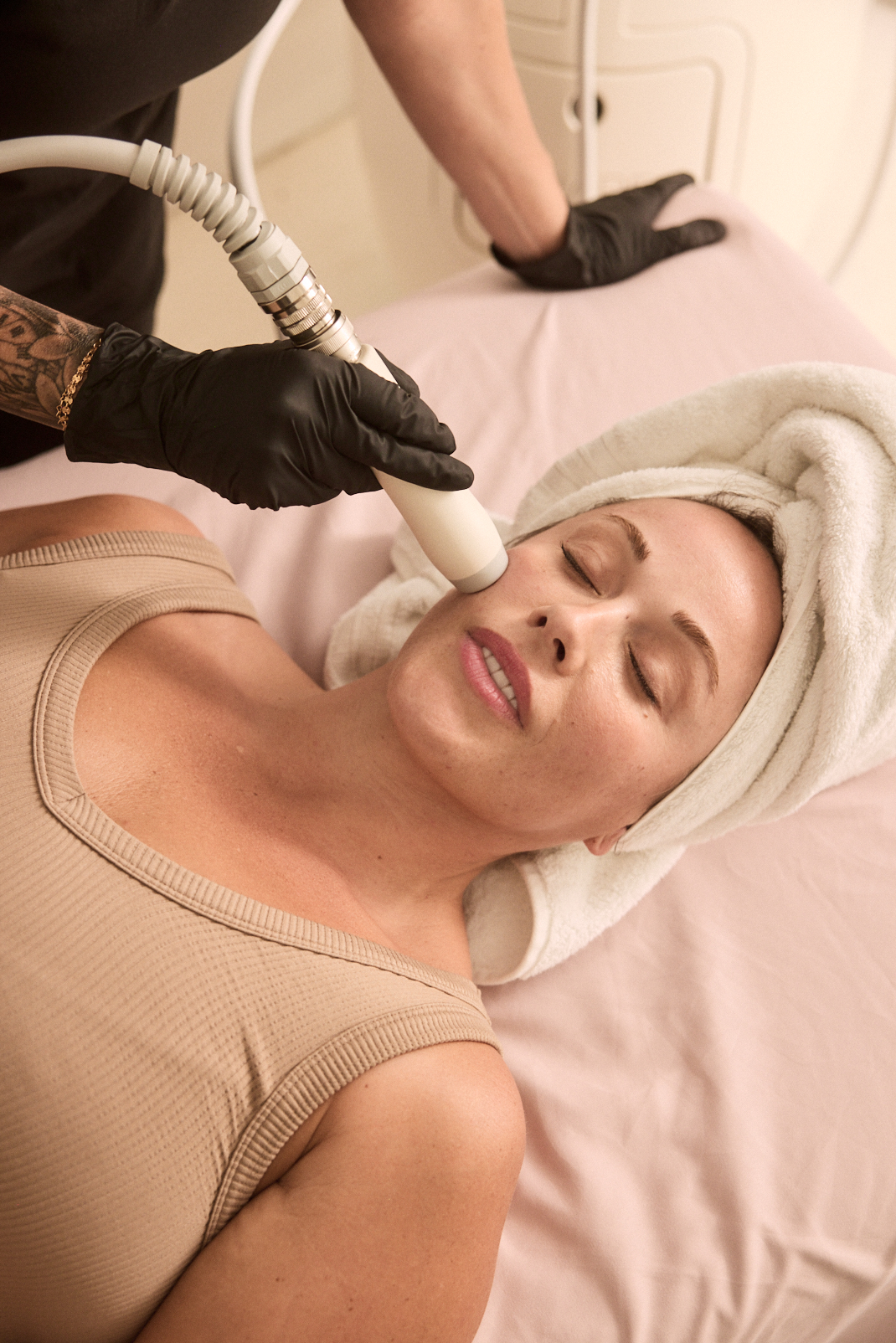
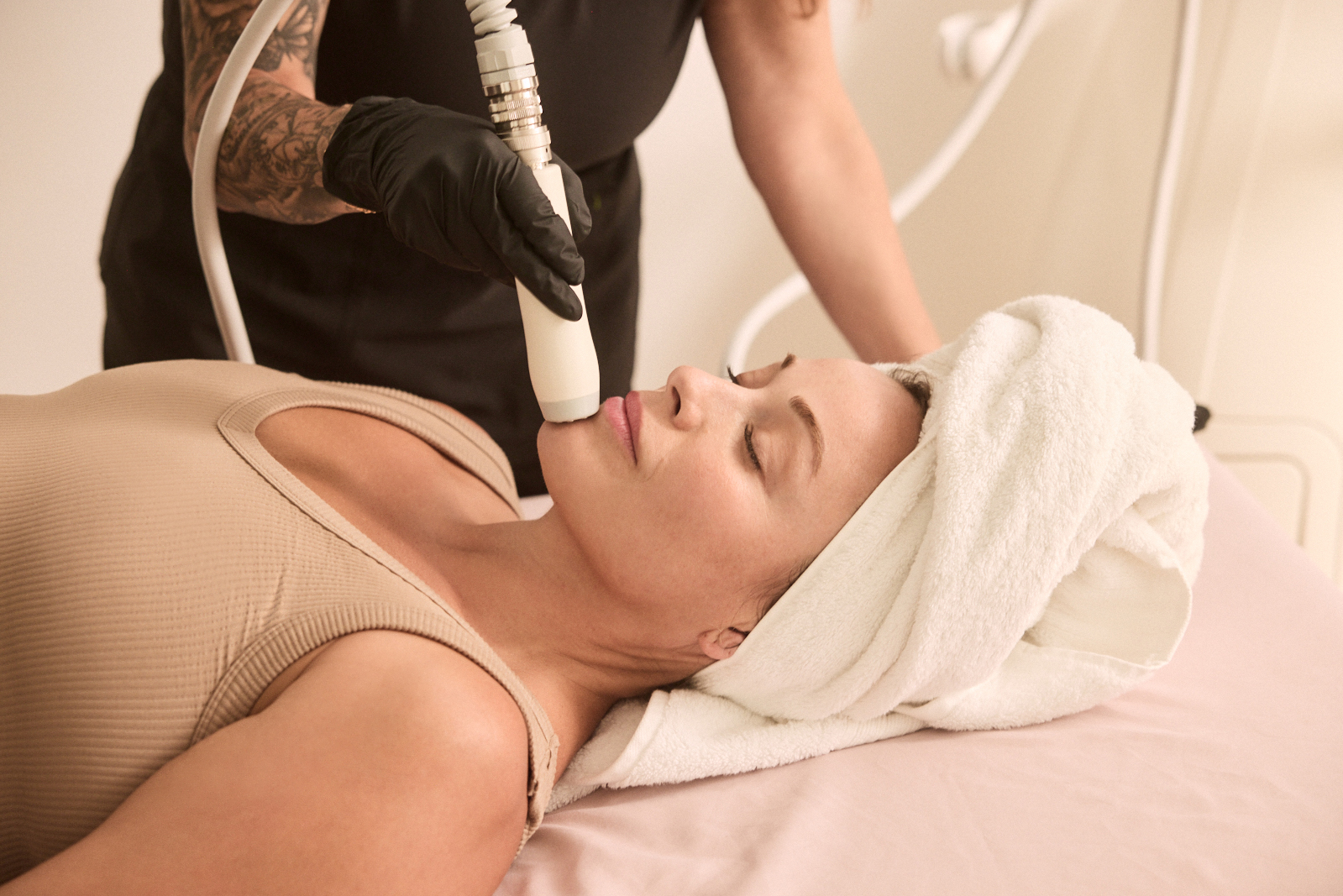
Radiofrequency skin-tightening procedures use controlled energy to gently heat the deeper skin layers. Radiofrequency devices are often used on loose or sagging skin because the heat basically wakes up the body’s natural healing process. This can stimulate natural collagen and elastin production.
Ultrasound Therapy
Ultrasound-based therapy delivers energy to deeper layers of the face. This can help improve mild to moderate drooping in areas such as the brows, cheeks, and neck.
Like radiofrequency, ultrasound devices also trigger the body’s natural healing response.
Laser
Laser devices create tiny injuries or controlled thermal stress in the skin, which then signal your body to start repairing and regrowing. And that means, yet again, new collagen production. As collagen rebuilds, the skin gains strength and elasticity. Sagging can appear less noticeable, and overall skin quality may improve.
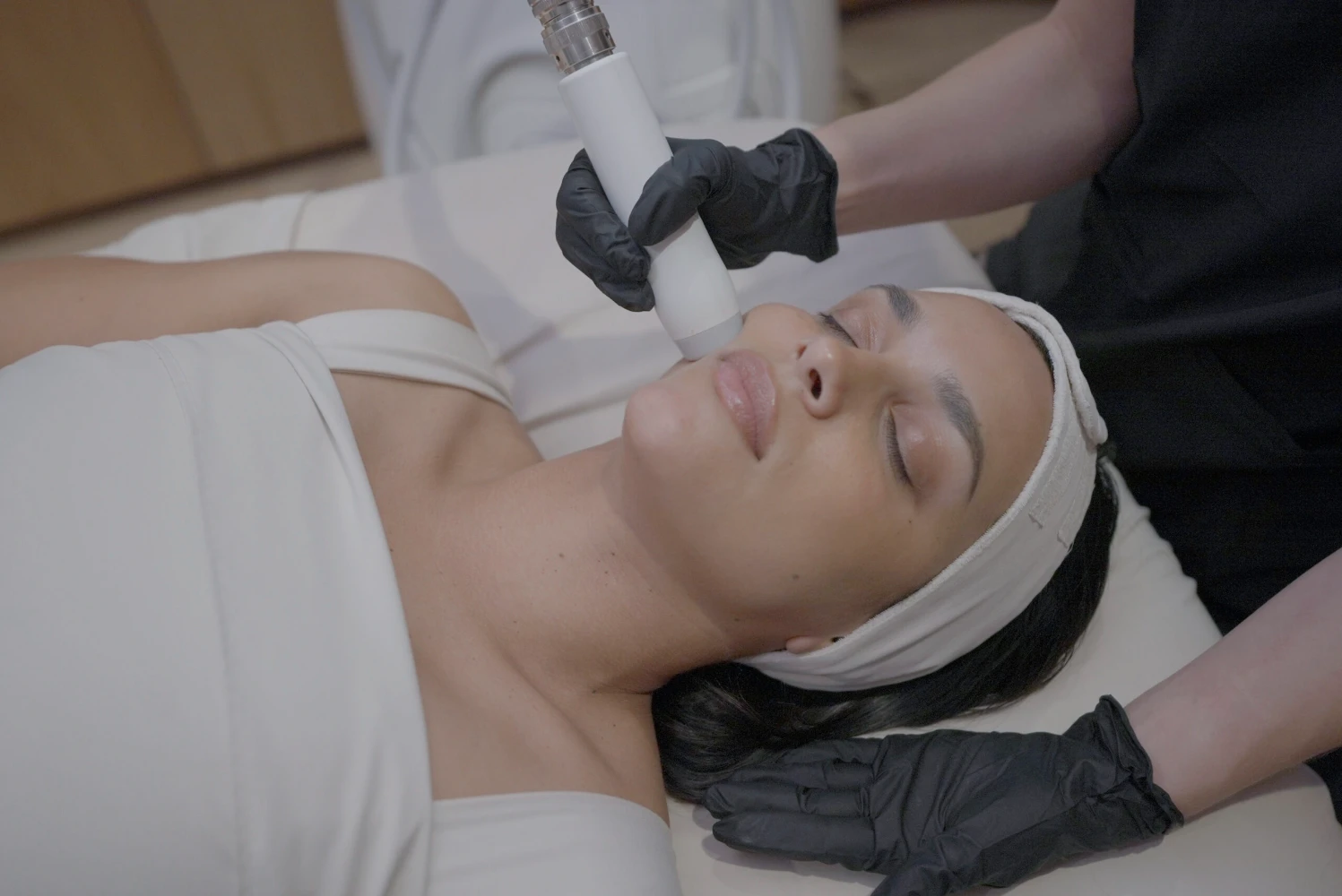
Combination Therapy: T-Shape 2
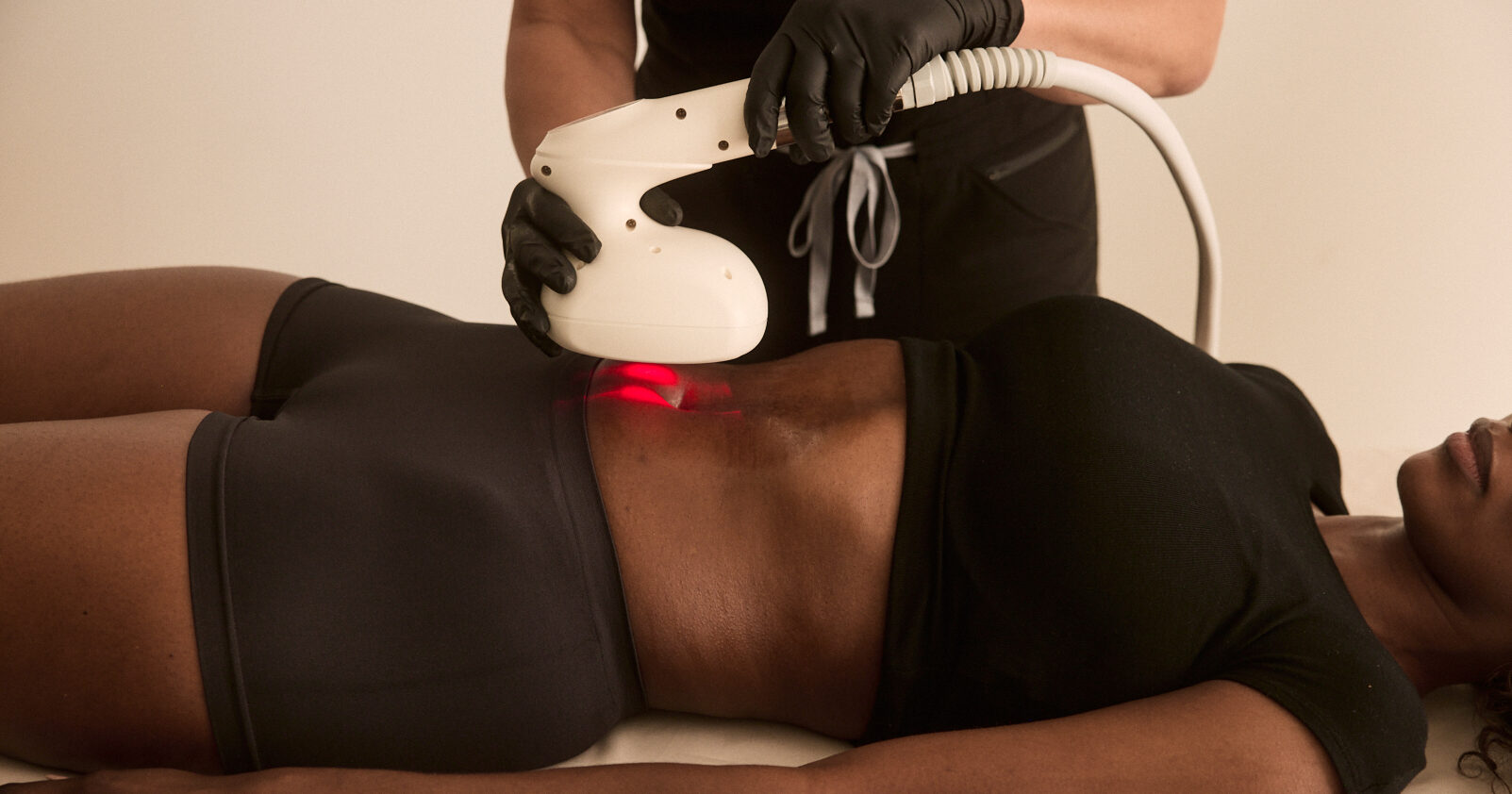
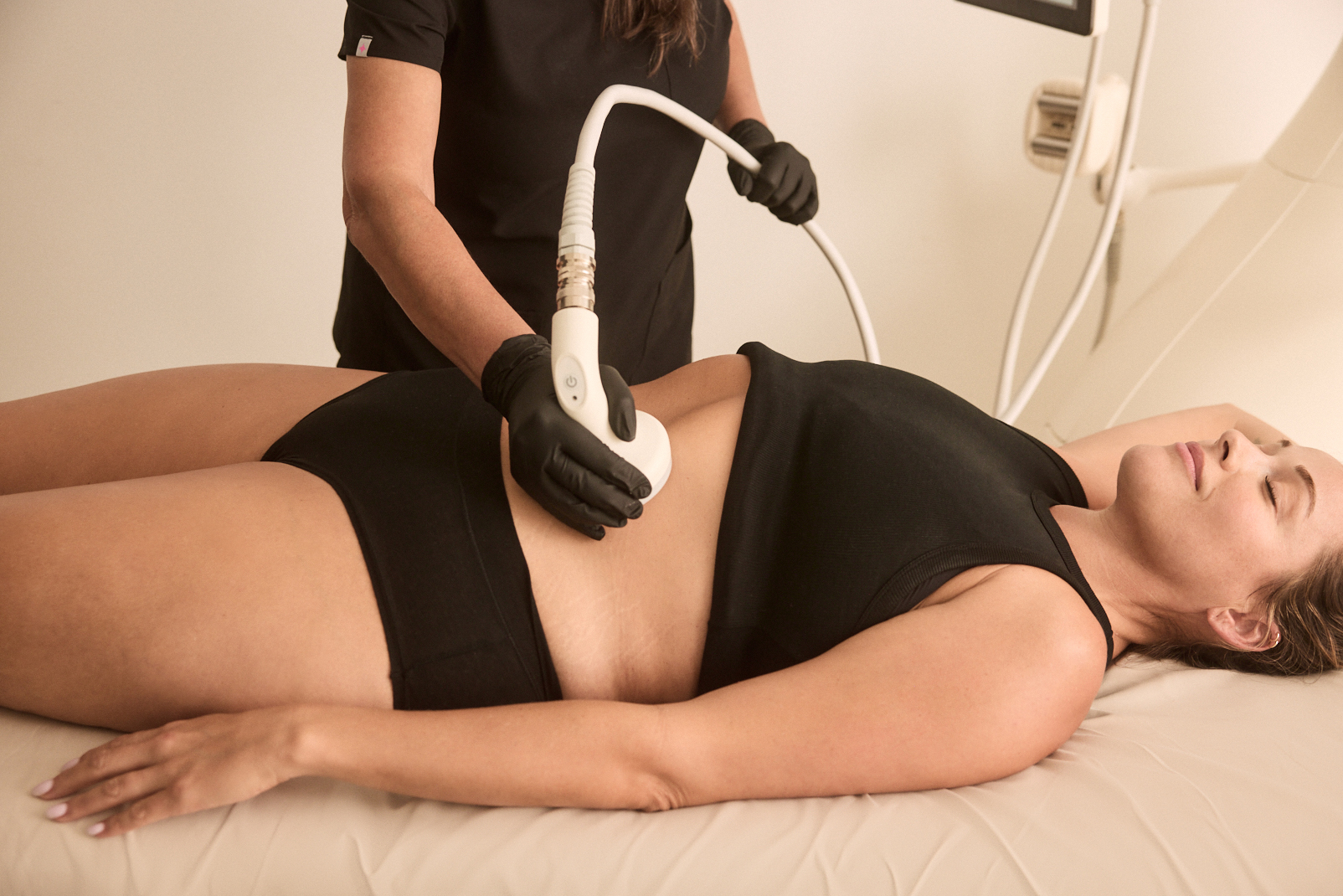
T-Shape 2 is a non-invasive body-contouring and skin-tightening device. It combines four technologies:
- Bipolar Radiofrequency
- Low-Level Laser Therapy
- Endodermic vacuum suction
- Mesospheric mechanical massage
Together, these technologies are designed to help tighten loose skin and improve firmness and smoothness on the face and body. It can also be of help for fixing the Ozempic face.
Here’s exactly how the T-Shape 2 device may help.
Addressing Skin Laxity Through Collagen Stimulation
T-Shape 2 uses bipolar radiofrequency. This technology gently heats the deeper layers of the skin. And because of this controlled thermal effect, the skin may start producing new collagen and elastin. Over time, this can help improve skin tightness. It can also help the face appear firmer and more supported, particularly in areas prone to sagging, such as the cheeks, jawline, and neck.
Improving Circulation and Tissue Quality
The device’s mesospheric mechanical massage and endodermic vacuum suction work together to help enhance microcirculation and lymphatic drainage. This can be beneficial for improving circulation, which further supports oxygen and nutrient delivery to the skin. On the other hand, better lymphatic flow can help reduce facial puffiness and fluid stagnation.
Supporting Metabolic Activity
T-Shape 2 incorporates low-level laser therapy. It is designed to support cellular metabolism and tissue activity. While it does not replace lost facial fat, this technology may help optimize the health of the remaining subcutaneous tissue. This can contribute to a smoother and more even skin appearance during and after weight loss.
Enhancing Muscle Tone and Facial Contours
The mechanical stimulation provided by the device can help activate underlying facial muscles and improve tissue responsiveness.
Surgical Options for Advanced Ozempic Face
For severe skin laxity, older people (often 50+), or those with very large weight losses of 60-100+ pounds, cosmetic surgery may offer the most dramatic and durable improvement. When significant excess skin is present, no amount of filler or skin tightening can fully restore structure.
Surgical procedures that might help fix the Ozempic face include:
- Facelift – the deeper layers of the face tissues are lifted and repositioned; this can restore structure and eliminate excess skin
- Fat grafting – volume loss is being restored using the patient’s own fat; it’s basically a fat transfer from another area on the body to areas like the cheeks or the temples
- Neck lift – addresses loose skin and poor contour from the jawline to the collarbone
- Blepharoplasty – an eyelid surgery that can remove excess skin and tighten supporting muscles
- Lip lift – restores upper lip shape and accentuates volume
Can You Prevent Ozempic Face?
You can’t control where exactly body fat is lost. But you can slow down visible signs of aging by taking care of your skin, holding onto muscle mass and giving your collagen production a helping hand. As such, here’s what you can do to prevent Ozempic face.
Lose Weight Slowly
It is generally recommended to lose 1-2 pounds per week to minimize the risk of loose skin. Otherwise, if you lose more body weight per week, the skin doesn’t have enough time to contract. It doesn’t have enough time to reshape based on your new body contours.
Add More Protein Into Your Diet
Sufficient protein intake of at least 1.2g/kg/day has been associated with less skin laxity during weight loss. Therefore, try to incorporate into your diet lean meat, fish, eggs, Greek yoghurt, tofu, and protein-rich legumes.
Focus on Collagen-Supporting Foods
Here are some collagen-supporting minerals and vitamins, as well as the foods that contain them and that can be incorporated into daily meals:
- Vitamin C, found in bell peppers, citrus fruits, strawberries
- Zinc and copper, found in pumpkin seeds, shellfish, nuts
- Omega-3 fatty acids, found in fatty fish, flaxseed, walnuts, chia seeds
- Silica, found in cucumbers, bell peppers, oats
- Vitamin A, found in sweet potatoes, carrots, leafy greens
- Vitamin E, found in nuts, seeds, olive oil
- B-vitamins, found in whole grains, eggs, legumes
Reduce Salt, Alcohol, and High-Glycemic Carbohydrates
Too much salt in foods can cause water retention and puffiness. This can mask volume loss temporarily and affect long-term skin health.
Alcohol, on the other hand, has a dehydrating and inflammatory effect, especially during rapid weight loss.
Last but not least, high-glycemic carbohydrates like white bread, white rice, potatoes, sugary drinks, and processed cereals can spike insulin and promote inflammation. This can also gradually collagen.
Stay Hydrated
Adequate hydration can help support protein metabolism, nutrient absorption, and blood circulation, which contribute to muscle repair and regrowth. It can also help maintain skin health.
It’s generally recommended to drink 8-12 glasses of water daily. You can also try limiting diuretics like caffeine, alcohol, and high-sodium processed foods (another reason why salt and alcohol should be limited). You can also incorporate more water-rich fruits and vegetables into your diet and use humidifiers in dry environments to support skin health.
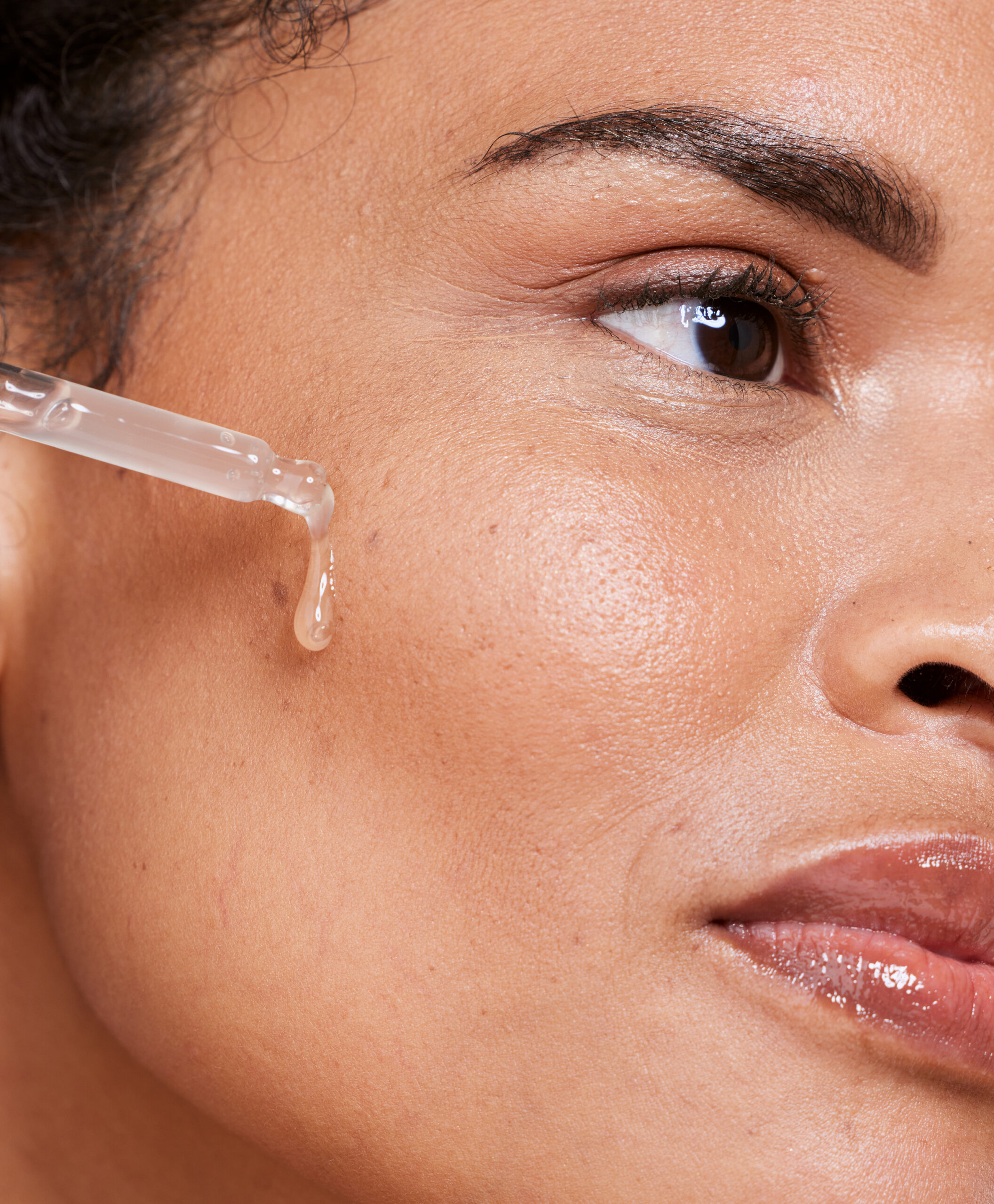
Use Skincare Products
You can try some skincare products that are designed to stimulate collagen and elastin production, as well as products that help the skin stay hydrated.
Moreover, make sure to protect your skin from sun exposure, even on cloudy days. Use a broad-spectrum SPF 30+ cream to prevent UV exposure from degrading existing collagen. You can also use retinoid and barrier repair products.
Preserve Facial Muscle Tone
Losing weight can cause you to lose fat and muscle mass. This can leave your face looking a bit sunken. On that account, try to incorporate some resistance training into your routine, 2-3 times a week, to keep your overall muscle mass up.
You can also try facial exercises and massage techniques. They may be of help in maintaining muscle tone and improving local circulation.
Prioritize Sleep and Stress Management
Chronic sleep deprivation and high cortisol levels can accelerate collagen breakdown and impair skin repair. So, aim for 7-9 hours of high-quality sleep per night. Try mindfulness practices or breathing techniques to reduce stress.
Avoid Excessive Caloric Restrictions
GLP-1 medications can suppress appetite, so it’s important to have a nutritious diet and ensure an adequate caloric intake. Otherwise, excessive caloric restrictions can exacerbate fat and muscle loss in the face and cause other side effects linked to caloric deficits.
Work with a Professional
The only best way to prevent Ozempic face and follow a healthy weight loss regimen is to work with professionals who can support your journey and give you recommendations tailored to your situation specifically.
When to Start Treating Ozempic Face (and When to Wait)
1. Preventive Phase
Preventive measures are the best, especially for individuals who are:
- Over 35-40 years old
- Anticipating rapid or significant weight loss
- Lean or low in baseline facial fat
- Already showing mild volume loss or skin laxity.
At this stage, the focus should be on:
- Slowing the rate of weight loss
- Preserving muscle mass and facial fat
- Optimizing nutrition, skincare, sleep, and hydration
- Considering early collagen-stimulating supplements/beauty procedures
2. Early Weight Loss Phase
If facial changes begin to appear, such as increased hollowness in the cheeks or temples, accentuation of nasolabial folds, skin laxity or dullness, it is recommended to address them quickly, not after weight loss is complete.
At this stage, you can try:
- Skin-directed measures (retinoids, SPF, barrier repair)
- Collagen-supportive or biostimulatory approaches
- Nutritional and caloric adequacy reassessment
3. Corrective Phase
If significant facial volume loss persists after weight has been stable for 3-6 months, you might be able to try corrective procedures.
The Importance of Working With Qualified Professionals
One of the most effective ways to prevent or manage the Ozempic face and to lose weight healthily, without the risk of side effects, is to work with qualified healthcare and aesthetic professionals throughout your weight loss journey.
Without professional guidance, individuals may unintentionally under-eat, lose muscle mass, or develop nutrient deficiencies that accelerate facial aging.
Working with professionals can help ensure:
- Safe and sustainable weight loss. Obesity medicine specialists, primary care physicians, or endocrinologists can help optimize dosing and weight-loss pace to reduce unwanted side effects.
- Nutritional adequacy. Registered dietitians can tailor protein intake, micronutrients, and calorie targets to preserve skin and muscle while still achieving weight loss.
- Appropriate timing of aesthetic treatments. Dermatologists, facial plastic surgeons, and experienced aestheticians understand how facial anatomy changes during weight loss and can recommend the right treatments at the right time.
- Personalized, combination-based care. Ozempic face is rarely caused by a single factor. Professionals can distinguish between fat loss, skin laxity, and muscle changes and design a treatment plan that addresses all three.
FAQs
How to fix the Ozempic face naturally?
You can fix Ozempic face naturally by prioritizing gradual and steady weight loss (1-2 lbs/week), eating more protein, using collagen-supporting nutrients and skincare, doing resistance training to maintain muscle mass, staying hydrated, and getting 7-9 hours of sleep. However, the most effective method to prevent and fix Ozempic face is to consult with a medical professional, even before starting your weight loss journey.
How long until Ozempic face goes away?
Ozempic face doesn’t automatically go away. Facial volume loss can persist indefinitely if it’s not addressed, especially if the weight remains stable at the lower level. You might be able to improve its appearance over 3-6 months by adopting a healthier lifestyle. But significant sagginess might require professional intervention.
How can you stop Ozempic face?
To stop Ozempic face, prioritize gradual weight loss (max 1-2 lbs/week), eat more protein (1.2-1.5g/kg), and preserve muscle through consistent resistance training. You can also try using skincare early with collagen-stimulating actives, stay well-hydrated, and work with your doctor to optimize your weight loss journey.
How much does it cost to fix the Ozempic face?
Non-surgical procedures that can help fix the Ozempic face can cost between $600 and $6,000. Procedures like a facelift can cost $10,000 or more.
Will taking collagen help with the Ozempic face?
Yes, taking collagen can help support skin structure and skin elasticity. However, collagen cannot replace lost facial fat alone. It works best as part of a comprehensive solution including protein optimization, skincare, and possibly professional procedures.
How to tighten skin after Ozempic?
You can tighten skin after Ozempic with radiofrequency (RF), ultrasound therapy, microneedling with RF, or T-Shape 2, which stimulate collagen over time. For mild laxity, try medical-grade skin care with retinoids, peptides, and hyaluronic acid, as well as maintain a stable weight with proper nutrition. Before trying any methods, consult a healthcare professional.