Regenerative aesthetics is a fast-growing niche in the aesthetic industry. Its goal is to support the body’s own repair and renewal processes, not just to replace volume or correct irregularities at the surface level. It aims to improve skin quality, texture, and function over time by relying on natural biology.
If you want to learn more about regenerative aesthetics and how it works, keep reading!
Disclaimer: This article is provided for informational and educational purposes only. The information presented here is not a substitute for professional medical evaluation, consultation, or care and should not be relied upon to make health-related decisions. Always consult a qualified and licensed medical or aesthetic professional before undergoing any cosmetic or aesthetic procedure.
Key Points: Regenerative Aesthetics
- Regenerative aesthetics supports the body’s natural skin renewal processes. It does not create immediate cosmetic correction.
- Results from regenerative aesthetics develop over multiple sessions, as skin quality, texture, and firmness improve over time.
- Regenerative therapies are commonly used on the face, neck, scalp, hands, and body, especially in areas affected by skin laxity, texture changes, or post-weight-loss concerns.
- Regenerative aesthetic procedures include PRP, biostimulators, PRF, microneedling, and energy-based device treatments.
- Regenerative aesthetics is often chosen by people who prefer subtle, natural-looking results and non-surgical procedures.
What Is Regenerative Aesthetics?
Regenerative aesthetics is a combination between regenerative medicine and aesthetic medicine, and its aim is to use the skin’s natural built-in systems for repair and renewal. The devices and systems used for regenerative aesthetics support these systems, which slow down because of age, lifestyle factors, and environmental stress.
Regenerative aesthetic procedures are most often used for:
- Facial contours (cheeks, nasolabial folds, under-eyes, and jawline, especially for signs of aging)
- Scalp and hair follicles for thinning hair
- Neck and décolletage for crepey texture and skin laxity
- Hands with volume loss and textural changes
- Acne scarring (to accelerate healing)
Regenerative aesthetics does not replace damaged tissue or create new skin structures. Instead, it enhances the skin’s capacity to repair, reorganize, and function more efficiently over time.
The Principles of Regenerative Aesthetics
While protocols vary, most regenerative aesthetic approaches share a few principles. These principles influence how treatments are selected, how sessions are planned, and how outcomes are evaluated over time.
It Offers Support
In regenerative aesthetics, the starting point is the tissue that already exists. The skin is treated as a living system rather than a surface that needs to be corrected. So, regenerative aesthetic procedures don’t add volume. They also don’t reshape the skin structure. They basically create the necessary conditions for the skin to function better.
The Changes Are Gradual
Regenerative aesthetic procedures don’t deliver results on the spot like other beauty procedures. The benefits appear over time, sometimes months. On that account, people often need multiple sessions that are spaced weeks or even months apart.
Tissue-First Approach
Practitioners often don’t focus on isolated problems like lines or laxity. Instead, they focus on the overall skin appearance. They assess density, elasticity, hydration, and texture before choosing a protocol.
It Requires Multiple Procedures
Since the changes are gradual, most regenerative aesthetic procedures have to be repeated. Some require about 3-4 sessions spaced a month apart, for example. And then, after 6-12 months, you might need a few more maintenance procedures. It all depends on the targeted area and concern.
It Is Part of a Comprehensive Approach
Regenerative aesthetics works best alongside other skin-supporting measures. Skincare routines, lifestyle choices, and other aesthetic procedures. They can all influence the potential results of regenerative aesthetics.
How Does Regenerative Aesthetics Work?
The skin constantly responds to internal and external signals. These signals influence how cells behave, how the tissue is structured, and how the skin adapts over time.
That’s why regenerative aesthetic procedures act as controlled signals. They don’t perform regeneration themselves. But they do prompt the skin to start its own, natural regenerative processes.
At a functional level, skin renewal involves:
- Fibroblast activity, which supports collagen and elastin production
- Structural protein pathways that influence firmness and resilience
- Blood flow and oxygen delivery, which affect nutrient exchange
- Cellular turnover, which influences texture and surface quality
Energy-based treatments and mechanical stimulation can influence these processes by introducing controlled stress. This stress must be carefully managed. This is why it’s so important to choose a qualified practitioner. Because, ultimately, excessive stimulation can overwhelm tissue and cause more harm than good. On the other hand, insufficient stimulation may not produce a meaningful response and thus no visible results.

Types of Regenerative Aesthetic Treatments
You can choose among several regenerative aesthetic procedures. But they all basically have a similar effect on the skin. They support tissue quality and the natural healing process. The difference is how they do that. In the following sections, we’ll explain how different types of regenerative aesthetic procedures work.
Platelet-Rich Plasma (PRP)
PRP is a procedure that uses the patient’s own blood, which contains plasma and platelets. They play an important role in the body’s ability to heal. So, a blood sample is taken from the patient and placed into a centrifuge that processes it and creates the final PRP solution. Then, that solution is injected into the targeted area.
PRP is often combined with other treatments, such as microneedling or energy-based devices.
Platelet-Rich Fibrin (PRF)
Platelet-rich fibrin is often described as an evolution of PRP. It is also derived from the patient’s blood, but it’s processed differently. The blood sample is spun more slowly in the centrifuge. It also has a slower and more sustained release.
Polynucleotides
Polynucleotides can stimulate cellular repair, hydrate the skin, and improve tissue elasticity. They act like biostimulators, supporting fibroblast activity and reducing oxidative stress.
Exosomes
Exosomes are small extracellular vesicles involved in cell communication. In aesthetics, exosome therapy is often applied topically and used alongside other procedures like microneedling or energy-based treatments. Exosomes are often used to improve skin quality and stimulate hair growth.
Biostimulators
Biostimulators are another popular regenerative option. Like PRP and PRF, they stimulate your body to make collagen. But instead of using your own blood, biostimulators use specially-made substances that are injected into the skin to trigger collagen production over time. You’ll need multiple sessions spaced weeks or months apart to see long-lasting results.
Energy-Based Device Procedures
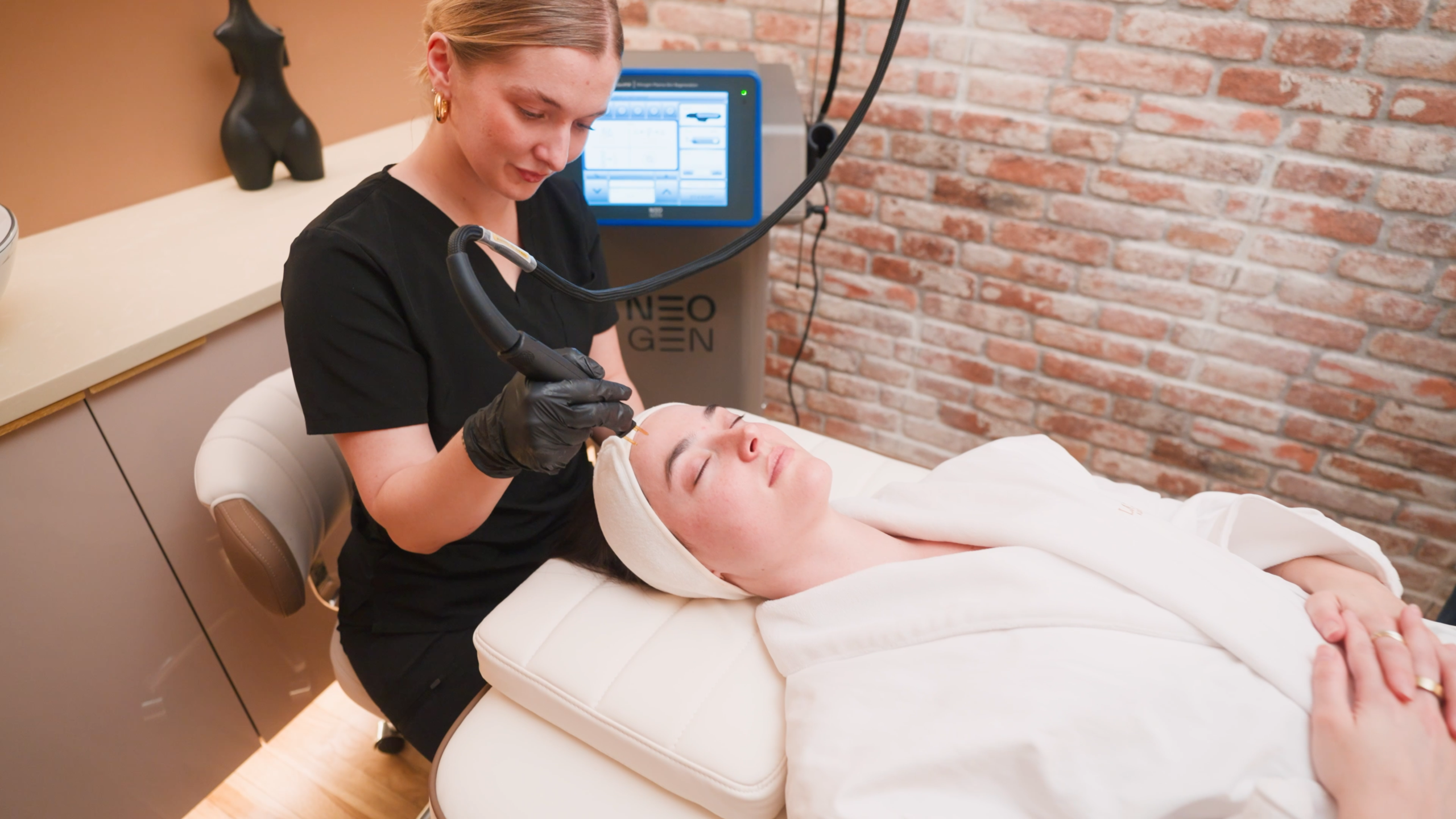
Energy-based devices play a central role in regenerative aesthetics. These include radiofrequency, ultrasound, and combination systems.
The purpose of these non-invasive or minimally invasive procedures is to deliver controlled stimulation to the skin and underlying tissue. This stimulation acts as a signal that supports natural skin processes over time. The focus is on consistency, comfort, and repeatability.
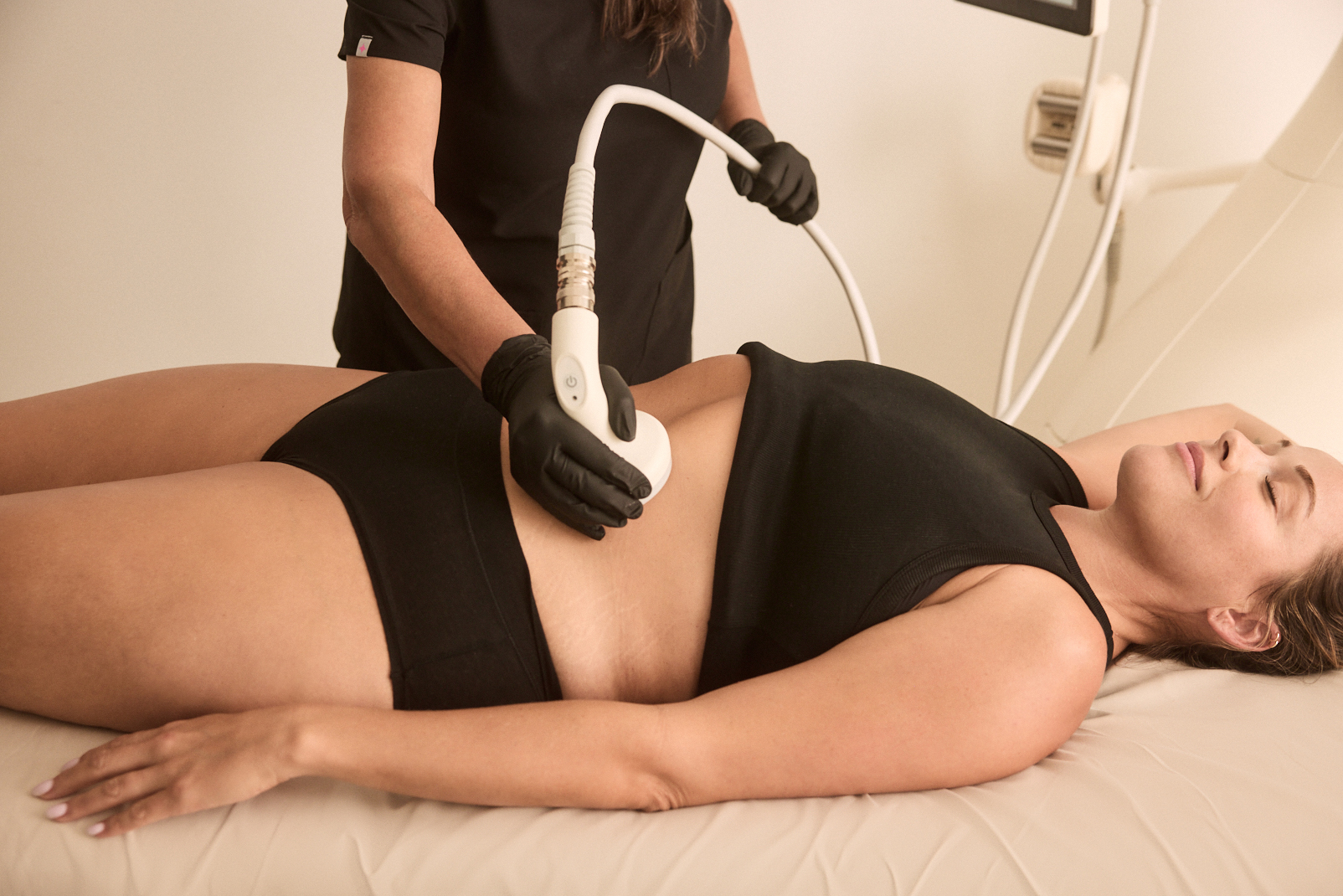
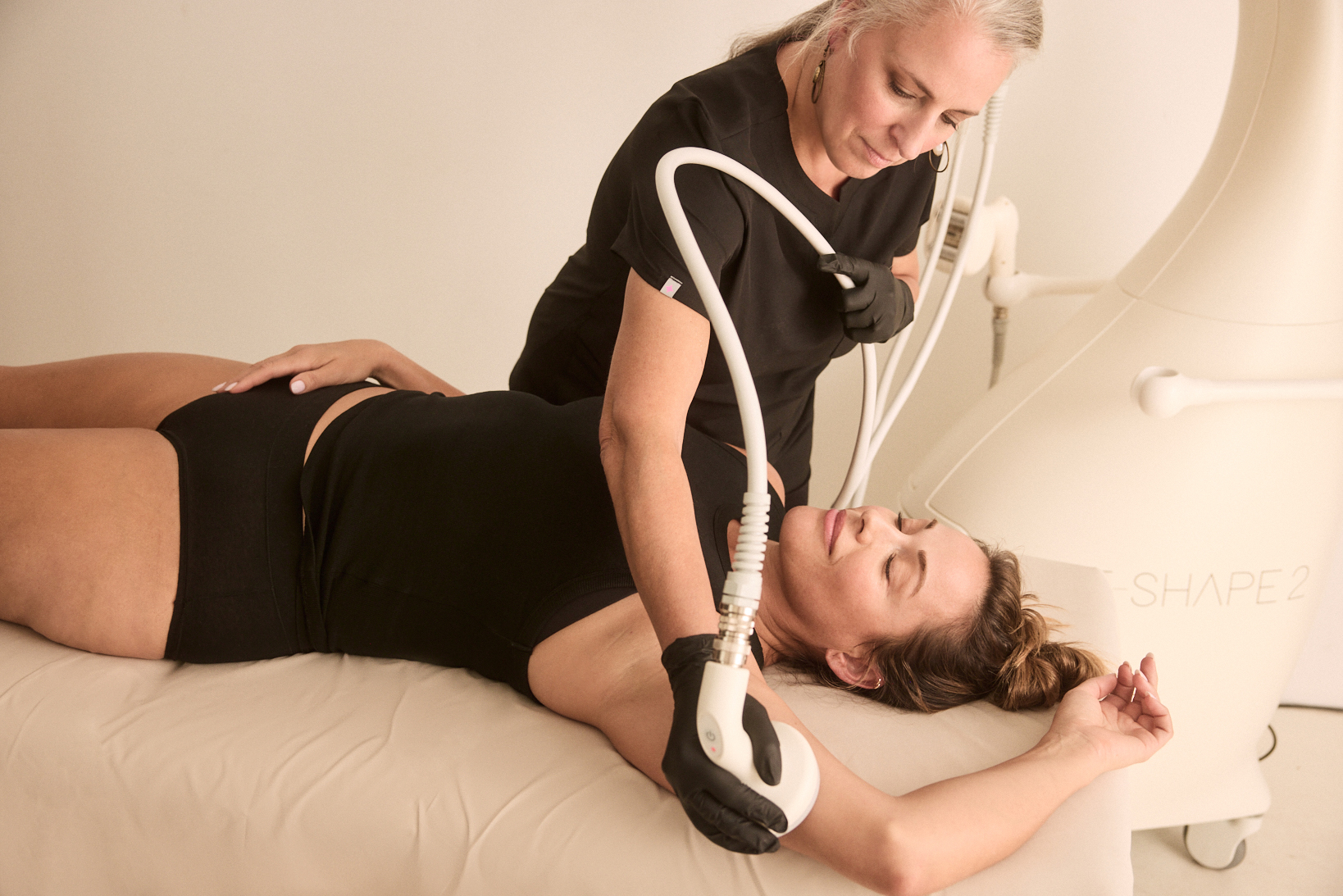
Devices like the T-Shape 2 (see more below) fit into this category when used with a regenerative mindset and appropriate protocols.
Microneedling
Microneedling is often included in regenerative aesthetics. It uses controlled mechanical stimulation to support renewal pathways.
Microneedling is often combined with topical products or PRP to support overall skin quality. As with other regenerative approaches, results appear gradually.
The T-Shape 2 Device in a Regenerative Framework
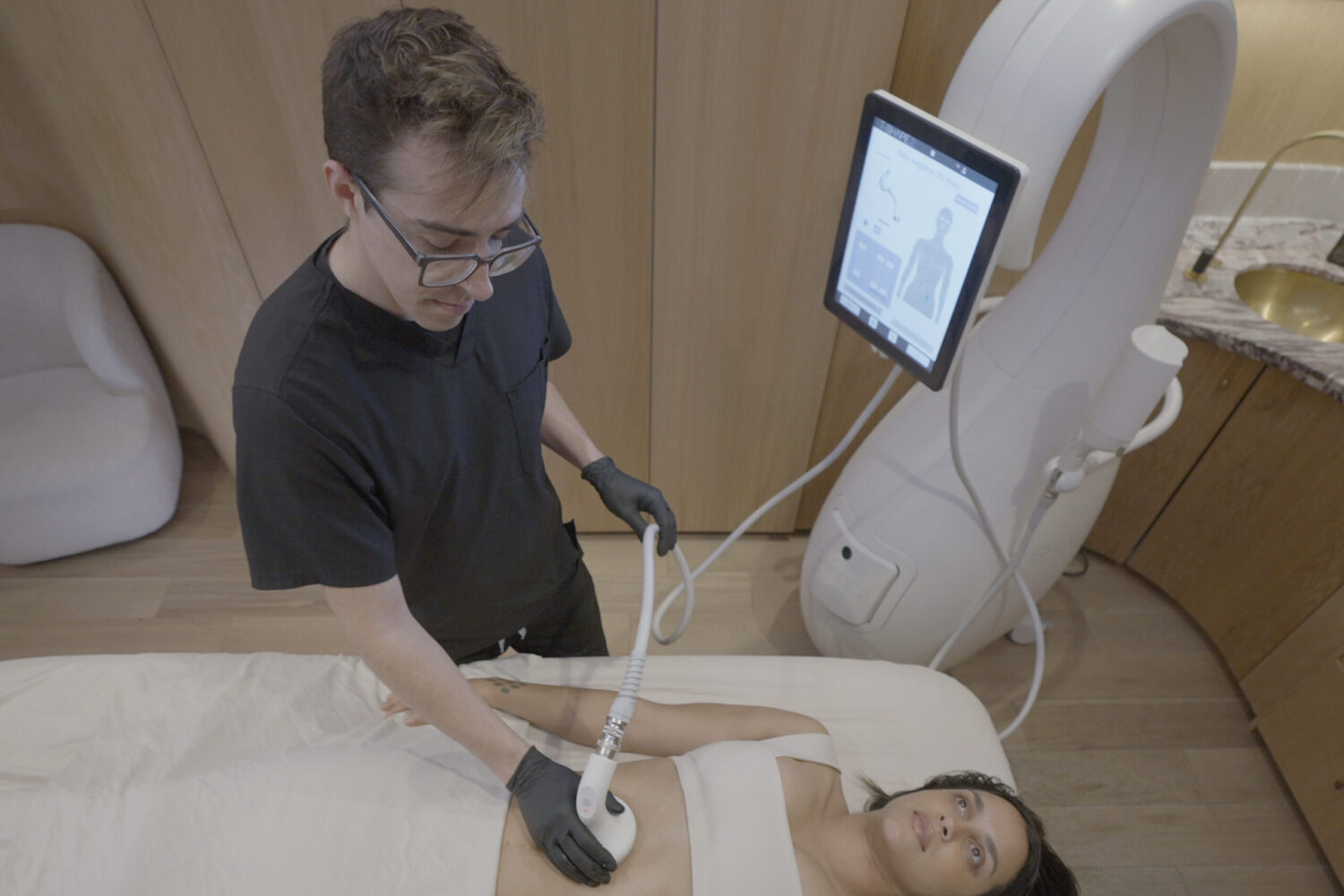
The T-Shape 2 device is often discussed in the context of body and skin treatments that focus on firmness, tone, and texture.
It fits into protocols that aim to help with tissue regeneration through repeated, controlled sessions.
The T-Shape 2 device combines multiple forms of stimulation in one system. This allows practitioners to address skin and underlying tissue in a structured way.
1. It Can Stimulate Collagen Production
T-Shape 2 combines bipolar radiofrequency (RF), Low-Level Laser Therapy (LLLT), endodermic massage with suction, and mesospheric activation. Together, these technologies can:
- Deliver controlled thermal energy to the dermis
- Stimulate fibroblast activity
- Encourage new collagen production and remodeling
2. It Can Improve Skin Texture and Quality
Beyond visible tightening, T-Shape 2 can improve skin function and structure by:
- Enhancing microcirculation
- Supporting lymphatic drainage
- Improving oxygenation and nutrient delivery to tissues
These mechanisms can restore skin elasticity, vitality, and tone, which are foundational goals of regenerative treatments.
3. It Can Address Post-Weight-Loss Skin Laxity Biologically
Rapid weight loss, especially GLP-1–associated, creates structural laxity. T-Shape 2 can help people struggling with it because it targets dermal collagen networks. It can also help improve elasticity and firmness without fillers. The four technologies integrated into the device can further support natural tightening and remodeling over time.
Who Can Benefit From Regenerative Aesthetics
Regenerative aesthetics can be a good option if you want to support overall skin health and achieve a more youthful appearance over time. It’s often used as an anti-aging procedure. It’s chosen by people who notice early signs of facial aging, such as changes in skin texture, uneven skin tone, or mild sagging skin.
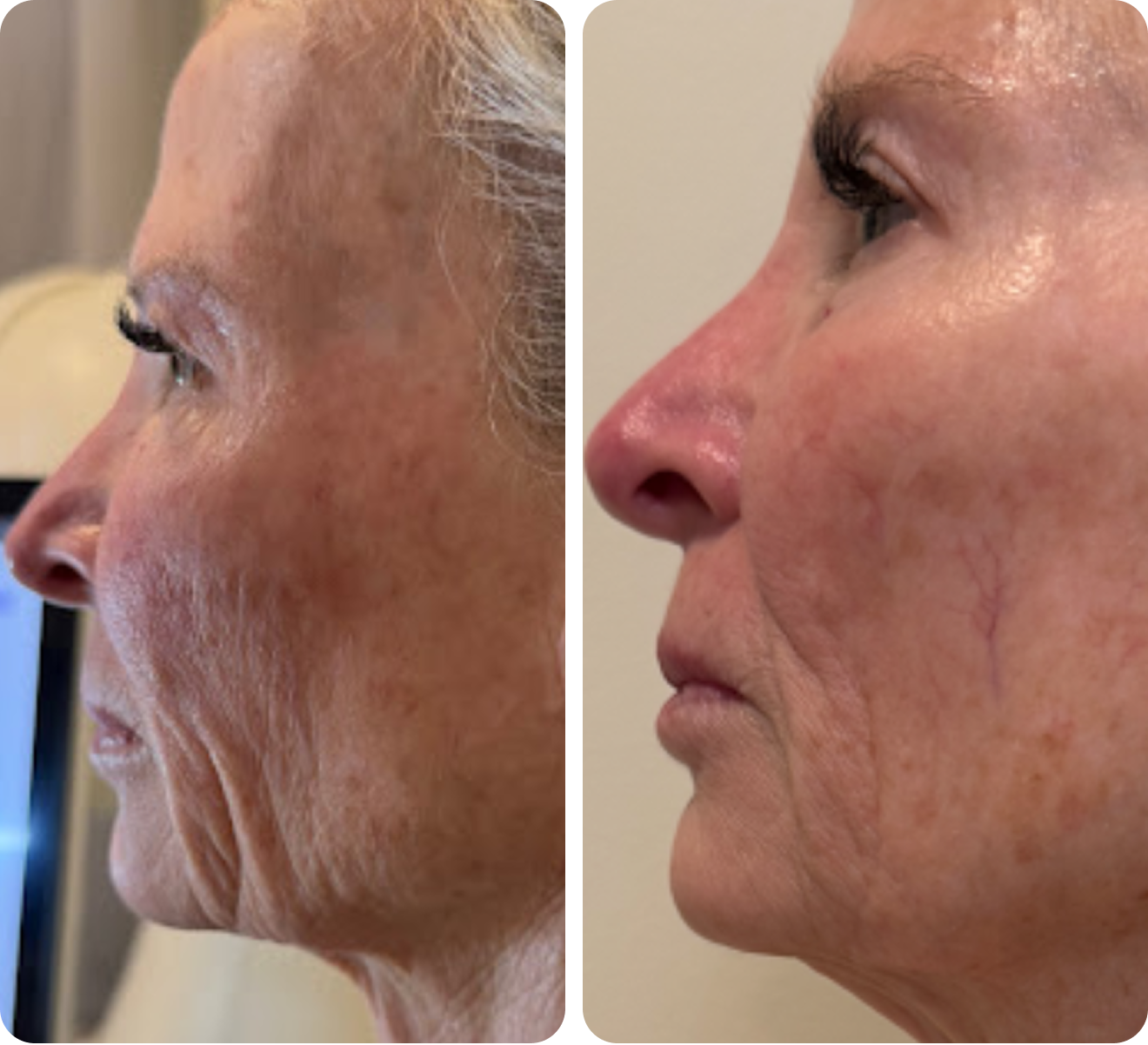
Before and after 8 skin-tightening treatments on the face with T-Shape 2.
Many people prefer regenerative aesthetics because it supports collagen production and overall skin texture without relying on synthetic substances. Regenerative aesthetics may also suit those who want natural-looking results and minimal downtime.
In recent years, regenerative aesthetics has also been very popular among people who’ve experienced significant weight loss. When skin loses volume quickly, it needs a bit of help to become firmer and fit the new body shape. That’s why regenerative aesthetics can sometimes help improve skin texture and firmness without requiring surgery (often only in the case of mild to moderate laxity).
Regenerative Aesthetics vs Traditional Aesthetic
Traditional procedures often focus on visible correction. This may include adding volume with hyaluronic acid, relaxing muscles, or reshaping contours. These cosmetic treatments can be effective, but they usually address the surface or structure directly.
Regenerative aesthetics aims to support the skin’s natural processes, including collagen production and improved circulation. It does not act as a filler. But it does encourage the skin to renew itself over time.
| Aspect | Regenerative Aesthetics | Traditional Aesthetic Procedures |
| Primary focus | Supports collagen production and skin function over time | Targets visible concerns with direct correction |
| Approach | Works with the skin’s natural repair processes | Uses cosmetic treatments to replace volume or relax muscles |
| Treatment goal | Improves skin texture, skin tone, and skin firmness gradually | Creates faster, more noticeable changes |
| Effect on skin quality | Improves overall skin texture and tissue behavior | May not change overall skin texture |
| Use of materials | Often relies on the body’s response | Commonly uses hyaluronic acid or other synthetic substances |
| Downtime | Usually minimal downtime | Downtime varies by procedure |
| Best suited for | Facial rejuvenations for visible aging, mild sagging skin, and prevention | Moderate to advanced volume loss or structural change |
Safety, Regulation, and Evidence Considerations
The methods, devices, and materials used in regenerative aesthetics must be used only by experienced practitioners. Moreover, everyone needs a personalized protocol. The protocol is adjusted by the practitioner according to the skin type and response. In other words, the results of regenerative aesthetic procedures are highly dependent on the experience of the practitioner who is performing the procedure.
Another important thing to note is that regulation and evidence in the field of regenerative aesthetics are constantly changing. Because of that, results vary from person to person.
Furthermore, not everyone is a good candidate for regenerative aesthetics. For example, these procedures are not recommended for women who are breastfeeding, for those with skin infections or bleeding disorders, or for those who take certain medications. Some people may also develop allergic reactions. That’s why it’s highly advisable to consult with a healthcare professional before scheduling any aesthetic procedures.
Integration With Skin Care and Lifestyle Medicine
It goes without saying that regenerative aesthetics won’t deliver miraculous results if skin health is not supported through other means: daily skin care, adjusted to your skin type and issues, a healthy diet with skin-supporting foods, hydration, proper sleep, no smoking…
All of these can have a really visible impact on skin and support the results of regenerative aesthetic treatments.
How Much Does Regenerative Aesthetics Cost?
The cost of regenerative aesthetics ranges between $500 and $2,500+ per session.
PRP and PRF treatments cost between $500 and $1,000 per session. Most people need 3-6 procedures spaced 4-6 weeks apart.
Biostimulators cost around $700-$1,000 per session. Most people need 2-4 procedures.
Polynucleotides cost between $500-$1,500 per session. Most people need 2-3 sessions.
Energy-based procedures can cost between $500 and $2,500, depending on the used device and other factors. Most people need 4-6 sessions.
FAQs
What are some examples of regenerative aesthetics?
Regenerative aesthetics includes treatments such as platelet-rich plasma (PRP), platelet-rich fibrin (PRF), exosome treatments, and energy-based procedures. These technologies aim to stimulate the body’s natural healing abilities and collagen production rather than relying solely on synthetic fillers.
How much does a regenerative injection cost?
The cost of regenerative injections typically ranges from about $500 to $2,500 per session, depending on the treatment type and provider. The final price is highly dependent on geographic location, technology used, and the number of injections required.
What are regenerative skin treatments?
Regenerative skin treatments are procedures designed to help support skin rejuvenation and tissue repair by activating natural cellular regeneration processes. Common examples include PRP facials, microneedling with growth factors, and stem cell–derived therapies that improve texture, tone, and elasticity.