
Collagen and hyaluronic acid have long been the most popular ingredients in skincare products. If you’ve spent any time investigating beauty aisles or scrolling through dermatological TikTok, you’ve definitely seen these ingredients praised as being the fountain of youth.
But ultimately, all these skincare products can be quite expensive and can have a different impact on the skin, so it’s only natural that you’d want to get the very best ones. From a dermatological perspective, collagen and hyaluronic acid affect the skin differently and should not be viewed as interchangeable.
So, which one should you actually prioritize? Is collagen or hyaluronic acid better for skin, after all? Keep reading to find out!
Disclaimer: This article is provided for informational purposes only and is not a substitute for medical advice. Always consult a licensed healthcare or aesthetic professional before starting any treatment or procedure.

Quick Answer: Is Collagen or Hyaluronic Acid Better for Skin?
Hyaluronic acid is better for immediate tissue hydration and plumping, as it helps maintain healthy skin and a youthful appearance. Collagen is better for long-term firmness, skin texture, and structural aging. The best results come from combining both and from supporting natural collagen production through treatments that stimulate the skin.
What Is Collagen?
Collagen is the most abundant fibrous protein in your entire body. As a matter of fact, it accounts for up to 75% of your skin’s dry weight! It’s the foundational material for your skin’s structure, as well as your bones, tendons, ligaments, and other connective tissues. Collagen provides your skin with structure, strength, and elasticity.
There are at least 28 different types of collagen, but only five are abundant in the human body. Type I collagen is the most prevalent in the skin.
Starting around the age of 25, natural collagen production declines by approximately 1% per year. This decline is accelerated by frequent UV exposure, environmental factors, smoking, diet, lifestyle, and even genetics. The skin starts to sag. The dermis loses density. Fine wrinkles start appearing. And also, your joints may start hurting more often, as collagen is also important for the joints.
How Can You Supplement Your Skin with Collagen?
Once collagen levels start decreasing, many of us turn to collagen products to improve the appearance of our skin. Collagen products can be found in:
- Topical form – topical collagen can act as a moisturizer, but the collagen that is included in these products does not penetrate the skin barrier; collagen peptides are too large and rarely reach the dermis, so they cannot help rebuild the internal structure.
- Oral form – oral collagen supplements come in the form of hydrolyzed collagen peptides, which are broken down into amino acids; the trick is that your body chooses where exactly to use those amino acids, so there’s no guarantee that the collagen you’re ingesting will go to the skin.
- Injectable form – collagen injections are a cosmetic procedure which is often used for improving the appearance of hollow scars, plumping up the lips, and other similar skin goals.
What Is Hyaluronic Acid?
Hyaluronic acid is a molecule belonging to the carbohydrate family. It is a substance produced by our bodies naturally, just like collagen. It is found throughout the body, especially in the skin, joints, and eyes, but around 50% of it is found in the skin.
Hyaluronic acid plays a key role in joint health. It makes your skin more flexible. And it also helps your body stay hydrated (e.g., hyaluronic acid can help treat dry eyes).
Hyaluronic acid acts as a humectant, as it attracts and retains moisture that can be used by skin cells as needed. It draws moisture from the environment or the deeper layers of your skin and pulls it into the surface layers. This results in immediate plumping, skin radiance, and barrier support. In fact, one molecule of hyaluronic acid can hold up to 1,000 times its weight in water, so it basically acts like a super sponge!
According to an article published in the Journal of the American Academy of Dermatology, the hyaluronic acid levels in the skin start to decline as early as 20 years of age. By the age of 50, it’s reduced to half. Like in the case of collagen, this decline can be accelerated by external factors.
How Can You Supplement Your Skin with Hyaluronic Acid?
Hyaluronic acid is available in multiple forms, including:
- Topical products – hyaluronic acid is present in numerous skin care products, including creams, shampoos, shower gels, patches, and serums; unlike collagen, hyaluronic acid does penetrate the skin.
- Oral supplements – oral hyaluronic acid supplements can also be beneficial for reducing arthritis pains, besides improving skin health, just like collagen supplements.
- Filler form – fillers with hyaluronic acid (often combined with collagen) can help add volume to lips or reduce acne scars.
There are also different types of hyaluronic acid used in skin products:
- Low molecular weight hyaluronic acid, which can penetrate the deeper layers of the skin more easily
- Medium molecular weight hyaluronic acid, which penetrates the surface layers of the skin and improves epidermal hydration
- High molecular weight hyaluronic acid, which does not penetrate the skin, but creates a protective barrier that prevents moisture loss.
Key Differences between Collagen and Hyaluronic Acid for Skin
To help you understand whether collagen or hyaluronic acid is better for your skin, let’s compare them briefly. Here’s a quick breakdown of the main differences between collagen vs hyaluronic acid:
| Feature | Collagen | Hyaluronic Acid |
| Biological type | Structural protein | Carbohydrate molecule (polysaccharide naturally present in the body) |
| Primary role | Provides strength and firmness | Retains water and hydrates tissue |
| Main skin layer affected | Dermis (deep structural layer) | Epidermis (surface hydration layer) |
| Key benefit | Elasticity and structural support | Plumping and moisture retention for radiant skin |
| Immediate visible effect | Minimal | Instant hydration and smoothing |
| Long-term effect | Improves firmness over time for a more youthful skin | Maintains barrier hydration |
| Decline with age starts | ~25 years old | ~20 years old |
| Topical effectiveness | Limited penetration | Highly effective humectant |
| Oral supplement effect | May support collagen synthesis | May support joint & skin hydration |
| Best for | Sagging skin, deep wrinkles, thinning skin | Dryness, fine lines from dehydration |
| Speed of results | 8-12 weeks typically | Minutes to days |
| Risk profile | Allergy risk (marine collagen/bovine collagen) | Can dry skin in low humidity if unsealed; can cause acne flare ups if used improperly |
Biological Role and Function
Collagen is a protein that makes your skin firm, preventing it from tearing and sagging. Hyaluronic acid is a carbohydrate that acts as a lubricant and shock absorber, providing lubrication and fluid pressure to keep tissues hydrated.
Delivery Method and Absorption
Native collagen molecules are too large to penetrate the skin’s basement membrane when applied topically. Collagen is best taken in the oral supplement form, but even then, the peptides do not go directly to the skin.
Hyaluronic acid is effective when applied topically, as it can either be absorbed easily (low molecular weight) or stay on the surface to prevent moisture loss (high molecular weight).
Measurable Results and Timeline
Collagen supplementation usually delivers visible results after 8-12 weeks, as it takes time for the body to produce new collagen. However, this timeframe really depends on how exactly the collagen is administered.
Hyaluronic acid can deliver results within minutes in the case of topical application. Long-term improvements in the skin barrier can occur within a month of daily use.
Targeted Skin Concerns
Collagen is usually recommended for addressing physiological thinning, loss of elasticity, and structural degradation caused by skin aging or UV damage. It’s often used for improving the thickness and firmness of the skin.
Hyaluronic acid is usually recommended for restoring moisture balance and smoothing fine lines and wrinkles caused by dehydration.
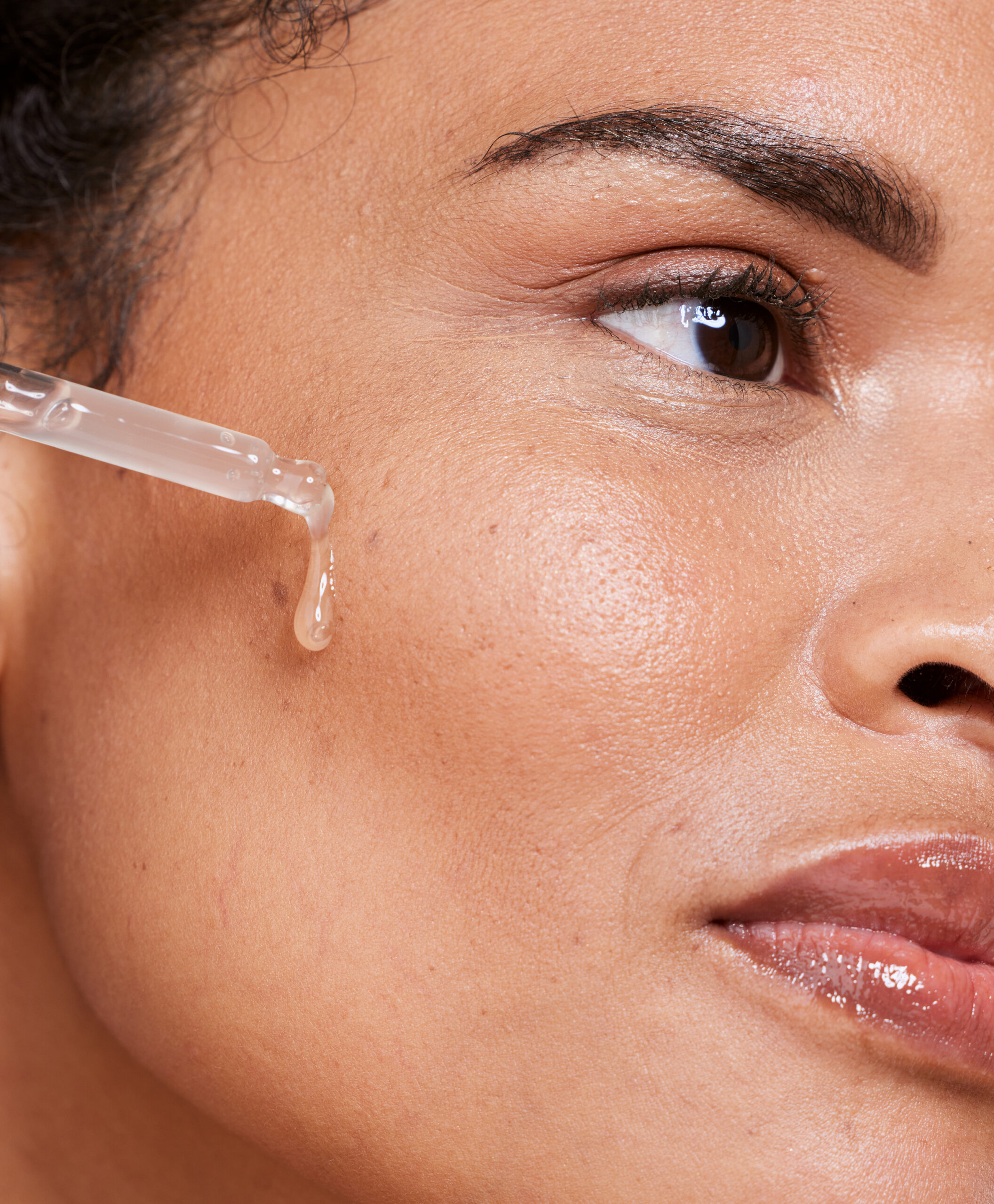
Is Collagen or Hyaluronic Acid Better for Your Skin?
Choose hyaluronic acid if you:
- Have dehydrated skin
- Notice tightness or flaking
- Want immediate glowing skin and a plumping effect
- Have acne-prone or oily skin
- Are in your teens or 20s, focusing on prevention
- Experience fine lines caused by dehydration
- Want lightweight hydration without heaviness
Choose collagen if you:
- Are 35+ and noticing skin thinning
- See sagging or volume loss
- Have deep wrinkles forming
- Experience reduced elasticity
- Have sun damage or photoaging
- Want long-term anti-aging support
- Are focused on structural skin health
Can You Use Collagen and Hyaluronic Acid Together?
You can use collagen and hyaluronic acid together. For most people, it’s actually best to use both, since collagen and hyaluronic acid address different skin layers and different concerns. In fact, some skincare products contain both collagen and hyaluronic acid.
Here’s how you can use both hyaluronic acid and collagen in your morning skincare routine:
- Cleansing product (removes impurities)
- Hyaluronic acid serum – apply it to damp skin to lock in moisture.
- Collagen cream
- Moisturizer: Seal everything in with an occlusive layer.
- SPF: Crucial! UV rays destroy both collagen and HA.
Here’s what you can incorporate into your evening skincare routine:
- Double cleanse if wearing makeup/SPF
- Collagen-stimulating treatment (vitamin C serum, retinoid, or peptide serum)
- Hyaluronic acid serum if skin feels dry
- Night moisturiser
Keep in mind that it’s best to wait 1-2 minutes in between products to allow them to be absorbed properly.
Potential Side Effects and Considerations
Both of these active ingredients are generally considered safe and “biocompatible” since your body already makes them. However, there are a few things to keep in mind:
- Collagen allergies: most collagen is derived from fish (marine) or cows (bovine). If you have a shellfish or beef allergy, be very careful with supplements.
- HA in dry climates: if you live in a dry climate, topical HA can actually dry out your skin if there’s no moisture in the air to pull from because it will draw moisture form deeper skin layers. Always follow HA with a heavy moisturizer in dry climates.
- Quality: look for labels like Third-Party Tested to ensure you’re getting high-quality collagen and/or hyaluronic acid; also, check the entire ingredient list
Is Topical Skincare Enough?
Topical skincare plays an important role in maintaining skin health, but it has biological limitations.
Your skin is designed to be a barrier. The outermost layer, the stratum corneum, prevents foreign substances from penetrating deeply. This protective function is essential for survival, but it also means that most skincare ingredients can only work on the surface.
This is especially relevant when talking about collagen and hyaluronic acid.
Topical collagen molecules are too large to pass through the skin barrier and reach the dermis, where structural collagen is actually produced. When used in creams, collagen mainly functions as a surface moisturizer. It can temporarily improve smoothness and softness, but it does not directly rebuild the internal collagen network.
Hyaluronic acid performs better topically because smaller molecular forms can penetrate the upper layers of the skin. However, even hyaluronic acid does not replace the deeper biological decline that occurs with aging. It improves hydration and surface plumping. But it does not fully address tissue laxity or long-term structural thinning.
Another thing to consider is that many topical products have to be used daily. Once you stop using them, hydration levels and surface improvements will quickly fade.
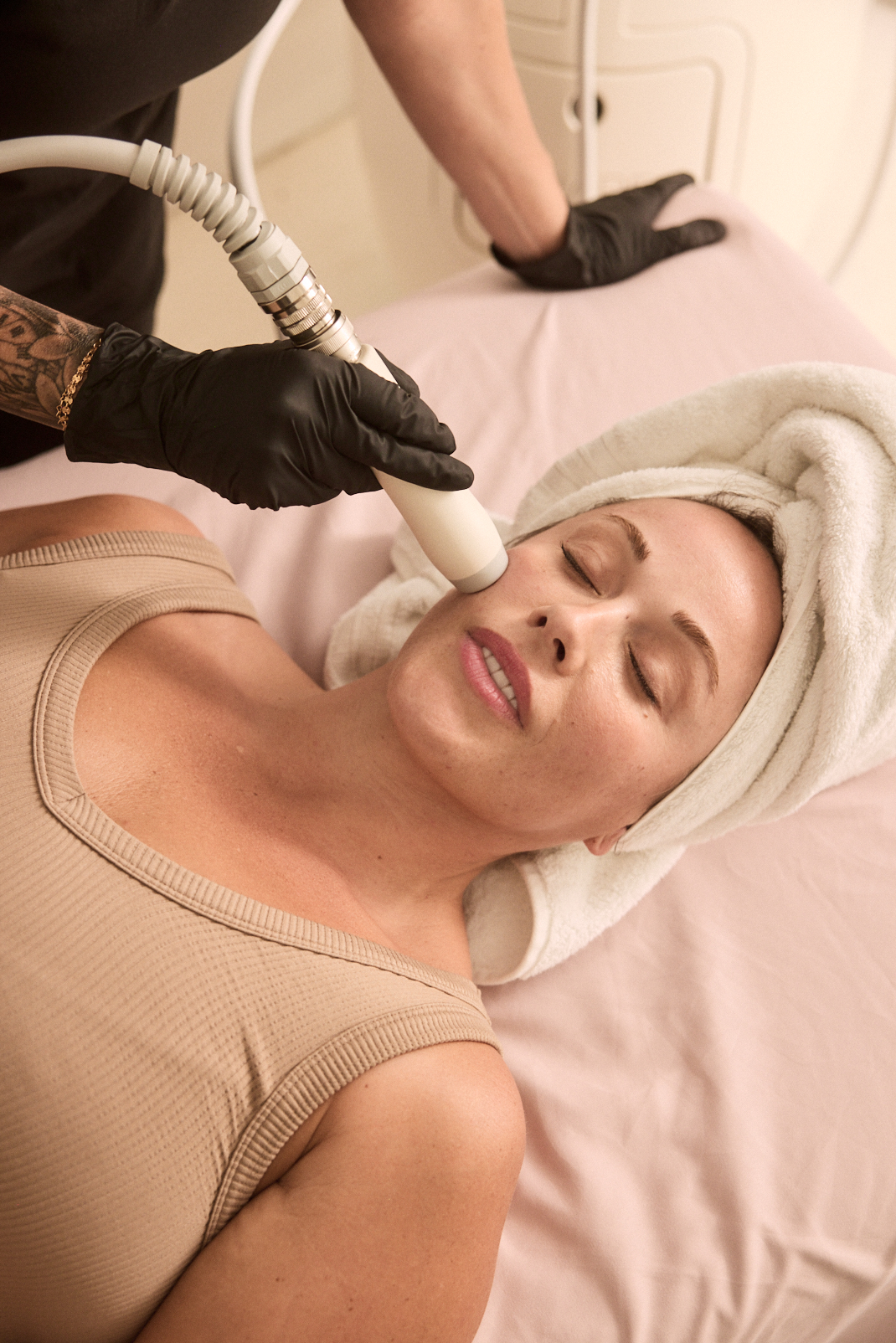
Advanced Clinical Option: Device-Based Collagen Stimulation
Modern aesthetic technology focuses on stimulating the skin to rebuild itself. So, if you’re looking for a more comprehensive approach that can stimulate natural production of collagen deeper in the skin, you can try a device like T-Shape 2.
T-Shape 2 uses four technologies: laser therapy, radiofrequency therapy, endodermic massage, and mesospheric activation. This unique combination can help:
- Encourage natural collagen remodeling
- Improve microcirculation and lymphatic drainage
- Enhance tissue oxygenation
- Support long-term skin elasticity
- Improve hydration retention indirectly by strengthening the skin structure
This is important because keeping the skin hydrated does not depend only on surface moisture. A strong dermal matrix, which is rich in collagen, helps the skin hold water more efficiently, making hyaluronic acid treatments more effective.
If you’re noticing skin laxity, cellulite, or loss of firmness, you can try to combine collagen-supporting treatments like T-Shape 2 with hydration-focused skincare. This is a more comprehensive anti-aging strategy than relying on creams alone.
FAQs
What are the main collagen benefits?
The main collagen benefits include structural support in the skin, joints, bones, tendons, and connective tissues, as well as maintaining elasticity and mechanical strength. It is associated with improved skin firmness, reduces wrinkle depth, and joint comfort.
What are the benefits of collagen peptides?
Collagen peptides are beneficial because they can be digested and absorbed more easily. They may promote skin hydration, joint resilience, and muscle recovery when paired with adequate nutrition.
Do collagen supplements work?
Evidence suggests collagen supplements can modestly improve skin elasticity and joint symptoms, but effects vary and are not universal. They work best as part of a broader dietary and lifestyle approach rather than as a standalone intervention.
Does collagen powder work?
Collagen powder works like other collagen supplements once digested. Its effectiveness depends on dose consistency, protein sufficiency, and whether the body actually needs additional collagen substrates.
What does collagen do for your body?
Collagen acts as a primary structural protein, forming the scaffolding that holds tissues together and provide firmness and elasticity. It also plays a role in joint health and bone health.
Are there any side effects of collagen?
Collagen supplements are generally well-tolerated but can cause mild digestive discomfort, fullness, or allergic reactions in sensitive individuals. Quality matters, since contaminants or heavy metals in poorly regulated products can introduce risk.
Can I use collagen and hyaluronic acid together?
Yes, you can use collagen and hyaluronic acid together. They complement each other because collagen supports the skin’s structure while hyaluronic acid enhances hydration and lubrication.
Why do some dermatologists not recommend hyaluronic acid?
Some dermatologists do not recommend hyaluronic acid because it is often used improperly and can sometimes cause the skin to feel drier or cause acne flare-ups.
What is the enemy of collagen?
The enemies of collagen are chronic UV exposure, smoking, excessive sugar intake, and persistent inflammation.
Is collagen or hyaluronic acid better for fine lines and wrinkles?
Hyaluronic acid is better for smoothing fine lines caused by dehydration. Collagen is more useful for deeper wrinkles.
Is hyaluronic acid or collagen better for anti-aging?
Collagen is better for anti-aging because it addresses tissue thinning, sagging skin, and loss of elasticity. Hyaluronic acid is supportive, improving hydration and appearance.
Can collagen replace hyaluronic acid?
Collagen cannot replace hyaluronic acid because they have different biological functions in the skin. Collagen provides structure, while hyaluronic acid manages water balance and hydration.
Is hyaluronic acid enough for aging skin?
Hyaluronic acid alone is not enough for aging skin because hydration does not rebuild lost collagen or reverse tissue laxity. Aging skin requires both moisture support and strategies that stimulate collagen production.
What are the benefits of hyaluronic acid?
The benefits of hyaluronic acid is improved hydration, improved skin texture, smooth fine lines, and a plump skin.