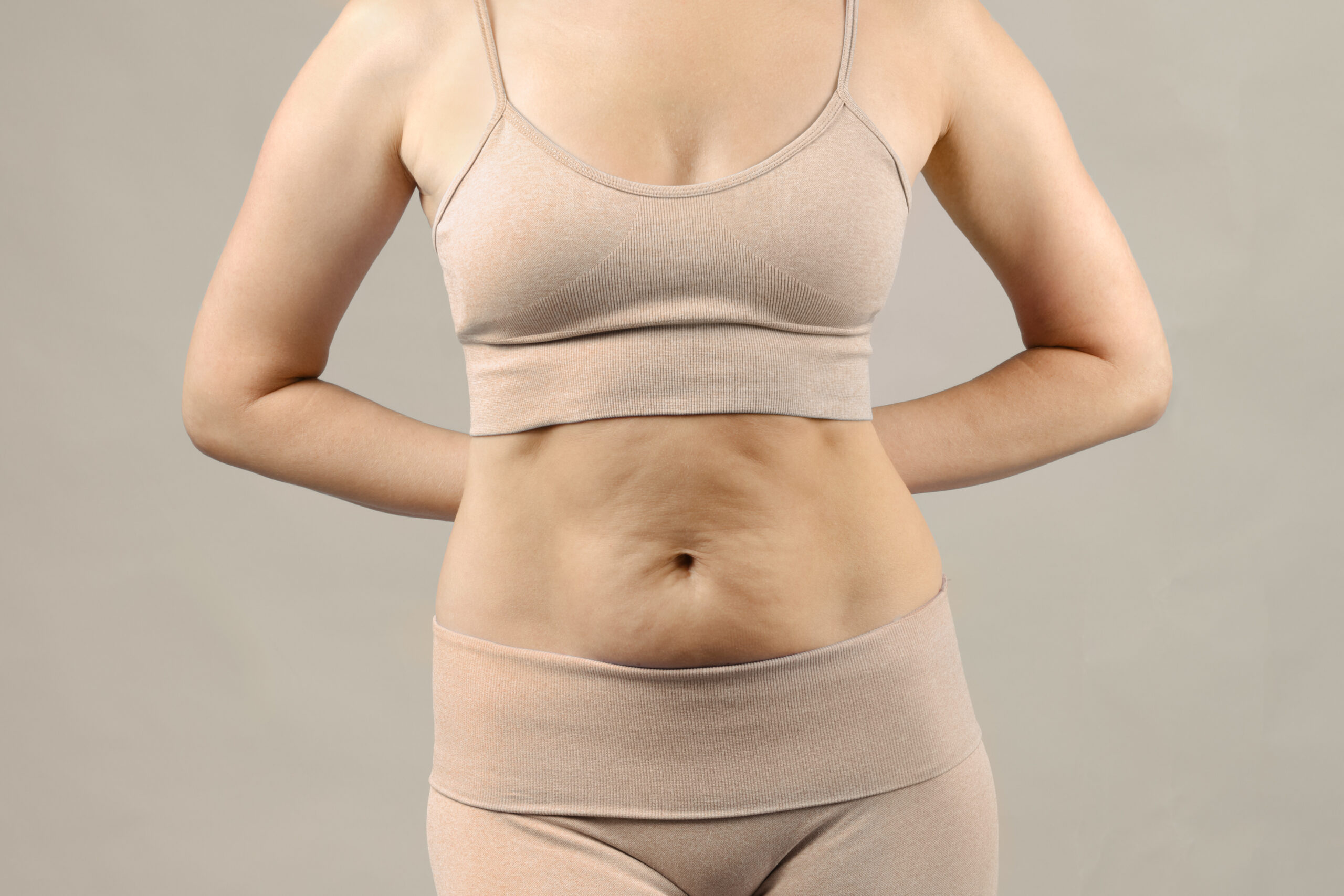
If you’ve lost 30, 50, or even 100 pounds, that’s a major reason for celebration! It takes discipline, dedication, and hard work to achieve this milestone! Yet, for many, it often comes with a side effect, which prevents them from acknowledging their success: loose skin. In fact, it’s one of the most frequently mentioned concerns among people who have lost a significant amount of weight.
This guide will explain why so many people have loose skin after weight loss, what may help address it, and how to decide on your next steps.
Disclaimer: This article is intended for informational and educational purposes only. It does not constitute medical advice, diagnosis, or treatment, and should not be relied upon as a substitute for professional medical guidance.
Loose Skin After Weight Loss: Quick Answers
Why does loose skin happen after weight loss? Skin stretches with weight gain, which damages collagen and elastin, responsible for skin elasticity. Loose skin occurs when collagen and elastin fibers are too damaged and may not fully recover on their own. The risk of having loose skin after weight loss is increased by long-term overweight, rapid weight loss, aging (slower collagen production), genetics, sun damage, and smoking.
Can loose skin go away naturally? Mild loose skin may tighten gradually over 12-24 months, especially in younger individuals with modest weight loss. Significant laxity may persist and may require intervention.
Is loose skin after weight loss normal? Yes, loose skin after weight loss is extremely common, especially after losing 50-100+ pounds. It’s a sign of your success.
How to tighten loose skin after weight loss?
- Lifestyle changes: slow, steady weight loss, resistance training, optimal nutrition, and giving skin time to adapt
- Non-surgical tightening: radiofrequency, ultrasound therapy, laser procedures, and T-Shape 2 sessions can help improve mild laxity
- Surgical body contouring procedures: generally recommended for significant excess skin
Do creams or supplements work? No cream or supplement can remove excess skin. Products with retinoids, peptides, or hyaluronic acid may improve texture and hydration. But they won’t tighten significant skin laxity.
What Causes Loose Skin After Weight Loss?
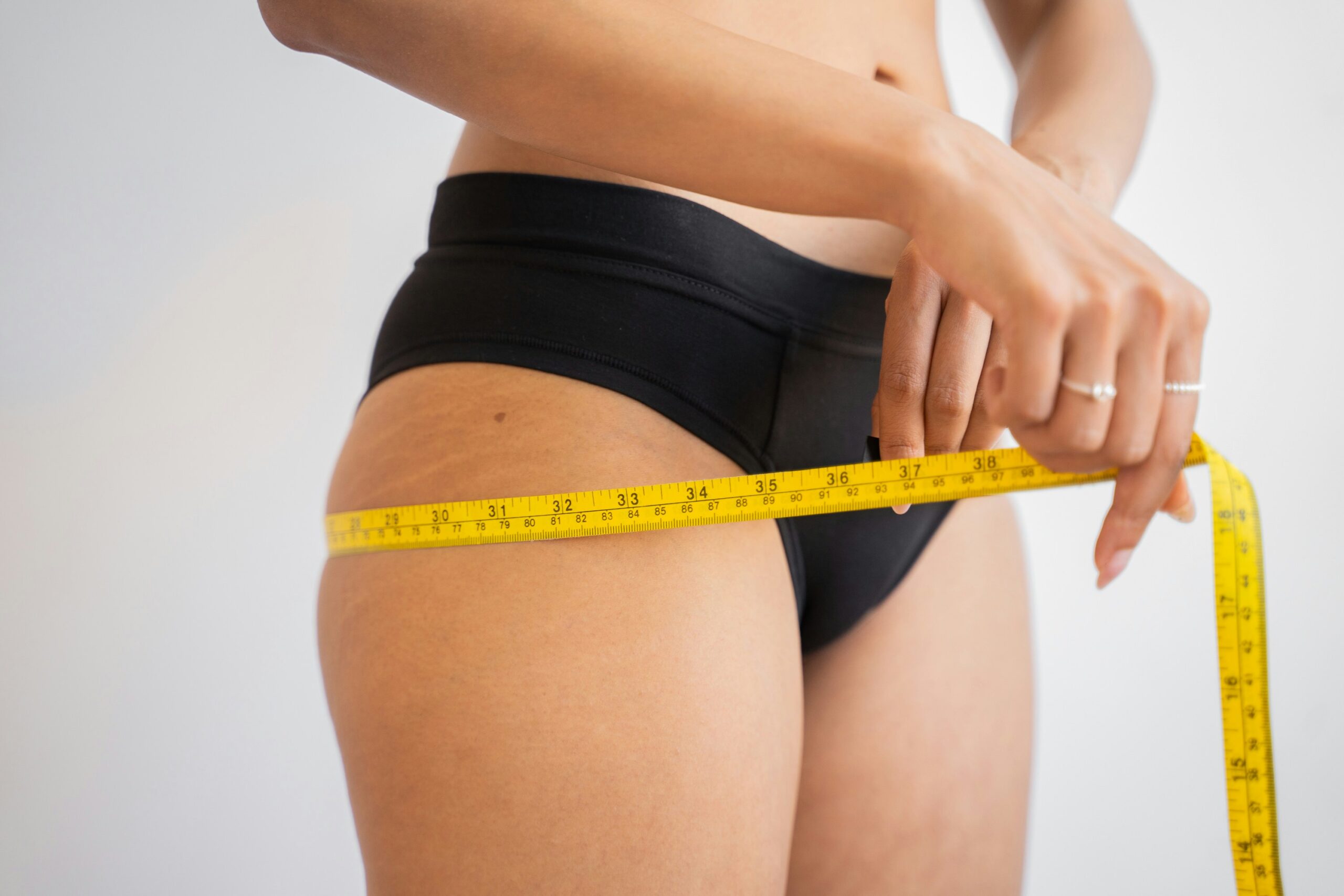
Your skin is an organ with a complex structure. The dermis, the layer beneath the surface, contains collagen and elastin fibers woven into a matrix that provides strength and elasticity. When you gain weight, these fibers stretch because of the fat that accumulates inside the hypodermis (the bottom skin layer). When you lose weight, ideally, the remaining skin contracts back to the original shape. But there’s a limit to how much damage these proteins can sustain and still recover.
Furthermore, collagen production naturally slows with age. After 25, your body produces less collagen each year. This means that older individuals’ skin has less raw material for recovery.
Areas Most Affected by Loose Skin
Common areas affected by loose skin include:
- Lower abdomen (often forming a “pannus” or apron that hangs over the pubic area)
- Upper arms
- Inner and outer thighs
- Buttocks
- Breasts and chest
- Lower face and neck
Risk Factors for Loose Skin After Weight Loss
Here are some risk factors that increase the possibility of more loose skin after weight loss:
- Age over 40 at the time of weight loss
- Losing weight quickly
- Being overweight or obese for many years (especially since childhood or teens)
- Genetic predisposition to less elastic skin
- History of smoking (nicotine directly damages collagen)
- Significant sun exposure over the years
- Multiple weight fluctuations (yo-yo dieting)
- Poor nutrition and lifestyle habits
Here’s an example. A younger individual, aged 35 or less, loses 1 pound per week over a longer period. If they have a healthy lifestyle, they might experience natural skin tightening over 1-2 years. But if an older individual loses weight quickly, some degree of permanent laxity is almost inevitable.
More Than Cosmetic: How Does Loose Skin Affect Daily Life?
One of the most frustrating aspects of dealing with loose skin is how often it’s dismissed as purely a vanity concern. But for people living with significant skin folds, the reality is far more complex.
Physical Consequences
The physical issues are common and sometimes serious. Here are some of them:
- Chafing between thighs and under skin folds during walking or exercise
- Moisture trapped in skin folds, leading to persistent rashes
- Recurrent yeast infections under the pannus, breasts, or in arm folds
- Skin breakdown and irritation, which can cause discomfort and may need professional care
- Loose abdominal or thigh skin bouncing during exercise
- Difficulty finding clothes that fit both the reduced body size and accommodate extra skin
- Needing to physically lift or hold skin out of the way during certain activities
Mental Health Consequences
Even though a weight loss journey usually brings joy and pride, the loose skin that remains after the extra weight is gone can impact body image just as much as the extra weight itself. It may be a reminder of when one was overweight, and it may continue to affect body image.
This can prompt people to completely change and withdraw from social activities, as well as feel anxious, ashamed, or depressed. Loose skin after weight loss also causes many individuals to feel significantly less confident. Others have described loose skin as emotionally isolating.
Timeline for Natural Skin Recovery
Natural skin tightening occurs gradually:
- First 3 months: minor improvements may occur as the body enters an initial adjustment phase
- 3-6 months: the skin may begin to feel slightly firmer, though visible changes remain modest
- 6-12 months: substantial improvements as the skin continues to adapt to the new body shape
- 1-2 years+: significant tightening

How to Tell How Severe Your Loose Skin Is
It can sometimes be difficult to assess how severe your loose skin really is. But it’s an important step, because it will lead to a solution that is suitable for your specific skin laxity stage.
This is not a medical classification, but a practical way to describe common patterns people experience:
- Mild skin laxity causes the skin to look thinner and softer. There’s some mild looseness when the skin is pinched, but no visible hanging folds. It is common after losing a bit of weight, after giving birth, or when people are getting older.
- Moderate skin laxity causes sagging skin, often noticeable when you’re standing or bending. You might also notice some looseness in the arms, thighs, neck, and lower abdomen. It may appear when someone loses roughly 20-40 pounds or when someone doesn’t lose a lot of weight, but weight loss occurs rapidly.
- Severe skin laxity causes excess skin that hangs and overlaps. The skin-on-skin contact causes friction or irritation, alongside other physical issues. Severe skin laxity is very common after losing a lot of weight or in the case of long-term obesity.
Can You Tighten Loose Skin After Weight Loss with Creams?
Major loose skin cannot be fixed with creams or a few supplements.
Taking collagen supplements, retinoids, vitamin C serums, peptides, and hyaluronic acid can slightly improve skin texture, fine lines, and overall skin quality. But they cannot physically eliminate the extra abdominal skin or arm folds.
The skin needs some external help, which can be either surgical or non-surgical, depending on how much loose skin there is.
How to Get Rid of Loose Skin After Weight Loss?
Generally, there are three methods that can help you get rid of loose skin after weight loss:
- Changing your lifestyle: strength training, good nutrition, healthy sleep habits, proper hydration, and taking skin supplements (as per your doctor’s recommendation) can help support skin health and firmness
- Non-surgical solutions: these may gradually tighten and improve skin quality with non-invasive technologies
- Surgical solutions: these procedures physically remove excess skin and contour the body
How to Prevent Loose Skin While Losing Weight?
Not all loose skin is preventable, especially after very large or medically induced weight losses. But certain habits can help minimize the severity.
Younger individuals in their 20s and early 30s who follow the strategies described below may see meaningful natural tightening over 12-24 months after maintaining the lower weight. For older adults, these habits support overall skin health but may not prevent significant laxity after major weight loss.
As such, if you’re still in the weight loss phase, consider these strategies to help you prevent loose skin.
Lose Weight Gradually When Medically Safe
According to the CDC, it is healthy to lose about 1-2 pounds per week. This is considered the best weight loss pace for achieving the goal weight.
However, it is recommended to discuss pacing with your medical team.
Prioritize Resistance Training
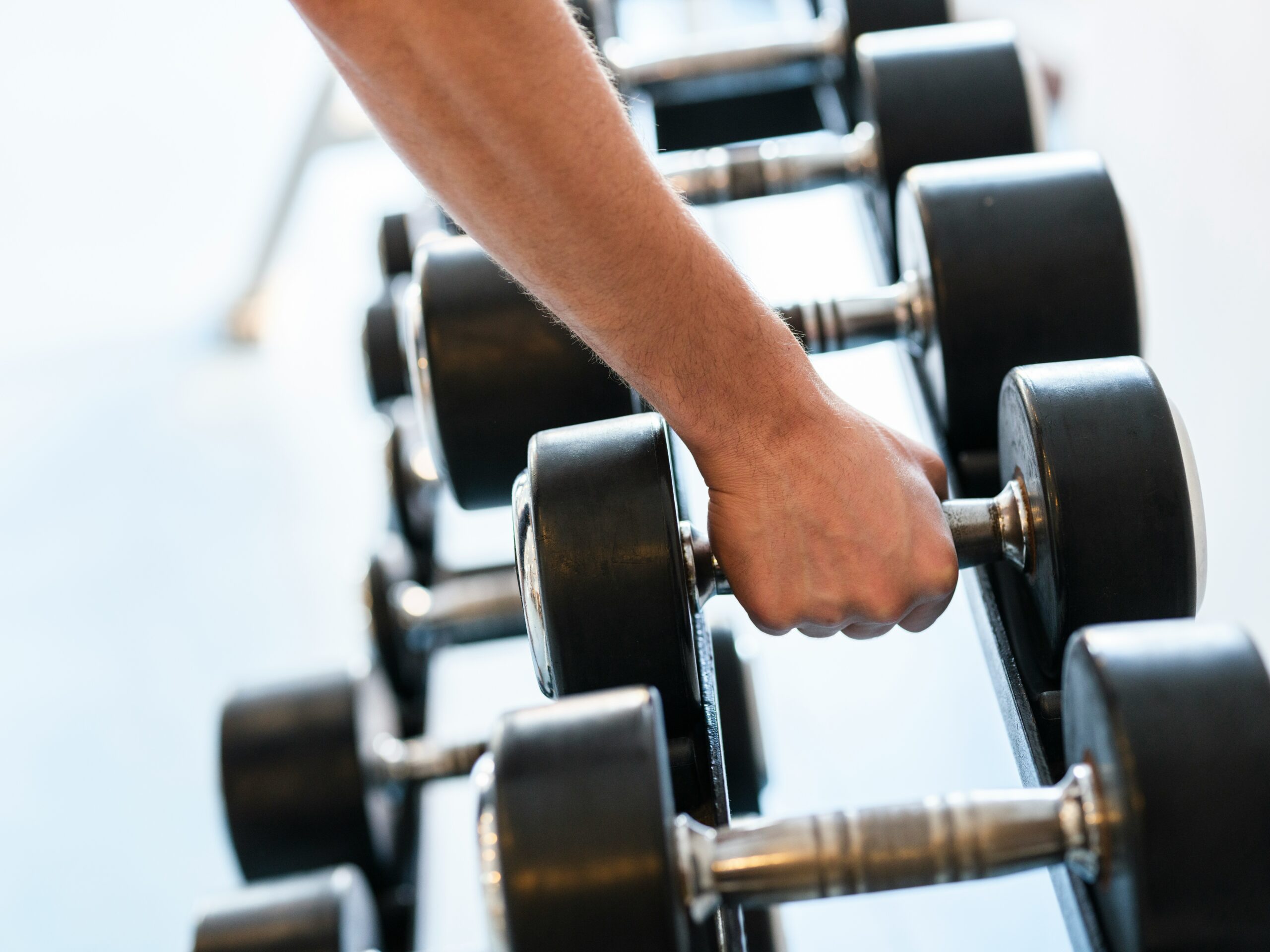
Resistance training can help you replace the volume previously occupied by fat with muscle. This can provide structural support beneath the skin and create a naturally tighter appearance. As such, you can:
- Aim for 2-3 strength training sessions per week.
- Target major muscle groups (legs, back, chest, arms, core).
- Build muscle to create lean mass that “fills out” some of the space left by fat loss and to improve body shape and overall contours.
- Exercise regularly to increase circulation, which may support some collagen production.
Optimize Nutrition and Lifestyle for Skin Health
The nutrients you consume directly influence your skin’s ability to produce and maintain collagen.
According to the University of Kansas Medical Center, people who are in the process of losing weight should increase their protein intake to 1.0-1.2 grams per kilogram. This can reduce the loss of muscle mass and increase satiety. However, it’s also important to eat healthy proteins coming from lean sources like chicken, fish, Greek yogurt, legumes, and tofu.
Here are some other things you can prioritize:
- Vitamin C, which supports collagen synthesis
- Vitamins A and E, which protect existing collagen from damage
- Zinc and copper are essential cofactors for collagen production
- Healthy fats (omega-3s from fish, walnuts, flaxseed) support skin structure
- Adequate hydration
- Strict sun protection (UV damage accelerates collagen breakdown)
- Quit smoking or vaping (nicotine directly damages collagen fibers)
- Prioritize consistent, quality sleep (skin repairs during rest)
- Manage stress (chronic stress affects skin health)
Non-Surgical Options for Mild to Moderate Loose Skin
Non-surgical procedures can help eliminate loose skin by stimulating the body’s natural collagen production and remodeling processes. They typically require a series of sessions. Nonetheless, they can deliver results without surgery or extended downtime. These procedures are only recommended for mild-moderate skin laxity.
| Technology | How It Works | Typical Areas Treated |
| Radiofrequency (RF) | Delivers controlled heat to stimulate collagen contraction and gradual new collagen formation | Abdomen, arms, thighs, neck, jawline |
| Ultrasound-Based Tightening | Uses focused ultrasound energy to trigger collagen remodeling at deeper structural levels | Face, neck, jawline, brows |
| Laser-Based Treatments | Applies light energy to heat skin and encourage collagen renewal | Face, neck, small body areas |
| Microneedling | Creates controlled micro-channels that activate the skin’s natural repair process | Face, neck, décolletage, smaller body zones |
| Collagen Biostimulators | Injectable substances that prompt the body to gradually produce more collagen over time | Face, neck, selected body areas |
| Mechanical Stimulation / Vacuum-Based Therapy | Uses massage and suction to mobilize underlying tissue and enhance circulation | Abdomen, thighs, buttocks, arms |
Here are the key differences between the most common non-surgical options that may help improve mild to moderate skin laxity.
Multi-Technology Body Contouring Devices for Skin Laxity
In recent years, more and more professional spa and aesthetic clinics have adopted multi-technology body contouring devices. They are designed to address mild to moderate skin laxity.
One of these devices is T-Shape 2.
What Is T-Shape 2?
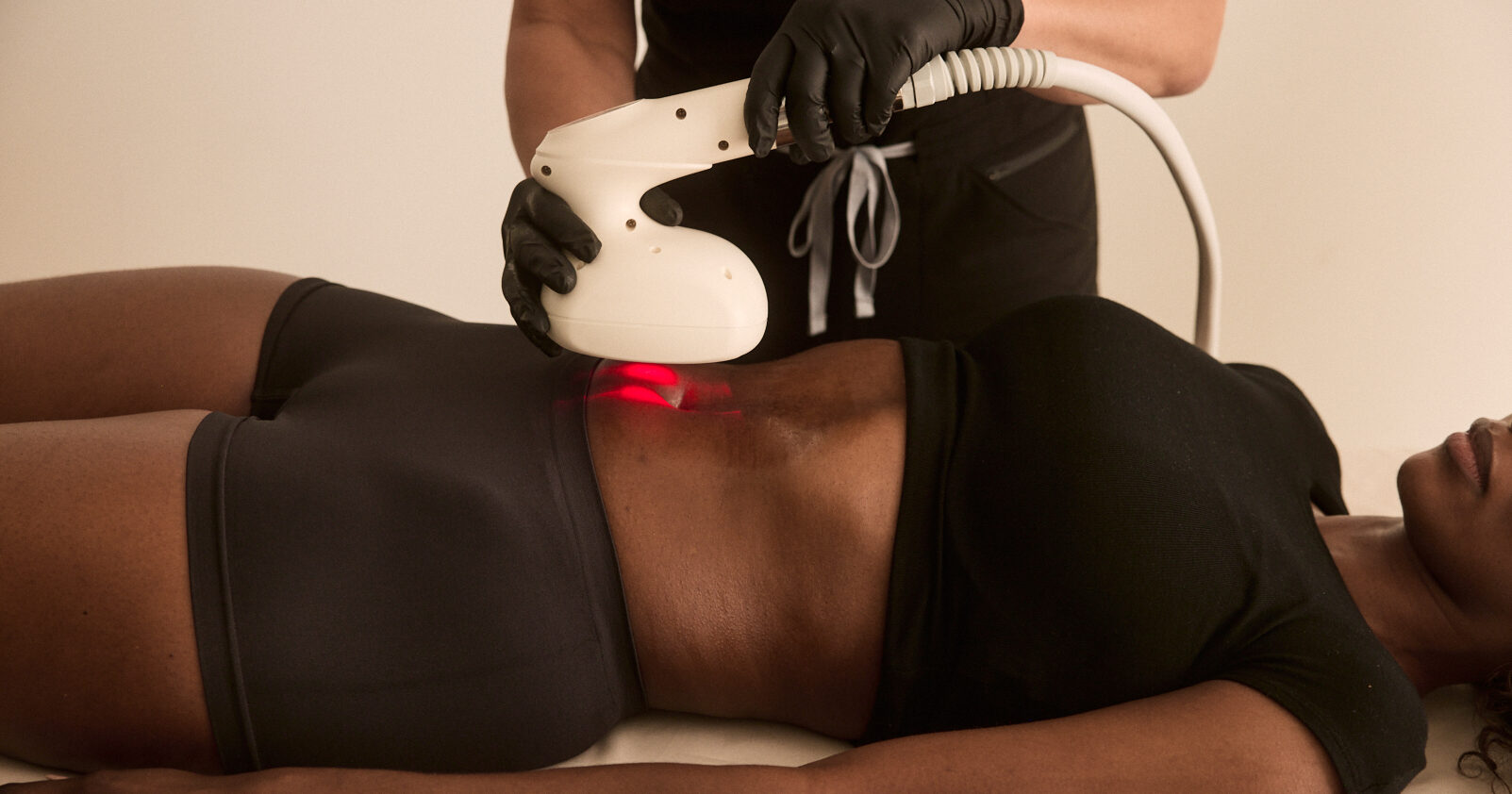
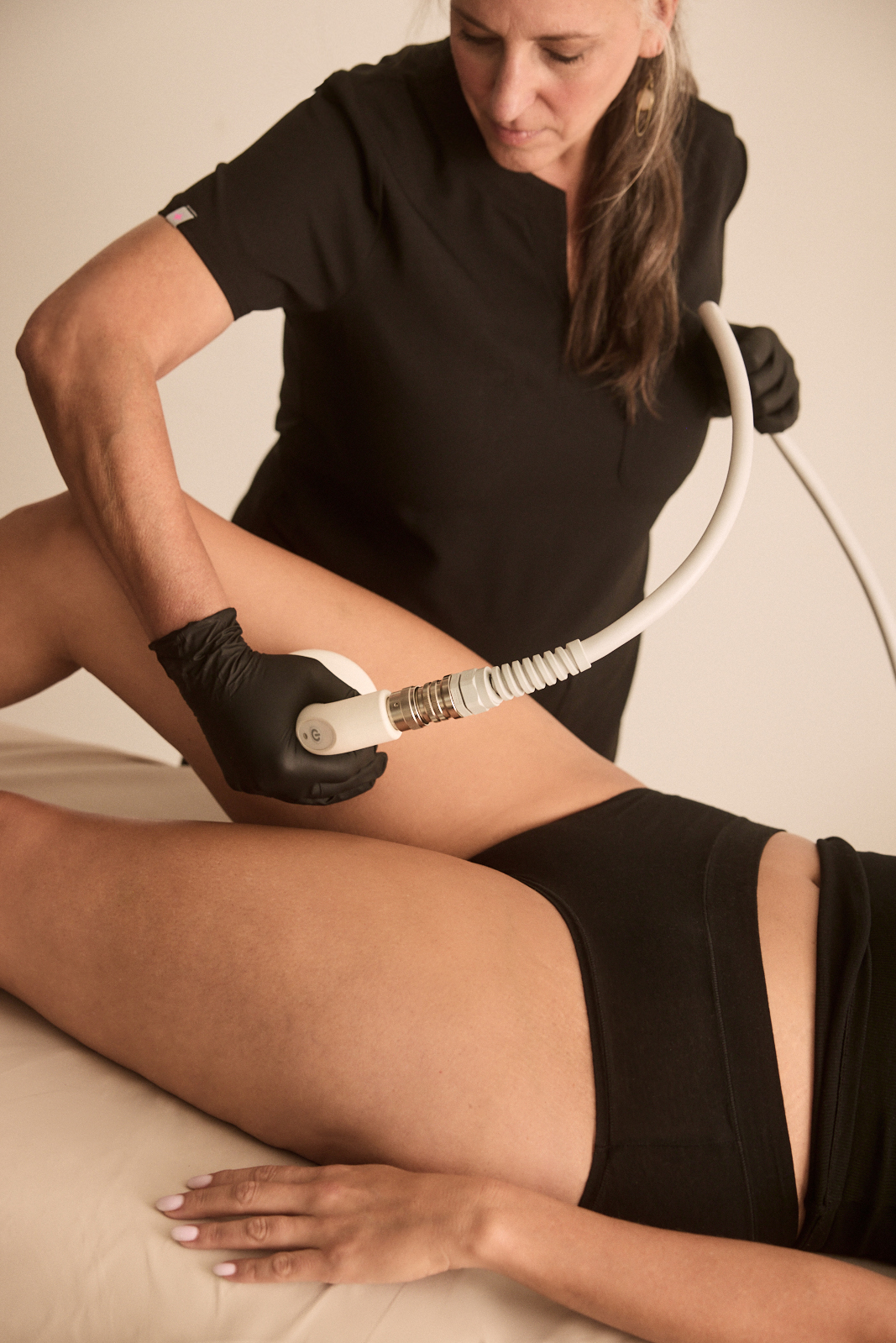
T-Shape 2 is a professional-grade device that combines four non-invasive technologies:
- Low-Level Laser Therapy (LLLT), which can sculpt and improve metabolism
- Bipolar Radio Frequency, which can boost collagen and improve skin firmness
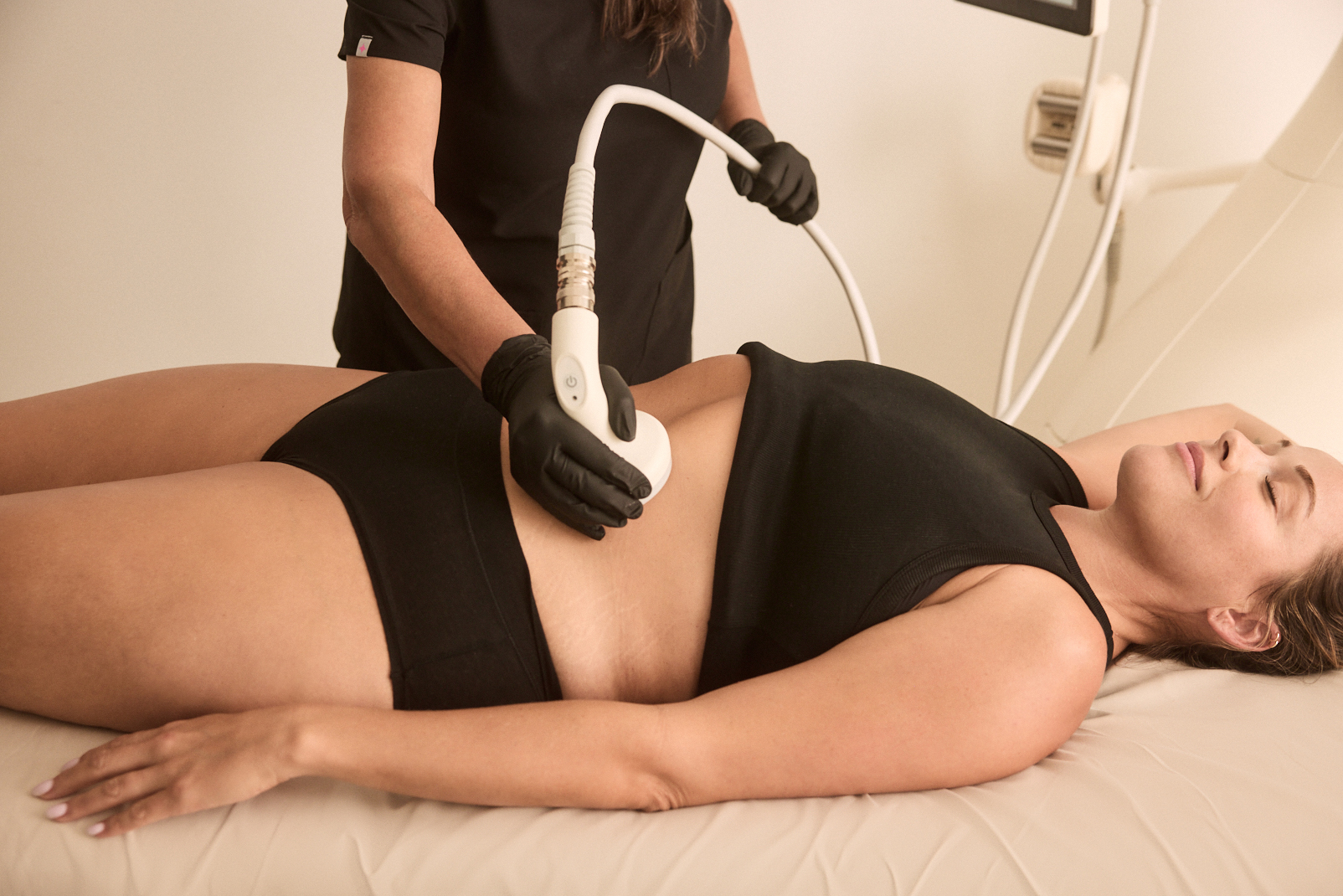
- Endodermic Massage with Suction, which can improve lymphatic drainage and smooth dimpling
- Mesospheric Activation, which can promote circulation, improve overall skin elasticity and health, and enhance muscle tone
Given that it incorporates multiple technologies, T-Shape 2 can be used for multiple body parts to improve their overall appearance. It can also be used for facial treatments, more precisely for lymphatic drainage and facial firming, providing comprehensive facial rejuvenation.
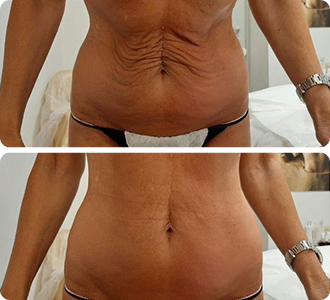
Before and after 3 skin-tightening treatments on the abdomen with T-Shape 2 to reduce loose skin after weight loss.
Who Can Benefit from T-Shape 2 Sessions?
The T-Shape 2 device is not designed only for skin laxity. It has pre-set programs designed based on the targeted area. Therefore, T-Shape 2 sessions:
- Can help sculpt stubborn areas
- Can help make the skin firmer and improve elasticity
- Can help reduce cellulite by smoothing dimples and improving skin texture
- Can help improve muscle tone and increase muscle-to-fat ratio for smoother contours
- Can help provide temporary relief for muscle aches
- Can improve skin health
According to clinical studies, 10 T-shape 2 sessions led to:
- A 23% increase in muscle tissue-to-fat ratio
- A 10% improvement in skin tone and laxity
- A 2-cm average reduction in abdomen circumference
- A 14% increase in rectus abdominis muscle tissue thickness
Nonetheless, keep in mind that results can appear gradually, and results vary from person to person.
Who Can Benefit From Non-Surgical Loose Skin After Weight Loss?
Non-surgical methods work best if you’re dealing with mild to moderate loose skin. These methods work by stimulating collagen and elastin production, which can gradually improve skin firmness and texture over time. They are most effective when the skin still has some underlying elasticity and has not been stretched to the point of permanent structural damage.
Non-surgical treatments may be appropriate if you fall into one or more of the following categories:
- Small, localized areas of loose skin
- Moderate weight loss (approximately 20-40 pounds)
- Early post-partum skin laxity
- Jawline or neck looseness following weight loss or aging
- Those who are not ready for surgery or seeking conservative options
Non-Surgical Methods for Loose Skin: Limitations
While non-surgical skin-tightening procedures may offer benefits, they also come with important limitations, including:
- Multiple sessions may be required
- Not effective for severe skin laxity or large overhangs
- Maintenance treatments may be necessary
Body Contouring & Skin Removal Surgery After Weight Loss
Body contouring after weight loss refers to surgical procedures that remove excess skin (and sometimes remaining fat).
Here are some common cosmetic surgeries that can remove loose skin:
- Panniculectomy: removes the overhanging lower abdominal “apron” (pannus) that drapes over the pubic area or thighs
- Abdominoplasty (tummy tuck): a more comprehensive procedure for removing extra skin and excess fat and tightens abdominal muscles
- Lower body lift / Belt lipectomy: a 360-degree lift addressing abdomen, flanks, buttocks, and outer thighs in one circumferential procedure
- Brachioplasty (arm lift): for removing loose skin from the upper arms between the armpit and the elbow
- Thigh lift: for removing excess skin from inner or outer thighs
- Breast lift (mastopexy): for raising and reshaping sagging breasts, repositions nipples
- Breast reduction: for removing excess breast tissue, skin, and fat
- Male chest contouring: for addressing gynecomastia or chest skin laxity in men
- Face/neck lift: for addressing jowls, loose neck skin, and facial volume loss after significant weight loss
Choosing the Right Next Step for Your Body and Goals
All the hard work you’ve put into losing weight and transforming your health deserves recognition. It’s completely reasonable to want your new body to reflect that accomplishment on the outside, too.
If you experience loose skin after losing weight, it is absolutely necessary to contact a medical professional. The solution is never the same for everyone, as it depends on multiple factors.
If you are dealing with severe skin laxity or even moderate skin laxity that causes physical problems and interferes with daily activities, it is strongly recommended to speak with a qualified medical professional.
If you experience mild to moderate skin laxity and are considering non-surgical treatments, it is still strongly recommended to schedule a consultation with a primary care provider.
Ready to Try a Procedure?
If you’re dealing with mild to moderate loose skin after weight loss and want to explore your options, the T-Shape 2 might be a good option for you. Its combination of radiofrequency, low-level laser, vacuum massage, and mesospheric activation can target skin laxity, circulation, and tissue quality in a single session, with no recovery time needed.
Clinics and med spas across the US offer T-Shape 2 sessions. Find a provider near you and book a consultation to understand whether this procedure fits your skin concerns and goals!
FAQs
How to tighten loose skin after weight loss without surgery?
You can tighten loose skin after weight loss by building muscle through strength training and maintaining a nutrient‑rich, well‑hydrated diet. You can also try non‑surgical procedures like radiofrequency, ultrasound, laser, or the T-Shape 2 device, which may help mild to moderate laxity. Body contouring surgery is generally the most effective option for significant excess skin, according to professional guidelines.
Does loose skin after weight loss go away?
Loose skin after weight loss may naturally tighten over 12–24 months, especially after modest weight loss and in younger individuals. But significant laxity often persists and may not fully resolve without medical help.
How to reduce loose neck skin after weight loss?
For loose neck skin after weight loss, you can try targeted strength training, good hydration, nutrient‑rich diet, and non‑surgical treatments like the T-Shape 2 procedure, which can stimulate collagen production and improve firmness.