The area around the eyes is often the first on the face to show signs of aging. The skin around the eyes is incredibly thin compared to the skin in other facial areas. It also has fewer oil glands, less fat, and less structural support to begin with. The fact that it’s also one of the most active facial areas doesn’t help. We’re talking decades of squinting, smiling, and blinking (around 15,000 times a day, if you’re counting). In short, it’s quite clear why eye wrinkles form earlier and go deeper than wrinkles elsewhere.
Luckily, if you do want to smooth these wrinkles out, there’s never been more choice when it comes to eye wrinkle treatments. The right option depends on what type of wrinkles you have, what’s causing them, and how much downtime you’re comfortable with.
This guide explains every major option, outlines what the research says, and helps you understand which treatments are best suited to which concerns. So, what’s the best procedure for under-eye wrinkles? Let’s find out.
Disclaimer: This article is provided for informational and educational purposes only. The information presented here is not a substitute for professional medical evaluation, consultation, or care and should not be relied upon to make health-related decisions. Always consult a qualified and licensed medical or aesthetic professional before undergoing any cosmetic or aesthetic procedure.
Quick Answer: Best Procedure for Under-Eye Wrinkles
The best procedure for under-eye wrinkles depends on the cause. Here are some of the most commonly recommended procedures:
- Dynamic wrinkles (movement-related): botulinum toxin
- Volume loss/hollowing: hyaluronic acid fillers
- Fine lines, crepey skin, or laxity: laser resurfacing, RF microneedling, or nitrogen plasma to stimulate collagen and tighten skin
Topical eye creams help with mild lines and prevention, but they won’t correct deeper wrinkles.
Why Does the Under-Eye Area Age Differently?
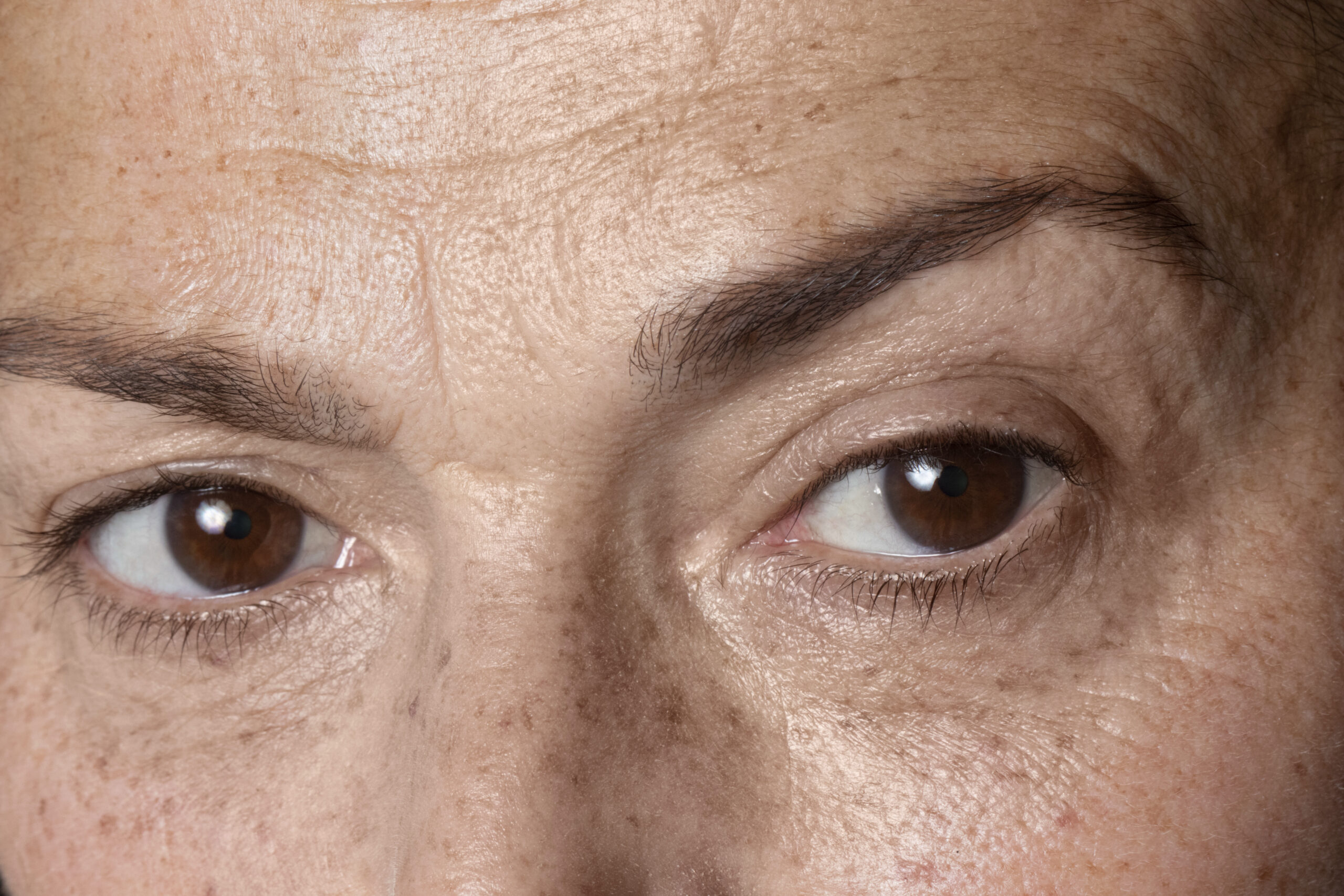
The periorbital skin, meaning the skin surrounding your eye sockets, has a unique physiology. In fact, it is the thinnest and most dynamic of the entire body, which is exactly why the under-eye area ages differently (much more quickly, that is). In some people, the thickness of the periorbital skin measures as little as 0.2 mm (0.0078 in), argue Hamie et al.
Furthermore, the orbicularis oculi muscle (the muscle surrounding the eye, which is responsible for closing the eyelids, blinking, and winking) is intertwined with the eyelid dermis. Plus, compared to other body parts, the space between the muscle and the skin has minimal subcutaneous fat.
All of these make the periorbital area very susceptible to sun damage and damage caused by other factors like pollution, smoking, or contact dermatitis. Even the chronic rubbing caused by seasonal allergies can damage that area and cause wrinkles.
Natural Aging Process Explained
The natural aging process affects the under-eye area in several ways, including:
- Collagen breakdown. Your body produces about 1% less collagen per year starting in your mid-20s. Since collagen is what keeps your skin firm and plump, this gradual loss translates directly into thin skin, creasing, and loss of elasticity over time.
- Volume depletion. Fat pads beneath the eyes shrink and change with age, creating hollow areas that cast shadows.
- Muscle movement. The orbicularis oculi muscle, which surrounds your eye, contracts thousands of times daily, as explained above. Over the years, those repeated contractions etch lines into the delicate skin above them.
- Sun exposure. UV radiation accelerates collagen breakdown, degrades elastin, and causes sun damage that changes skin tone and texture over time. The area around the eyes is much more susceptible to sun damage than other skin areas.
- Fluid retention. Poor lymphatic drainage and circulation can cause morning puffiness. Over time, that repeated swelling contributes to skin laxity in the area.
- Genetics. Some people are simply predisposed to thinner skin, faster collagen loss, or prominent eye bags.
Types of Under-Eye Wrinkles
To be able to choose the best procedure for under-eye wrinkles, you should first understand what type of wrinkles you have. There are three types of under-eye wrinkles:
- Dynamic wrinkles appear with movement. They form when you smile, squint, or laugh. Those crow’s feet fanning out from the outer corners of your eyes are dynamic wrinkles, except that they’re not directly under the eye. Early on, dynamic wrinkles disappear when your face relaxes. Over time, they can become etched in permanently.
- Static wrinkles are visible when you don’t move your facial muscles. They indicate structural changes in the skin itself: loss of collagen and elastin, reduced hydration, and changes in skin texture. Static wrinkles don’t disappear when you relax your muscles. They require treatments that address the underlying skin quality.
- Wrinkle folds are usually caused by sagging facial structures and volume loss in the face.
8 Best Treatments for Under-Eye Wrinkles
There are many options you can research if you want to smooth out the wrinkles under your eyes. We’ll briefly explain the most important ones below.
Always consult a healthcare professional before trying any cosmetic procedure. And keep in mind that the under-eye area is one of the more technically complex injection sites. That’s why you should work only with experienced professionals.
1. Topical Treatments and Eye Creams
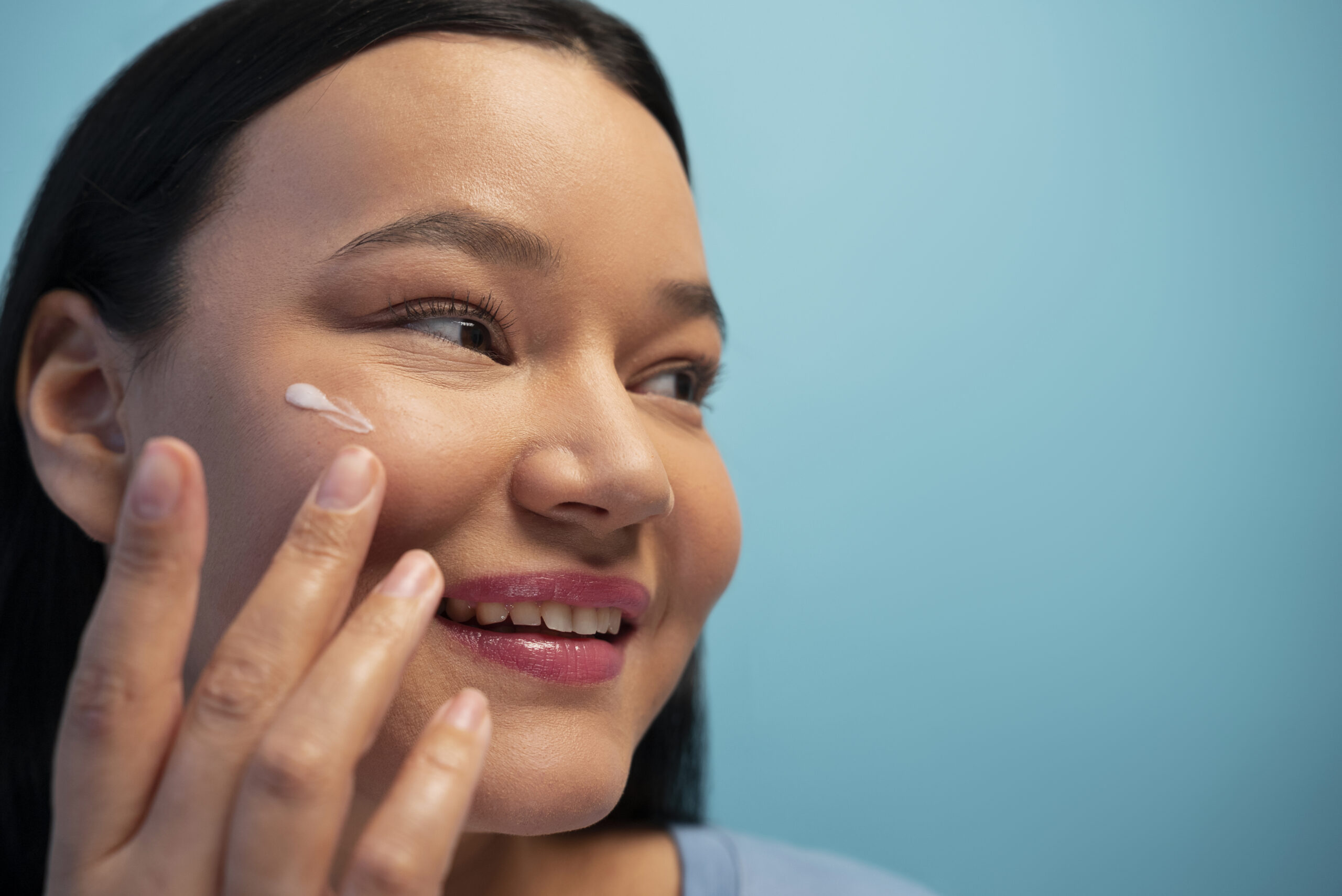
Most people start with topical treatments and eye creams, especially if the wrinkles aren’t too deep.
Here are some ingredients that are often included in eye skincare products:
- Retinoids (Vitamin A derivatives): retinoids work by speeding up cell turnover and stimulating collagen production. Research confirms their effectiveness for reducing fine lines, though the effect on the delicate eye area requires a low concentration formulated specifically for this region. Always use at night and follow with SPF in the morning.
- Hyaluronic acid: as a topical, hyaluronic acid hydrates the surface of the skin and temporarily restores the plump, youthful appearance and smooths fine lines and wrinkles, but it cannot penetrate deep enough to replace lost volume or stimulate structural change.
- Vitamin C: encourages collagen synthesis and offers some protection against environmental damage. More useful as a preventive ingredient than a corrective one.
- Vitamin E: can be effective for dark eye circles.
- Peptides: assist in the reversal of the dermal and epidermal signs of aging.
- Ceramides: form a waterproof barrier that protects the skin from dehydration. Ceramides also have anti-inflammatory properties.
- Caffeine: has anti-inflammatory and antioxidant properties. Products containing caffeine can help reduce wrinkles, as well as protect the skin against free radical damage. Some studies have also shown that caffeine can reduce periorbital hyperpigmentation and puffiness.
- Niacinamide: can help improve facial elasticity and decrease wrinkles.
Topical treatments are best used for mild or early concerns, as maintenance after professional treatments, or as part of a prevention strategy for younger people looking to prevent under-eye wrinkles before they deepen.
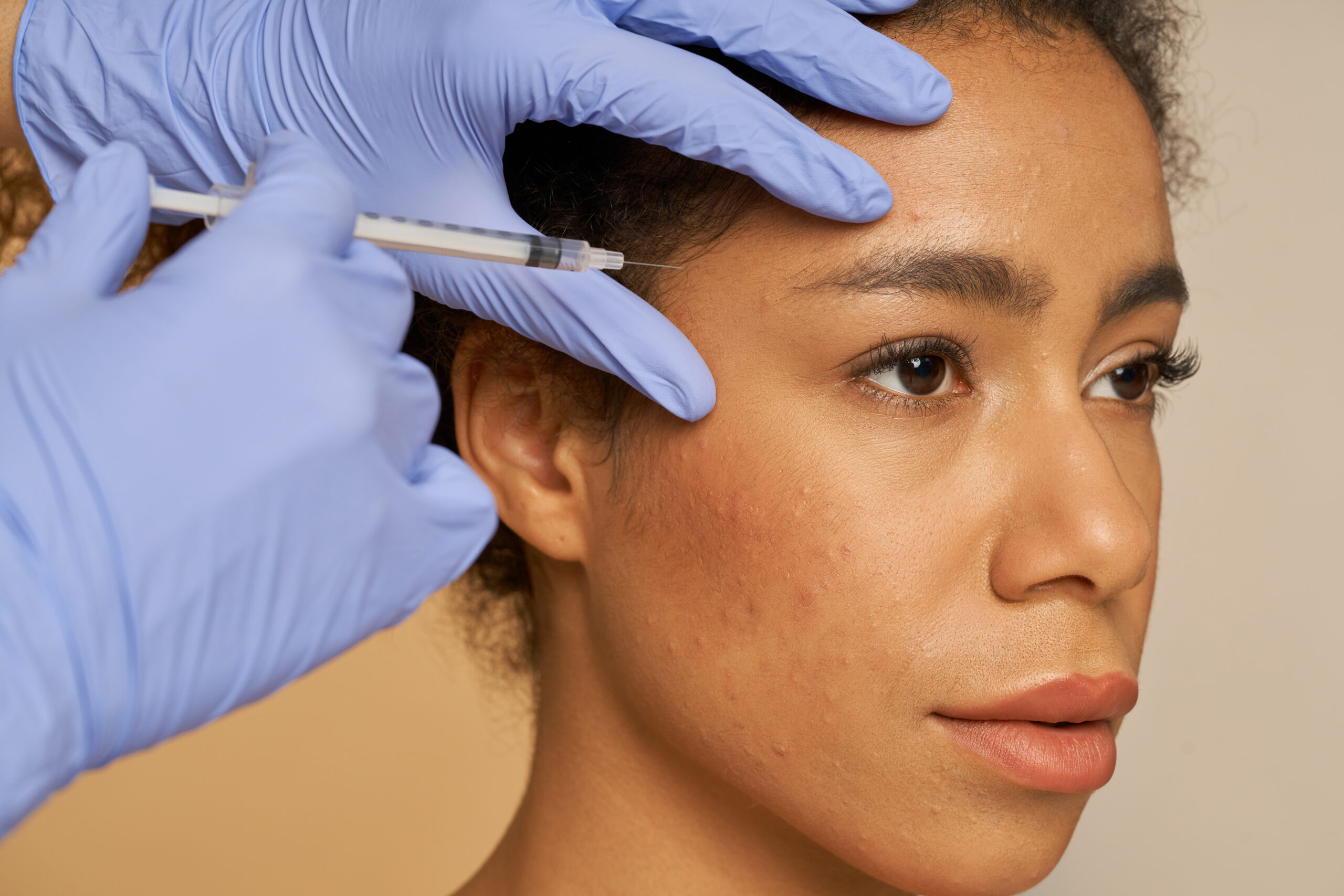
2. Botulinum Toxin
Botulinum toxin temporarily blocks nerve signals to the orbicularis oculi muscle. This stops the contractions that cause expression lines.
The procedure takes around 15 minutes. Most clients begin to see softening within 3-5 days, with full results visible at two weeks. Results typically last 3-4 months, after which the treatment needs to be repeated to maintain them.
Botulinum toxin can be effective when:
- Your wrinkles appear with movement but diminish at rest.
- You want a quick, predictable result with no downtime.
It’s less suitable for static wrinkles that are already etched into the skin at rest, or for concerns driven by volume loss and skin laxity rather than muscle activity.
3. Dermal Fillers
Dermal fillers, particularly those containing hyaluronic acid, address a different problem: lost volume. As the fat pads beneath the lower eyelids shift and shrink with age, they leave hollows that create shadows, contributing to the dark, tired look many people associate with dark circles and eye bags.
Injecting filler into the tear trough area can restore volume, reduce the shadow effect, and soften the transition between the lower lid and cheek. Results are immediate and can last 9-18 months, depending on the product used and the individual.
4. Laser Resurfacing
Laser treatment targets both the surface and deeper layers of the skin. There are two main categories:
- Ablative lasers (CO2, Erbium) remove the outer skin layer entirely, prompting significant resurfacing and stimulating collagen production. They can produce the most dramatic improvements in skin texture and wrinkled skin, but require a recovery period of several weeks and carry a higher risk, especially on thin skin types or darker complexions.
- Non-ablative lasers create controlled micro-injuries in the skin without removing the surface layer, leaving the epidermis intact. This means that downtime is significantly less than with ablative lasers, usually 3-7 days, but also the improvement is more gradual than with ablative lasers.
Laser resurfacing is generally the most effective treatment for static wrinkles, crepey texture, and skin laxity. For the lower eyelids specifically, it can improve the appearance of fine, crinkled lines that don’t respond to injectables alone.
One important note: laser treatment around the eyes typically requires protective eye shields, which can cause temporary blurred vision.
5. Microneedling and RF Microneedling
Microneedling creates controlled micro-injuries in the skin to trigger the body’s healing response, producing new collagen and elastin. On its own, microneedling can improve skin texture and soften early static wrinkles.
RF microneedling combines this with radiofrequency energy delivered directly into the dermis, amplifying the collagen-building effect. A study authored by Malarz et al. found that only three sessions of RF microneedling caused a wrinkle reduction in the eye area of 25-43%, with effects lasting up to 6 months.
RF microneedling is often recommended for the under-eye area because it delivers energy beneath the surface without the same epidermal disruption as ablative lasers. On that account, it has minimal downtime, typically 1-3 days. It might be a practical option for people who can’t take extended time away from their daily routine.
6. Nitrogen Plasma Technology
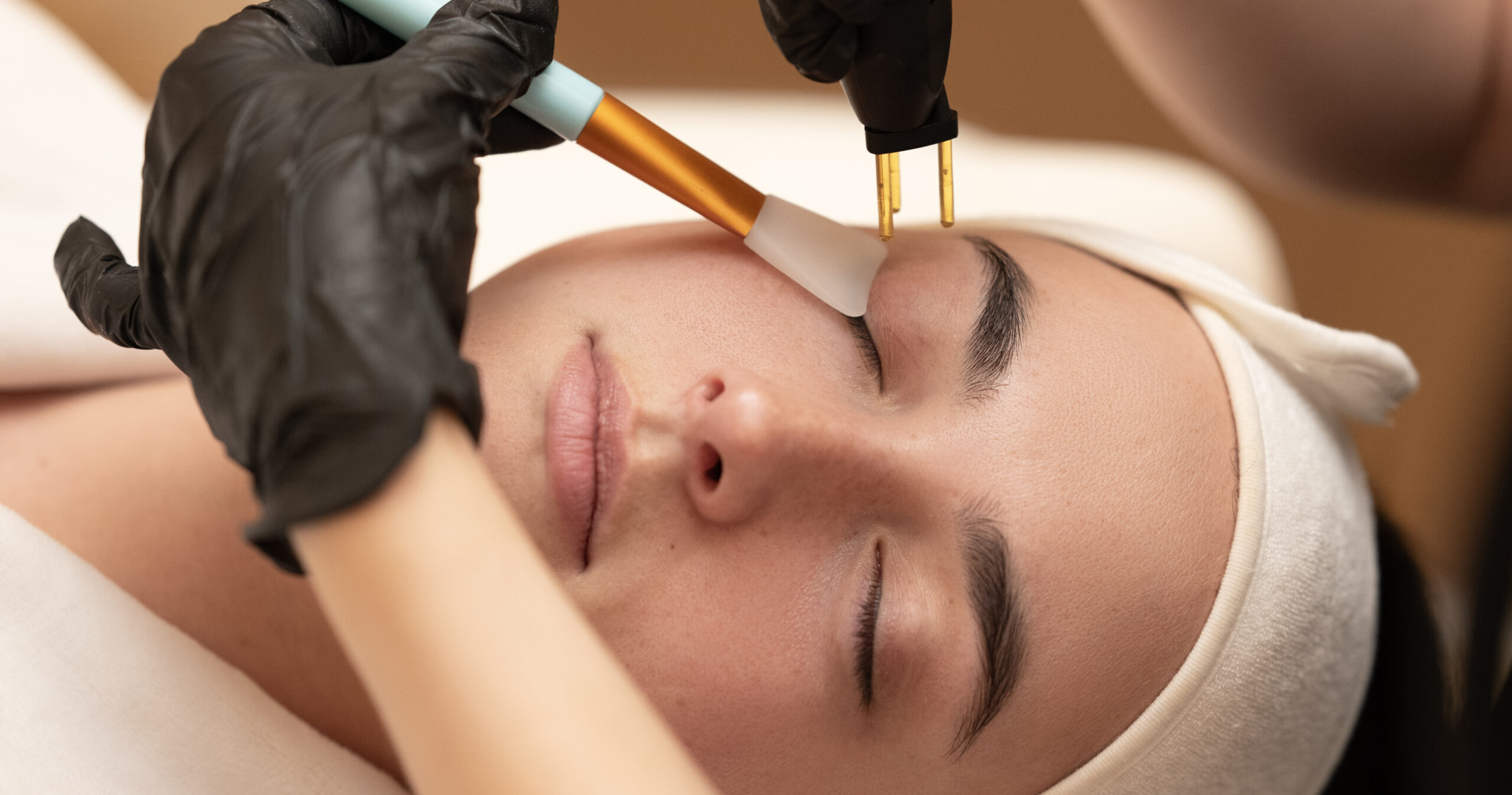
Nitrogen plasma (Neogen) is a technology that converts nitrogen gas into plasma. The plasma energy is then delivered to the skin, triggering immediate contraction and a healing response that boosts new collagen and elastin production.
What makes Neogen particularly relevant for the under-eye area is that, unlike many laser treatment systems, it can be applied directly to the upper and lower eyelids without ocular shields. This allows treatment of the eyelid skin itself, an area that many energy-based devices simply can’t reach safely.
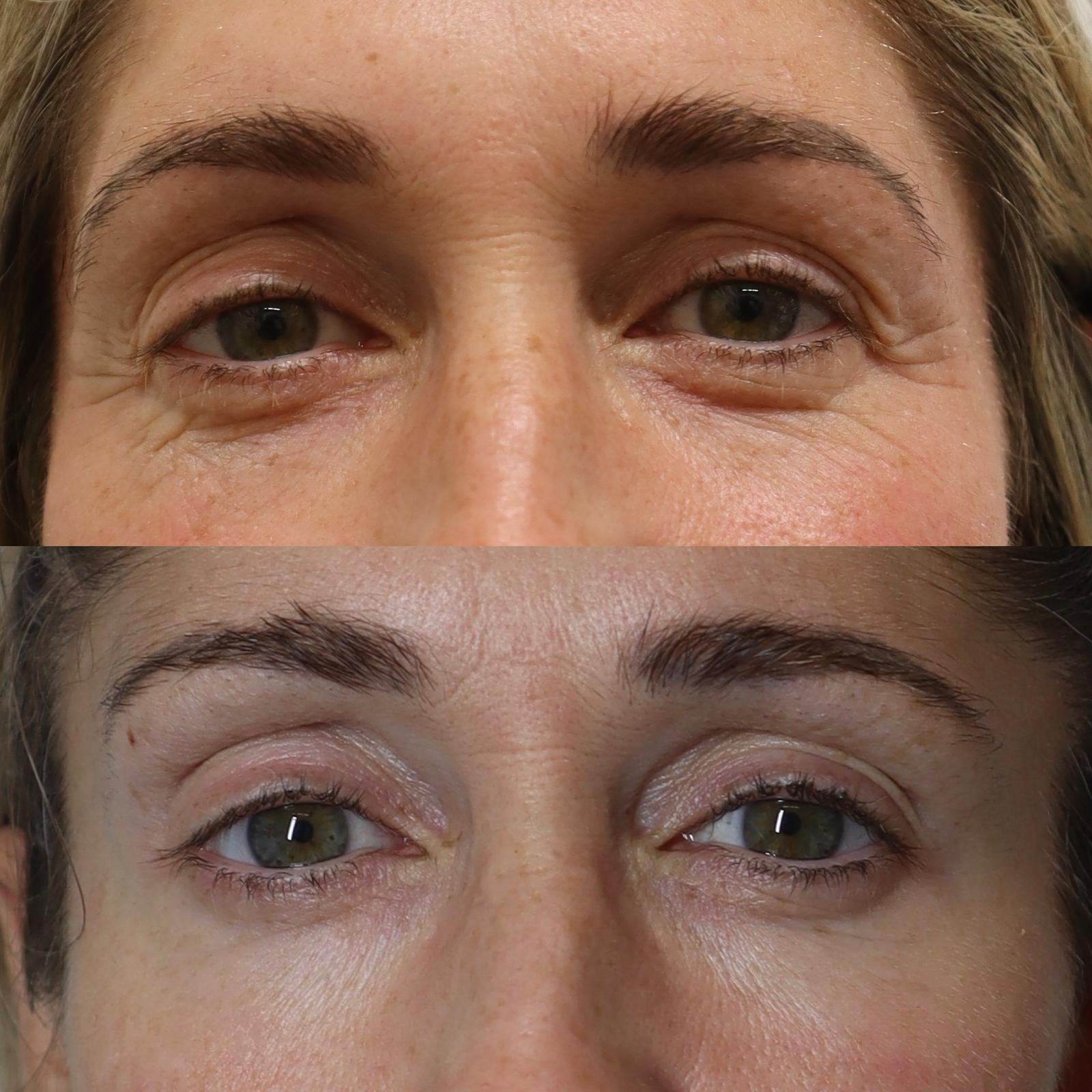
4 Weeks after 3 low-energy treatments on the eye area with Neogen. Courtesy of La Ross Clinic.
Neogen can help improve the appearance of the under-eye skin, including dark circles and eye bags, and reduce sagging skin, fine lines, and deep wrinkles. Results continue building for 3-12 months post-treatment as the collagen remodeling process progresses.
Neogen is available in different energy settings. Higher-energy protocols deliver more significant resurfacing but require some social downtime as the skin heals. Lower-energy protocols can achieve gradual tightening with minimal downtime, making it an option for people who want visible results without extended recovery. It suits a wide range of skin types and is particularly useful when the goal is to improve skin quality and address eyelid tightening in a single treatment.
7. T-Shape 2
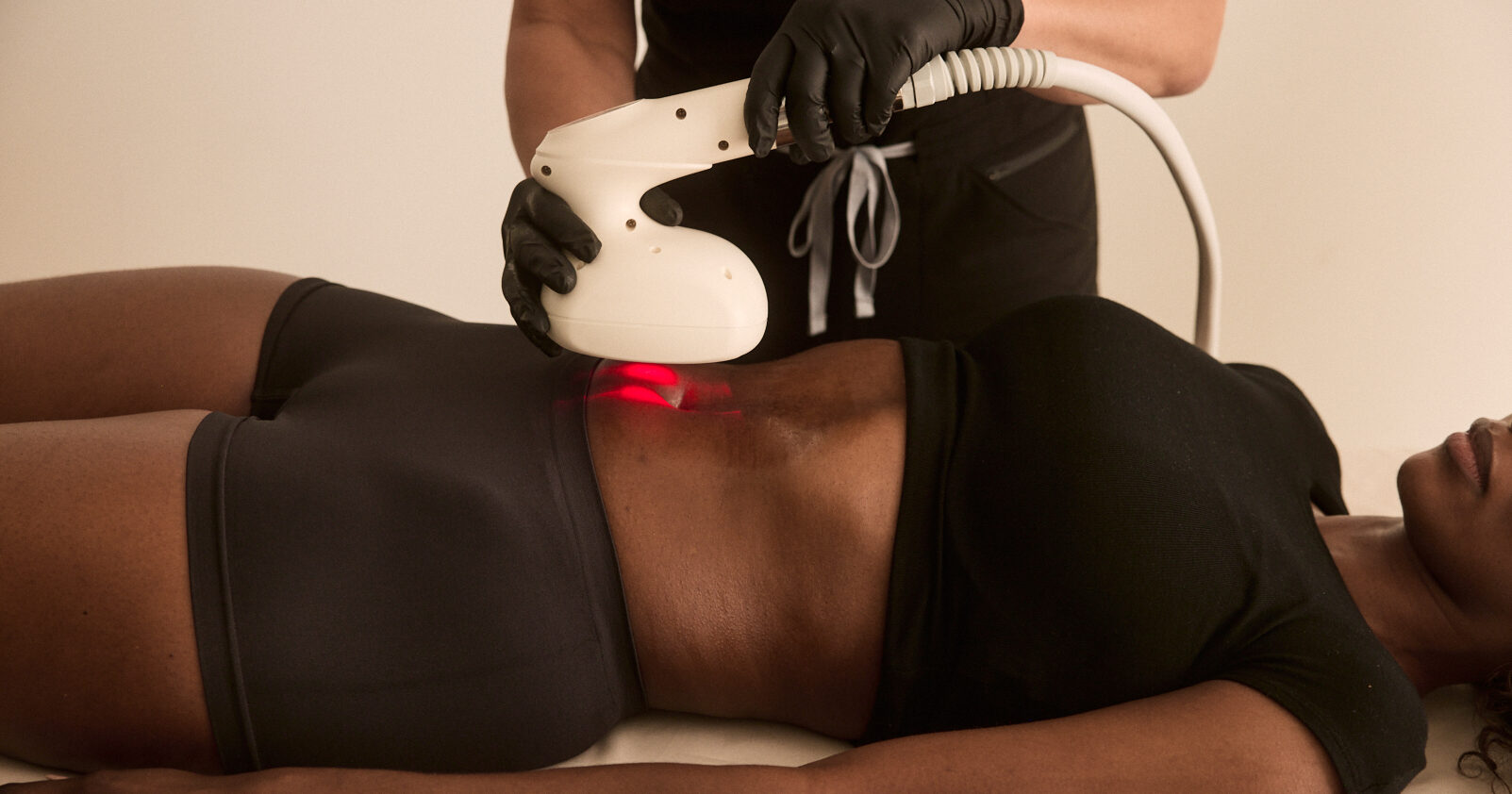
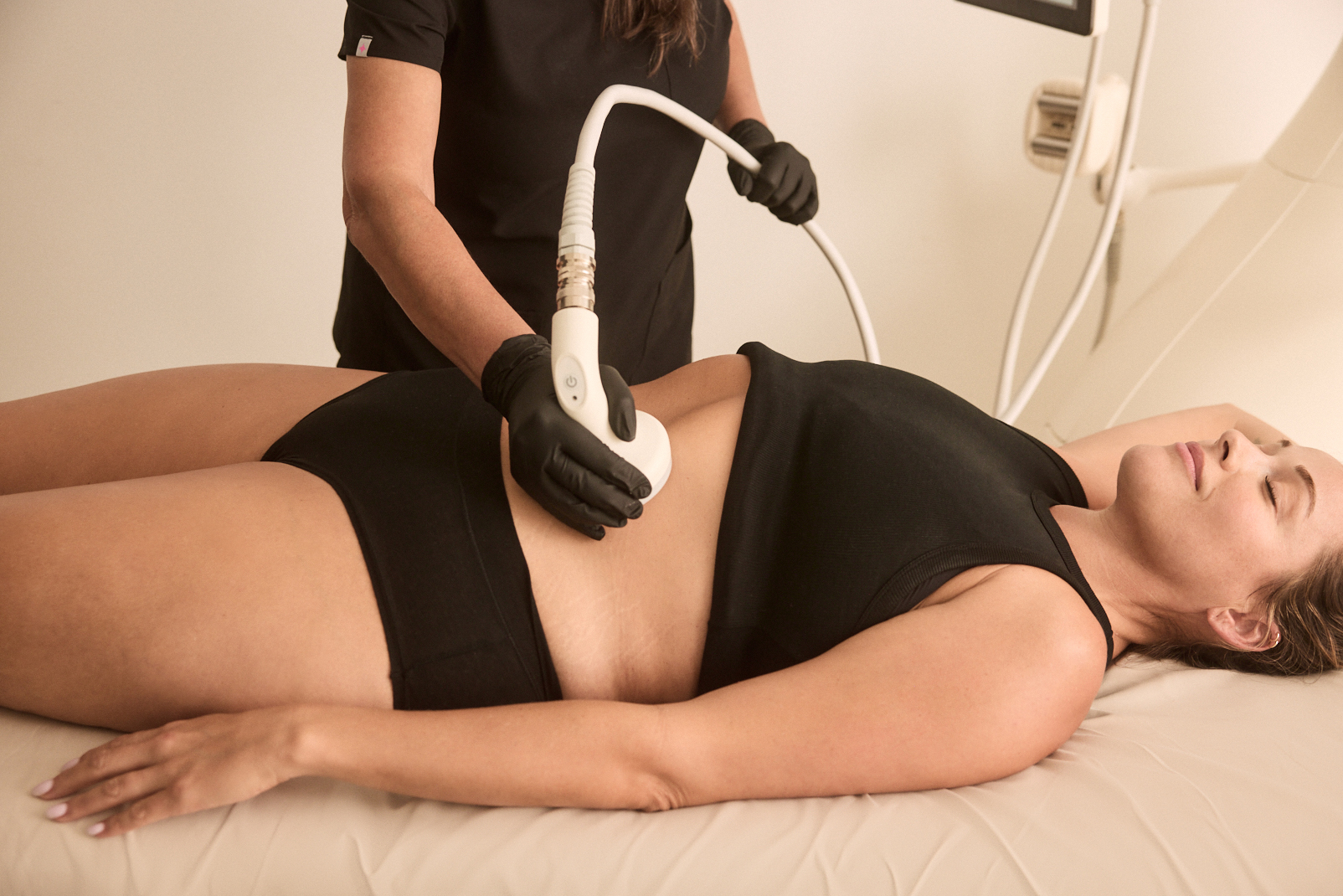
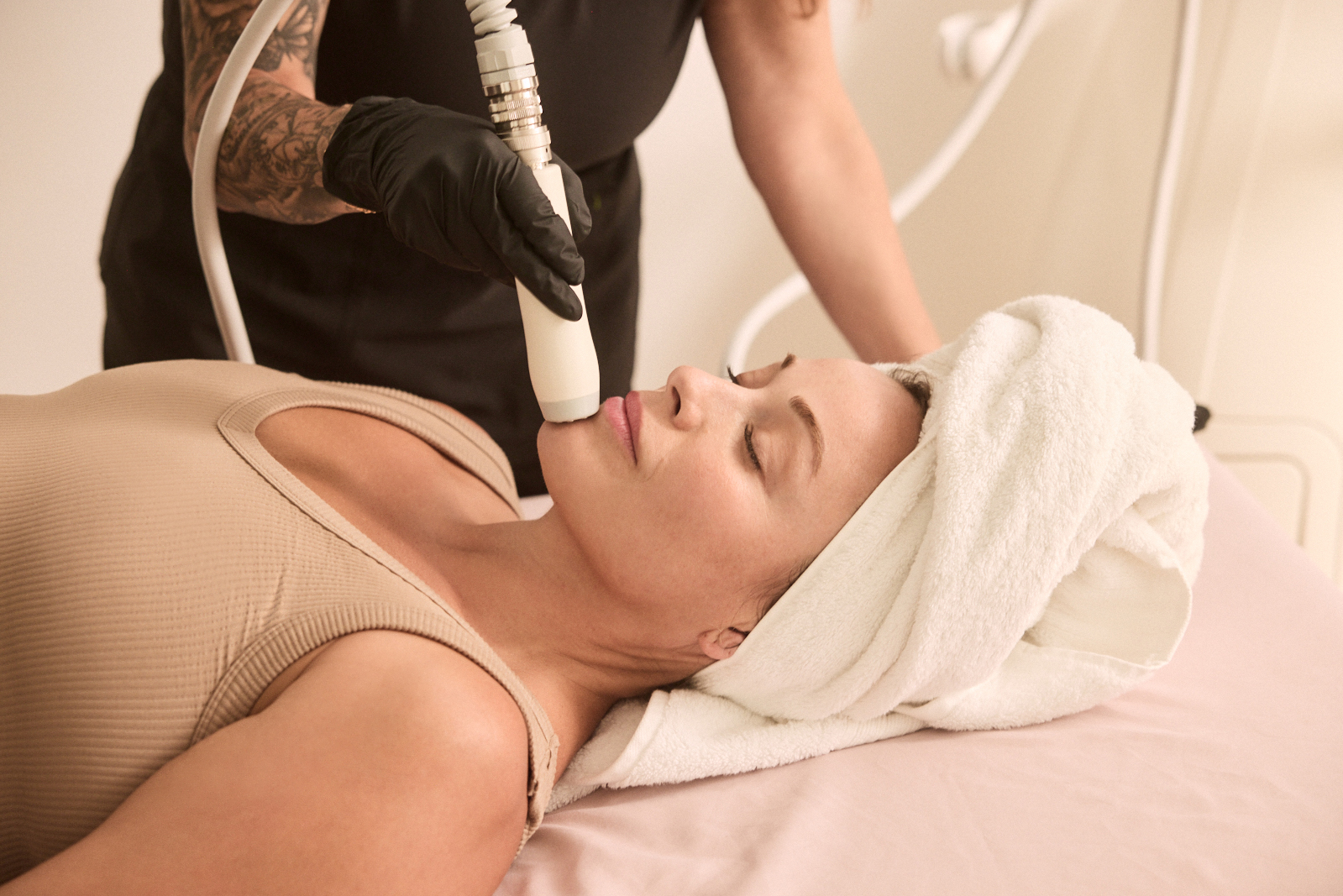
The T-Shape 2 is a multi-technology aesthetic device that combines four distinct modalities in a single platform:
| Technology | How it works | Primary benefit |
| Bipolar Radiofrequency (RF) | Delivers controlled thermal energy into the dermis | Stimulating collagen production, tightening skin laxity |
| Low-Level Laser Therapy (LLLT) | Promotes cellular regeneration and vasculature | Collagen remodeling, improved circulation and metabolism |
| Endodermic Massage with Vacuum Suction | Mechanical suction on tissue | Lymphatic drainage, improved circulation, smoother skin texture |
| Mesospheric Activation | Micro-vibration to the underlying tissue | Muscle toning, tissue mobilization |
Because it combines multiple modalities in a single session (heat, laser, suction, and vibration), the T-Shape 2 addresses under-eye wrinkles from several angles at once: rebuilding structural collagen, improving lymphatic drainage, and enhancing overall skin quality. This multi-modal approach is particularly useful for clients who want smoother skin and improved firmness without committing to a surgical procedure or extended recovery.
Sessions are generally comfortable, with a warm massage sensation. Mild redness may occur but typically resolves within a few hours. There is no significant downtime, which is one of the reasons it fits well into a clinical menu alongside other professional under-eye treatments.
8. Surgical Options
Eyelid plastic surgery, specifically lower blepharoplasty, is a surgical procedure performed under local anesthesia (usually with sedation) that can help remove excess skin, excess fat, and significant structural laxity in the lower eyelids. Most patients see results lasting 7-10 years or more.
Surgical intervention carries more risks, including swelling, bruising, temporary numbness, and in rare cases, more serious complications. It’s typically reserved for cases where non-surgical treatments for the under-eye region haven’t provided adequate results, or where skin laxity is severe enough that surface treatments cannot meaningfully improve the outcome.
Comparing Your Options: Quick Reference
| Treatment | Best for | Downtime | Duration of results |
| Topical treatments/eye creams | Prevention, maintenance, early fine lines | None | Ongoing (requires consistent use) |
| Botulinum toxin | Dynamic wrinkles, crow’s feet | None | 3-4 months |
| Dermal fillers | Volume loss, hollowness, dark circles | Minimal (bruising possible) | 9-18 months |
| Chemical peels | Skin texture, surface fine lines | 3-7 days (light-medium) | Varies |
| Laser resurfacing | Static wrinkles, texture, sun damage | 3-14 days | 1-3 years |
| RF microneedling | Static wrinkles, skin laxity, texture | 1-2 days | 1-2 years |
| Neogen | Eyelid tightening, crepey skin, laxity | Varies by energy | Up to 2 years |
| T-Shape 2 | Skin laxity, eye wrinkles, puffiness, lymphatic drainage | Minimal | Ongoing (maintenance recommended) |
| Eyelid surgery | Excess skin, excess fat, severe laxity | 2-3 weeks | 7-10+ years |
Which Treatment Is Actually the Best for Under-Eye Wrinkles?
The best procedure for under-eye wrinkles depends on:
- What type of wrinkles you have (dynamic vs. static, surface vs. deep)
- What’s driving them (muscle movement, collagen loss, volume loss, fluid retention, sun damage)
- Your skin type and tone (some treatments carry higher risks for darker complexions)
- How much downtime you can manage
- Whether you’re looking for correction or maintenance
For most people, a combination approach delivers the most noticeable and lasting results. A common protocol might look like this:
- Botulinum toxin for expression lines
- Hyaluronic acid filler if volume loss is a factor
- RF microneedling, T-Shape 2, or Neogen to rebuild collagen production in the dermis and address overall skin quality
- A consistent at-home routine with retinoids, SPF, and a targeted eye cream
Ultimately, the best way to find a suitable procedure is by talking to a healthcare professional with experience in treating the under-eye area.
Preventing Under Eye Wrinkles Before They Deepen
If you’re in your 20s or early 30s reading this, the most useful thing you can do is start early. To prevent under-eye wrinkles from developing or deepening:
- Apply SPF every morning, including around the eyes. Sun exposure is one of the most controllable accelerators of early aging.
- Wear sunglasses to prevent squinting, which deepens crow’s feet over time.
- Start a retinol-based eye cream early. Use it consistently, even before you see wrinkles.
- Stay well hydrated and avoid excessive alcohol and smoking, both of which accelerate collagen breakdown.
- Sleep on your back if possible. Side sleeping presses delicate skin against the pillow night after night, contributing to static wrinkles over time.
FAQ
What is the best under-eye cream for wrinkles?
There is no one best eye cream for wrinkles, but formulas with proven actives like low‑strength retinoids, niacinamide, peptides, and hyaluronic acid have the strongest evidence for improving fine lines and elasticity under the eyes. Look for a fragrance‑free, ophthalmologist‑tested eye cream that combines these ingredients and introduce retinoids slowly at night to minimize irritation while still targeting wrinkles over 8-12 weeks.
What causes dehydration lines under the eye, and how to smooth them out?
Dehydration lines under the eyes occur when the thin, low‑oil skin in this area loses water, and its barrier is compromised, often from dry air, harsh cleansing, or inadequate moisturizing. To smooth them out, focus on rehydrating with humectants (like hyaluronic acid and glycerin), barrier‑repairing creams (ceramides), gentle cleansing, adequate fluid intake, and daily SPF. Once the water balance is restored, these fine lines usually fade significantly.
What is the best hollow-eye treatment?
True hollowing from volume loss is most effectively treated with procedures that add volume, such as hyaluronic acid filler. The best option depends on your anatomy and age.
Can you tighten the skin under the eyes without surgery?
Yes, you can improve mild to moderate under‑eye laxity without surgery using technologies like radiofrequency (including RF microneedling), fractional laser treatments, and sometimes focused ultrasound, all of which stimulate new collagen and elastin in the dermis. Results build gradually over weeks to months and are best combined with diligent sun protection and collagen‑supportive skincare, though significant excess skin or pronounced bags may still need surgical correction.
How to fix saggy wrinkles under the eyes?
Saggy wrinkles under the eyes usually respond best to a combined plan: daily broad‑spectrum SPF, skincare care products with retinoids, niacinamide, peptides, or hyaluronic acid, plus in‑clinic options such as neuromodulators for crow’s feet, laser resurfacing, RF (or RF microneedling), and sometimes fillers for volume loss. For more advanced laxity or bulging fat pads, surgical options might be recommended.
Do under-eye wrinkle treatments hurt?
Most non-invasive treatments involve minimal discomfort. Injectables cause a brief sting. RF treatments feel like warmth or a massage sensation. Laser resurfacing at higher intensities may require a topical numbing cream. Eyelid surgical solutions are performed under local anesthesia, so you won’t feel pain during the procedure, though recovery involves swelling and bruising.