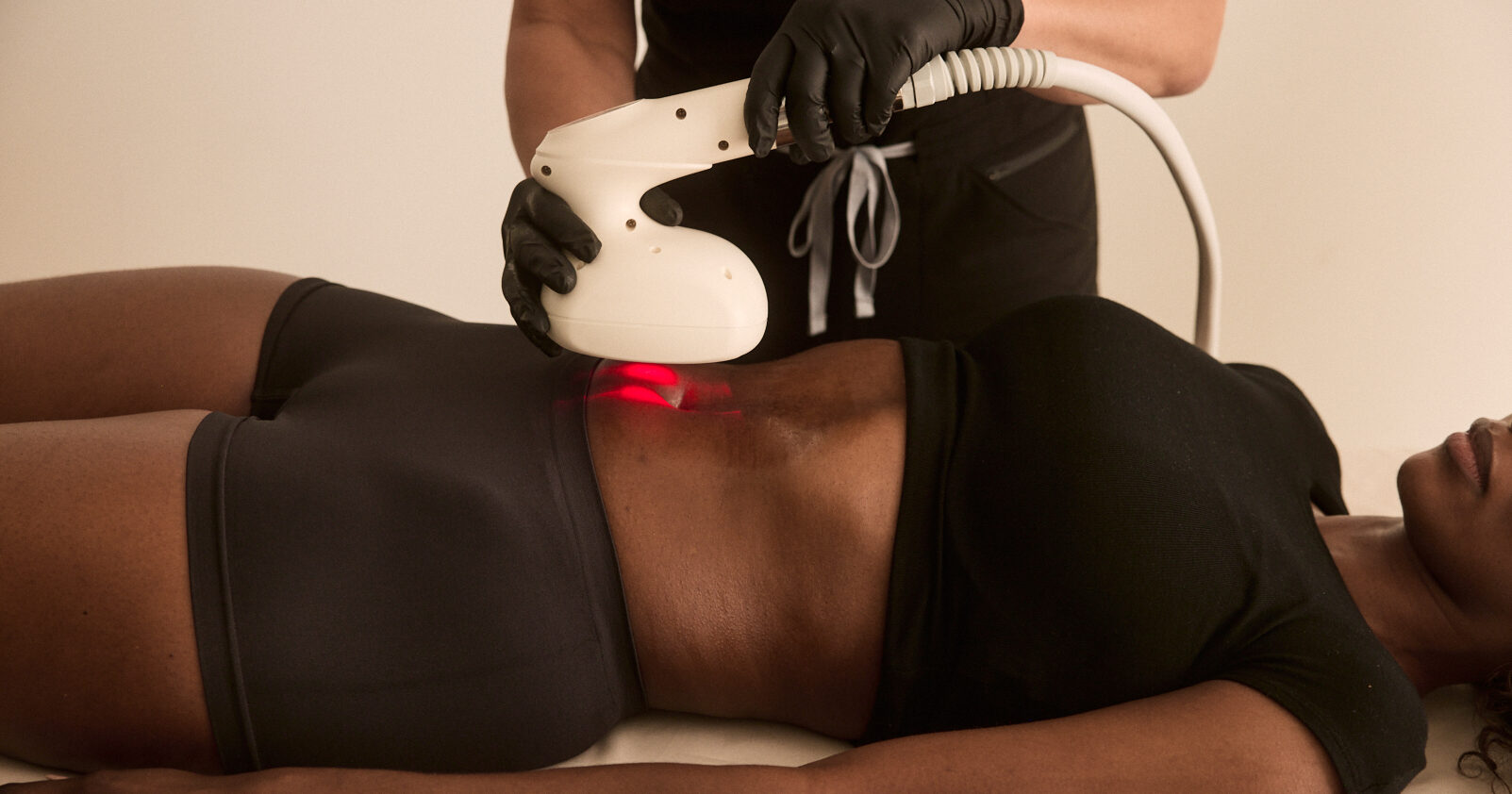
If you’re researching non-surgical ways to firm sagging skin without significant downtime, bipolar RF skin tightening definitely deserves your attention. This article will examine exactly how this RF technology works at the tissue level, what results you can realistically expect, and how it compares with monopolar RF and RF microneedling.
Disclaimer: This article is provided for informational and educational purposes only. The information presented here is not a substitute for professional medical evaluation, consultation, or care and should not be relied upon to make health-related decisions. Always consult a qualified and licensed medical or aesthetic professional before undergoing any cosmetic or aesthetic procedure.
Quick Overview: What Is Bipolar RF Skin Tightening?
Bipolar radiofrequency is a non-surgical skin-tightening treatment that delivers controlled heat to the skin between two electrodes positioned close together. Unlike monopolar RF, which routes current through deeper tissues to reach the grounding pad, a bipolar RF device confines energy to a shallow loop between its two electrodes, making it generally suitable for superficial skin tightening.
Bipolar RF typically treats only the epidermis and upper dermis. This makes it a focused, controlled option for the face, jawline, neck, décolletage, upper arms, abdomen, and knees. Sessions usually run 20-45 minutes, depending on the treatment area.
Key benefits clients expect from bipolar RF treatments include:
- Firmer skin texture and mild lifting
- Reduction of fine lines and crepey skin
- Minimal to no downtime after treatment sessions
- Comfortable warmth with adjustable energy levels
Modern radiofrequency machines feature built-in temperature monitoring, contact cooling, and automatic cutoff controls, so the treatment stays safe and tolerable for most patients.
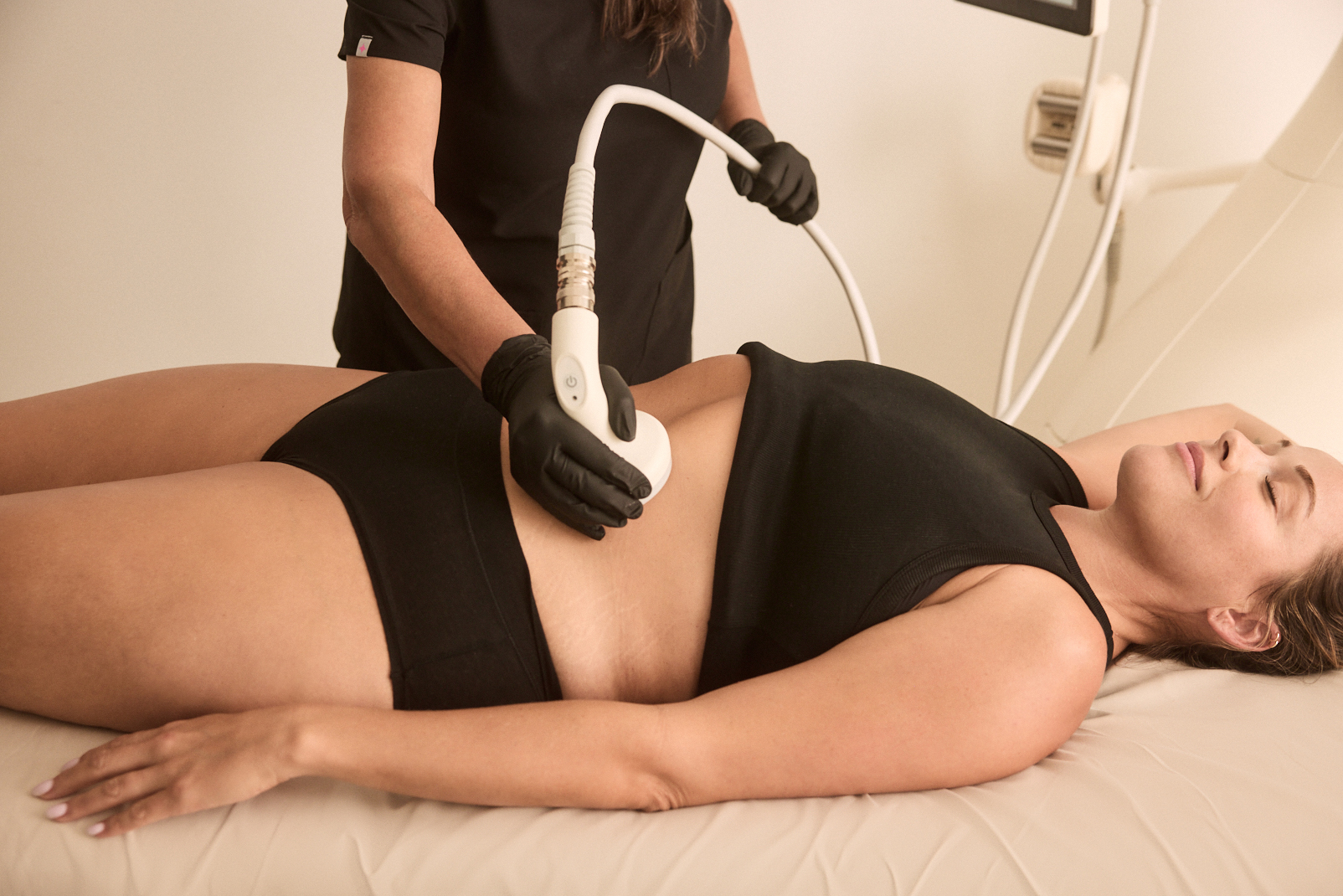
How Does Bipolar RF Technology Tighten the Skin?
RF technology works by converting controlled electrical energy into heat within the skin. A current passes between the bipolar electrodes. Because bipolar RF requires electrodes to be close together, the current loops through a small volume of target tissue rather than traveling deep into the body as in the case of monopolar RF. Bipolar RF usually penetrates only up to 1-4 mm deep, as per a study authored by Zhang et al.
This concentrated energy delivery raises the temperature of the skin. The biological response has two phases:
- Immediate contraction of collagen fibers for skin tightening, giving a subtle “tight” feeling right after the session.
- Delayed remodeling: Over the following 2-3 months, collagen remodeling takes place, resulting in progressively firmer skin.
Bipolar RF vs Monopolar RF: What’s the Difference?
Monopolar RF uses one electrode on the skin surface and a grounding pad placed elsewhere on the body. Current travels through all intervening tissue, allowing it to penetrate deeply into the dermis layers, reaching depths of up to 20 mm. Monopolar RF supports long-term collagen remodeling and regeneration at these deeper planes.
Bipolar RF places multiple electrodes (or a pair of electrodes) directly in the treatment tip. Current flows only between them, limiting depth to roughly 1-4 mm. Bipolar RF is less effective for deeper skin layers but excels at surface-level precision.
Key Differences: Bipolar RF vs Monopolar RF
| Feature | Monopolar RF | Bipolar RF |
| Electrode setup | One electrode + grounding pad | Two electrodes in the handpiece tip |
| Depth of penetration | Deep (2+ cm) | ~1-4 mm |
| Best for | Pronounced laxity, jowls, body contouring, cellulite reduction; large areas only; addressing subcutaneous fat | Fine lines, texture, crepey skin, delicate areas, mild skin tightening |
| Sessions needed | Fewer sessions (often 1-3) | More sessions (typically 4-8) |
| Comfort | Mild to moderate discomfort; may need cooling or anesthetic | Warmer at the surface but generally more comfortable |
Monopolar RF penetrates deeper than bipolar RF, which means monopolar RF treatments typically require fewer sessions than bipolar RF to achieve a comparable visible lift. However, bipolar RF provides a more comfortable experience and carries a limited risk of deep tissue complications.
Many advanced platforms now combine monopolar RF and bipolar RF in one device. A 2026 study confirmed that this combined strategy yields stronger patient satisfaction than either modality alone.
When to Choose Bipolar RF Skin Tightening
Candidacy depends on laxity severity, skin thickness, and treatment goals. Bipolar RF is preferred for facial rejuvenation and specific localized areas where controlled, shallow heating matters most.
Bipolar RF is generally associated with treating:
- Mild to moderate skin laxity on the face and neck
- Early jowling and soft jawline definition
- Fine periorbital lines and crepey under-eye skin
- Textural laxity on the upper arms, above the knees, and on the abdomen
This treatment is often discussed for individuals in their late 20s to mid-50s. Think prevention and maintenance rather than dramatic correction.
Monopolar RF or other treatments are often used for:
- Pronounced lower-face sagging or neck bands
- Thicker skin with deeper tissue laxity
- Cellulite and fat-layer remodeling on thighs and buttocks
Scenario A: A 42-year-old with mild jowling and early texture changes along the jawline. In a case like this, a provider might consider bipolar RF, with typical protocols involving 4–6 sessions, which can deliver noticeable firming and contour improvement with zero downtime.
Scenario B: A 60-year-old with moderate neck bands, visible fat beneath the chin, and thicker skin. In cases with deeper laxity, providers may explore monopolar RF, RF microneedling, or combination approaches.
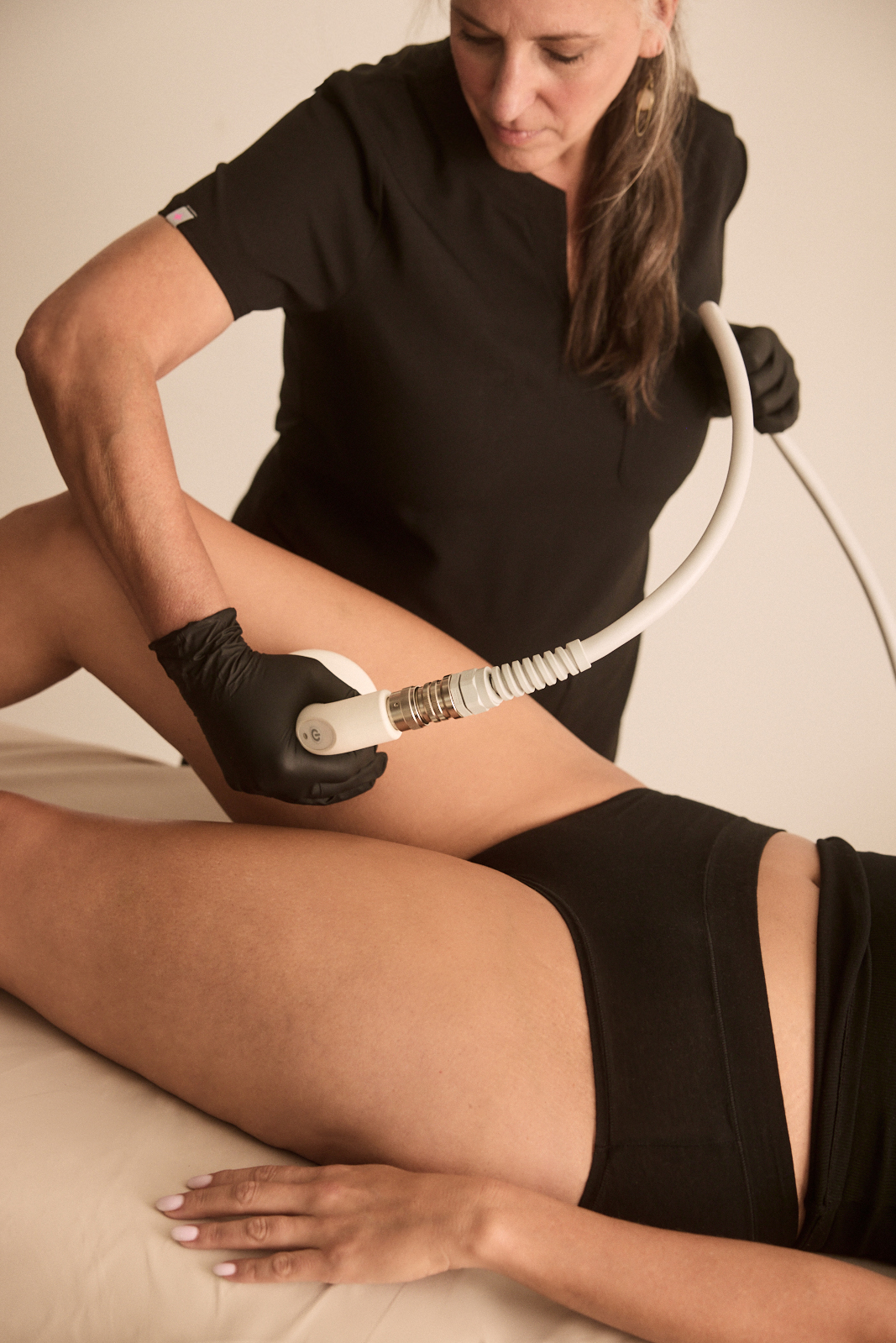
Treatment Experience: What to Expect Before, During, and After
A typical bipolar RF skin tightening treatment starts with a consultation and involves a series of 4-8 sessions spaced 2 weeks apart, depending on the treatment area and severity of laxity.
Pre-Treatment
Your practice or clinic will review your medical history, take standardized photos, and set realistic expectations. They may recommend avoiding certain skincare products prior to RF treatment, specifically retinoids, aggressive peels, and heavy exfoliants, for about 5-7 days beforehand. Intense sun exposure should also be minimized.
During Treatment
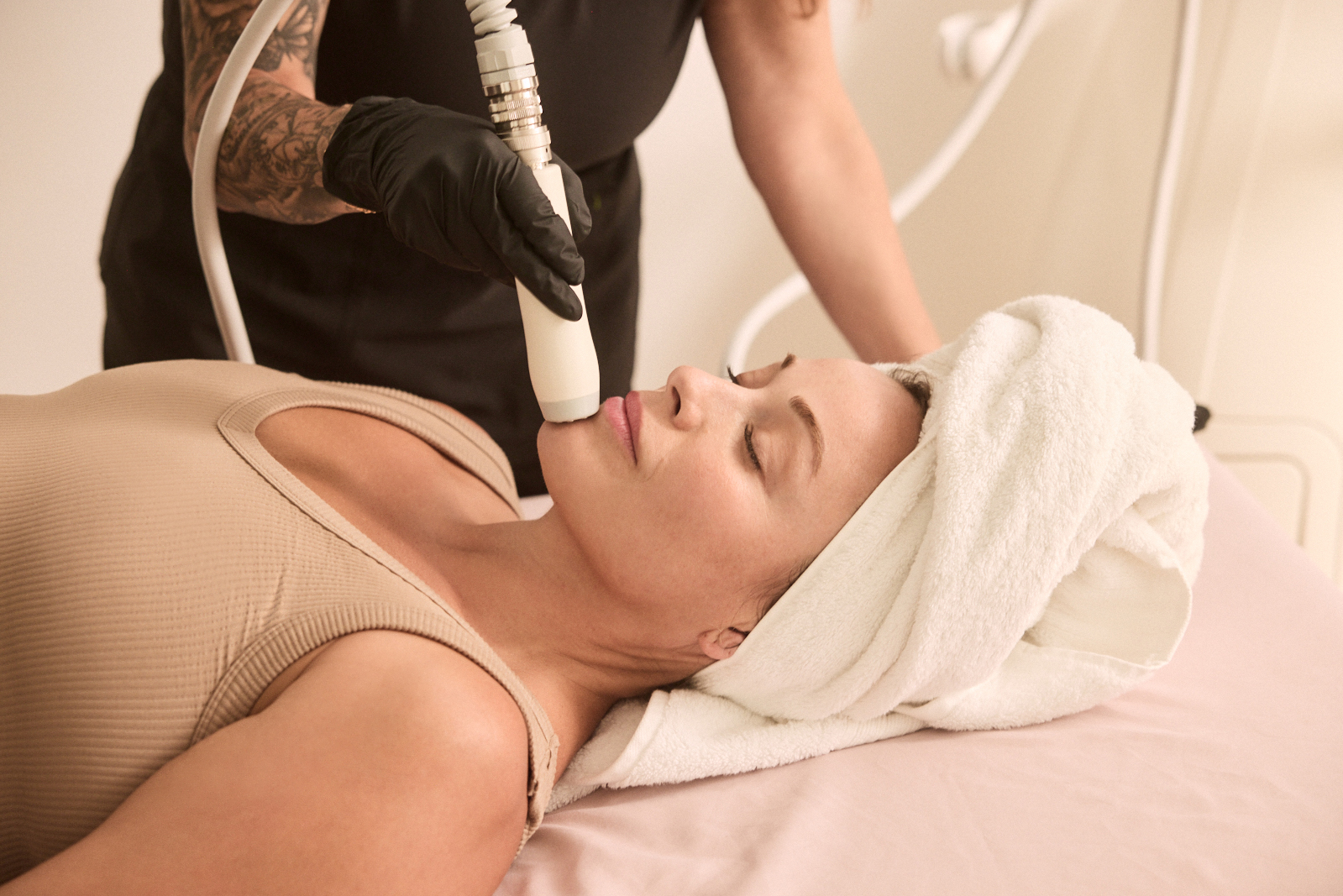
After cleansing the skin and applying conductive gel, the practitioner moves the bipolar RF handpiece continuously across the treatment area. Bipolar RF may cause superficial heating sensations, but the energy is adjusted based on your feedback. Sessions last 20-45 minutes, depending on whether you’re treating the face or larger areas like the abdomen.
Post-Treatment
Common reactions include temporary redness lasting 30-120 minutes, slight swelling in sensitive zones, and a temporary tight sensation. Bipolar RF has minimal to no downtime. Most people return to work or social activities the same day. Providers typically recommend a gentle moisturizer and SPF 30+ after treatment.
Results from RF treatments are not immediate and can take weeks to months to become noticeable. Best results are achieved when the treatment is combined with proper skincare and a healthy lifestyle. Here’s a general timeline:
- Day 0: Mild redness, warmth, and subtle tightness
- Week 4: Noticeable texture improvement; fine lines begin to soften
- Week 8-12: Visible tightening and contour improvement as collagen remodeling peaks
Safety Profile, Side Effects, and Contraindications
RF technology has been used in dermatology and aesthetics since the early 2000s and generally has a strong safety record when performed with medical-grade devices. It is essential to use FDA-cleared RF technology and to search for a clinic with proper training and machine certification.
Common, expected side effects:
- Mild erythema and edema for a few hours
- Temporary dryness or slight roughness for 1-3 days
- Short-lived sensitivity or “sunburn-like” warmth after higher-energy sessions
Rare but possible complications:
Risks of RF treatments include burns and skin discoloration from improper use. Post-inflammatory hyperpigmentation and temporary worsening of rosacea are also possible.
Contraindications:
- Pregnancy and breastfeeding
- Individuals with certain implants may not be candidates for RF treatment
- Active skin infections, open wounds, or severe inflammatory dermatoses
Talk to a specialized healthcare professional before undergoing any aesthetic procedures.
Results, Longevity, and Maintenance
Bipolar RF results build gradually as new collagen forms and existing fibers reorganize. Average improvement in firmness and texture is mild to moderate.
Typical treatment plans vary by area:
- Face and neck: 4-6 sessions every 2-3 weeks
- Body (arms, abdomen, knees): 6-8 sessions
Treatment results can last up to a year and a half after the procedure with consistent SPF use, stable weight, and good skincare. However, bipolar RF treatments require more frequent maintenance sessions, typically every 6-12 months.
Factors that affect durability:
- Age and baseline skin quality
- UV exposure and smoking
- Weight fluctuations
- Home skincare routine (retinoids, antioxidants, peptide serums)
Bipolar RF Combined With Other Technologies: T-Shape 2
Modern aesthetic treatments increasingly combine bipolar RF with complementary technologies to address multiple skin concerns. While bipolar radiofrequency is often used to improve mild skin laxity and stimulate collagen production, pairing it with other modalities can enhance results and expand the range of treatable concerns.
One increasingly popular example is the T-Shape 2 system, which combines bipolar RF energy with low-level laser therapy, vacuum-assisted massage, and mesospheric activation. The radiofrequency component delivers controlled heat into the skin to stimulate collagen remodeling and improve firmness, while the other technologies can help promote circulation, lymphatic drainage, and tissue mobilization.
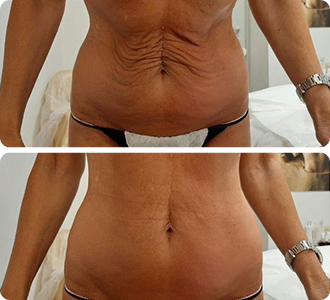
Before and after 3 treatments with T-Shape 2.
This combination makes T-Shape 2 particularly suitable for body contouring treatments targeting areas such as the abdomen, thighs, buttocks, and upper arms.
Bipolar RF vs. RF Microneedling
Bipolar RF delivers heat using external electrodes. The energy primarily targets superficial (epidermal) layers, making it effective for mild skin laxity, fine lines, crepey skin, and overall texture improvement with little to no downtime.
RF microneedling combines microneedling with radiofrequency energy. The RF energy is delivered through tiny needles inserted into the skin. RF microneedling can help address deeper structural concerns that surface RF treatments may not fully reach.
Key Differences: Bipolar RF vs RF Microneedling
| Feature | Bipolar RF | RF Microneedling |
| Energy delivery | Surface electrodes | Microneedles |
| Treatment depth | Approximately 1-4 mm | Adjustable depths |
| Best for | Mild laxity, texture improvement, and prevention | Acne scars, deeper wrinkles, moderate laxity |
| Downtime | Minimal to none | Typically 1-5 days |
| Comfort | Generally well tolerated | Usually requires topical numbing |
| Number of sessions | 4-8 sessions | Often 3-4 sessions |
Frequently Asked Questions
Does bipolar RF skin tightening really work?
Yes, bipolar RF is often considered by practitioners for improving mild to moderate skin laxity by stimulating collagen remodeling. Results are typically gradual and become more noticeable over several weeks to months following treatment.
How many bipolar RF sessions are needed?
Most practitioners recommend 4-8 bipolar RF sessions, depending on the treatment area, age, skin quality, and desired outcome. Maintenance treatments are often recommended every 6-12 months.
Is bipolar RF better than monopolar RF?
Bipolar RF is not necessarily better than monopolar RF; it really depends on the treatment goal and area, as well as other factors. Bipolar RF is generally considered by practitioners for superficial skin tightening, fine lines, and delicate treatment areas, while monopolar RF can reach deeper tissues and may be more effective for significant skin laxity and contouring concerns.
Is bipolar RF painful?
Most people describe bipolar RF as a warming sensation, not pain. Modern devices include cooling systems and temperature controls to improve comfort during treatment.
How long do bipolar RF results last?
Results from bipolar RF vary between individuals but commonly last 12-18 months. Factors such as age, sun exposure, smoking, skincare habits, and weight fluctuations can affect longevity.
Is bipolar RF safe for darker skin tones?
Yes, radiofrequency treatments are generally considered safe for all Fitzpatrick skin types because they do not target melanin in the same way many laser treatments do. Treatment settings should still be adjusted appropriately by an experienced provider.