If you’ve spent any time researching non-invasive skin tightening, you’ve likely run into two names over and over again: microcurrent and radio frequency. Both promise firmer skin and a more youthful appearance. But they don’t work the same way, and they don’t deliver the same results.
So, which one actually deserves a spot in your routine or in your treatment room? Let’s break down microcurrent vs radio frequency in detail, so you can make a confident, informed decision, whether you’re a consumer comparing at-home devices or a clinic owner evaluating equipment to add to your treatment menu.
Disclaimer: This article is provided for informational and educational purposes only. The information presented here is not a substitute for professional medical evaluation, consultation, or care and should not be relied upon to make health-related decisions. Always consult a qualified and licensed medical or aesthetic professional before undergoing any cosmetic or aesthetic procedure.
Quick Answer: What’s the Difference Between Microcurrent and Radio Frequency?
Radio frequency (RF) is generally better for skin tightening because it stimulates collagen and elastin production through controlled heat. Microcurrent is generally better for temporary lifting and facial muscle toning. If your primary goal is reducing skin laxity and improving firmness, RF has stronger clinical support. If you want immediate contouring effects, microcurrent may be the better choice.
What Is Microcurrent?
Microcurrent therapy uses gentle electrical currents at a very low level. This can encourage facial muscles to contract and relax, similar to a workout for the muscles under your skin.
This isn’t an entirely new concept. Microcurrent technology has roots in physical therapy, where it was originally used to help patients recovering from facial nerve conditions such as Bell’s palsy. Over time, the same principle was adapted for aesthetic use, with the goal of helping tone facial muscles and support a firmer, more lifted look.
Microcurrent devices typically have two electrodes on one end, which deliver the current of electricity. that you glide across the skin (often with a conductive gel) to deliver these low-level electrical currents. Many users report a noticeable healthy glow and tighter-looking skin right after a session.
Nonetheless, microcurrent’s evidence base, while promising, is still developing. More controlled studies are needed to confirm the long-term magnitude of these effects, even though short-term improvements in muscle tone are frequently reported.
What Is Radio Frequency?
Radio frequency (commonly shortened to RF) is a non-invasive procedure that works through a completely different mechanism. RF energy is a form of electromagnetic energy applied at a frequency and intensity designed to generate gentle heat within the skin.
Radio frequency doesn’t aim to stimulate the muscles directly like microcurrent does. RF devices deliver controlled thermal energy into the deeper layers of the skin, specifically targeting the dermis, where collagen and elastin fibers are located. As the temperature rises into a therapeutic range, it triggers a wound-healing response. This response is what encourages the skin to ramp up collagen production and elastin production, which over time can lead to firmer, more resilient skin and a reduction in fine lines and wrinkles.
There’s a meaningful body of published research behind this mechanism. Because of this, RF has become one of the most established forms of non-invasive procedures for achieving tighter skin offered in medical spas and dermatology clinics today.
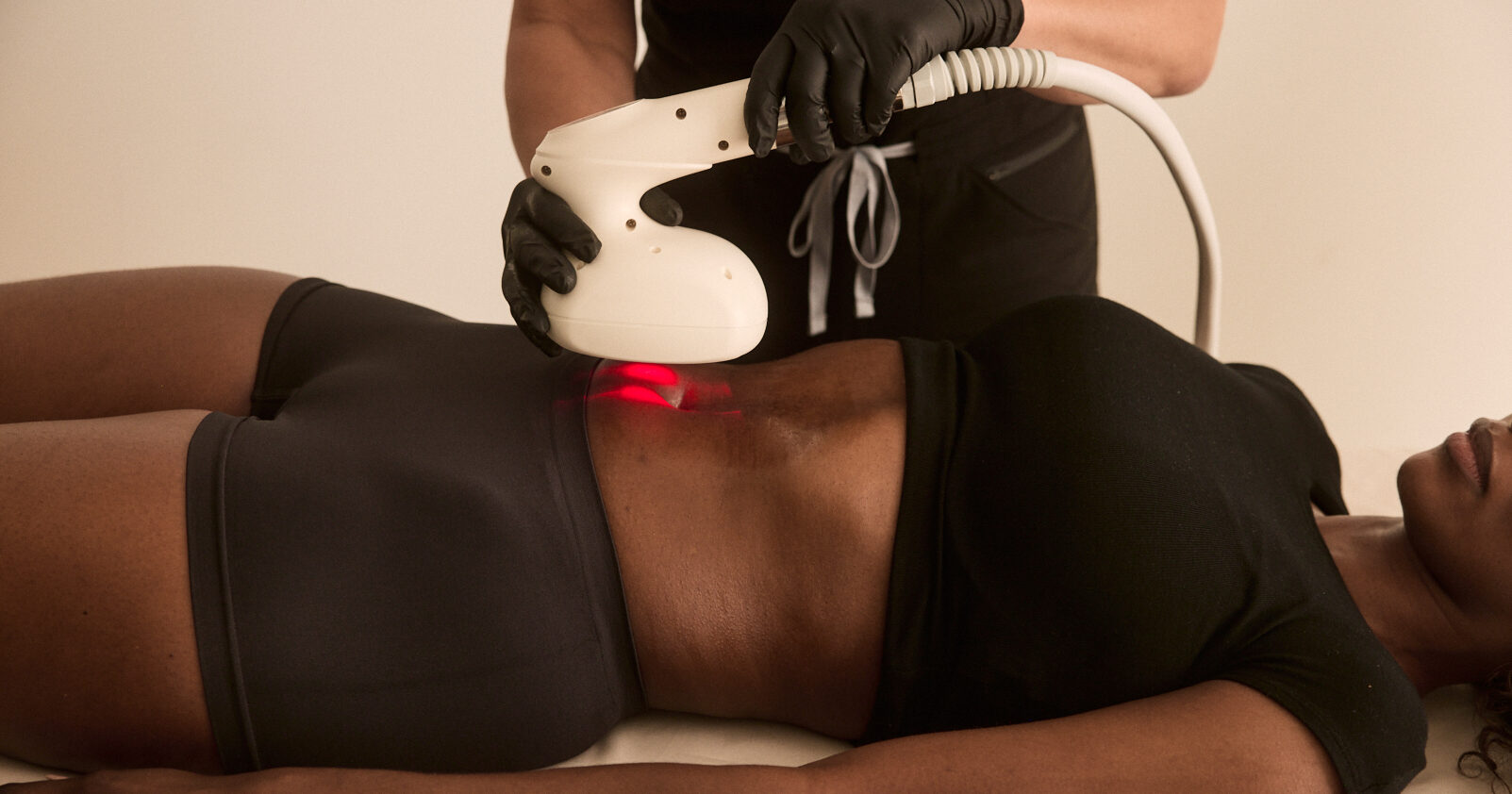
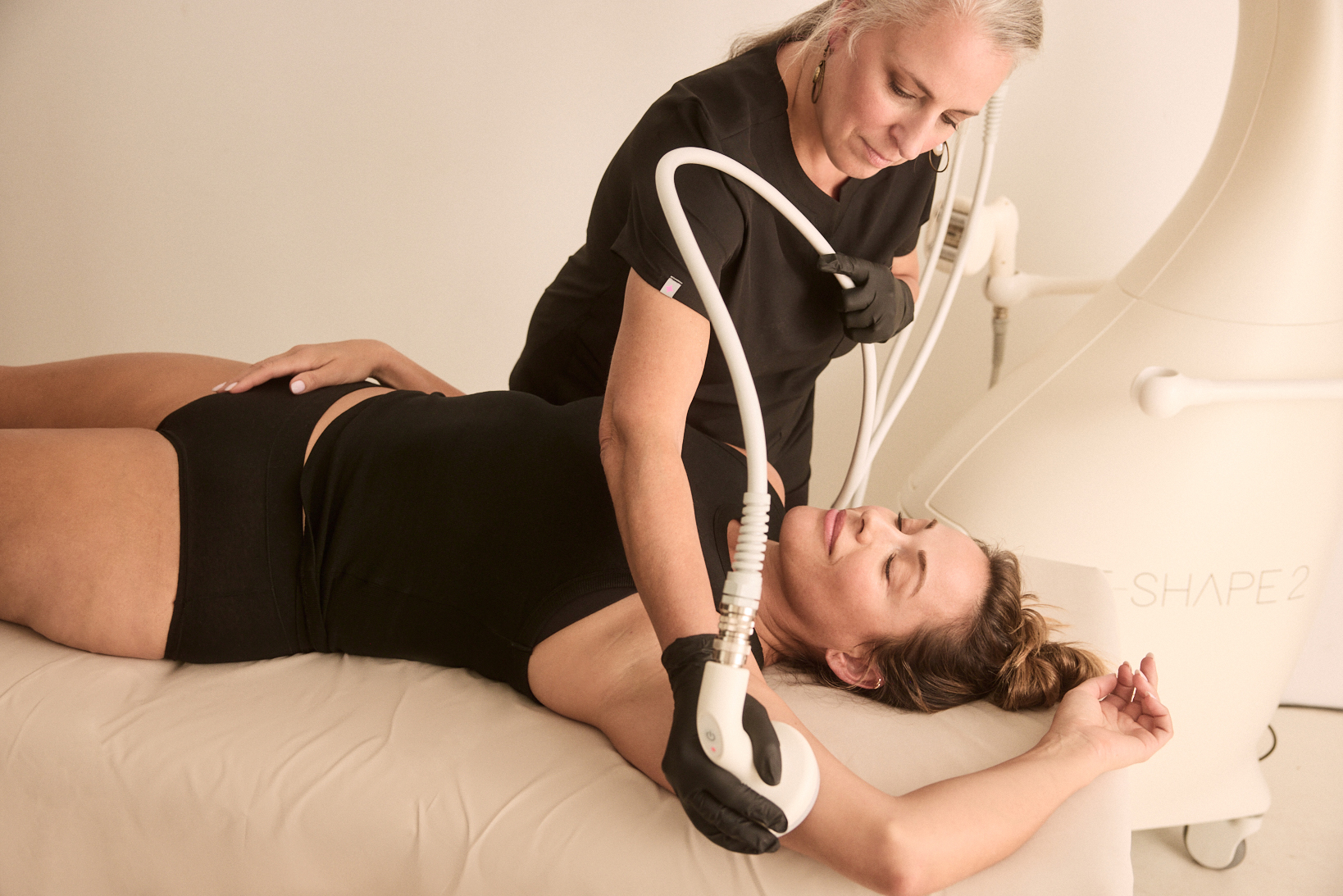
RF devices also come in different configurations. Bipolar radiofrequency, for example, passes current between two electrodes positioned close together on the same handpiece. This keeps the energy path shallow and predictable. It concentrates the heat in a more superficial layer of tissue compared to monopolar systems. This is part of why bipolar RF is considered comfortable enough for facial use. This is the configuration used in combination platforms like the T-Shape 2, which pairs bipolar RF with additional technologies.
Microcurrent vs Radiofrequency: Key Differences
Microcurrent and radio frequency are often grouped together because both fall under the umbrella of “non-invasive facial toning.” But the way they work, the layer of tissue they affect, and the results you can expect are different. If you’re choosing a personal device or procedure, or if you’re planning to buy a machine for your med spa, it’s of utmost importance to learn the differences between microcurrent vs radiofrequency:
| Factor | Microcurrent | Radio Frequency |
| Primary target | Facial muscles | Dermis |
| Mechanism | Low-level electrical current | Controlled heat (thermal energy) |
| Sensation | Mild tingling | Warm sensation |
| Speed of visible results | Often immediate, maintained long-term with regular sessions | Gradual, builds over weeks |
| Main benefit | Improved muscle tone, contouring | Skin tightening, improving skin tone, collagen remodeling |
| Typical session frequency | Can be used several times a week at home or once a month at a clinic | Usually spaced days to weeks apart |
| Downtime | None | None to mild redness |
| Safety and contraindications | Might not be recommended for some people; to be confirmed with a healthcare professional | Might not be recommended for some people; to be confirmed with a healthcare professional |
Mechanism of Action: Electrical Stimulation vs Thermal Energy
Microcurrent focuses on the muscular layer. The low-level electrical currents are intended to stimulate motor points in the facial muscles, encouraging contraction in a way that’s sometimes compared to “exercising” the muscle. The theory is that repeated stimulation, over time, can help maintain healthy muscles.
Radio frequency, by contrast, works on the skin itself rather than the muscle beneath it. RF energy converts into heat once it reaches the dermis, and that heat is what triggers the body’s natural collagen-rebuilding response.
In other words, microcurrent is closer to “muscle retraining,” and RF is closer to “tissue remodeling.” Neither approach is inherently superior. They simply act on different structures.
Skin Tightening Capability: Collagen and Elastin Production
If your primary concern is sagging skin and you want to stimulate collagen production specifically, radio frequency tends to be the better-documented option. The thermal effect of RF has been studied extensively for its ability to stimulate collagen production in the dermis, which can directly support skin firmness and skin elasticity over a series of treatments.
Microcurrent can potentially support collagen synthesis as well, largely as a secondary effect. However, this effect appears to be more modest, and most of microcurrent’s reputation rests on its impact on muscle tone rather than dermal-level collagen remodeling.
As such, if stimulating collagen production is your main goal, RF generally has the stronger evidence behind it.

Muscle Toning vs Deep Tissue Remodeling
This is where microcurrent has a clear advantage. If your goal is to tone or stimulate facial muscles or refine your facial contours, microcurrent is purpose-built for that outcome. RF devices generally don’t claim direct muscle-toning effects; their job is to act on the skin’s structural proteins, not the underlying musculature.
That said, some combination platforms now layer in additional technologies, such as vacuum massage or low-level laser, alongside RF to address muscle tone and circulation indirectly. This is one of the reasons multi-technology devices have become popular in professional settings.
Treatment Sensation and Comfort Level
- Microcurrent typically produces a mild tingling or buzzing sensation as the gentle electrical currents pass through the skin.
- Radio frequency feels more like a warm massage. The sensation builds from a comfortable warmth to a noticeably hot feeling as the device reaches its target temperature, though a well-calibrated device should never cross into pain.
Neither treatment should involve sharp pain. If either sensation feels intense or causes lasting discomfort, that’s a signal to stop and consult a skincare professional.
Speed and Duration of Results
Microcurrent is often preferred for instant results. Many users notice tighter, more lifted-looking skin immediately after a single session. That’s why people choose it before important events, for example. The catch is that this effect is temporary. It fades within a day or two unless sessions are repeated consistently.
RF works on a slower timeline. Because it relies on triggering new collagen synthesis, noticeable improvements typically build gradually over several weeks as the body remodels tissue in response to the heat. The upside is that RF’s results, when they appear, tend to be longer-lasting because they’re tied to structural changes in the skin.
Best Use Cases for Each Treatment Type
- A healthcare professional might recommend microcurrent if you want a quick boost in muscle tone, immediate contouring before an event, or a no-downtime addition to a regular skincare routine.
- A healthcare professional might recommend radio frequency if your priority is longer-term skin tightening, addressing fine lines and wrinkles, or improving overall skin texture and laxity through collagen remodeling.
- Many skincare professionals recommend layering treatments, using microcurrent for the immediate lift and RF for the gradual structural improvement.
At-Home Devices: What Consumers Should Know
At-home devices can help you maintain results between professional visits. Plus, they’re more budget-friendly and, naturally, more convenient to use.
That said, keep these in mind:
- Microcurrent home devices are generally easier for beginners to use (as long as they’re used correctly, as per the manufacturer’s instructions), since the electrical output is low and the risk of overheating tissue doesn’t apply.
- RF devices designed for home use are deliberately calibrated to lower power outputs than clinic-grade machines.
- You have to use the device on clean skin. Oil, makeup, or skincare residue can interfere with treatment effectiveness.
- Consistency matters more than intensity. Microcurrent treatments and RF treatments used a few times per week, as directed, generally outperform occasional high-intensity sessions.
- Always follow the manufacturer’s guidance on contraindications. Pregnancy, pacemakers, active skin infections, and certain implants are commonly listed precautions for both microcurrent devices and RF devices.
This information is general in nature and isn’t a substitute for personalized medical advice. If you have a pre-existing condition or are unsure whether a device is appropriate for you, check with a doctor or skincare professional first.
Choosing the Right At-Home Device
With so many microcurrent and RF devices on the market, picking the right device can feel overwhelming. Here are a few practical questions that can help narrow the field:
- What’s the primary skin concern? If it’s wrinkle reduction and skin texture -> an RF device focused on heat delivery might be the better fit. If it’s improved muscle tone and quick contouring -> a microcurrent device might be more directly aligned.
- Does the device have any independent testing behind it? Devices with published, peer-reviewed support, even modest studies, tend to offer more reliable expectations than products relying solely on marketing claims.
- Is the device easy to fit into an existing skincare routine? Both microcurrent and radio frequency devices generally work best on clean skin, often immediately before applying serums, since the treatment step can support product absorption of whatever comes next.
In-Clinic Procedures: What to Expect
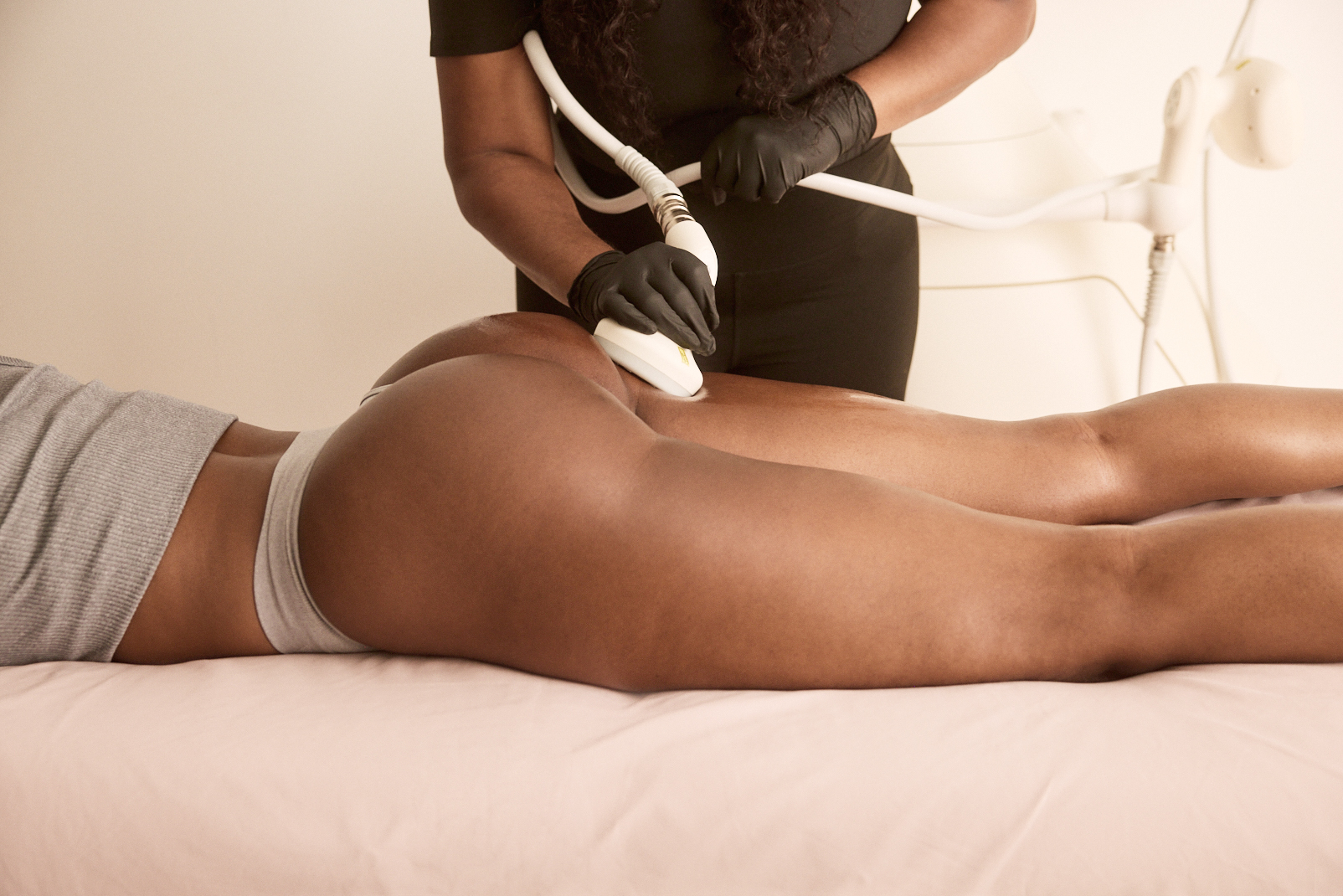
Professional treatments generally use higher-output devices and are supervised by a trained provider, which allows for more pronounced results in fewer sessions.
In-clinic microcurrent treatments typically last 30-45 minutes and may be combined with serums or conductive gels. Clinics often position microcurrent as a “facial workout” service. It’s sometimes marketed as a non-surgical facelift alternative for clients wanting a visible lift without injectables.
In-clinic RF treatments are usually administered in a series, often spaced 1-2 weeks apart. Most practitioners recommended a course of multiple sessions for optimal results. Clinics frequently combine RF with complementary technologies, such as low-level laser therapy or vacuum-assisted massage (T-Shape 2), to enhance overall appearance, support skin health, improve circulation, and reduce puffiness.
Recovery time for both treatments is minimal. Clients can typically resume normal activities immediately, with at most mild redness that resolves within a few hours.
For Clinics: Choosing Between Microcurrent and RF Equipment
If you’re a clinic owner or aesthetic practitioner and are evaluating which technology to add to your treatment menu, here’s what matters most in practice.
Client Demand and Treatment Versatility
Radio frequency machines, particularly bipolar radiofrequency systems, tend to support a broader range of services. These may include facial skin tightening, body contouring, and cellulite-focused protocols, depending on the handpiece configuration.
Microcurrent equipment is generally more narrowly focused on facial toning and facial contours. It’s an excellent complementary service but a less versatile standalone investment if you want your clinic to serve multiple treatment categories.
Equipment Cost and Classification
RF machines vary enormously in price depending on their classification. Industry pricing data shows that bipolar RF units are generally more affordable and portable than monopolar systems and microcurrent machines as well.
We recommend weighing treatment depth requirements against budget when you’re comparing prices and device classes.
Combination Platforms as a Practical Alternative
Many clinics are moving away from single-modality machines altogether and toward combination platforms that house multiple technologies in one system. This approach reduces the number of machines taking up treatment room space. It also gives providers flexibility to tailor sessions to each client.
The T-Shape 2 is one example of this category. It combines bipolar radio frequency with low-level laser therapy, vacuum-assisted endodermic massage, and mesospheric activation in a single device. It allows providers to address skin rejuvenation, lymphatic drainage, and body contouring concerns without switching between separate machines.
A multi-technology platform like this can be a practical way to expand service offerings without proportionally expanding equipment investment.
Training and Treatment Time Considerations
Microcurrent protocols rely heavily on technique, specifically, probe placement and movement patterns along facial muscles, which takes practice to execute consistently.
RF protocols depend more on understanding energy settings and treatment endpoints for the specific device being used.
Therefore, factor staff training time into your decision, regardless of which technology, or combination, you ultimately choose.
Frequently Asked Questions
Is microcurrent or radio frequency better for sagging skin?
For sagging skin specifically, radio frequency generally has the stronger evidence base, since it works directly on collagen and elastin in the dermis. Microcurrent can potentially support a more lifted appearance through muscle stimulation, but its effects on structural sagging tend to be more modest and temporary.
Can I use microcurrent and RF together?
Yes, many skincare professionals recommend combining both treatments, since they target different layers of tissue. A common approach uses microcurrent for immediate muscle toning and RF for gradual collagen remodeling within the same overall routine.
Are at-home devices as effective as in-clinic treatments?
At-home devices generally use lower power outputs than professional equipment for safety reasons, so results tend to build more slowly and may be less pronounced. They’re best viewed as a maintenance tool between professional sessions rather than a full replacement for in-clinic care.
Is microcurrent or radio frequency better as an anti-aging technology?
Both radio frequency and microcurrent devices can be used for anti-aging purposes. The difference is that microcurrent has immediate results, albeit temporary, while radio frequency is better for long-term skin firming and addressing signs of aging by stimulating collagen production.
Which lasts longer: microcurrent or RF?
While microcurrent often produces visible lifting immediately after treatment, the effects are temporary and require ongoing sessions. RF treatments work more gradually but typically provide longer-lasting improvements because they stimulate collagen remodeling within the skin.