If you want to learn how to get rid of cellulite on butt and smooth your skin, keep reading! The truth is that you cannot permanently get rid of cellulite on your butt, but you can reduce its appearance.
The most effective approaches combine glute-strengthening exercise, body composition changes (when appropriate), skin-supporting habits, and professional treatments such as radiofrequency, laser, or acoustic wave therapy. Results depend on cellulite severity, genetics, skin quality, and maintenance.
This guide is for anyone looking to reduce the appearance of cellulite on their buttocks, whether through exercise, lifestyle changes, or professional treatments. Cellulite is a common concern, and understanding your options can help you make informed choices about your body.
Disclaimer: This article is provided for informational and educational purposes only. The information presented here is not a substitute for professional medical evaluation, consultation, or care and should not be relied upon to make health-related decisions. Always consult a qualified and licensed medical or aesthetic professional before undergoing any cosmetic or aesthetic procedure.
Quick Answer: How to Get Rid of Butt Cellulite
To get rid of cellulite on your butt, focus on:
- Exercise: strength training, weight training, cardio, and building muscle mass in the underlying muscle.
- Lifestyle: healthy diet, hydration, massage, dry brushing, and skin care that supports collagen production.
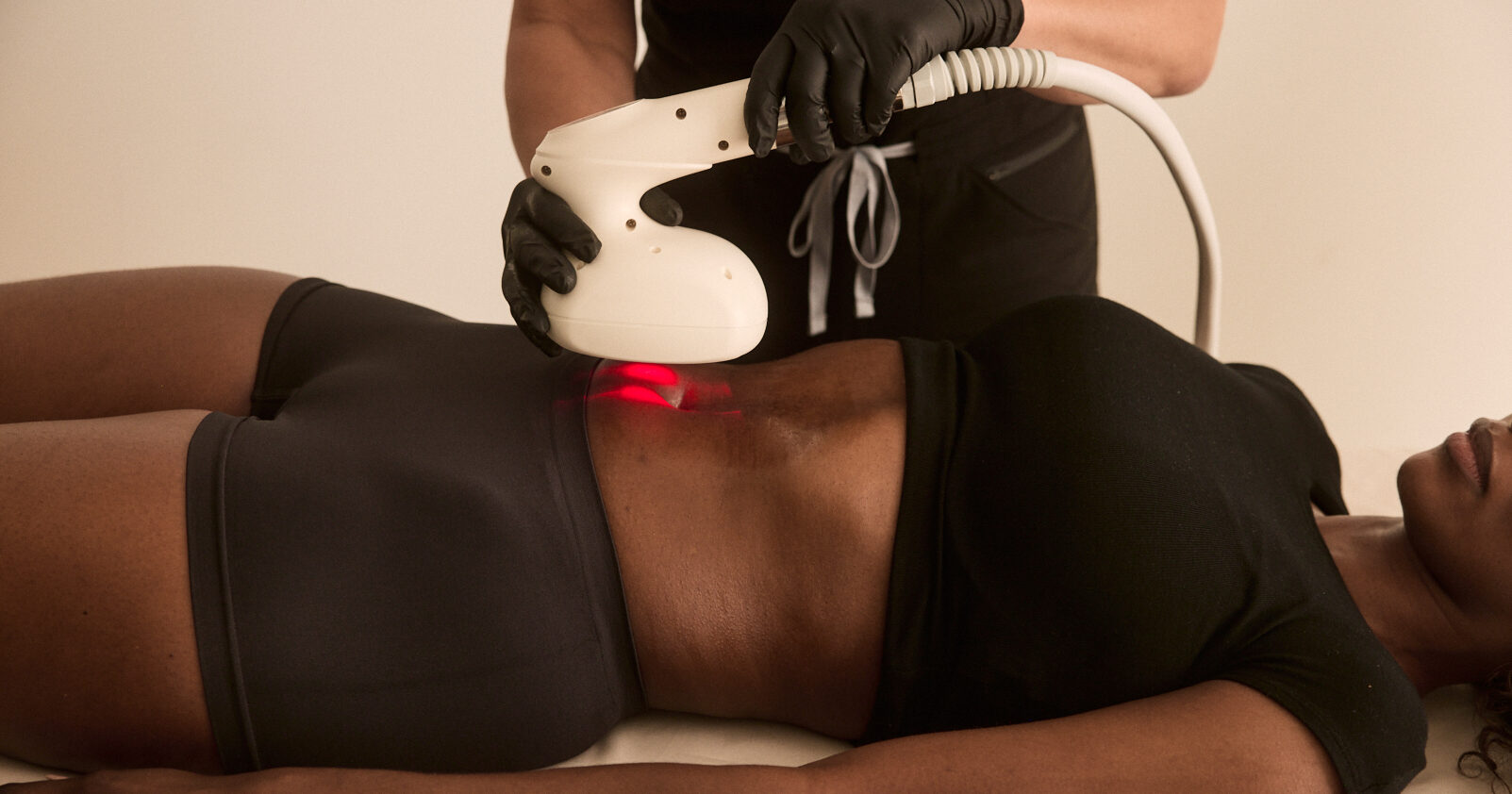
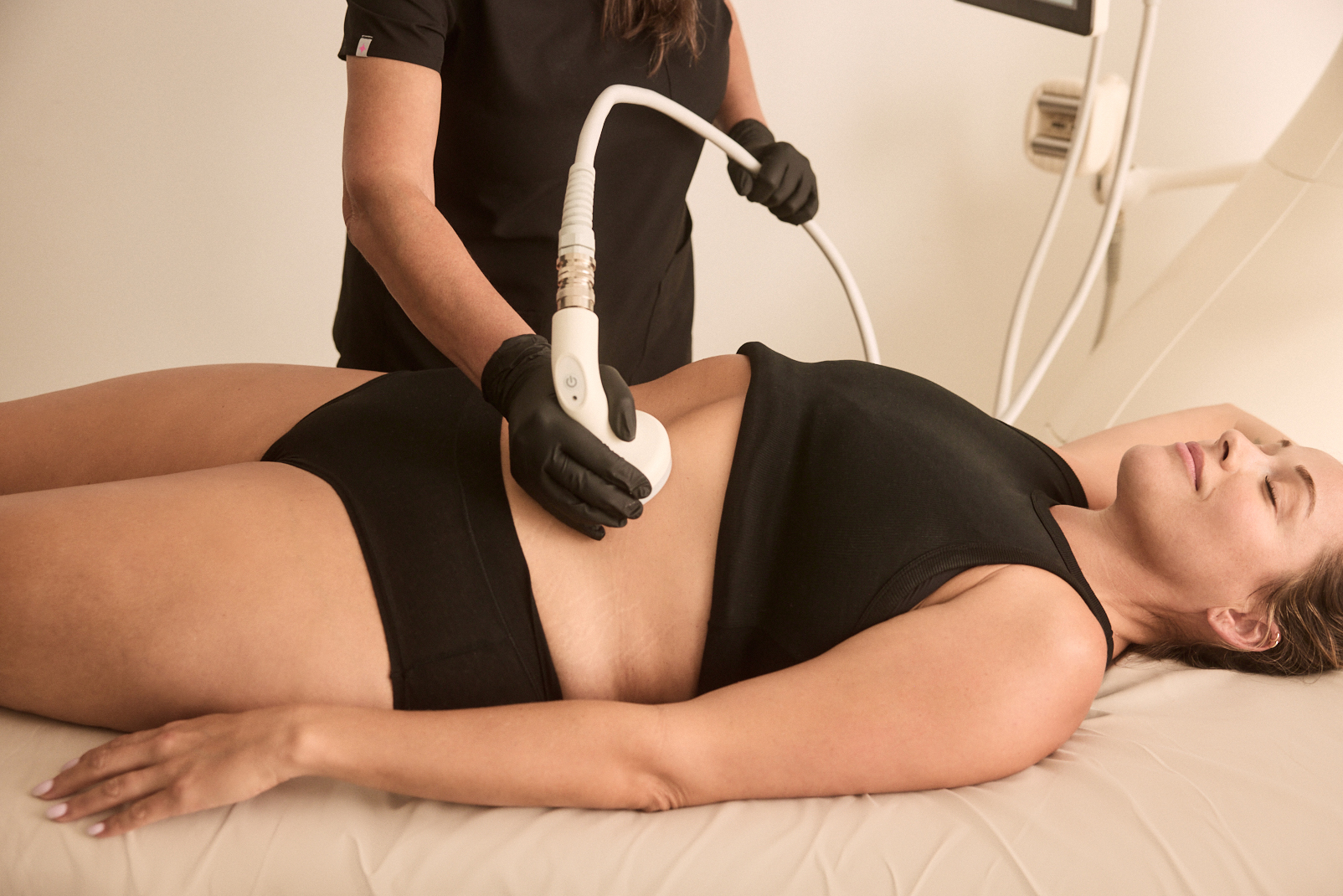
- Professional cellulite treatments: laser treatments, acoustic wave therapy, radiofrequency, and multi-modality devices like T-Shape 2.
However, keep in mind that you cannot permanently remove cellulite on the butt. You can reduce its visibility through fat reduction, muscle building, and medical procedures.
What Is Cellulite?
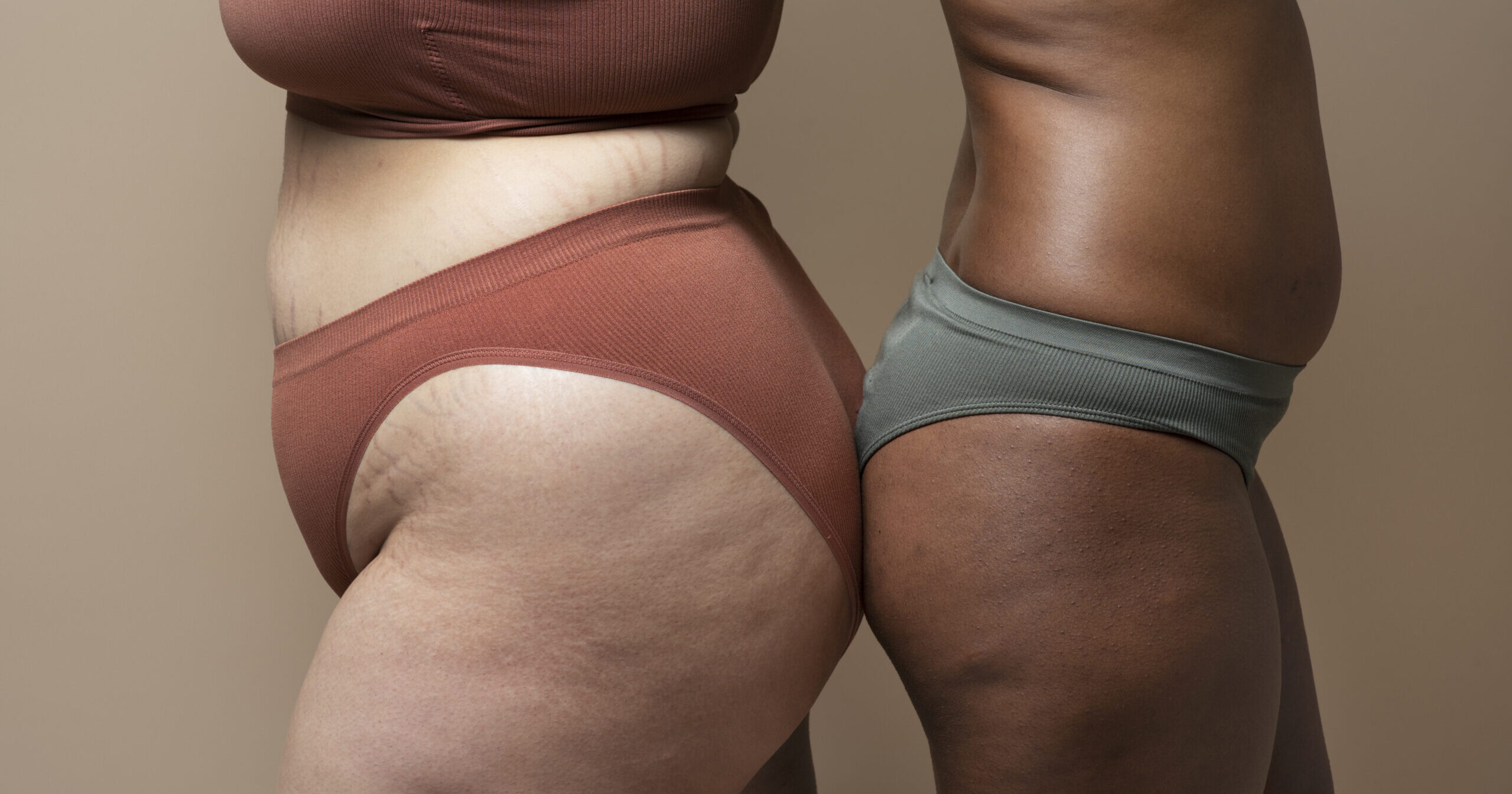
Cellulite appears when fat deposits beneath the skin push up against the connective tissue. Cellulite is often described as causing an orange peel or cottage cheese appearance on the upper arms, thighs, buttocks, and abdomen.
The skin has multiple layers: the epidermis, the dermis, and the underlying subcutaneous tissue (hypodermis). The hypodermis contains fat and a network of connective tissue bands called fibrous septa. They connect the dermis to the underlying fascia.
Cellulite forms when the tissue beneath the skin creates uneven tension at the surface. Fat in the subcutaneous layer can push upward, while the fibrous septa pull downward. This creates the characteristic dimpling associated with cellulite.
When fat cells expand, they can make cellulite more noticeable in some people, but body weight is only one factor. Hormones, genetics, connective tissue structure, skin thickness, and age also influence whether cellulite becomes visible.
That said, cellulite is completely normal. While many people choose to reduce its appearance, it’s equally important to view cellulite as a normal and extremely common part of the human body. Although cellulite has long been considered an aesthetic concern, in recent years, the narrative has fortunately changed, and people now recognize that smooth skin is not the standard for health or attractiveness. Skin texture naturally varies from person to person.
Why Is Cellulite Often Worse on the Butt?
Cellulite occurs on the butt more often because this area naturally stores more subcutaneous fat and may be affected by overall activity level and poor circulation, especially in people who are more sedentary.
Several contributing factors make the buttocks especially prone to cellulite:
- Fat distribution, because the hips, thighs, and butt are common fat-storage areas, especially in adult women; more fat beneath the skin can increase visible dimpling.
- Hormonal influences, because hormones such as estrogen influence fat storage, circulation, collagen production, and connective tissue beneath the skin.
- Aging and collagen loss, since over time, skin loses elasticity and firmness. Thinner skin may reveal underlying dimples more easily.
- Weight fluctuations, because repeated cycles of weight gain and weight loss may change skin support and make cellulite more noticeable.
- Genetics: some people are more predisposed to developing cellulite on the butt compared to others.
Because multiple factors contribute, people of any body size can develop glute cellulite, including lean and athletic individuals.
Why Is Cellulite on the Buttocks More Common in Women?
Specialists believe that cellulite on the buttocks is more common in women because women’s connective tissue on the butt tends to run more vertically, creating channels where excess fat can protrude. Men typically have a more angled structure, which provides greater structural support and hides mild dimpling better. Furthermore, women also produce more estrogen, which can influence the appearance of cellulite.
At‑Home Strategies to Reduce Butt Dimpling
At-home strategies are low-risk and useful for mild to moderate cellulite. They also support professional results.
Exercises That Target Butt Cellulite
Exercise cannot remove cellulite, but it can improve its appearance by increasing muscle mass underneath the skin and supporting healthy body composition.
Focus on building the glutes while maintaining overall activity. Here are some exercises you can try to reduce cellulite on the buttocks:
- Hip Thrusts: Build glute muscle and may improve overall butt shape and firmness (3-4 sets × 8-12 reps)
- Bulgarian Split Squats: Target the glutes and legs while improving lower-body strength (3 sets × 8-10 reps per leg)
- Romanian Deadlifts: Strengthen the glutes and hamstrings and support lower-body tone (3-4 sets × 8-12 reps)
- Step-Ups: Build functional glute strength and support muscle development (3 sets × 10-12 reps per leg)
- Glute Bridges: Beginner-friendly exercise that improves glute activation (3 sets × 12-15 reps)
- Incline Walking: Supports overall activity levels and body fat management (20-40 minutes)
- Stair Climbing: Activates the glutes and supports cardiovascular fitness (15-30 minutes)
- Cycling: Helps maintain activity and lower-body endurance (30-45 minutes)
- Brisk Walking: Supports overall movement and healthy body composition (30-60 minutes)
It’s generally recommended to aim for 2-3 lower-body strength workouts per week and 2-4 cardio sessions (like walking, cycling, or stairs). You don’t need to do every exercise every time. Just pick 4-5 glute-focused moves per strength session and repeat them consistently. Most people start seeing changes after about 8-12 weeks of regular training. If you have any medical conditions, talk to a healthcare professional before changing anything in your workout routine.

Healthy Diet & Hydration for Smoother Butt Skin
Diet alone will not get rid of cellulite, but a healthy diet can reduce water retention, inflammation, and extra fat that worsen cellulite. Focus on vegetables, fruit, lean protein, whole grains, and healthy fats.
Limit salty snacks, sugary drinks, highly processed foods, and excess alcohol. Stay hydrated to support blood flow and skin elasticity. If weight loss is needed, go slowly; crash dieting may leave loose skin and make dimples more obvious.
Massage and Dry Brushing
Massage may temporarily soften dimples by helping fluid movement through the lymphatic system. You can massage your thighs and buttocks with your hands, a foam roller, or a handheld massager.
You can also try dry brushing, which implies brushing your skin before showering with strokes toward the heart (make sure to learn how to properly use a dry brush). Keep in mind that while dry brushing has been excessively praised online for reducing cellulite, it may help improve circulation and exfoliation, but it will not permanently treat cellulite.
Daily Skin Care Habits for the Buttocks
Use a gentle scrub or exfoliating wash 1-2 times weekly, and then moisturize the skin with hyaluronic acid, shea butter, or light oils.
Use sun protection when the buttocks are exposed outdoors, because UV rays damage collagen. Skincare products may also help improve rough texture, bumps, and stretch marks, even if cellulite doesn’t go away.
You can also try skincare products formulated specifically for reducing cellulite, which usually include caffeine, retinol, and hyaluronic acid, among other ingredients.
Medical & In‑Office Cellulite Treatments for the Butt
At-home strategies can improve mild cellulite, but professional treatments may be worth considering if:
- Deep dimples remain visible regardless of how much you work out and how healthily you eat
- Loose skin contributes to uneven texture
- You want faster or more noticeable results
- You are preparing for an event or have specific aesthetic goals
Professional cellulite treatments usually do one of three things: release fibrous bands, improve skin quality, or boost collagen production. Results vary, and multiple treatments or maintenance may be needed.
Choose based on cellulite grade, budget, procedure downtime, and procedure comfort, whether you’re going for a non-invasive or minimally invasive procedure.
Laser Treatments for Butt Cellulite (e.g., Cellulaze®)
Laser treatments such as Cellulaze work under the skin. It uses a side-firing laser technology to heat skin, loosen fibrous tissue, and boost collagen.
You may require one or several sessions, depending on cellulite severity and provider protocol. It is generally suitable for people with mild to moderate cellulite. The procedure might be slightly uncomfortable, but it is generally considered a low-risk treatment that can cause temporary bruising and swelling.
Acoustic Wave Therapy for Buttock Dimpling
Acoustic wave therapy uses sound waves to disrupt the structural elements that cause the infamous dimpling on the buttocks. The pulses may break down the rigid fibrous bands, improve circulation, increase blood flow, and stimulate collagen production.
A placebo-controlled clinical trial signed by Russe-Wilflingseder et al. discovered that acoustic wave therapy had produced significant improvements in cellulite appearance. The authors noticed reductions in skin waviness and the depth of surface depressions. No adverse effects were reported by the participants.
Treatment usually involves 6-10 sessions over several weeks. Acoustic wave therapy is non-invasive and has minimal downtime. It can smooth texture more than eliminate that lumpy appearance completely, so it is often paired with exercise, diet, or other cellulite treatments.
Radiofrequency & Combination Devices
Radiofrequency, suction, rollers, and infrared light can heat deeper tissue while protecting the skin’s surface. Various systems combine massage, light, and energy to boost collagen and circulation and reduce fluid retention.
Expect 4-8 sessions or more, depending on treatment, with maintenance every few months. These treatments are appealing because downtime is minimal, but they work best for mild to moderate cellulite rather than pronounced cellulite.
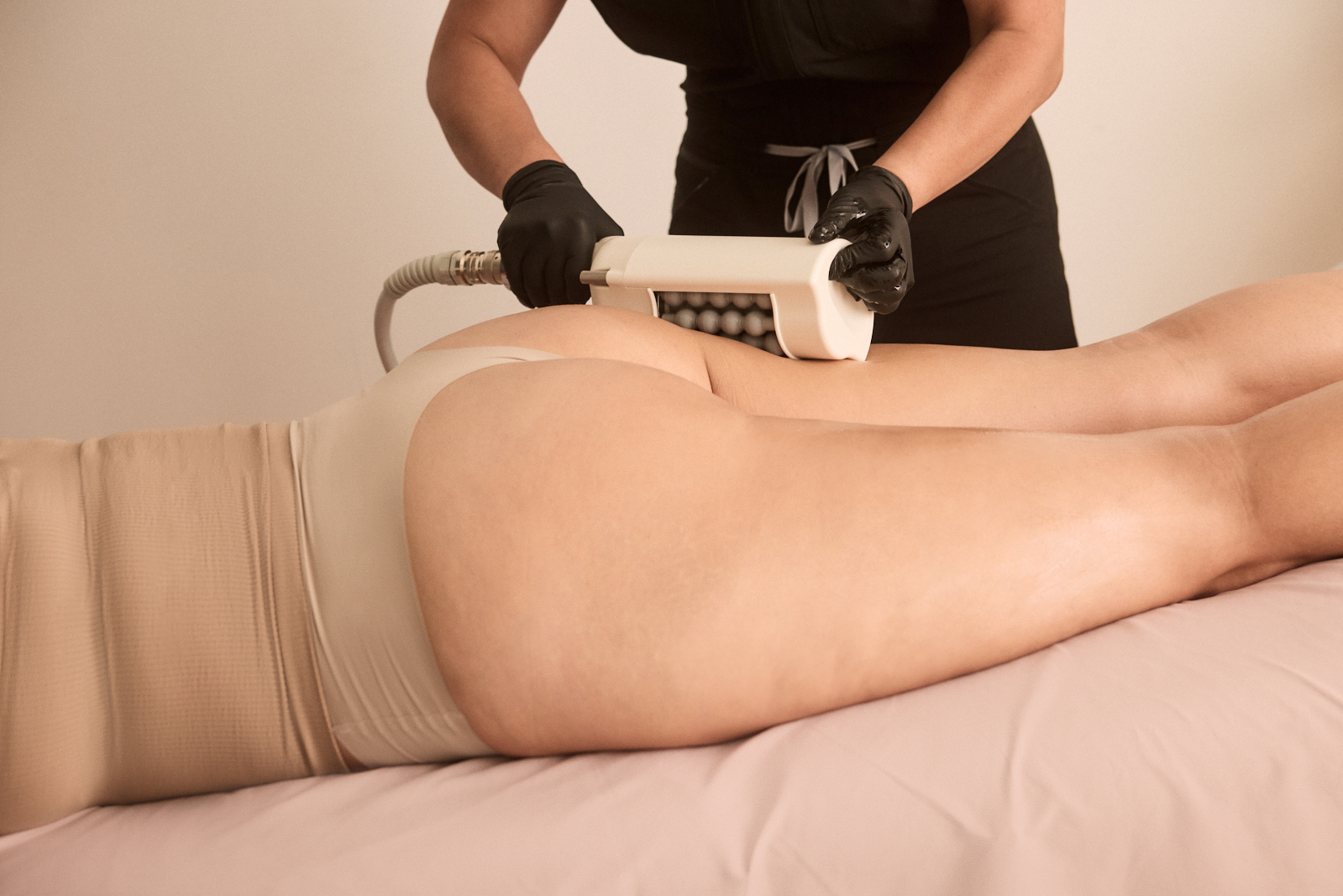
T-Shape 2: A Multi-Modality Device
T-Shape 2 is a non-invasive body treatment that combines radiofrequency, low-level laser therapy, vacuum massage, and mesospheric activation in a single session.
Its goal is not to remove cellulite permanently but to work on the factors that influence how noticeable it is:
- Skin firmness
- Local circulation
- Lymphatic drainage
- Collagen stimulation
- Muscle tone
- Overall skin texture
For butt cellulite, T-Shape 2 is generally positioned as an option for mild to moderate dimpled skin or for people who want both body contouring and skin tightening without downtime.
Because results depend on cellulite severity, providers often recommend multiple sessions combined with exercise and long-term maintenance habits.
Choosing the Right Butt Cellulite Treatment Plan
There is no single best way to get rid of cellulite that works for everyone. Here are some general recommendations, though:
- Mild dimpling: exercise, healthy weight, hydration, massage, and skin care may be enough.
- Moderate cellulite: med spa treatments like acoustic wave therapy, radiofrequency, or combination devices like T-Shape 2 can help.
- Deep, fixed dimples: laser treatments may be more useful.
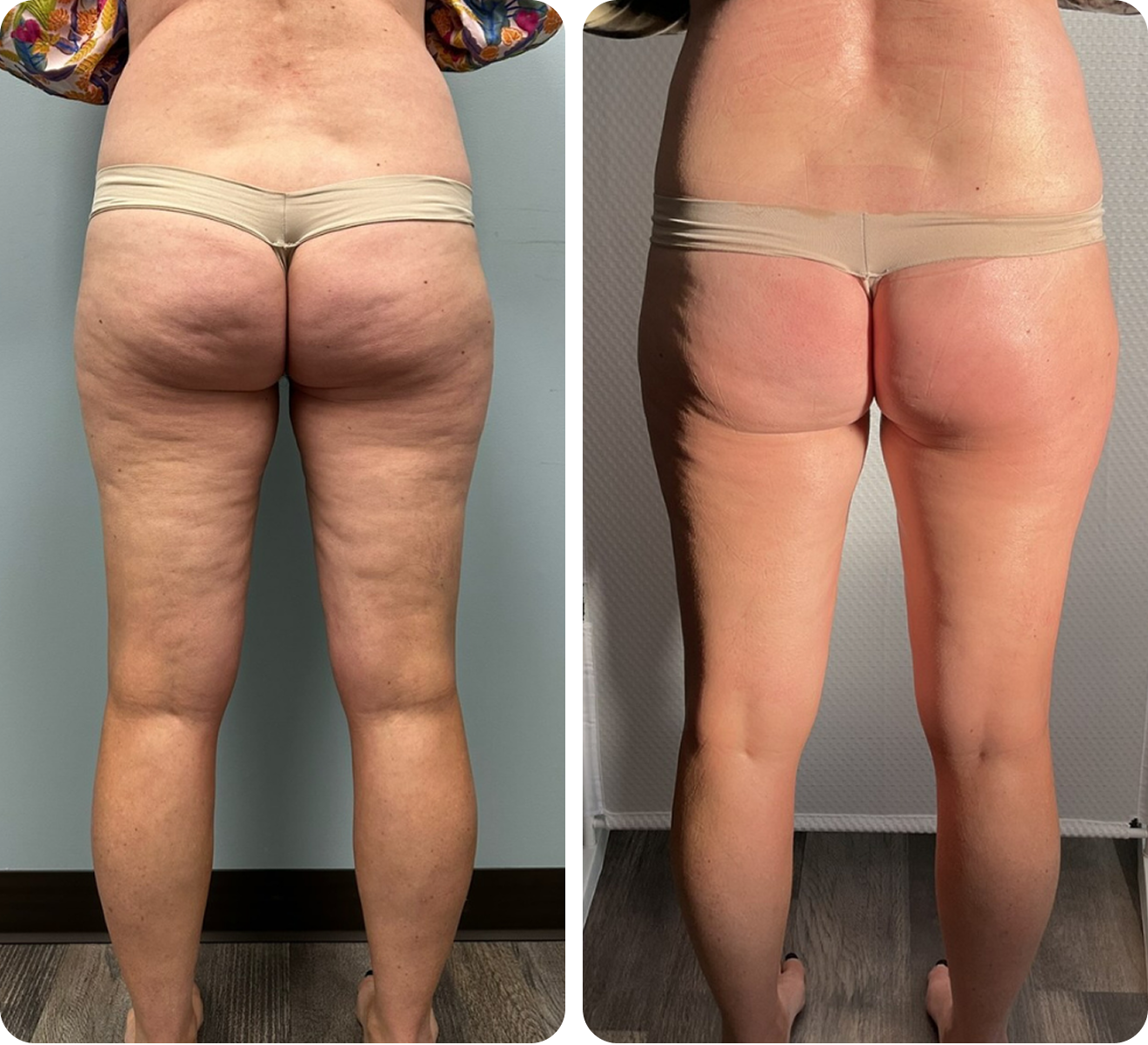
Before and after 3 treatments on the buttocks and legs with T-Shape 2.
Before committing to any method, ask providers about your cellulite grade, likely results, maintenance, risks, and before-and-after photos. Avoid anyone promising to remove cellulite completely.
Does Losing Weight Get Rid of Cellulite on Your Butt?
Losing weight can sometimes reduce the appearance of cellulite on your butt, but it does not guarantee that your skin will be completely smooth. After all, cellulite is caused by numerous factors like genetics, hormones, skin elasticity, collagen levels, and fat distribution. Even more, in some cases, rapid weight loss may even make cellulite appear more visible. When the skin loses support or becomes looser, the uneven texture underneath may become more noticeable.
For many people, the most effective method to reduce the appearance of cellulite is to combine:
- Gradual, sustainable fat loss (if appropriate)
- Strength training to build the glute muscles
- Adequate protein intake
- Hydration and skin care that supports skin quality
- Professional treatments if deeper dimples remain
FAQs
Can squats get rid of cellulite on your butt?
Squats will not directly remove cellulite on the butt. Squats build glute muscle and may improve shape and firmness, but they do not eliminate cellulite.
Does sitting cause butt cellulite?
Sitting itself does not cause cellulite. However, low activity levels and body composition changes may contribute to a more noticeable appearance.
Can skinny people have cellulite?
Yes, skinny people also have cellulite. Cellulite is influenced by genetics, skin structure, hormones, and skin quality, not just body fat.
Do cellulite creams actually work?
Most cellulite creams offer temporary smoothing or hydration. They may improve appearance slightly, but they rarely lead to lasting cellulite reduction.
Can massage break up cellulite?
Massage may temporarily improve circulation and fluid movement, making your skin look smoother for a short time. It does not permanently remove cellulite.
Is cellulite permanent?
Cellulite tends to persist long-term, but many people can improve its appearance significantly with exercise, skin care, and professional treatments.
Can you completely get rid of butt cellulite?
It’s very difficult to completely get rid of butt cellulite, but you can achieve noticeable improvements with the proper skincare, diet, and exercise routine.
How to get rid of cellulite under the buttocks?
You can’t fully remove cellulite under the buttocks, but you can reduce its appearance. The most effective method is to combine different glute-strengthening exercises, maintain a healthy body composition, and, if needed, try professional treatment options such as radiofrequency, laser therapy, or T-Shape 2.
How long does it take to get rid of cellulite on the butt?
You may notice improvements in cellulite appearance on the butt in around 8-12 weeks with regular exercise and lifestyle changes. Professional treatments may show faster results after a few sessions, but skin remodeling and collagen changes can take several months.
Will growing my glutes get rid of cellulite?
Building your glutes will not eliminate cellulite, but it can significantly improve how it looks. If you grow more muscle underneath the skin, your skin may look smoother and have a firmer appearance, and the dimples may not be as visible anymore. Ultimately, the best results come from combining glute growth with overall body fat management and healthy habits.
How to get rid of cellulite on the buttocks in 2 weeks?
You cannot meaningfully get rid of cellulite in 2 weeks. In that time, you may only see temporary or minor improvements, such as reduced water retention, slightly firmer skin from exercise, or short-term smoothing from massage or topical products. Reducing cellulite requires consistent training and/or professional treatments over weeks to months.