If you’re looking into methods to boost your collagen production and slow down the aging process at least a bit, you’ve likely come across collagen. It is, in fact, one of the most popular supplements nowadays. It’s in powders, pills, drinks, and even in high-tech beauty gadgets. But most people who want to take collagen supplements have a major problem. There are too many products on the market! So, what type of collagen is best for skin? Let’s find out!
We’ll first look at what collagen actually is and how it behaves in the body, and then we’ll provide some tips on how you can find the best collagen for skin.
Disclaimer: This article is provided for informational and educational purposes only. The information presented here is not a substitute for professional medical evaluation, consultation, or care and should not be relied upon to make health-related decisions. Always consult a qualified and licensed medical or aesthetic professional before taking any supplements.
Quick Answer: What Type of Collagen Is Best for Skin?
The best collagen for skin is hydrolyzed Type I collagen peptides, often combined with Type III, sourced from bovine or marine collagen. These types can support facial skin moisture, elasticity, and overall skin texture when taken consistently and alongside vitamin C.
What Is Collagen?
Collagen is the most abundant protein found in your body, being highly prevalent in connective tissues. Collagen is the foundation that tissues rely on for shape, firmness, and resilience. Collagen is one of the main components responsible for your skin’s smoothness and supple appearance. In fact, collagen makes up 70-80% of the dry weight of the skin.
Your body naturally produces collagen, and it is also essential for other connective tissues, not just the skin. For example, it is extremely important for bone density.
What’s more interesting is that collagen is not a single, uniform substance, which is probably the reason why you’re reading this article. The collagen family is quite large. Each member of this family is designed to support different structures within the body. Collagen is present in many body parts: skin, bones, tendons, ligaments, cartilage, blood vessels, and even corneas. And each of these tissues contains collagen in different proportions and combinations.

Does Your Body Produce Less Collagen Over Time?
Your body produces less collagen over time, starting at age 25. This is a normal process. The older we are, the less collagen the body produces. And the collagen fibers that already exist in the body start breaking down more quickly or become less evenly distributed.
As a result, the skin starts showing signs of age. It appears less firm, less elastic, and less smooth. This doesn’t happen overnight, though. You will not start noticing signs of aging skin once you turn 26. Collagen-related changes occur gradually, and they also vary from person to person.
For example, sun exposure, environmental stressors, poor nutrition, and smoking can negatively influence your body’s ability to produce collagen and can lead to reduced skin elasticity. People who expose themselves to sunlight often may show signs of skin aging much earlier, for instance.
Furthermore, women who are in perimenopause have lower estrogen levels, which further contributes to decreased collagen production. And, according to Viscomi et al., the collagen content declines at an average rate of 2.1% per year in women who are in postmenopause.
Also, collagen decline has been associated with diseases like rheumatoid arthritis, lupus, scleroderma, and others.
Types of Collagen Relevant to Skin
There are at least 28 identified types of collagen in the human body, but these five collagen types are the most important, comprising the majority of your body’s collagen content:
- Type I collagen is the most abundant in your body, comprising up to 90% of total collagen. It’s important for skin, tendon, and bone health.
- Type II collagen is found in cartilage. It is more relevant to joint support than to skin health. If you’re primarily concerned with wrinkles and firmness, Type II collagen supplements aren’t the best choice, as they are often linked to joint pain and overall joint health.
- Type III collagen works alongside Type I, especially in younger skin. It contributes to the skin’s elasticity.
- Type IV collagen exists in the basement membrane, but supplements rarely target it specifically.
- Type V collagen is found in tissues like the cornea, dermis, and placental membranes.
Most “beauty collagen” powders and capsules contain primarily Type I collagen. Some of them contain Type II and Type III collagen.
Types of Collagen Supplements
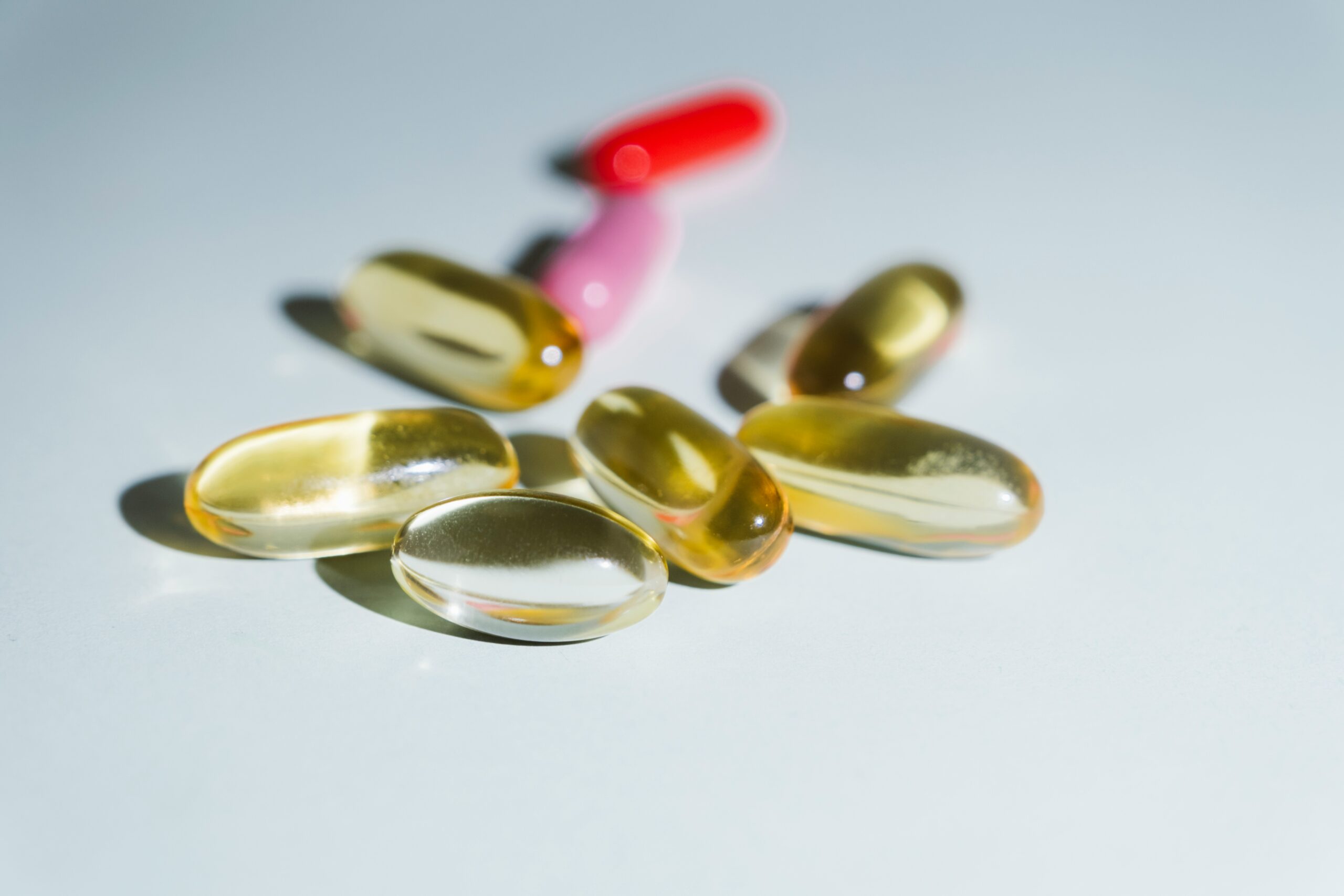
Collagen dietary supplements can be grouped based on the form they come in and on their source. You would mostly stumble upon hydrolyzed collagen, which is collagen that undergoes a hydrolysis process to be broken into peptides, which are protein fragments that are easier to digest and absorb (see more below).
Collagen products are sold in the form of:
- Powders
- Capsules
- Tablets
- Liquids
- Gummies
Oral collagen supplements are sourced from:
- Cows, commonly associated with Type I and III collagen
- Fish, commonly known as marine collagen
- Pigs, which is structurally similar to human collagen
- Plants, which do not contain collagen but may support collagen-related processes using vitamins and amino acids.
Hydrolyzed Collagen vs Regular Collagen
When researching collagen supplements, you will definitely stumble upon the terms collagen, collagen peptides, and hydrolyzed collagen or collagen hydrolysate. They’re often used interchangeably. But there’s an important difference between regular collagen and hydrolyzed collagen.
Regular collagen is a large, complex protein. The body finds it more difficult to break down collagen in its natural form. Because of its size and structure, intact collagen is not well absorbed when consumed orally.
Hydrolyzed collagen is collagen that has been broken down through a process called hydrolysis. This process splits collagen into smaller protein fragments known as collagen peptides. These peptides are easier to digest and absorb. Because of this, most collagen supplements provide the hydrolyzed version.
Are Collagen Supplements Beneficial for Skin?
Collagen supplements can be beneficial for skin hydration and improved skin elasticity, but long-term data are still limited. Moreover, the effect of collagen supplementation on the body are a bit misunderstood. When collagen is consumed through supplements, it doesn’t travel directly to the skin to increase skin collagen and skin appearance.
According to dermatologist Anjali Mahto, during digestion, collagen is broken down into amino acids and peptides. Once absorbed, these become part of the body’s amino acid resources. Then, the body reassembles them into the proteins that are needed most at the time. For example, it might reassemble those amino acids into collagen to support skin health, but there are no guarantees. So, basically the collagen supplements you’re taking might go to the skin but they might also go to the muscles or to other structures.
It is similar to consuming food, argues Doctor Afshin Mosahebi, a plastic surgery professor at University College London, “when you eat something it doesn’t go directly to your skin. Of course, parts of it are eventually absorbed and used in skin repair, but it’s not going to go straight from your mouth to your face and wrinkles.”
Because of this, collagen supplements do not target the skin specifically. But they do play a supportive role, which is why they shouldn’t be considered a standalone fix for significant laxity or wrinkles.
What Does Science Say?
One review and analysis of 19 studies with a total of 1,125 participants showed that people who used collagen supplements noticed an improvement in skin firmness, suppleness, and hydration. However, it was not definitely confirmed whether these skin improvements were indeed caused by the benefits of collagen supplements. Why? Because most of the supplements used in collagen treatment contained other ingredients: minerals, coenzyme Q10, antioxidants, hyaluronic acid, and others.
Other studies also showed statistically significant improvements, but follow-up periods were short and effect sizes were small.
What Collagen Is the Best for Skin?
Collagen supplements that provide Type I (often with Type III) collagen peptides are usually the best for the human skin physiology. Many bovine collagen supplements contain both Type I and Type III, while marine collagen peptides are primarily Type I. Marine collagen is considered more effective for increasing skin elasticity because it is absorbed up to 1.5 times more efficiently than bovine collagen.
But it’s important to point out that in supplement form, the type is less important than consistent use of a well-studied and well-sourced collagen supplement and the amounts of functional collagen peptides that are consumed.
However, as mentioned earlier, collagen does not automatically travel directly to the skin. Still, some clinical trials have shown that enough of these peptides do reach the skin to produce measurable, though modest, collagen benefits.
How to Find the Best Collagen Supplements for Skin?
If you do want to try collagen peptide supplementation for skin, it’s important to look for hydrolyzed collagen peptides from reputable sources that are free from additives or fillers to ensure quality.
So, choose products that:
- Label the type of collagen and its source clearly
- Provide data for third-party testing, which can help confirm the safety and quality of collagen supplements, given that they are not regulated by the FDA
- Label the ingredient list (which should not have excessive additives)
- Are compatible with your dietary preferences
Furthermore, keep in mind that there is a risk that specific bioactive collagen peptides may interact with other medicines, so it is highly recommended to talk to a healthcare professional before taking collagen supplements. Moreover, Robert Erskine, an associate professor at Liverpool John Moores University, argues that collagen supplements might not be recommended for people with kidney and liver conditions.
Lifestyle Factors that Influence Collagen Production
Many specialists highlight that a better way to support the body’s natural collagen production is by changing your diet and your lifestyle. Here are some things to keep in mind.
Balanced Nutrition
Your diet is one of the most important factors that affect collagen production, according to specialists. But even when it comes to collagen being more bioavailable in food sources, research is limited. However, eating a balanced diet will support your overall health and provide an indispensable amino acid balance. A balanced diet can also provide your body with collagen-supporting nutrients. The body requires vitamin C, zinc, copper, and manganese to produce collagen effectively. So, here are some foods you can try:
- Chicken (thigh meat is preferable, as it contains more collagen than breast meat)
- Fish (particularly the head, scales, and eyeballs)
- Egg whites (which are high in proline, an amino acid necessary for collagen production)
- Vitamin C (it helps with collagen synthesis)
- Berries (which are high in antioxidants and can protect the skin cells from damage)
- Tropical fruits, especially guava, contain a small amount of zinc that is important in collagen production.
- Garlic (which is high in sulfur, a trace mineral that helps prevent the breakdown of collagen)
- Leafy greens (which contain chlorophyll that may support collagen production)
- Beans (which contain lysine, a key amino acid necessary for collagen synthesis)
- Cashews (which contain zinc and copper, both important in collagen production)
- Tomatoes (which is rich in Vitamin C and has antioxidant properties)
- Bell peppers (which are high in vitamin C)
- Bone broth (although specialists state that it is not a particularly concentrated source of collagen)

Sun Protection
Avoid exposing your skin to sunlight without protection. This is one of the most common external stressors that affects the skin. Therefore, try to apply sun protection skincare products whenever you go out, even on cloudy days, and especially between 10 AM and 4 PM.
Skincare Routine
It’s important to take care of your skin externally as well, not only by consuming foods that support its health. The skin needs to be cleaned properly (and regularly) and hydrated every day. From this perspective, consistency is more important than complexity, so you don’t need lots of expensive products to notice improvements.
Sleep and Stress Management
Poor sleep and high stress can certainly affect your skin’s appearance on a day-to-day basis. They also affect your overall health, which indirectly has an impact on skin appearance as well. For this reason, it’s important to get enough rest and implement various practices that can help reduce your stress levels.
Beauty Procedures and Non-Invasive Technologies
While daily habits and lifestyle factors can definitely influence skin health and appearance, the results won’t be readily noticeable. That’s why many people explore professional beauty procedures and non-invasive technologies to reduce facial ageing signs and support skin elasticity.
As such, here are some skin anti-aging procedures that may help stimulate collagen production and restore that youthful appearance!
Professional Facial Treatments
Professional facial treatments, such as cleansing, exfoliation, and hydration-focused procedures, can be used to refresh the skin’s surface and improve overall texture. These treatments are typically performed in aesthetic or spa settings and are often incorporated into regular beauty routines.
Collagen injections and other injectable fillers have also become quite popular. They can help give your skin a plumper appearance.
Energy-Based Technologies
Energy-based technologies have become more and more popular lately. These may include systems that use heat, sound waves, or mechanical stimulation to support the look of skin firmness and tone. They work by creating controlled stress that activates the body’s natural healing process, which can also stimulate collagen production.
These technologies are designed to work externally, so they complement skincare products. They do not replace them.
Massage-Based and Body-Contouring Technologies
Massage-based and body-contouring procedures aim to improve skin appearance through stimulation techniques. They can also enhance blood circulation and have a beneficial effect on the lymphatic system. All of these can, in time, help the skin look smoother.

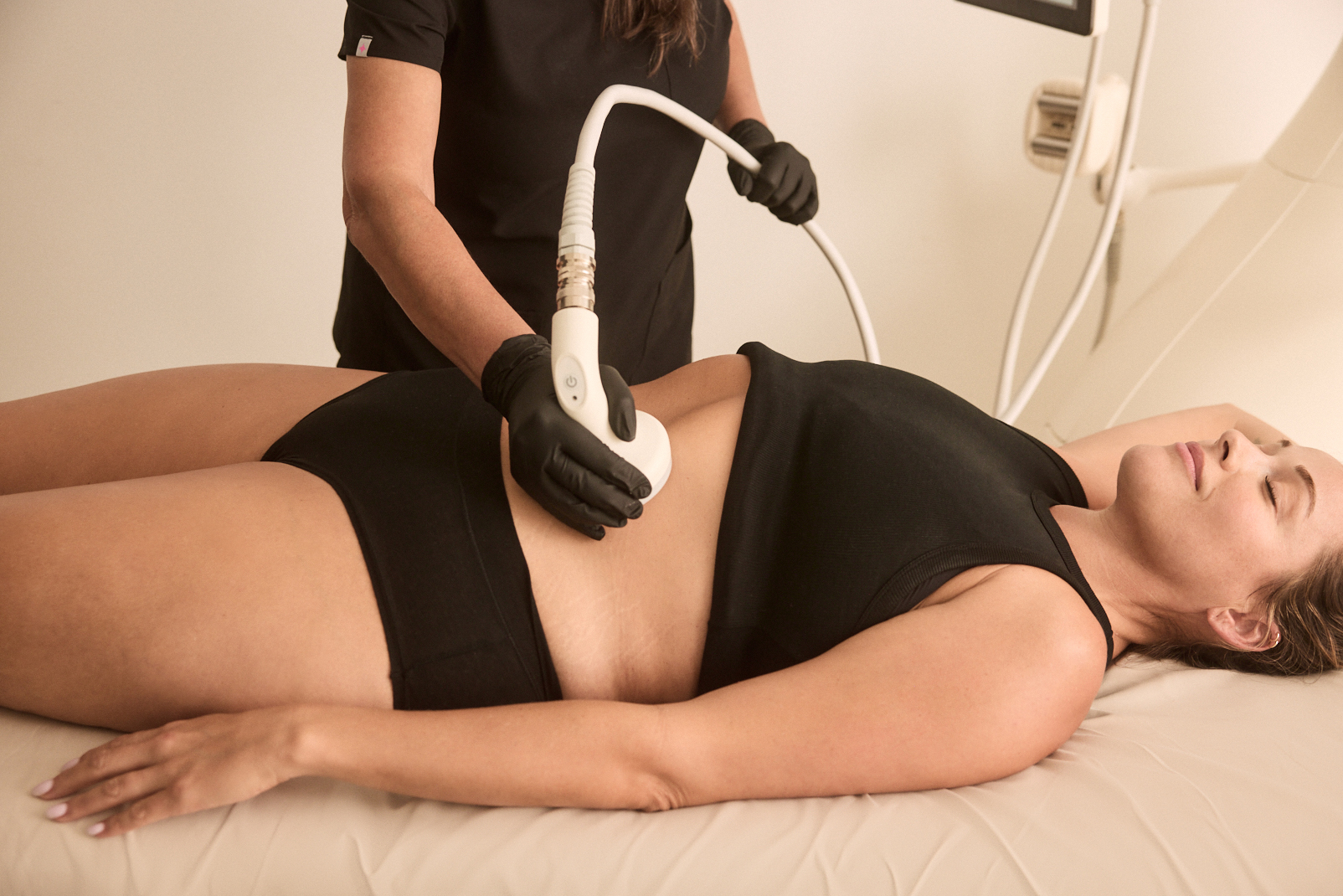
Combination Technologies: The T-Shape 2 Device
The T-Shape 2 device is a state-of-the-art product designed to support skin elasticity and health. What makes it unique is its complexity. Unlike other systems on the market, T-Shape 2 incorporates four distinct technologies that interact with the skin differently:
- Low-Level Laser Therapy (LLLT) for sculpting and improving metabolism
- Bipolar Radio Frequency for boosting collagen and skin firmness
- Endodermic massage with suction for improving lymphatic drainage and smoothing dimpling
- Mesospheric activation for enhancing underlying muscle tone, improving overall skin health, and promoting circulation
Because T-Shape 2 uses localized stimulation, it directly targets the dermis and underlying skin tissue in the treatment area. This can trigger fibroblast activity and collagen remodeling exactly where sagging skin or aging signs exist. This is radically different from the effect of collagen supplements, which may or may not reach the skin.
Common Myths About Collagen for Skin
Collagen is widely discussed in beauty and wellness spaces, which has led to several persistent misconceptions about it.
Myth 1: Collagen supplements go straight to your skin
When collagen is consumed, it is broken down into amino acids and peptides during digestion. These components are then distributed throughout the body based on current needs. They do not travel directly from the digestive system to wrinkles or specific areas of the face.
Myth 2: Plant-based collagen exists
Collagen is an animal-derived protein. Plants do not contain collagen. Products marketed as “plant collagen” typically contain vitamins, minerals, or amino acids that support the body’s natural collagen production. They do not provide collagen itself.
Myth 3: Taking more collagen automatically means better skin
Collagen supplements are rather supportive. They don’t guarantee better skin health. Skin quality depends on multiple factors, including genetics, sun exposure, nutrition, hormonal balance, skincare habits, and overall health. Increasing collagen intake alone does not override these factors.
Myth 4: Topical collagen penetrates the skin
Collagen molecules are too large to penetrate the deeper layers of the skin when applied topically. In skincare products, collagen primarily acts as a moisturizing and film-forming ingredient rather than a collagen-building agent.
FAQs
What is the best form of collagen for your skin?
Hydrolyzed Type I collagen peptides are generally considered the best for skin because they’re broken down for easier absorption.
Is type 1 or 3 collagen better?
Type I collagen is the most abundant in skin and is primarily responsible for strength and elasticity. Type III supports skin suppleness and often works synergistically with Type I, so a combination is ideal.
Is collagen good for menopause?
Collagen may help support skin elasticity, joint comfort, and bone health, which can decline during menopause, but its benefits vary from person to person. It’s also often used alongside adequate protein, vitamin D, and strength training.
Is Type 1 or Type 2 collagen good for skin?
Type I collagen is best for skin health, contributing to firmness and wrinkle reduction. Type II collagen mainly supports cartilage and joints, not skin.
Which collagen is best during pregnancy?
Hydrolyzed collagen peptides from reputable sources might be suitable during pregnancy, but safety depends on overall diet and health. Collagen supplementation during pregnancy should only be considered after consulting a healthcare provider.
Which collagen is best for face skin?
Type I collagen, particularly in hydrolyzed peptide form, is best for facial skin support. It may help improve skin hydration and elasticity when taken consistently.
What is the best collagen supplement for sagging skin?
Supplements containing hydrolyzed Type I and III collagen, often paired with vitamin C, are commonly recommended for sagging skin. But results depend on consistency, overall nutrition, and sun protection habits.
What is the difference between marine and bovine collagen?
Marine collagen is sourced from fish and is rich in Type I collagen, often associated with skin benefits, but it’s not suitable for people with a fish allergy. Bovine collagen comes from cows and typically contains both Type I and III collagen, supporting skin, joints, and connective tissue, but it’s not suitable for people who do not eat meat.