According to the U.S. Bureau of Labor Statistics, the skincare industry is expected to grow 7% by 2034, with roughly 14,500 new openings projected every year. In 2025, the global skincare market was worth more than $120 billion. In other words, the beauty industry is booming right now, and estheticians seem to be in high demand.
So if you think that you’d enjoy helping someone feel great in their own skin, a career as an esthetician might be exactly what you’re looking for.
Nonetheless, many people who are thinking about a career in this field don’t really know where to start. If you also want to learn how to become an esthetician, keep reading! We’ll provide all the details below.
Quick Answer: How to Become an Esthetician?
To become an esthetician, you typically need to meet your state’s requirements, enroll in a state-approved esthetics program, complete the required training hours (often 600 to 1,000+ hours), pass a written and practical licensing exam, and apply for your esthetician license. Most people can complete the process in 6 to 12 months. You will need your high school diploma, GED, or completion of a certain grade level to complete an esthetician program.
Estheticians are licensed skincare professionals who perform treatments like facials, chemical peels, waxing, and other non-medical skin services. You can work in spas, salons, medspas, or even start your own business after getting licensed.
The cost to become an esthetician is often between $5,000 and $15,000 for school, though tuition varies. Earnings vary by specialization and location, but many estheticians increase income through tips, commissions, advanced certifications, and specialized services.
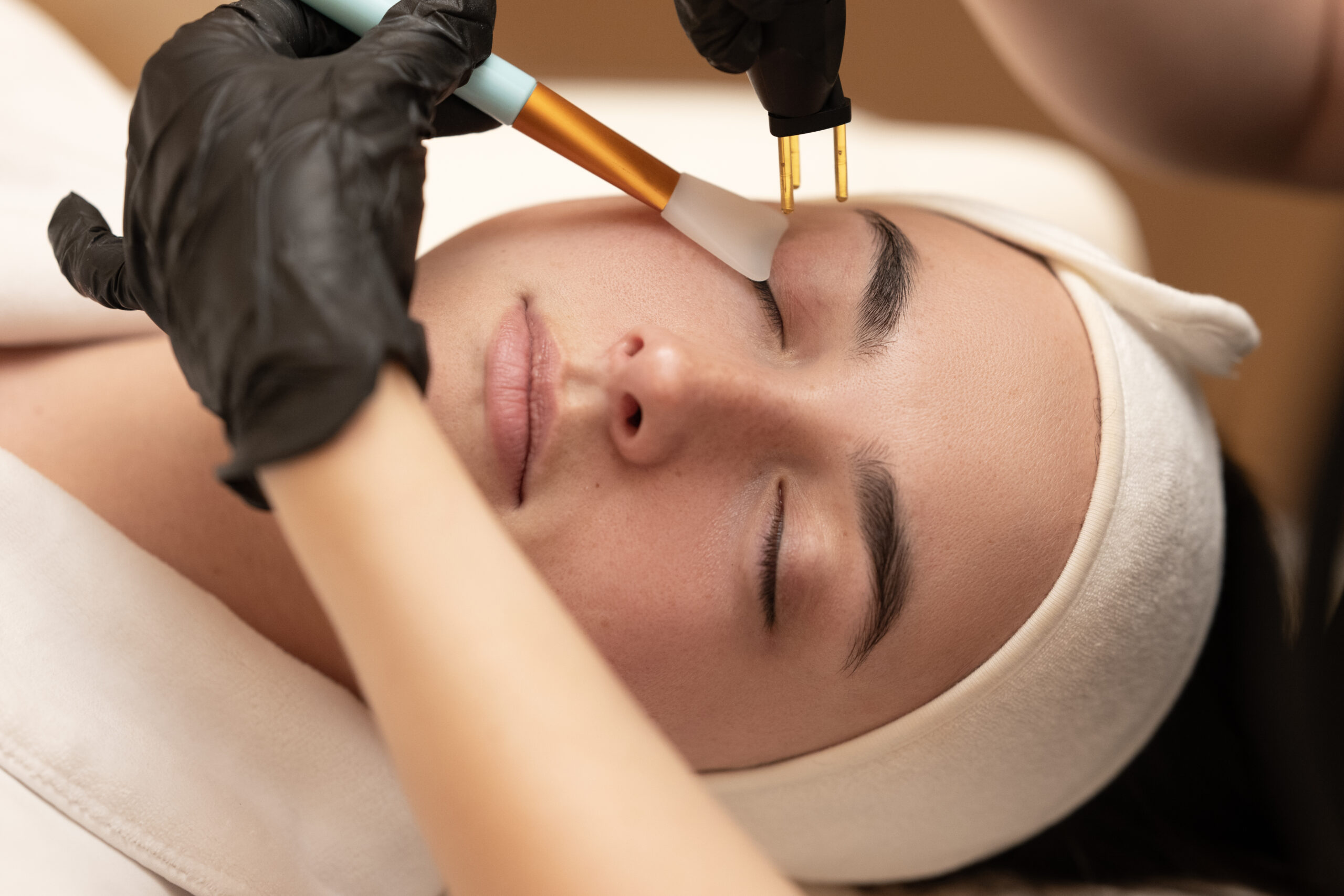
What Does an Esthetician Actually Do?
An esthetician is a skincare specialist trained to perform cosmetic (non-medical) treatments that improve the health and appearance of your skin. They are not dermatologists. They don’t diagnose or treat medical conditions. But they are experts in everything skin-related on the surface level.
A licensed esthetician might be:
- Performing facials and chemical peels to address acne, hyperpigmentation, or dullness
- Carrying out hair removal through waxing, threading, or chemical depilatories
- Applying makeup for clients or special events
- Delivering body treatments like exfoliation wraps or hydrating therapies
- Conducting skin analysis and building personalized skincare routines
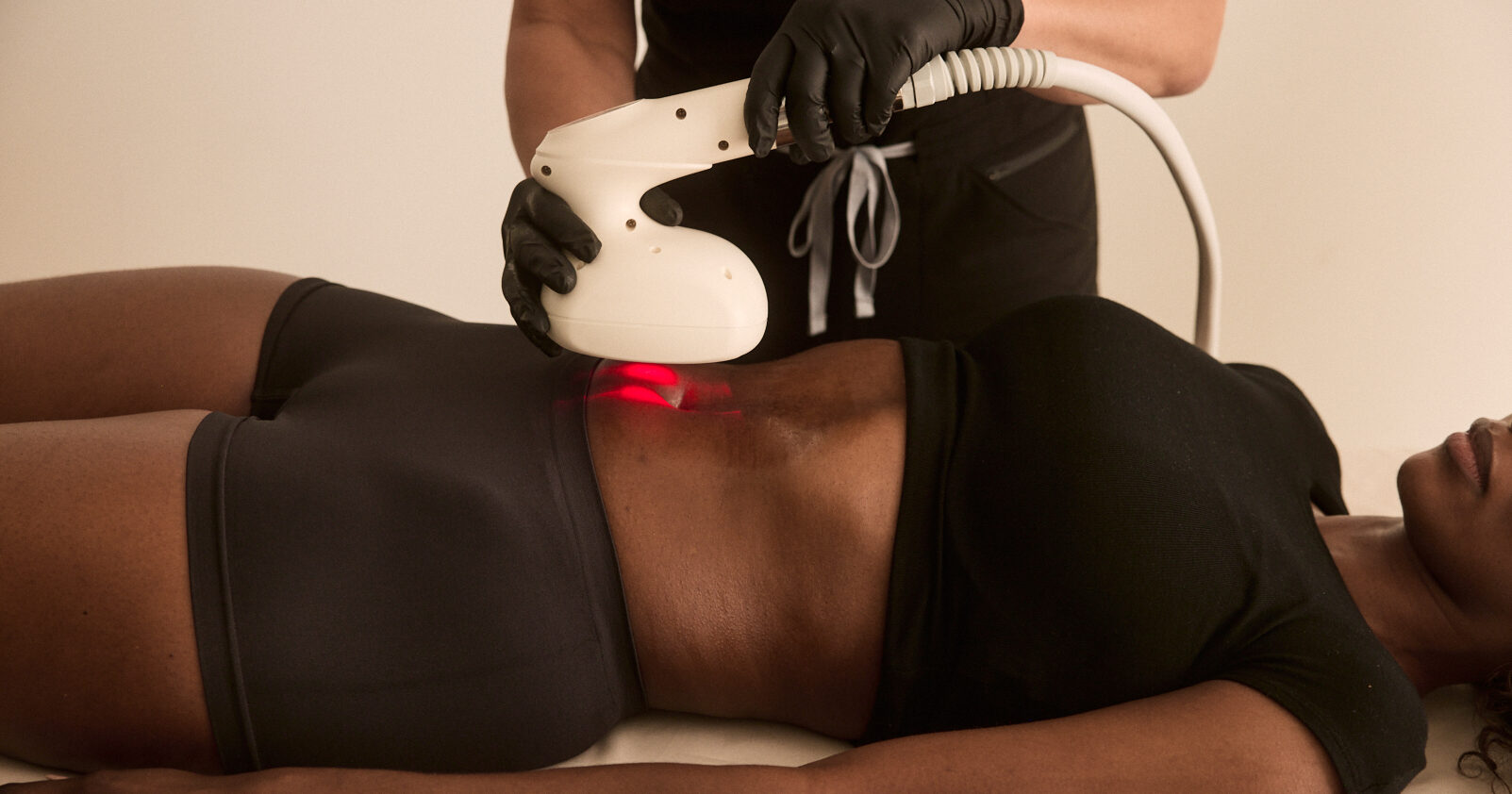
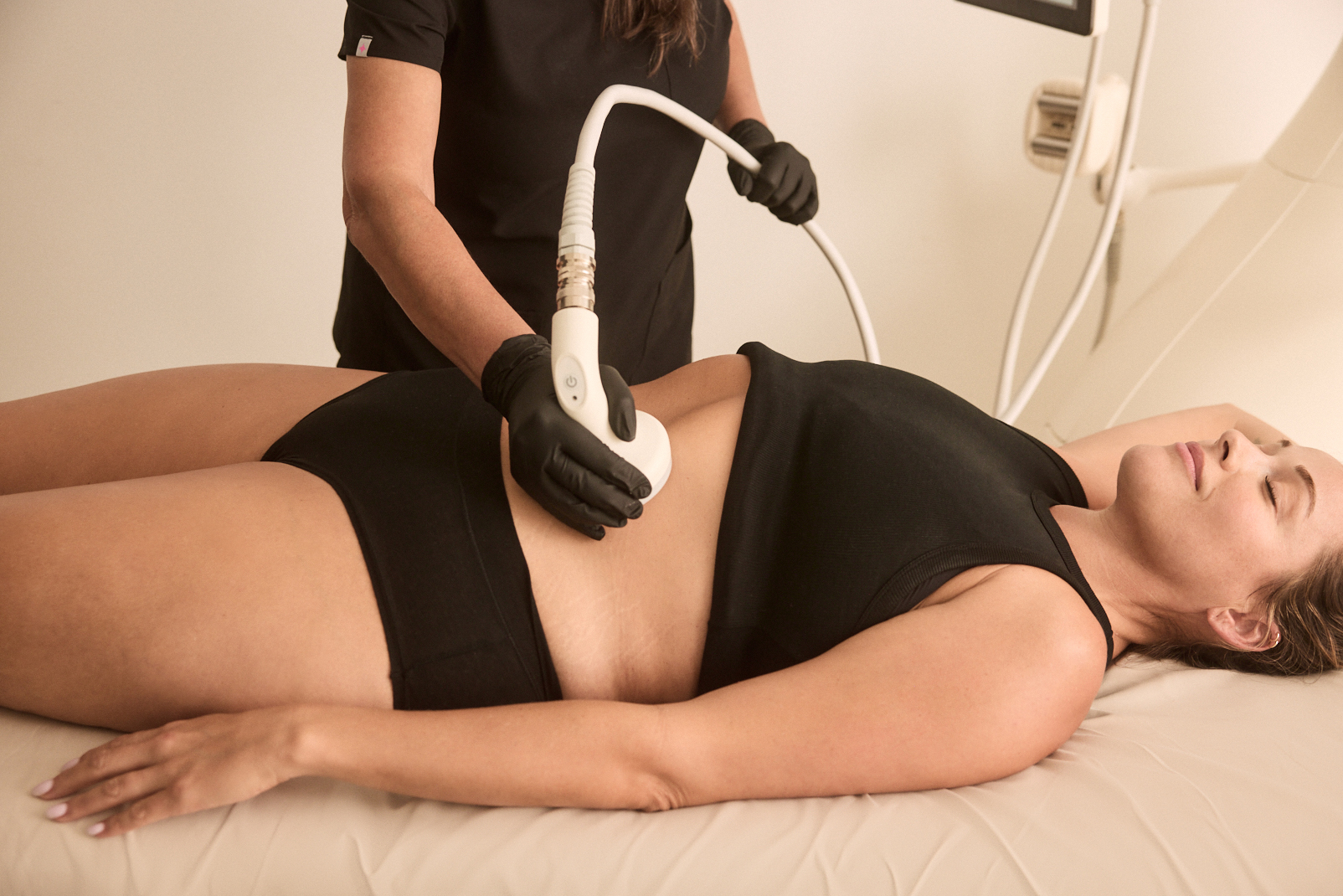
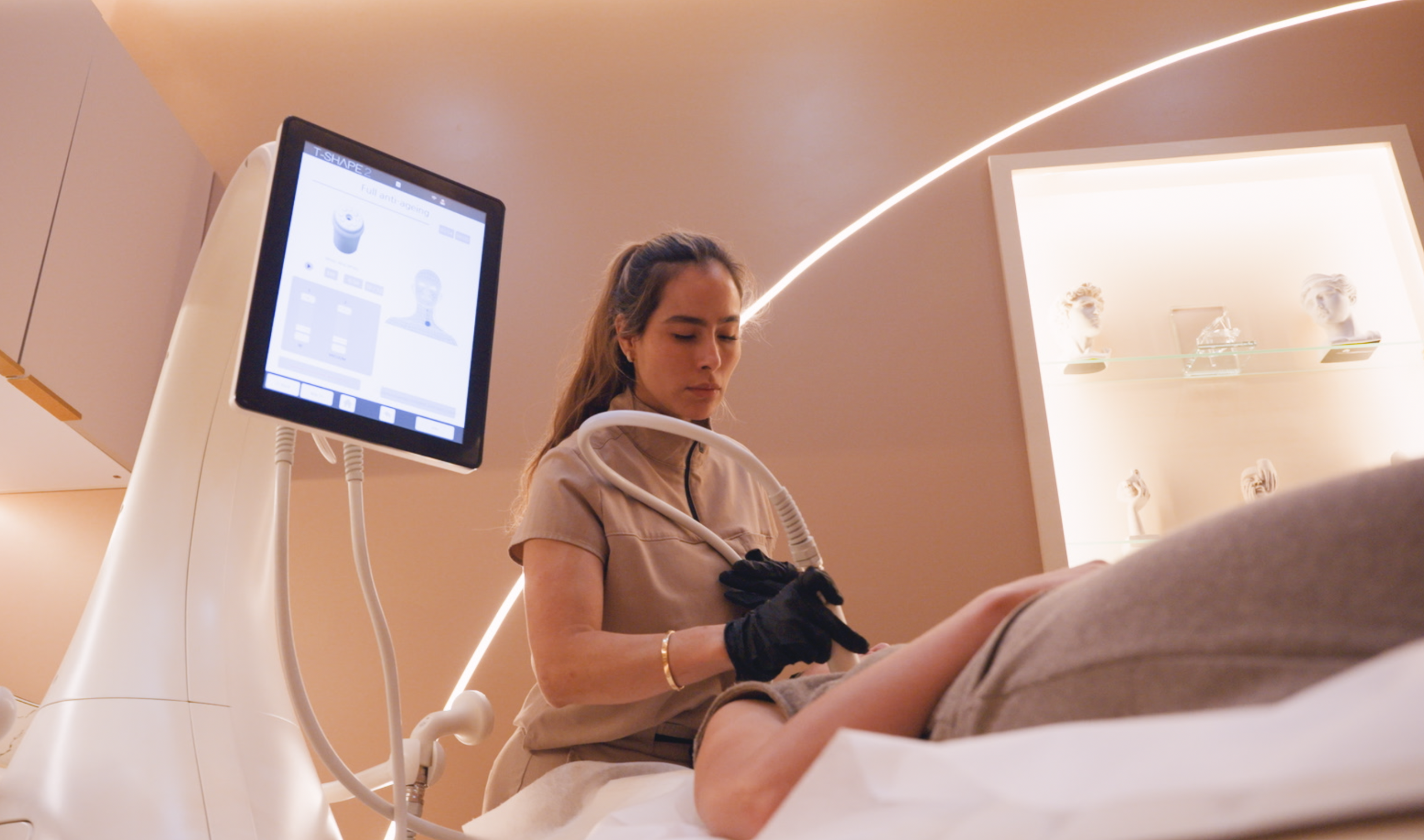
- Offering advanced treatments like microdermabrasion, LED light therapy, or laser treatments (in states that permit this within the esthetician’s scope of practice)
To become an esthetician, you need to understand skin anatomy, chemistry, product ingredients, and how different skin types respond to different treatments.
How to Become an Esthetician
In the following sections, we’ll walk you through the crucial steps of becoming an esthetician.
Step 1: Check the Basic Requirements in Your State
Licensing is regulated at the state level in the U.S., which means that the rules vary depending on where you’re located and where you plan to work.
The basic requirements are usually similar across most states:
- Age: most states require you to be at least 16-18 years old
- Education: a high school diploma or GED is required in the majority of states
- Training hours: these range from as few as 220 hours (Florida) to over 1,000 hours
- Licensing exams: almost every state requires passing both a written and a practical exam
Always verify directly with your state’s board of cosmetology, as requirements do change. The Associated Skin Care Professionals (ASCP) maintains an up-to-date state-by-state reference.
Step 2: Enroll in an Accredited Esthetician Program
Once you know your state’s licensing requirements, the next step is choosing and enrolling in an accredited esthetics program. This is where your esthetics training officially begins.
Where Can You Find an Esthetics School?
Esthetician school programs are offered at:
- Dedicated esthetics schools and cosmetology academies
- Community colleges and vocational/career schools
- Some universities and beauty institutes
Private esthetics schools are more widely available across the country. Community college programs can be more affordable, but they aren’t that common.
What Will You Actually Learn?
A good esthetician program covers far more than facials. You’ll build knowledge in:
- Skin anatomy and physiology – how the skin is structured, how it functions, and how conditions like acne, rosacea, or hyperpigmentation develop
- Ingredients and product chemistry – understanding the ingredients in skincare formulas and their role
- Chemical exfoliation and chemical peels – the effects of acids on the skin and how to apply them safely
- Hair removal techniques – waxing, threading, sugaring, and chemical methods
- Body treatments – exfoliation, wraps, and therapeutic massage techniques
- Makeup application – color theory, skin prep, and application techniques
- Sanitation, sterilization, and infection control
- Business and professional ethics
- Advanced techniques – LED therapy, microdermabrasion, ultrasound treatments, and more (depending on the program)
Most programs offer both classroom education and hands-on training. You’ll move from studying theory to practicing on mannequins, then fellow students, and eventually real clients under instructor supervision. It goes without saying that hands-on experience is where real learning happens.
How Long Does It Take to Finish Esthetician School?
Full‑time 600‑hour programs often take 4-6 months, while part‑time programs can extend toward 9-12 months, plus a few weeks for exams and license processing. You can also try a part-time option, which will naturally take longer, but you’ll have more flexibility if you already have a job.
What to Look for in an Esthetician School
When comparing schools, look for:
- State board approval – the program must be approved by your state’s licensing body
- Accreditation – nationally accredited schools qualify for federal financial aid
- Hands-on training facilities – on-site clinics where you practice on real clients are a big plus
- Job placement assistance – many reputable schools help graduates find employment after completing the program
- Continuing education opportunities – some schools offer access to advanced treatments and certifications after graduation
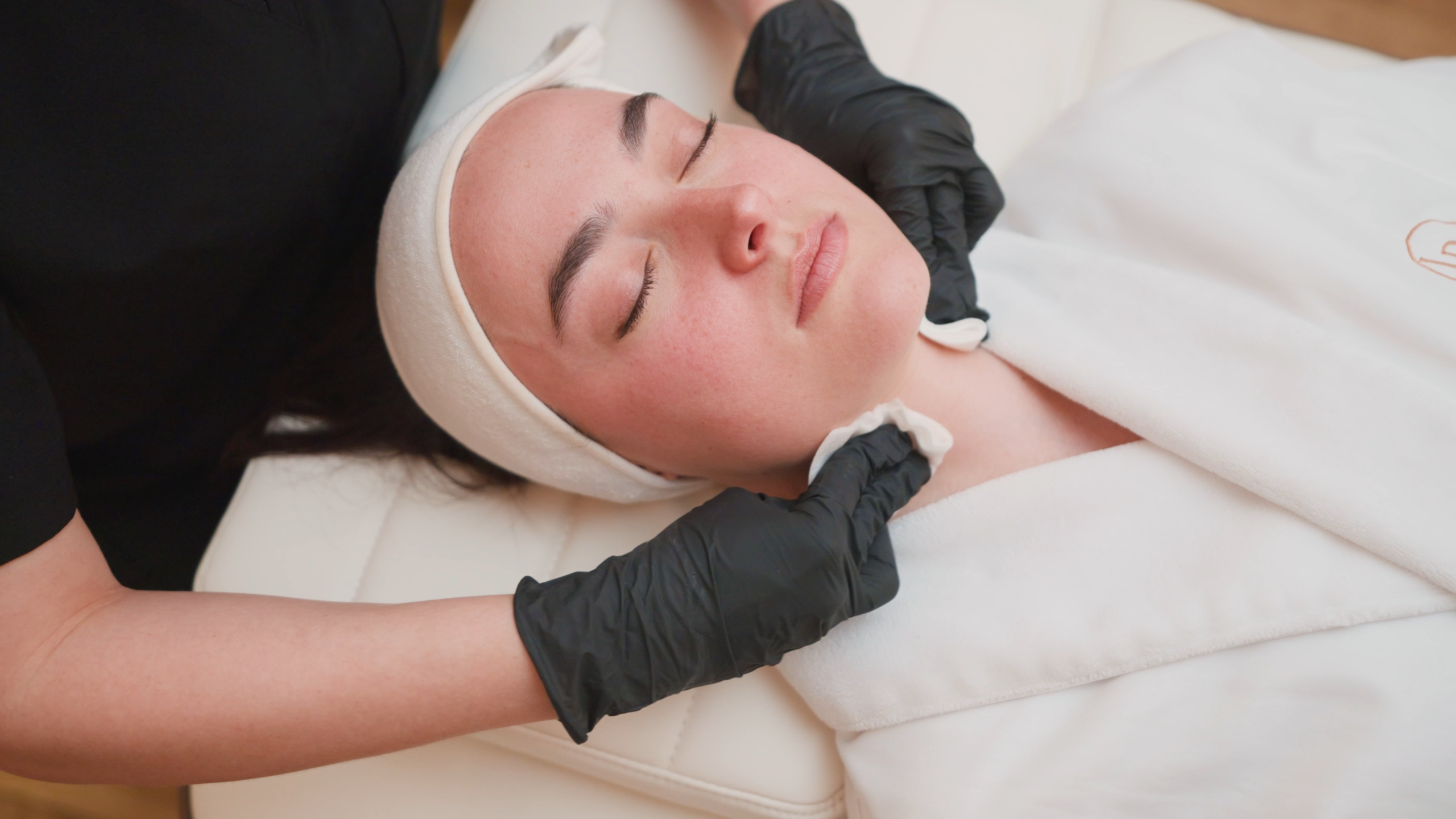
Step 3: Complete Your Training Hours
The state you’re in has a minimum number of training hours required to qualify for the state board exam, and your esthetics school is responsible for tracking and documenting your progress.
Practical training, the hands-on training portion, makes up the majority of most programs. You’ll perform facials, skincare treatments, waxing, and other services on real clients in a supervised environment.
Your written coursework runs alongside your practical hours. By the time you complete the program, you’ll have covered skin anatomy, sanitation protocols, state regulations, client consultation techniques, and the science behind every treatment you perform.
Here are a few things to keep in mind during your esthetician training:
- Attendance matters a lot. Try not to miss any sessions, as this could delay your graduation and push back your exam date.
- Document everything. Your school will track your hours, but it’s smart to keep your own records.
- Ask questions. Your instructors have worked in the esthetics industry for years. Take advantage of that.
Step 4: Pass Your State Board Exam
Completing your esthetics program is a major milestone. But before you can call yourself a licensed esthetician, you need to complete the state licensing exam. In most states, it actually consists of two exams.
The Written Exam
The written exam (also called the theory exam) tests your knowledge of:
- Skin science and skin anatomy
- Product ingredients and chemistry
- Sanitation and infection control
- Skincare treatments and application protocols
- State regulations and professional ethics
The Practical Exam
The practical exam assesses your ability to actually perform services safely and correctly. Examiners observe how you:
- Set up your workstation and maintain a sanitary environment.
- Conduct a client consultation and skin analysis.
- Perform a specified treatment, often a facial or basic skincare treatment.
- Follow infection control procedures throughout.
Step 5: Apply for Your Esthetician License and Start Your Career
Once you pass both exams, you’ll have to submit your license application to your state board, pay the required fees (usually $40-$300 depending on your state), and receive your official esthetician license.
Your esthetician license is your professional foundation. With it, you can work as a skincare specialist in a wide range of settings and start your career in esthetics.
To apply for an esthetician license, you’ll have to show proof of attending an accredited esthetics program, completing the required practice hours, and passing the required exams. You’ll have to pay a fee, which varies by state.
After gaining experience, many estheticians pursue advanced certifications (such as NCEA Certification) or higher license tiers (like Master Esthetician in certain states) to expand their scope of practice and earning potential.

Where Can a Licensed Esthetician Work?
A licensed esthetician can work in:
- Day spas and resort spas – the most common starting point; you’ll perform facials, waxing, body treatments, and skincare treatments for a wide range of clients
- Salons – often combined with hair and nail services; great for building a client base fast
- Medical spas (medspas) – work alongside dermatologists or plastic surgeons, providing treatments like deeper chemical peels, microdermabrasion, and sometimes laser treatments (where state regulations allow it)
- Hotels and cruise ships – an excellent option if you want to combine a love of travel with your career
- Film and TV sets – on-set skincare specialists are in demand for productions of all sizes
- Your own business – many estheticians eventually move into entrepreneurship, opening their own studio or mobile practice
How Much Do Estheticians Earn?
According to the U.S. Bureau of Labor Statistics, the median annual wage for skincare specialists was $41,560 as of May 2024, with an average of $19.98 per hour. More recent statistics show that the average salary for licensed estheticians increased to $55,954 in 2026. However, these numbers don’t reflect the final earnings, as estheticians can also get tips and commissions that can add significantly to their take-home pay.
Your specialization, how much experience you have, and your location matter a lot when it comes to wage. Medical-adjacent settings and high-end spa markets tend to pay at the higher end. Washington State, for example, consistently ranks among the top-paying areas for skincare specialists nationally.
To understand the bigger picture, check out the average salaries for licensed estheticians for different locations:
- District of Columbia: $61,952
- Massachusetts: $60,895
- Connecticut: $59,798
- Minnesota: $57,259
- Illinois: $57,034
- Virginia: $56,346
- Vermont: $54,919
- Wyoming: $53,660
- Missouri: $53,162
- Florida: $52,944
- New Mexico: $51,825
- Mississippi: $49,900
How Much Does an Esthetician School Cost?
An esthetician program costs between $5,000 and $15,000. It is a large sum indeed, but it esthetician schools cost substantially less than the four-year degrees.
Also, many schools offer payment options. They also accept scholarships and financial aid. Plus, you can take out a private student loan, for example, or a federal student loan if you’re eligible for it. Look into institutional scholarships (many esthetics schools offer their own merit- or need-based awards) and state-specific grants.
Keeping Your License Active: Renewal and Continuing Education
Most states require license renewal every few years. Some states also require continuing education courses as a condition of renewal.
Even in states where continuing education isn’t mandatory, staying current is worth it. The esthetics industry moves fast. There are always new treatments, sanitation standards get updated quite often, and client expectations change quickly. This means that the estheticians who keep learning are the ones who build the most loyal clientele and the strongest careers.
What Continuing Education Can Include
- Advanced treatments – microblading, dermaplaning, nitrogen plasma skin regeneration, multi-modality machines
- Laser treatments and light therapies (often require separate certification)
- Chemical peels and chemical exfoliation techniques beyond the basics
- Business development, social media, and client retention
- Medical esthetics protocols (for those working in clinical settings)
Advanced Licensing: The Master Esthetician Route
In several states, a higher licensing tier called the Master Esthetician license is available. This involves significantly more training hours and unlocks a broader scope of practice, including deeper chemical peels, more intensive laser treatments, and additional advanced techniques.
If you’re drawn to the clinical or medical side of esthetics, this might be a career path worth researching early. Building toward a master license from the start can save you significant time and money.
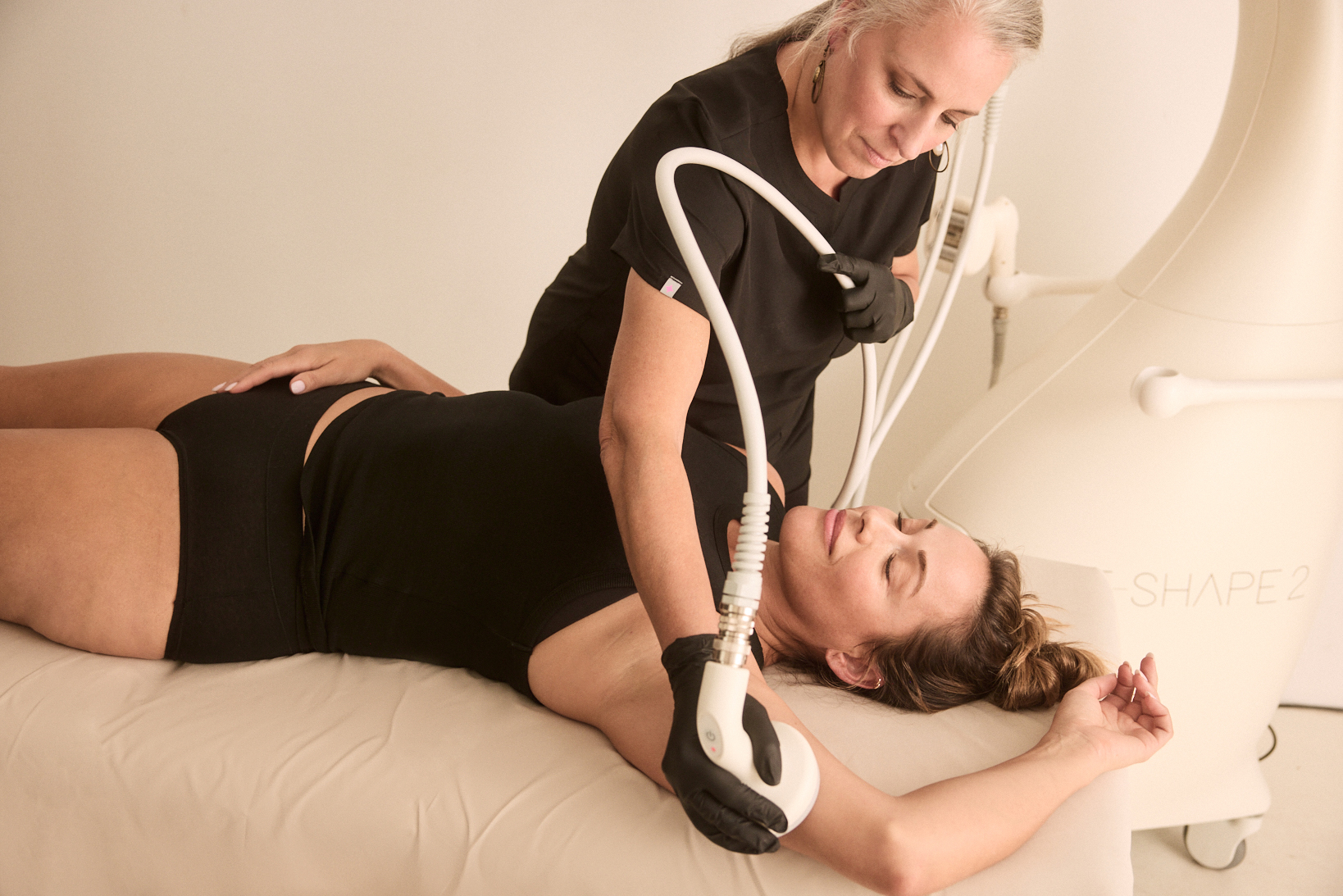
Building Your Career After Licensing
Your esthetician license opens the door. What you do next shapes the trajectory of your career.
Gain Experience First
Most newly licensed estheticians start in a spa or salon setting to gain real-life experience and refine their technique. You’ll be working under more experienced colleagues, handling a real client flow, and learning the business side of esthetics, including booking, retail, upselling, and customer service.
Expect to spend at least a year or two in an employed role before considering going out on your own. This practical experience is irreplaceable.
Specialize in a Particular Area
The esthetics industry rewards specialists. Once you’ve built a solid foundation, consider choosing a specialization such as:
- Medical esthetics – working in dermatology or medspa settings with a focus on corrective treatments
- Oncology esthetics – specialized training to safely work with clients undergoing cancer treatment
- Brow and lash artistry – threading, lamination, tinting, and lash extensions
- Body treatments and lymphatic massage
- Advanced skincare formulation — for those interested in developing their own product lines
Consider Your Own Business
Many estheticians eventually move into running their own business, whether that’s a suite rental within a larger salon, a dedicated skincare studio, or a mobile practice. This requires more than great technical skills. You’ll need to understand marketing, finances, booking software, and client retention.
Esthetician vs. Cosmetologist: What’s the Difference?
If you’re at the research stage, you’ve probably seen both terms. Here’s the quick comparison between estheticians and cosmetologists:
Esthetician | Cosmetologist | |
Focus | Skin and skincare treatments | Hair, nails, skin, and makeup |
Training hours | 220-1,000+ (varies by state) | 1,000-1,800 (varies by state) |
Typical services | Facials, waxing, chemical peels, body treatments | Haircuts, coloring, perms, nails, basic skin |
Best for | People passionate specifically about skincare | People who want to offer broader beauty services |
Time to license | 4-12 months | 12-18 months |
It depends entirely on what you want to do. If skincare is your obsession and you can talk about retinoids and barrier function for hours, esthetics is probably your lane. If you love the full range of beauty services and want maximum flexibility, cosmetology might be the better fit.
Is This the Right Career Path for You?
Becoming an esthetician suits people who enjoy working one-on-one with clients, have a curiosity for science (specifically skin science), and want a career with flexibility in terms of environment, schedule, and earning potential.
It’s worth being realistic about the physical demands, too. You’ll spend most of your working hours on your feet, performing treatments that require precision and consistency across multiple clients in a day.
The esthetics industry is also remarkably resilient. Even in economic downturns, people tend to maintain their skincare routines. Also, the growing awareness around skin health (fuelled also by the explosion of dermatology content on social media) means client interest in professional skincare treatments keeps growing.
Frequently Asked Questions
How long does it take to become an esthetician?
Most full-time esthetician school students complete a program and become licensed estheticians within 4-12 months. Part-time programs take longer. However, in Florida, for example, esthetician school requires a minimum of only 220 hours of training, which can be completed in just 2-3 months.
What estheticians make the most money?
Medical estheticians, master estheticians, and esthetic business owners often earn the most. Those who specialize in advanced treatments like laser services, injectables support, or medical-grade skincare may have higher income potential than general estheticians.
How long will it take me to become an esthetician?
It typically takes about 4 to 12 months to complete esthetician training, depending on your state’s required hours and whether you attend full-time or part-time. Licensing exams may add extra time.
How long is an esthetician school in Virginia?
In Virginia, esthetician programs generally require 600 training hours, which often takes around 6-9 months full-time or longer part-time.
How long does it take to become an esthetician in Ohio?
In Ohio, becoming a licensed esthetician usually takes about 6 to 9 months for at least 600 hours, depending on your school schedule and how quickly you complete the required training hours and licensing steps.
How much does it cost to become an esthetician?
It costs between $5,000 to $15,000 to become an esthetician, which is the price for esthetician school. You might have to pay more for books, supplies, exam fees, licensing fees, and materials you’ll need for work.
How to become an esthetician in Texas?
To become an esthetician in Texas, you generally need to complete a state-approved esthetics program, meet required training hours (750 hours), pass licensing exams, and apply for your license through the state board.
How to become an esthetician in California?
To become an esthetician in California, you will have to complete a board-approved esthetics program, meet training requirements, and apply for a state licensure. Requirements can change, so checking the current state board rules is important.
Do I need a college degree to become an esthetician?
No, you do not need a college degree to become an esthetician. A high school diploma or GED is typically all you need to enroll in an esthetics program.
Can I take esthetics classes online?
Some theory coursework may be available online, but hands-on training must be completed in person. You cannot earn a license through a fully remote program.
How much does esthetician school cost?
Tuition typically ranges from $5,000 to $15,000, though this varies by state and institution. Accredited schools may offer access to federal financial aid.