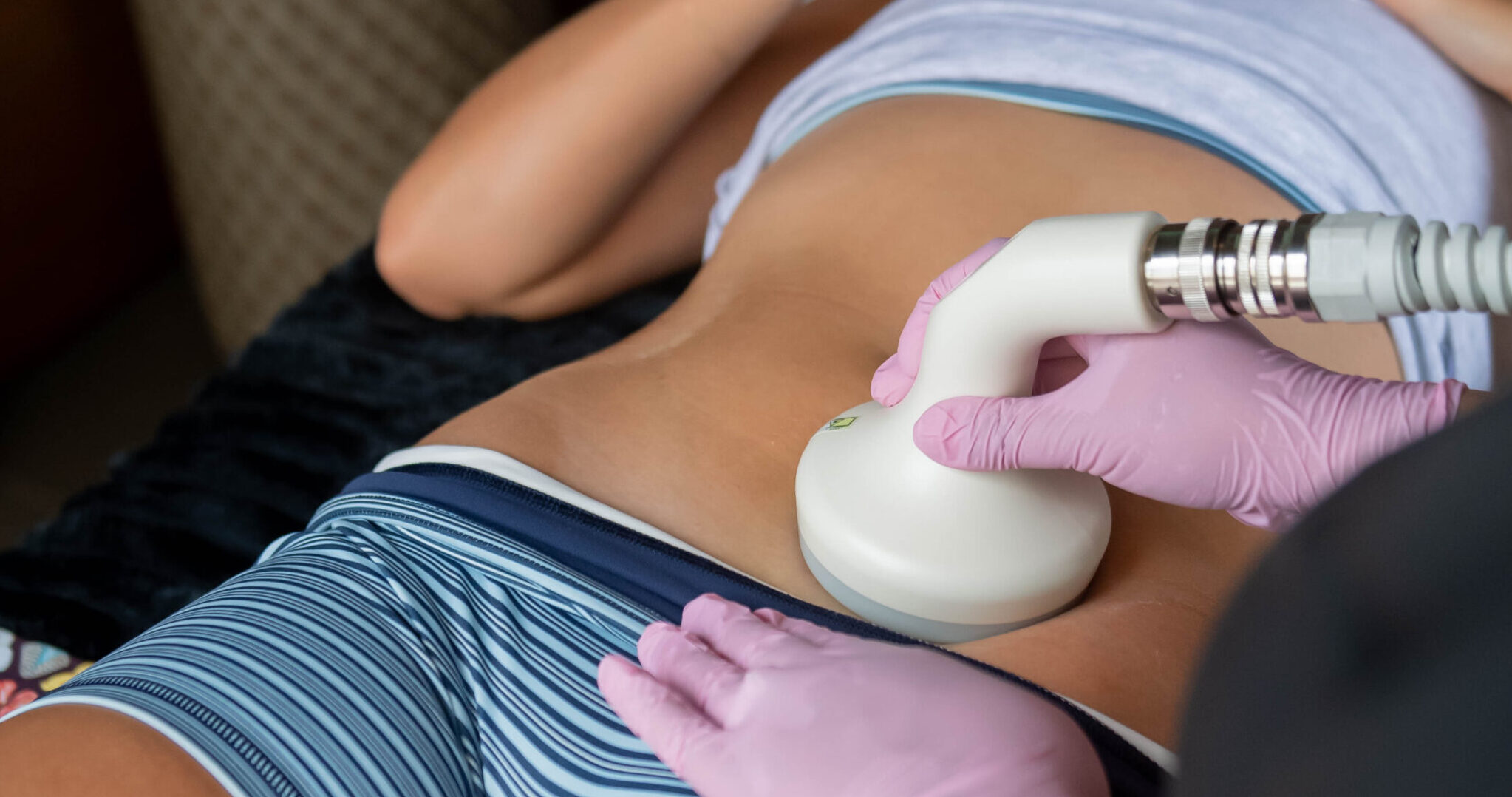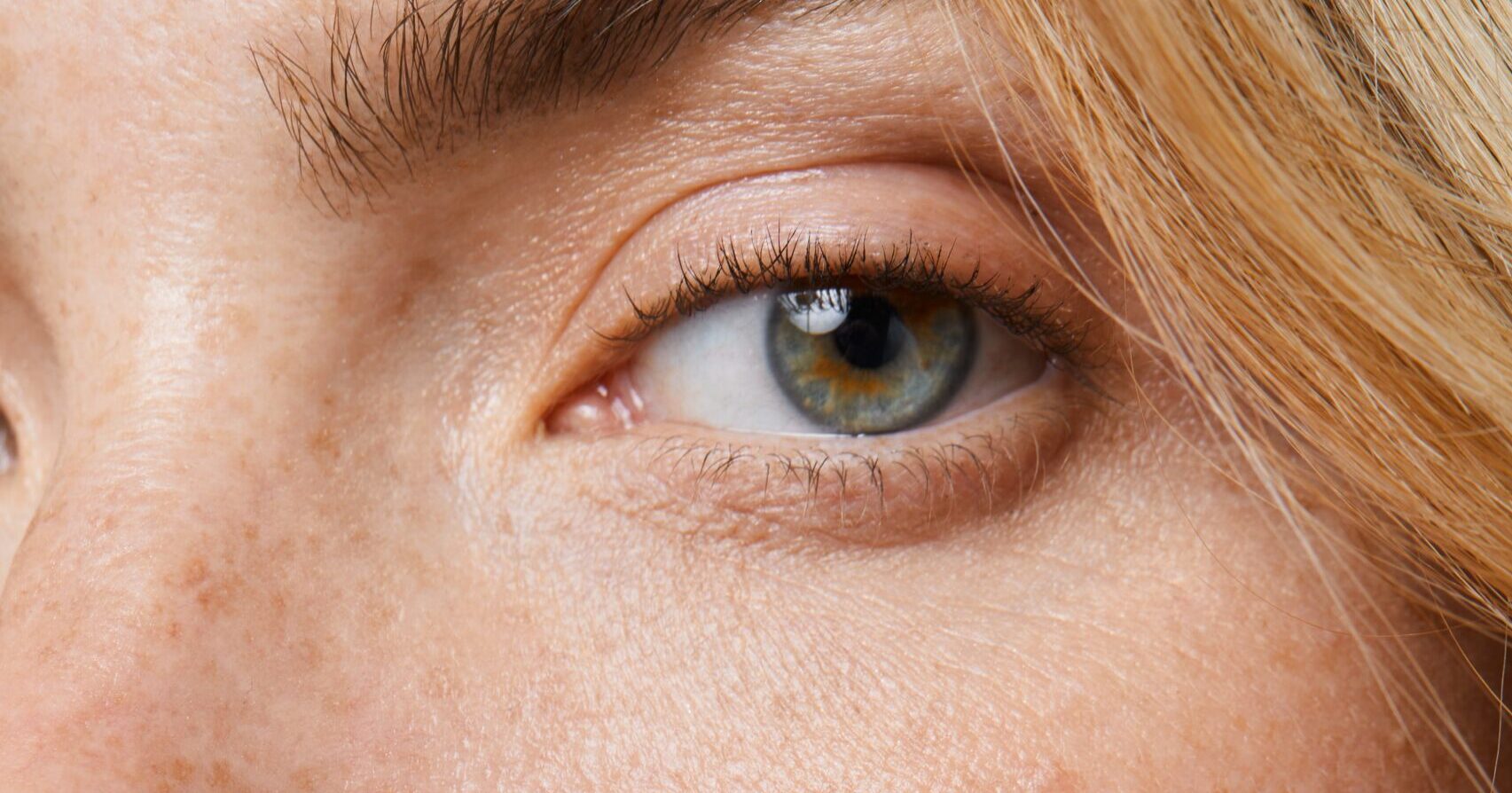
Have you recently noticed small pale marks appearing on your arms or shins after years in the sun? You’re definitely not the only one. Most people notice them gradually, just a few faint dots on sun-exposed skin that seem to multiply every summer, and want to know whether something is wrong and how to get rid of white spots on skin from sun.
This article walks through why white spots on skin develop after sun exposure, how to tell them apart from a few look-alike skin conditions, and whether you can get rid of these white spots.
Disclaimer: This article is provided for informational and educational purposes only. The information presented here is not a substitute for professional medical evaluation, consultation, or care and should not be relied upon to make health-related decisions. Always consult a qualified and licensed medical or aesthetic professional before undergoing any cosmetic or aesthetic procedure.
Quick Answer: What Are White Spots, and Can You Get Rid of Them?
White sun spots (most commonly idiopathic guttate hypomelanosis) are small discolored areas where the skin loses melanin, which is caused by cumulative sun exposure and skin aging. They are considered benign and not dangerous.
According to dermatologists, there is currently no treatment that fully restores lost melanocytes in these spots. However, several approaches can make them less noticeable by improving surrounding skin tone, texture, and overall pigmentation balance. The most commonly used options include laser therapy, chemical peels, nitrogen plasma skin regeneration, and topical retinoids, along with strict sun protection to prevent new spots.
In short:
- They are considered harmless.
- They rarely disappear on their own.
- Treatments improve appearance, not true repigmentation, in most cases.

What Causes White Spots on Skin From Sun Exposure?
Skin color comes from melanin, the pigment responsible for skin color, which is produced by cells called melanocytes. Sun-exposed areas absorb the most UV rays over a lifetime, and that cumulative exposure can eventually damage pigment cells. The result: a lighter spot, sometimes paper-white, against an otherwise normal skin tone. White sun spots range from 2mm to 5mm in diameter.
Dermatologists call the most common version of this idiopathic guttate hypomelanosis, or IGH for short. The spots tend to cluster on the upper body, mainly on the forearms and upper chest, as well as on the legs, primarily on the shins: precisely the areas that get the most cumulative sun over decades.
What Influences How Visible the Spots Become?
A few things influence who gets these white spots and how prominent they look:
- Skin tone. White patches are more noticeable against darker skin, simply because of contrast, even though the underlying mechanism affects lighter skin and darker skin in similar proportions.
- Age. IGH is much more common after 40, primarily because aging naturally reduces the body’s ability to produce melanin, but also because there’s more cumulative sun exposure.
- Genetic factors. Family history seems to play some role. People with relatives who have similar spots appear more likely to develop them too, suggesting a hereditary component layered on top of environmental exposure.
- Cumulative, not single-event, exposure. This isn’t usually linked to one severe sunburn. It’s the slow buildup of UV skin damage across sun-exposed areas over the years, which is part of why the forearms, shins, and chest, the areas rarely covered, are the most frequent locations.
Is It Dangerous?
IGH is considered benign, but it can cause significant emotional distress, which is why many people want to reduce the appearance of these white spots and even skin tone. That said, if you haven’t had your white spots diagnosed by a dermatologist as IGH, schedule a consultation before trying any topical products or aesthetic procedures. White spots on the skin can also be caused by other skin conditions, which we’ll discuss further.
Is It Always Sun-Related? Other Causes of White Patches
Before assuming sun exposure is to blame, it’s worth ruling out a few other skin conditions that can also produce white or pale patches, because the treatment approach differs for each, and it should be determined by your dermatologist.
| Condition | Typical cause | Common location | Key clue |
| IGH (sun-related) | Cumulative UV radiation exposure | Forearms, shins, chest | Gradual, drop-shaped, not itchy |
| Tinea versicolor | Fungal infection (yeast overgrowth) | Back, chest, shoulders | Mild itchy skin; may appear white/pink/brown |
| Pityriasis alba | Type of dermatitis | Face, especially cheeks | Primarily affects children/teens; scaly patches; fades over time |
| Vitiligo | Autoimmune disease | Anywhere on the body | Larger, sharply defined, fully depigmented patches |
How to Get Rid of White Spots on Skin From Sun: Treatment Options
There’s currently no single treatment that can permanently erase sun-related white spots because that would require restoring the lost pigment. Instead, aesthetic procedures can help improve the contrast between the white spots and the surrounding skin and make the spots slightly less noticeable through skin regeneration.
Talk to a specialist before choosing a treatment to make sure it suits your cosmetic concerns.
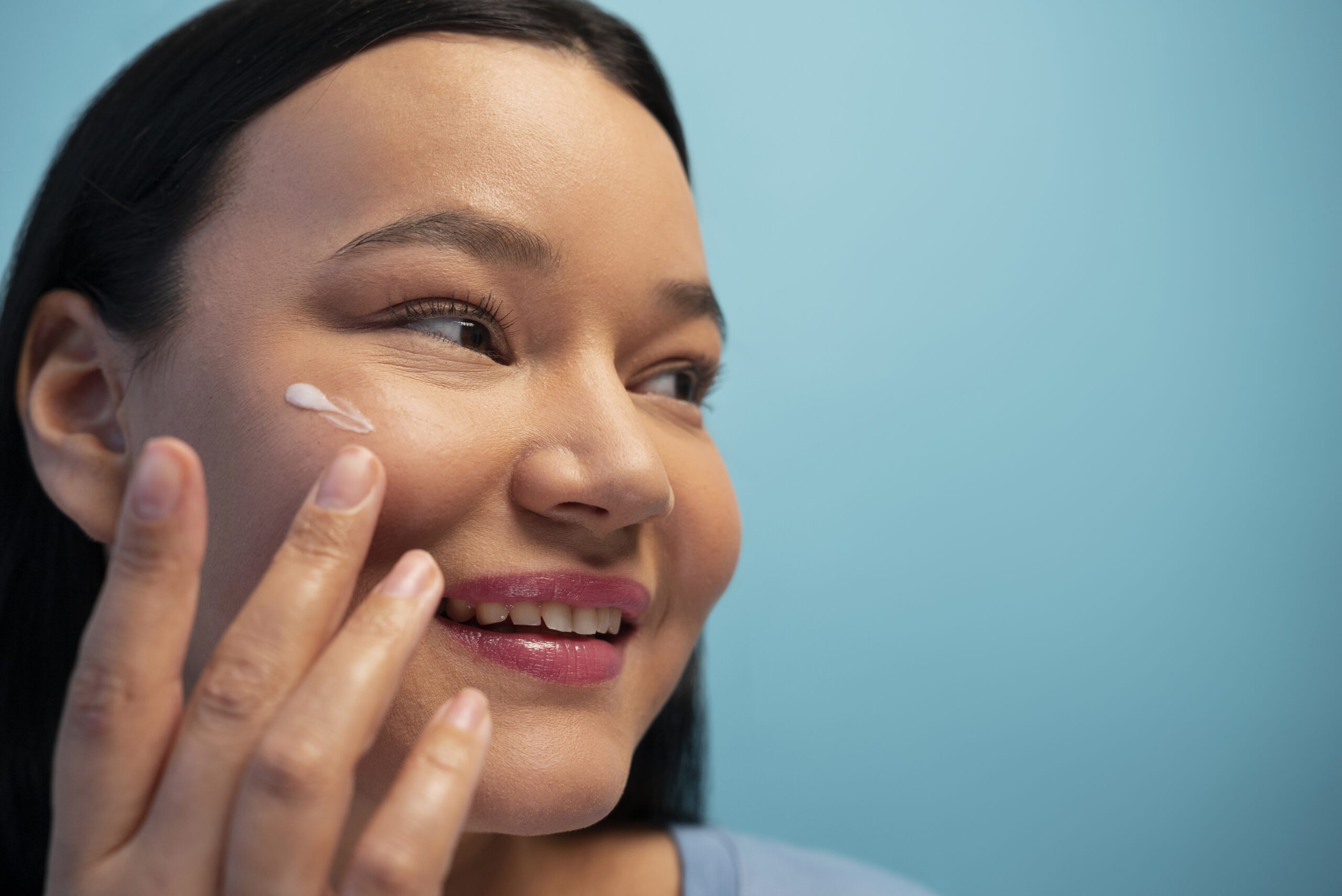
Topical Creams
- Topical retinoids. Topical treatments like retinoids are prescription-strength vitamin A derivatives that dermatologists may recommend to encourage skin cell turnover, occasionally associated with gradual pigment improvement over time.
- SPF creams. SPF creams can support skin health by protecting it from further UV damage, though they do not remove existing spots.
- Moisturizers. They help maintain a healthy skin and support the skin’s ability to repair itself and stay resilient, which matters more than people expect, especially on the forearms, where the skin tends to be drier anyway.
- Cosmetic camouflage. You can use skin-matching concealers and color-correcting makeup to cover the white patches. It can be a good option for anyone who wants the spots less visible day-to-day without committing to professional treatments.
- Aloe vera gel. This is a gentle option for keeping the skin hydrated and soothed, particularly if the affected area feels dry or has been recently exposed to strong sun. It won’t restore lost pigment, but it can keep the skin healthy.
- Gentle exfoliation. It removes dead skin cells from the surface, which sometimes makes white spots look slightly less stark simply by improving overall texture and light reflection, though this is a cosmetic effect, not a pigment-restoring one.
Laser Therapy
Fractional CO2 lasers and similar laser treatments work by removing the outer layers of skin in a controlled way, prompting regrowth of new skin cell layers underneath.
Keep in mind that CO2 laser treatments require significant downtime, sometimes several weeks of healing. If you want a lower downtime option, ask your dermatologist about non-ablative lasers or other procedures. Other procedures stimulate collagen production and skin renewal without removing the skin’s outer layers like CO2 lasers do, so they have faster recovery and fewer side effects.
Chemical Peels
Superficial chemical peels aim to resurface the treated area gently enough to stimulate new pigment without scarring.
These peels typically use mild acids to exfoliate the skin without causing significant injury. As new skin cells replace older, sun-damaged cells, the contrast between the white spots and the surrounding skin may gradually become less noticeable.
Chemical peels tend to work best for mild discoloration and are often combined with other treatments, such as topical medications or light-based therapies, for enhanced results. Multiple sessions may be required to achieve noticeable improvement, and outcomes vary depending on the extent of sun damage and the underlying cause of the discolored patches.
Because chemical peels increase skin sensitivity, proper sun protection is essential during the healing process.
Neogen Plasma Skin Regeneration
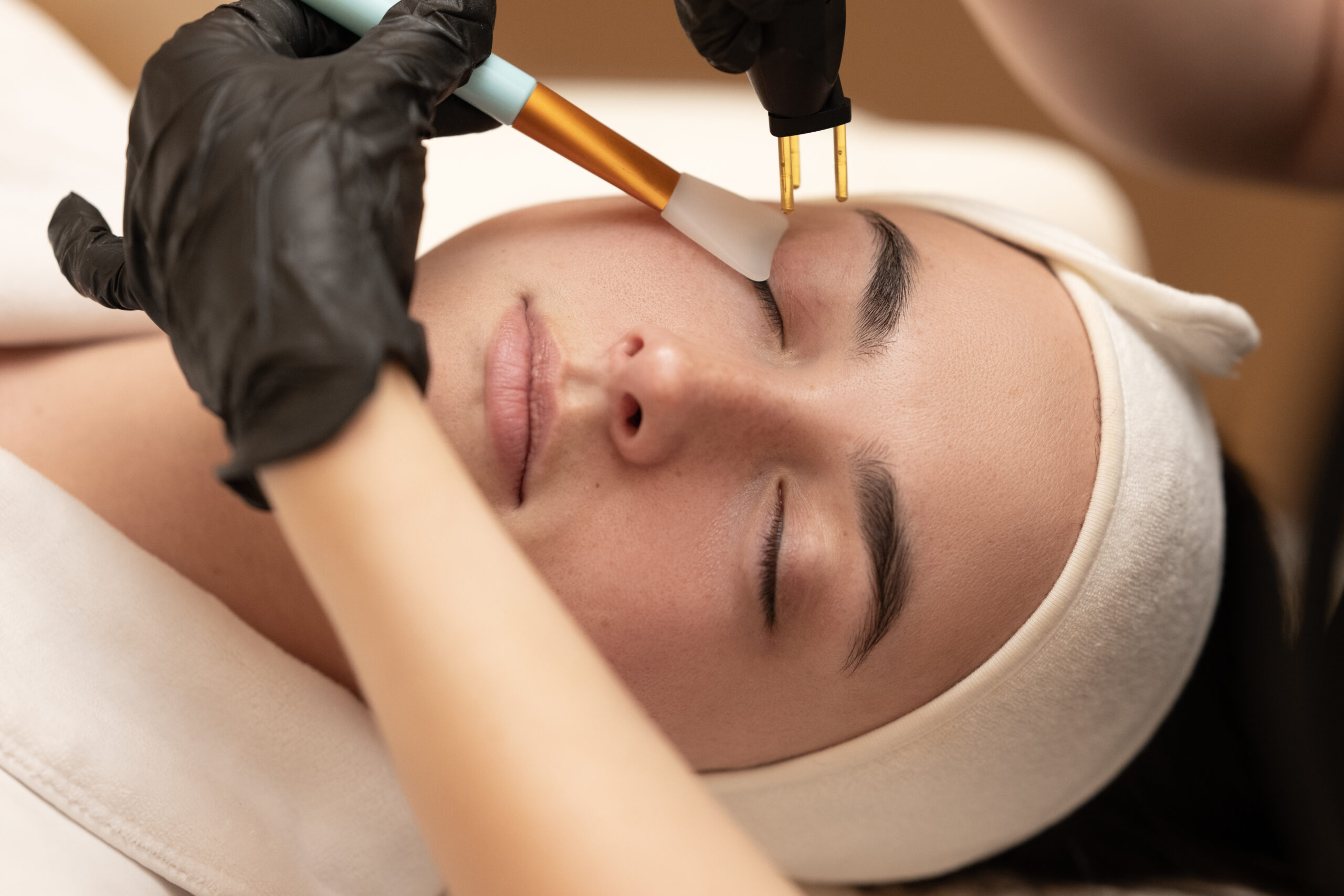
Neogen plasma skin regeneration is a procedure that can help with sun damage, uneven pigmentation, and overall skin texture. Neogen delivers controlled nitrogen plasma to boost your skin’s regeneration process.
What makes it stand out among other procedures is that it doesn’t break the surface of your skin. Neogen delivers precise energy pulses that heat the deeper layers. At that depth, collagen and elastin production is boosted, and the outer layer stays intact. Because of this, downtime is minimal (or 5-10 days at high energy settings), yet the results are comparable to those achieved with CO2 lasers.
Moreover, Neogen is suitable for all skin types, being an alternative to ablative CO2 lasers, which are sometimes not recommended for Fitzpatrick Types IV-VI.
As with other professional treatments, individual results vary, so it’s worth discussing expectations directly with a provider.
Preventing New White Spots: Sun Protection That Actually Works
Because these spots are essentially a visible record of accumulated UV damage, prevention matters as much as treatment, or arguably more, since reversing existing spots is far harder than stopping new ones.
Sunscreen Basics
A broad-spectrum sunscreen, applied generously and reapplied every two hours outdoors, is the baseline. “Broad-spectrum” matters specifically because it blocks both UVA and UVB rays, so look for a broad-spectrum SPF of 30 or higher.
Reapplication matters as much as the initial application because sunscreen degrades with sweat, water, and time.
Clothing and Timing
You can also wear protective clothing, meaning long sleeves, wide-brimmed hats, and UPF-rated fabrics. Furthermore, avoid sun exposure between 10 am and 4 pm, but if you do need to go outside during these peak UV hours, seek shade whenever possible.

White Sun Spots vs Dark Sun Spots
White sun spots and dark sun spots are both caused by UV exposure, but they are caused by opposite pigment responses in the skin. Here are the main differences between white sun spots and dark sun spots:
| Feature | White Sun Spots | Dark Sun Spots |
| Main mechanism | Loss of melanin (hypopigmentation) | Excess melanin production (hyperpigmentation) |
| Appearance | Small white or pale patches | Brown, tan, or dark patches |
| Cause pattern | Cumulative sun damage + aging + melanocyte inactivity | UV-triggered melanocyte overactivity |
| Reversibility | Often permanent or partially improvable | Often reversible or reducible with treatment |
| Treatment goal | Blend and improve contrast | Reduce excess skin pigment |
When to See a Dermatologist
Most white skin patches from prolonged sun exposure are harmless and require nothing more than a glance from a professional to confirm what you already suspect.
A dermatologist should be consulted before starting any treatment. Consultation is particularly important when you notice:
- New spots that are appearing rapidly, especially outside sun-exposed areas
- Spots that are scaly, itchy, or otherwise symptomatic
- A border that looks fungal or inflamed
- Any spot that’s changing shape, growing unevenly, or appearing alongside other unusual marks on the skin
A dermatologist can typically diagnose IGH on sight and can talk through realistic treatment options based on your skin, your spots, and how much change you’re actually hoping for.
Frequently Asked Questions
Can white spots from prolonged sun exposure go away on their own?
White spots from prolonged sun exposure rarely go away on their own. IGH spots tend to be permanent without treatment, although consistent sun protection can help prevent new ones from forming alongside the existing ones.
Why do white spots seem to affect older skin more than younger skin?
White spots affect older skin more than younger skin because the white spots on your skin are a marker of cumulative sun exposure, not a single event, so they naturally show up more as people age and accumulate more UV exposure. Genetic factors and skin tone also influence who notices them earlier.
Can tinea versicolor be mistaken for sun-related white spots?
Yes, tinea versicolor can be mistaken for sun-related white spots, especially before a proper diagnosis. A consultation with a dermatologist is required to confirm the diagnosis.
How do you reverse white sun spots?
Current evidence suggests there is no proven way to completely reverse white sun spots by restoring normal pigment, because the affected areas have reduced or absent melanocyte function. Dermatologic procedures (such as certain lasers or resurfacing) may soften the contrast between the spots and surrounding skin, but results vary and are primarily cosmetic improvements rather than full repigmentation.
What cream gets rid of white sun spots?
There is no over-the-counter or prescription cream confirmed to “get rid of” white sun spots by fully restoring pigment. Dermatologists sometimes use topical retinoids or other agents as part of broader treatment plans to improve overall skin texture and tone, but these are aimed at cosmetic blending rather than complete removal of the spots.
Do white spots from sun damage go away?
White sun spots (often idiopathic guttate hypomelanosis) usually do not fully disappear once they’ve formed. They are often described as permanent cosmetic changes rather than a reversible condition. Consistent sun protection can help prevent new spots from forming, but it does not remove existing ones.