If you pinch the skin on the back of your hand, does it pop right back into place, or does it take a moment? How quickly it snaps back tells you everything about your skin elasticity.
If it used to spring back faster, your skin elasticity has probably started decreasing. Skin naturally loses elasticity over time, in fact. While that’s completely normal, it doesn’t mean you have to accept it without a fight. There’s quite a lot you can do to restore skin elasticity and keep your skin looking firm and healthy for longer, whether we’re talking about daily habits or professional aesthetic procedures.
This guide covers what actually causes loss of skin elasticity, what the science says about reversing it, and which treatments might be worth your time and money. So, if you want to learn how to improve skin elasticity, read on!
Disclaimer: This article is provided for informational and educational purposes only. The information presented here is not a substitute for professional medical evaluation, consultation, or care and should not be relied upon to make health-related decisions. Always consult a qualified and licensed medical or aesthetic professional before undergoing any cosmetic or aesthetic procedure.
Quick Answer: How to Improve Skin Elasticity
You can improve skin elasticity by protecting existing collagen and stimulating new collagen production.
To achieve this, aim for daily sun protection (SPF 30+), proven skincare ingredients like retinoids and vitamin C, proper hydration, and a nutrient-rich diet with enough protein. Lifestyle factors, especially quality sleep, regular exercise, and avoiding smoking, are also very important.
For more noticeable tightening or sagging, you can try professional treatments like radiofrequency, microneedling, laser resurfacing, or ultrasound.
While you can’t fully restore elastin once it declines, you can improve how your skin looks.

What Is Skin Elasticity?
Skin elasticity refers to your skin’s ability to stretch and return to its original shape.
Two proteins are important for elasticity:
- Collagen fibers – the structural scaffolding of your skin, giving it strength and density
- Elastin fibers – the stretchy component that lets skin rebound after movement
Your skin’s dermis layer is home to both, produced by cells called fibroblasts. While collagen is produced in higher amounts throughout life, elastin is produced mostly from the fetal development stage to late adolescence, at which point its production drops to very low levels.
Elastin is long-lasting, reaching roughly 70 years. However, as long-lasting as it is, elastin does weaken over time, which is a natural aging process. Some factors, however, can speed this process up.
What Accelerates the Loss of Skin Elasticity?
Skin aging happens for internal and external reasons. Some you can control, some you can’t. Here are the factors that speed up the loss of skin elasticity:
| Factor | Type | Effect on skin |
| Age | Internal | Slows collagen production, reduces fibroblast activity, weakens elastin |
| Genetics | Internal | Determines baseline elastin reserves and degradation rate |
| Hormonal changes | Internal | Menopause accelerates collagen loss by up to 30% in the first 5 years |
| UV rays/sun exposure | External | Degrades both collagen and elastin, causes solar elastosis (accumulation of abnormal elastin fibers in the dermis) |
| Smoking | External | Constricts blood vessels, reduces blood flow, triggers oxidative stress |
| Poor nutrition | External | Deprives skin of the amino acids needed to produce collagen |
| Dry skin and dehydration | External | Reduces the plumpness that keeps skin taut |
| Rapid weight loss | External | Stretches and loosens skin’s connective tissues |
| Chronic stress | External | Raises cortisol, which breaks down dermal collagen |
| Sleep deprivation | External | Disrupts repair cycles; collagen synthesis peaks at night |
Women experience a sharper drop during menopause, while men tend to lose collagen more gradually. That said, environmental factors are the great equalizer, given that the skin is the body’s largest organ and protects the human body against the elements. UV damage is actually estimated to account for up to 80% of visible skin aging (especially premature aging), regardless of gender, as confirmed by Amaro-Ortiz et al.
Can You Regain Skin Elasticity?
Since your body produces very little elastin once you reach maturity, you cannot just add elastin back to a tissue or significantly stimulate its production like you can with collagen.
However, it is possible to improve skin appearance and elasticity by targeting collagen support, hydration, sun protection, skincare products like retinoids, and collagen-boosting procedures. These can strengthen your skin’s overall structure and slow down the breakdown of existing elastic fibers.
Signs Your Skin Is Losing Elasticity
Signs that your skin is losing natural elasticity include:
- Sagging skin on the face, neck, arms, or abdomen
- Facial wrinkles deepening around the eyes, mouth, and forehead
- Loose skin that doesn’t bounce back when pinched
- Crepey texture on the hands or décolletage
- A general loss of firmness or definition in your facial contours
How to Improve Skin Elasticity Naturally
If you want to improve skin elasticity, you must protect what you have, supplement what’s declining, and use targeted treatments to actively rebuild.
As such, here are some habits you can implement into your daily life that can help you improve skin elasticity.

1. Sun Protection Is Non-Negotiable
UV rays are the biggest external driver of skin elasticity loss. They break down both collagen and elastin at the molecular level and accelerate aging skin.
UVA rays penetrate deep into the dermis, directly degrading collagen fibers and elastin fibers, the main structural proteins that keep skin firm. UVB rays cause surface burns, which aren’t too pleasant themselves, but UVA is the one that is quietly doing the long-term damage. Broad-spectrum sunscreens (SPF 30 or higher) protect against both UVA and UVB damage.
It’s also important to apply SPF consistently, even on cloudy days, even in winter. And make sure to reapply it every two hours if you’re outside.
2. Build a Skincare Routine Around the Right Ingredients
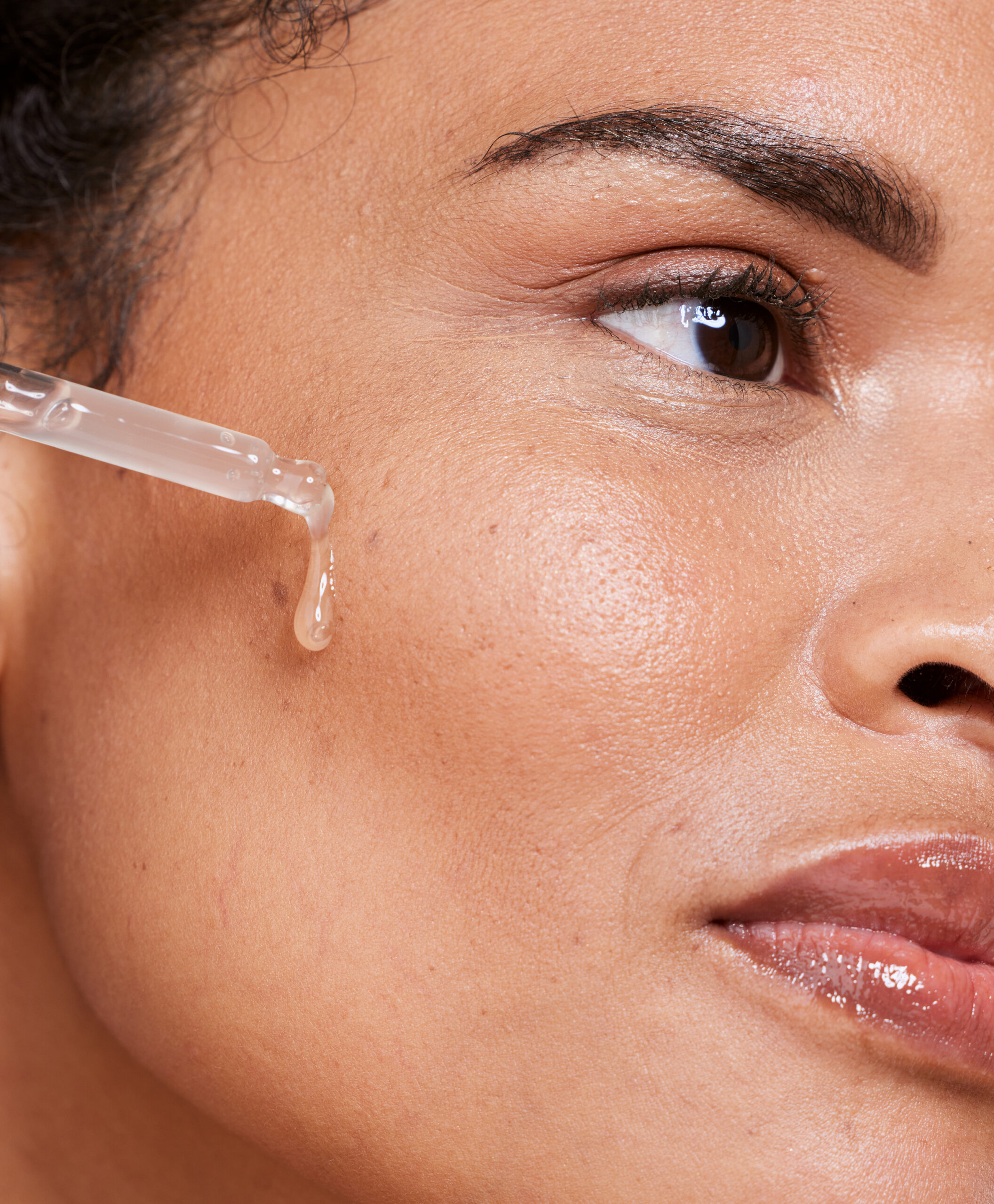
Not all skincare products have the same effect on the skin. And you certainly don’t need all of them. Some stimulate the machinery that produces collagen. Others protect the existing collagen.
Here are some ingredients you can incorporate into your skincare routine, but don’t forget that you don’t have to overload it with too many products.
Vitamin C
Vitamin C is very important for healthy skin. It is one of the few topical ingredients with robust evidence behind it.
Vitamin C is a required cofactor for collagen synthesis. It also neutralizes oxidants from sun exposure and pollution before they can degrade elastin, as confirmed by scientists Juliet M Pullar, Anitra C Carr, and Margreet C M Vissers.
Look for L-ascorbic acid at 10-20% concentration in a stable, airtight formula. Apply in the morning under sunscreen for maximum effect.
Retinol and Retinoids
Retinol (and its prescription-strength counterpart tretinoin) is the most studied anti-aging topical ingredient for the skin. It works by increasing cell turnover, clearing dead skin cells, and directly stimulating fibroblasts to produce more collagen.
If you’ve never used retinol before, start with a low concentration and increase gradually to avoid irritation. Also, use it at night, as retinol breaks down in sunlight. You won’t see results overnight, though, as it takes time for it to cause visible changes.
Hyaluronic Acid
Hyaluronic acid doesn’t directly stimulate collagen production. But it does play a critical role in keeping the dermal environment hydrated and healthy, thus supporting overall skin structure. It’s a naturally occurring molecule in the skin that holds water. As the skin ages, hyaluronic acid levels drop, reducing skin hydration and making the skin look more lined and lax.
There are topical hyaluronic acid products and injectable hyaluronic acid fillers. Topical products will never be as effective as injectable fillers, but they’re excellent moisturizers and thus perfect for those with dry skin. But if you need that visible plump-skin effect that will improve volume loss, injectable hyaluronic acid fillers might be a better choice.
Niacinamide
Niacinamide (vitamin B3) supports your skin’s ability to retain moisture, strengthens the skin barrier, and may reduce pigmentation. While it doesn’t directly rebuild collagen, it reduces oxidative stress and keeps the skin environment stable, which matters for long-term overall skin health.
3. Collagen Supplements: Do They Really Work?
Collagen supplements are one of the most searched topics in skin care. The evidence is undoubtedly interesting, but there are some important things to keep in mind if you want to take collagen supplements specifically for improving your skin’s elasticity. Let’s take things step by step.
Oral hydrolyzed collagen is collagen broken down into smaller peptides through a process called hydrolysis. This makes it absorbable through the gut. The theory is that these peptides can travel to the skin and signal fibroblasts to produce collagen.
The tricky part is that you cannot signal your body to direct the peptides directly into the skin. Collagen is everywhere in your body. It not only provides strength and elasticity to your skin, but also does the same for the bones, tendons, ligaments, and cartilage. So, the peptides you’re supplementing your body with can go anywhere your body needs them, which also includes the skin.
In other words, you cannot direct collagen peptides exclusively to the skin. But randomized trials still suggest that daily hydrolyzed collagen can modestly improve skin hydration and elasticity over several months.
Topical collagen supplements, like creams and serums containing collagen, are a different story. Collagen molecules are too large to penetrate the skin barrier. They can temporarily improve the surface feel and skin hydration, but they won’t reach the dermis where actual structural changes happen. Ingredients like retinol and peptides, which stimulate your skin to produce its own collagen, are more effective.

4. Lifestyle Factors That Make or Break Your Skin
No topical product can outperform a consistently poor lifestyle. These habits have a direct and measurable impact on skin health:
- Sleep, sleep, sleep. Your body repairs skin at night, and collagen synthesis peaks during sleep. Chronic sleep deprivation raises cortisol, which breaks down existing collagen. Aim for 7-9 hours of sleep.
- Regular movement increases blood flow to skin cells, delivering oxygen and nutrients while clearing waste. Strength training, in particular, improves blood flow and can increase dermal collagen content, helping the skin look firmer.
- Hydration affects how firm and plump your skin looks. Drinking enough water won’t replace topical moisturizers, but your skin might look dehydrated, and those fine lines will be more noticeable.
- Smoking reduces blood flow to the skin, depletes vitamin C (which is essential for collagen production), and introduces thousands of free radicals with each cigarette, all of which affect skin elasticity.
- Diet and sugar. Excess sugar triggers a process called glycation, which stiffens and damages collagen fibers. A healthy diet rich in antioxidants, lean protein, and omega-3 fatty acids directly supports collagen and elastin integrity. Focus on eggs, bone broth, leafy greens, fish, and citrus fruits.
- Chronically elevated cortisol literally breaks down collagen. Yoga, meditation, time spent outside: any reliable way you manage stress has a measurable effect on your skin over time.
How to Improve Skin Elasticity: Professional Treatments
When lifestyle and topical options have gone as far as they can go, professional treatments can deliver more significant structural change. Here’s a breakdown of the main options.
1. Chemical Peels
Chemical peels remove the outermost layers of the skin, stimulating cell renewal and increasing collagen production in the process for a more youthful skin. Superficial peels (using glycolic or lactic acid) improve skin tone and texture with minimal downtime. Medium-depth peels reach deeper into the skin and offer more noticeable results for sagging skin and wrinkles.
Chemical peels are often combined with other treatments to enhance overall results. They’re particularly effective at clearing dead skin cells and improving absorption of topical ingredients.
What to expect:
- Recommended for surface texture, sun damage, and skin tone
- Superficial peels can be done in 30-60 minutes with less downtime; medium peels require more downtime
- Strict sun avoidance is absolutely mandatory while the skin heals
- The skin will feel tight and dry before it begins to flake or peel
- Expect to see significant improvements in surface-level texture rather than improvements in deep structural sagging
2. Laser Resurfacing
Laser resurfacing, both ablative and non-ablative, works by creating controlled micro-injuries in the skin. This triggers the body’s natural healing response that includes new collagen production. This effect is backed up by scientific evidence. For example, in their study, Borges et al. confirmed that fractional laser resurfacing promotes new collagen formation (neocollagenesis) and improves skin aging at the tissue level.
Results can be significant, particularly for the face and neck. But laser resurfacing is associated with significant downtime. Ablative lasers, for instance, can require several weeks for complete healing, sometimes even more. Non-ablative lasers are milder, though, and require just a few days of downtime, but the results aren’t that dramatic. More sessions are required with non-ablative lasers. Laser resurfacing is best for candidates with specific concerns like reducing wrinkles, sun damage, or uneven texture.
What to expect:
- Might be recommended for texture issues, scars, or sun damage
- Aggressive CO2 laser procedures may require several weeks for complete healing
- Non-ablative lasers heat the skin and have milder effects, but this also means that they require more treatments
- Results can last several years, but maintenance sessions might be required to maintain the results
- Collagen remodeling continues for months after the treatment is finished
3. Nitrogen Plasma Technology
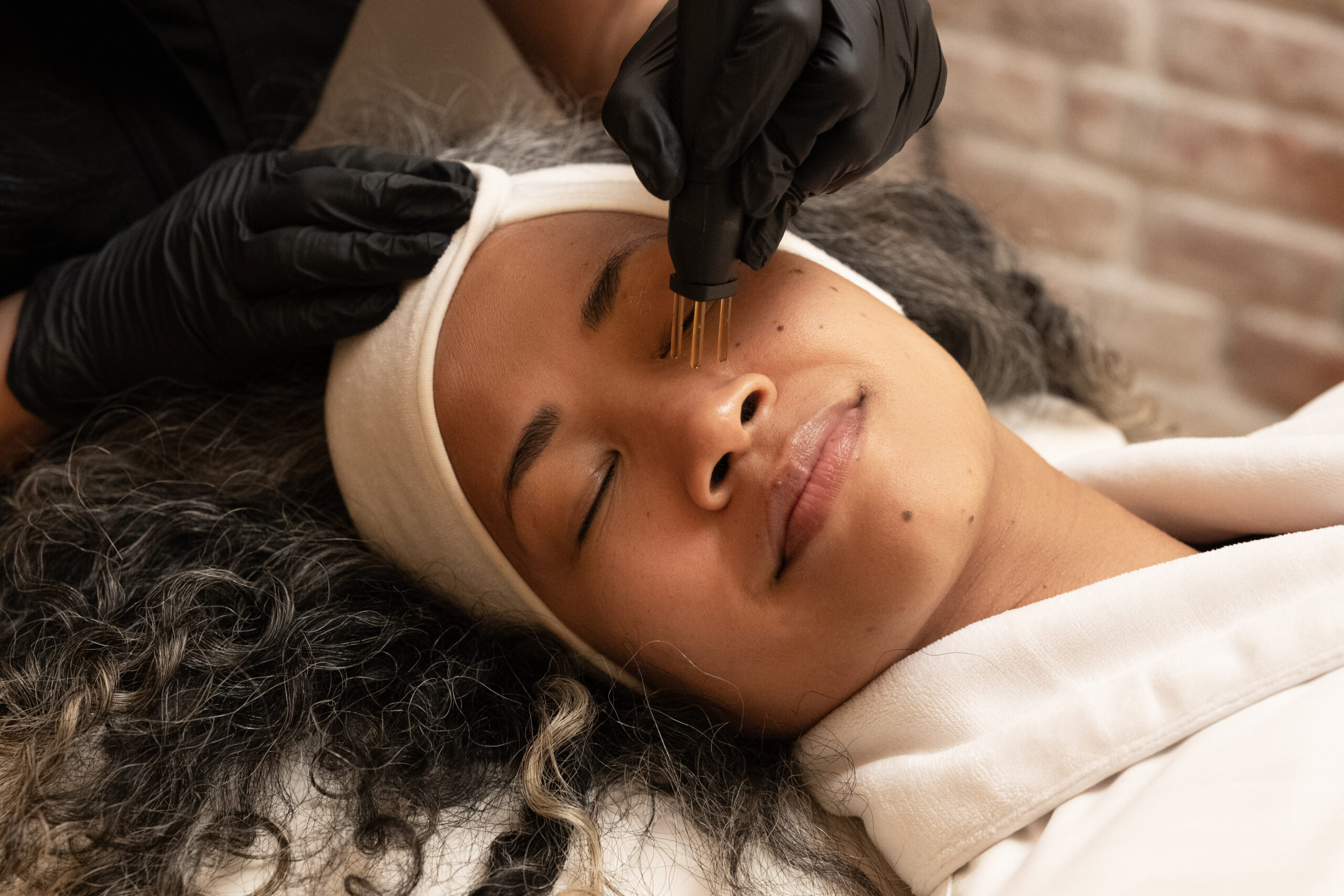
Nitrogen plasma technology converts medical-grade nitrogen gas into plasma energy. That plasma energy is then delivered to the skin in controlled pulses. This thermal energy heats the skin architecture but doesn’t create an open wound at the time of treatment (unlike ablative lasers, for example). It triggers fibroblast activity and new collagen production, as well as improves the quality of elastic fibers, thus preserving skin elasticity.
Nitrogen plasma can help improve skin elasticity, thickness, and density. It can also help tighten lax skin. Neogen is FDA-cleared for multiple indications, such as facial and non-facial wrinkles, acne scarring, seborrheic keratoses, and viral papillomas, which reflects its combined resurfacing and regenerative effects.
What to expect:
- Energy levels can be tailored depending on goal and downtime preferences
- Low-energy procedures have 1-3 days of downtime; high-energy procedures have 3-7+ days of downtime
- Improvements can be noticed gradually over weeks/months
- Strict photoprotection is important during healing
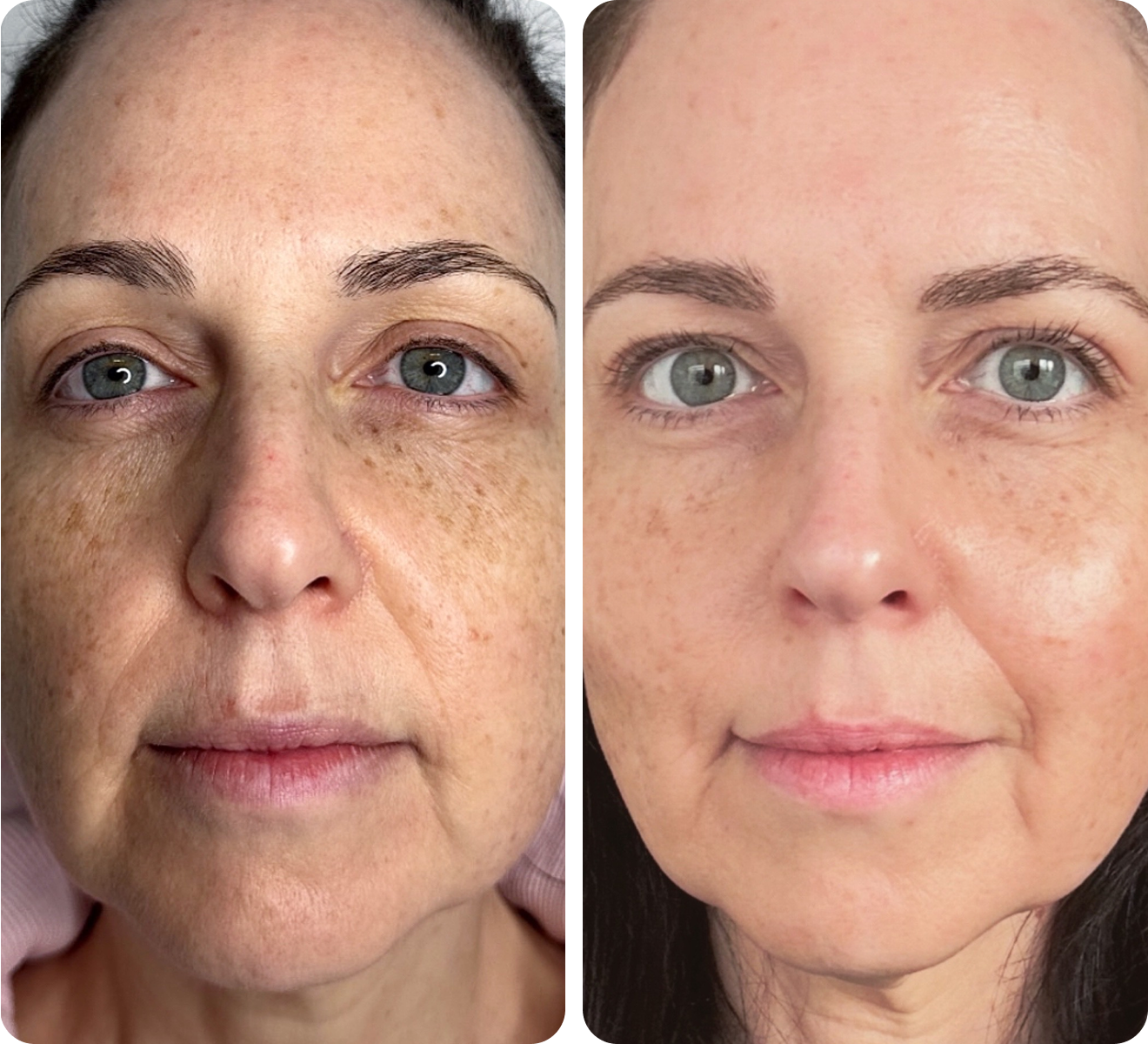
2 Weeks after 1 medium energy treatment with Neogen. Courtesy of Plasmatology.
4. Platelet-Rich Plasma (PRP)
Platelet-rich plasma therapy involves drawing a small amount of your blood, concentrating the platelets, and injecting the platelet-rich plasma back into the skin. Platelets contain growth factors that trigger collagen production and accelerate tissue repair. The effects of PRP on the body have been extensively studied. For example, in this 2018 study, Aust et al. found that PRP supports skin rejuvenation and improves elasticity in the lower eyelid area.
PRP may work particularly well combined with microneedling or other treatments that open micro-channels in the skin for better absorption.
What to expect:
- You must be hydrated and must have eaten beforehand to prevent feeling lightheaded, as the procedure involves a blood draw
- May cause some swelling, bruising, and pain at first
- 3-6 sessions are usually needed, spaced 4-6 weeks apart
5. Microneedling and RF Microneedling
Microneedling uses fine needles to create thousands of tiny punctures in the skin. This triggers a wound healing response that stimulates collagen synthesis and elastin production. It’s well-tolerated on all skin types and effective for improving skin elasticity, texture, and firmness. Results build over a series of sessions, typically 3-6.
RF microneedling is a skin tightening procedure that combines fine needles with radiofrequency (see more about it below). This triggers an even stronger wound healing response and thus a stronger collagen production process.
What to expect:
- Might be recommended for crepey skin on both face and body, scars, stretch marks
- 3-4 sessions spaced approximately 4-6 weeks apart
- Results appear gradually over several months
- New collagen production continues between sessions
- Downtime is usually a few days of redness and mild swelling
6. Radiofrequency Skin Tightening
Radiofrequency is among the most evidence-backed non-invasive approaches for improving skin elasticity and reducing sagging skin. A 2024 study authored by Shin et al. confirmed that skin laxity in the jowls and nasolabial folds improved significantly 12 weeks after a single monopolar RF treatment in 20 patients. This is just one of the multitude of available studies on the effect of RF on the skin.
RF energy penetrates into the dermis and generates heat, which does two things:
- Causes immediate contraction of existing collagen fibers
- Triggers a healing response that produces new collagen and elastin over the weeks following treatment
What to expect:
- Little to no downtime
- 4-6 treatments are required, usually spaced one week apart
- Feels like a hot stone massage for the face, usually relaxing and painless
- Collagen production continues for months after the treatment is finished
7. Ultrasound
Ultrasound therapy uses ultrasound beams that deliver heat into the deeper skin layers. Like in the case of radiofrequency, this causes an immediate contraction of existing collagen and the long-term production of new collagen fibers.
Ultrasound is often recommended for people with skin laxity, such as sagging skin under the chin or a drooping brow.
What to expect:
- A stinging sensation during treatment; some clients consider this procedure uncomfortable
- Typically, no downtime, though the skin may look flushed for an hour or two
- Real changes are visible 3-6 months after the procedure
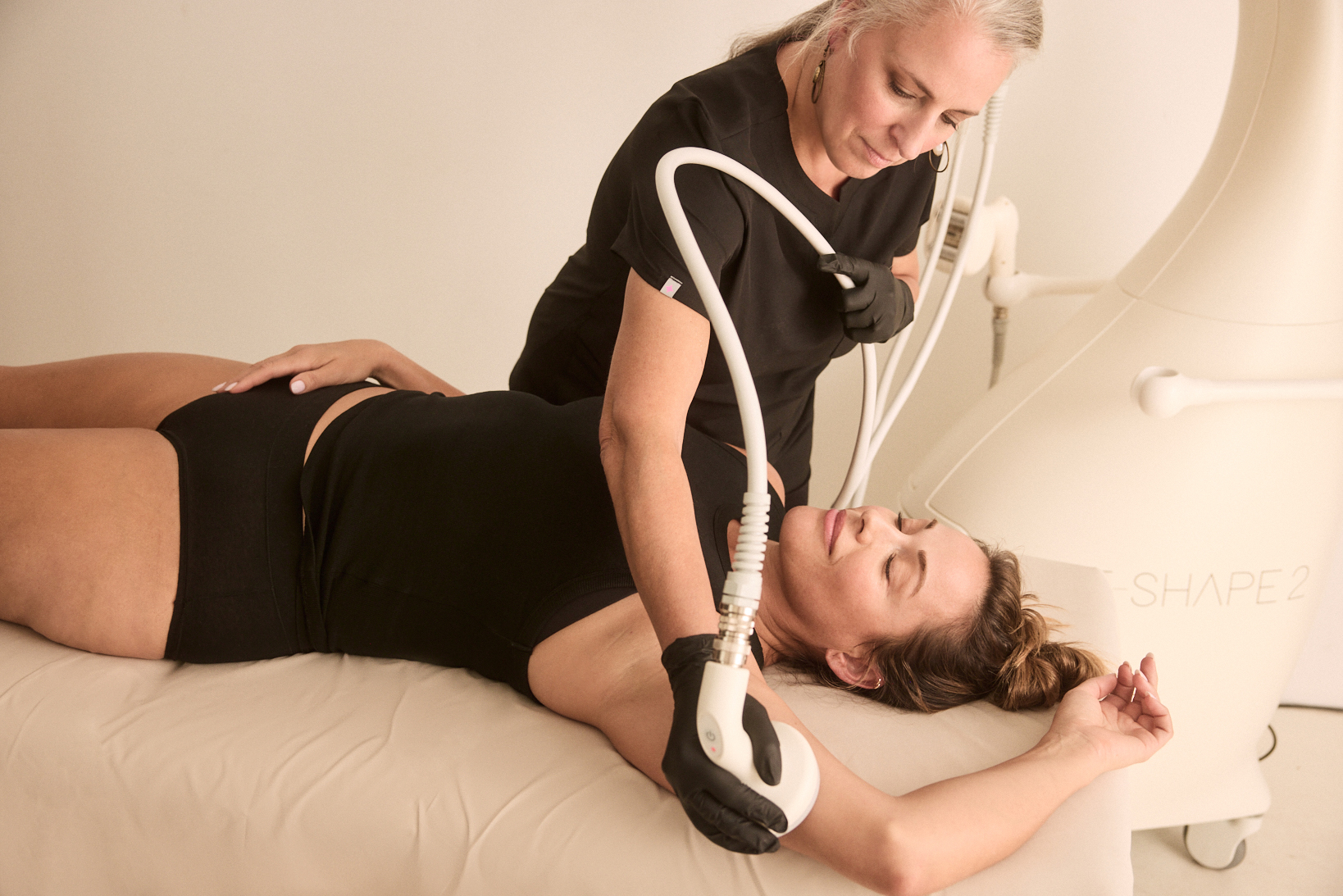
The T-Shape 2: When You Want All of the Above in One Treatment
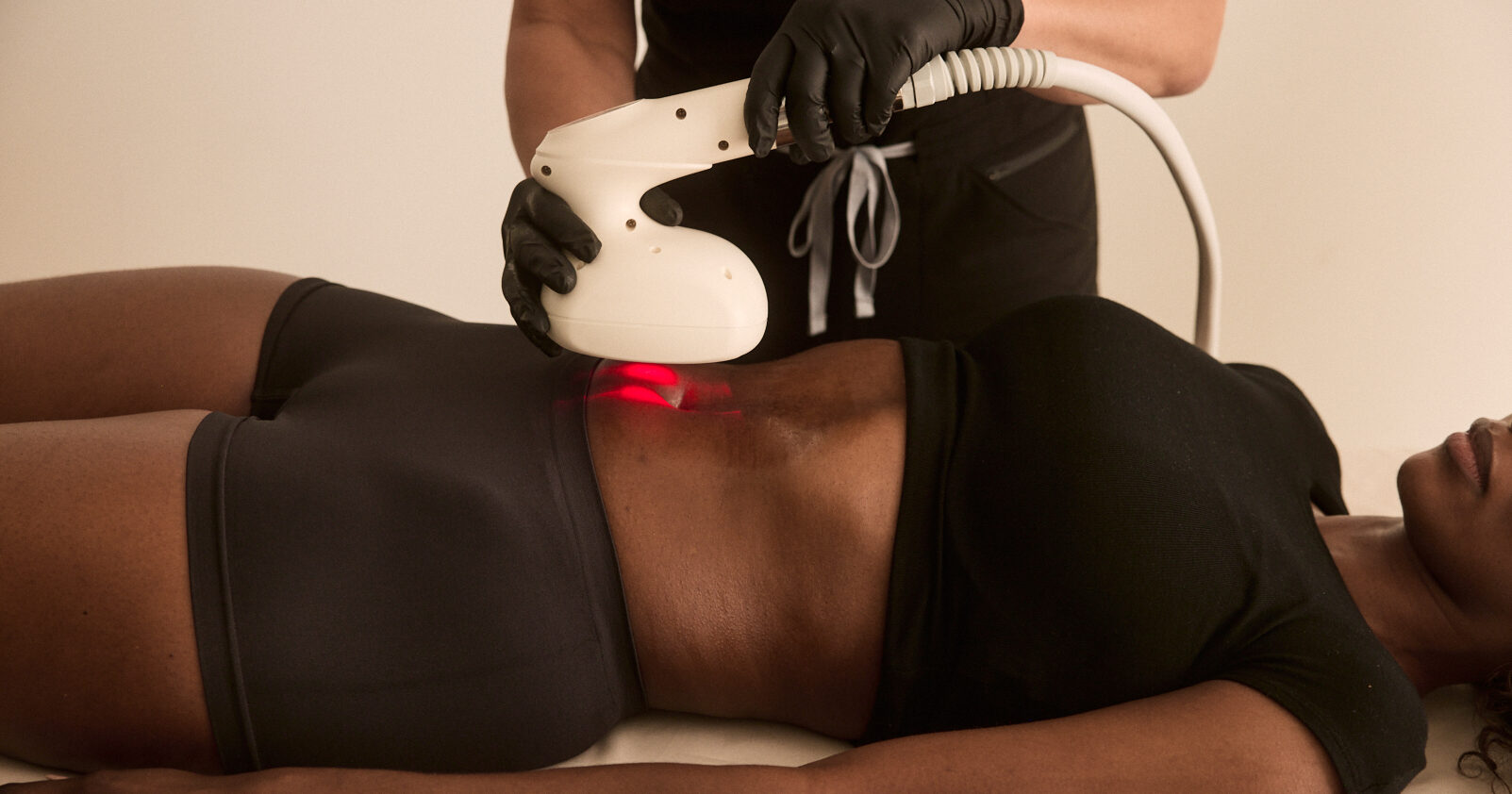
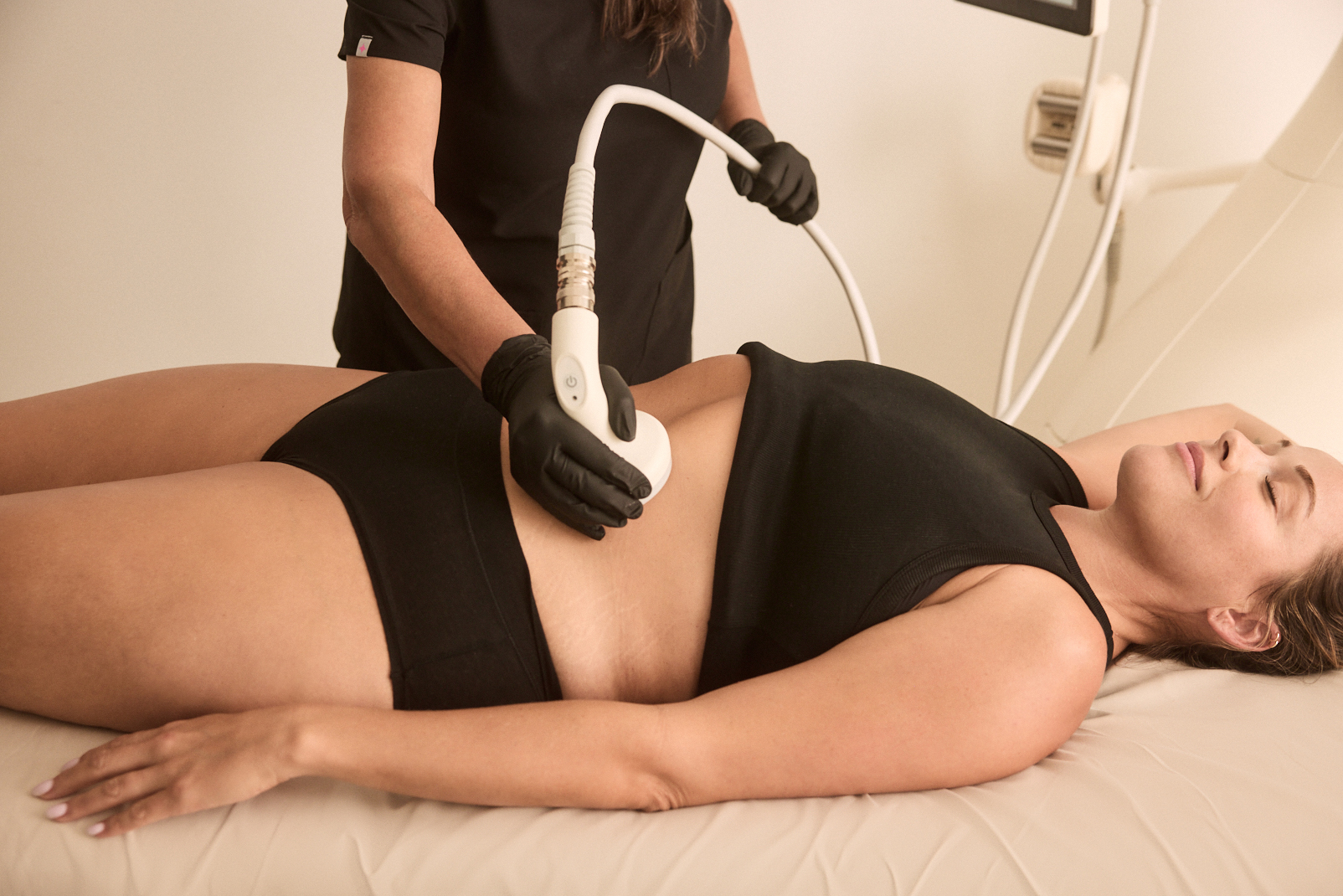
Most professional approaches target one mechanism at a time. The T-Shape 2 works differently. It combines four technologies in a single device, allowing providers to address skin elasticity loss, body contouring, skin tightening, and cellulite reduction at the same time. It is recommended for both the face and the body. Here are the four technologies incorporated into T-Shape 2:
| Technology | Mechanism | Benefit for skin elasticity |
| Bipolar Radiofrequency | Heats dermis to stimulate collagen and elastin remodeling | Helps firm sagging skin and improve skin tone |
| Low-Level Laser Therapy (LLLT) | Cellular stimulation and collagen remodeling | Helps support skin quality and health and improve metabolism |
| Endodermic Massage with Vacuum Suction | Mobilises subcutaneous tissue, enhances blood flow | Helps reduce cellulite and support lymphatic drainage |
| Mesospheric Activation | Mechanical massage that assists lymphatic drainage | Helps reduce fluid retention, promote tissue health, and tone underlying muscles |
These technologies work together or independently, so providers can customize each session based on the client’s specific concerns.
What Does the Clinical Data Show?
Clinically proven T-Shape 2 results include:
- An 80% improvement rate among clients
- A 10% improvement in skin tone and laxity
- A 23% increase in muscle tissue-to-fat ratio
- An average 2 cm reduction in abdominal circumference after 10 treatments
- A 14% increase in rectus abdominis muscle tissue thickness after 10 sessions
Sessions typically last 20-60 minutes, feel like a warm deep-tissue massage, and require no downtime. Most clients notice visible improvements in skin tone and firmness after just a few sessions, with optimal results after 6-10 treatments.
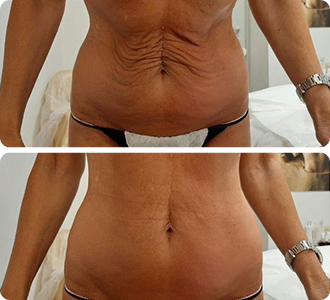
Before and after 3 skin-tightening treatments on the abdomen with T-Shape 2.
Who Is It For?
The T-Shape 2 is a strong option for people who:
- Are at or close to their ideal weight but are dealing with loose skin or reduced firmness
- Want to address mild sagging skin without surgery or downtime
- Are recovering from significant weight loss, including post-GLP-1 changes
- Want a single treatment that addresses skin tightening, body contouring, and circulation at once
Tips on Building Your Skin Elasticity Routine
You don’t need to do everything at once. Start with the foundations, then layer in treatments as needed.
Daily habits (non-negotiable):
- Vitamin C serum in the morning
- Broad-spectrum SPF every morning
- Retinol or retinoid at night (start slow)
- Hyaluronic acid + moisturiser to support skin hydration
- 7-9 hours of sleep
- 8-12 glasses of water daily (more or less, depending on personal body needs)
Weekly or regular additions:
- Strength training to support blood flow and muscle tone under the skin
- A diet rich in collagen-supporting foods: bone broth, fish, citrus, leafy greens
- Consider collagen supplements
Professional treatments (when you’re ready to go further):
- Chemical peels for texture, tone, and dead skin cell clearance
- Nitrogen plasma skin regeneration or microneedling for deeper collagen stimulation
- Radiofrequency-based treatments like the T-Shape 2 for targeted skin tightening and firming
- Hormone replacement therapy (sometimes recommended for women)
If you do decide to try a professional treatment, never schedule a procedure before talking to a professional. If they advise you that you might be a good candidate, make sure that the professional performing the procedure has the necessary credentials and has extensive experience in performing that specific procedure.
While aesthetic procedures are considered safe for most people, misuse of technologies can lead to side effects, which is why it’s so important to work with experienced professionals.
FAQ
How to improve skin elasticity on the face?
To improve skin elasticity on the face, use daily broad‑spectrum sunscreen, a topical retinoid and vitamin C, plus a well-formulated moisturizer, and avoid smoking and excessive sun exposure. Professional treatments like nitrogen plasma, microneedling, radiofrequency, T-Shape 2, and lasers can further boost collagen and elasticity if skincare alone is not enough.
How to improve skin elasticity after weight loss?
To improve skin elasticity after weight loss, focus on slow, stable weight maintenance and prioritize adequate protein intake, hydration, and strength training to build muscle under the skin. For persistent laxity, you can inquire about non‑surgical tightening (RF, ultrasound, lasers).
How to improve skin elasticity on legs?
To improve skin elasticity on legs, combine regular exercise, moisturizing, and sun protection with in‑clinic treatments such as T-Shape 2, which can help boost collagen production, tighten skin, and reduce cellulite.
Can saggy skin tighten back up?
Mild sagging can improve somewhat on its own, especially in younger people or after small, gradual weight loss. If we’re talking about moderate to severe sagging, large or rapid weight loss, and older age, in this case, the skin will not fully tighten without professional help.
What vitamin deficiency causes sagging skin?
Vitamin C deficiency is often linked to sagging because it impairs collagen production, but vitamin C deficiency doesn’t automatically cause your skin to sag, as this process depends on multiple factors, like inadequate protein intake, low levels of other nutrients like vitamin E and zinc, genetics, lifestyle habits, and others.
How can I tighten my skin naturally?
To tighten your skin naturally, prioritize a protein- and antioxidant‑rich diet (especially vitamin C), stay well hydrated, exercise regularly, and protect your skin from UV and smoking.
Can lifestyle changes alone improve skin elasticity?
Yes, particularly if started early. Consistent sun protection, adequate sleep, hydration, a healthy diet, and avoiding smoking can meaningfully slow skin elasticity loss over time. For reversing existing laxity, professional treatments typically deliver faster and more significant results.