If you’ve noticed some loose skin on your face or body and are wondering whether there’s a non-invasive way to improve it, you’re not alone. We’ve all been there. After 25, collagen production naturally slows down. At this point, people might start getting some loose skin. Luckily, with so many modern technologies available, there are many ways to improve your skin’s appearance.
This article will help you understand what non-surgical skin-tightening implies, what technologies are used, and whether it’s a good option for you or not.
Disclaimer: This article is provided for informational and educational purposes only. The information presented here is not a substitute for professional medical evaluation, consultation, or care and should not be relied upon to make health-related decisions. Always consult a qualified and licensed medical or aesthetic professional before undergoing any cosmetic or aesthetic procedure.
Quick Facts: Non-Surgical Skin Tightening
- Non-surgical skin tightening devices deliver controlled heat or micro-stimulation into the skin to trigger collagen contraction and new collagen production over time.
- Radiofrequency (RF), ultrasound, laser, microneedling, plasma devices, and combination systems are among the most popular non-surgical skin tightening technologies.
- Non-surgical skin tightening is best for people who have mild to moderate skin laxity. It is not designed for severe excess skin or dramatic lifting.
- Results vary depending on age, skin quality, lifestyle, and the technology used. Non-surgical skin tightening does not stop aging and does not replace surgery for advanced skin laxity.

Why Does Skin Get Loose?
It starts in our mid 20s – our skin loses more and more of its ability to produce collagen and elastin. These are the structural proteins that keep our skin firm. The skin’s ability to produce them is further reduced by sun exposure, smoking, and losing a lot of weight.
The Skin’s Structure
The dermis, the middle layer of your skin, primarily consists of two things:
- Fibroblasts, which are responsible for the synthesis of collagen fibers, elastic fibers, and amorphous matrix proteins
- Extracellular matrix (ECM), where the proteins mentioned above are stored
Over time…
- The fibroblasts slow down, and they stop synthesizing as much collagen.
- Sun damage and oxidative stress cause the existing collagen to break down faster.
- The collagen fibrils become more fragmented and disorganized.
How to Reduce Skin Laxity?
Skin laxity can be improved, especially if it’s mild. Just adopting some healthy lifestyle habits like quitting smoking, eating well, getting a bit of exercise, getting enough sleep, and maybe even taking some supplements to give your skin a bit of a boost can really help preserve your skin health.
But many people also go for non-surgical skin tightening procedures, especially in the case of:
- Loose skin on the abdomen, upper arms, and thighs after losing weight
- Mild jowls and nasolabial folds appearing in your 30s through 50s
- Crepey skin on the knees, décolletage, and back of hands
- Loss of jawline definition and neck skin sagging
- Fine lines and skin texture changes from skin aging
How Does Non-Surgical Skin Tightening Work?
Most non-surgical skin tightening procedures have a similar biological effect on the skin:
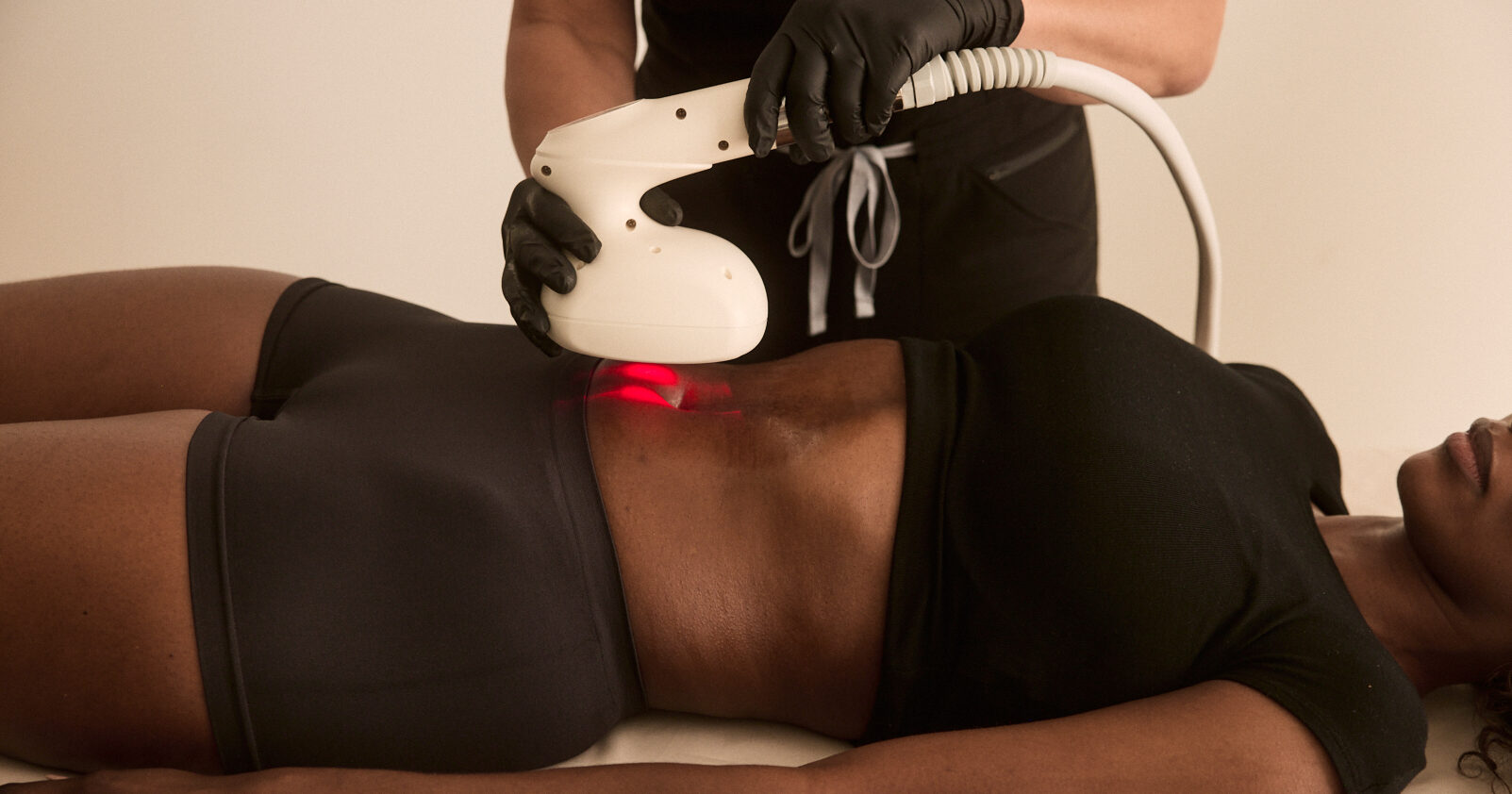
- The devices used for the procedures deliver controlled heat to the dermis or deeper structures.
- This causes the existing collagen fibers to contract. The collagen fibers reorganize and contract into more tightly arranged forms.
- The heat triggers a wound-healing response, which stimulates neocollagenesis (the body’s natural process of producing collagen) by stimulating fibroblast activity.
- This remodeling process continues over several weeks to months after the procedure takes place.
Researchers call this “controlled micro-stress” – just enough energy to get the body’s repair systems going without causing any damage to the surface.
Non-surgical skin tightening is a good option for people who want to see some results with minimal downtime. These methods are generally less invasive and have lower risks of complications compared to surgical interventions.
Types of Non-Surgical Skin Tightening Procedures
The main types of non-surgical skin-tightening procedures are:
- Ultrasound skin tightening
- Radiofrequency
- Laser
- Plasma/fibroblast devices
- Microneedling/RF Microneedling
Ultrasound Skin Tightening
These devices deliver concentrated beams of ultrasound energy to up to 5 mm deep into the skin. The tech used depends on how deep into the skin the waves need to enter – devices with higher frequencies are good for superficial tissues (neck and eyebrows), while devices with lower frequencies are better for deeper tissues (cheeks, for example). An example is the Ultherapy device – a HIFU device often used for the neck, brow, and chin.
Ultrasound skin tightening is often used for:
- Lifting the brow and reducing the hooded appearance
- Contouring and defining the jawline
- Firming the under-chin and neck skin
- Smoothing horizontal wrinkles on the upper chest (décolletage)
Session details:
- Session length: 45-90 minutes, depending on areas treated
- How many sessions: usually 1 main session with optional touch-ups at 12-18 months
- Sensation during treatment: slight numbness, mild tightness
- Downtime: minimal to none
Possible side effects:
- Brief periods of temporary redness, a bit of swelling that might last a few days
- Tenderness and tingling in treated areas
- Slight bruising
Combined Technologies: T-Shape 2
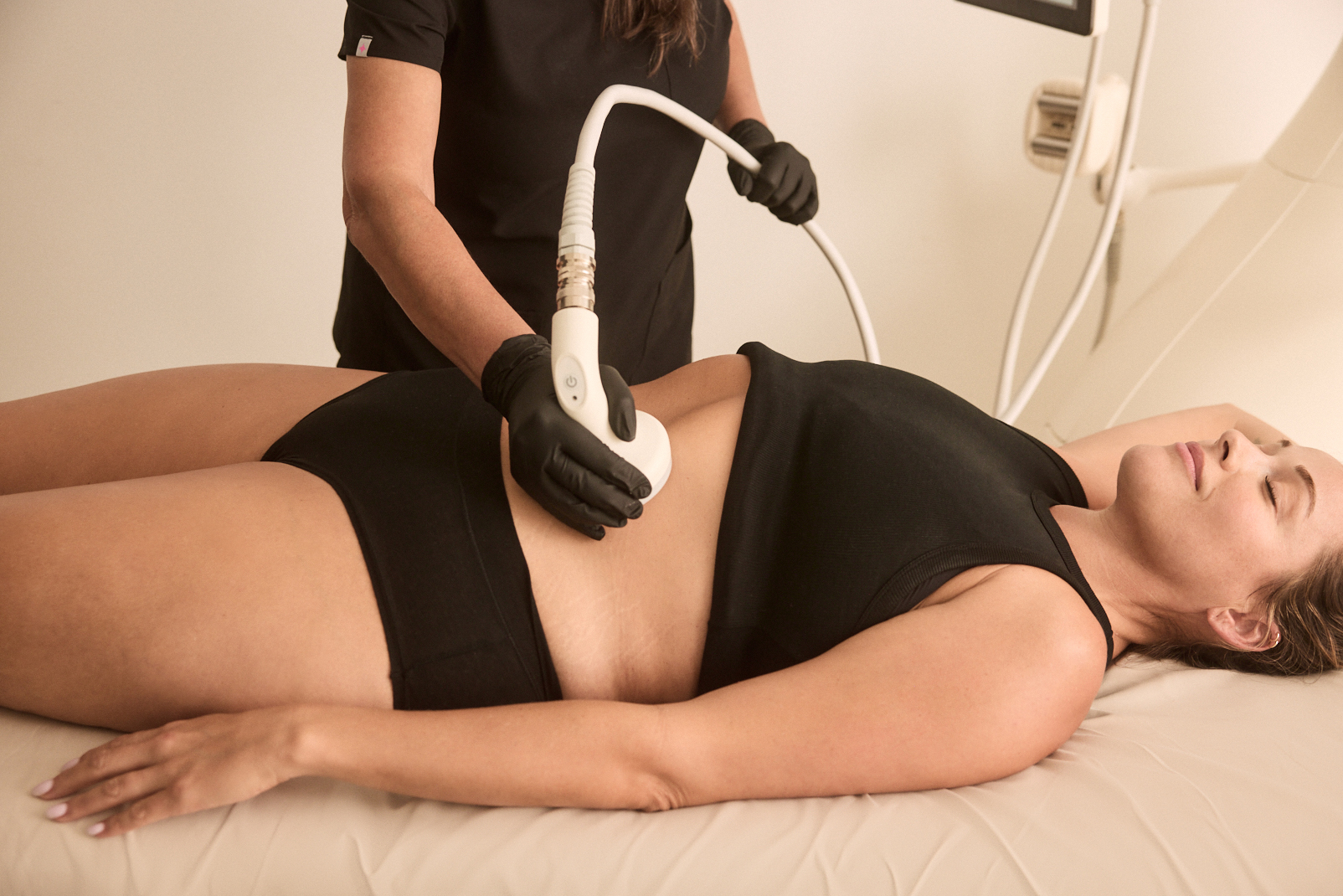
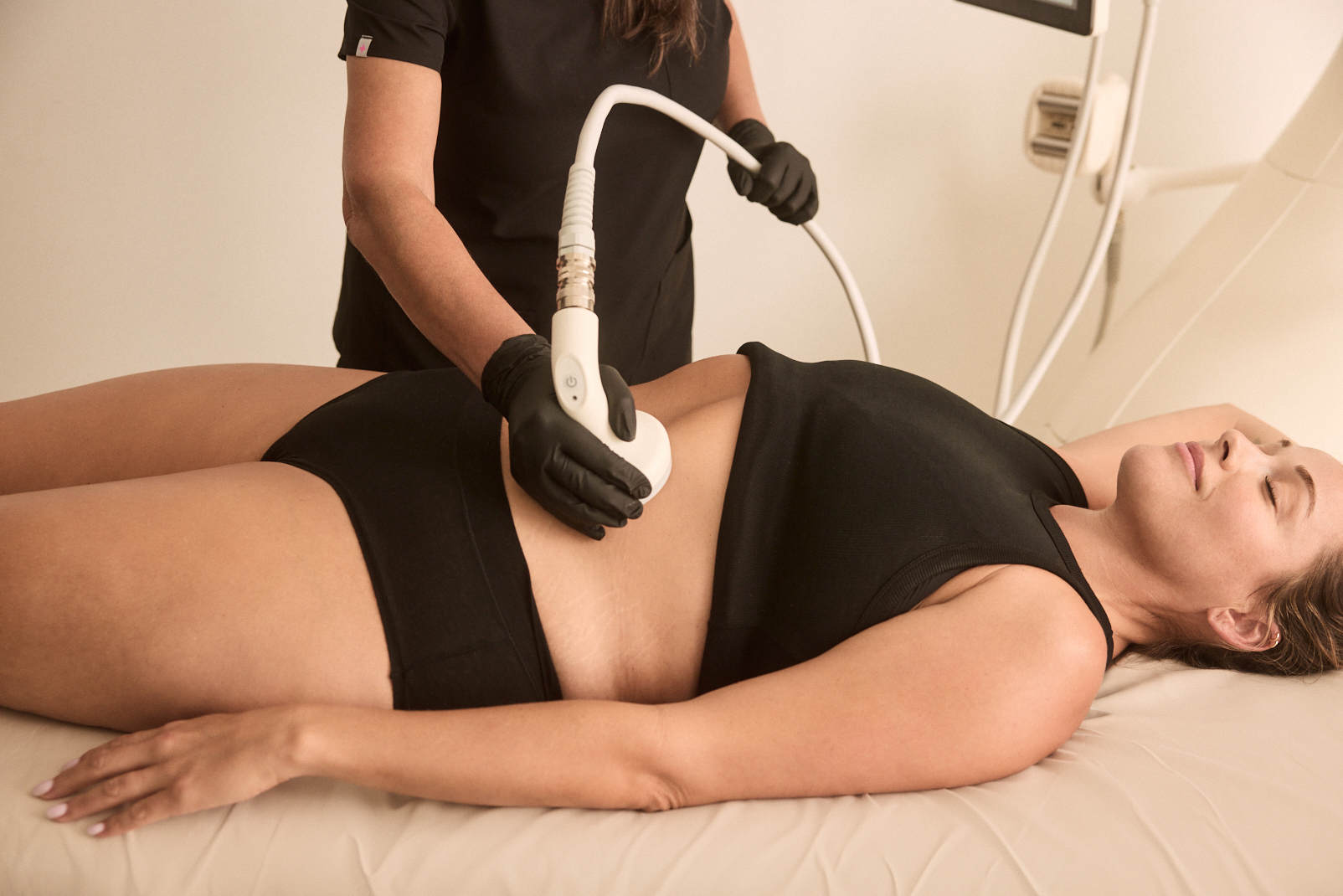
The T-Shape 2 device is praised in the industry for its multi-technology approach. It does not rely on just one form of energy. The device integrates multiple mechanisms that can help tighten skin, support circulation, and improve overall tissue quality.
The technologies incorporated into the T-Shape 2 system include:
- Low-Level Laser Therapy (LLLT): Delivers low-intensity laser energy that can help support cellular activity and enhance microcirculation
- Bipolar Radiofrequency (RF): Uses controlled thermal energy to warm deeper skin layers, which can help encourage collagen and elastin stimulation
- Vacuum-Assisted Endodermic Massage: Combines gentle suction with mechanical manipulation that can help mobilize tissue, promote blood flow, and support lymphatic drainage
- Mesospheric Activation: A special deep-tissue massage technique that’s designed to further stimulate circulation and assist lymphatic movement at deeper levels
T-Shape 2 Indications and Session Details
T-Shape 2 skin tightening procedures can be used for:
- Improving skin firmness and elasticity on the face and body
- Tightening mild to moderate skin laxity
- Enhancing overall skin tone and texture
- Improving the appearance of crepey or uneven-looking skin
- Promoting circulation and lymphatic drainage to reduce puffiness and fluid retention
Session details:
- Session length: typically 30-60 minutes, depending on the size and number of areas treated
- How many sessions: commonly performed as a series of 6-12 sessions spaced 1-2 weeks apart, with maintenance treatments as needed
- Sensation during treatment: generally comfortable; sensations may include warmth, gentle suction, and rhythmic massage
- Downtime: minimal to none; most people return to normal activities immediately
Possible side effects:
- Temporary redness or warmth in treated areas
- Mild swelling or tenderness that resolves within hours to a few days
- Occasional temporary bruising due to suction
- A transient feeling of tightness or sensitivity following treatment
Radiofrequency (RF) Skin Tightening
Radiofrequency uses electrical energy to heat deeper layers of tissue. T-Shape 2, Thermage, and Morpheus8 are popular devices that include radiofrequency.
Radiofrequency skin-tightening treatments are often used for:
- Facial tightening (cheeks, jawline, under-eye area, lower eyelids)
- Neck and submental (under-chin) firming
- Abdomen, thighs, and buttocks tightening
- Cellulite smoothing and skin texture improvement
Session details:
- Session length: 30-60 minutes per area
- How many sessions: between 4 and 8 sessions, spaced about 1-4 weeks apart
- Sensation during treatment: warmth, tingling
- Downtime: minimal to none
Possible side effects:
- Slight redness, swelling, and mild soreness lasting 24-72 hours

Laser Skin Tightening
Laser treatments use handheld lasers to send heat deep into the skin. This can help encourage new collagen growth and tighten the skin.
Laser skin tightening devices are broadly split into two categories: non-ablative lasers and ablative lasers.
- Ablative laser resurfacing (e.g., CO2 lasers) removes the outer layers of the skin and delivers light energy deep into the dermal layer; as your skin heals, a new skin layer grows.
- Non-ablative lasers heat the dermis but leave the outer skin layers intact.
Typical laser treatment are often used for:
- Ablative lasers: moderate to deep wrinkles and scars
- Non-ablative lasers: mild to moderate wrinkles and scars
Session details:
- Session length: 30-120 minutes per area
- How many sessions: 2-6 sessions
- Sensation during treatment: pain, discomfort, burning sensation for ablative lasers; minimal discomfort
- Downtime: several weeks for ablative lasers; minimal to no downtime for non-ablative lasers
Potential side effects:
- Ablative laser: high risk of dyspigmentation, swelling, itching, infections, and bruising, which can last longer
- Non-ablative laser: redness, swelling, soreness, which are typically mild and fade more quickly; might not be effective on tanned skin
Plasma or Fibroblast Skin Tightening
Plasma or fibroblast devices are essentially pen-like tools that create tiny controlled micro-injuries on the skin using plasma – a hot, gas-like substance. These devices stimulate the fibroblast cells in the deeper skin layer. This, in turn, triggers collagen production.
Fibroblast skin tightening can be used for:
- Upper and lower eyelids
- Smoker’s lines around the mouth
- Small wrinkles on the cheeks
- Localized crepey skin on the face or body
- Areas on the stomach, arms, or thighs
Session details:
- Session length: 30-180 minutes
- How many sessions: 2-3 sessions spaces 6-12 weeks apart
- Sensation during treatment: mild discomfort, heat, burning sensation
- Downtime: between a few days and up to one week, sometimes longer
Potential side effects:
- Infections, change in skin color, scarring, skin burns
Microneedling Skin Tightening
Microneedling uses a device that has fine, sterile needles. These needles create controlled micro-injuries in the skin. The needles can go 0.5-2.5 mm deep into the skin, depending on the treatment area and concern. These micro-channels can stimulate the body’s natural wound-healing response. This process promotes collagen and elastin production, which can lead to firmer and tighter skin over time.
RF microneedling is pretty popular too. Besides the mechanical micro-injuries delivered by the needles, RF microneedling also delivers RF heat into the dermis. RF microneedling stimulates collagen more effectively and can be used to treat deeper layers.
Microneedling for skin tightening can be used for:
- Keeping the skin firm and elastic
- Reducing fine lines and early wrinkles
- Tightening mild laxity on the facial and neck skin
- Enhancing texture and tone for a younger-looking skin
- Improving the appearance of enlarged pores
- Firming delicate areas such as under the eyes and around the mouth
Session details:
- Session length: 30-60 minutes, depending on areas treated
- How many sessions: typically a series of 2-6 sessions spaced 4-6 weeks apart, with maintenance treatments every 6-12 months
- Sensation during treatment: mild to moderate discomfort; tightness, warmth, or light stinging
- Downtime: minimal; redness usually subsides within 24-72 hours
Possible side effects:
- Temporary redness and warmth similar to a mild sunburn
- Mild swelling or tightness for 1–3 days
- Pinpoint bleeding during treatment
- Temporary dryness or flaking as the skin heals
Who Is a Good Candidate for Non-Surgical Skin Tightening?
Generally healthy adults who have maintained a stable weight for at least 6-12 months, don’t smoke heavily, and have mild to moderate laxity can usually benefit from non-surgical skin tightening procedures.
If your skin still has some elasticity, meaning it bounces back somewhat when pinched, you’re more likely to see good results. Younger patients in their late 20s through early 60s typically benefit the most from these procedures. Non-surgical treatments can also be recommended for people who experience premature skin aging.
Ultimately, the best way to find out if non-surgical skin tightening is right for you is to consult with an experienced cosmetic specialist.
Who Is not a Good Candidate for Non-Surgical Skin Tightening?
Non-surgical skin-tightening is usually not recommended for people with advanced skin laxity or very severe skin redundancy after major weight loss (over 100 pounds), as well as for people with certain skin conditions or pre-existing medical issues. Non-surgical skin tightening may also not be appropriate for people who are pregnant or are taking certain medications.
A face-to-face consultation with a qualified provider is essential to assess your skin quality, review any medications that might affect healing, and determine whether non-surgical options alone are likely to help.

Are Non-Surgical Skin Tightening Results Permanent?
Non-surgical skin tightening results are not permanent. However, they can be long-lasting when properly maintained.
While these procedures can deliver impressive firming and lifting effects without surgery, they work differently from surgical procedures. They can stimulate your body’s natural collagen production rather than physically repositioning tissue. Since this collagen continues to break down over time because of aging and environmental factors, periodic maintenance is necessary to preserve your investment.
Here’s how long the results typically last for different non-surgical skin tightening procedures:
| Procedure | Longevity of results |
| Ultrasound | 1-2 years |
| Radiofrequency | 1-2 years |
| Microneedling | 1-2 years |
| Plasma | 2 years |
| Laser | 1-3 years |
Timeline: When You’ll See Results Fade
Most people experience a predictable timeline of results:
- Months 1-3: You’ll see the best results and the maximum tightening effect.
- Months 3-6: The collagen remodeling keeps going, and the results start to plateau a bit.
- Months 6-12: The results will start to soften a bit as the new collagen breaks down.
- Months 12-24: The results will start to fade significantly – depending on the treatment type, of course.
- Beyond 24 months: Most people find that the results have faded to the point where they need to consider maintenance treatments.
How to Extend Results at Home
Your skin is affected by your lifestyle. You can adopt some healthy habits that can help preserve the effects of the non-surgical skin tightening procedure you’ve undergone. Here’s what you can do:
- Protect your skin from sun exposure every day, even if it’s cloudy.
- Drink enough water; it’s a must.
- Eat foods that are high in vitamin C, amino acids, and antioxidants.
- Use retinoids, vitamin C serums, or peptide-rich products as recommended by your provider to stimulate ongoing collagen production.
- Don’t smoke, as it really accelerates collagen breakdown.
- Keep your stress levels in check and get quality sleep (every night!).
How Much Does Non-Surgical Skin Tightening Cost?
Non-surgical skin tightening costs between $300 and $4,000 or more per session. Multiple treatments are usually required, so the final price depends on the technology used and on the number of sessions needed.
Here’s a quick breakdown of average non-surgical skin tightening costs based on the type of technology that is used:
| Procedure | Average Cost |
| Laser skin tightening | $700 – $3,000 |
| Ultrasound skin tightening | $1,000 – $4,000 |
| Radiofrequency skin tightening | $1,000 – $2,000 |
| Microneedling/RF Microneedling | $750 – $2,400 |
| Fibroblast skin tightening | $500 – $2,000 |
Finding a Suitable Provider for Non-Surgical Skin Tightening
Non-surgical skin rejuvenation procedures can produce pretty impressive results – but how well it works for you is almost entirely down to who does the treatment.
What to look for in a provider:
- Board certification in dermatology or plastic surgery
- Experience with the specific device/technology you want to benefit from
- Documented, device-specific training
- Experience in providing personalized assessments and treatment plans
- Before-and-after photos of patients with similar skin types and concerns
- Clear, honest discussion of realistic outcomes, alternatives, and what happens if you’re not satisfied
Questions to ask before booking:
- Who will actually perform the procedure?
- What supervision and emergency protocols exist if something goes wrong?
- How many treatments with this specific device have they performed?
- What results have they achieved for patients with similar concerns?
Ready to Try Non-Surgical Skin Tightening?
If you’d like to try non-surgical skin tightening, the T-Shape 2 might be a good place to start. Its combination of radiofrequency, low-level laser therapy, vacuum massage, and mesospheric activation allows you to address multiple skin concerns at once, with no downtime and a comfortable treatment experience.
Clinics and med spas across the US are offering T-Shape 2 sessions. Find a provider near you and book a consultation to see whether it’s the right fit for your skin!
Skin Tightening FAQs
Can non-surgical skin tightening help with weight-loss-related loose skin?
Non-surgical skin tightening can help with moderately loose skin after weight loss. Loose, excess skin after weight loss is a common concern for many, and if it is mild to moderate, non-surgical skin tightening like radiofrequency or ultrasound might be of help.
Are noninvasive skin tightening procedures safe for all skin types?
Some non-invasive skin-tightening procedures are safe for all skin types, while others pose risks. Always disclose your skin type and any history of pigmentation issues during consultation.
What is the best non-surgical procedure for skin tightening?
There is no best procedure for skin tightening. The most effective option depends on the area treated, the degree of skin laxity, and individual skin quality. Ultrasound therapy, radiofrequency facial rejuvenation, laser-based treatments, and RF microneedling can all be effective for mild to moderate laxity when appropriately selected and performed.
Can you really tighten loose skin without surgery?
Yes, non-surgical skin tightening can help firm sagging skin by stimulating collagen production. But the results are gradual and modest compared to surgery. These procedures work best for mild to moderate looseness and cannot remove large amounts of excess skin.
What tightens saggy skin naturally?
You can tighten saggy skin naturally by adopting healthy lifestyle habits: sun protection, not smoking, maintaining a stable weight, proper nutrition, and quality sleep. These measures cannot dramatically tighten sagging skin, but they can preserve skin elasticity and enhance the results of professional procedures. You can also use anti-aging skin care with hyaluronic acid and other products that can help sustain a firmer skin, although they cannot penetrate the skin deeply enough to produce long-term results.