CO2 laser usually comes up first when discussing skin resurfacing. It has a strong reputation for treating deep lines, age spots, scars, and sun damage. But it’s not for everyone. It’s not for every skin goal. It’s not for every skin type. And it also requires significant downtime.
If you’ve been looking into CO2 laser treatments but you think they are not suitable for you, you can choose a CO2 laser alternative. Nowadays, there are many technologies that can, in some cases, deliver similar results but with fewer side effects. In the following sections, we’ll explain why exactly CO2 laser is not suitable for everyone and then discuss some alternatives that might work for you.
Disclaimer: This article is provided for informational purposes only and is not a substitute for medical advice. Always consult a licensed healthcare or aesthetic professional before starting any treatment or procedure.
Key Facts: CO2 Laser Alternatives
- CO2 laser resurfacing is a treatment that uses fractional laser technology to remove damaged skin layer by layer.
- The CO2 laser treatment often involves significant downtime, including redness, peeling, and heightened sensitivity that can last days to weeks.
- CO2 alternative technologies, such as Erbium:YAG lasers, RF microneedling, non-ablative lasers, radiofrequency, ultrasound, and combination devices like T-Shape 2, can help improve texture, laxity, scars, and skin quality with less downtime.
Why Is CO2 Laser Not Suitable for Everyone?
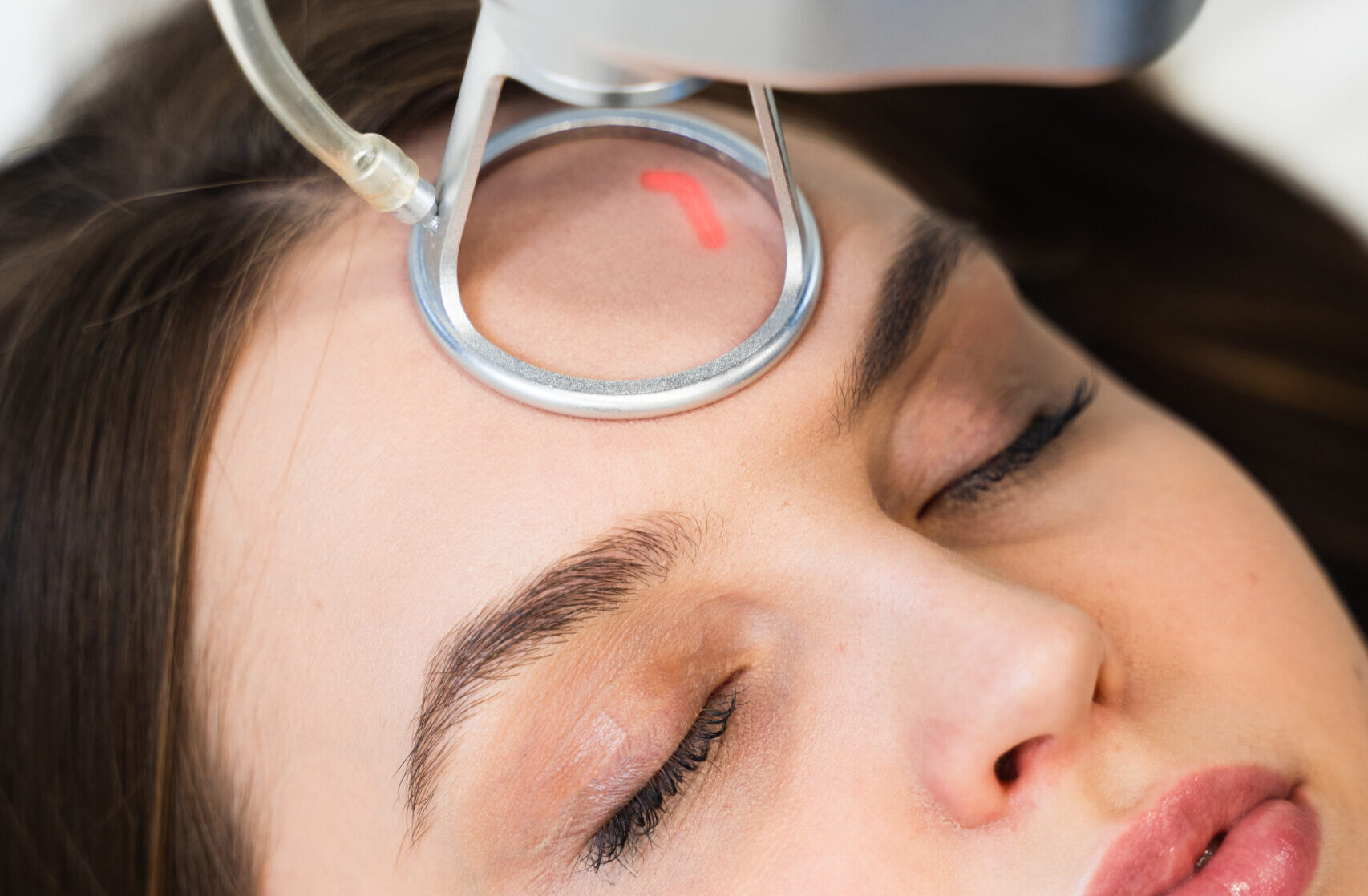
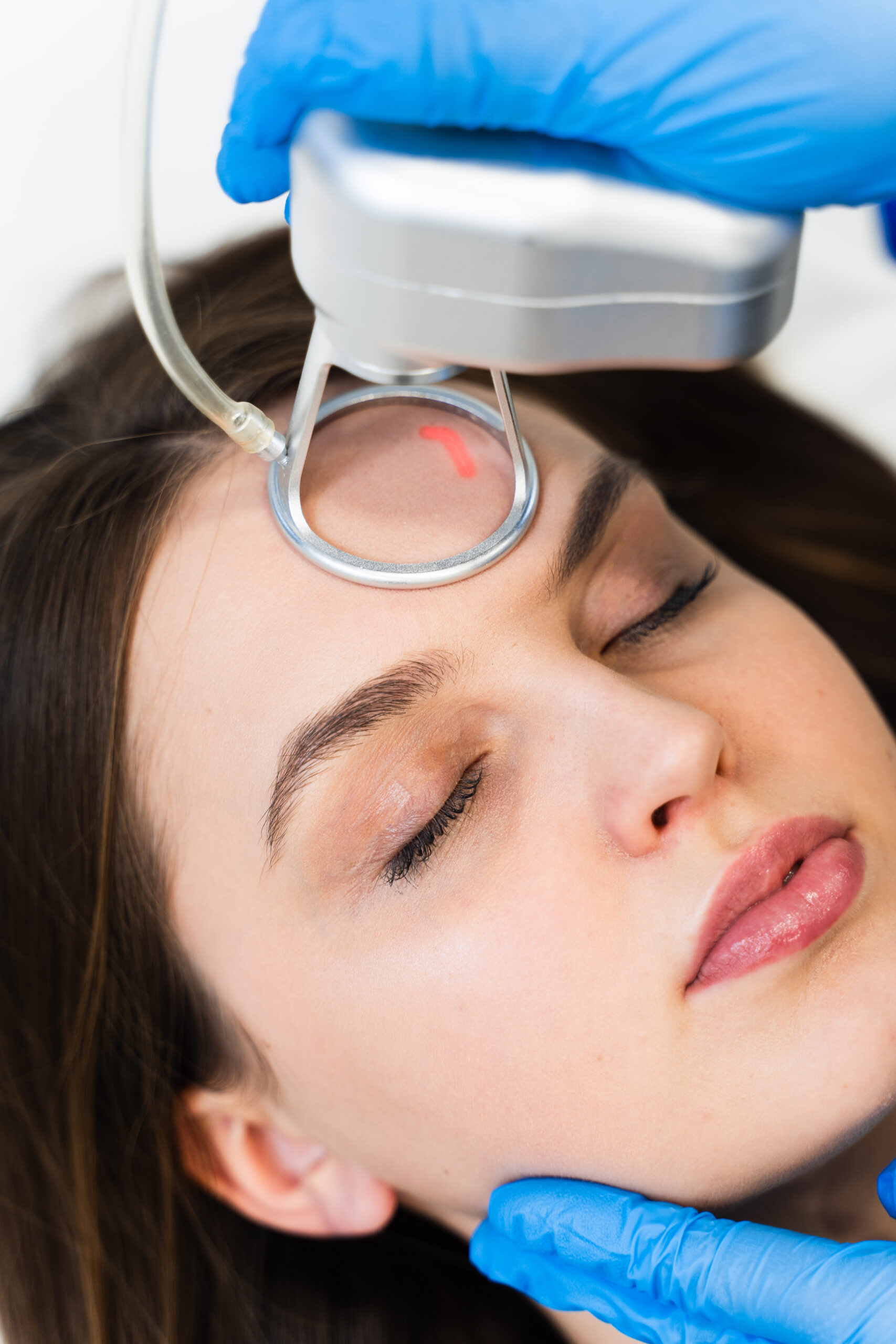
The CO2 laser is an ablative laser. That means it removes layers of skin using heat. This triggers strong collagen remodeling. But it also creates a controlled injury that is more severe than the controlled injury created by other technologies. Because ablative lasers vaporize tissue, they can lead to:
- Long downtime, as the laser treatment can cause redness, swelling, and peeling, which can take weeks to heal
- Risk of pigmentation issues, especially in darker skin tones
- Risk of issues if the skin is exposed to the sun, so you’d have to protect yourself until the skin is completely healed
- Higher risk of issues for people with sensitive skin
- Higher risk of side effects compared to other laser treatments or non-laser treatments
Because of these factors, many people look for a CO2 alternative that can offer improvement with less risk, less downtime, or a different mechanism of action.
Common side effects of CO2 laser:
- Significant redness, swelling, and oozing during the initial healing phase
- Crusting, peeling, and raw skin for several days to weeks
- Prolonged pinkness or redness lasting weeks to months
Less common but important risks of CO2 laser:
- Post-inflammatory hyperpigmentation (PIH), especially in darker skin tones
- Hypopigmentation (loss of pigment) in treated areas
- Infection (bacterial, viral, or fungal) if wound care is inadequate
- Prolonged inflammation or delayed healing
CO2 Laser Resurfacing Alternatives
A CO2 laser alternative is any treatment that aims to improve skin texture, tone, laxity, or scarring without fully ablating the skin. Some alternatives target similar concerns with less downtime, while others prioritize safety, gradual improvement, or suitability for different skin types.
One might think that CO2 laser alternatives are weaker. In reality, many other technologies can deliver similar results. It’s just that they affect the skin differently.
As such, here are some of the most popular CO2 laser alternatives.
Erbium:YAG Laser
The erbium: YAG laser is a gentler alternative to CO2 laser. It is also an ablative laser resurfacing technology, like the CO2 laser, but it does not have the same effect on skin. CO2 lasers have a wavelength of 10,600 nm, which penetrates deeper and creates more serious thermal damage in the tissues. Erbium:YAG lasers have a wavelength of only 2,940 nm, which is more absorbed by water and human skin compared to CO2 lasers. Because of this better absorption, there is less heat dispersed to surrounding tissues, and the thermal damage is less significant.
As the top layers of the skin are removed, the skin is forced to regenerate. New skin cells rise to the surface, and collagen production increases underneath.
Although the Erbium:YAG laser is a gentler treatment compared to CO2 lasers, it might require more sessions for significant results.
Common side effects:
- Redness and swelling
- Peeling or flaking as the skin heals
- Mild discomfort during recovery
Less common risks:
- Temporary hyperpigmentation
- Prolonged redness
Non-Ablative Lasers
Non-ablative lasers work without breaking the skin surface, so they leave the skin intact (the outer layer). The laser energy passes through the outer layer of the skin and heats the deeper layers, the dermal layers. That heat creates a controlled stress response. When the skin senses heat at this level, it reacts by producing new collagen and reorganizing existing old collagen.
Because the surface stays intact, recovery is minimal. The one trade-off is time. Changes occur gradually, as collagen remodeling is slow by nature. You might start seeing results months after the laser treatment.
Common side effects:
- Temporary redness or warmth
- Mild swelling
- Sensitivity or tingling
Less common risks:
- Temporary hyperpigmentation
- Prolonged redness
- Blistering
RF Microneedling
RF microneedling works in two stages. First, very fine needles enter the skin at controlled depths. These needles create micro-injuries that trigger the body’s natural healing response. This, in turn, triggers collagen production.
Then, radiofrequency energy is released through those needles directly into the skin. This energy intensifies the micro-injuries, which causes a stronger collagen remodeling response.
Because the energy is delivered below the surface, the top skin layer remains relatively intact, and there is minimal downtime.
Common side effects:
- Redness and swelling
- Pinpoint bleeding immediately after treatment
- Mild bruising or tenderness
Less common risks:
- Post-inflammatory hyperpigmentation
- Temporary acne flare or inflammation
- Infection if post-procedure care is inadequate
- Burns
- Scarring
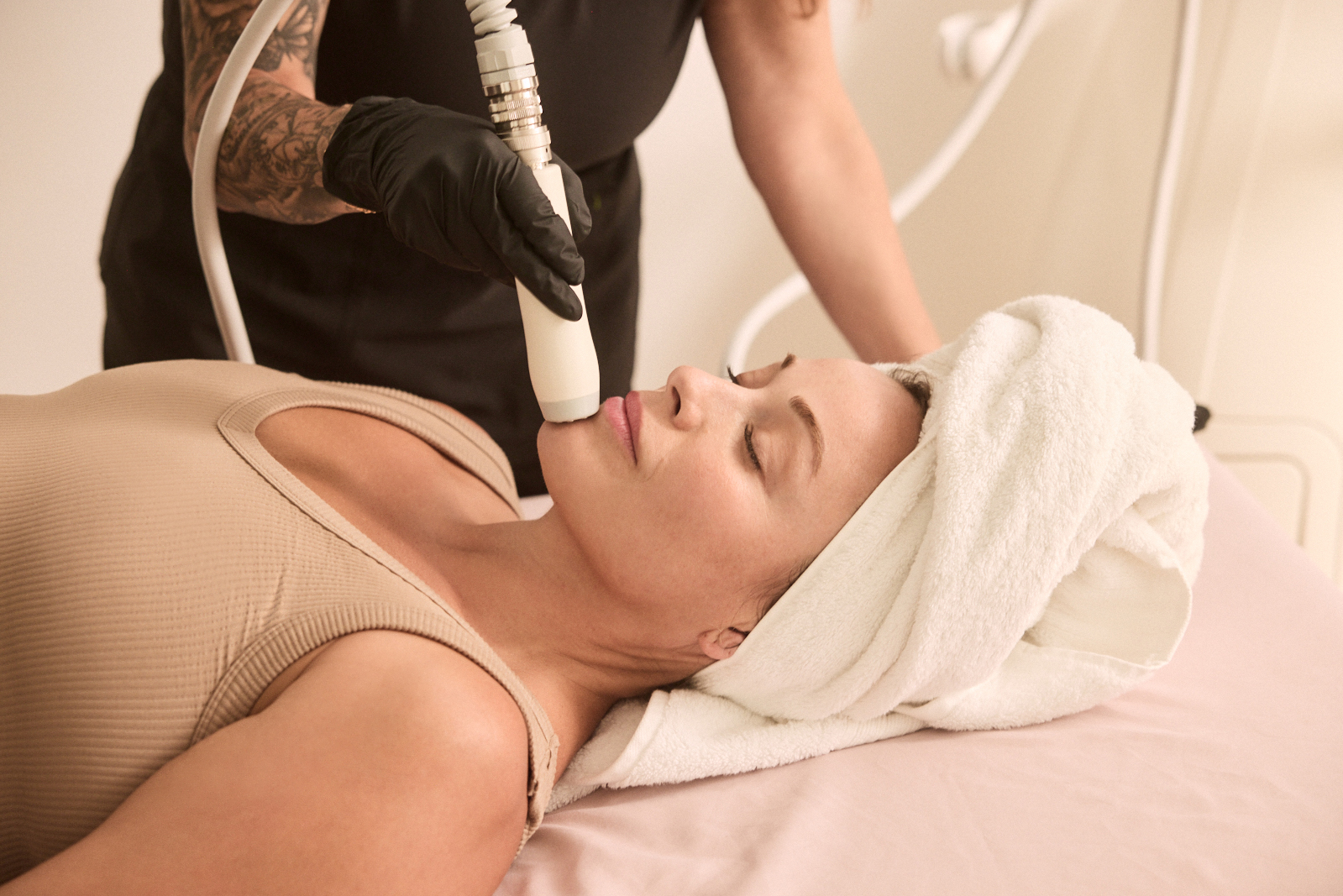
Combination Technology: T-Shape 2 Device
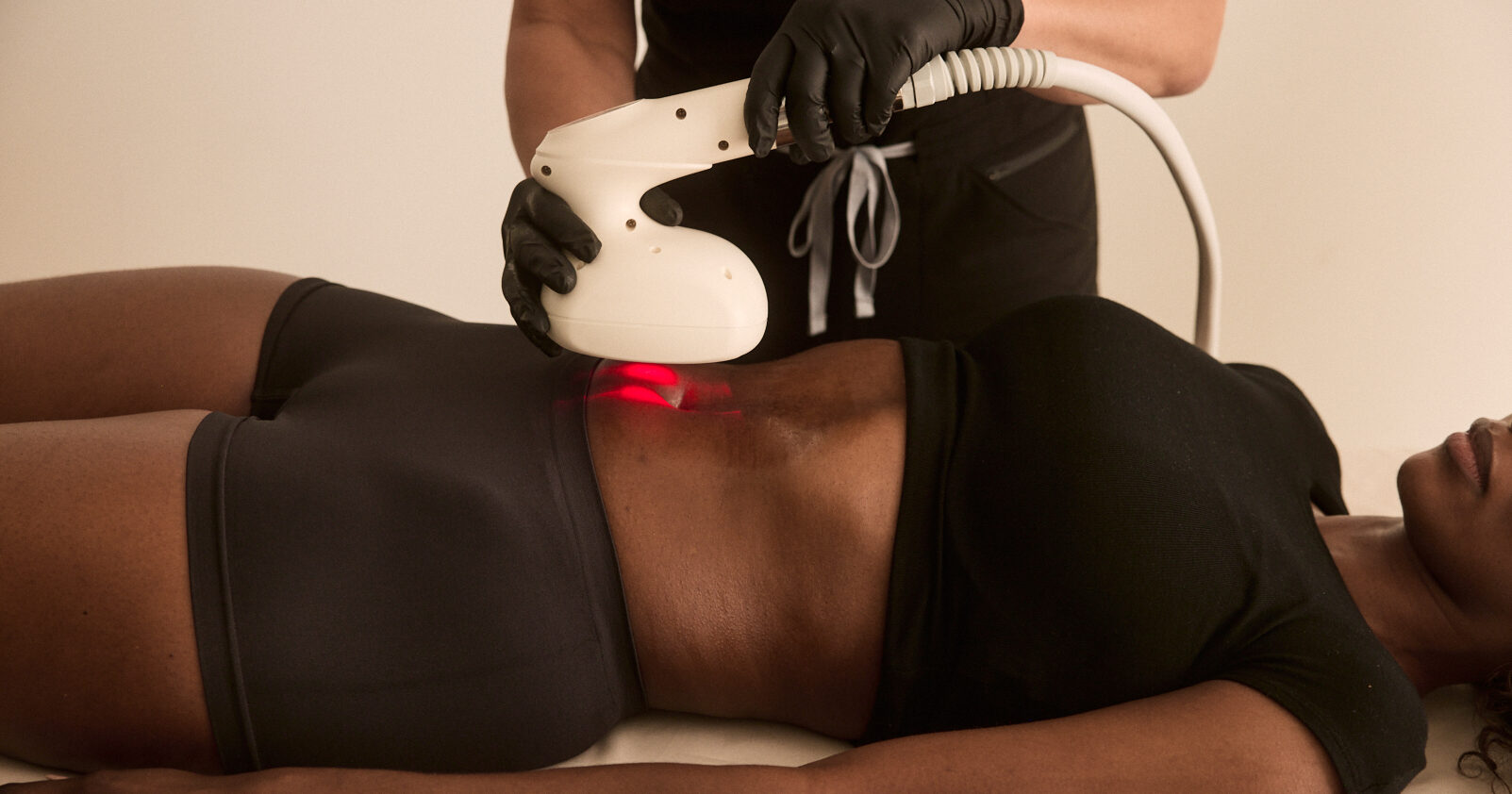
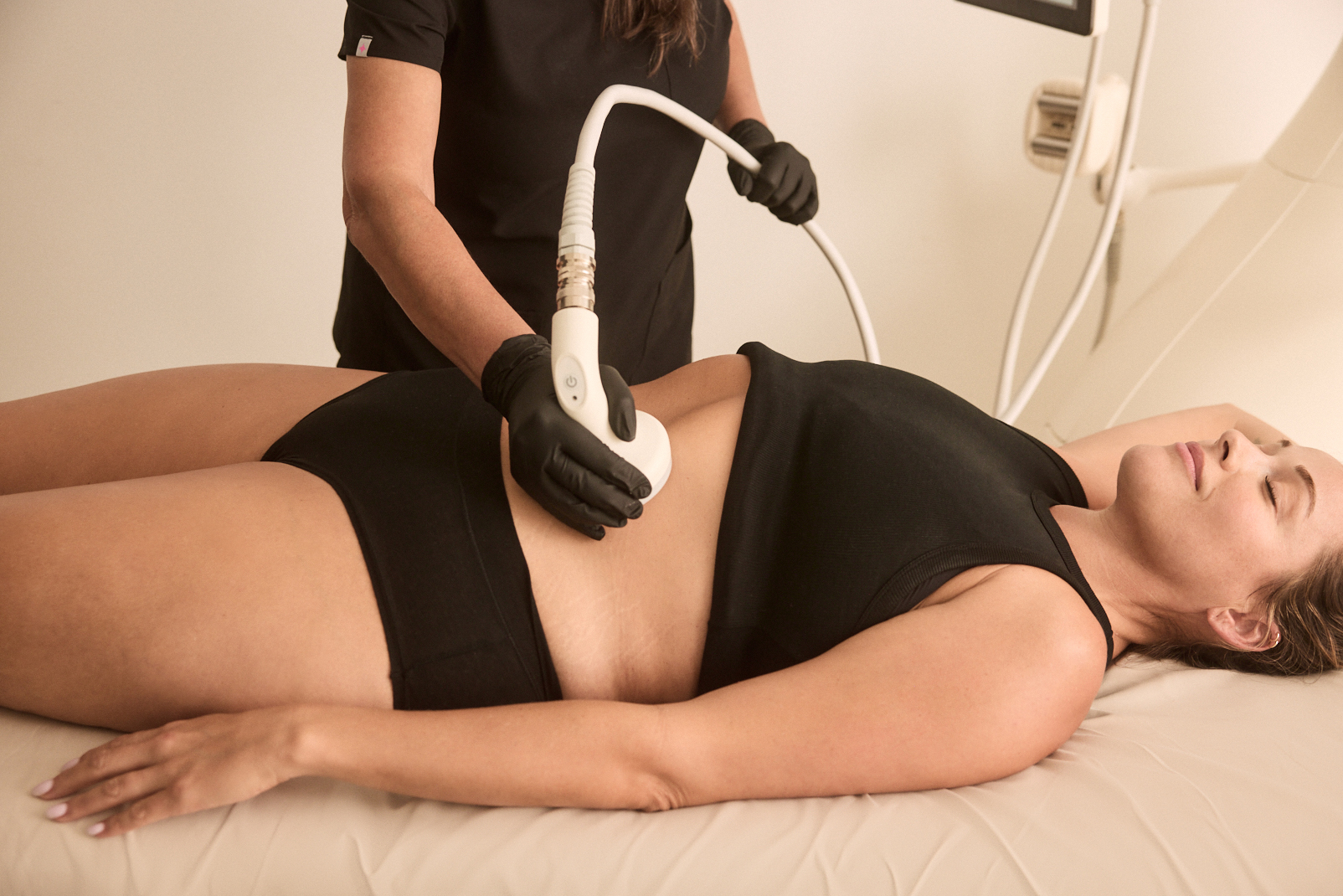
Combination devices work by using different advanced technologies. The T-Shape 2 device, for example, uses four technologies:
- Bipolar Radio Frequency, which gently heats the skin and causes collagen growth
- Low-Level Laser Therapy, which can improve cellular metabolism, microcirculation, and tissue recovery
- Endodermic vacuum suction, which can help improve lymphatic drainage and reduce tissue stagnation
- Mesospheric mechanical stimulation, which can help stimulate underlying muscle tone, blood flow, and skin nutrition
The T-Shape 2 device does not resurface, burn, or remove skin. It delivers controlled energy and mechanical stimulation to the skin and underlying tissue to help make the skin firmer, tighter, and more supported from within. It is a non-invasive system that requires little to no downtime and has a much lower risk of side effects compared to the CO2 laser. Plus, it can be used for both body and facial rejuvenation with a short recovery period.
Common side effects:
- Mild redness
- Temporary warmth
- Sensation of pressure or suction
Less common risks:
- Bruising from vacuum suction
- Temporary tenderness
Chemical Peels
Chemical peels use acids to loosen the bonds between old skin cells. When a chemical peel is applied to the skin, it creates a predictable injury. Basically, ss the old skin layers shed, the skin responds by activating the natural healing response. Some chemical peels affect only the outermost layer. Others go deeper.
Common side effects:
- Redness, dryness, and peeling
- Tightness or sensitivity
Less common risks:
- Prolonged redness
- Infection
- Scarring
Ultrasound Therapy
Ultrasound therapy works far below the skin surface. The ultrasound energy passes through the outer layers without damaging them. There, the ultrasound delivers heat that causes the existing collagen fibers to contract. This response signals the body to produce new collagen over time as the skin heals.
Ultrasound therapy is often used for sagging skin rather than scars or uneven pigmentation issues.
Common side effects:
- Mild tenderness
- Temporary redness
Less common risks:
- Bruising
- Temporary numbness or tingling
Radiofrequency Therapy
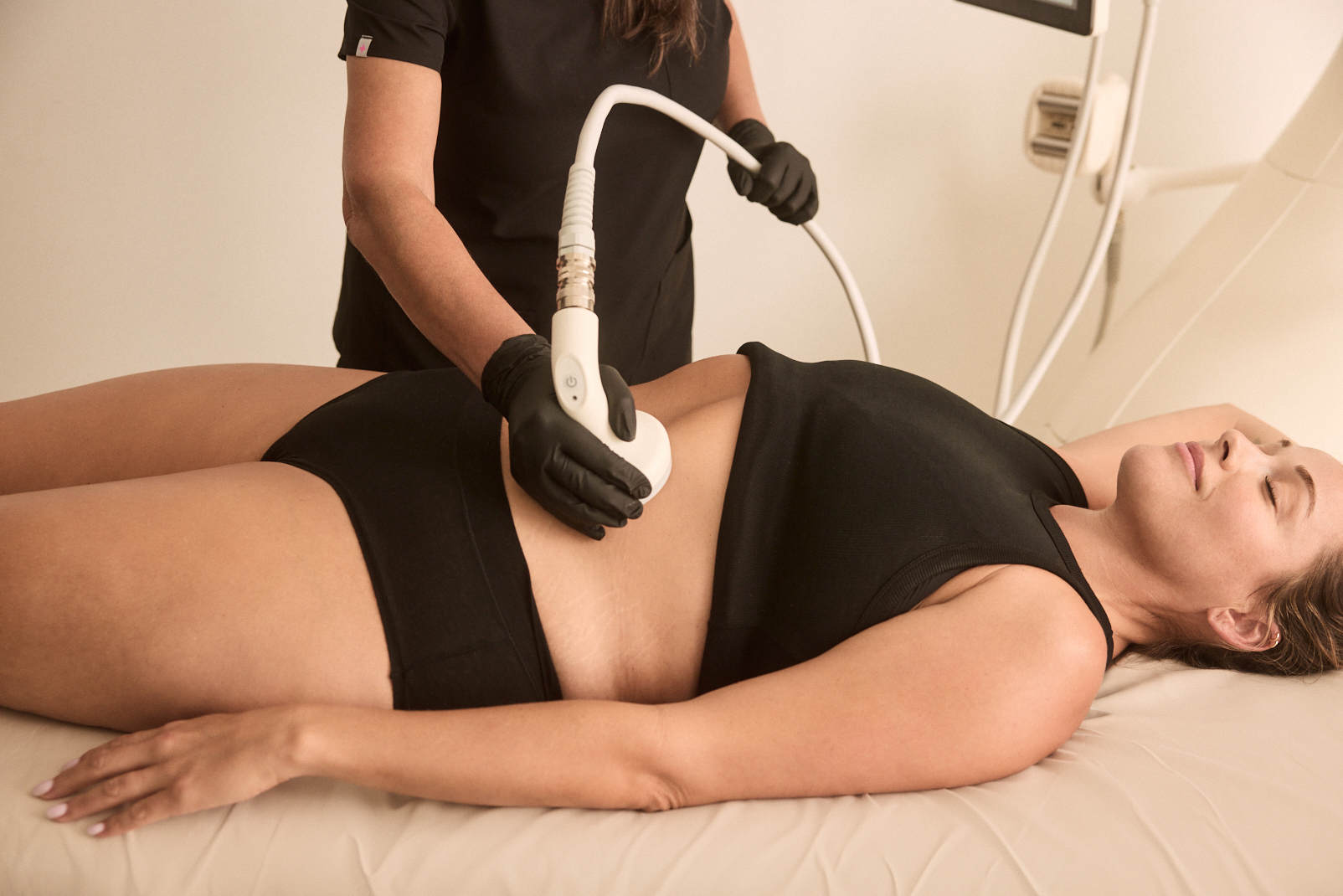
Radiofrequency therapy uses electrical energy to generate heat in the skin. As the skin warms, collagen fibers tighten. With repeated exposure, fibroblasts are stimulated to produce new collagen and elastin.
This process is gradual. The skin becomes firmer over time. And because the heat is delivered in a controlled and diffuse manner, the surface remains intact. That’s why RF therapy is a low-downtime CO2 laser skin resurfacing alternative.
Common side effects:
- Temporary redness
- Mild swelling or warmth
Less common risks:
- Burns or blisters if energy delivery is excessive
- Temporary hyperpigmentation
Skin Boosters
Skin boosters work through hydration and biochemical support for skin rejuvenation. They are injected into the skin to improve how water is held within the tissue. By improving the skin’s internal environment, skin boosters can enhance smoothness, elasticity, and overall appearance. But they do not resurface or tighten the skin directly.
Skin boosters are supportive treatments, often used alongside energy-based devices.
Common side effects:
- Injection-site redness or swelling
- Mild bruising
- Tenderness
Less common risks:
- Lumps or uneven distribution
- Vascular issues
- Infection
Biostimulatory Injectables
Biostimulators work by activating the body’s own collagen-producing cells. Once injected, they do not act as fillers in the traditional sense. They instead create a mild stimulus that encourages fibroblasts to slowly produce new collagen over time. This process can continue for months.
Because the collagen is produced by the body, results develop gradually. The skin may become thicker, firmer, and more supported from within.
Common side effects:
- Swelling, bruising, or redness at injection sites
- Temporary firmness or nodules
- Tenderness
Broadband Light (BBL)
BroadBand Light (BBL) therapy uses light energy to target pigmentation like sunspots and uneven tone while stimulating collagen. It delivers flashes of broad-spectrum light into the skin. That light energy is then absorbed by pigment and hemoglobin. This can help fade brown spots and diffuse redness. Then, the gentle heat can also help stimulate collagen production.
With BBL, each pulse can be adjusted to treat various skin concerns, which makes this technology stand out in the industry.
Common side effects:
- Redness or warmth
- Mild swelling
- Sun sensitivity
Less common risks:
- Blistering or crusting
- Temporary hyperpigmentation
- Burns
CO2 Laser vs CO2 Laser Alternatives: Comparison
| Technology | Results Strength | Downtime | Risk Profile | Best For |
| CO2 Laser | Very strong | High (1-3+ weeks) | Higher risk (pigmentation, scarring, prolonged redness) | Deep wrinkles, soften acne scars, advanced sun damage, uneven skin tone |
| Erbium:YAG Laser | Moderate-strong | Moderate (3 days) | Lower risk than CO2 | Texture issues, fine wrinkles, gentler resurfacing |
| Non-Ablative Lasers | Mild-moderate (gradual) | Low (1-3 days) | Low, as they leave the epidermis intact | Early aging, mild facial wrinkles, collagen stimulation with minimal to moderate downtime |
| RF Microneedling | Moderate–strong | Low-moderate (1-3 days) | Moderate | Acne scars, skin laxity, texture irregularities, younger looking skin |
| Combination Technology (T-Shape 2) | Mild-moderate | Minimal | Low | Producing rejuvenating skin effects, skin laxity, circulation, supporting a healthy skin without downtime |
| Chemical Peels | Mild-moderate | Low-moderate (2-10 days) | Varies by peel depth | Pigmentation, dull skin, surface texture |
| Ultrasound Therapy | Mild-moderate | Minimal | Low | Skin laxity, collagen stimulation |
| Radiofrequency Therapy | Mild-moderate (gradual) | Minimal | Low | Early laxity, maintenance, collagen stimulation |
| Skin Boosters | Mild | Minimal | Low | Dehydrated, dull, crepey skin |
| Biostimulator Injectables | Moderate (long-term) | Minimal | Moderate (injection-related) | Skin thinning, loss of firmness |
| Broadband Light (BBL) | Mild-moderate | Moderate (sun sensitivity for a few weeks) | Low | Pigmentation, mild redness, overall skin tone |
Aftercare and Downtime Comparison by Technology
Downtime and aftercare vary significantly between CO2 laser and its alternatives. Understanding recovery expectations helps set realistic outcomes and improves treatment satisfaction.
| Technology | Typical Downtime | Common Aftercare |
| CO2 Laser | 1-3+ weeks | Strict sun avoidance, wound care, occlusive ointments, infection prevention |
| Erbium:YAG Laser | 3-14 days | Gentle cleansing, moisturization, sun protection |
| Non-Ablative Lasers | Same day to 2 days | Sunscreen, hydration, mild skincare |
| RF Microneedling | 1-3 days | Avoid makeup briefly, sun protection, gentle skincare |
| T-Shape 2 | Minimal | Hydration, sun protection |
| Chemical Peels | 2-10 days (depends on depth) | Moisturization, peeling management, sun avoidance |
| Ultrasound Therapy | Minimal | Hydration, protection from extreme temperature |
| Radiofrequency Therapy | Minimal | Hydration and routine skincare |
| Skin Boosters | Minimal | Avoid pressure or massage, hydration; no makeup 24 hours |
| Biostimulator Injectables | Minimal | Avoid strenuous activity temporarily and heat exposure |
| BBL | Moderate | Sun protection, intense hydration |
How to Choose the Best CO2 Laser Alternative
Start by asking yourself what exactly you’re trying to change in the skin. And then you’ll find your solution!
In the table below, we’ll list which technology usually works best for different skin problems:
| Skin problem | Best technology |
| Acne scars | Erbium:YAG laser, RF Microneedling |
| Pigmentation and Redness | Broadband Light |
| Wrinkles and Texture | Erbium:YAG Laser, T-Shape 2 |
| Skin laxity and sagging; skin tightening | Ultrasound therapy, Radiofrequency therapy, T-Shape 2 |
| Overall skin quality | Skin boosters, T-Shape 2 |
| Stretch marks | RF Microneedling |
| Photoaging and sun damage | Chemical peels |
| Compromised skin barrier | Skin boosters |
Consulting a Healthcare Professional
Choosing a CO2 laser alternative should never be based on technology alone. A consultation with a qualified healthcare professional is essential to determine safety, suitability, and realistic outcomes.
A trained provider evaluates:
- Fitzpatrick skin type
- Depth of the concern (surface vs structural)
- Healing capacity
- Medical history and lifestyle factors
- Tolerance for downtime and risk
What works well for one person may be inappropriate or unsafe for another.
Moreover, certain treatments may need to be avoided or modified in the following situations:
- Darker patient skin tones: Higher risk of post-inflammatory hyperpigmentation with aggressive resurfacing
- Active skin infections or acne: Procedures may worsen inflammation
- Pregnancy or breastfeeding: Energy-based devices and injectables may be contraindicated
- Autoimmune or connective tissue disorders: Healing response may be unpredictable
- History of keloid scarring: Higher risk with ablative or invasive treatments
- Recent sun exposure or tanning: Increased pigmentation risk
- Use of photosensitizing medications: May increase side effects
FAQs
What is the alternative to CO2 laser treatment?
Common alternatives to CO2 laser treatment include radiofrequency microneedling (such as Morpheus8), Erbium:YAG laser, and non-ablative lasers, which improve texture and collagen with less downtime. The best choice depends on whether your priority is resurfacing depth, recovery time, or pigment safety.
Is Morpheus8 better than CO2 laser?
Morpheus8 is better for skin tightening and collagen remodeling with minimal downtime and lower risk of pigment changes. CO2 lasers can be a particularly effective treatment for reducing fine wrinkles and treating acne scars, but they come with a higher risk of hyperpigmentation and longer recovery times.
What is better, CO2 laser or IPL?
CO2 laser is better for wrinkles, scars, and skin resurfacing because it treats skin texture at a deeper level. IPL is better for redness, sun damage, and pigmentation.
What is the best CO2 alternative for darker skin types?
Radiofrequency microneedling and non-ablative lasers are the safest CO₂ alternatives for dark skin because they carry a much lower risk of post-inflammatory hyperpigmentation.
What is better, Erbium or CO2 laser?
CO₂ laser is better for severe wrinkles and deep scars due to greater tissue penetration and collagen contraction. Erbium fractional laser is better for milder resurfacing with faster healing and fewer pigment risks. Moreover, recovery time for CO2 lasers typically involves 2-3 weeks, while Erbium:YAG and other laser alternatives usually require 3-14 days, depending on intensity.