Skincare specialists are among the most sought-after practitioners in the beauty industry today, yet many people don’t fully understand the range of services they offer, the limits of their scope, or what it takes to become one.
If you’d like to become an esthetician or if you want to schedule a skincare consultation but don’t know whether you should choose a dermatologist or an esthetician, keep reading! This guide covers everything you need to know: the common services estheticians provide, how they differ from dermatologists, where they work, and how to become a licensed esthetician yourself.
So, what do estheticians do? Let’s find out!
What Is an Esthetician?
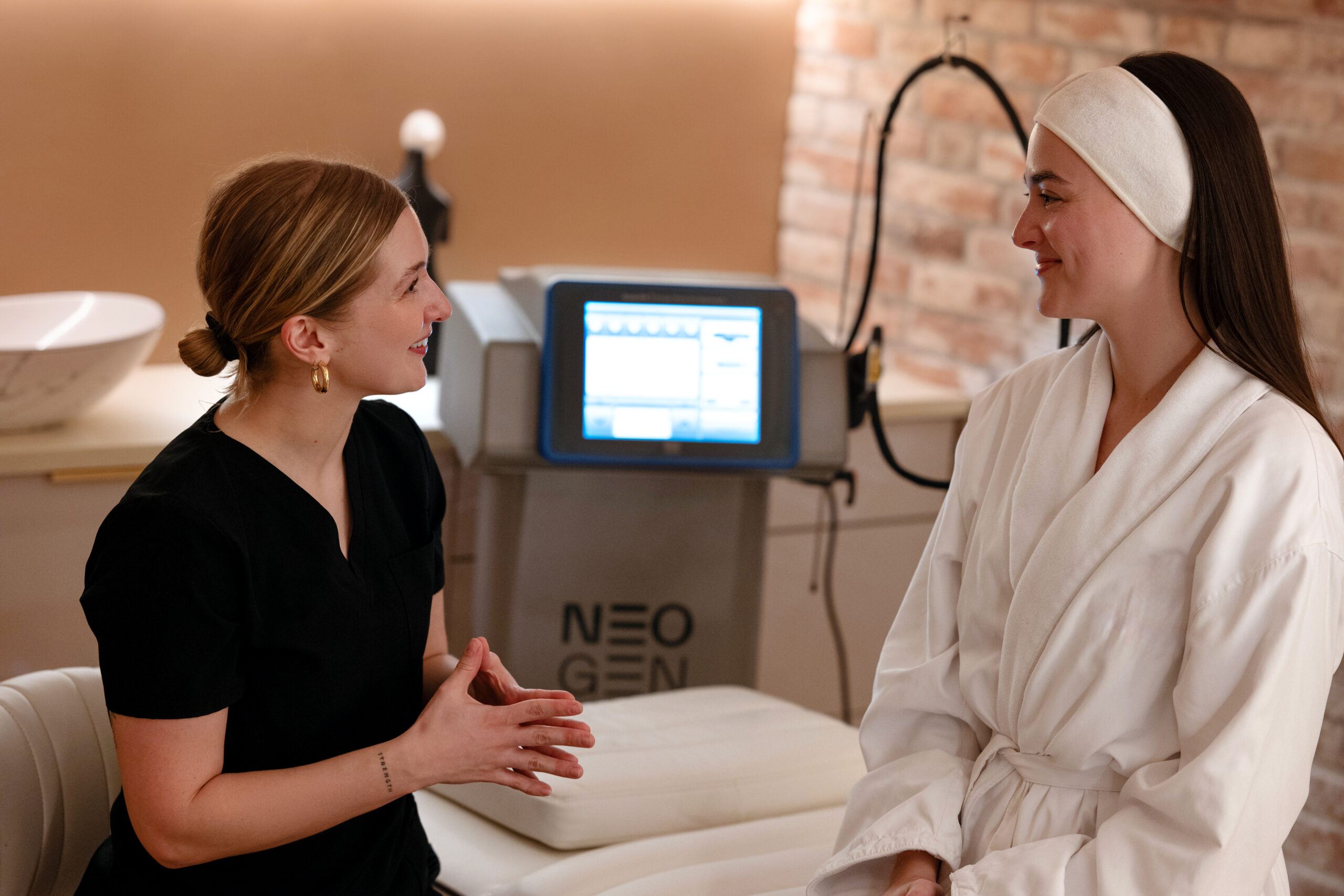
An esthetician is a licensed professional trained to assess and treat the skin using non-invasive, cosmetic techniques. Their primary goal is to improve the skin’s appearance and support skin health. They learn how to administer skincare treatments, offer product recommendations, and educate clients. The treatments focus on cleansing and rejuvenating the skin, as well as maintaining healthy skin.
Their knowledge base covers skin anatomy. They learn about the epidermis, dermis, and subcutaneous layers. They are also knowledgeable when it comes to collagen and elastin production and their effect on aging, given that many aesthetic procedures focus on that.
Estheticians also understand skin types (dry, oily, combination, sensitive) and can identify common non-medical conditions like sun damage, comedonal acne, and uneven texture.
Estheticians are not licensed medical professionals. They cannot diagnose skin conditions, prescribe medication, or perform medical procedures.
What Do Estheticians Do? Core Services
So, what do estheticians do on a daily basis? In the following sections, you’ll learn more about the basic services estheticians can offer.
Skin Analysis and Consultations
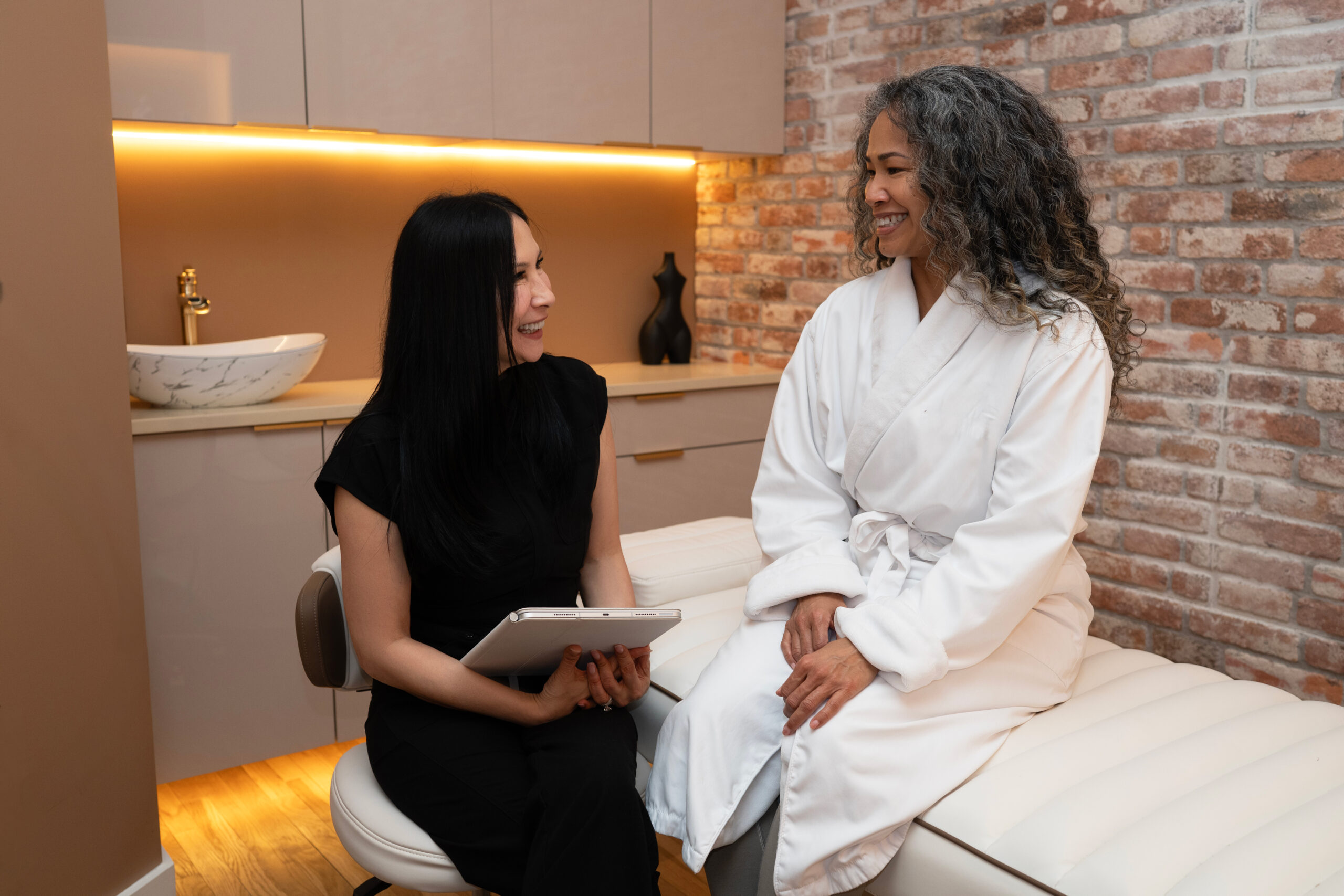
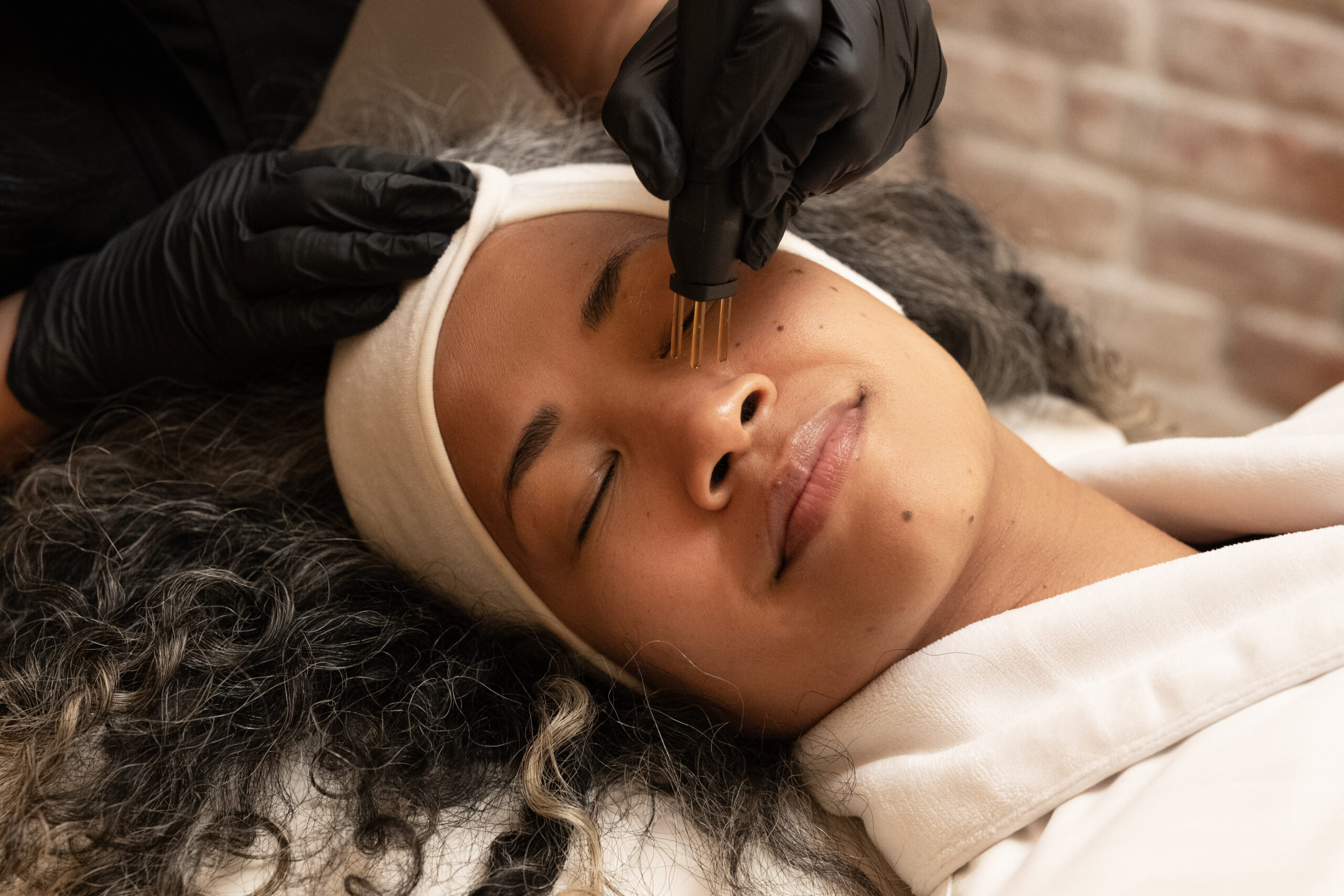
Estheticians often start their client routine with a consultation to analyze the skin. They assess the client’s skin type, texture, tone, pore size, hydration levels, and any visible skin concerns. This evaluation sets the foundation for the entire treatment plan and determines which products and techniques are most appropriate.
During the consultation, many estheticians also take a detailed history of the client’s current skincare routine, past cosmetic treatments, and any known sensitivities or medical conditions.
This is also when they educate clients about their skin and discuss realistic treatment goals. They can provide information about skincare ingredients and suggest suitable at-home skincare regimens. Estheticians also keep records and progress photos and handle rebookings.
Sanitation and Safety Duties
Estheticians are also trained for sanitation and safety duties. This means that they must disinfect equipment and work areas between clients, use single-use lancets, maintain barbicide-soaked implements with proper contact time, and follow strict infection control protocols mandated by state boards.
Facial Treatments
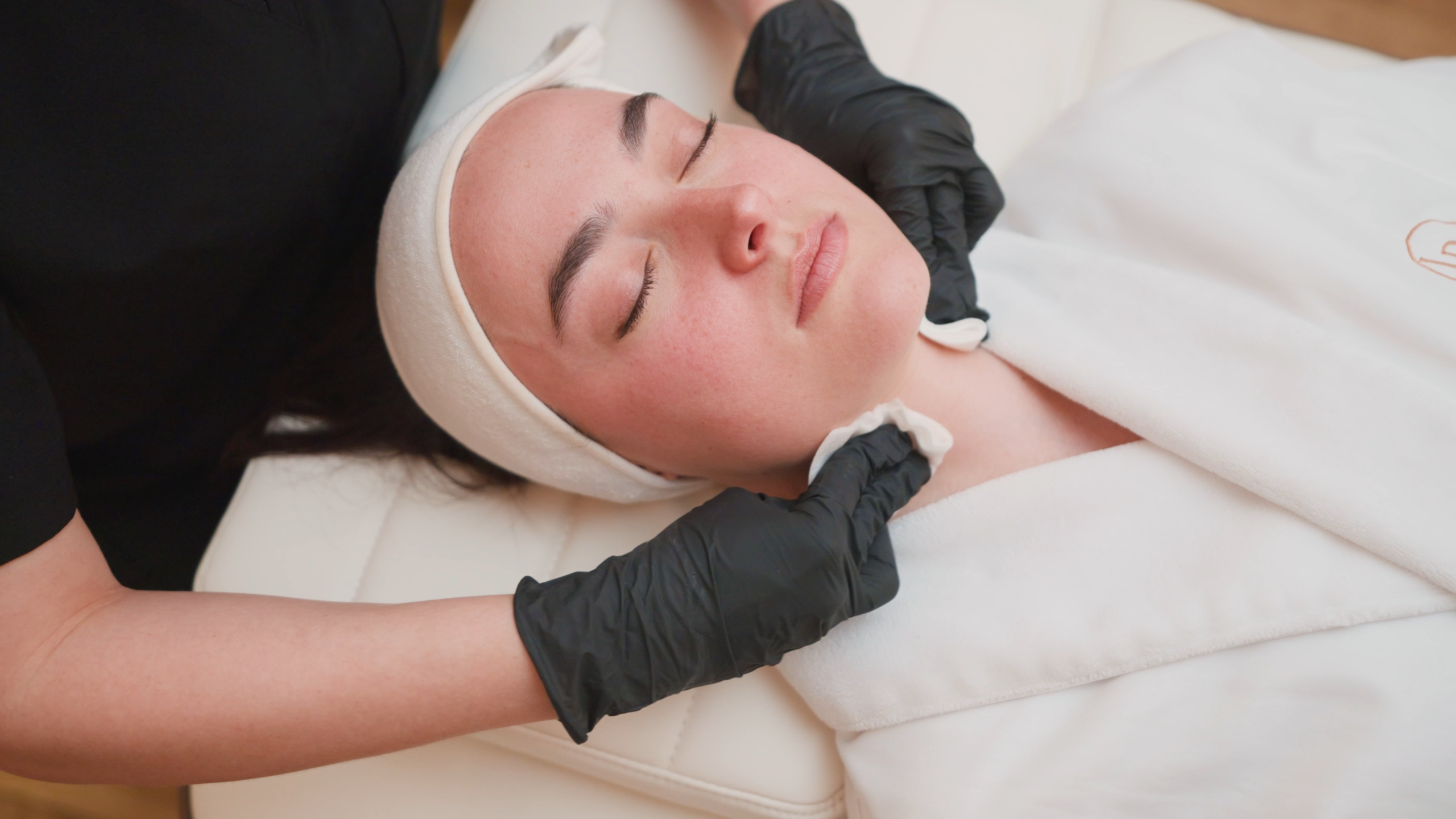
Many estheticians specialize in performing facials. A professional facial can include:
- Deep cleansing to remove surface impurities and excess oil
- Exfoliation to slough away dead skin cells and reveal fresher skin
- Steam therapy to open pores and soften debris for easier extraction
- Manual extractions to clear blackheads and comedones
- Facial massages to stimulate circulation and support lymphatic drainage
- Serums and targeted treatments based on individual skin concerns
- Corrective and hydrating masks tailored to the client’s skin types
- Moisturization and SPF application to finish
Regular facials can help address a broad range of skin concerns, including acne, dryness, uneven tone, fine lines, and hyperpigmentation.
Chemical Peels
Chemical peels are one of the more advanced services that skincare specialists offer. They involve applying a chemical solution to the client’s skin to exfoliate the outer layers and promote cellular turnover.
A licensed esthetician can typically perform superficial chemical peels using alpha-hydroxy acids (AHAs) such as glycolic, lactic, or mandelic acid, or beta-hydroxy acids (BHAs) like salicylic acid. These lighter peels can improve skin texture, skin appearance, and skin tone. They may also help reduce mild acne scarring and pigmentation.
Medium and deep chemical peels, which penetrate further into the dermis, are generally considered medical procedures and must be performed under the supervision of a medical professional in medical spas or clinical settings.
Hair Removal
Hair removal is one of the most commonly requested services in esthetic practice, so many estheticians choose to specialize in this field. Hair removal techniques vary widely in terms of method and suitability.
The most common hair removal services include:
Method | How It Works | Best For |
Waxing | Warm wax adheres to the hair and is removed rapidly | Face, legs, bikini area, underarms |
Sugaring | A natural paste of sugar, lemon, and water removes hair | Sensitive skin; similar areas to waxing |
Threading | Thread is twisted across the skin to trap and pull out hairs | Brows, upper lip, fine facial hair |
Dermaplaning | A blade removes fine vellus hair and dead skin cells | Full face; doubles as exfoliation |
Laser hair removal | Concentrated light targets the melanin in hair follicles | Unwanted hair on body and face |
Electrolysis | Electric current destroys individual hair follicles | Permanent removal of any hair type |
Laser hair removal and electrolysis require additional, advanced training and certification. In many states, specific laser treatments can only be performed under the supervision of a medical professional. It’s worth confirming what a particular esthetician is licensed to do in your state.
Waxing remains the most widely offered method of hair removal. Most estheticians work with both soft and hard wax.
Body Treatments
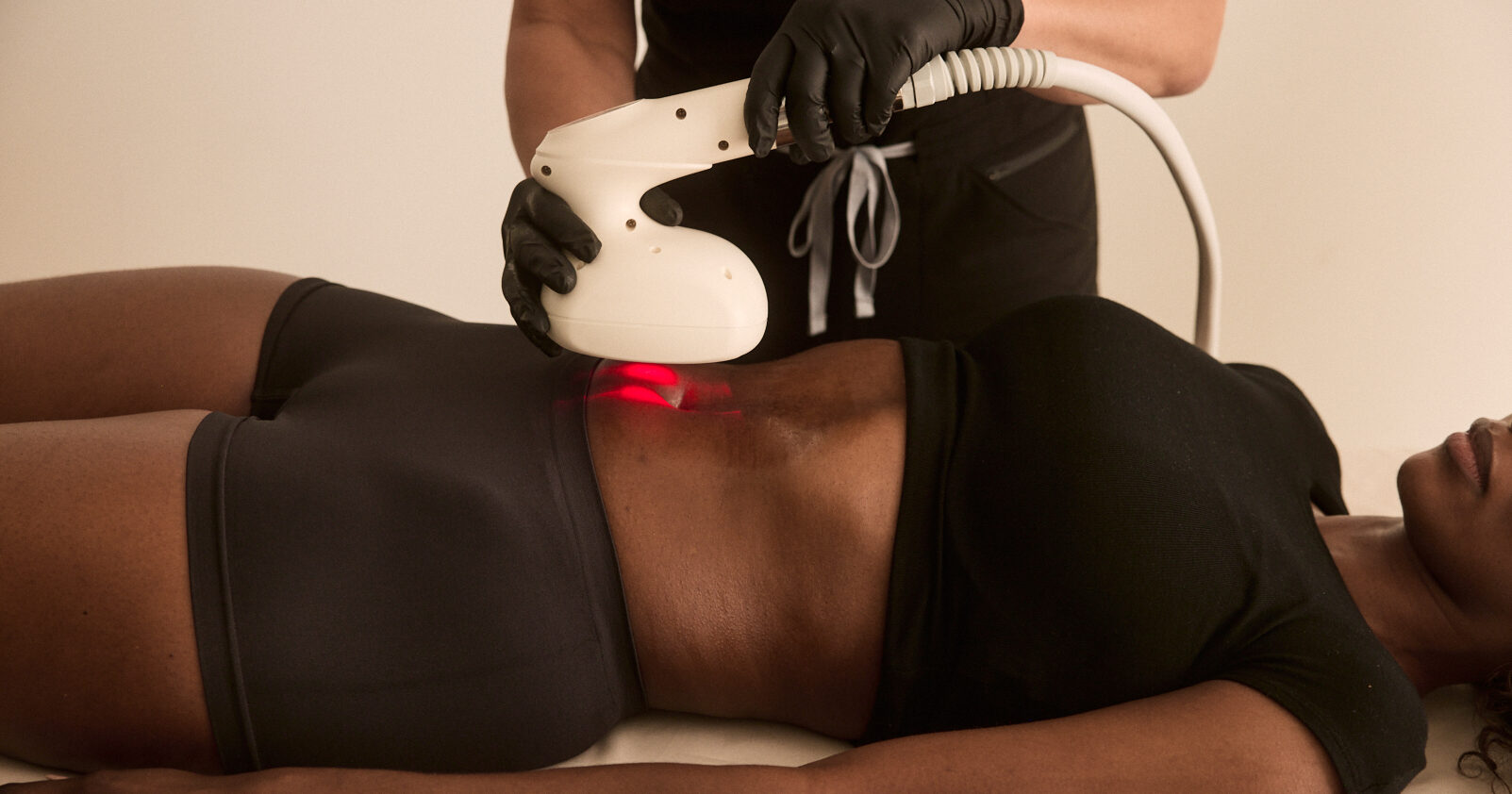
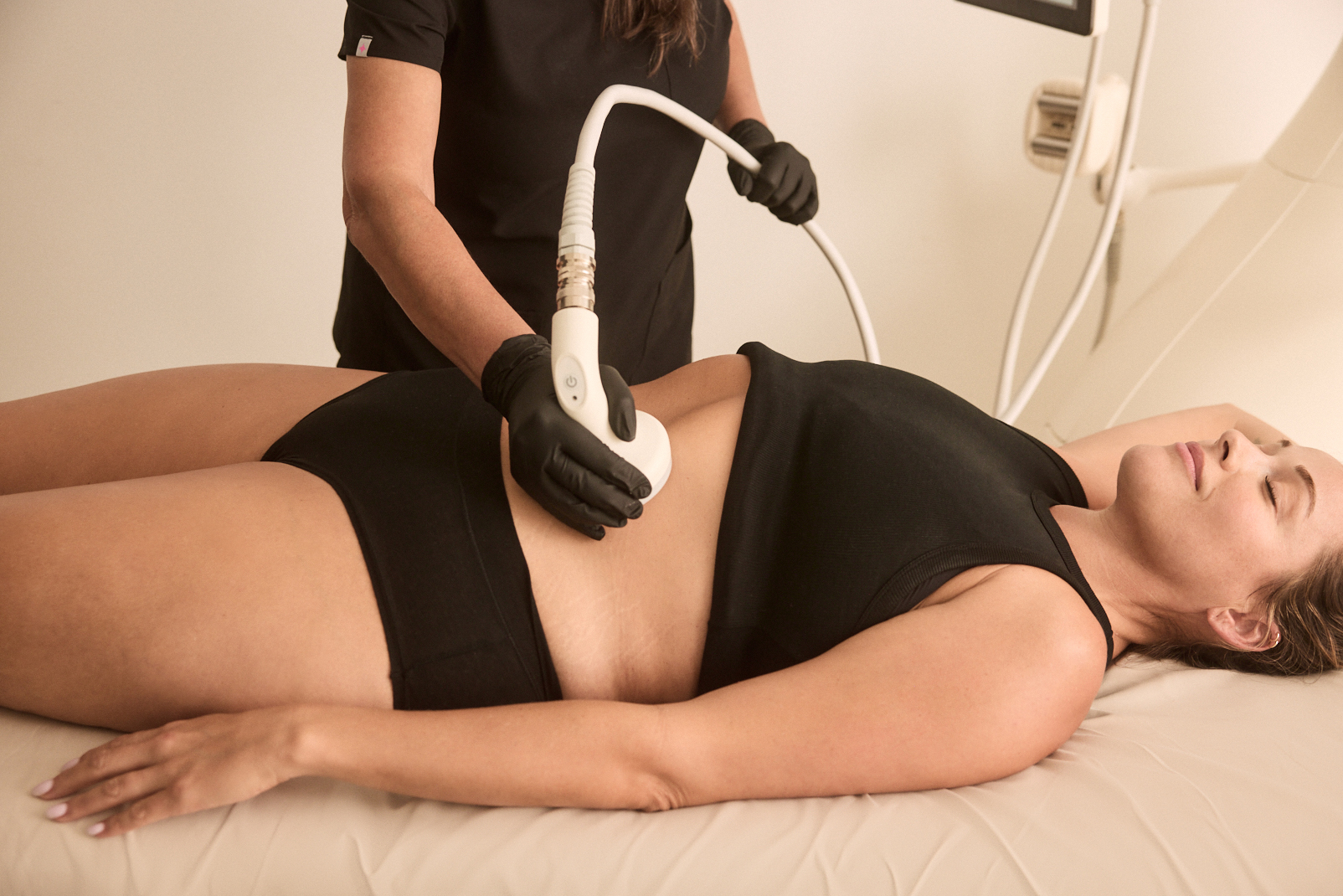
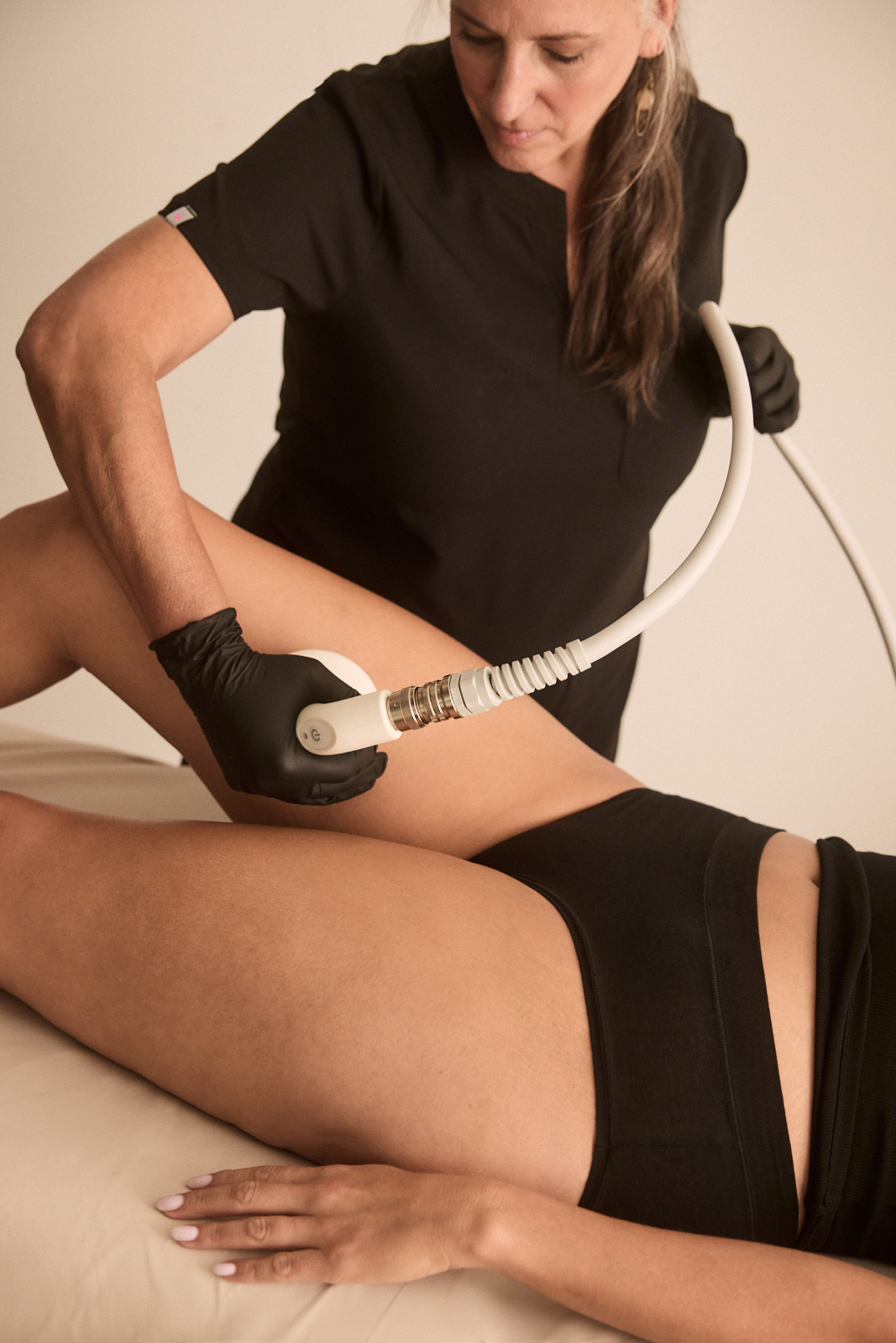
Estheticians work on the body, too. Body skin care treatments address the skin’s appearance and texture across the whole body. These can include:
- Body wraps (hydrating, detoxifying, or firming)
- Dry brushing and exfoliation scrubs
- Back treatments targeting acne or congestion on the back and chest
- Hydrating and firming body masks
- Cellulite treatments using massage and targeted products
- Scalp treatments using essential oils and nourishing serums
Body treatments are common in day spas and luxury spas. Many estheticians specialize in 1-2 signature body services alongside their facial work.
Makeup Application
Makeup application is a significant part of many estheticians’ service menus, particularly those working in bridal, editorial, or event settings. Makeup services typically include:
- Foundation matching and full-face application
- Eye makeup, including eyeshadow, liner, and lash work
- Contouring, highlighting, and blush application
- Brow grooming and tinting
- Lip color application
- Temporary false lash application
Some estheticians prefer working with more advanced makeup application techniques, such as theatrical makeup, body painting, or airbrush application. But these require additional training beyond standard esthetician school curricula.
Lash and Brow Services
Many skincare specialists offer a range of lash and brow services, which have grown enormously in popularity over the past decade. These include:
- Lash extensions – individual synthetic fibers applied to each natural lash using semi-permanent adhesive
- Lash lifts – a semi-permanent treatment that curls and lifts natural lashes (comparable to a lash perm)
- Lash tinting – dyeing natural lashes darker for a more defined look
- Brow lamination – restructuring brow hairs into a uniform, brushed-up shape
- Brow tinting and shaping
Lash extensions in particular require separate certification in most states. They are one of the highest-demand services in the beauty industry and represent a significant income stream for many practitioners.
Acne Treatment and Skin Condition Management
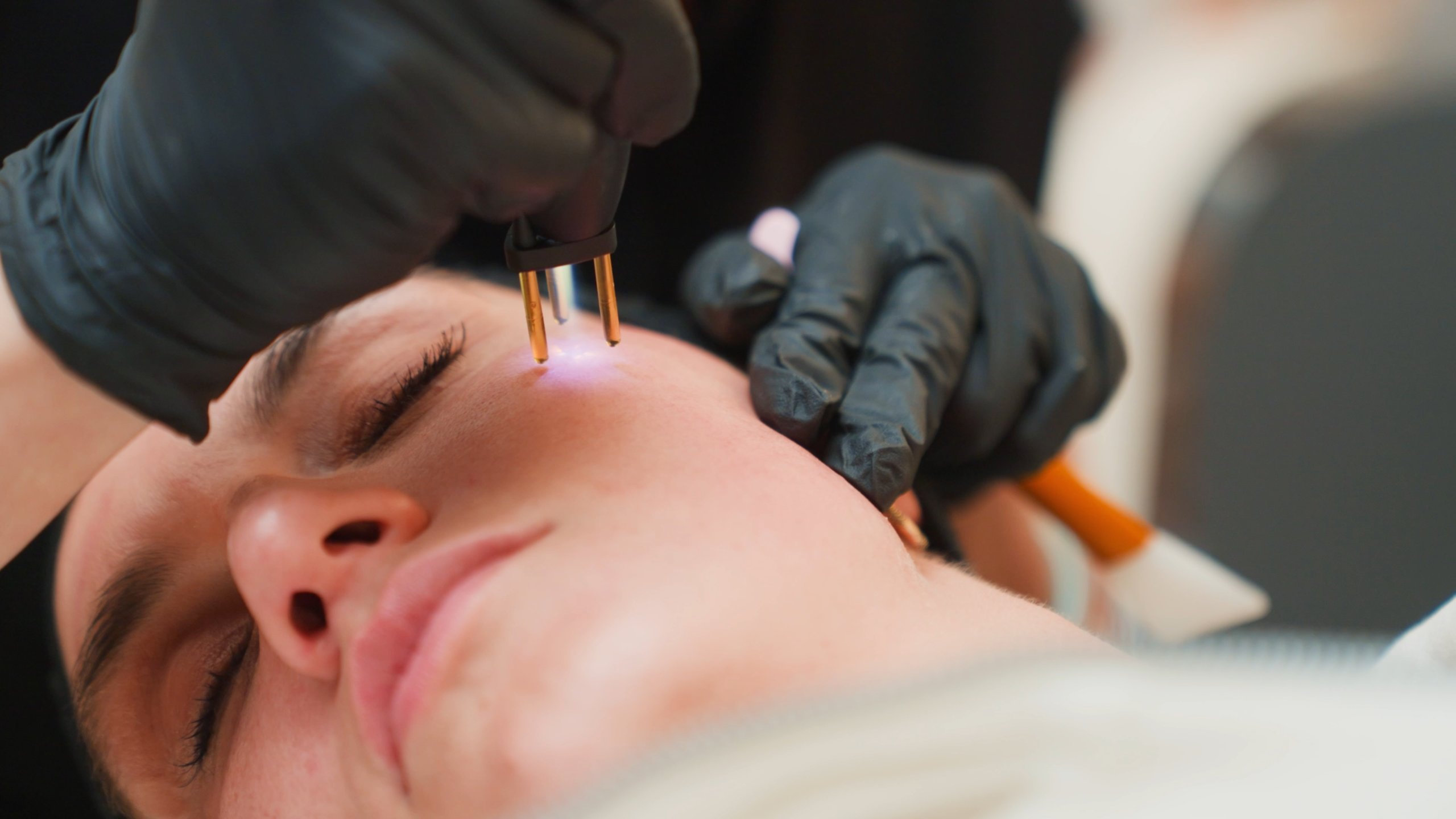
Acne treatment is one of the most common reasons people seek out estheticians. Estheticians cannot prescribe medications for acne (that falls within the scope of dermatologists and other licensed medical professionals). But they can offer a range of supportive services for those with mild to moderate breakouts. These may include:
- Professional extractions to remove comedones and non-cystic breakouts
- LED light therapy (blue light, in particular, has been studied for its potential antibacterial effects on acne)
- Chemical peels with salicylic acid to reduce congestion and improve texture
- Customised facial protocols using non-comedogenic, acne-targeted products
- Personalised skincare products and at-home routine guidance
For severe, cystic, or hormonally driven acne, it’s recommended to see a dermatologist. A good esthetician will recognize the limits of their scope and refer clients to a medical professional when necessary.
What Estheticians Can’t Do
Estheticians cannot:
- Diagnose conditions like skin cancer, severe eczema, or systemic diseases; they don’t have the medical training and legal authority to identify pathologies that require physician intervention
- Perform medical procedures or prescribe medications, which are tasks reserved for dermatologists and other licensed medical professionals
- Prescribe medications like retinoids or steroid creams
- Administer Botox, dermal fillers, or threadlifts, as these are considered medical procedures
- Administer deeper cosmetic procedures like ablative CO2 lasers, high-energy nitrogen plasma skin regeneration, and other procedures (it heavily depends on your location)
Where Do Estheticians Work?
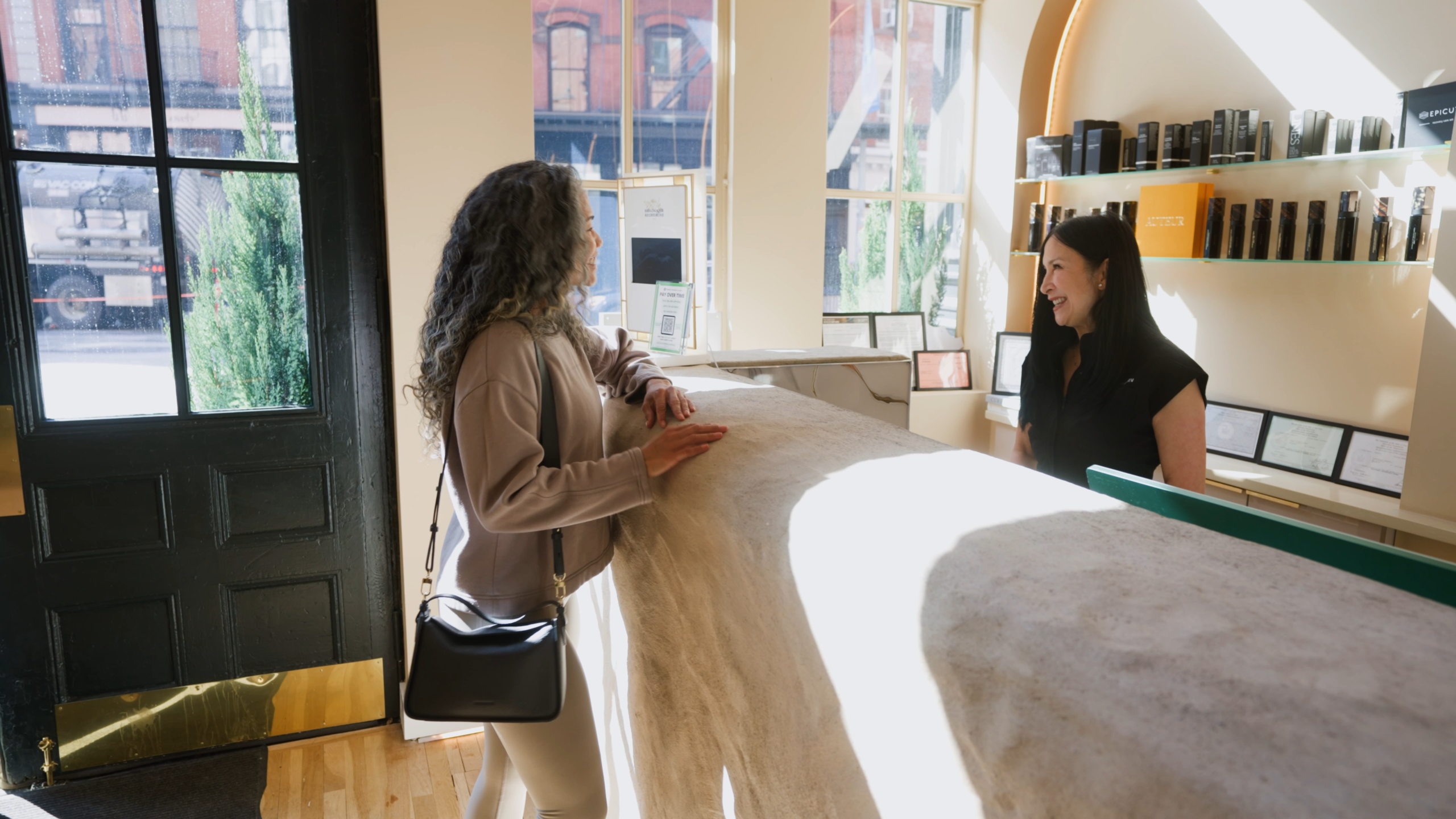
Estheticians work in different environments. Career paths vary considerably depending on a practitioner’s interests and additional training.
Day Spas and Luxury Spas
Most estheticians work in day spas and luxury spas. Here, the focus is on relaxation and cosmetic improvement. The services offered by these spas usually include facials, body treatments, hair removal, and makeup application.
Medical Spas
Medical spas are somewhat in the middle between a traditional spa and a clinical spa. They offer more advanced procedures than a day spa, often including services such as laser skin resurfacing, microneedling, chemical resurfacing, and injectables. Estheticians working in medical spas often have additional training in medical esthetics and work alongside licensed medical professionals.
Dermatology Offices and Medical Offices
Many dermatology practices and medical offices employ estheticians as part of a multidisciplinary care team. In this setting, estheticians may provide pre- and post-procedure skin care, acne treatment support, and maintenance treatments that complement medical treatments prescribed by the dermatologist.
Salons and Beauty Clinics
Many estheticians work within salons where they offer skin care services alongside hair and nail technicians. This is a particularly flexible model for those who prefer to run their own businesses without the overhead of a standalone clinic.
Freelance and Mobile Work
Some estheticians eventually build freelance or mobile practices. They travel to their clients’ homes or work at events such as weddings, film sets, or fashion shows. This method is suitable for estheticians who offer makeup or hair removal services because they require minimal equipment.
Teaching and Education
Experienced estheticians choose to teach others. They work in cosmetology schools and esthetician school programs or build their own schools to train the next generation of practitioners. Some also work in product education for skincare product brands or as brand representatives in retail settings.
Esthetician vs. Dermatologist: Key Differences
Unlike dermatologists, estheticians are not medical professionals and cannot diagnose or treat skin conditions as medical conditions. This is the most important distinction you need to know.
Here are a few other differences between estheticians and dermatologists:
Esthetician | Dermatologist | |
Training | 300-1,000+ hours of esthetics school | Medical degree + residency (10-12+ years) |
License | State esthetic license | Medical license + board certification |
Scope | Cosmetic, non-invasive treatments | Medical + cosmetic; can prescribe medications |
Can diagnose? | No | Yes |
Can perform medical procedures? | No | Yes |
Works in | Spas, salons, medical spas, medical offices | Private practice, hospitals, medical spas |
Chemical peels | Superficial only | Any depth |
Estheticians focus entirely on the cosmetic surface of the skin. They cannot diagnose conditions like eczema, psoriasis, rosacea, or skin cancer. They cannot prescribe retinoids, antibiotics, or other prescription treatments. If a client presents with an undiagnosed rash, suspicious mole, or painful lesion, an esthetician should refer them to a dermatologist.
That said, estheticians and dermatologists often work well together. Some dermatologists have estheticians working alongside them at their practice.
Other Skincare Professionals: How Do They Compare?
Estheticians are not the only skin care professionals you might encounter. Here’s how they relate to other skin care professionals:
- Cosmetologists are trained in hair, nails, and basic skin care. Cosmetology programs cover broader ground but with less skin care depth. Cosmetology programs often include hair styling and manicure/pedicure lessons, too.
- Medical esthetician is a term that refers to a licensed esthetician who has completed advanced training in clinical or medical esthetics and has obtained certifications for advanced procedures.
- Dermatologists are board-certified physicians who diagnose and treat skin conditions as medical conditions.
- Plastic surgeons / cosmetic surgeons perform surgical cosmetic procedures such as facelifts, rhinoplasty, and blepharoplasty.
- Nurse practitioners or PAs can administer injectables (Botox, fillers) and prescribe skincare treatments in a medical setting.
How to Become an Esthetician
If you think that the esthetician career might suit your work preferences and goals, keep reading to learn how to become an esthetician!
Step 1: Meet Basic Prerequisites
Most states require aspiring estheticians to hold at least a high school diploma or GED and be at least 16-18 years old. Some states have lower educational prerequisites, requiring only a 9th- or 10th-grade education.
Step 2: Complete an Accredited Esthetics Program
You’ll need to enroll in a state-approved esthetician program that includes esthetics training. Required training hours vary significantly by state. Some states, like Florida, require at least 220 hours, while others require more than 1,000 hours. The average is 600 hours, which can be finished in 4-12 months, depending on whether you’re studying full-time or part-time. Hands-on training is a non-negotiable component; fully online esthetics programs do not exist because the work is inherently practical.
Programs typically cover:
- Anatomy, physiology, and skin structure
- Skin types, conditions, and contraindications
- Sanitation, infection control, and safety protocols
- Facial techniques and skincare techniques
- Hair removal techniques and waxing
- Chemical peels and exfoliation methods
- Makeup application
- Product chemistry and ingredient knowledge
- Client consultation and skin analysis
- Business and professional skills
Step 3: Pass State Board Exams
After completing the required hours, aspiring estheticians must pass state board exams to receive their license. Most states require both a written theory exam and a practical skills assessment.
The written component tests the participants’ knowledge of skin biology, sanitation protocols, product chemistry, and state-specific regulations. The practical assessment evaluates the candidate’s ability to perform facials, apply sanitation procedures, and demonstrate core skincare techniques safely.
Step 4: Apply for Your License
After passing the exams, you’ll apply to your state’s cosmetology board for your official license. Without this credential, it’s not legal to offer skin care services professionally.
Step 5: Maintain Your License Through Ongoing Education
License renewal is required periodically. Most states require renewal every 1-2 years. Many states also mandate a certain number of continuing education hours to maintain licensure. This ongoing education keeps licensed professionals current with evolving techniques, products, and safety standards.
What Should You Look for When Choosing an Esthetician?
If you’re a client looking for an esthetician, here are a few things worth considering when choosing a practitioner:
- License verification. Your state’s cosmetology board website allows you to verify that a practitioner holds a current, valid license.
- Specialization. If your primary concern is acne, look for someone with specific acne training. If you’re seeking laser hair removal, confirm they hold the required certifications for that service in your state.
- Setting. If you’re looking for more advanced cosmetic procedures, try a medical spa with physician oversight, as it may be more appropriate than a day spa.
- Consultation process. A qualified esthetician will always conduct a thorough skin analysis and discuss your skin concerns and treatment options before proceeding.
- Referral habits. A practitioner must refer you to a medical professional if you have medical conditions. This is a sign of professional integrity.
Frequently Asked Questions
What does an esthetician do during a facial?
During a facial, an esthetician typically cleanses the skin, analyzes your skin type, exfoliates, performs extractions if needed, applies masks or treatment serums, and finishes with moisturizer and sunscreen. Some facials may also include massage, LED therapy, or advanced treatments depending on the service.
What does an esthetician license allow you to do?
An esthetician license generally allows you to perform skincare services such as facials, hair removal, makeup application, exfoliation, and certain non-invasive skin treatments. Exact services allowed vary by state and licensing regulations.
What do estheticians make the most money doing?
Estheticians often make the most money offering advanced treatments such as chemical peels, microneedling, laser services (where permitted), and medical aesthetics, as well as selling skincare products. Many also increase their earnings through tips, commissions, and owning a business.
What are the cons of being an esthetician?
Some challenges of being an esthetician include irregular income, physically demanding work, standing for long periods, building a client base, and ongoing education costs. Many estheticians also have evening or weekend work schedules.
What is the purpose of an esthetician?
The purpose of an esthetician is to help enhance skin health and appearance through professional treatments, education, and personalized skincare recommendations. They help clients address concerns like acne, aging, dryness, and pigmentation.
What is the difference between an aesthetician vs esthetician?
“Aesthetician” and “esthetician” usually mean the same thing and are often used interchangeably. In some cases, “aesthetician” may refer more often to medical estheticians, while “esthetician” may be used for spa settings, but this distinction is not universal.
How much do estheticians make a year?
Esthetician salaries vary by location, experience, and specialty, but many earn between $35,000 and $60,000 per year. Experienced estheticians in medical aesthetics or business owners may earn significantly more.
How long does it take to become a licensed esthetician?
Training programs range from approximately 220 to 1,000 hours, depending on the state, which typically translates to 4-12 months of full-time study. After completing the program, candidates must pass state board exams before practicing.
Can estheticians perform facials on all skin types?
Yes, a qualified esthetician is trained to work with all skin types, including oily, dry, combination, sensitive, and mature skin. Treatments are customized based on the skin analysis conducted at the start of each appointment.
Is esthetician school the same as cosmetology school?
A cosmetology program covers hair, nails, and basic skin care. An esthetics program focuses exclusively on skin care and is generally more in-depth when it comes to skin health, skincare techniques, and cosmetic treatments.
Do estheticians earn tips?
Tips are common in the beauty industry, and many clients tip their skincare specialists similarly to how they would a massage therapist or hairstylist.