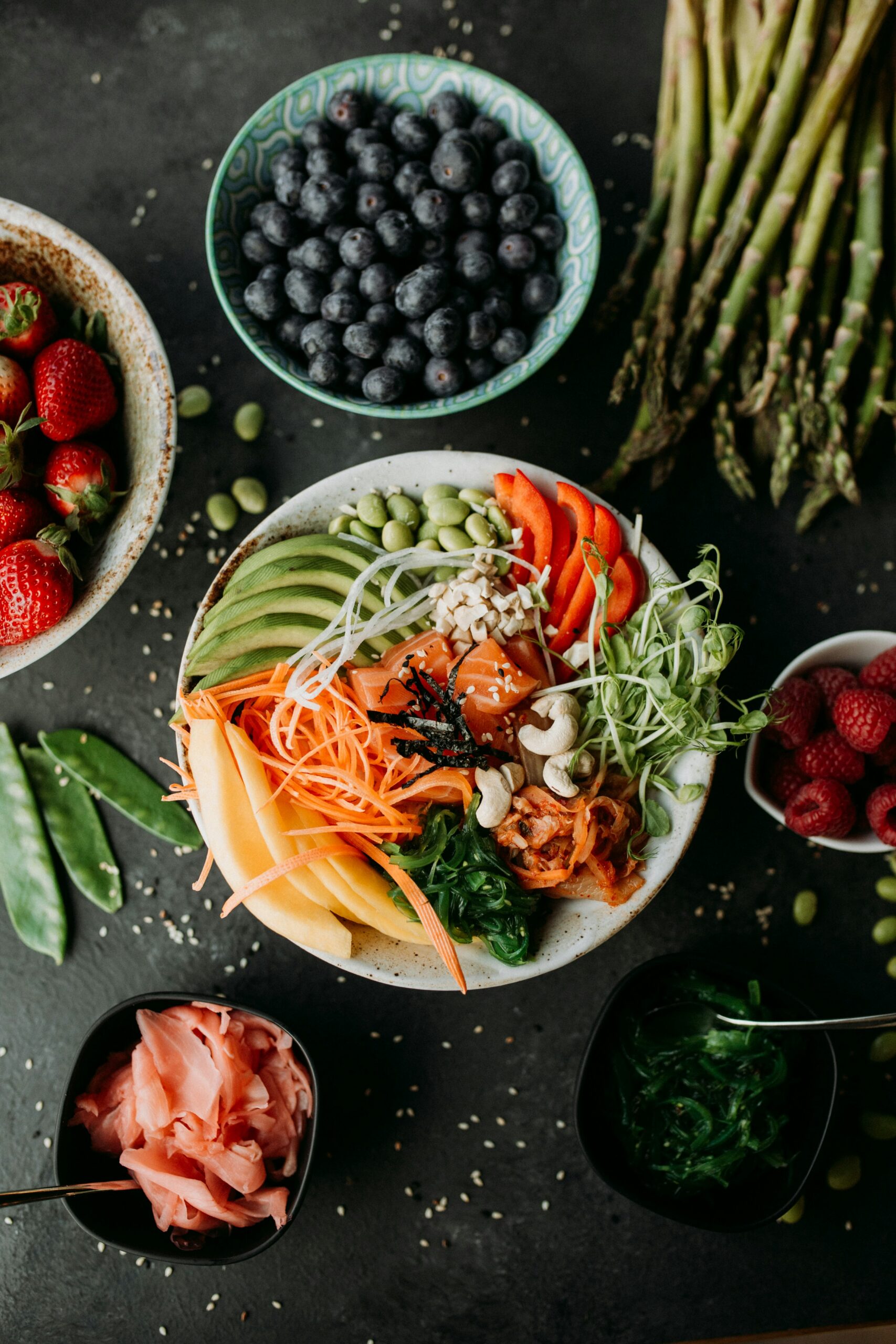
Most people invest a lot in skincare products, which can undoubtedly be helpful, but the skin also gets nutrients from food, even if you can’t see the direct effect your diet has on your skin. These nutrients can support collagen production, help protect your skin against oxidative stress, reduce inflammation, keep the skin hydrated, and even support wound healing.
So, what is the best skin food? Let’s find out!
11 Best Foods for Healthy Skin
Before discussing more details about the 11 best foods for healthy skin, here’s a quick overview with the most important information you need to know about them:
Food | Key Skin Benefit | Primary Nutrient |
Fatty fish (salmon, mackerel) | Keeps the skin plump, reduces inflammation, supports barrier | Omega-3 fatty acids |
Avocado | Improves firmness and elasticity | Monounsaturated fats, vitamin E |
Sweet potatoes | UV protection, collagen support | Beta carotene, vitamin C |
Sunflower seeds | Antioxidant protection, wound healing | Vitamin E, zinc, selenium |
Bell peppers (red) | Collagen production | Vitamin C, beta carotene |
Tomatoes | UV protection, collagen preservation | Lycopene, vitamin C |
Dark chocolate (70%+) | Antioxidant, improves hydration | Flavanols |
Leafy greens | Multi-nutrient skin support | Vitamins A, C, E, lutein |
Green tea | Anti-aging, protection against sun damage, anti-inflammatory | EGCG (catechins) |
Walnuts | Inflammation reduction, barrier support | Omega-3, vitamin E, zinc |
Pumpkin seeds | Wound healing, collagen support | Zinc, magnesium |
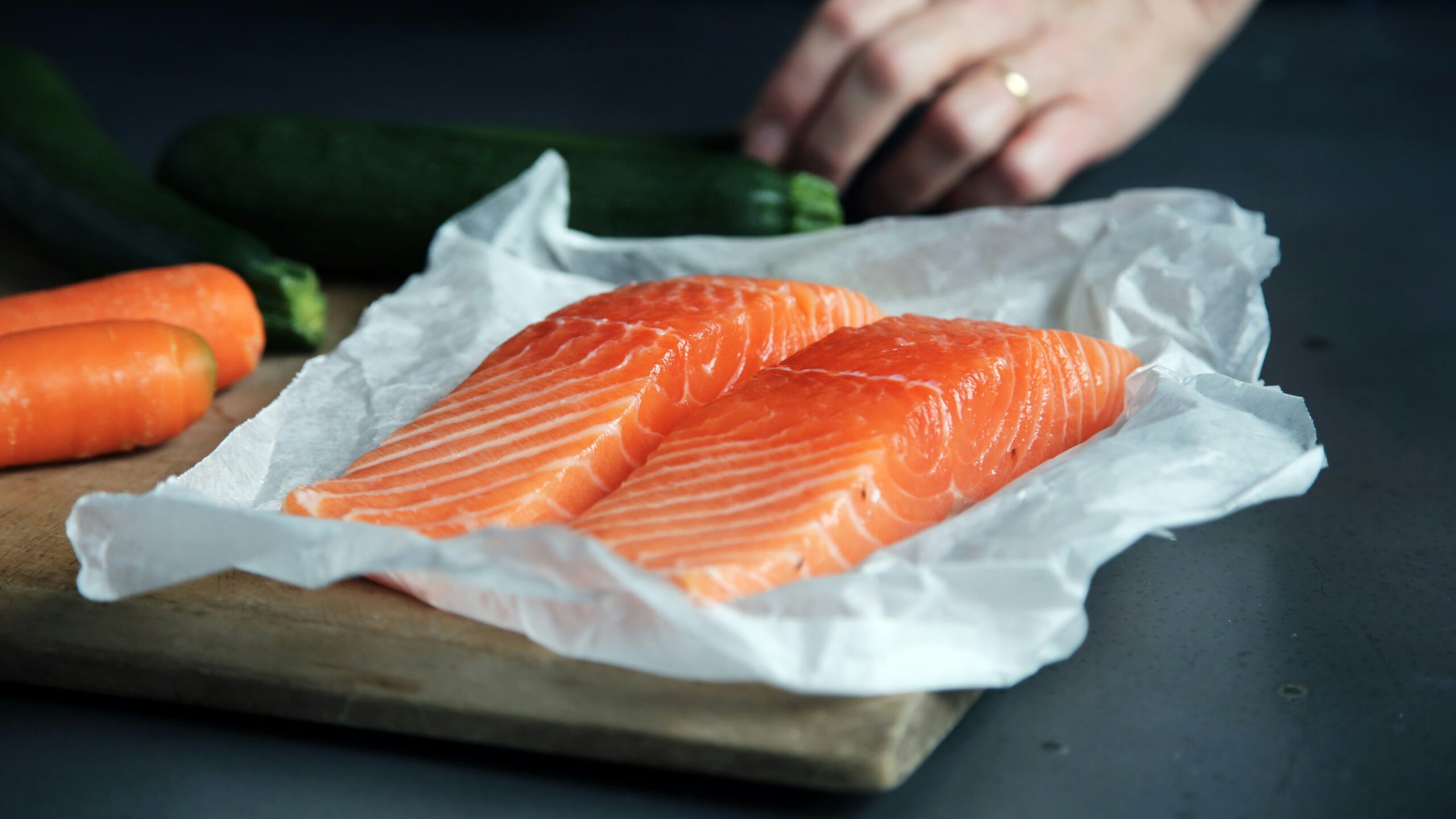
1. Fatty Fish (Salmon, Mackerel, Herring, Sardines)
Fatty fish like salmon, mackerel, herring, and sardines are among the most well-researched foods for healthy skin, primarily because of their high content of omega-3 fatty acids, specifically EPA (eicosapentaenoic acid) and DHA (docosahexaenoic acid), the two forms your body can use most readily. Here’s how omega-3 fatty acids can help your skin:
- Omega-3 fatty acids help maintain the skin’s lipid barrier, which is responsible for locking in moisture and keeping irritants out. If the skin barrier is compromised, one can experience dry skin and sensitivity.
- Omega-3s have well-documented anti-inflammatory properties, which may help calm redness, reduce reactions to the sun’s harmful UV rays, and ease inflammatory skin disorders, as outlined by Boelsma et al.
- EPA, in particular, may help regulate oil production in the skin.
- Research also suggests omega-3s play a role in wound healing.
Aim for at least two portions of fatty fish per week, as recommended by most nutritional guidelines.
If you don’t eat fish, you can try plant-based sources of omega-3s, including flaxseeds, chia seeds, and walnuts, which are healthy alternatives to fish. However, these provide Alpha-Linolenic Acid (ALA) rather than EPA/DHA. EPA and DHA can be obtained from algae vegan supplements.
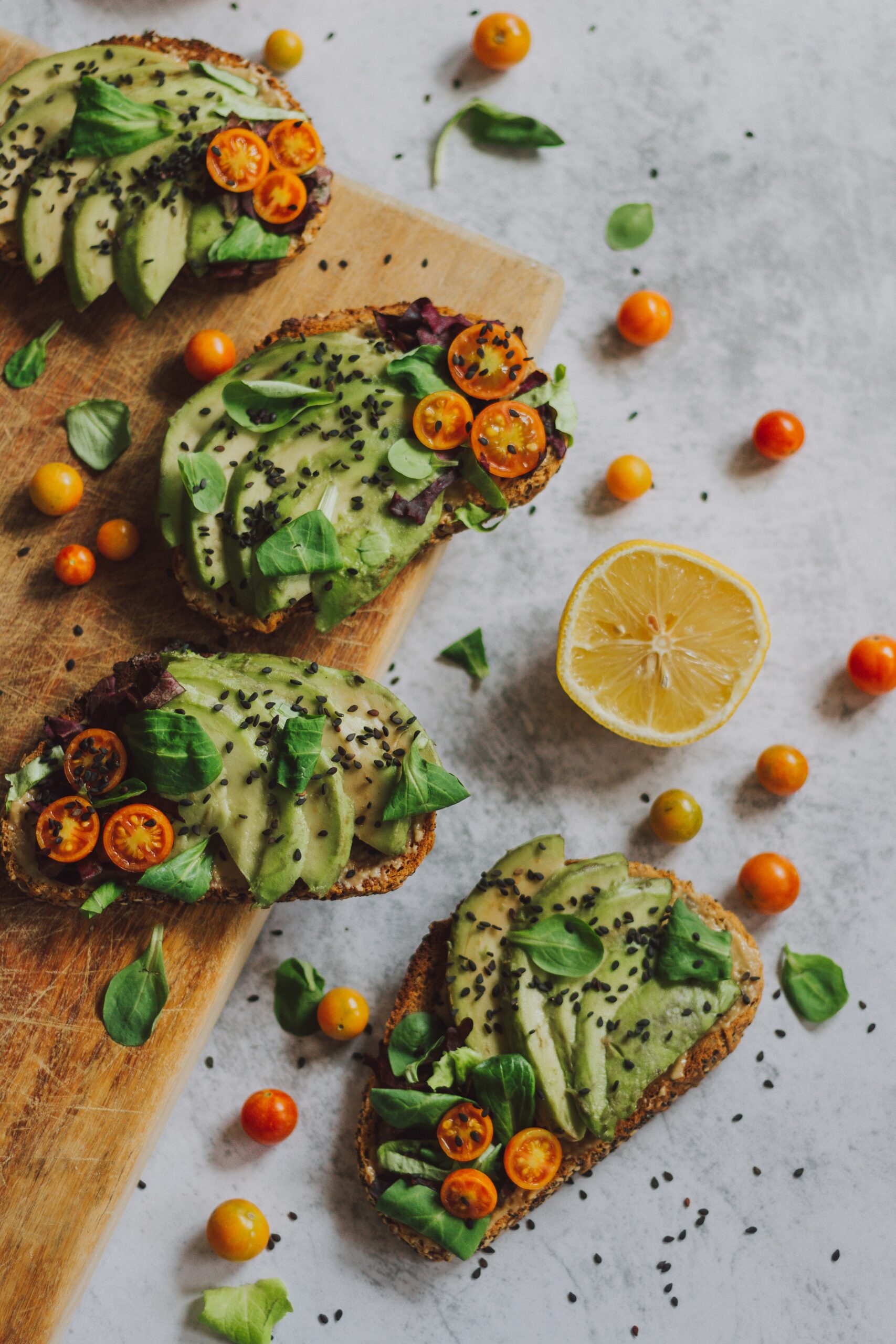
2. Avocado
Avocado is rich in healthy fats, primarily monounsaturated oleic acid, as well as carotenoids (lutein and zeaxanthin), vitamins C and E, folate, and biotin. Here’s why they are good for the skin:
- The monounsaturated fats in avocado may help maintain healthy skin by supporting the skin’s natural lipid barrier.
- Lutein and zeaxanthin are carotenoids that have been shown to accumulate in the skin, where they can provide photoprotective effects, as discussed by Demming-Adams et al. in their study.
- Vitamin E acts as an antioxidant that protects skin cells from oxidative damage.
- Vitamin C supports collagen production and helps neutralize free radicals.
The skin health benefits of avocado have been studied scientifically, too. A pilot clinical trial authored by Henning et al., for example, found that women who ate one avocado per day for eight weeks showed measurable improvements in forehead skin elasticity and firmness compared to the control group. As with many pilot studies, the sample size was small (39 participants), and further research is needed to confirm the findings.
How to eat more avocado: add sliced avocado to salads, mash it on whole grain toast, or use it as a base for dips. Half a medium avocado counts as one serving.

3. Sweet Potatoes
Sweet potatoes are among the most concentrated dietary sources of beta carotene, which is the plant-based nutrient that your body can convert into vitamin A. A single medium sweet potato can provide more than 100% of your daily vitamin A requirement, which matters for your body because:
- Vitamin A in the body is essential for skin cell turnover, renewal, and repair.
- Vitamin A plays a role in regulating sebum production and promotes collagen production.
- Beta carotene can increase the skin’s resistance to oxidative damage.
A study has also shown that the combination of beta-carotene, anthocyanins, and vitamin C found in sweet potatoes can support collagen synthesis and serve as a rejuvenation agent for the skin.
How to eat more sweet potatoes: eat them roasted, baked, mashed, or added to soups and curries. The purple-fleshed varieties also contain anthocyanins, which add additional antioxidant and anti-inflammatory benefits for the skin.
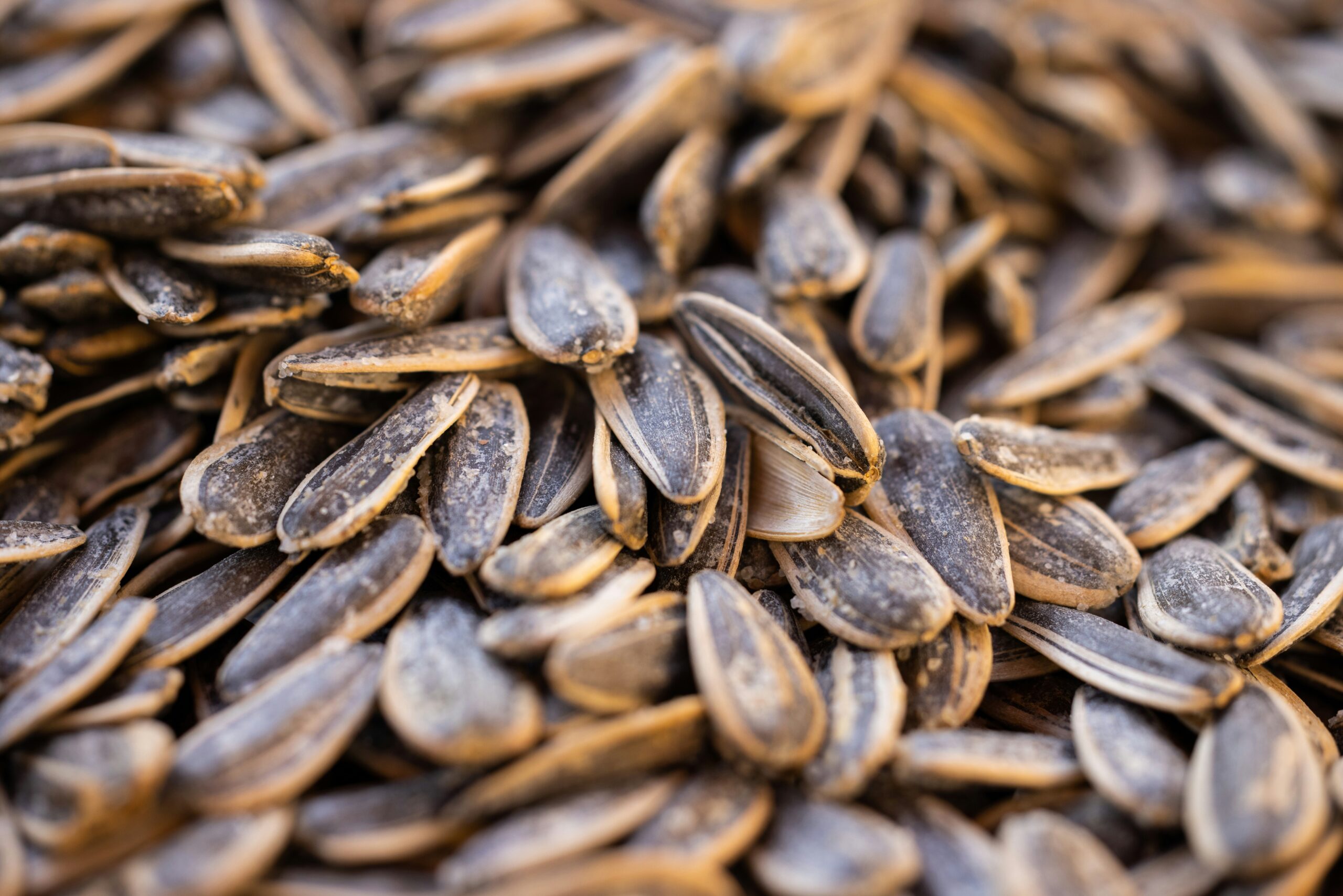
4. Sunflower Seeds
Sunflower seeds are one of the most concentrated food sources that contain vitamin E, which is very important for the skin. A single 28-gram (one-ounce) serving provides nearly 50% of the daily requirement for vitamin E, alongside approximately 40% of the daily selenium requirement, roughly 14% of the daily zinc requirement, and 5.5 grams of protein. All of these can support the skin because:
- Vitamin E is one of the primary fat-soluble antioxidants in the skin, where it helps neutralize free radicals caused by sun exposure and environmental pollutants.
- Selenium works alongside vitamin E to protect skin cells from oxidative damage and supports skin elasticity.
- Zinc plays a key role in wound healing, collagen synthesis, and controlling inflammation
How to eat more sunflower seeds: sprinkle them on salads, mix them into yoghurt, or snack on them with some dark chocolate.
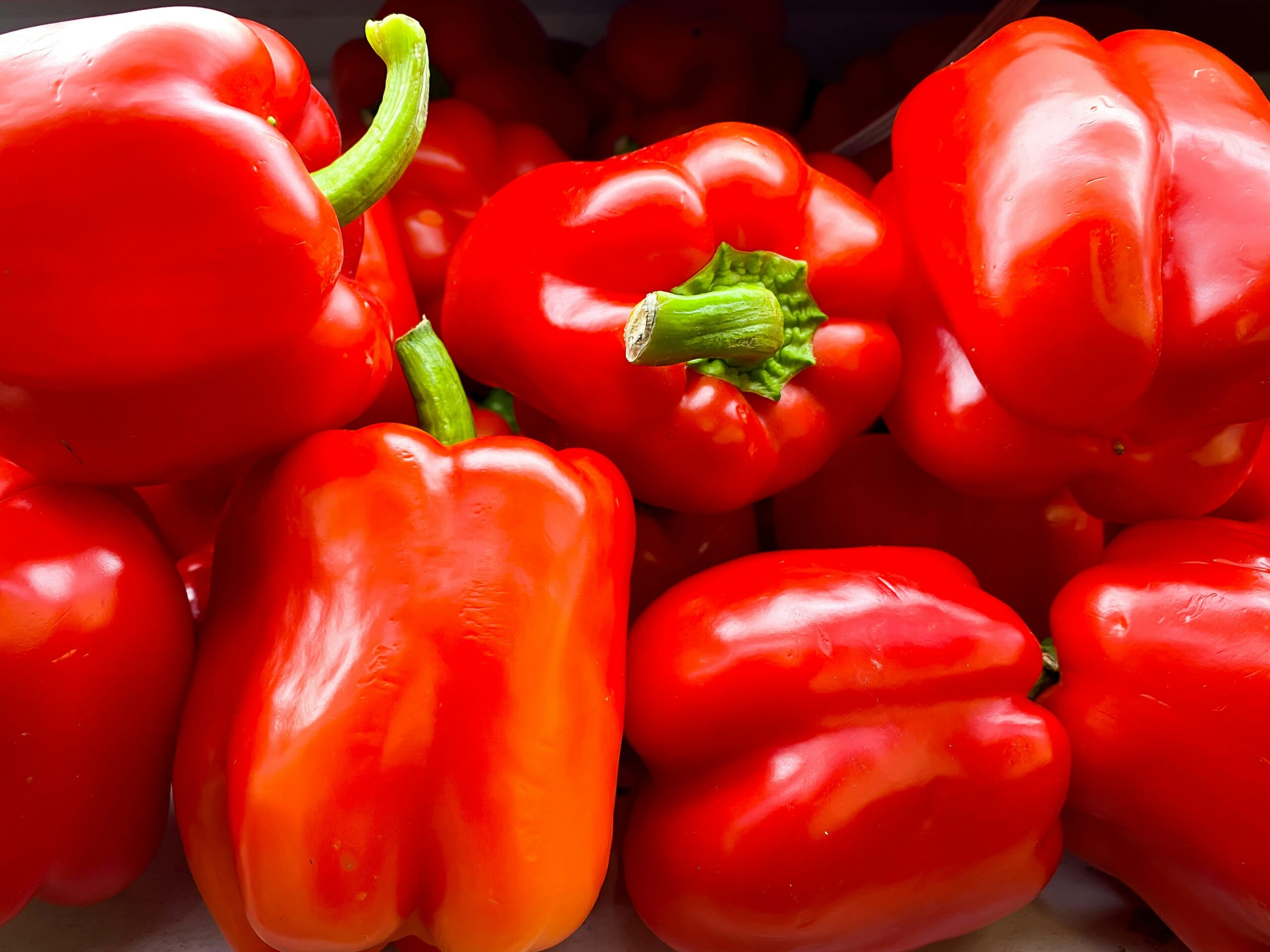
5. Bell Peppers (Especially Red)
Bell peppers are one of the best dietary sources of vitamin C. Red bell peppers, in particular, contain more vitamin C per gram than most citrus fruits. They also provide beta carotene, vitamin B6, and folate. Here’s exactly why bell peppers are good for your skin:
- Vitamin C is essential for collagen production, as discussed previously.
- As a potent antioxidant, vitamin C helps protect your skin from premature aging caused by free radical activity.
- Beta carotene in bell peppers converts to vitamin A, supporting cell turnover and contributing to sun protection.
- Vitamin C is also involved in wound healing and the formation of the skin barrier.
How to eat more bell peppers: try raw bell pepper strips as a crunchy, nutritious snack. They’re also great in stir-fries, stuffed and roasted, or sliced into salads.
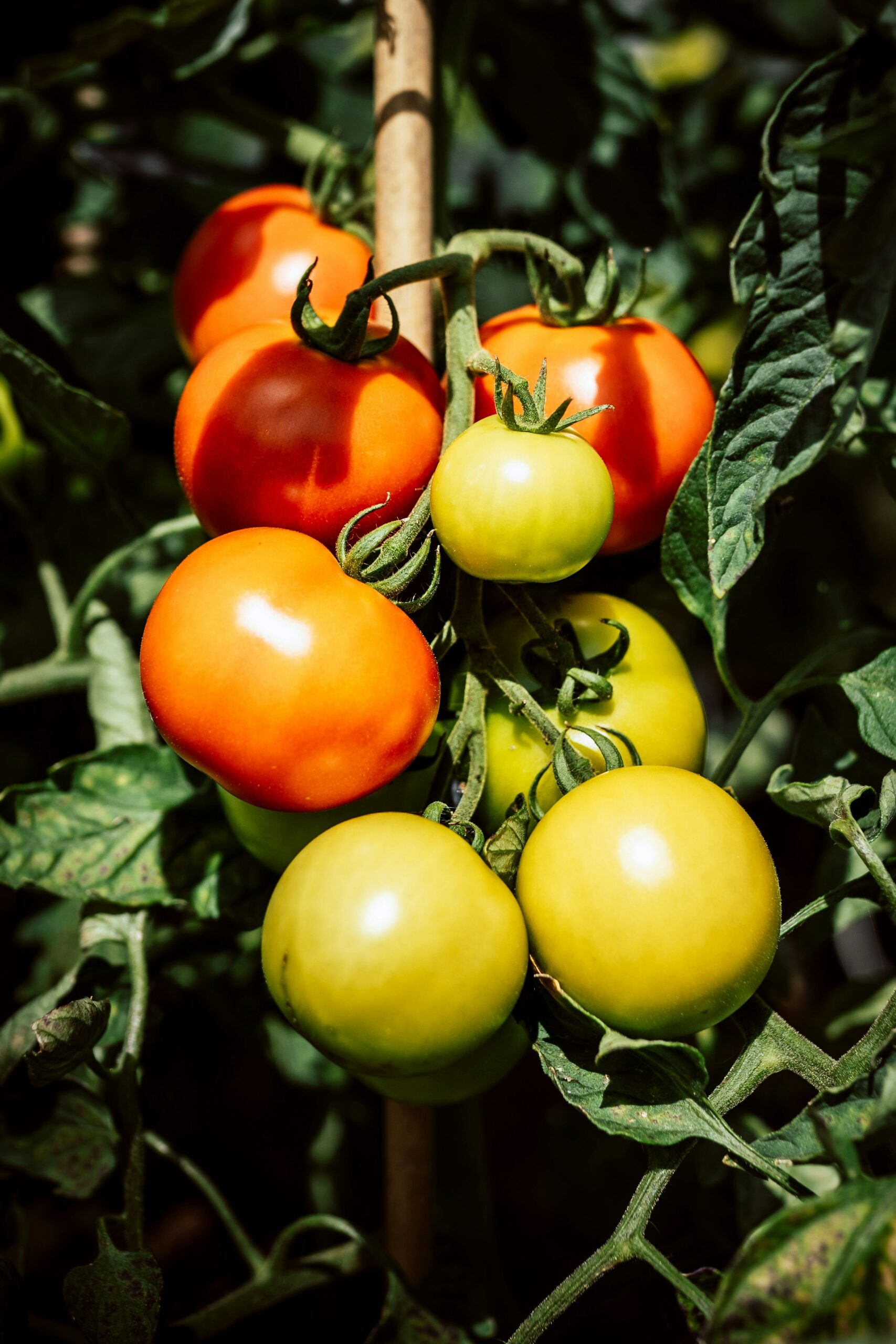
6. Tomatoes
Tomatoes offer a particularly useful combination of nutrients for skin health: vitamin C (for collagen production), alongside lycopene, a carotenoid antioxidant that is considered one of the most effective compounds for protecting the skin from sun damage.
A randomized controlled trial published by Rizwan et al. found that women who consumed 55g of tomato paste (providing 16mg of lycopene) in olive oil daily for 12 weeks showed significantly reduced UV-induced skin redness. Scientists have concluded that tomato paste does provide protection against acute photodamage.
How to eat more tomatoes: tomato paste, passata, and cooked tomato sauces provide the most bioavailable lycopene. Eating tomatoes with a source of fat (like olive oil) further enhances lycopene absorption.

7. Dark Chocolate (70%+ Cocoa)
Dark chocolate earns a legitimate place on this list, provided you choose varieties with a high cocoa percentage (70% or above). The key compounds we’re interested in for our discussion are flavanols, a type of polyphenol antioxidant found in cocoa beans. It’s worth noting that most commercially produced dark chocolate undergoes processing that reduces flavanol content significantly. So, if you do want to eat dark chocolate to support your skin’s health, choose high-quality products.
Cocoa flavanols have antioxidant and anti-inflammatory properties that may help protect skin cells from UV radiation and oxidative damage. They may increase blood flow to the skin, improving oxygen and nutrient delivery,
Moreover, cocoa flavanol consumption can also improve facial wrinkles and elasticity, as proved in a study conducted by Yoon et al.
How to eat more: opt for dark chocolate with 70-85% cocoa content. A small square a day is usually enough. Look for minimally processed options where possible.
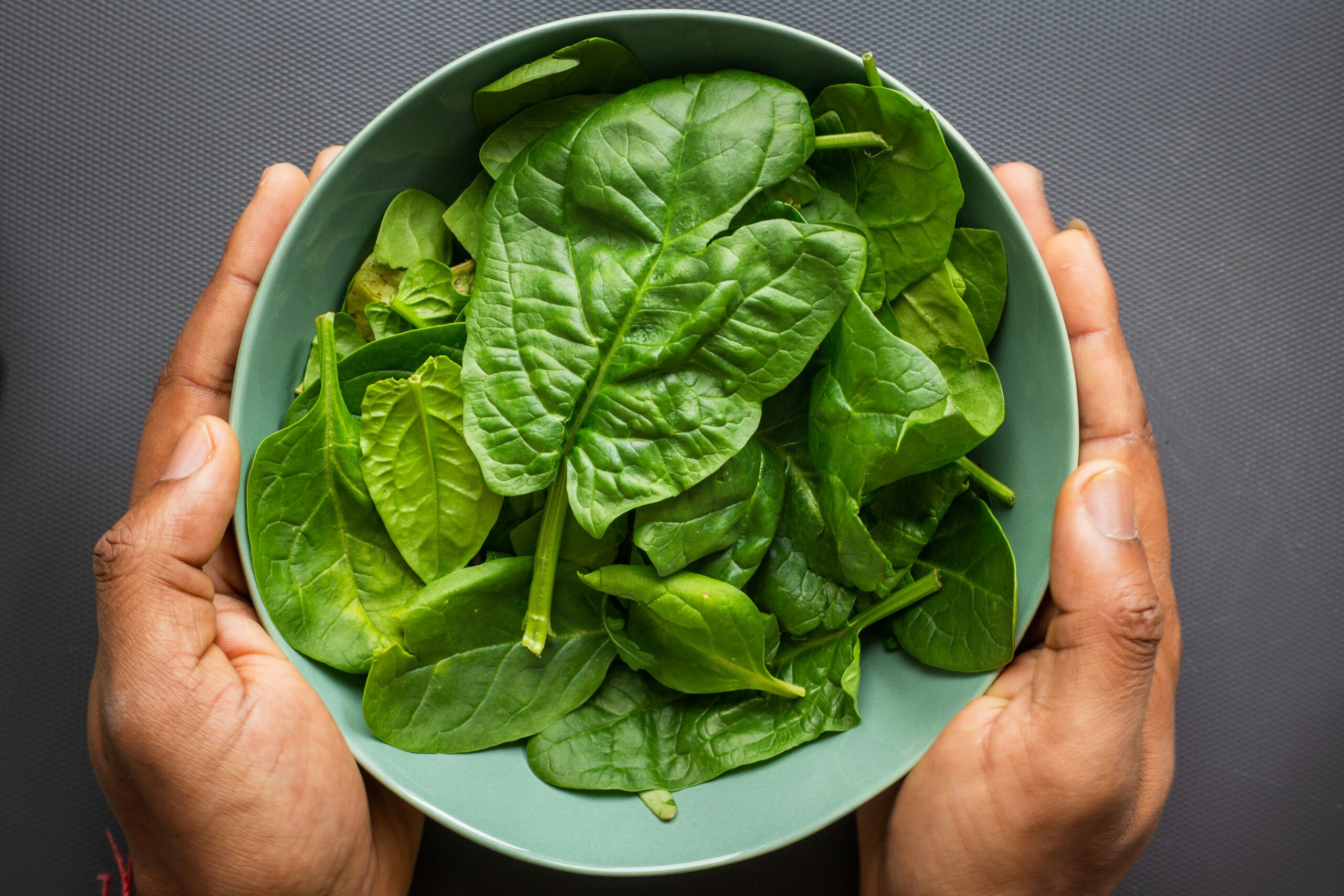
8. Leafy Greens (Spinach, Kale, Swiss Chard)
Dark leafy greens are among the most nutrient-dense foods you can eat for skin health. Spinach, kale, and Swiss chard provide vitamin C, vitamin A, vitamin E, folate, vitamin K, iron, and a range of carotenoids, including lutein and zeaxanthin. All of these are important for your skin because:
- Vitamin C supports collagen production and provides antioxidant protection.
- Vitamin A regulates skin cell turnover and repair.
- Lutein and zeaxanthin may accumulate in the skin and contribute to UV filtering.
- The chlorophyll and other phytonutrients in dark leafy greens have anti-inflammatory properties.
- Folate supports new cell formation and DNA repair.
- Vitamin K is being studied for its ability to help with stretch marks and spider veins.
Cruciferous greens like broccoli and Brussels sprouts also deserve mention here: broccoli contains sulforaphane, a compound with documented photoprotective and cancer prevention effects, although evidence is still not definitive. Brussels sprouts provide a strong vitamin C and K combination.
How to eat more leafy greens: add spinach to smoothies (you won’t taste it), wilt kale into pasta dishes, or build salads around mixed greens.

9. Green Tea
Green tea has anti-inflammatory and antioxidant properties. It’s well-known in the beauty niche thanks to its polyphenols, which can have an anti-aging effect on the skin, as confirmed in this scoping review.
Polyphenols can act as a natural sunblock and thus protect your skin against UV damage. They can also lower sebum production, reduce acne, and fight signs of premature aging.
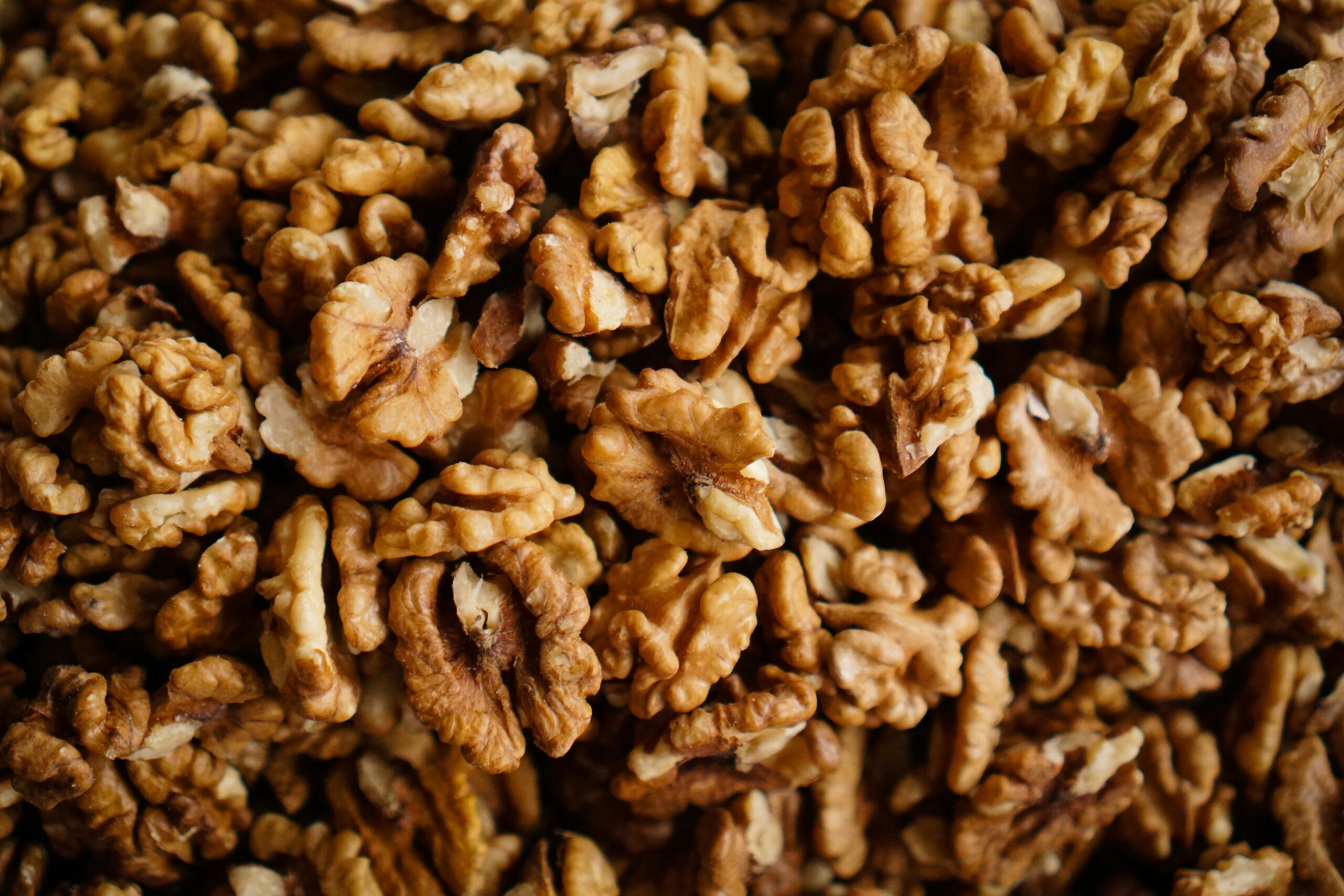
10. Walnuts
Walnuts contain omega-3 fatty acids (in the form of ALA) and a notable concentration of vitamin E, zinc, selenium, and polyphenols. This combination can help:
- Reduce inflammation
- Support skin barrier
- Protect skin cells from radical damage
- Enhance wound-healing response
- Boost collagen formation
How to eat more walnuts: add a handful (around 28g/1oz) of walnuts to yoghurt, oatmeal, or salads, or just eat them as a snack.

11. Pumpkin Seeds
Pumpkin seeds are one of the best plant-based sources of zinc, a mineral that is extremely important for skin health.
Zinc is essential for wound healing, controlling inflammatory responses in the skin, and regulating sebum production. It also contributes to collagen synthesis and helps protect the skin’s protein structure from UV damage.
Pumpkin seeds also provide magnesium, iron, healthy fats, and potassium that support the overall health of your skin.
How to eat more pumpkin seeds: sprinkle them on salads or porridge, mix them into trail mix, or eat them as a snack. They pair well with dark chocolate for a skin-boosting nutrient combination.
Food Groups That Support Healthy Skin
In the following sections, we’ll discuss some groups of foods that can support healthy skin. Don’t forget that the best way to benefit from the nutrients in your food is to eat a balanced diet. In other words, don’t consume too much of specific foods just because they can support your skin’s health. It’s recommended to talk to your primary care physician or board-certified dermatologist before changing your diet.
Collagen-Boosting Foods
Collagen is the most abundant protein in the skin. It provides structure, firmness, and elasticity. But collagen production declines from around age 25 onwards, which is a normal part of aging. Certain foods can support your body’s own collagen synthesis, including:
- Red bell peppers
- Citrus fruits
- Tomatoes
- Bone broth
- Leavy greens
- Sweet potatoes
- Eggs
Antioxidant-Rich Foods
Free radicals, which are generated by UV radiation, pollution, smoking, and a poor diet, damage skin cells and accelerate premature aging. Antioxidants neutralize these free radicals before they can cause structural harm. Antioxidant-rich foods are, therefore, a must in anyone’s diet.
Here are some key antioxidant nutrients and their best food sources:
- Vitamin C: red bell peppers, guava, kiwi, strawberries, broccoli
- Vitamin E: sunflower seeds, almonds, avocado, wheat germ oil
- Beta carotene: sweet potatoes, carrots, kale, cantaloupe
- Lycopene: cooked tomatoes, watermelon, pink grapefruit
- Catechins: green tea, matcha
- Flavanols: dark chocolate, cocoa powder
- Selenium: Brazil nuts, sunflower seeds, fatty fish, eggs
Healthy Fats
A diet low in quality fats is often associated with dry skin, impaired barrier function, and increased sensitivity. Here are some great sources of healthy fats:
Type of Fat | Best Sources |
Omega-3 (EPA, DHA) | Fatty fish, fish oil |
Omega-3 (ALA) | Flaxseeds, chia seeds, walnuts |
Monounsaturated | Avocado, olive oil, almonds |
Omega-6 (linoleic acid) | Sunflower seeds, safflower oil |
The ratio of omega-6 to omega-3 fats in the diet is very important because a diet too high in omega-6 (common in Western diets high in processed foods) relative to omega-3 can cause inflammation.
Foods That Support Skin Hydration
Hydrated skin is more resilient, plumper, and less prone to fine lines. While drinking water is obviously the best way to stay hydrated, certain foods can also contribute to hydration, including:
- Cucumbers
- Watermelon
- Celery
- Strawberries
- Courgette/zucchini
- Oranges
Anti-Inflammatory Foods
Chronic, low-grade inflammation is increasingly recognized as a driver of a wide range of skin conditions. A diet rich in anti-inflammatory foods can thus help reduce inflammation at a systemic level, which often has visible benefits for the skin.
Here are some great anti-inflammatory food choices for skin:
- Fatty fish
- Leafy greens
- Turmeric
- Berries
- Extra virgin olive oil
- Green tea
- Ginger
Limit these foods if you want to reduce inflammation:
- Refined carbohydrates (white bread, pasta, pastries), which can spike blood sugar and trigger an inflammatory cascade
- Highly processed foods and trans fats, which are directly pro-inflammatory
- Excess sugar, which can also contribute to glycation, a process that damages collagen fibres
- Processed foods high in sodium, which may impair hydration and skin barrier function
Vitamin A-Rich Foods
Vitamin A (also called retinol in its active form) is one of the most important nutrients for skin cells. It regulates cell turnover, supports the production of new cells, controls sebum output, and contributes to the integrity of the skin barrier. You may recognise retinol as the active ingredient in many high-end anti-aging skincare products, but you can also support your body’s vitamin A levels through food.
Best dietary sources of vitamin A include:
- Sweet potatoes
- Carrots
- Leafy greens like spinach and kale
- Bell peppers, especially red
- Eggs
- Liver
- Full-fat dairy

Foods to Limit for Better Skin
- Highly processed foods and junk food, as they promote inflammation and impair hydration
- Refined carbohydrates and added sugars, as they spike blood sugar, trigger inflammation, and accelerate collagen breakdown through glycation
- Trans fats (in margarine, fried fast food, commercial baked goods), as they are pro-inflammatory and impair cell membrane function
- Excessive alcohol, as it dehydrates the skin, depletes key vitamins (especially B vitamins and vitamin C), and promotes inflammation
- Processed foods high in salt, as they can contribute to dehydration and skin puffiness without directly supporting skin health
Practical Tips for a Skin-Healthy Diet
- Eat a wide variety of colours: different pigments (orange, red, dark green, purple) signal different antioxidants.
- Include healthy fats at each meal: add avocado, olive oil, or a handful of nuts to help absorb fat-soluble vitamins like A, D, E, and K.
- Cook tomatoes in olive oil: this increases lycopene bioavailability,
- Drink plenty of water daily.
- Don’t skip protein, as protein is necessary for the formation of new cells, collagen fibres, and enzymes involved in skin repair. Protein-rich foods like fish, eggs, legumes, and lean meats should feature regularly.
- Prioritize a balanced diet overall; don’t fixate on any single “superfood.”
- Limit sun exposure and always use sunscreen, as food-based photoprotection cannot replace topical sun protection.
FAQs
What is the number one best food for healthy skin?
There is no single best food for skin, but fatty fish like salmon is often considered one of the top choices, because it contains omega-3 fatty acids, protein, and nutrients that support hydration, elasticity, and skin barrier health.
What to drink before bed for glowing skin?
To have glowing skin, you can drink water, unsweetened green tea, or collagen-rich bone broth.
How to get 100% clear skin naturally?
There is no guaranteed way to achieve 100% clear skin naturally, but a consistent skincare routine and a healthy lifestyle can help support overall skin health. This may include gentle cleansing, eating nutrient-rich foods, managing stress, getting enough sleep, and avoiding triggers that worsen breakouts.
What are 5 superfoods for glowing skin?
Five commonly recommended superfoods for glowing skin include avocado, blueberries, salmon, spinach, and walnuts. These foods provide antioxidants, healthy fats, vitamins, and minerals that support skin health.
How long does it take to see skin improvements from dietary changes?
Dietary changes tend to show results gradually over weeks to months, not overnight. Most clinical studies measuring skin outcomes from dietary interventions ran for 8-12 weeks. Consistency matters more than intensity.
Does sugar really affect your skin?
Research suggests that sugar does affect your skin. High sugar intake can trigger an inflammatory response and accelerate a process called glycation, in which sugar molecules attach to collagen fibres and cause them to become stiff and brittle. This may accelerate the appearance of premature aging and skin damage. Reducing added sugars and refined carbohydrates is generally considered one of the more impactful dietary changes for skin health.
What foods should I avoid for better skin?
To support skin health, avoid highly processed foods, refined carbohydrates, added sugars, trans fats, and excessive alcohol. These foods tend to promote inflammation, impair the skin barrier, and contribute to premature aging over time.