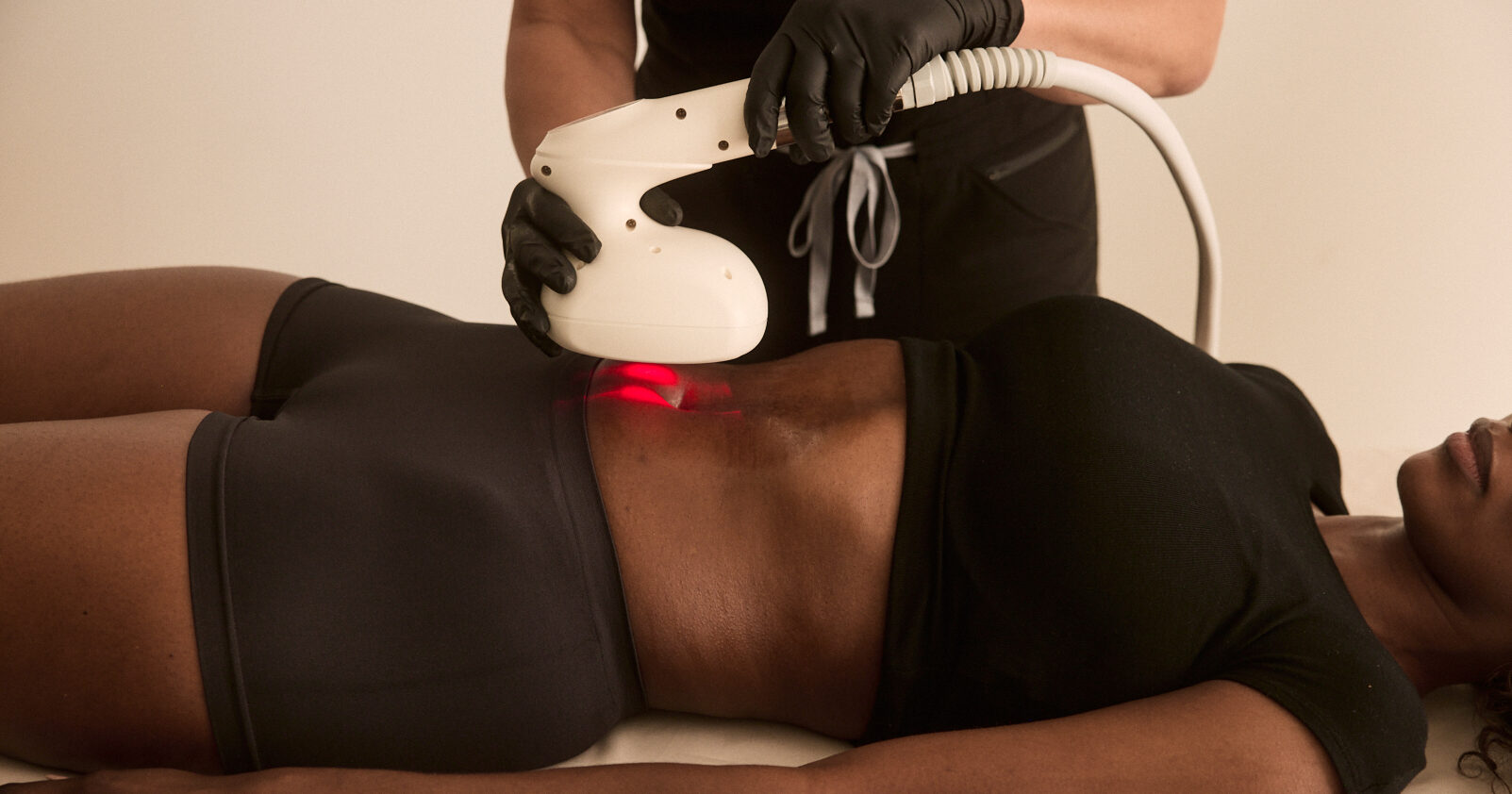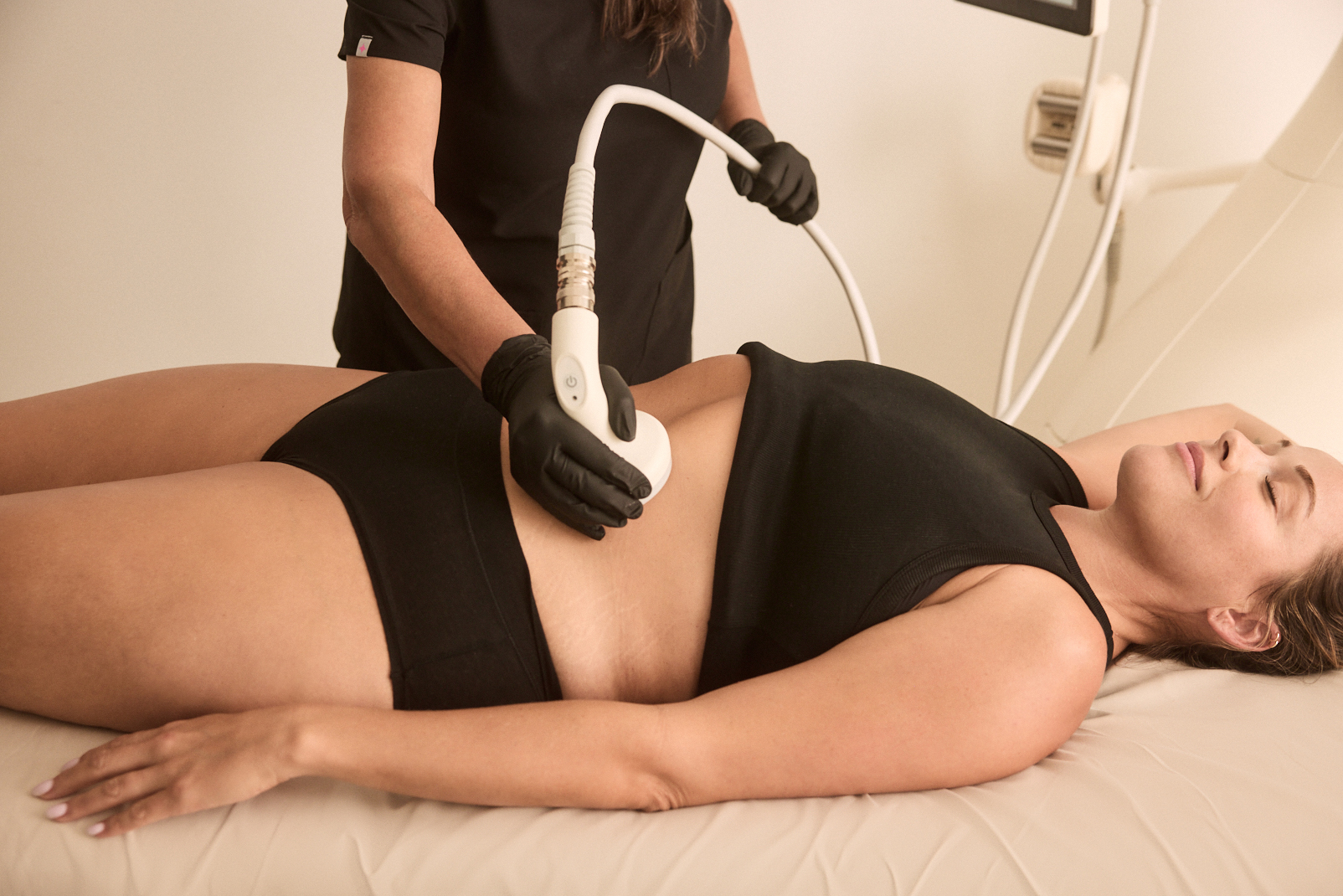
Morpheus8 is one of the best-known RF microneedling devices. It’s used for skin laxity, acne scars, and textural irregularities. Morpheus8 combines microneedling with radiofrequency energy, which creates controlled coagulation in the dermis. With deeper settings, the heating can reach deeper layers.
However, Morpheus8 is not suitable for everyone. Some people want less downtime or less pain. Others want lower pigment risk. Or maybe you’re looking for a device that targets a different skin layer.
So, if you’re looking for a Morpheus8 alternative, we’ve prepared a comprehensive comparison guide to help you choose.
Disclaimer: This article is provided for informational and educational purposes only. The information presented here is not a substitute for professional medical evaluation, consultation, or care and should not be relied upon to make health-related decisions. Always consult a qualified and licensed medical or aesthetic professional before undergoing any cosmetic or aesthetic procedure.
What Is Morpheus8, and Why Look for an Alternative?
Morpheus8 is a skin remodeling fractional RF microneedling device that combines microneedling with tiny needles.
Morpheus8 penetrates up to 4mm into the skin, allowing for deeper treatment compared to other devices. This creates controlled micro-injuries in the skin that trigger the body’s natural healing process. This, in turn, activates collagen production and remodeling and tissue contraction.
The radiofrequency, on the other hand, promotes electrocoagulation in the tissues. This can improve the skin’s texture for a firm skin and a more youthful skin appearance.
This procedure is usually done with a topical anesthetic, such as a numbing cream; otherwise, it can hurt.
Morpheus8 is usually recommended for:
- Improving loose skin
- Improving skin texture and tone
- Treating stretch marks
- Healing skin imperfections
- Treating acne scars
- Delaying the appearance of signs of aging
- Improving uneven skin tone
Results from Morpheus8 treatments are typically seen within a few days and can last for several years.
However, specifically because of its mechanism of action, Morpheus8 can lead to:
- Significant downtime with redness and swelling
- Risk of post-inflammatory hyperpigmentation
- Discomfort during treatment
- Temporary texture irregularities
- Prolonged inflammation in some people
- Inconsistent results if treatment depth or energy settings aren’t well-matched to the skin
Moreover, some people don’t tolerate the idea of fine needles penetrating their skin, so they might exclude this device from their options automatically. Last but not least, Morpheus8 is generally more expensive than other RF microneedling devices, with prices ranging from $800 to $2,000 per session.
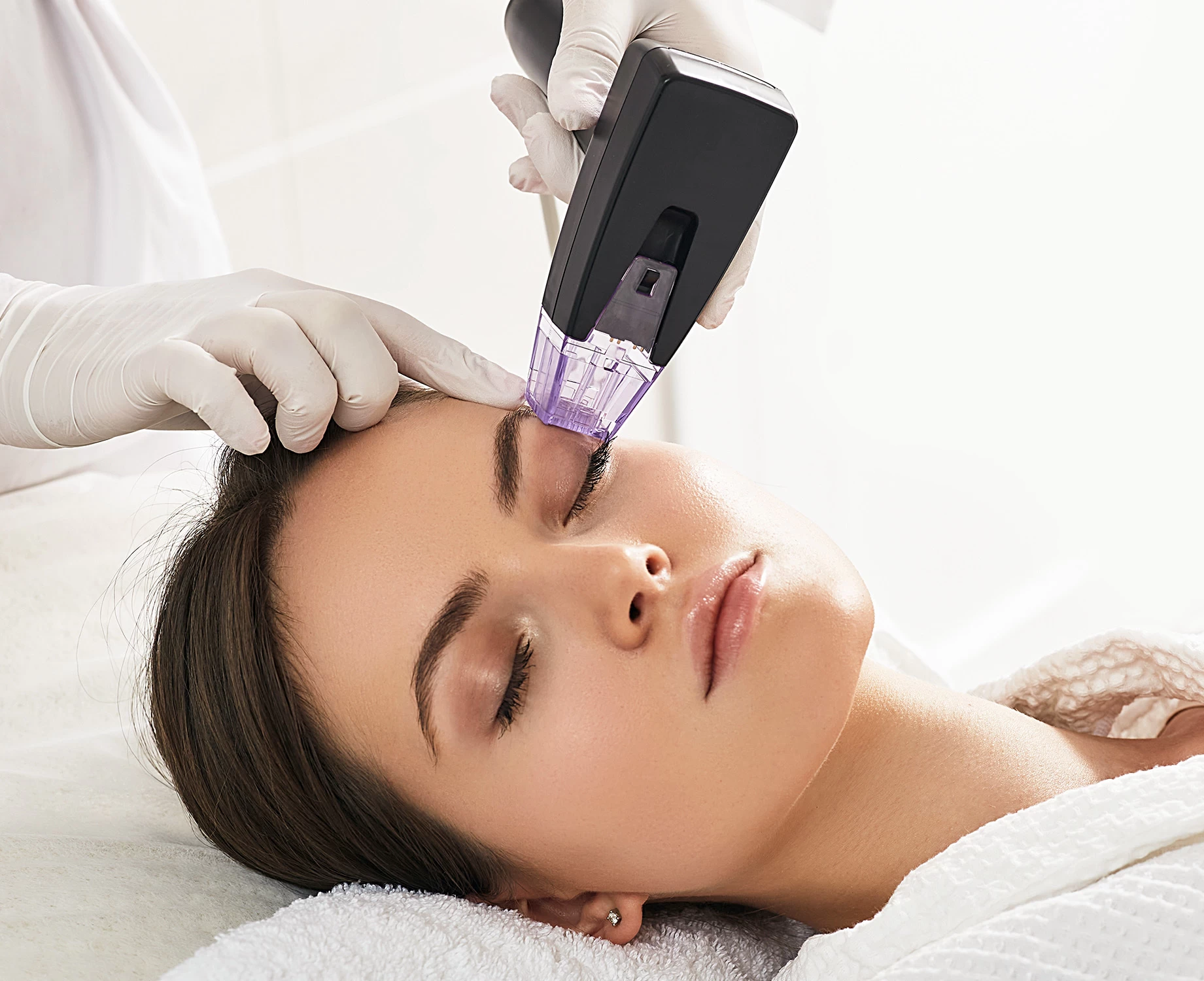
Who Is Not a Good Candidate for Morpheus8?
Morpheus8 can be highly effective, but it isn’t the right choice for every skin type, lifestyle, or medical background. You may not be an ideal candidate if:
- You are prone to post-inflammatory hyperpigmentation (PIH)
- You have active inflammatory skin conditions
- You have a history of poor wound healing or abnormal scarring
- You can’t tolerate downtime
- You have low pain tolerance (or can’t use strong numbing)
- You’re pregnant or breastfeeding
- You have certain medical conditions or implanted devices
Suitability depends on skin type, medical history, and specific skin concerns, so a professional assessment is essential before choosing Morpheus8 or any of its alternatives.
Morpheus8 Alternatives: Technologies and Devices
A Morpheus8 alternative is any treatment that aims to improve skin elasticity, firmness, texture, or scarring using different technologies. Some alternatives are similar to Morpheus8 but gentler, while others are completely non-invasive and focus on gradual improvement.
Below are commonly used Morpheus8 alternatives, grouped by technology, with examples of well-known devices.
Other RF Microneedling Devices
Morpheus8 isn’t the only RF microneedling treatment on the market. There are others that differ from Morpheus8 in how deeply they can reach, how RF energy is delivered, how the needles are designed, and how the procedure feels and heals. Other RF microneedling devices include:
- Sylfirm X – an RF microneedling system that is often used for improvements in skin texture and tone. It generally delivers RF energy in shorter, controlled pulses, which can make the treatment more comfortable and reduce downtime.
- Secret RF – an RF microneedling treatment that can restore and rebuild skin, offering a more comfortable option for clients. It treats the skin at shallower depths than Morpheus8. This can lead to less swelling and tenderness and a shorter recovery time. Secret RF can address skin laxity, fine lines, wrinkles, and scars. Downtime for Morpheus8 is typically longer than for Secret RF, with redness and swelling lasting up to a week.
- Vivace RF – an RF microneedling device that uses 36 gold-plated needles that deliver heat deeper into the skin while protecting the surface. It is often described as more controlled and tolerable and can work for fine lines, pores, or mild skin tightening. It’s better suited for surface-level skin concerns.
- Potenza – an RF microneedling device that uses ultra-fine needles and RF energy to remodel the skin at multiple depths in a single session. It features monopolar and bipolar RF settings that can be easily customized based on skin type and treatment goals. It causes moderate discomfort and mild to moderate downtime. It’s recommended for skin texture, acne scars, and early skin laxity.
Radiofrequency (RF) Therapy Without Microneedling
Some Morpheus8 alternatives use radiofrequency energy without needles. These treatments heat the skin from the surface instead of delivering energy through microneedles. Because the skin is not punctured, recovery is usually faster.
Radiofrequency therapy without microneedling:
- Feels more like a gradual warming than a needling procedure
- Has minimal downtime, often allowing return to normal activities the same day
- Produces gradual tightening rather than dramatic texture changes
These treatments are better suited for mild skin laxity or maintenance, rather than acne scars or significant texture irregularities.
Common radiofrequency devices include Thermage and Forma.
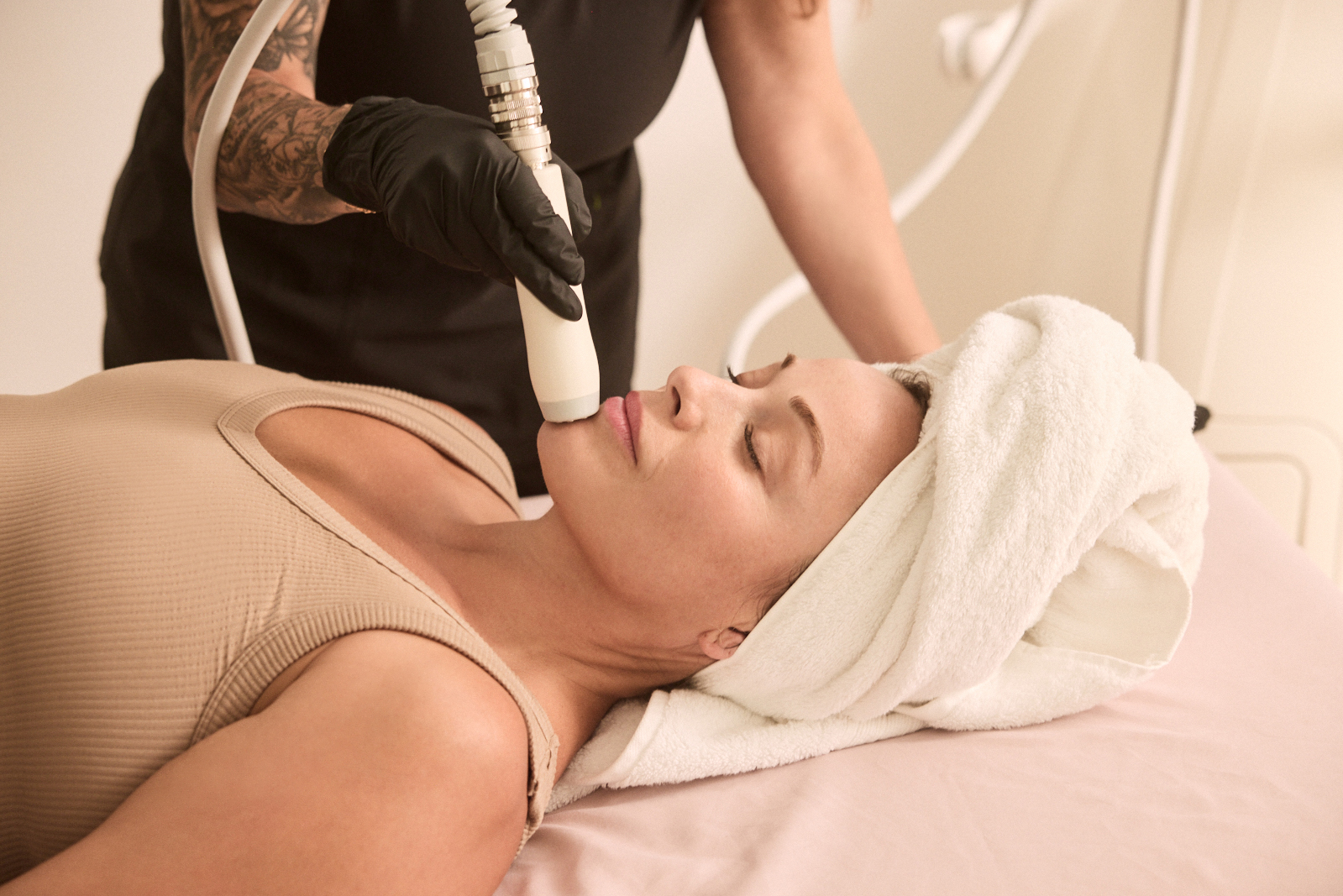
Combination Technology: T-Shape 2
T-Shape 2 is a non-invasive, multi-technology option that is gentler on the skin and requires minimal downtime. It incorporates four different technologies:
- Bipolar Radio Frequency, to gently heat the skin and cause collagen growth
- Low-Level Laser Therapy, to help improve cellular metabolism, microcirculation, and tissue recovery
- Endodermic vacuum suction, to help improve lymphatic drainage and reduce tissue stagnation
- Mesospheric mechanical stimulation, to help stimulate underlying muscle tone, blood flow, and skin nutrition
This multi-purpose device can trigger the body’s healing response to stimulate collagen and elastin production, excellent for treating fine lines and mild skin laxity. At the same time, it can help enhance overall skin health by addressing skin issues like cellulite.
T-Shape 2 is better suited for face and body contouring, cellulite reduction, and overall skin firmness. It causes minimal discomfort, usually just temporary redness and warmth.
Ultrasound Therapy
Ultrasound-based treatments use focused ultrasound waves to deliver heat into the skin’s deeper layers of tissue without damaging the skin surface. Unlike Morpheus8, ultrasound does not involve needles or skin puncture.
Compared to Morpheus8, ultrasound therapy:
- Causes less surface irritation
- Has minimal visible downtime, though tenderness may last several days
- Is more focused on skin lifting and tightening rather than resurfacing
Ultrasound therapy is often chosen when the main concern is sagging skin, especially along the jawline or neck, rather than scars or uneven texture.
One of the most popular ultrasound devices is Ultherapy. Morpheus8 treatments can be slightly more uncomfortable due to the deeper penetration of the needles compared to Ultherapy. SofWave treatment is another well-known system that uses advanced ultrasound technology.
Non-Ablative Laser Treatments
Non-ablative lasers can improve the skin by heating deeper layers of the skin without removing the outer layer of skin. This stimulates collagen production while keeping the skin surface intact.
Compared to Morpheus8:
- Non-ablative laser resurfacing typically causes less swelling
- Downtime is usually shorter, though redness can last a few days
- Results develop gradually over time
These treatments are often used for skin texture, pigmentation, and mild wrinkles, but they may not provide the same tightening effect as deeper RF microneedling.
An example of a non-ablative laser is Fraxel.
Injectable Skin Rejuvenation Treatments
Some people choose injectable treatments instead of energy-based devices. These treatments do not use heat or needles to remodel tissue. They support skin quality from within.
Examples include:
- Skin boosters, like hyaluronic acid, which can improve hydration and smoothness
- Biostimulator injectables, which can encourage the body to produce new collagen over time
Compared to Morpheus8, injectable treatments:
- Have minimal downtime
- Do not resurface or tighten skin directly
- Are often used as supportive or combination treatments
They are best for people dealing with superficial skin concerns, as they can help enhance skin texture and quality. They are not effective in significantly tightening loose skin.
Morpheus8 vs Morpheus8 Alternatives: Quick Comparison
| Treatment | Does it hurt? | Typical downtime | Best for | Common side effects |
| Morpheus8 | Moderate-high (numbing required; deeper settings feel more intense) | 1-5 days (complete healing takes 2-3 weeks) | Skin laxity, acne scars, texture irregularities, jawline/neck tightening | Redness, swelling, tenderness, pinpoint bleeding |
| Sylfirm X (RF microneedling) | Mild–moderate (often more comfortable than Morpheus8) | 1-3 days; requires more session to achieve the same results | Improving overall texture, tone, early aging, patients prone to pigmentation | Redness, mild swelling |
| Secret RF | Mild-moderate | 1-2 days | Acne scars, pores, uneven texture | Redness, swelling, tenderness |
| Vivace RF | Mild-moderate (often described as well-tolerated) | Several hours | Fine lines, pores, mild skin tightening | Redness, mild swelling |
| Potenza (RF microneedling) | Moderate | 1-3 days | Texture issues, acne scars, early skin laxity | Redness, swelling, tenderness |
| RF therapy (no needles) (Thermage, Forma) | Low-moderate (feels like heat or deep warmth) | Several hours | Mild skin laxity, maintenance, gradual tightening | Redness, warmth |
| T-Shape 2 | Low | Several hours | Skin laxity, body contouring, fine lines, massage | Redness, warmth |
| Ultrasound therapy (Ultherapy) | Low-moderate (can feel sharp or deep during pulses) | Minimal to none, usually a few hours | Sagging skin, jawline and neck lifting | Tenderness, redness |
| Non-ablative lasers | Mild-moderate | 1-7 days | Texture, pigmentation, mild wrinkles | Redness, swelling |
| Injectable skin treatments (skin boosters, biostimulators) | Low (needle discomfort only) | 0-1 day | Skin hydration, smoothness, long-term collagen support | Swelling, bruising |
How to Choose the Right Morpheus8 Alternative
Use this decision framework to choose the right Morpheus 8 alternative:
1. Choose Based on Your Main Concern
If your main concern is skin laxity (jawline, neck, lower face), you can try:
- Ultrasound therapy (e.g., Ultherapy) for lifting/tightening at deeper tissue levels
- RF without microneedling (e.g., Thermage, Forma) for gradual tightening and maintenance
- T-Shape 2 for gentler firming and contouring with minimal downtime
If your main concern is acne scars and texture irregularities, you can try:
- RF microneedling alternatives (Secret RF, Potenza, Vivace, Sylfirm X)
If your priority is minimal downtime and lower discomfort:
- RF without microneedling
- T-Shape 2
- Injectable skin boosters (for hydration and glow rather than tightening)
2. Choose Based on Downtime & Tolerance
- Want minimal downtime: RF without needles, ultrasound, T-Shape 2, injectables
- OK with 1-3 days downtime: most RF microneedling options
3. Choose Based on Skin Type and PIH Risk
- Higher PIH risk: prioritize gentler protocols, cautious heat delivery, and experienced providers
- Lower PIH risk: you may have more flexibility in choosing deeper or more aggressive collagen-stimulating treatments
How Much Do Morpheus8 Alternatives Cost?
Prices vary by country, clinic, provider experience, and treatment area (face vs face+neck vs body). However, here are the average price ranges per session for various procedures:
| Technology | Average price range per session |
| Morpheus8 | $800-$2,000 |
| Sylfirm X | $500-$1,200 |
| Secret RF | $300-$1,500 |
| Vivace RF | $600-$1,500 |
| Potenza | $800-$1,500 |
| RF without needles | $600-$2,000 |
| Ultrasound | $400-$2,000 |
| T-Shape 2 | $500-$1,500 |
| Injectables | $300-$600 |
The Importance of Working With a Professional
Regardless of the Morpheus8 alternative you’ll go for, the results and safety of the procedure depend heavily on who performs the treatment and how it’s customized.
Working with an experienced professional or an experienced team of professionals matters because they can:
- Assess whether you’re a candidate at all. Skin type, medical history, medications, and scarring/pigmentation tendencies all influence risk.
- Find the right treatment and match technology to your goal and skin biology. Two people can have the same complaint (e.g., loose skin) but need different approaches depending on whether the issue is true laxity, volume loss, or texture.
- Adjust settings to reduce complications. Treatment depth, energy level, pulse mode, and pass technique can change outcomes dramatically, especially for PIH-prone patients.
- Create a gradual plan instead of overtreating for effective treatments. The most common cause of prolonged redness, texture irregularities, or dissatisfaction is overly aggressive settings or too-frequent treatments.
- Provide correct pre- and post-care. Pigment prevention, barrier support, and inflammation control are crucial for recovery and optimal results.
FAQs
Is there anything better than Morpheus8?
Whether there is or isn’t anything better than Morpheus8 really depends on your goal: surgical facelifts and neck lifts may provide far more dramatic and long-lasting results than Morpheus8 for significant laxity. For non-surgical options, combining Morpheus8 with RF microneedling, ultrasound, or biostimulators can outperform Morpheus8 alone.
What is the strongest skin-tightening procedure?
Non-surgical procedures with the strongest skin tightening benefits include deep radiofrequency microneedling, ultrasound-based devices like Ultherapy, and combination devices like T-shape 2.
Is Ultherapy better than Morpheus8?
Ultherapy may be better for deep structural lifting, while Morpheus8 may be better for surface texture, mild laxity, and skin quality due to its microneedling and RF combination.
What is better, Fraxel or Morpheus8?
Fraxel may be better for improving pigmentation, fine lines, and overall skin texture. Morpheus8 may be better for tightening, contouring, and deeper collagen production and remodelling, encouraging skin renewal.
Which is better, Vivace or Morpheus8?
Morpheus8 delivers deeper and more aggressive radiofrequency energy, making it better for skin tightening and fat remodeling. Vivace is gentler, with less downtime, and better for mild rejuvenation and maintenance.