If you’ve lost some weight and are starting to notice loose skin on the face, on the arms, or maybe on the stomach, you’re certainly not the only one. In fact, having loose skin after losing weight, especially after losing a lot of weight rapidly, is completely normal. The skin often can’t adjust to the new body shape as rapidly as you lose weight. Still, even if it’s a normal process, it affects one’s body image, as well as physical and mental well-being.
Now, the most important question is, does loose skin go away on its own? Sometimes it does, sometimes it doesn’t. It depends on many factors, which we’ll explain in detail below.
Disclaimer: This article is provided for informational and educational purposes only. The information presented here is not a substitute for professional medical evaluation, consultation, or care and should not be relied upon to make health-related decisions. Always consult a qualified and licensed medical or aesthetic professional before undergoing any cosmetic or aesthetic procedure.
Quick Answer: Does Loose Skin Go Away?
Sometimes loose skin goes away on its own, but it depends on the amount of weight lost, how quickly you lost it, your age, skin elasticity, how long the skin was stretched, and other factors.
Mild loose skin may improve naturally over 12 to 24 months, especially with stable weight, strength training, good nutrition, and proper skin care. Significant loose skin, especially after losing 50-100 pounds or more, is less likely to tighten fully without treatment. In those cases, non-surgical skin tightening procedures or surgery may be needed.
Key takeaways:
- Mild loose skin may tighten naturally over time.
- Moderate loose skin may improve with exercise and skin-tightening treatments.
- Severe loose skin often requires professional treatment.
- Rapid weight loss increases the risk of sagging skin.
- Gradual weight loss gives skin more time to adapt.
Why Does Weight Loss Cause Loose Skin?
Weight loss causes loose skin because the skin stretches to accommodate weight gain, and it doesn’t always shrink back fully when the fat underneath is reduced. The skin does adapt to the changes, but only up to a point, especially when one loses significant weight quickly.
In other words, the skin expands during weight gain and, ideally, contracts as you lose weight. Its ability to contract depends almost entirely on two proteins: collagen and elastin.
Collagen gives the skin its structure and firmness. Elastin allows it to stretch and return to its original shape. When your skin is stretched gradually by weight gain over months or years, those fibres are under prolonged stress. In a study authored by Makihara et al., it is confirmed that skin elasticity is compromised in patients with mild obesity.
Does Loose Skin After Weight Loss Go Away on Its Own?
Sometimes, loose skin goes away on its own, especially if we’re talking about mild laxity only, and if you prioritize skin health, building muscle, and eating a collagen-supporting diet. Generally, whether loose skin will go away on its own largely depends on the following factors:
- How quickly did you lose weight? -> If you’ve lost more than 1-2 pounds per week, your skin might find it more difficult to shrink back. Many people on GLP-1 medications like Ozempic have this issue because it doesn’t give the skin time to adapt. Gradual weight loss of 1 to 2 pounds per week gives collagen fibers more opportunity to remodel alongside the body.
- How much weight did you lose? -> If you’ve lost 20-30 pounds, your skin may adapt over time. If you’ve lost more than 50-100 pounds, you might have significant laxity, in which case you’ll need professional help to get rid of it.
- How long have you been at your starting weight? -> The longer the skin has been stretched, the less likely it is to snap back naturally.
- How old are you? -> Younger skin is more likely to tighten naturally. After your mid-20s, collagen and elastin production declines, which means that the older you are, the less likely it is for your loose skin to go away naturally, especially if we’re talking moderate/significant laxity.
- What is your lifestyle after losing weight? -> For the skin to adapt to your body shape, it is recommended to prioritize muscle building (basically, you replace the lost fat with muscle mass, which can also improve skin elasticity and thickness), sun protection, skin-supporting products, hydration, and a healthy diet with collagen-supporting foods.
Other Factors That Determine Whether Loose Skin May Go Away
Other factors that determine whether your loose skin may go away on its own include:
- Sun exposure. Chronic UV exposure degrades collagen and elastin in the dermis, reducing the skin’s ability to tighten. This is independent of weight loss, but it compounds the problem.
- Genetics. Some people are simply predisposed to higher skin elasticity. Genetic factors influence dermal thickness and the density of collagen fibres, which is why two people with identical weight loss journeys can end up with very different skin outcomes.
- Smoking. Nicotine accelerates skin aging by damaging collagen production and reducing circulation. If you smoke, this significantly raises your risk of persistent sagging skin.
- Weight cycling. Repeated cycles of gaining and losing weight are similar to repeatedly stretching a rubber band. Eventually, the skin loses its ability to snap back.
How Long Does It Take for Loose Skin to Go Away?
It may take as much as 2 years for the skin to naturally tighten itself as collagen rebuilds and elasticity improves.
The skin responds slowly to change – that’s the secret one needs to hold onto. The truth is that many people give up quite quickly if they don’t notice natural improvements within a few weeks. So, if you want to try and give your skin some time to adapt, here’s what you can expect:
| Phase | Timeframe | What’s Happening |
| Initial retraction | 0-3 months after reaching stable weight | Mild tightening as inflammation reduces and hydration levels normalise |
| Active remodelling | 3-12 months | Collagen production rebuilds; skin elasticity may visibly improve in mild cases |
| Plateau | 12-24 months | Most natural improvement done; if there’s still some laxity, it will unlikely self-correct |
| Maintenance | Ongoing | Skin health preserved through nutrition, hydration, and muscle building |
If you’ve maintained a stable weight for over two years and still have significant loose skin, natural retraction is unlikely to fully resolve it. That doesn’t mean nothing can be done. At this point, you can shift your attention from waiting to treating.
How to Tighten Skin After Weight Loss Naturally
If you have mild-moderate skin laxity, you can try some of the methods we’ll discuss below. However, make sure to talk to a healthcare professional before trying any aesthetic procedures, changing your diet, or starting a new workout regimen.
Strength Training and Muscle Mass
This is one of the most underrated strategies. Excess loose skin often looks worse than it is because the fat underneath has been removed, and the skin is basically unsupported. If you build muscle mass through resistance training, you might be able to fill that space, improving the appearance of your skin even before any structural skin change occurs.
At least two sessions of strength training per week are generally recommended. Focusing on multiple muscle groups, including the arms, abdomen, thighs, and back, can significantly reduce the visible appearance of sagging skin in those areas.
Nutrition and Collagen Production
What you eat directly influences collagen production. Key nutrients include:
- Vitamin C. Essential for collagen synthesis. Found in citrus fruit, bell peppers, kiwi, and broccoli.
- Protein. Collagen is a protein. Adequate dietary protein from sources like chicken, fish, eggs, and legumes supports skin health and collagen production.
- Hydration. Dehydration makes loose skin look worse and, long-term, damages your skin because it compromises its barrier.
- Zinc and selenium. These are trace minerals that support skin cells and wound healing, found in nuts, seeds, and whole grains.
Skincare and Topical Products
- Retinoids enhance the skin’s ability to produce collagen and may have some modest benefit on skin texture and skin tone.
- Products containing hyaluronic acid can help with surface hydration.
- Sunscreen is absolutely a must every day, reapplied every two hours. It protects collagen and elastin from UV damage, being the most effective preventative measure for skin health.
- Vitamin C serums can help combat oxidative stress from environmental pollution and UV damage.
Keep in mind that topical collagen creams do not improve the skin’s natural collagen production in any meaningful way. The collagen molecule is too large to penetrate the dermis through the skin’s surface.
Skin Tightening Devices and Professional Treatments
If you want to go beyond lifestyle changes without committing to surgery, you can try professional skin tightening treatments, as the industry has advanced considerably in the past decade. Here are some procedures that might be helpful for you, but make sure to schedule a consultation with a healthcare professional before choosing one.
Radiofrequency Treatments
Radiofrequency (RF) energy delivers controlled heat into the deeper layers of the dermis, stimulating collagen and elastin production. It is one of the most well-studied non-surgical approaches for skin tightening. A clinical study authored by Isabelle Rousseaux and Sam Robson on the benefits of radiofrequency for skin tightening found that 44% of participants saw more than 75% improvement in body shape after 5 to 8 radiofrequency sessions.
Radiofrequency procedures aren’t painful and have minimal downtime. But keep in mind that they don’t yield immediate results. You may notice improvements only after a few months, as collagen rebuilds.
T-Shape 2: Multi-Technology Device
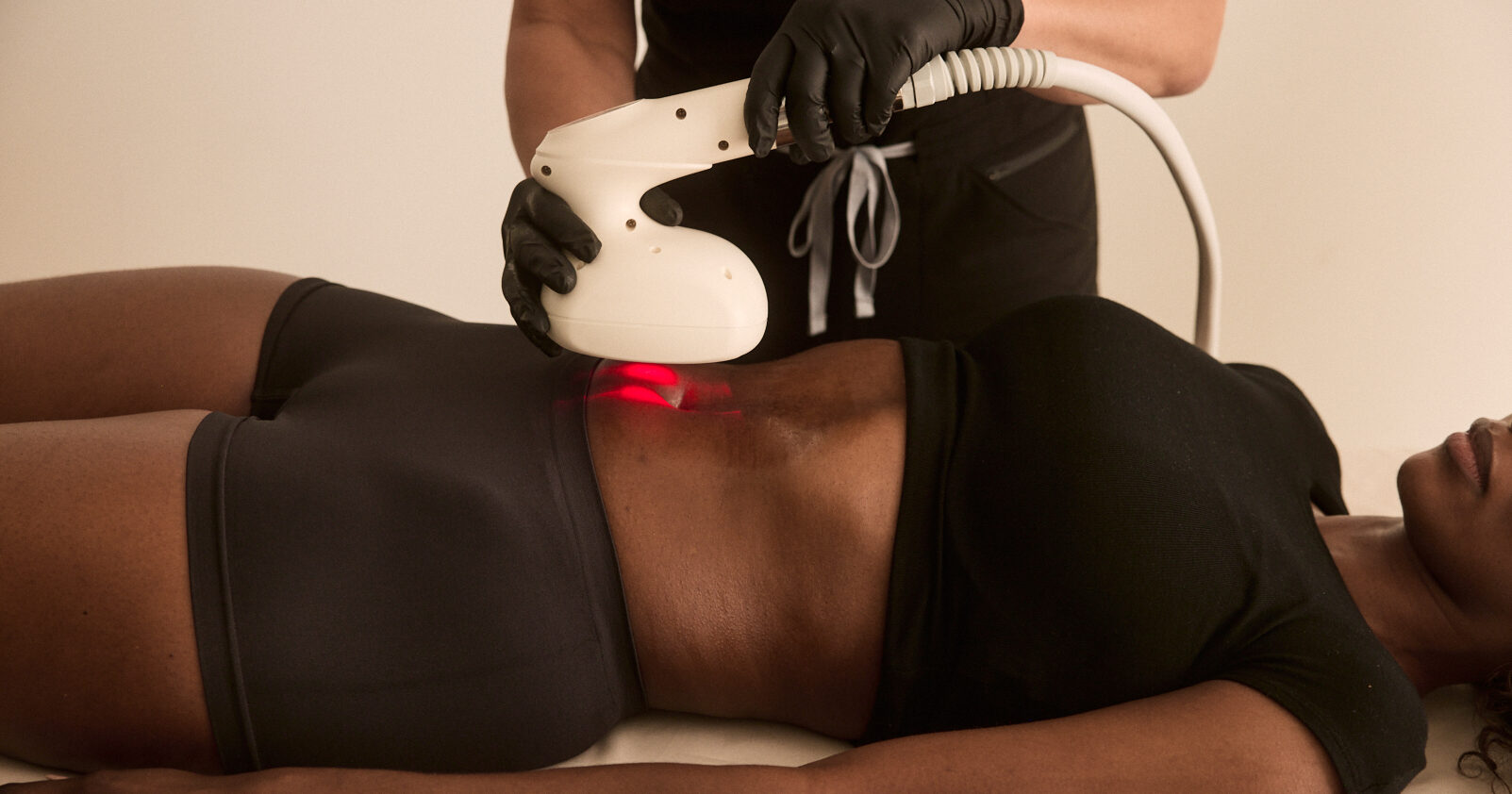
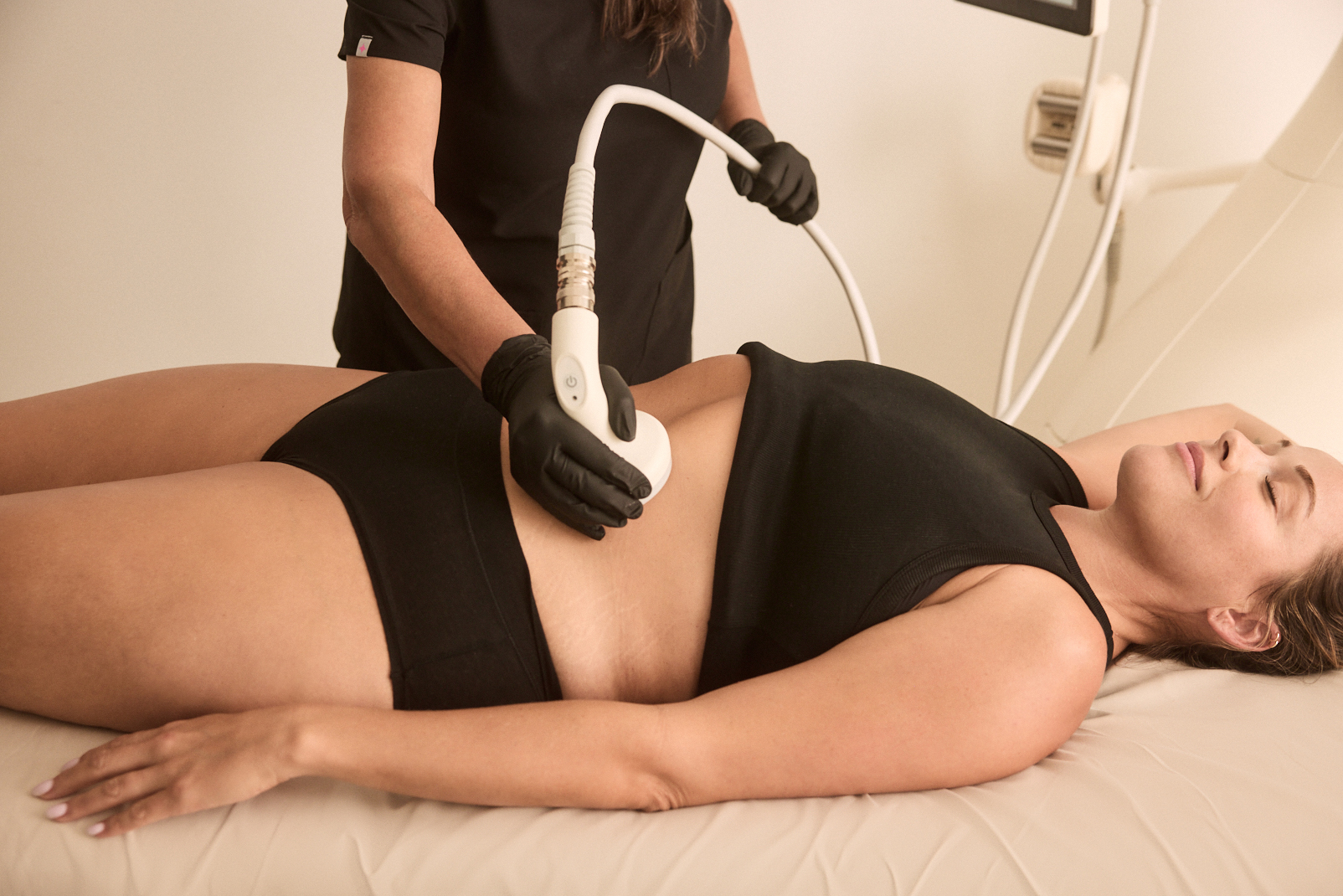
T-Shape 2 is a non-invasive body contouring device that combines four proven technologies in a single session:
- Bipolar Radiofrequency: can trigger collagen and elastin production within the skin, resulting in improved skin firmness and visible lifting
- Low-Level Laser Therapy (LLLT): can stimulate skin regeneration, contributing to a more toned, contoured appearance
- Endodermic Massage with Vacuum Suction: can help improve blood circulation and lymphatic drainage
- Mesospheric Activation: can support the body’s natural circulatory processes
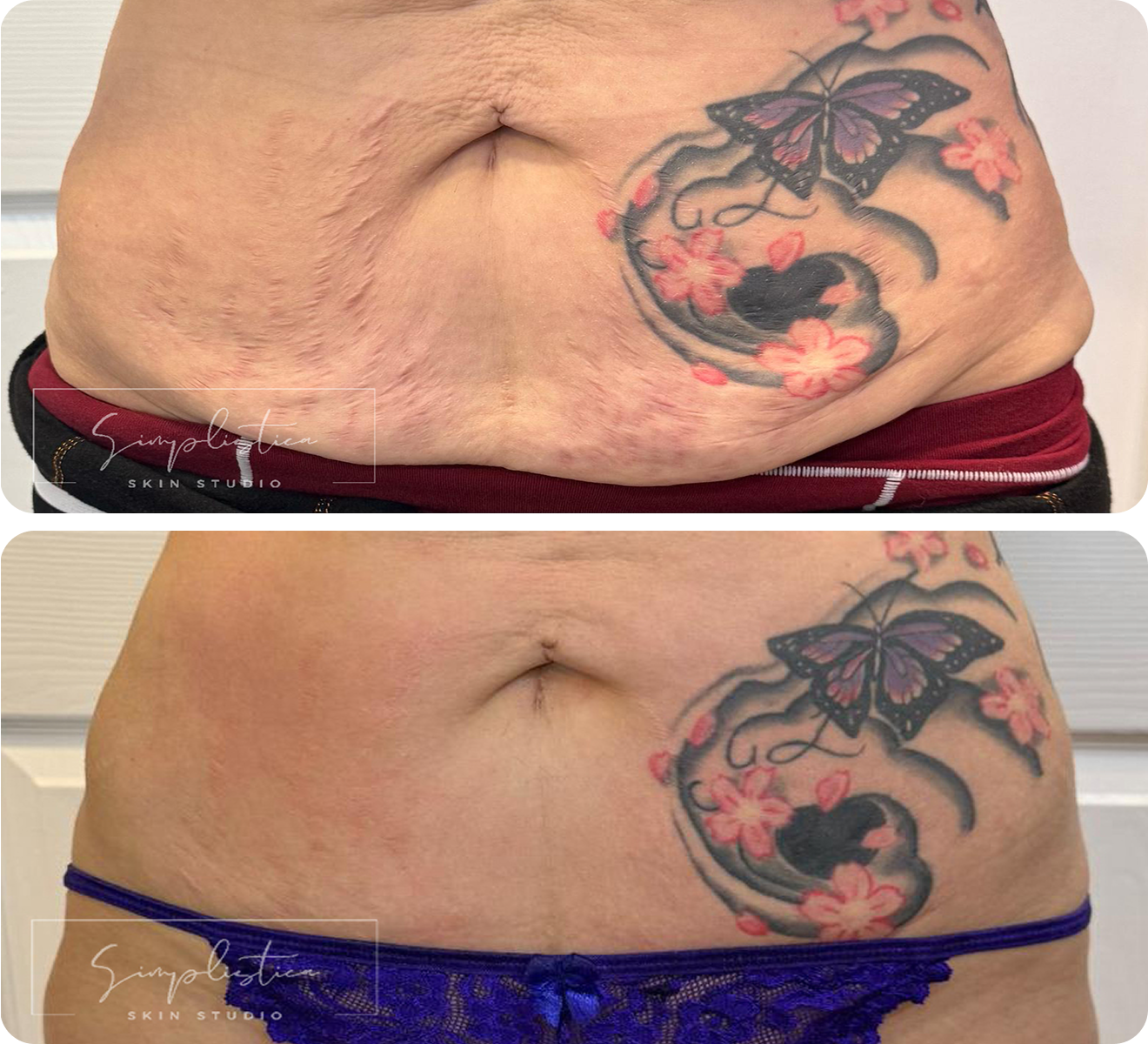
Before and after 5 treatments with T-Shape 2. Courtesy of Simplistica Skin Studio.
What makes T-Shape 2 particularly relevant for people managing loose skin after weight loss is its versatility. It can treat the abdomen, upper arms, thighs, buttocks, back, face, and neck: the areas most commonly affected by mild to moderate excess skin after weight loss or following GLP-1 medications. Sessions typically last 30 to 60 minutes, require no downtime, and most people describe the sensation as a warm, relaxing massage.
Nitrogen Plasma Technology
Nitrogen plasma technology (Neogen) delivers controlled thermal energy to multiple layers of the skin, depending on the treatment goal. This activates the fibroblast cells that produce new collagen and elastin.
This makes it particularly effective for saggy skin that has both structural laxity and surface texture concerns, being common in people whose skin expands significantly during weight gain and fails to retract after rapid weight loss. It can address loose skin on the face, neck, upper arms, and body, and is customizable across different energy levels:
- Lower energy settings: for early laxity, pigmentation, and surface texture with 3 to 4 days of downtime per session.
- Higher energy settings: penetrate more deeply for more noticeable skin lifting and remodelling, with around 10 to 14 days of downtime. Three lower-energy sessions typically produce similar results to one high-energy session.
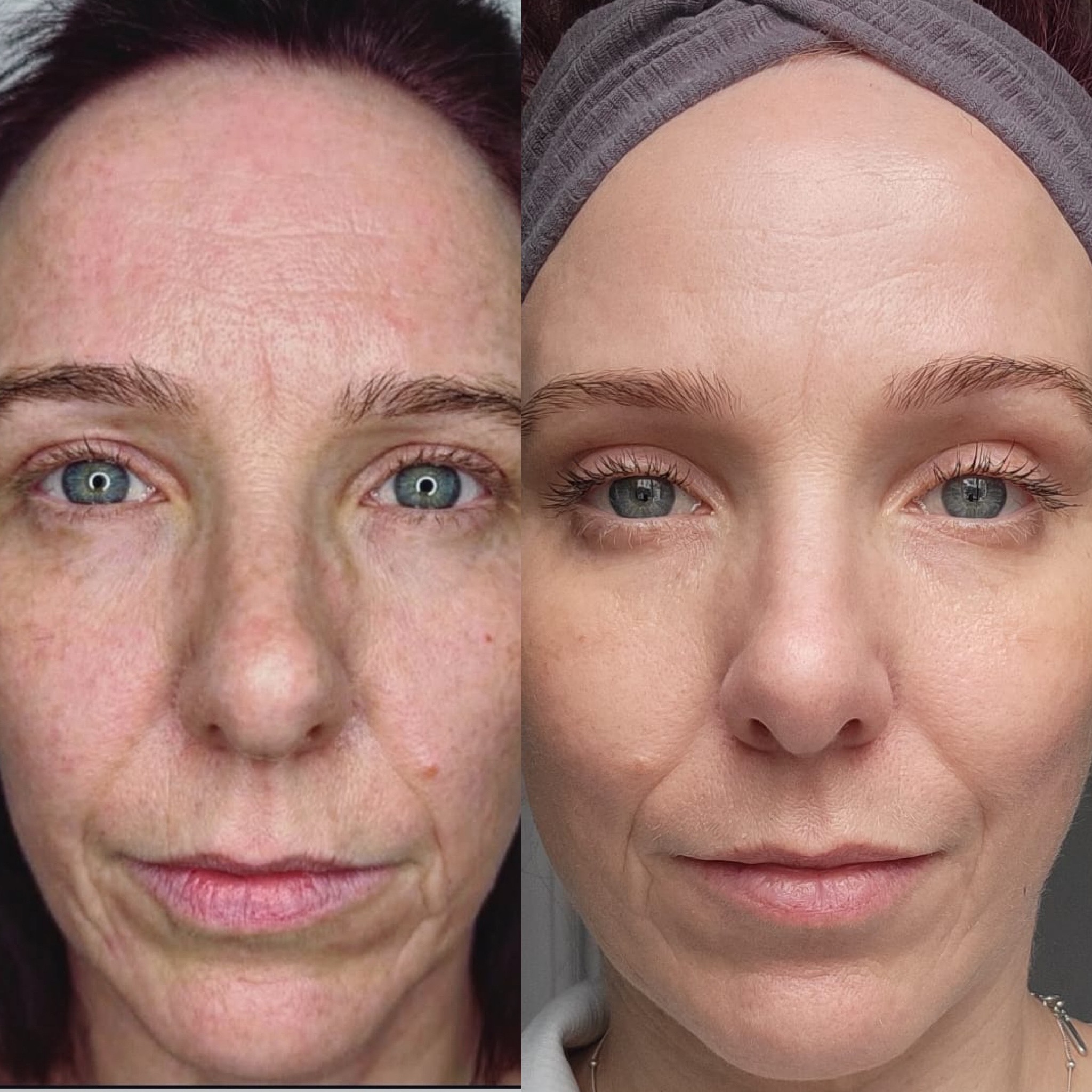
3 months after 1 treatment with Neogen. Courtesy of Plasmatology.
Neogen is suitable for all skin types and tones, and is recommended for improving skin firmness, skin texture, skin tone, and fine lines simultaneously. It’s a practical option for people managing the multiple skin concerns that come after major weight loss.
Laser Skin Tightening
Laser treatments such as CO2 resurfacing and Fraxel heat the deep layers of the skin, encouraging new collagen growth. Laser skin tightening can be particularly effective for mild to moderate skin laxity, skin texture improvement, and crepey, thin skin, which is common in the neck, chest, and inner arms. Results vary based on skin laxity severity and the energy level used.
Keep in mind that ablative lasers, such as CO2 lasers, have significant downtime, sometimes a few weeks of healing. If you want less downtime, you can try non-ablative lasers.
Ultrasound Treatments
Ultrasound-based devices (such as Ultherapy) send energy deep into the skin’s structural layers to stimulate collagen. They are especially popular for firming sagging skin on the lower face and neck. Results take three to six months to fully appear and can last one to two years, as in the case of other skin tightening procedures. Keep in mind that some clients have reported that Ultherapy sessions are a bit uncomfortable.
RF Microneedling
RF microneedling combines radiofrequency energy with microneedling. The tiny needles create micro-injuries in the skin that trigger its healing response, while the RF energy targets deeper collagen remodeling. It can work well for improving skin elasticity on the face, neck, arms, and abdomen.
When Non-Surgical Options Aren’t Enough
For people who have experienced significant weight loss, typically 50-100 pounds or more, or those who have undergone bariatric surgery, non-invasive treatments may improve skin firmness and texture but are unlikely to improve significant laxity. In those cases, a healthcare professional might recommend body contouring surgery to remove loose skin, which can include:
- Tummy tuck (abdominoplasty)
- Arm lift (brachioplasty)
- Lower body lift
- Upper body lift
- Thigh lift
- Neck lift
Discuss your goals with a board-certified plastic surgeon if you’re considering skin removal surgery.
Managing Loose Skin: A Summary of Your Options by Severity
| Laxity Level | Characteristics | Options |
| Mild | Slightly soft or crepey; minimal hanging skin | Strength training, nutrition, skincare, T-Shape 2 |
| Moderate | Visible sagging, especially in arms and abdomen | Skin tightening devices (T-Shape 2, Neogen, RF microneedling), targeted exercise |
| Significant | Hanging excess skin that interferes with movement or hygiene | Skin tightening devices for texture improvement + consultation for body contouring surgery |
| Severe (post-bariatric) | Large folds of saggy skin after massive weight loss | Surgical procedure might be required |
Preventing Loose Skin: What to Do If You’re Still on Your Weight Loss Journey
If you’re still in the process of losing weight, the best thing you can do is talk to a healthcare professional who can help you create a personalized weight loss plan.
These are the things that are usually recommended for weight loss journeys if one wants to reduce the risk of developing significant loose skin:
- Lose weight gradually. Aim for 1 to 2 pounds per week. This gives the skin time to adapt alongside fat reduction.
- Build muscle throughout. Don’t wait until you’ve reached your target weight. Strength training during weight loss preserves underlying muscle mass and improves body composition, both of which reduce laxity later.
- Prioritize protein. Protein supports both fat loss and collagen production. Include high-quality protein at every meal.
- Protect your skin from the sun. Sun exposure degrades collagen and elastin. Daily SPF is not optional if skin health matters to you.
- Stay hydrated. Healthy skin requires consistent hydration. Skin cells rely on water to maintain elasticity.
- Avoid smoking. Smoking accelerates skin aging and directly impairs collagen synthesis, increasing the likelihood of saggy skin even with moderate weight loss.
- Consider supplementation. Vitamin C (from food sources), collagen peptides, and adequate zinc and selenium all support the collagen matrix.
FAQs
Does loose skin go away after weight loss?
Mild loose skin may improve on its own over 12 to 24 months after reaching a stable weight, as the body’s natural collagen remodelling continues. However, significant loose skin, particularly after substantial weight loss, is unlikely to fully resolve without treatment.
Can exercise get rid of loose skin?
Strength training can improve the appearance of sagging skin by rebuilding muscle mass beneath it. It does not physically tighten or remove excess skin, but it can meaningfully reduce how visible laxity looks.
What is the best non-surgical treatment for loose skin after weight loss?
There is no single best option. T-Shape 2, for example, can work well for body laxity and crepey skin texture with zero downtime. Neogen Plasma can be effective for more significant skin lifting and skin regeneration. The right choice depends on the area, severity, and your tolerance for downtime.
Does rapid weight loss cause more loose skin than gradual weight loss?
Yes, rapid weight loss, whether from weight loss surgery, GLP-1 medications, or crash dieting, gives the skin no time to adapt, resulting in more significant loose skin. Gradual weight loss of 1 to 2 pounds per week can reduce this risk considerably.
Does loose skin ever tighten?
Loose skin can sometimes tighten on its own, especially after mild weight loss or in younger people with good skin elasticity. How much it improves depends on factors like age, how much weight was lost, genetics, and collagen levels.
Will losing 50 pounds cause saggy skin?
Losing 50 pounds can cause loose or saggy skin, but not everyone experiences it. The risk depends on how quickly you lose weight, your age, how long you carried the extra weight, and your skin’s natural elasticity.
Is it too late to tighten loose skin?
It is not always too late to improve loose skin. Skincare, strength training, and non-surgical treatments may help in some cases, while more severe loose skin may require medical or surgical options.