Are you trying to figure out which laser skin tightening treatment is actually worth it? Is it even the right choice for your skin goals? With so many technologies, brand names, and clinic claims, it’s unsurprising that you, like so many others, are a bit confused and don’t know how to find the best laser for skin tightening that might work for you specifically.
This guide covers the main types of laser treatments used for skin tightening, how to match the right option to your skin type, concerns, and lifestyle, and some alternatives, just in case laser might not be for you.
Disclaimer: This article is provided for informational and educational purposes only. The information presented here is not a substitute for professional medical evaluation, consultation, or care and should not be relied upon to make health-related decisions. Always consult a qualified and licensed medical or aesthetic professional before undergoing any cosmetic or aesthetic procedure.
Quick Guide: What’s the Best Laser for Skin Tightening for You?
Choose the best laser for skin tightening depending on your skin type, downtime tolerance, and how much laxity you want to treat.
- Fractional CO2 laser – best for moderate to significant skin laxity, deep wrinkles, and acne scars. Delivers the strongest results but requires longer downtime.
- Er:YAG laser – best for mild to moderate tightening and skin resurfacing with faster healing than CO2.
- Nd:YAG (non-ablative laser) – best for younger-looking skin, early signs of laxity, skin texture, restoring youthful appearance, and maintenance with minimal downtime.
- Darker skin tones (Fitzpatrick IV-VI) – typically better tolerate Nd:YAG or other non-ablative fractional options due to lower pigmentation risk.
- Mild or early aging concerns – non-ablative fractional lasers are usually the most practical starting point.
In general, stronger results come with more downtime and higher risk, while gentler treatments require multiple sessions but are safer and easier to recover from.
Why Are Laser Procedures Used for Skin Tightening?
Some laser procedures are used for skin tightening because they deliver heat energy to the deeper layers of the skin. This triggers a wound-healing response and new collagen production.
That said, not every laser is designed to tighten skin. Some are primarily targeting pigmentation; others focus on texture or hair removal.
In the case of skin tightening, when the heat reaches the dermis, it does two things. First, it contracts existing collagen fibers and produces some immediate tightening. Then, over the following weeks and months, it stimulates the growth of new collagen. This process is called neocollagenesis. It’s during that second phase that you’ll see longer-term firmness and improvement in skin laxity.
Practitioners choose the best laser for skin tightening based on several factors: the degree of skin laxity, skin tone, tolerance for downtime, and the area being treated. There is no one procedure that works for each and everyone.
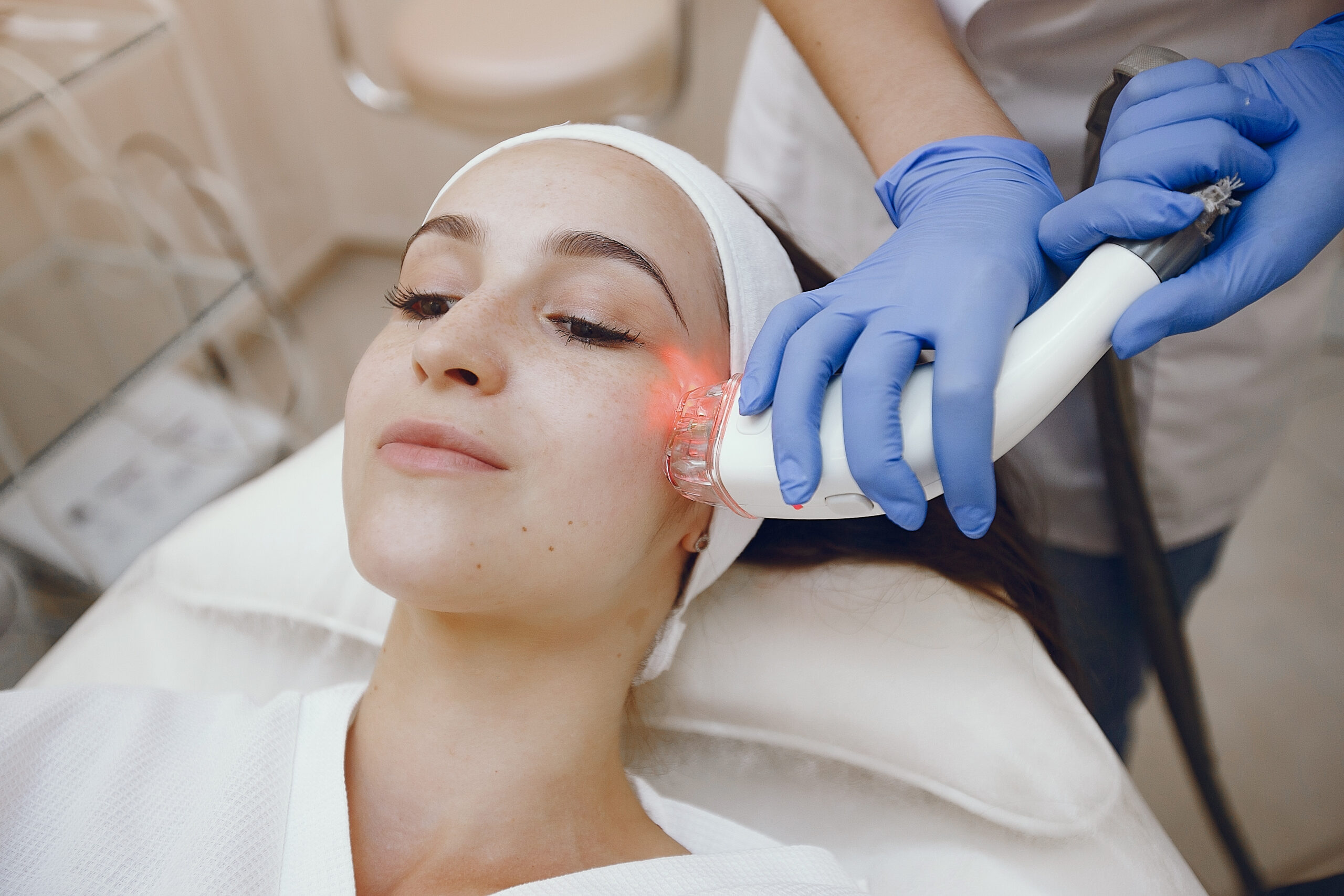
Types of Lasers Used for Skin Tightening
Ablative Lasers
Ablative lasers remove the outer layer of the skin and then heat the deeper dermis to drive collagen remodelling. The two main types of ablative lasers used for skin tightening are:
- CO2 lasers – the most well-studied option for significant skin laxity and deep wrinkles. They operate at a wavelength of 10,600nm, penetrating deeply into the dermis. Results are usually more dramatic. Recovery is longer (typically 3-8 weeks for full healing, plus residual redness for several weeks after). CO2 laser skin resurfacing can also improve acne scars, textural irregularities, and sun-damaged skin in the same session, but it might not be suitable for all skin types.
- Erbium YAG laser (Er:YAG) – a gentler ablative option. It removes thin layers of the skin with greater precision and less residual heat than CO2. This translates to a faster healing process (around 1-2 weeks) but also a less significant tightening effect.
Ablative lasers are generally recommended for people with moderate to significant skin laxity, pronounced deep lines, photodamage, or textural issues who are willing to plan around the recovery period.
Non-Ablative Lasers
Non-ablative lasers heat the dermis without removing the skin’s surface. The outer layer stays intact, which means minimal downtime. Most people can return to normal activities the same day. Results are more gradual and subtle than ablative options. The advantage is less recovery time and a lower risk of complications.
Non-ablative laser treatments are often the practical starting point for people who want gradual improvement in skin tone, texture, and mild laxity with no disruption to their daily routine.
Nd:YAG lasers are the most commonly used non-ablative lasers. They deliver heat deep into the dermis and can be useful for moderate skin laxity and mild to moderate fine lines and wrinkles.
Fractional Laser Resurfacing
Fractional laser resurfacing is a delivery method that can be used for both ablative and non-ablative technologies. Instead of treating the entire skin surface, fractional devices create deep columns of tissue coagulation, activating the body’s healing response. This makes them less aggressive and implies less downtime compared to non-fractional lasers.
Fractional laser resurfacing is one of the most widely used approaches today because it balances efficacy with manageability. It can be calibrated for mild to significant aesthetic concerns. Density and depth settings can also be adjusted to suit different skin types.
Full-Field Ablative Lasers
Non-fractional or full-field ablative laser skin resurfacing treats the entire surface of the target area. It can deliver more dramatic results in a single session, but this means it also comes with longer downtime and a higher risk of side effects. These include prolonged redness, changes in skin color, and, in rare cases, scarring.
This approach might be recommended for people with more visible signs of aging who are working under the supervision of a board-certified dermatologist or plastic surgeon.
Comparing the Main Laser Options
| Laser Type | Best For | Downtime | Typical Sessions | Risk Profile |
| Fractional CO2 | Moderate-significant laxity, deep wrinkles, acne scars | Several weeks | 1-3 | Moderate; pigment risk in darker tones |
| Erbium YAG laser | Mild-moderate laxity, fine lines, skin resurfacing | 1-2 weeks | 1-3 | Lower than CO2; faster healing |
| Nd:YAG (non-ablative) | Mild laxity, skin tone, lines and wrinkles | Minimal | 3-6 | Low |
Which Concerns Do Lasers Actually Address?
Here are some skin concerns lasers can help address.
Skin laxity and sagging skin
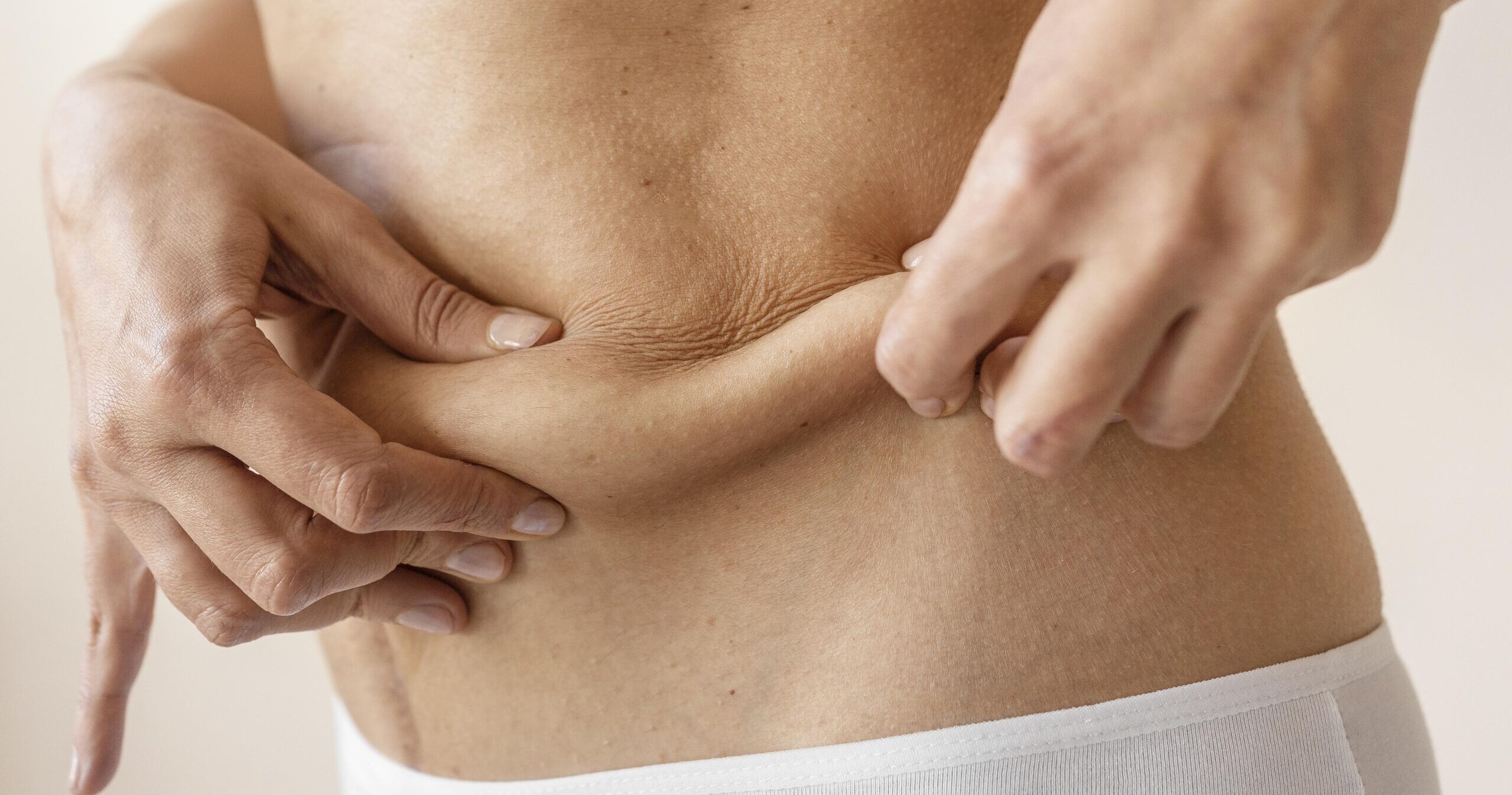
This is the primary target of tightening laser procedures. By heating the dermis and stimulating new collagen, lasers can improve mild to moderate loose skin on the face, neck, and other body areas. That said, for severe skin laxity, particularly after major weight loss, non-surgical procedures, including lasers, do have limitations.
Fine lines and wrinkles
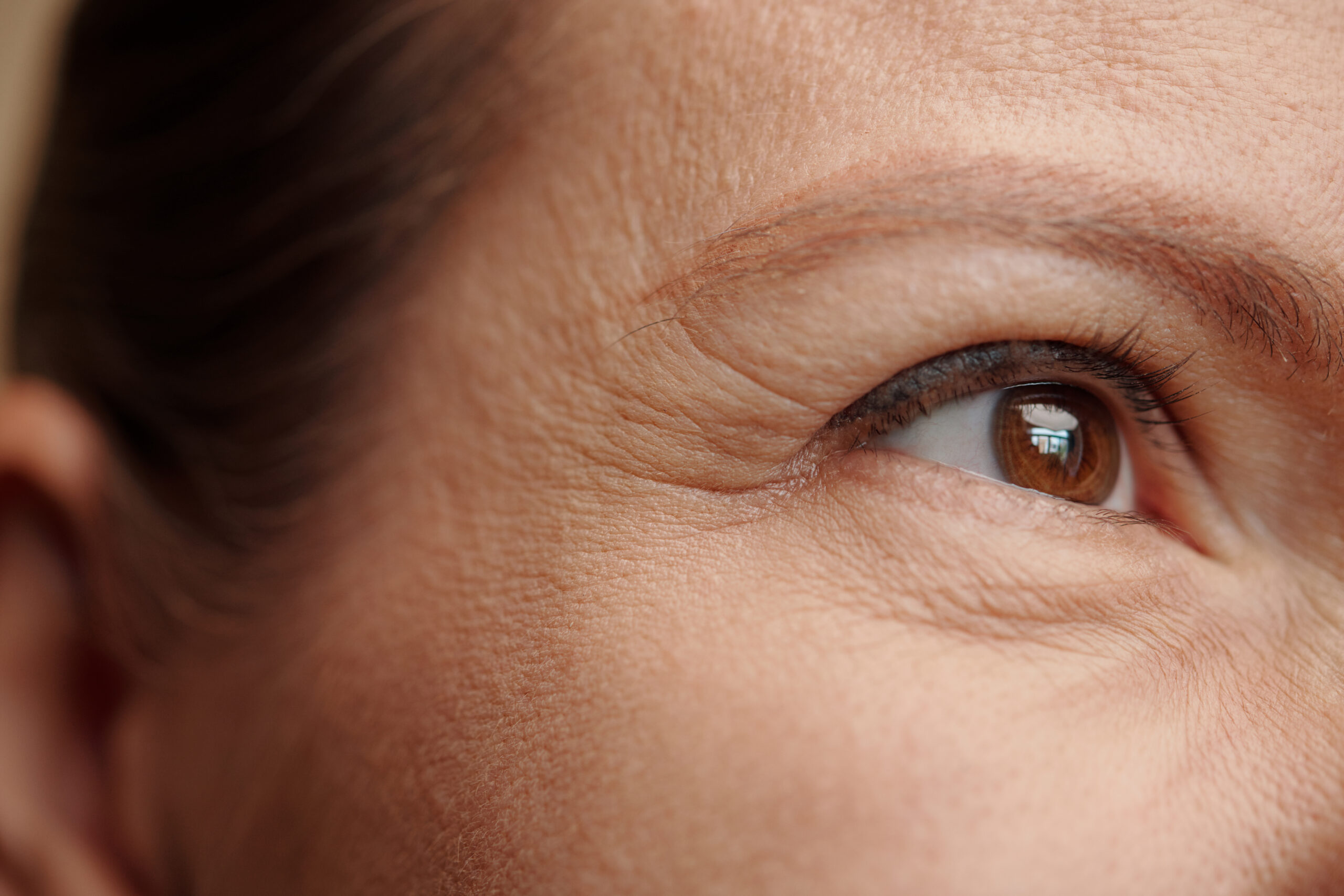
Both ablative and non-ablative laser treatments can help treat fine lines and wrinkles around the eyes, mouth, and forehead. Ablative options can produce more significant improvement for deep lines. Non-ablative fractional lasers offer gradual improvement with minimal disruption.
Acne scars
Fractional CO2 and erbium YAG lasers are among the most clinically supported options for acne scars. They can remove the outer skin layers and stimulate collagen production at the same time
Sun damage and uneven pigmentation
Laser skin resurfacing can help address brown spots, uneven pigmentation, and the textural effects of sun damage. It does so by removing the outer layers of the skin, targeting the melanin in the skin and promoting skin regeneration.
Stretch marks
Some lasers can reduce the appearance of stretch marks. The results are less predictable than for facial rejuvenation. Multiple sessions are usually required.
How to Choose the Right Laser
The best laser for skin tightening in your case depends on multiple factors. Talking to a qualified provider is the only way to outline a personalized treatment plan that can deliver the best results.
That said, these questions can help you narrow it down before you walk into a clinic:
- How much downtime can you manage? -> If your schedule can accommodate recovery, you can also consider ablative lasers, as they offer stronger results. If you need to stay active, go for non-ablative or fractional options.
- What is your skin tone? -> People with medium to darker skin types, as well as people with sensitive skin, need to be especially careful with ablative technologies because of the higher risk of post-inflammatory hyperpigmentation. Non-ablative fractional laser treatments and Nd:YAG devices are generally considered safer across a broader range of tones, though settings still need to be tailored carefully.
- How significant is the laxity? -> Moderate skin laxity with early jowling or neck looseness may respond well to fractional CO2 or erbium options. Minimal laxity and early changes for someone in their 30s may respond well to non-ablative fractional laser skin treatments or even preventive maintenance treatments.
- Are you addressing one concern or several? -> If you want to target acne scars, fine lines, and skin tone in the same treatment, your practitioner might recommend fractional CO2 or hybrid fractional devices. They may be more efficient than other treatments targeting a single issue.
- What is your medical history? -> Certain medications (retinoids, blood thinners, immunosuppressants) and conditions can affect how the skin heals after laser cosmetic procedures. Laser procedures might also be contraindicated for some people. Your provider needs to review your full medical history before recommending a device or intensity setting.
What Results Can You Expect from Laser Skin Tightening?
Results from laser skin tightening are not immediate in most cases. Here’s what you can expect:
- Immediately to 2 weeks: some tightening from initial swelling and collagen contraction; skin resurfacing from ablative treatments
- 2-6 weeks: new skin growth, reduced redness; early visible improvement in texture and firmness
- 2-6 months: peak collagen production and remodelling; firmer skin, improved fine lines, improved skin tone
- 6-12+ months: long-term results stabilise; maintenance treatments recommended every 9–18 months depending on the device used
Results vary based on age, baseline skin quality, skin type, lifestyle factors (sun exposure, smoking), and the device settings used.
Skin Tone and Type and Laser Safety: What You Need to Know
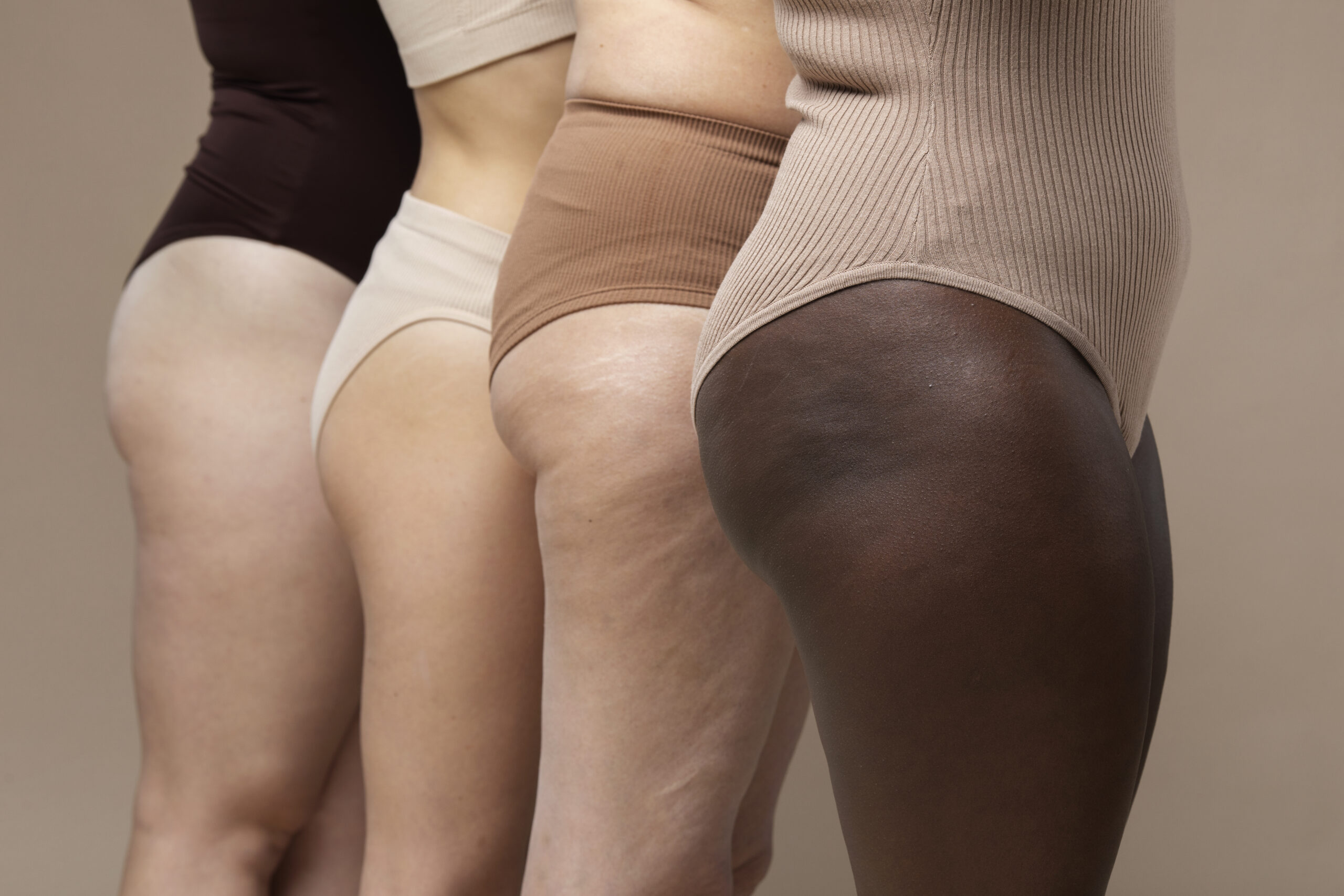
Traditional ablative lasers carry a higher risk of hyperpigmentation in individuals with Fitzpatrick skin types IV-VI. The risk exists because these devices target melanocytes in the skin that are more reactive in darker skin types. When these cells are overstimulated during treatment, the risk of post-inflammatory hyperpigmentation becomes higher.
For people with medium to dark skin, non-ablative fractional devices, Nd:YAG-based options, and carefully calibrated fractional treatments at lower densities may offer a safer path to tighter skin with a reduced pigmentation risk.
| Skin Tone / Skin Type | Main Concern With Lasers | Generally Safer Options | Treatments with Extra Caution or to be avoided |
| Fitzpatrick I-II (very fair to fair skin) | Lower pigmentation risk, but higher redness sensitivity | Ablative CO2, Er:YAG, fractional ablative, non-ablative lasers | Aggressive resurfacing if skin is highly sensitive |
| Fitzpatrick III-IV (olive/light brown skin) | Increased risk of post-inflammatory hyperpigmentation | Lower-density fractional CO2, Nd:YAG-based devices | High-energy ablative resurfacing |
| Fitzpatrick V-VI (dark brown to deep skin) | Highest pigmentation and discoloration risk | Nd:YAG lasers, RF-based tightening, ultrasound-based devices, conservative non-ablative treatments | Traditional fully ablative CO2 lasers |
| Sensitive skin | Prolonged redness, irritation, inflammation | Non-ablative fractional lasers, gentler energy settings | Aggressive ablative resurfacing |
| Dry or barrier-impaired skin | Slower healing and increased irritation | Conservative non-ablative treatments with strong barrier-repair prep | Deep resurfacing procedures |
| Acne-prone or inflammatory skin | Risk of flare-ups and prolonged inflammation | Non-ablative fractional lasers | Aggressive heat-based resurfacing during active breakouts |
| Melasma-prone skin | Pigmentation can worsen after inflammation | Conservative low-heat approaches | High-heat ablative lasers |
The bottom line: skin type and tone should be a central part of any device selection decision, and any provider who does not ask about this in detail is worth questioning.
Best Laser for Different Skin Concerns
| Concern | Usually Recommended Options | Why |
| Mild skin laxity | Nd:YAG | Minimal downtime, gradual collagen stimulation |
| Deep wrinkles | Fractional CO2 | Stronger resurfacing and collagen remodelling |
| Acne scars + tightening | Fractional CO2, Er:YAG | Treats texture and collagen simultaneously |
| Darker skin tones | Nd:YAG, RF-based devices | Lower pigmentation risk |
| Minimal downtime | Non-ablative fractional lasers | Faster recovery |
| Severe skin laxity | Surgical solutions may be more effective | Lasers have limitations |
Beyond Traditional Lasers: Other Advanced Procedures
Laser treatments are not the only way to achieve non-surgical skin tightening. Depending on your goals, anatomy, and skin concerns, other technologies may deliver better desired outcomes with fewer trade-offs.
This is especially relevant if:
- Your primary goal is body contouring alongside skin tightening, rather than facial resurfacing.
- You have a lower tolerance for downtime or discomfort.
- You want a non-surgical treatment that can address both the face and body in the same session.
- You are concerned about pigmentation risk with laser energy.
Here are two technologies that might be worth your attention.
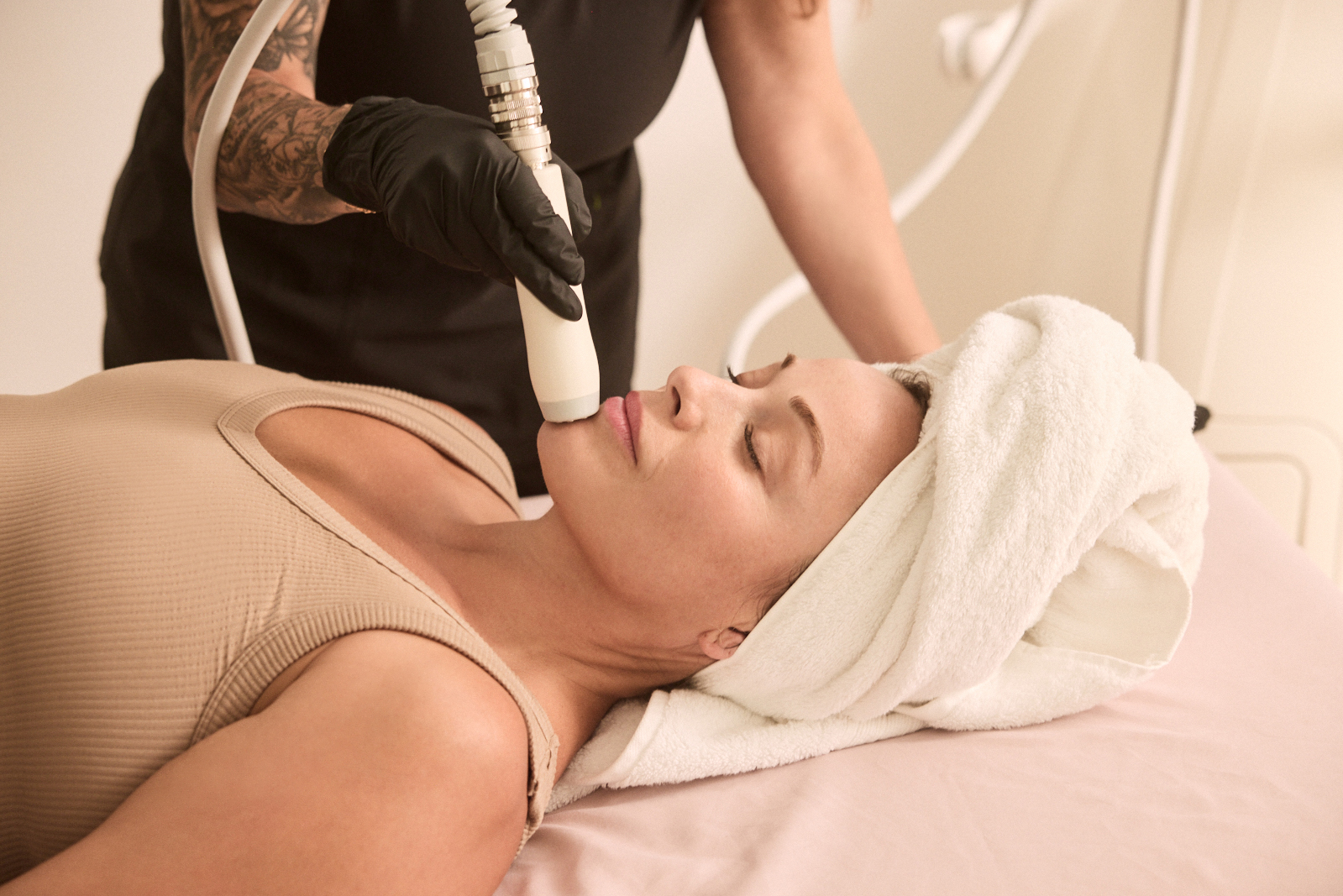
T-Shape 2: Skin Tightening, plus Body Tightening and Contouring
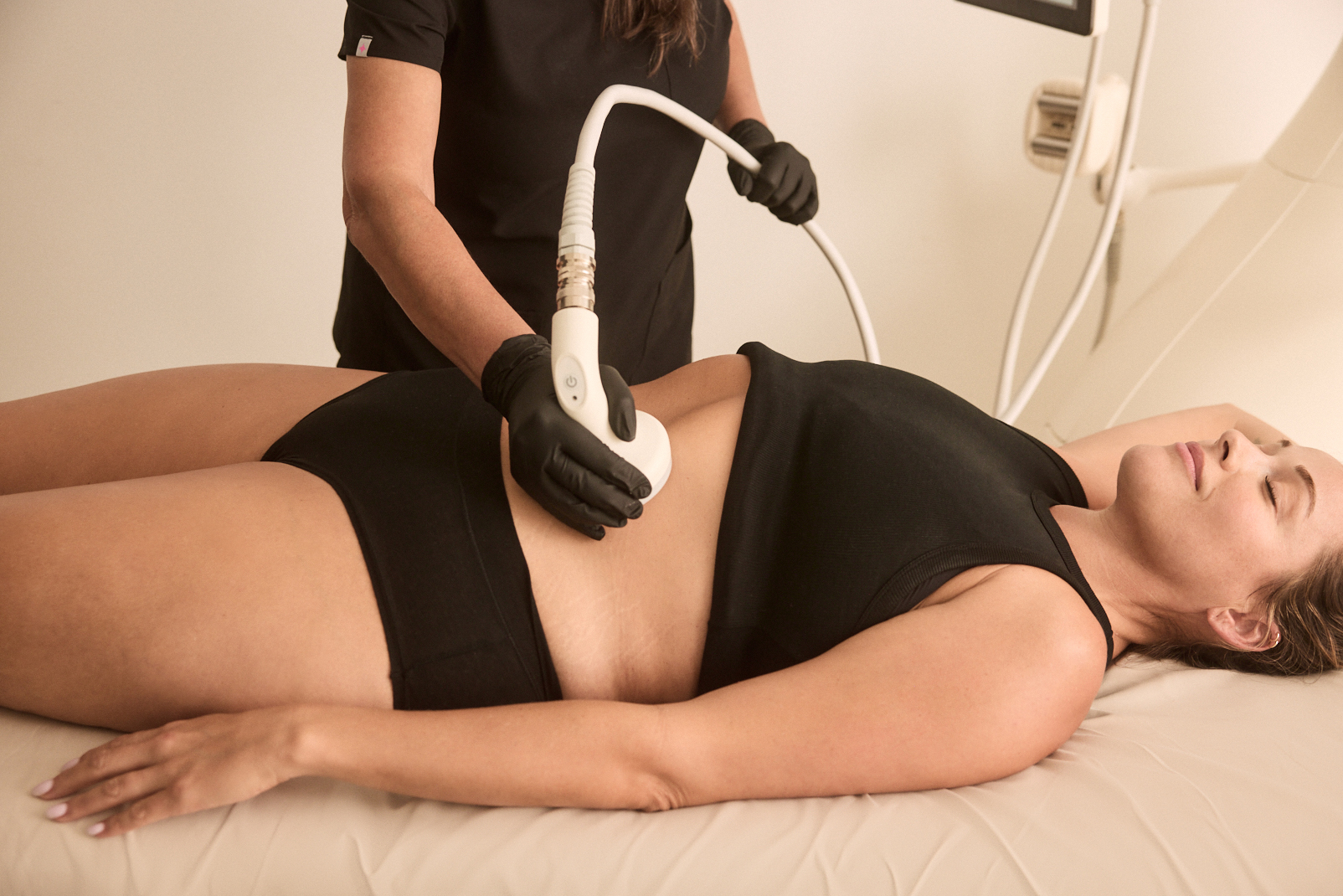
The T-Shape 2 is a multi-technology device that combines four modalities in one platform: Bipolar Radiofrequency (RF), Low-Level Laser Therapy (LLLT), Endodermic Massage with Vacuum Suction, and Mesospheric Activation.
The RF component penetrates different skin depths depending on frequency setting, stimulating collagen production and elastin for firmer skin over time. The LLLT component supports cellular activity and vascular health. The endodermic massage assists lymphatic drainage and circulation.
It differs from laser skin devices in a fundamental way: rather than creating controlled injury to drive collagen remodelling, it uses gentle thermal energy and mechanical stimulation to support the skin’s own regenerative processes. This makes it a more comfortable experience with no downtime. Sessions typically feel like a warm, deep-tissue massage. Clients can return to normal activities immediately.
T-Shape 2 may be a better fit than a traditional laser if:
- You are primarily targeting the body (abdomen, thighs, arms, buttocks) rather than facial resurfacing.
- You want to address skin laxity alongside cellulite reduction and body contouring in the same session.
- You are looking for a comfortable, zero-downtime treatment series.
- You prefer gradual, natural-looking results over a more dramatic intervention with recovery time.
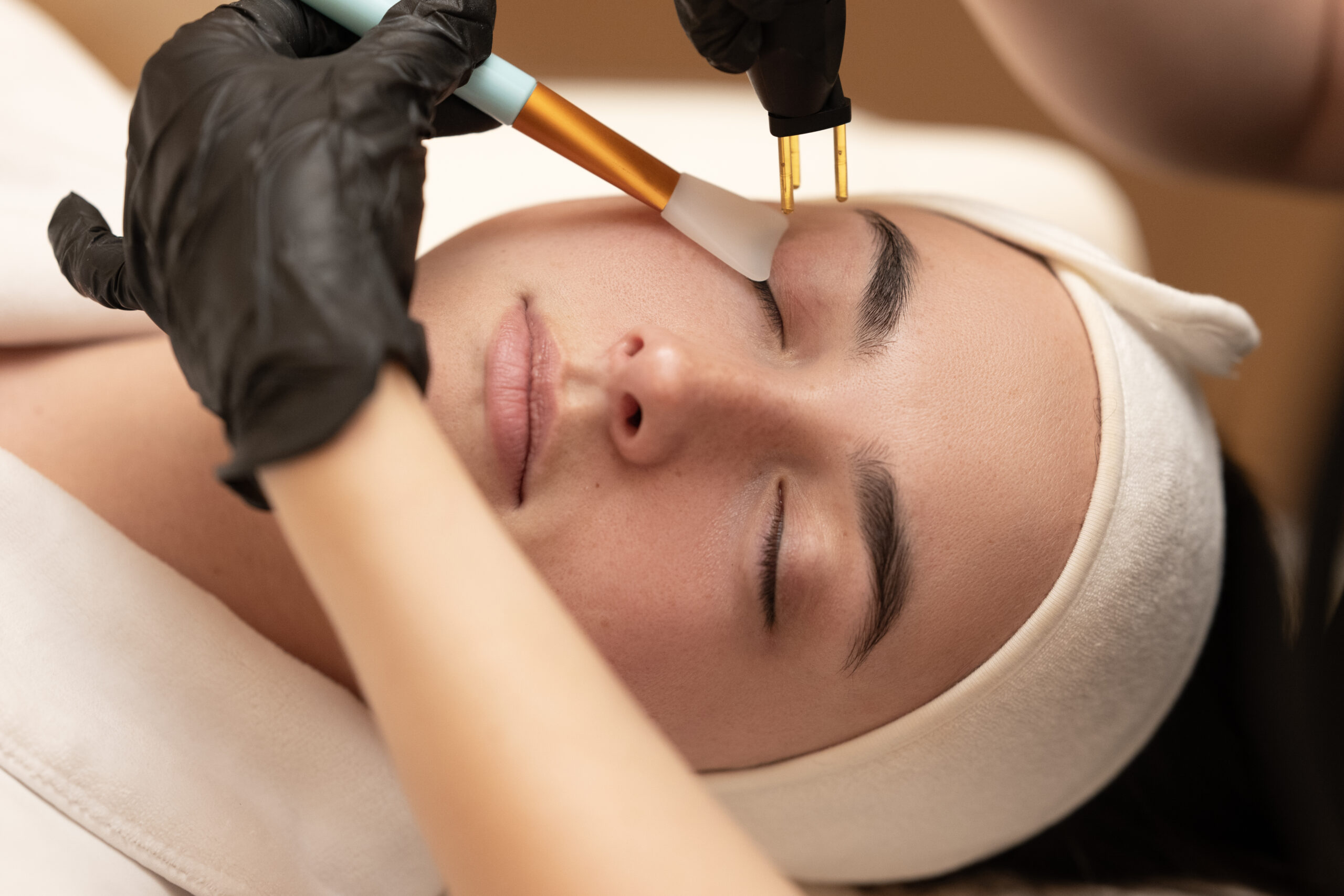
Neogen: Resurfacing Without the Limitations of Laser
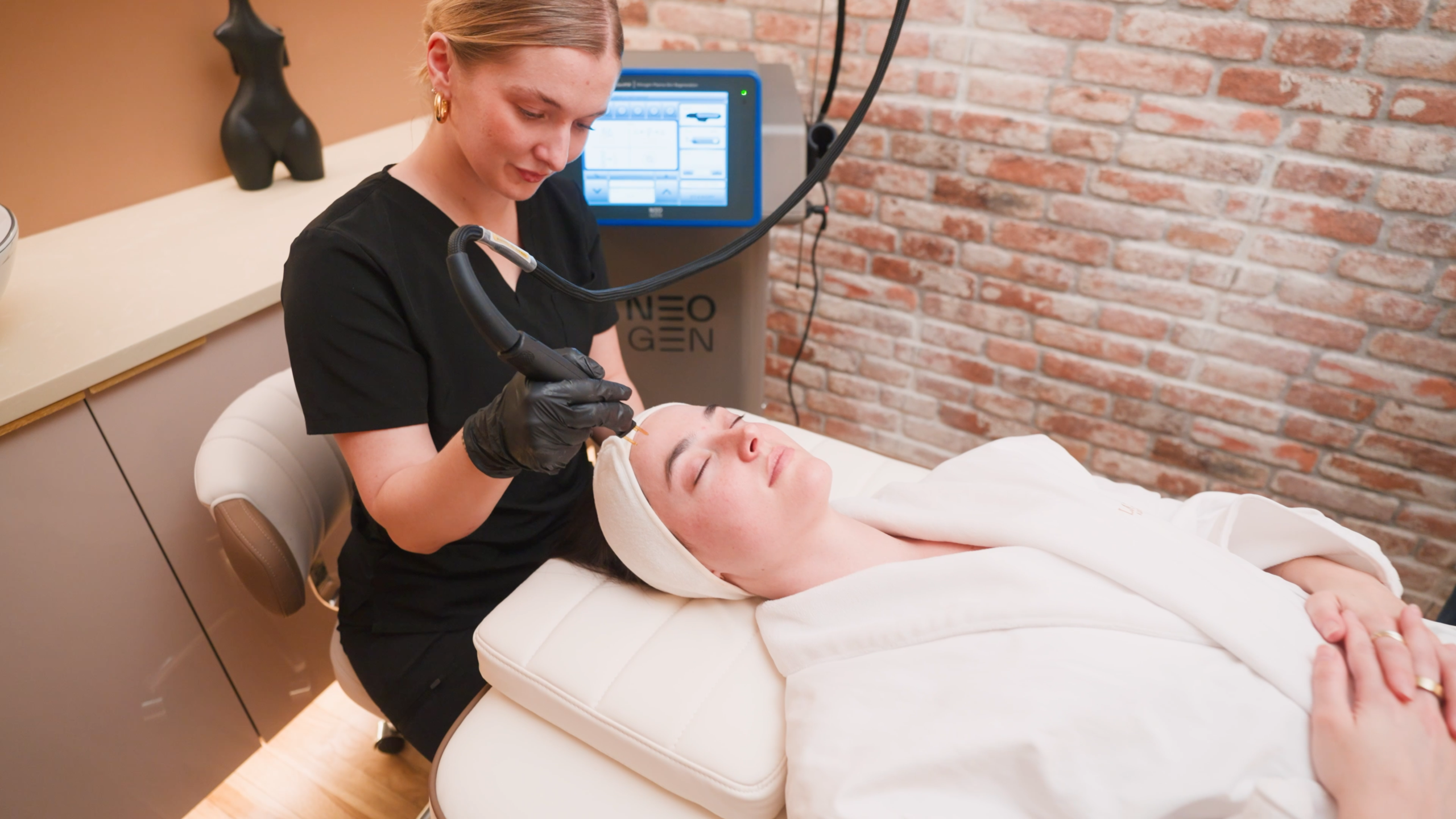
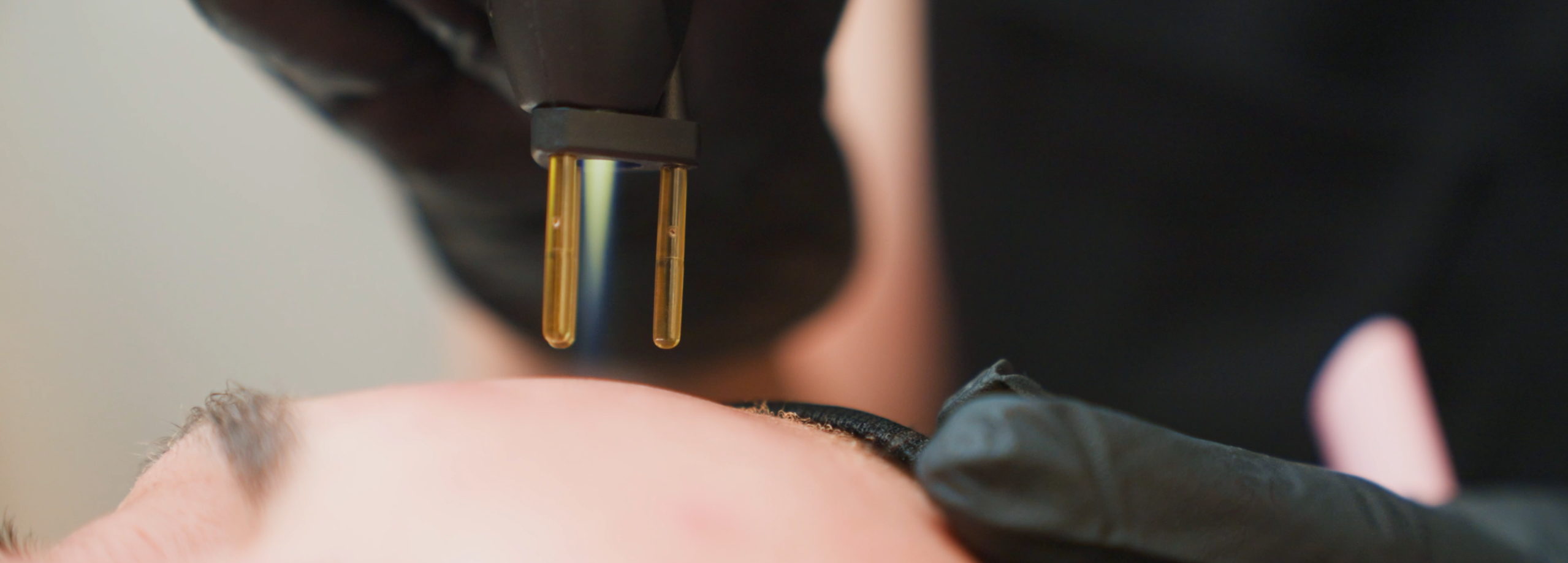
Neogen uses nitrogen plasma technology. It’s an alternative to CO2 ablative lasers with a more favourable safety profile and less downtime.
Where fractional lasers create columns of treated tissue while leaving the surrounding skin untreated, Neogen treats the whole skin architecture. The entire surface and the tissue beneath it are modified, not just a percentage of it. This can support more uniform collagen production and a more even improvement in texture and tone across the treated area.
Key differences from laser:
- Safer across a wider range of skin types and tones, including those with medium and darker complexions, due to uniform energy absorption rather than chromophore-targeted light.
- The outer skin layer remains intact and acts as a natural protective dressing, which can reduce infection risk compared to ablative laser procedures.
- The treatment is tailorable: varying energy levels and pulse numbers allow providers to customize intensity for different skin concerns and recovery tolerances.
- Downtime ranges from 1-10 days, depending on energy level used, which is comparable to fractional ablative options but with a different mechanism
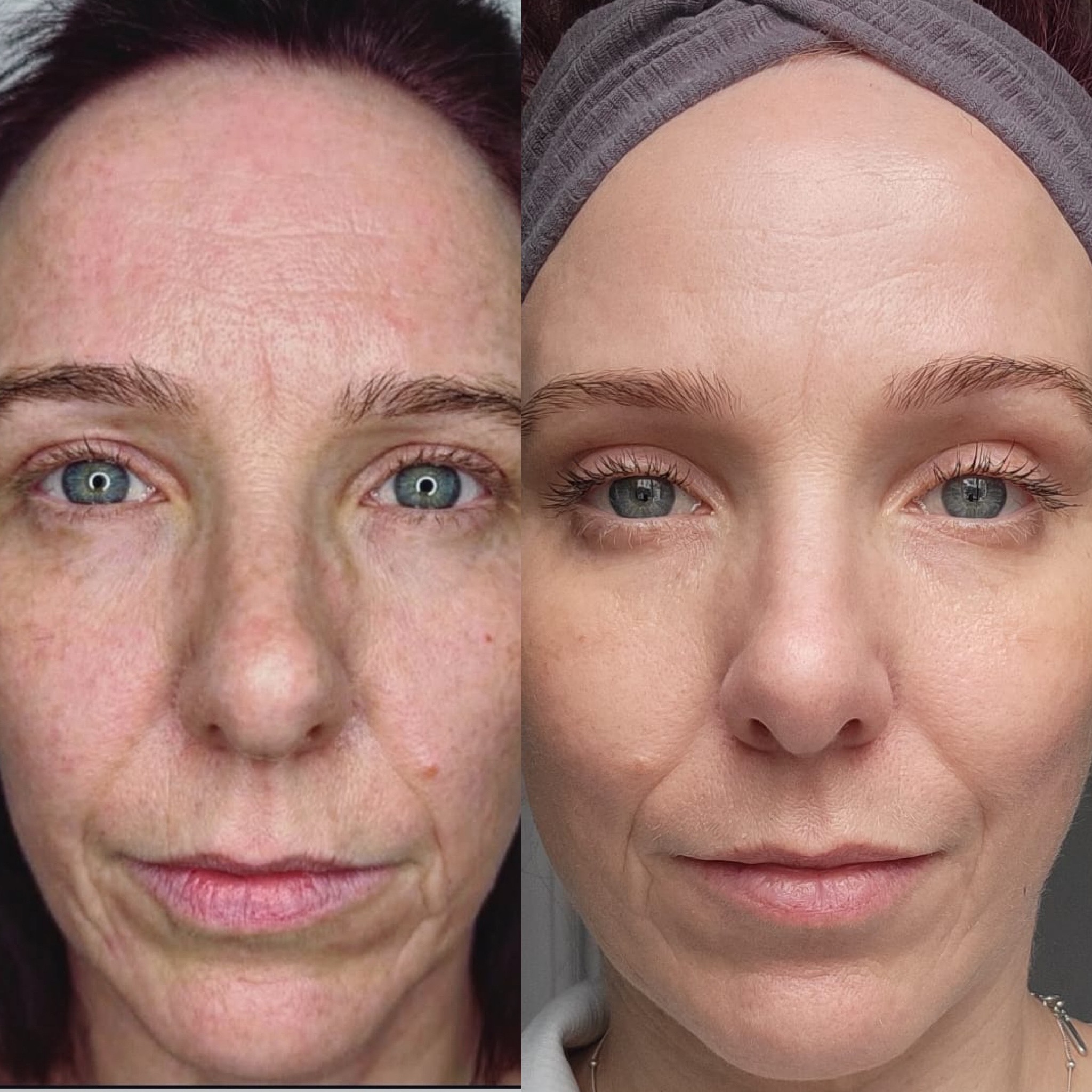
3 months after 1 medium energy treatment with Neogen. Courtesy of Plasmatology.
Neogen may be a better fit than traditional laser if:
- You have a medium-to-darker skin type and are concerned about pigmentation risk from ablative laser treatments.
- You want comprehensive skin resurfacing without fractional “islands” of untreated skin between treatment zones.
- You are addressing fine lines, acne scars, uneven pigmentation, and skin laxity simultaneously in a single modality.
- You want a non-surgical skin tightening option that delivers smoother skin and rejuvenation without the longer recovery periods associated with full-field ablative CO2.
FAQs
What is the best laser for skin tightening on the face?
There is no single best laser for skin tightening on the face. It depends on your skin concerns, skin type, and how much downtime you can manage. For significant sagging skin or deep wrinkles, fractional CO2 or Er:YAG laser skin resurfacing is generally recommended. For milder concerns or maintenance, non-ablative fractional options may be sufficient. A consultation at a reputable laser surgery center or aesthetic clinic is the most reliable way to determine the right fit for your skin.
Can laser skin tightening treat loose skin on the body?
Yes, some laser procedures can be used on the abdomen, upper arms, thighs, and other body areas. However, results are generally more modest on the body than on the face. Loose skin from significant weight loss may not respond adequately to laser skin tightening alone. Devices like T-Shape 2, which combine RF, LLLT, and massage modalities, may offer a more practical body-focused option.
Is laser skin tightening safe for darker skin tones?
Laser skin tightening can be safe for darker skin tones, but skin type is a critical variable. Ablative technologies carry a higher pigmentation risk for Fitzpatrick types IV-VI. Non-ablative fractional devices and Nd:YAG-based options, as well as technologies like Neogen, are generally considered safer for medium to darker tones. Always consult a provider experienced in treating your skin type.
How long do laser skin tightening results last?
Results from most laser treatments for skin tightening last approximately 1-3 years, depending on the technology, the treatment area, age, and lifestyle factors. Sun exposure and smoking can accelerate collagen breakdown. Maintenance treatments and a consistent sun protection routine can help prolong results.
What is the difference between laser skin tightening and laser skin resurfacing?
Laser skin tightening refers specifically to procedures targeting collagen production and firmness. Laser skin resurfacing is a broader term that includes treatments focused on surface renewal, like removing damaged skin to reveal the healthy skin underneath and improving texture, uneven pigmentation, and acne scars.
Which is better for tightening jowls, Morpheus 8 or CO2 Fraxel?
It depends on your skin concerns, skin tone, and how much downtime you can tolerate.
- CO2 Fraxel (fractional CO2 laser) usually delivers stronger skin resurfacing and tightening results, especially for wrinkles, sun damage, and moderate skin laxity. However, it also comes with longer downtime and a higher risk of pigmentation issues in darker skin tones.
- Morpheus8 uses RF microneedling, not laser energy. It is preferred for mild jowling, minimal downtime, and medium-to-dark skin tones because it generally carries a lower pigmentation risk.
What is the newest skin-tightening laser?
Most of the newest developments in laser skin tightening come from updated versions of existing technologies, such as:
- Newer-generation fractional CO2 laser systems with improved precision and energy control
- Updated Er:YAG platforms with better thermal control and faster healing profiles
- Hybrid fractional laser systems that combine different laser wavelengths in one device
In practice, the core laser types used for skin tightening (CO2, Er:YAG, and Nd:YAG-based systems) remain the same, with improvements mainly in delivery methods, safety, and downtime rather than entirely new laser categories.
What are some laser alternatives?
Laser alternatives include ultrasound energy, radiofrequency, RF microneedling, dermal fillers, biostimulatory injectables, and nitrogen plasma technology.