Every time you smile, sip through a straw, or vent to your best friend, your face is literally telling a story. Over time, and the more stories your face tells, you start noticing those fine, etched lines around the lips (and not only) that seem to appear overnight.
And now you’ve probably noticed a few new lip lines and are wondering whether they can be reduced or maybe even removed, right? There are plenty of beauty procedures that you can rely on, but ultimately… What is the best treatment for wrinkles around mouth? While we can’t tell you what treatment is the best for you, we can definitely share some details about the most popular procedures on the market to help you make a decision!
Disclaimer: This article is provided for informational purposes only and is not a substitute for medical advice. Always consult a licensed healthcare or aesthetic professional before starting any treatment or procedure.
Quick Answer: What’s the Best Treatment for Wrinkles Around Mouth?
There isn’t one best treatment for mouth wrinkles. You should choose a procedure based on whether your lines are caused by muscle movement, volume loss, skin laxity, or surface texture changes. Most effective treatment plans combine multiple procedures that can address different skin layers. Some of the most popular treatments for mouth wrinkles include neuromodulators, RF microneedling, nitrogen plasma skin regeneration, laser skin resurfacing, dermal fillers, and ultrasound.
Types of Wrinkles Around the Mouth
Most people who are looking for perioral rejuvenation treatments have more types of mouth wrinkles, which develop naturally over the years.
There are three main types of wrinkles around the mouth: vertical lip lines, nasolabial folds (smile lines), and marionette lines. Let’s look at each in detail.
Vertical Lip Lines (Smoker’s or Lipstick Lines)
Vertical lip lines are located on the upper lip and sometimes the lower lip. They’re most visible when you’re speaking, sipping through a straw, or puckering. These lines are sometimes called smoker’s lines, but they are not necessarily caused by smoking, as many non-smokers have them as well. Basically, anyone who uses the orbicularis oris muscle (which encircles the mouth) repeatedly can develop it.
These lines can extend from the edge of the lip up toward the nose. They’re notorious for causing lipstick to bleed into the surrounding skin, creating a feathered appearance that makes lip color difficult to wear.
Upper lip lines typically start as dynamic wrinkles, meaning they’re only visible with movement. Over time, as collagen and elastin decline, they become static wrinkles visible even when your face is at rest.
Vertical lip lines can be smoothed using:
- Neuromodulators to relax muscle movement
- Fine-particle fillers to smooth fine lines
- Laser skin resurfacing or microneedling to improve skin texture
- Radiofrequency therapy
- T-Shape 2 procedures
- Nitrogen plasma skin regeneration
- Prescription topical retinoids to stimulate collagen over time
Smile Lines (Nasolabial Folds)
Nasolabial folds are the creases that run from the sides of the nose down to the corners of the mouth. They deepen as you age and become more pronounced when you’re smiling, hence the name smile lines or laugh lines.
These are technically not wrinkles per se but folds caused by:
- Descent of cheek fat pads
- Ligament laxity in the midface
- Volume loss in the cheeks and surrounding skin
Some degree of nasolabial fold is completely natural and even youthful. However, when they’re very deep, they can cast shadows and make the midface look heavier or more tired.
Smile lines are usually best treated by restoring volume in the cheeks and midface rather than simply filling the fold itself. This method provides a more natural outcome. Hyaluronic acid fillers, for example, can be quite useful in this case, as they’re designed for deeper support and structural lifting.
Marionette Lines (Melomental Folds)
Marionette lines are vertical lines or grooves that run from the corners of the mouth down toward the chin. They can give the mouth a downturned, sad, or stern appearance even when your face is completely relaxed.
These deeper lines are often associated with:
- Jowl formation
- Loss of jawline definition
- General laxity of lower face tissues
Marionette lines are usually treated with fillers placed in the marionette area and chin, sometimes combined with skin tightening procedures or resurfacing.

Why Do Wrinkles Form Around the Mouth?
Wrinkles around the mouth appear because of aging and lifestyle-related factors. It’s important to understand what exactly causes them. Even if you can’t reverse this process, you can rely on some treatments to improve the appearance of your skin. And then, if you know what caused the wrinkles in the first place, you can take some measures to prevent them. While you can’t stop aging, you can definitely adopt some healthy skin-supporting habits.
Intrinsic Aging: Changes You Can’t Completely Avoid
Intrinsic aging is the natural, genetically programmed process that gradually reduces collagen, elastin, and hyaluronic acid in your skin starting as early as your 20s.
Here’s what you need to know about the natural aging process:
- By around age 20-25, collagen production begins declining by roughly 1% per year.
- Your skin becomes thinner and less elastic with each passing decade.
- Bone remodeling in the midface and jaw reduces structural support around the mouth.
- The orbicularis oris muscle changes over time, affecting how the skin above it behaves.
- Hormonal shifts, particularly during perimenopause and menopause, can accelerate dryness, thinning, and wrinkling around aging lips.
While intrinsic aging cannot be stopped, its impact can be minimized with evidence-based skincare, sun protection, and targeted professional treatments that stimulate collagen production.
Extrinsic Aging: Lifestyle and Environmental Factors
Extrinsic aging stems from factors largely within your control: UV exposure, smoking, pollution, repetitive facial expressions, and lifestyle habits.
Sun exposure is a major cause of fine lines and deeper wrinkles. UV radiation breaks down structural proteins like collagen and elastin. It also causes pigment changes that make lines more visible, especially in the case of severe sun damage. That’s why sun damaged skin ages faster than protected skin, so daily SPF use is non-negotiable.
Smoking is another factor that affects skin health and speeds up aging, because it has a negative effect on collagen. A study showed that the synthesis rates of collagen type I and III were lower by 18% and 22%, respectively, in smokers compared to non-smokers. This effect is linked to the fact that smoking impairs the skin’s ability to repair itself. Why? Because it triggers the production of metalloproteinase, an enzyme that breaks down collagen in the skin. Smoking also reduces blood flow to the skin, which depletes the skin of oxygen and essential nutrients.
Other factors that accelerate skin aging include:
- Frequent straw use
- Habitual repetitive facial movements and expressions
- Poor skincare habits or chronic dehydration
- Environmental pollution
Best Treatments for Wrinkles Around the Mouth
Fortunately, with technologically advanced solutions, you now have plenty of treatments to choose from to make your mouth wrinkles smoother and support your skin health.
You should choose the treatment that suits you best based on whether your wrinkles are dynamic vs static and fine vs deep. Also, decide whether your main concern is volume loss or skin quality. Either way, most people benefit from combining multiple technologies.
Before we discuss more about the best treatments for wrinkles around the mouth, here’s a quick comparison:
| Treatment | Best For | Downtime | How Fast Results Appear |
| Neuromodulators | Dynamic vertical wrinkles caused by muscle movement | Minimal | 3-14 days |
| Dermal Fillers | Volume loss, nasolabial folds, marionette lines | Mild swelling or bruising possible | Immediate to 2 weeks refinement |
| Biostimulatory Injectables | Gradual collagen stimulation and skin support | Minimal | Weeks to months |
| Laser Resurfacing | Fine etched lines, texture irregularities, deeper perioral wrinkles | Moderate to higher depending on laser type | Progressive over weeks to months |
| RF Microneedling | Texture improvement plus deeper tightening | Low to moderate | Gradual over several weeks |
| Chemical Peels | Surface texture, early fine lines | Low to moderate depending on depth | Gradual after healing |
| Radiofrequency | Mild laxity and collagen stimulation | Minimal | Gradual over weeks |
| Ultrasound | Structural support and lifting in deeper layers | Minimal | 2-3 months |
| Nitrogen Plasma Skin Regeneration (Neogen) | Fine to deep wrinkles, crepey texture, tightening | Variable depending on intensity | Progressive over several months |
| Combined Technology Treatments (T-Shape 2) | Maintenance, skin firmness, circulation support; skin tightening | Minimal | Gradual with sessions |
Neuromodulators
Neuromodulators like Botox work by relaxing overactive muscles around the mouth, which can help soften dynamic lip wrinkles. They work particularly well on those vertical lip lines that appear when you pucker or speak. A popular procedure is the lip flip, which requires a few injections in the muscle that is located just above the upper lip. It also enhances the shape of the upper lip without actually filling it with Botox.
What to expect:
- Results appear within 3-7 days
- Peak effect around 2 weeks
- Results last approximately 3-4 months for most people
- Minimal downtime
Neuromodulators work best for early-stage, movement-related lines. They’re often combined with fillers or resurfacing for deeper lip wrinkles that have become static.
Dermal Fillers
Dermal fillers are gel-like substances injected into the skin to restore lost volume, support facial structures, and directly fill deeper lines and folds. Hyaluronic acid fillers are the most commonly used around the mouth because they integrate naturally with tissue and can be dissolved if needed.
What to expect:
- Results visible immediately
- Refinement over 1-2 weeks as swelling settles
- Results last 6-12 months, depending on product and treatment area
However, keep in mind that overfilling around the mouth can look unnatural, so make sure to work with a qualified professional who has experience in using dermal fillers around the mouth and understands facial proportions.
Biostimulatory Injectables
Biostimulatory injectables are often considered the same as dermal fillers because they are also injected into the skin. However, biostimulatory injectables use different substances and do not produce immediate results. They encourage our body to produce more collagen and elastin naturally, so the results are visible weeks or even months after the treatment.
These injectables often consist of poly-L-lactic acid or calcium hydroxyapatite. Sculptra is one of the most well-known biostimulators.
What to expect:
- Several sessions required
- Results develop gradually, visible after weeks or months
- Maintenance sessions might be required to sustain results
- Results may last 18-24 months or longer
- Results look more natural
Nitrogen Plasma Skin Regeneration (Neogen)
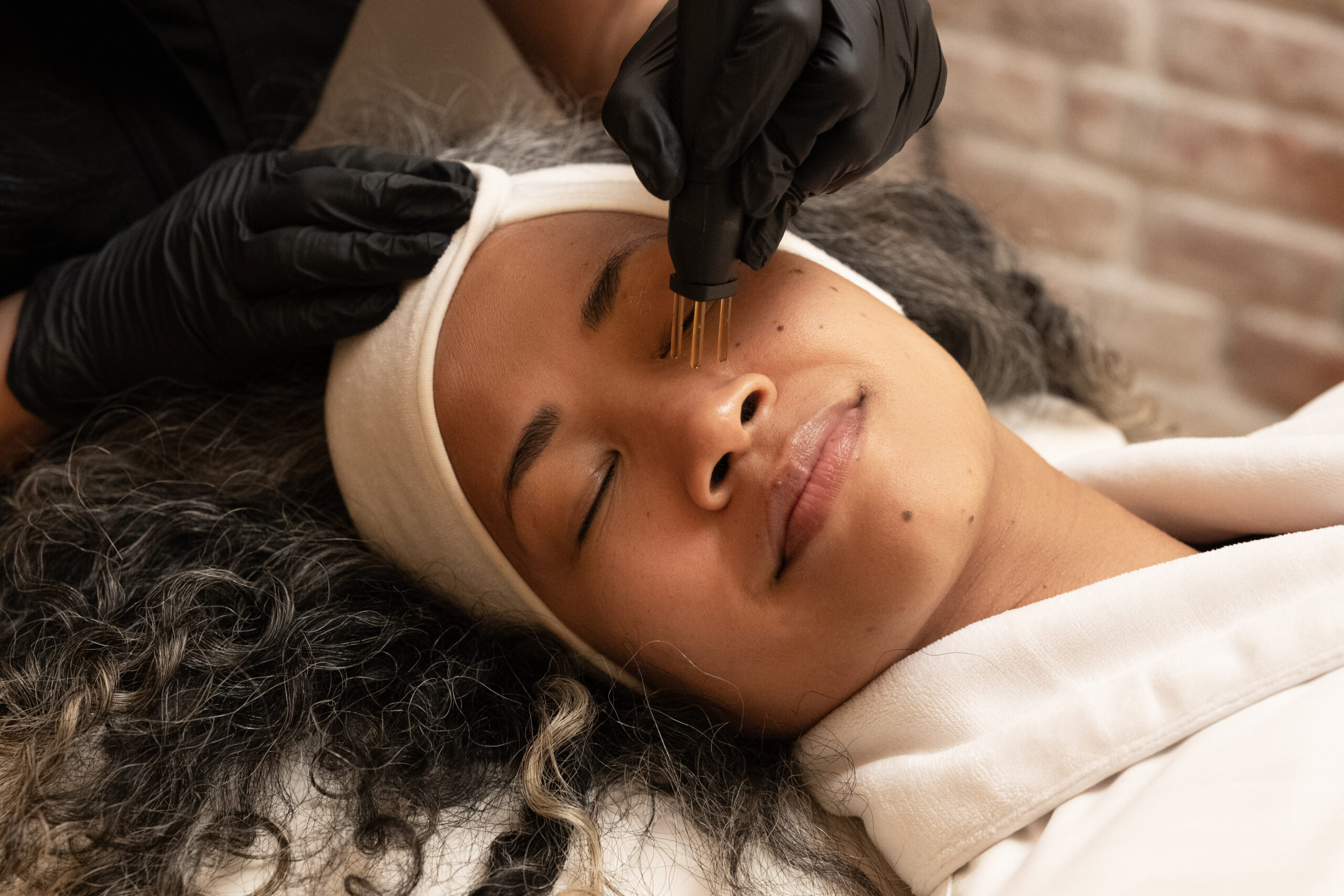
Nitrogen plasma skin regeneration, such as Neogen, uses controlled nitrogen plasma energy to heat the skin evenly and trigger significant collagen remodeling. This technology can treat a wide range of wrinkle depths while preserving parts of the skin’s structure, which may support faster healing.
For wrinkles around the mouth, nitrogen plasma can improve etched lines, crepey texture, and skin laxity simultaneously. Treatment intensity can be adjusted depending on how deep the lip wrinkles are.
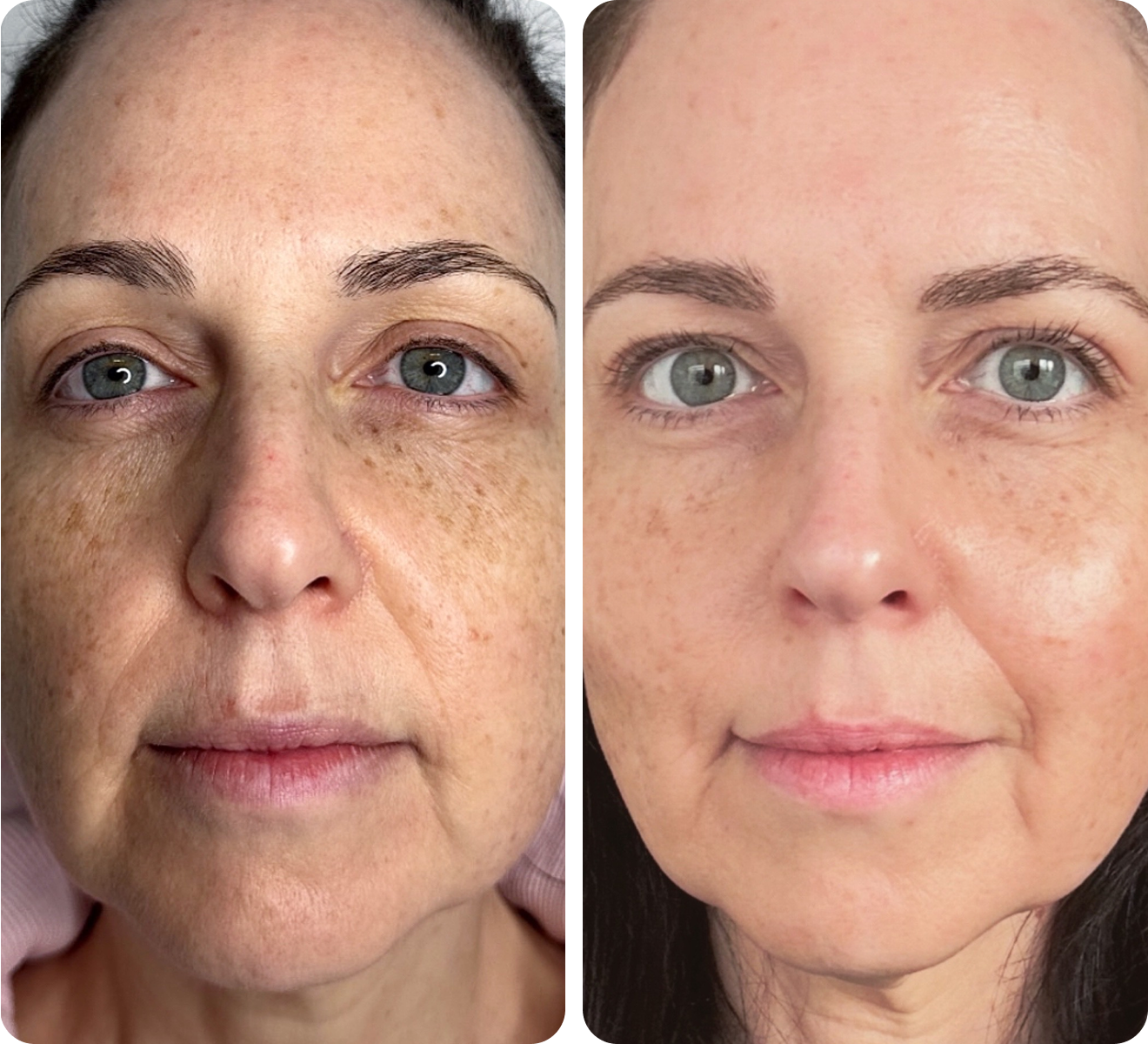
2 weeks after 1 medium energy treatment.
What to expect:
- Improvement in both texture and tightening in a single treatment course
- Downtime varies based on intensity: from a few days of redness to longer recovery with stronger settings
- Results continue improving for several months due to ongoing collagen remodeling
- Suitable for fine lines as well as deeper perioral wrinkles
Because nitrogen plasma treatments can be powerful, they should always be performed by experienced practitioners who understand perioral anatomy.
Combined Technology Treatments (T-Shape 2)
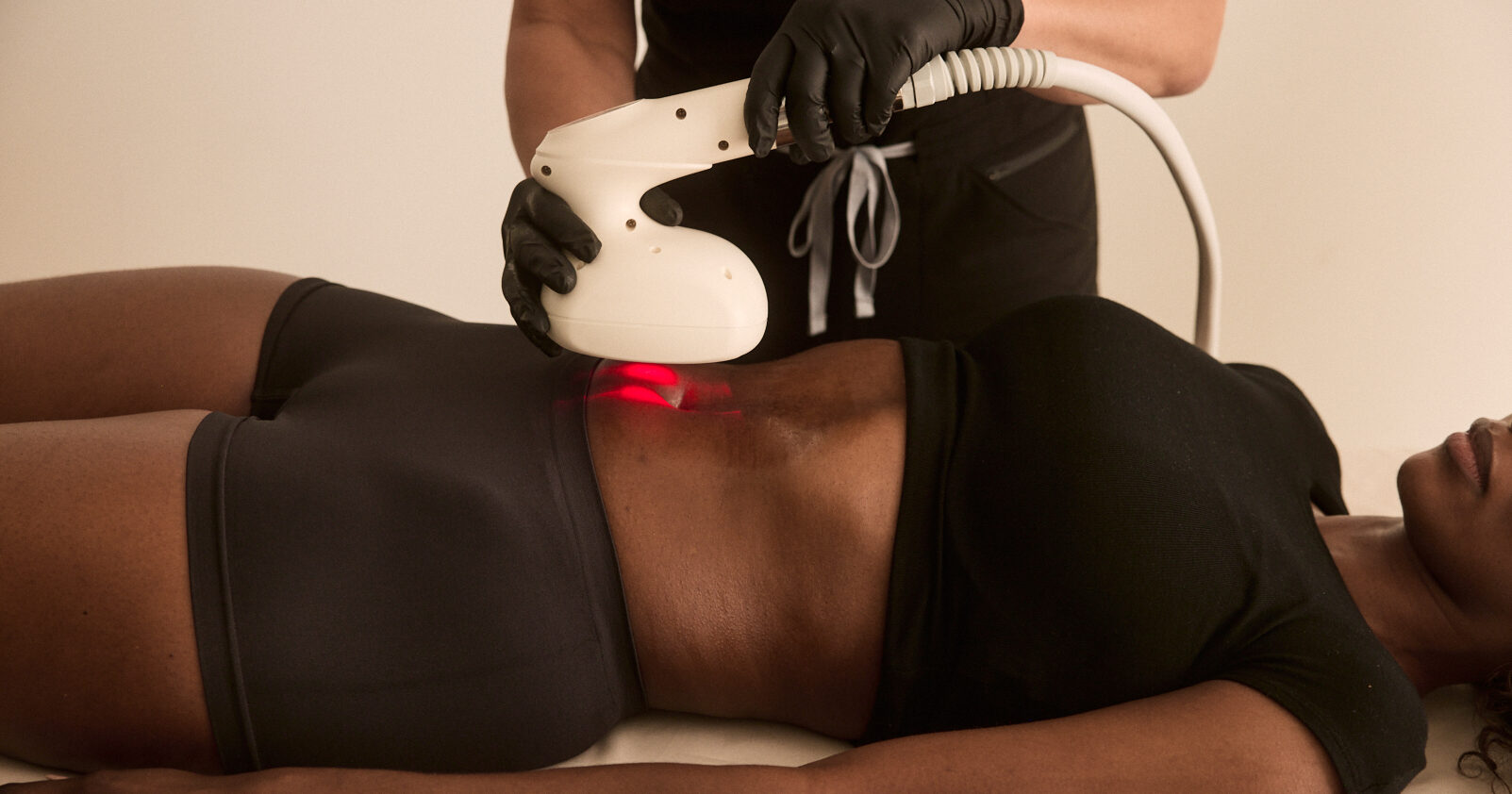
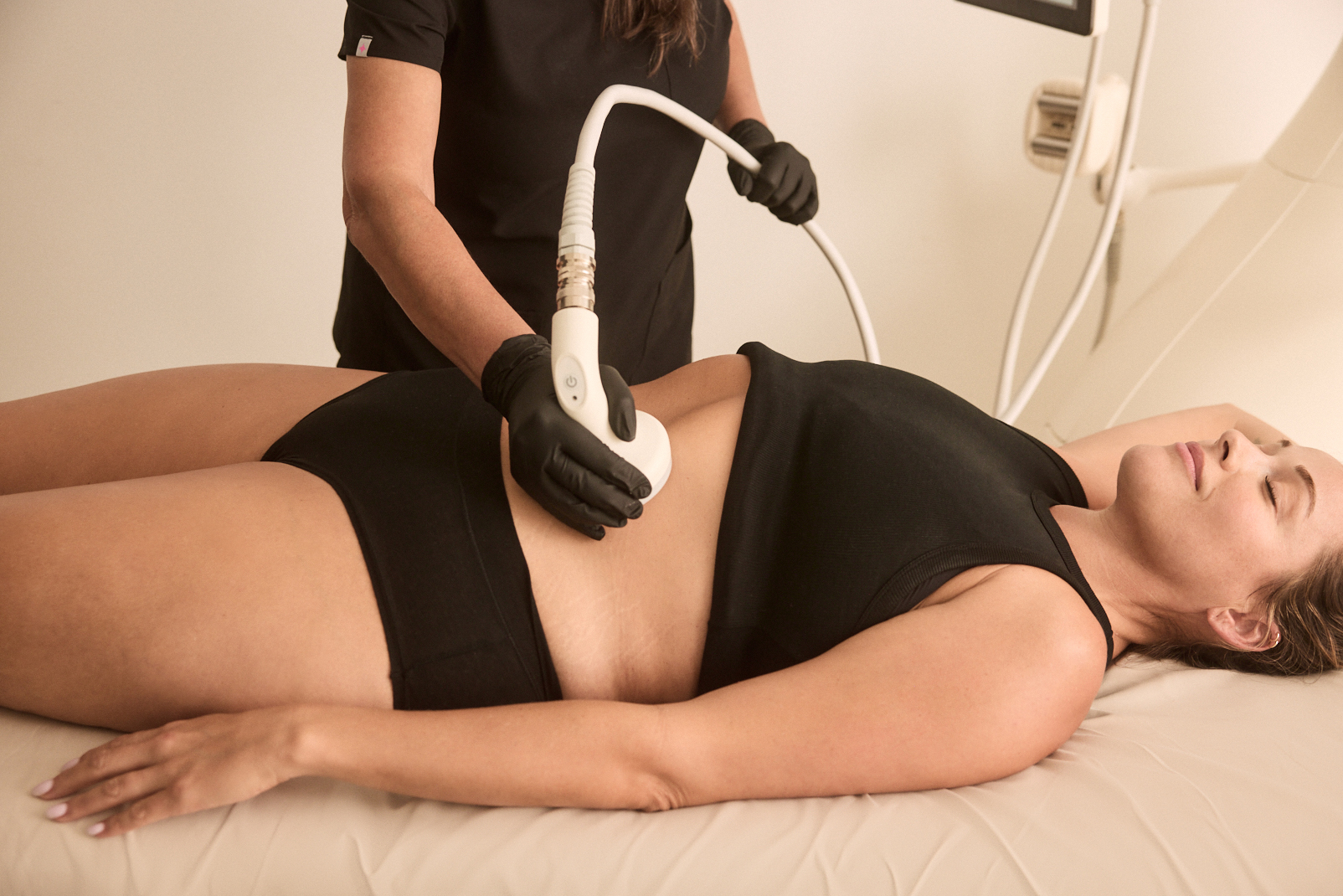
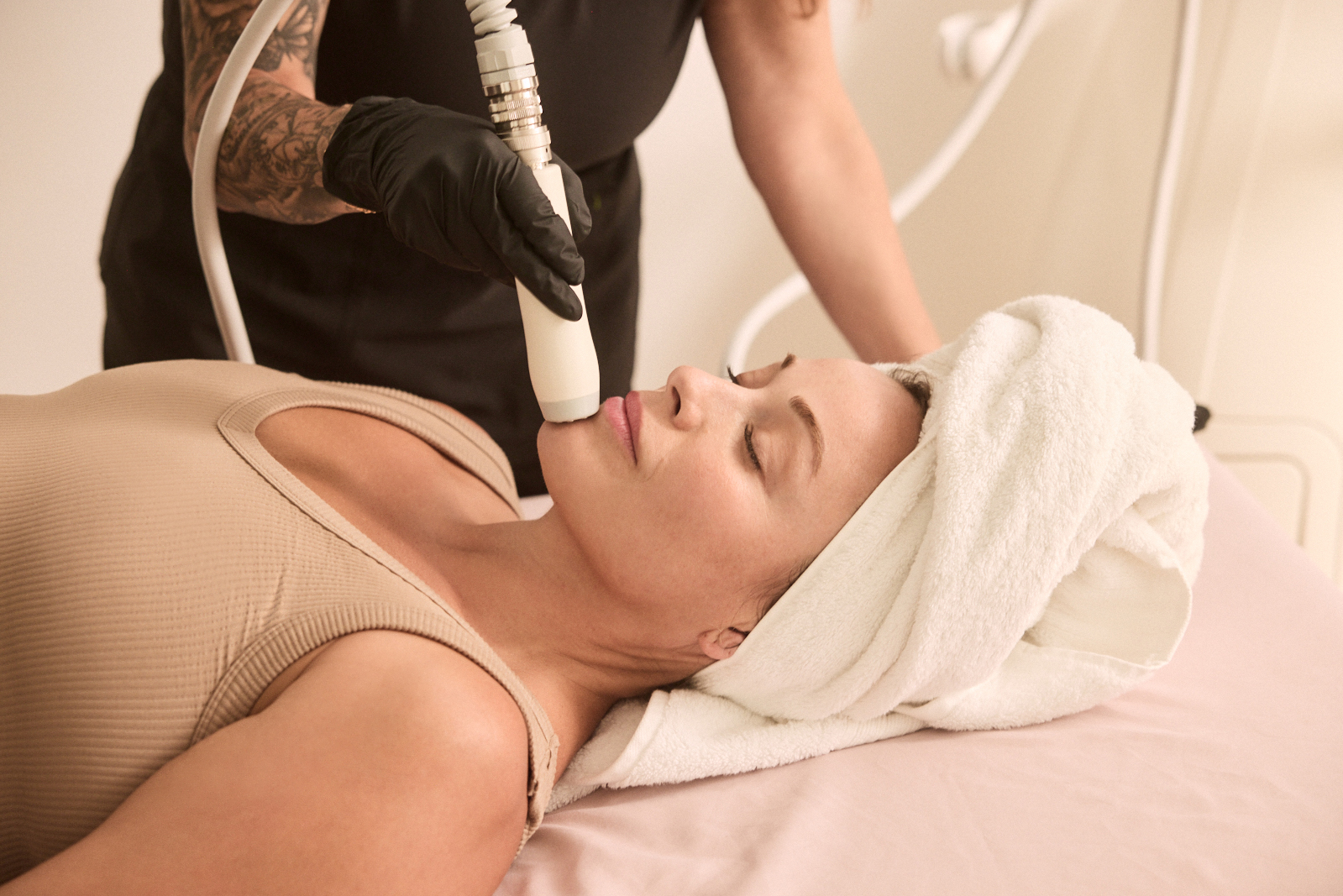
Some cosmetic skin clinics use multi-technology platforms, such as T-Shape 2, which combines radiofrequency, low-level laser therapy, vacuum-assisted massage, and mesospheric activation. These treatments aim to improve circulation, stimulate collagen, and enhance skin firmness at the same time.
T-Shape 2 can be used both on the face and on the body. On the face, it can help smooth fine lines and wrinkles, improve skin texture and firmness, and support overall skin health, as it triggers collagen production.
What to expect:
- Comfortable treatments with minimal downtime
- A series of sessions recommended for the best results
- Gradual improvement in skin texture and mild tightening
- Often used as a maintenance or supportive treatment
- Works well alongside RF microneedling, ultrasound, or regenerative injectables
Laser Resurfacing
Laser resurfacing removes or heats columns of skin to trigger collagen remodeling. Laser treatment is particularly effective for fine etched lines around the lips and can significantly smooth skin texture while tightening the perioral area and reducing lip lines.
Common laser options include:
- CO2 lasers: more aggressive, excellent results, longer recovery
- Erbium lasers: effective with manageable risk profiles, can be combined with other treatments
- Non-ablative lasers: heat deeper layers without removing surface skin; significantly less downtime
What to expect:
- Aggressive CO2 treatments may require 7-10 days of healing; complete healing may occur weeks later
- Non-ablative lasers heat the skin with milder effects but typically require more treatments
- Most patients see noticeable improvement after 1-3 sessions
- Results can last several years, but maintenance sessions might be required
- Collagen remodeling continues for several months after treatment, with results improving over time.
Microneedling and RF Microneedling
Microneedling is a technology that uses fine needles to create controlled micro-injuries in the skin. This triggers natural collagen and elastin production. It is often recommended for improving fine lines and overall skin texture with minimal downtime.
Traditional microneedling (devices like SkinPen) is useful for mild to moderate lines and general skin quality improvement.
RF microneedling (devices like Morpheus8) uses microneedling and radiofrequency energy. It delivers heat to deeper tissue layers for enhanced tightening effects.
What to expect:
- 3-4 sessions spaced 4-6 weeks apart
- Results build gradually over several months
- New collagen production continues between sessions
- Downtime is usually a few days of redness and mild swelling
Chemical Peels for the Perioral Area
Chemical peels are used to exfoliate damaged skin layers and stimulate renewal. Medium-depth peels focused on the mouth area can significantly improve fine lines and overall texture. But they’re not suitable for deep lip wrinkles, as they basically only support skin health and can help achieve a plumper skin texture. Because of this, it’s best combine chemical peels with other treatments.
What to expect:
- Around 3-6 chemical peel treatments spaced 3-4 weeks apart
- Downtime depends on chemical peel depth (1-3 days for light peels; 7-14 days for deep peels)
Peel strength and type should be selected by an experienced practitioner, especially for darker skin tones where pigment changes require careful management.
Radiofrequency Skin Tightening
Radiofrequency (RF) treatments use controlled heat energy to stimulate collagen remodeling in the deeper layers of the skin without damaging the surface. Around the mouth, RF is commonly used to improve mild to moderate lip wrinkles, soften smoker’s lines, and support jawline definition.
What to expect:
- Gradual improvement over several weeks as collagen production increases
- Typically 3-6 sessions, depending on device and skin laxity
- Mild warmth during treatment with minimal downtime
- Subtle tightening that looks natural rather than “overdone”
- Maintenance sessions recommended every few months for long-term results
Ultrasound Skin Tightening
Ultrasound-based treatments deliver focused energy deeper into the tissue layers than many surface treatments. By targeting the foundational support structures of the face, ultrasound can help lift and tighten areas around the mouth that have started to lose firmness.
This approach is often chosen when wrinkles are linked to structural laxity rather than only surface texture changes.
What to expect:
- One main session, sometimes followed by a maintenance treatment
- Results develop gradually over 2-3 months as collagen rebuilds
- Mild swelling or tenderness for a few days in some cases
- Subtle lifting effect that continues improving over time
- Results may last 12-18 months, depending on skin quality
How to Choose the Right Treatment for Mouth Wrinkles
To choose the best treatment for mouth wrinkles, think about the type of wrinkles you have, how deep they are, and whether the main issue is muscle movement, volume loss, or skin quality.
If your wrinkles are mostly dynamic (visible when you move or pucker), you can try:
- Neuromodulators
- Lip flip techniques
- Preventative skincare and sun protection
If you have fine etched lines or crepey skin texture, you can try:
- Laser resurfacing or nitrogen plasma skin regeneration
- Microneedling or RF microneedling
- T-Shape 2 procedures
- Chemical peels and prescription retinoids for gradual improvement
If volume loss or deeper folds are the main concern, you can try:
- Dermal fillers placed strategically in the midface, lips, or marionette area
- Biostimulatory injectables to encourage collagen production over time
- Nitrogen plasma skin regeneration
If skin laxity and lower-face sagging contribute to lup wrinkles, you can try:
- Ultrasound skin tightening
- Radiofrequency-based treatments
- T-Shape 2 procedures
- Nitrogen plasma skin regeneration
At-Home and Non-Surgical Support: Prevention and Skincare
Even the best cosmetic procedures last longer and work better when supported by consistent at-home care. While skincare alone won’t remove deeper wrinkles, it can significantly slow progression, improve skin texture, and enhance professional results.
Sun Protection and Environmental Defense
Broad-spectrum sunscreen of at least SPF 30, applied every morning and reapplied every 2 hours outdoors, is non-negotiable for preventing new lip wrinkles and protecting treatment results.
If chemical sunscreen filters irritate your skin, look for mineral formulas containing zinc oxide or titanium dioxide.
Visible light and pollution also contribute to aging. To protect your skin against these, you can apply a vitamin C serum under sunscreen.
Proven Skincare Ingredients for Mouth Wrinkles
Retinoids are gold-standard ingredients for encouraging new collagen production and smoothing fine lines over time. They can also brighten skin texture and reduce hyperpigmentation that can make your wrinkles appear worse.
You can also use peptides for collagen support, as well as niacinamide creams and hyaluronic acid serums. Lip balms can also be helpful, as keeping your lips hydrated can contribute to a more youthful appearance of the skin.
Lifestyle Habits That Make a Difference
One of the best things you can do to prevent lip lines and support overall skin health is to quit smoking (if you do smoke). But it’s equally important to:
- Stay well hydrated throughout the day
- Eat a diet rich in colorful fruits and vegetables
- Limit excessive sugar and alcohol, which can damage collagen
- Minimize repetitive puckering motions when possible (like frequent straw use)
- Use gentle cleansing around the mouth; avoid harsh scrubs or over-exfoliation
- Prioritize sleep quality and stress management
Next Step: Talk to a Professional
Before choosing any treatment for wrinkles around the mouth, it’s important to have a consultation with a qualified aesthetic professional. An experienced practitioner can assess your facial anatomy, skin thickness, muscle activity, and overall goals to help determine which options may be appropriate for you.
During a consultation, providers look at factors such as:
- Whether your lip wrinkles are dynamic, static, or a combination of both
- Skin quality, elasticity, and degree of laxity
- Volume distribution in the cheeks, lips, and jawline
- Medical history, previous treatments, and lifestyle factors
Not every treatment suits every person. Certain procedures may be postponed or adjusted depending on your circumstances and needs, such as active skin conditions, healing tendencies, or sensitivity around the mouth area. Some technologies may also require more conservative settings for people with thinner skin or specific skin tones.
FAQs
What is the best treatment for deep wrinkles around the mouth?
The best treatment for deep wrinkles around the mouth usually aims to restore structure and stimulate collagen at the same time. Dermal fillers and biostimulatory injectables are often used for volume support, while laser resurfacing, nitrogen plasma skin regeneration, radiofrequency, and ultrasound treatments can improve skin quality and tightening.
How to get rid of smile lines?
You can get rid of smile lines (nasolabial folds) with dermal lip fillers, biostimulatory injectables, and collagen-stimulating technologies like RF microneedling or ultrasound, which can soften their appearance. Skincare helps maintain results over time.
What is the best non-surgical treatment for wrinkles?
The best non-surgical wrinkle treatment depends on what caused the wrinkles. Neuromodulators work well for dynamic wrinkles, fillers can help with volume loss, and energy-based treatments such as laser resurfacing, radiofrequency, ultrasound, and nitrogen plasma target skin texture and laxity.
How to get rid of wrinkles around the mouth naturally?
You cannot completely get rid of wrinkles around the mouth naturally. However, natural methods can help you prevent wrinkles and slightly improve their appearance. Here’s what you can try: daily sunscreen, topical retinoids, antioxidants like vitamin C, proper hydration, and avoiding smoking or excessive sun exposure.
How to get rid of vertical lip lines naturally?
You can soften early vertical lip lines by using retinoids, peptides, and consistent sun protection while minimizing repetitive puckering movements. Gentle exfoliation and good lip hydration may improve texture, but established static lip lines often need professional treatments like neuromodulators, resurfacing, or collagen-stimulating procedures.
Is Botox or fillers better for lines around the mouth?
Botox-type neuromodulators are generally better for dynamic lip lines caused by muscle movement, while dermal fillers work best for deeper folds and volume loss.