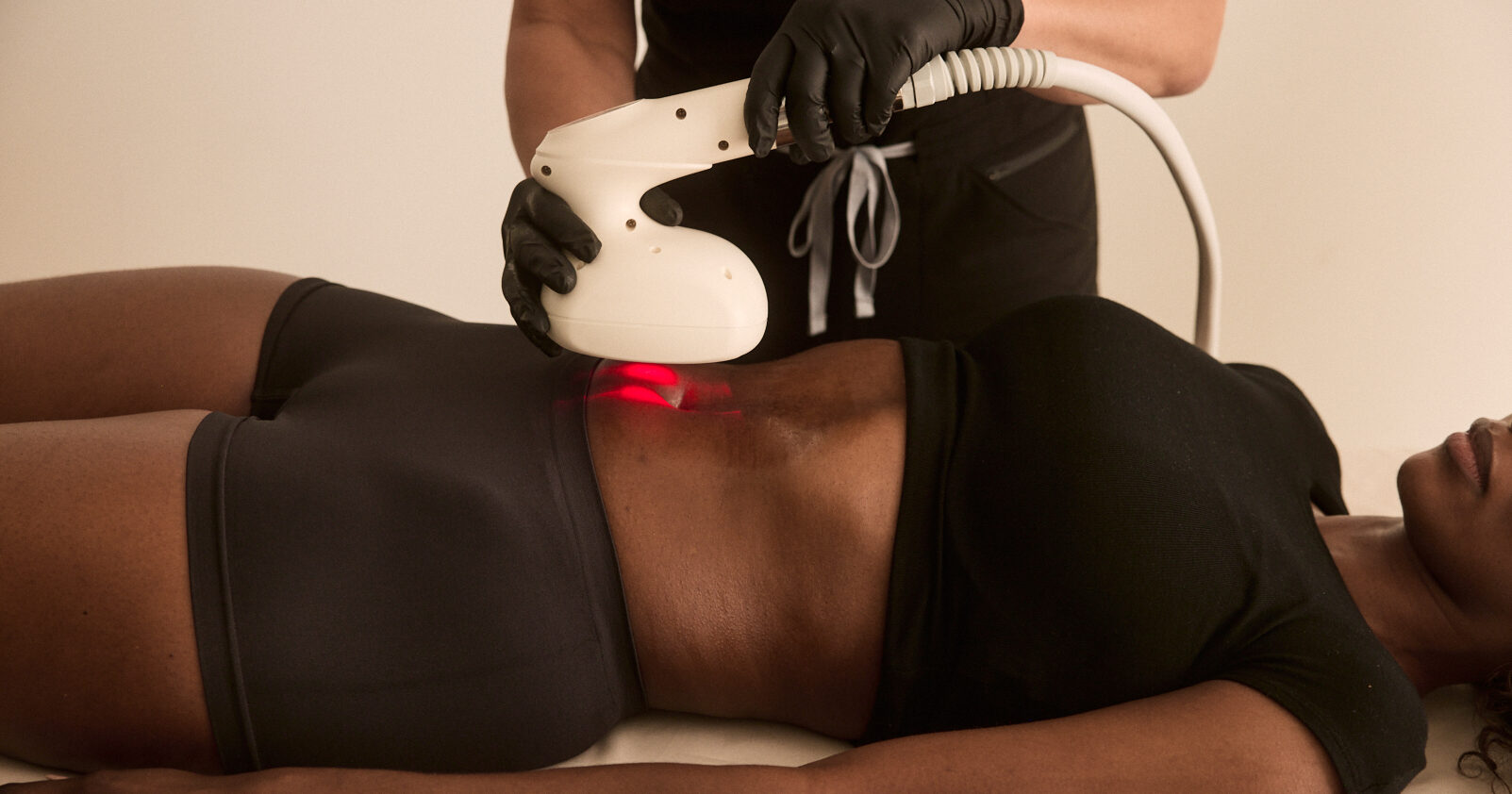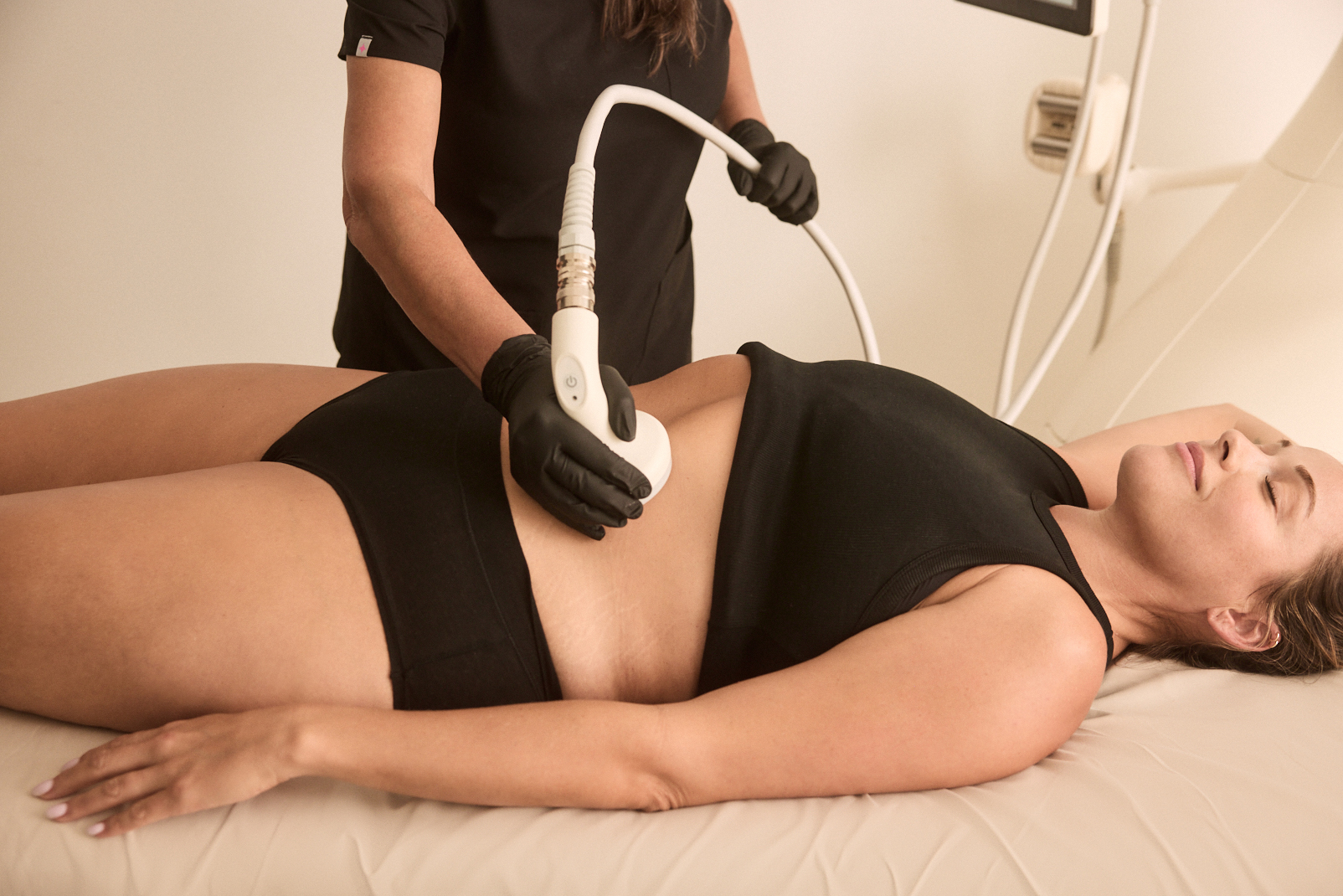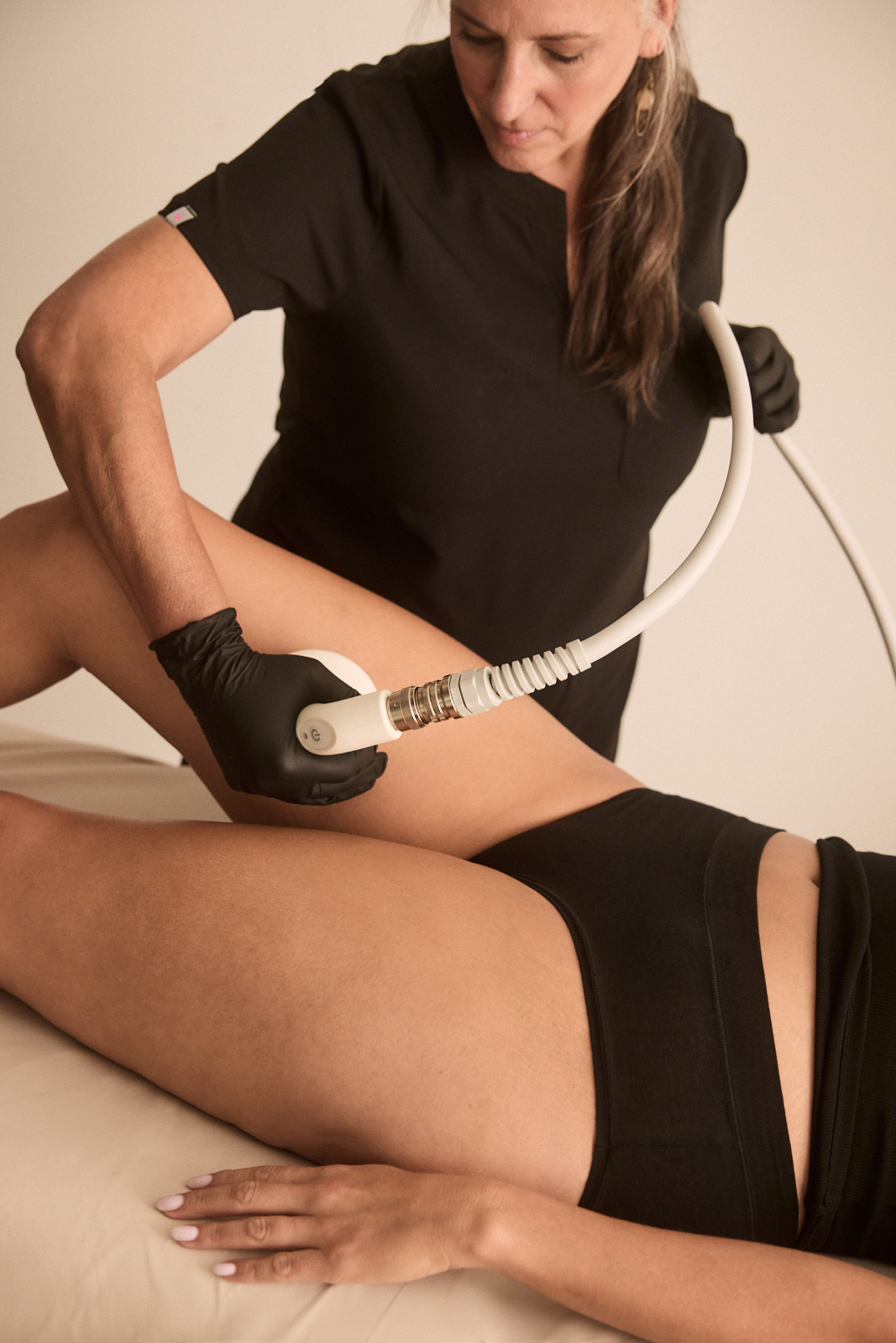
You’ve probably come across the term body sculpting machine more times than you can count lately, whether scrolling through clinic websites or researching aesthetic treatments. The category has grown enormously. Cold, heat, ultrasound, electromagnetic pulses… There are more technologies on the market than ever, and they all promise to reshape your body without surgery. Some of those promises hold up. Others are more nuanced.
This guide explains how body sculpting machines actually work, what the different technologies do, what separates professional from at-home devices, and what realistic results look like so you can make an informed decision.
Disclaimer:This article is provided for informational and educational purposes only. The information presented here is not a substitute for professional medical evaluation, consultation, or care and should not be relied upon to make health-related decisions. Always consult a qualified and licensed medical or aesthetic professional before undergoing any cosmetic or aesthetic procedure.
Key Facts: Body Sculpting Machines
A body sculpting machine is a non-surgical device that uses energy to help reduce localized fat, improve body contours, tighten skin, or enhance muscle tone. It targets specific areas like the abdomen, thighs, arms, or chin rather than producing overall weight loss.
There are several types of body sculpting machine technologies, each designed to target fat, skin, or muscle in different ways. The most common body sculpting machine types include cryolipolysis (fat freezing), radiofrequency (RF), ultrasound cavitation, electromagnetic muscle stimulation (EMS/HIFEM), vacuum-assisted or mechanical massage devices, and multi-modality devices like T-Shape 2.
These procedures are best suited for people who are already close to their goal weight and want to refine stubborn areas. They’re usually not recommended for those looking to lose a large amount of weight.
What Is a Body Sculpting Machine?
Body sculpting, or body contouring, refers to a category of non-surgical treatments designed to reduce localised fat, improve the shape of specific areas, and, in many cases, address skin laxity or texture. The key word is localised. These treatments target specific areas, like the abdomen, thighs, flanks, arms, buttocks, or the area under the chin. They do not produce overall weight loss across the body.
A body sculpting machine is a contouring tool, not a weight management solution. People who get the most out of these treatments are typically close to their goal weight already, with stubborn fat deposits or skin concerns that haven’t been resolved by diet and regular exercise. If your primary goal is losing a significant amount of weight, body contouring is probably not the right starting point.
There are professional, in-clinic machines and consumer at-home body sculpting devices. They operate at very different power levels and produce very different outcomes. More on that shortly.
How Do Body Sculpting Machines Work?
Every body sculpting machine, regardless of technology, works on the same basic principle: it delivers a controlled form of energy into the body (cold temperatures, heat, sound waves, electromagnetic fields, or mechanical force) to either damage fat cells, stimulate collagen production, or trigger muscle contractions. The body then processes the results over time.
That “over time” element is worth understanding before you book anything. Unlike surgery, which produces immediate visible changes, non-invasive body contouring procedures produce gradual results. For one thing, fat cells that have been disrupted don’t disappear overnight. The body clears them through its lymphatic system over several weeks to a few months. Secondly, collagen remodelling from radiofrequency treatments builds progressively over the following weeks. Thirdly, muscle changes from electromagnetic stimulation accumulate across a series of sessions.
Most people see visible results after a full treatment course. The timeline varies based on the technology used, the targeted area, and individual factors like metabolism, body composition, and lifestyle habits.
Common targeted areas include the abdomen and belly fat, inner and outer thighs, flanks (love handles), upper arms, buttocks, and the submental area under the chin. Each area responds somewhat differently depending on tissue depth, fat thickness, and skin elasticity, which is why a proper consultation matters before you start.
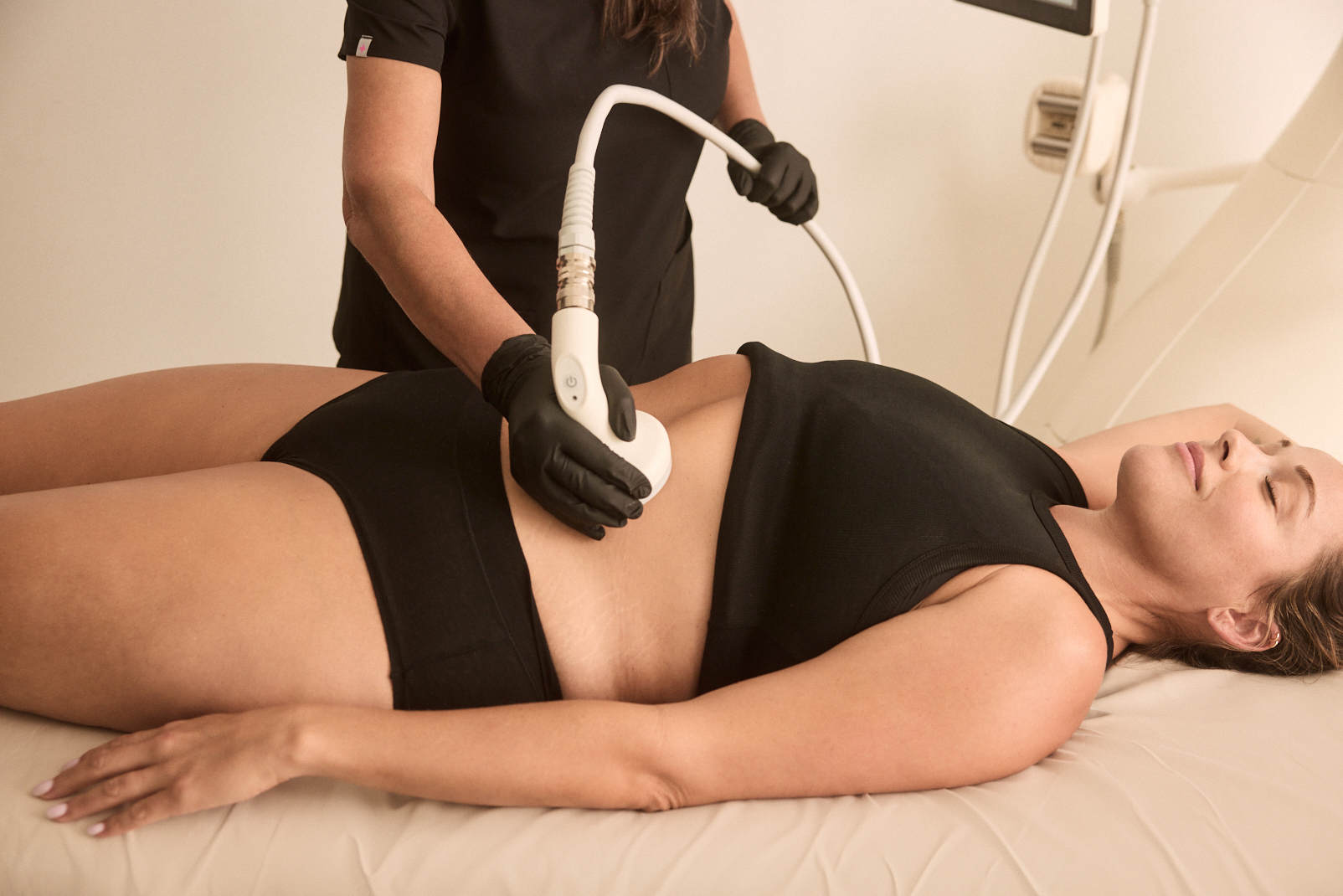
Main Types of Body Sculpting Machines
The body contouring market covers several distinct technology categories. They work very differently from each other. Some target fat directly. Some address the skin. Some build muscle. Many modern machines, like T-Shape 2, combine more than one approach in a single device. Therefore, consult a healthcare provider before booking any procedures, as not all of them may be suitable for you.
As such, here are the main types of body sculpting machine technologies.
Cryolipolysis (Fat Freezing)
Cryolipolysis (e.g., CoolSculpting) uses controlled cooling to damage fat cells while leaving the surrounding tissue intact. Fat cells are more sensitive to cold temperatures than the muscles, the skin, or the nerves. Because of this, a cryolipolysis device can cool the treated area precisely enough to trigger fat cell death without harming anything else.
Meyer et al. argue that cryolipolysis induces an inflammation response. The fat cells damaged during cryolipolysis then go through a natural cell death process called apoptosis. The body gradually clears the fatty tissue over the following weeks. Most people see noticeable fat reduction in the treated area over two to three months following a session. Fat freezing has been studied extensively and can produce consistent results on areas like the abdomen, flanks, inner thighs, upper arms, and under the chin.
Side effects are typically mild: temporary numbness, redness, swelling, or bruising in the treated area. Most of these resolve within days to a couple of weeks. According to the American Society of Plastic Surgeons, there’s one rare but documented complication: paradoxical adipose hyperplasia, a condition where the treated area actually increases in volume rather than decreasing.
Cryolipolysis is not recommended for people with cold-related conditions.
Radiofrequency (RF) for Fat Reduction and Skin Tightening
Radiofrequency body sculpting machines use RF energy to heat the tissue at a controlled depth. The mechanism works in two directions: at lower intensities, the controlled heat stimulates collagen production, which can improve firmness and texture over time; at higher intensities, the heat can also reach and disrupt fatty tissue.
Because of that, radiofrequency can be recommended to people who struggle with both localized fat and mild-to-moderate skin laxity. In their study, Magdalena Kiedrowicz et al. observed that a series of 10 radiofrequency treatments on the abdomen led to a reduction in BMI and reduced waist circumference. The results lasted at least 6 months.
Cellulite is another common target for RF. The radio frequency energy heats the connective tissue bands that contribute to the dimpled appearance. This can help soften them, as well as stimulate collagen remodelling.
Ultrasound Cavitation
Ultrasound cavitation uses focused sound wave energy to disrupt fat cell membranes. When ultrasound energy is applied at the right frequency and intensity, it creates microscopic bubbles within the fatty tissue that implode and break the fat cell walls. The cell contents are then processed by the body’s lymphatic system and cleared over the following weeks.
Circumference reduction on the abdomen, thighs, and flanks is the most common application. You won’t feel anything dramatic during treatment, typically just a mild buzzing sensation. Results appear gradually as the body processes the released contents of the damaged fat cells. Drinking sufficient water and maintaining activity in the days after treatment helps the lymphatic clearance along.
Like RF, ultrasound cavitation works best as a contouring tool for people with localised stubborn fat deposits, not as a weight loss method.
EMS Body Sculpting Machine
Electromagnetic muscle stimulation technologies, including HIFEM (High-Intensity Focused Electromagnetic) devices, work differently from fat-targeting treatments. Rather than disrupting fat cells, they force the muscle to contract at a rate and intensity far beyond what you can produce voluntarily.
A single HIFEM session typically produces thousands of muscle contractions. This triggers both muscle fibre growth and, as a secondary effect, some fat reduction in the overlying tissue. The abdominals and gluteal muscles are the most common targets. But newer devices also treat the arms and thighs.
These treatments are often recommended to those who already exercise and eat well but want to push muscle definition further. They work best in people with relatively low body fat who want to tone muscles. For someone carrying a larger amount of stubborn fat, a fat-targeting technology is likely a better first step. These two approaches can also be combined across a treatment programme.
Vacuum and Mechanical Massage
Vacuum-assisted and roller-based devices lift and knead the skin and underlying tissue mechanically. They can help improve local circulation and stimulate lymphatic drainage. They can also work on the connective tissue structure that contributes to cellulite.
On their own, these body contouring devices produce modest and short-lived improvements. They are more effective when they’re combined with RF, laser, or low-level light therapy in a multi-technology device like T-Shape 2.
The vacuum component enhances energy penetration by drawing the tissue closer to the treatment head, and the mechanical stimulation adds circulatory and lymphatic benefits that complement the energy-based treatment.
Professional vs At-Home Body Sculpting Machines
Professional body contouring machines operate at clinical-grade energy levels and reach deeper tissue layers. They are used under the supervision of trained practitioners who can adjust the parameters to your specific anatomy and goals.
At-home devices are intentionally limited in output. Regulatory requirements for consumer safety imply that the energy levels available in an at-home sculpting machine are a fraction of what a professional device delivers. That doesn’t make them useless, though. A quality at-home RF device can help maintain the results between clinic sessions. Plus, a good massage device can help support lymphatic clearance. Still, an at-home machine will not produce the same fat reduction or muscle definition as a clinical device.
Safety is also worth addressing directly. Both professional and at-home body contouring devices carry some risk when misused. Overusing an at-home device, targeting contraindicated areas, or ignoring manufacturer guidance can cause burns, bruising, or skin damage. On the professional side, undertrained operators using clinical-grade equipment pose similar risks.
Before committing to any body contouring procedure, check that the device is FDA-cleared (or holds the relevant clearance for your country), that the provider is trained in its use, and that a proper consultation has been carried out.
Benefits and Limitations of Body Sculpting Machines
Body sculpting machines can help you reduce localized fat in stubborn areas that don’t respond to diet and regular exercise. They can help improve the shape and definition of specific body parts. They can also help tighten the skin modestly in areas with mild laxity. Some of them, including T-Shape 2, can also help improve the appearance of cellulite with the right combination of technologies.
What you can’t expect is dramatic weight loss, total skin tightening on areas with significant excess skin, or visible results after a single session. The best candidates for body sculpting procedures are people at or close to their target body composition who want to refine specific areas.
Results also vary based on the device used, the skill of the provider, the number of sessions completed, and what you do between appointments. Maintaining a stable weight, staying hydrated, and keeping up with regular exercise all contribute to how well the results hold.
How Long Do Body Sculpting Results Last?
The fat reduction you achieve through cryolipolysis or ultrasound cavitation is permanent in the sense that those specific cells are gone. However, remaining fat cells can still expand if you gain weight, so “permanent fat reduction” doesn’t mean permanent results if your lifestyle changes significantly.
Skin tightening and collagen benefits from RF treatments gradually diminish as the skin naturally continues to age. Most people doing RF-based skin tightening find that occasional maintenance sessions, perhaps 1-2 per year, keep the improvements in place.
Muscle toning treatments are similarly maintenance-dependent. The muscle definition built over a treatment course will reduce over time without follow-up sessions or physical training to sustain it.
Possible Side Effects and Safety
For most people, body contouring sessions cause only mild, temporary effects in the treated area: redness, warmth, some swelling or tenderness, and occasionally temporary numbness. These typically resolve within hours to a few days.
Serious complications are rare when the procedures are performed correctly using FDA-cleared devices and trained practitioners. They’re more likely when devices are used improperly, treatment parameters are set incorrectly, or contraindications aren’t properly screened before treatment.
That’s why talking to a healthcare professional is of utmost importance. They can assess your medical history and concerns. For example, certain devices are not recommended for people with metal implants or bleeding disorders.
Is Body Sculpting Right for You?
Are you trying to reduce fat in a specific area, or are you hoping for overall weight loss? If it’s the latter, body contouring is not the right tool. Addressing nutrition and overall activity first will both produce better results and make any future contouring treatment more effective.
Are you at or near a stable, healthy weight? Someone with a BMI well above the healthy range will see limited benefit from localized fat treatments compared to someone who is carrying small, stubborn fat cells on their abdomen or flanks.
Do you have realistic expectations about the timeline? If you need results in two weeks, non-invasive body contouring is almost certainly not going to deliver them. If you’re planning a treatment programme over 2-3 months with consistent sessions, that’s a different conversation.
Are you prepared to maintain the results? Body sculpting sessions can produce improvements, but your lifestyle habits determine how long those improvements last.
A good consultation with a qualified provider should cover your medical history, your goals, your BMI and current body composition, a realistic outcome discussion, and a customized plan.
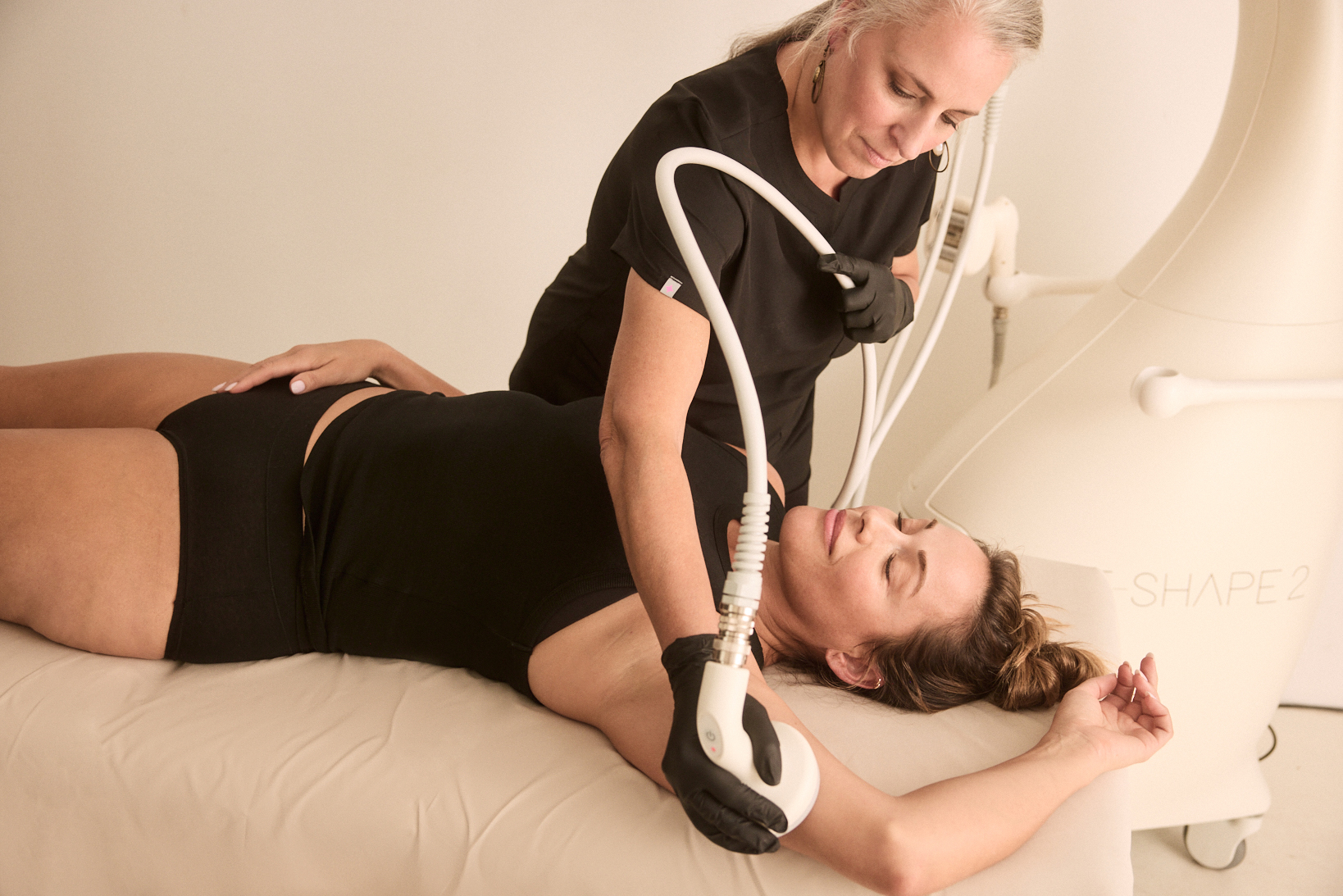
What to Look for in a Professional Body Sculpting Machine or Provider
If you’re choosing a clinic, ask which technology the clinic uses and whether it’s FDA-cleared. Ask about the training and qualifications of the person who will actually perform your sessions.
Ask to see before-and-after photos from clients treated at that specific clinic, on areas similar to yours. And ask about the realistic outcome range. A provider who promises you’ll lose ten centimetres from your waist in a single session is not being straight with you.
For medspa owners and clinic managers considering which body contouring equipment to invest in, it might be worth it to assess multi-technology body sculpting machines that can help address fat, skin, and muscle in a single platform. These offer far more treatment versatility than single-modality devices. FDA clearance and CE marking are the baseline. Also, training, after-sales service, and technical support matter a lot in this regard. The training provided by the manufacturer or distributor affects how confidently your team can operate the equipment and, by extension, the quality of the results your clients experience.
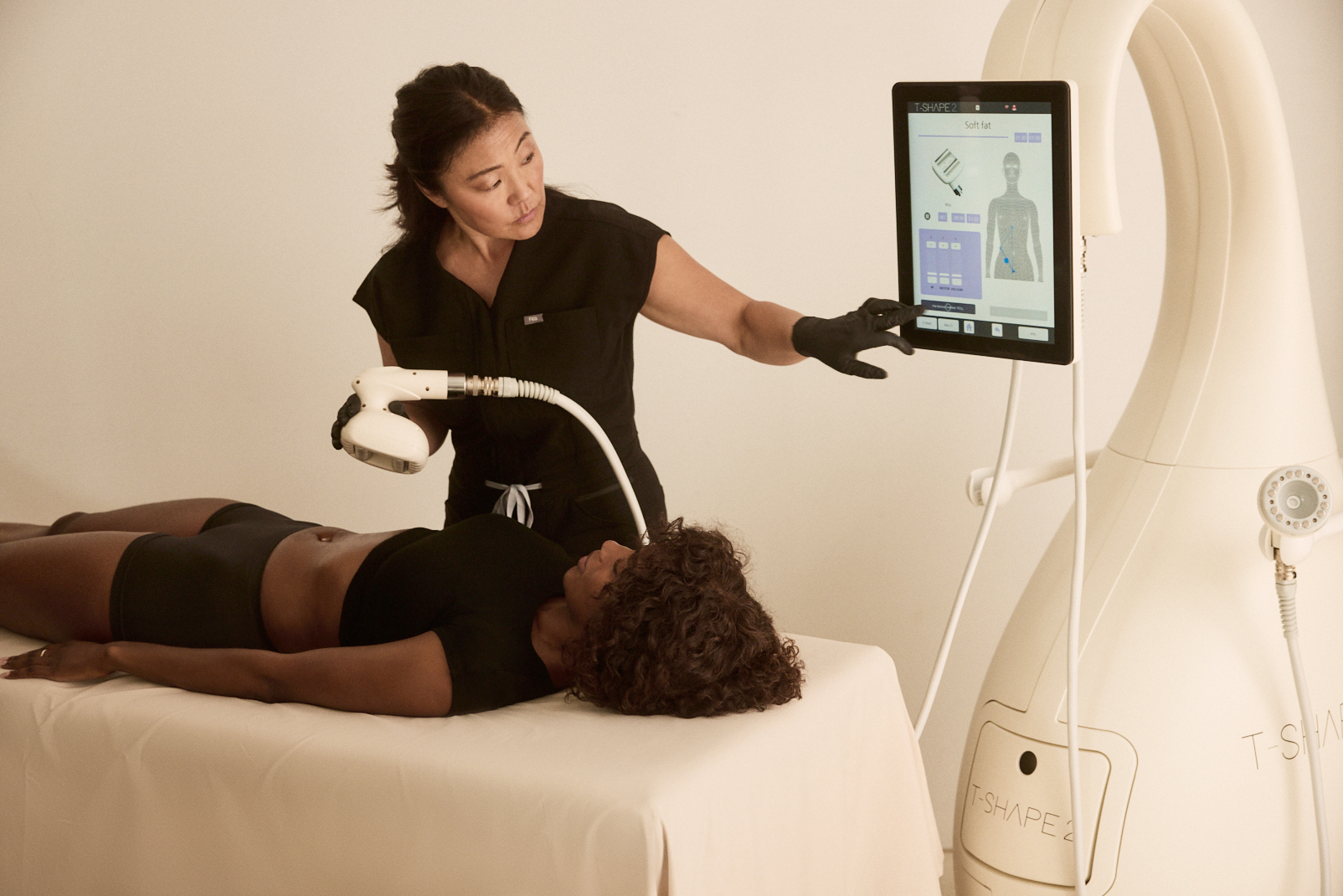
T-Shape 2: A Multi-Technology Body Sculpting Machine
The T-Shape 2 combines four technologies in a single platform: bipolar radiofrequency, low-level light therapy (LLLT), endodermic massage with suction, and mesospheric activation. Each of these can help address different concerns:
- The bipolar RF energy heats tissue at a controlled depth, stimulating collagen production in the skin and targeting fatty tissue in the layer beneath it.
- Low-Level Light Therapy (LLLT) uses extremely low doses of visible light that do not heat the skin or fat. It can support cellular metabolism and contribute to the fat reduction process.
- The vacuum component draws the skin and underlying tissue into contact with the treatment head, improving energy penetration and stimulating lymphatic circulation.
- The mesospheric activation can help tone the underlying muscle, promote circulation, and give the skin a more youthful appearance.
Together, these technologies can help address fat deposits, loose skin, and cellulite in the same session. T-Shape 2 can be used both on the body and on the lower face and neck, where skin tightening is often a priority alongside contouring.
Who Might Benefit from T-Shape 2 Treatments
The ideal candidate for T-Shape 2 treatments is someone with localised fat deposits, areas of mild to moderate skin laxity, or cellulite they want to reduce. Common treatment areas include the abdomen, flanks, thighs, upper arms, and buttocks on the body and the jawline, cheeks, and neck on the face.
During treatment, you’ll feel warmth from the RF energy, gentle suction from the vacuum, and a massage-like sensation from the mesospheric activation. The sessions are comfortable for most people, with no downtime required. You can return to normal activity immediately after a session.
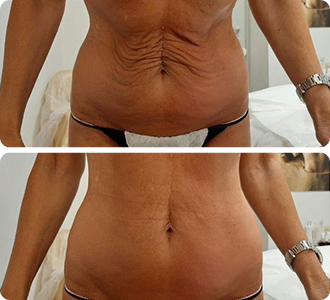
Before and after 3 skin-tightening treatments on the abdomen with T-Shape 2 to reduce loose skin after weight loss.
A typical T-Shape 2 program involves multiple sessions over several weeks, with improvements building progressively. The collagen remodeling from the RF continues even after the treatment course ends, so the results often continue improving in the weeks following the final session. As with all body contouring technologies, maintaining results over the long term involves keeping your weight stable and, where appropriate, scheduling occasional maintenance sessions.
If you think T-Shape 2 might be a good option for your skin concerns, find a provider near you and schedule a consultation.
Is T-Shape 2 a Good Option for Your Clinic?
T-Shape 2 can support several different treatment offerings on the menu. That versatility has a direct impact on how many clients and treatment types a practice can serve without expanding its equipment footprint.
The T-Shape 2 is available through Artemis Distribution, which supplies professional body contouring equipment to clinics and medspas across the U.S., alongside professional training and post-purchase support. If you’re a provider looking to add or expand your body contouring offering, contact Artemis today to learn more details about T-Shape 2!
FAQs
What are the best body sculpting machines for professional use?
Popular professional machines include Emsculpt Neo (muscle + fat), CoolSculpting Elite (fat freezing), and combination machines like T-Shape 2 for fat reduction and skin tightening. The best option depends on the goal, since each technology targets different concerns.
Do body sculpting machines really work?
Many body sculpting machines can help produce measurable changes like fat reduction, improved contour, or increased muscle tone when used correctly. However, results are typically modest and localized, and they work best alongside a healthy lifestyle.
Can body sculpting flatten your stomach?
Body sculpting can reduce fat thickness and improve muscle tone on your stomach, which can make it appear flatter. That said, it won’t replace healthy weight loss or significantly reduce overall body fat, so the results are more refinement than transformation.
Can I use a body sculpting machine at home?
There are at-home body sculpting machines for at-home use, but they are significantly less powerful than professional machines. They can support maintenance or mild improvements, but they won’t deliver the same level of results as clinical treatments.