You’ve probably seen collagen supplements everywhere. Powders, capsules, drinks, and even coffee creamers. Most of their benefits center on the skin and joints. But lately, more and more people have started wondering: can collagen help you lose weight? Not directly, but it does play a part in this process.
Taken while someone actively loses weight, collagen can support several biological processes that can help them lose weight more easily.
Keep reading to learn what research actually says, how collagen peptides work in the human body, who is most likely to benefit from these supplements, and where professional collagen-boosting devices like T-Shape 2 fit into the picture when dietary supplements alone aren’t enough.
Disclaimer:This article is provided for informational and educational purposes only. The information presented here is not a substitute for professional medical evaluation, consultation, or care and should not be relied upon to make health-related decisions. Always consult a qualified and licensed medical or aesthetic professional before starting any new supplement regimen or weight loss plan.
Quick Answer: Does Collagen Help You Lose Weight?
Collagen does not directly cause weight loss or burn fat. However, it may support weight management by increasing satiety, helping preserve lean muscle mass during a calorie deficit, supporting metabolism, and improving joint health so you can stay active.
On its own, collagen won’t replace diet and exercise. As part of a balanced routine, it can make it easier to lose weight and maintain the achieved results.
What Is Collagen?
Collagen is the most abundant protein in the human body. It accounts for roughly 25-30% of all your body’s proteins. It forms the structural backbone of connective tissues, including the skin, tendons, cartilage, blood vessels, and bones.
There are over 28 known types of collagen, but the most relevant ones are:
- Type I collagen, found in skin, tendons, and bones; the most common type overall
- Type II collagen, found in cartilage
- Type III collagen, found in skin, often alongside Type I
Your body produces collagen naturally through collagen synthesis. It occurs within fibroblasts and requires vitamin C. Around your mid-20s, this process starts declining. That’s why skin elasticity, joint health, and recovery time change as you get older.
Collagen supplements are designed to compensate for this natural decline. Most come in hydrolyzed collagen form, also called collagen peptides, collagen hydrolysate, or hydrolysed collagen. This type of collagen has been broken down into peptides through a process called hydrolysis. In other words, hydrolyzed collagen is absorbed by your body more efficiently.
How Could Collagen Support Weight Loss?
Collagen does not directly help fat burning or weight loss, but it can help other processes in your body, which we’ll discuss below.
Keep in mind that collagen is technically an incomplete protein. It doesn’t contain all the essential amino acids your body needs. So, you can’t replace all your dietary protein with collagen.
Here’s what the evidence suggests.
1. It May Help You Eat Less by Promoting Satiety
Protein is the most satiating macronutrient. It is more filling per calorie than either carbohydrates or fat. Collagen supplementation contributes to your total protein intake, which means it can influence hunger hormones and appetite regulation.
Research shows that collagen peptide supplementation can increase levels of satiety hormones like GLP-1. At the same time, it can help decrease ghrelin, the hormone that makes you feel hungry.
A 2024 randomized controlled trial signed by López-Yoldi et al. tested a specific bovine collagen with low digestibility and high swelling capacity, the kind that physically expands in your stomach when taken with water before meals. Over 12 weeks, the participants in the collagen group lost more weight than the control group. They also felt less hungry after eating.
However, keep in mind that most standard collagen powder or capsules don’t yet have the same physical swelling properties used in that 2024 study. Results with standard supplements may therefore be more modest than the results in the study.
2. It Can Support Lean Muscle Mass
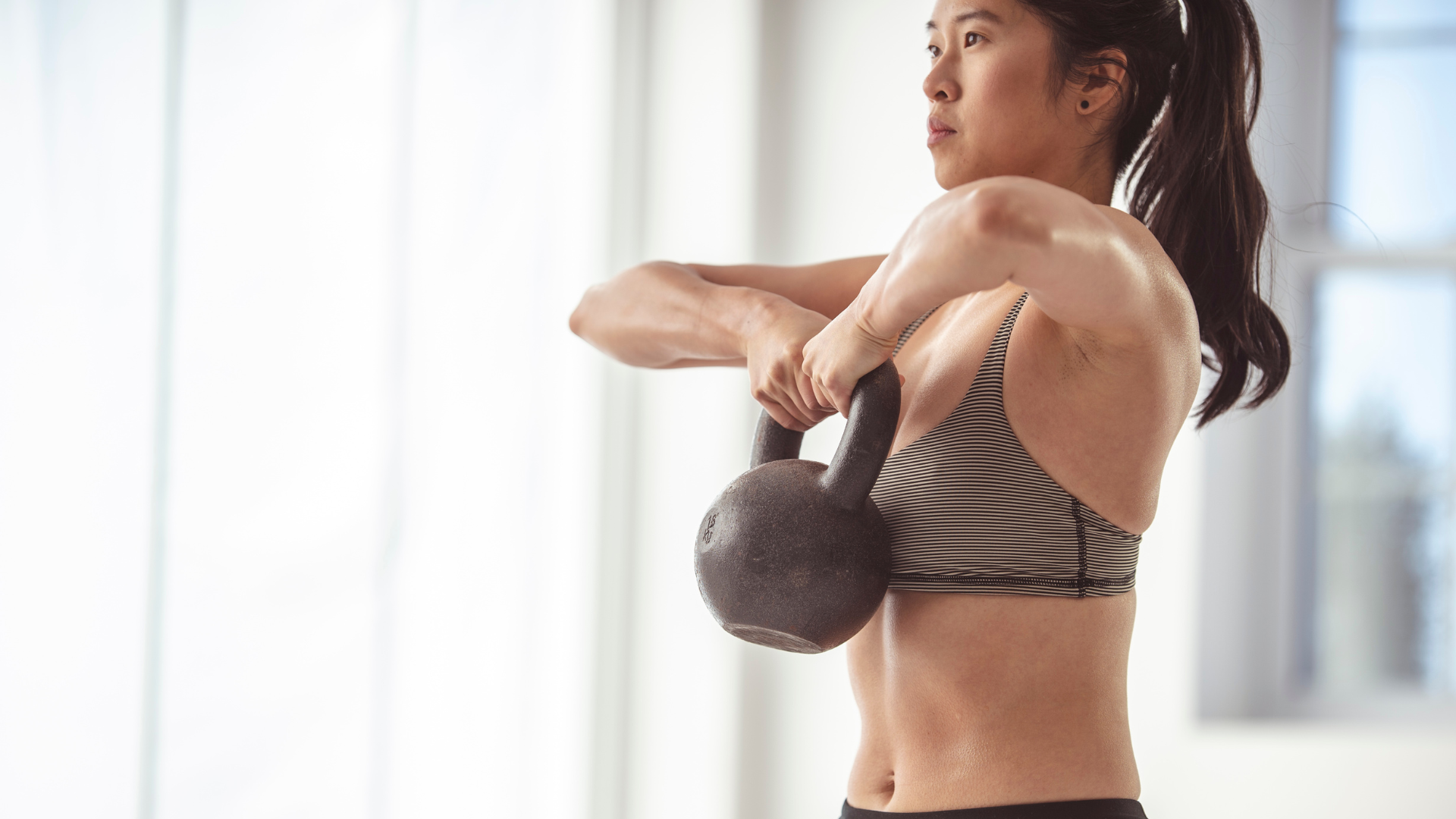
Your muscles burn a bit more calories than fat even at rest. This increases overall calorie expenditure. So, having more lean mass can slightly increase your daily calorie needs. During a calorie deficit, preserving muscle helps prevent your metabolism from dropping as much.
Collagen peptide supplementation has shown promise here, particularly in combination with resistance training. A 2015 study (Zdzieblick et al.) followed elderly men with sarcopenia (age-related muscle loss) through 12 weeks of weight training. Those who were taking collagen peptides gained significantly more muscle mass and strength than the placebo group.
Moreover, collagen has also been linked to better muscle recovery after exercise.
3. It May Influence Lipid Metabolism and Fat Accumulation
A 2019 study on oral supplementation of collagen peptide derived from skate found reductions in body fat percentage in overweight adults, without changes to diet or exercise.
Another randomized controlled trial done in 2023 concluded that after 12 weeks of 15g daily collagen peptide supplementation, also with no changes to diet or physical activity, the participants in the collagen group showed significant reductions in body weight and body fat mass.
However, these effects were modest, and larger trials are still needed to fully understand the process.
4. It Supports Joint Health, Keeping You Active
Collagen is vital for joint health. It can help keep your bones strong and flexible, encouraging regular physical activity.
While losing weight, we must be able to exercise regularly without discomfort. Joint pain is one of the most common reasons people scale back activity, particularly as they age or carry excess weight.
Collagen supplementation has a reasonably solid evidence base for joint health. For example, in their 2008 study, Clark et al. found that athletes taking collagen hydrolysate daily for 24 weeks had noticeably less joint pain during activity compared to the control group.
If joint pain is what’s keeping you off the treadmill or out of the gym, incorporating collagen supplements may help you exercise regularly.
Collagen vs. Other Proteins: A Quick Comparison
If you’re evaluating where collagen supplements fit in your current supplement regimen, this comparison may help:
| Feature | Collagen | Whey Protein | Casein |
| Complete protein? | No | Yes | Yes |
| Best for muscle building? | Good (with resistance training) | Better | Better |
| Satiety effect? | Moderate-High | High | High (slower release) |
| Joint support? | Yes | Not directly | Not directly |
| Skin/hair/nail health benefits? | Yes | Not directly | Not directly |
| Common sources | Bovine, marine, porcine | Dairy | Dairy |
Who Is Most Likely to Benefit from Collagen when Losing Weight?
Not everyone will see the same results from collagen supplementation. Certain groups tend to get more out of it:
- Adults over 50: age-related muscle loss (sarcopenia) is a metabolic concern, and collagen combined with resistance training has shown the most consistent results for increasing muscle mass in this group.
- People with joint discomfort: if joint pain is limiting your activity levels, addressing it through collagen supplementation may help you exercise more regularly.
- Those on calorie-restricted diets: protein helps prevent muscle mass loss during a calorie deficit. Collagen supplements add protein without adding many calories, a useful trade-off for anyone trying to eat less while preserving body composition.
- GLP-1 medication users: rapid weight loss from medications like Ozempic is associated with increased skin laxity and with a reduction in collagen production. Many practitioners now recommend collagen supplementation as a supporting measure alongside these treatments.
- Active individuals doing resistance training: the combination of collagen peptides and weight training appears more effective for body composition than either approach alone.
What to Look For in High-Quality Collagen Products
When choosing a collagen supplement, keep these in mind:
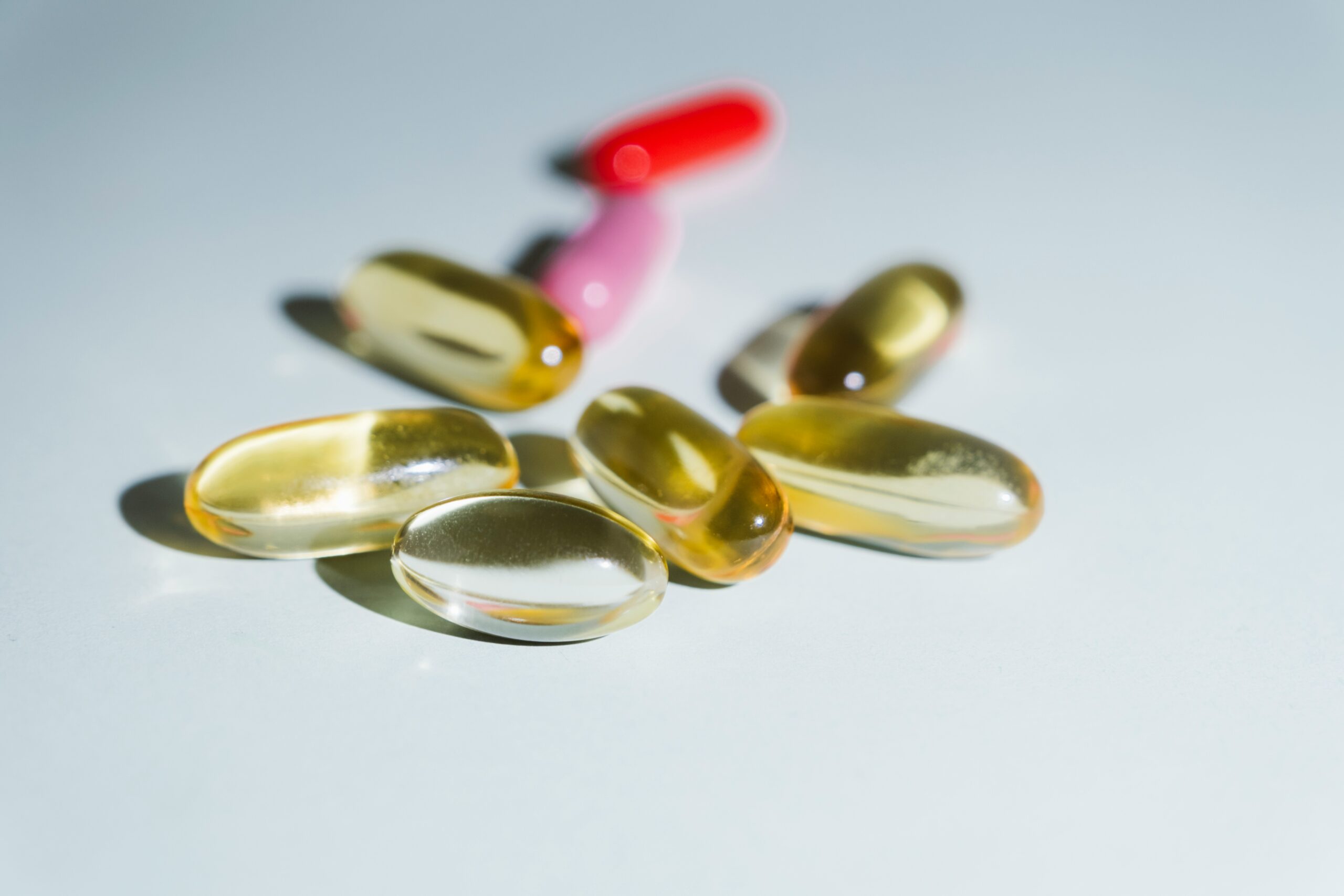
- It’s best to look for hydrolyzed collagen or collagen peptides on the label.
- Marine collagen tends to have a lower molecular weight and may absorb more efficiently than bovine sources, though bovine is more studied overall.
- Third-party testing or certifications (NSF, Informed Sport, USP) indicate the product contains what it claims.
- Avoid products with excessive fillers, artificial sweeteners, or undisclosed blends that obscure actual collagen content.
- Check for potential allergic reactions if you have shellfish or fish allergies (common in marine collagen products).
What Collagen Won’t Do
Collagen won’t:
- Replace a calorie deficit.
- Replace exercise or resistance training.
- Burn body fat on its own without the lifestyle factors that support weight management.
- Produce results in a few days or even a few weeks.
Research on collagen and direct weight loss is still evolving, and several experts note that most studies remain small (under 100 participants) and short in duration. Collagen might be a valuable supplement for a range of reasons, but only as part of a broader weight loss plan that includes healthy habits, consistent movement, and a balanced diet.
Potential Side Effects and Considerations
Collagen supplements are generally considered safe for most people, but they are not regulated by the FDA. Keep these in mind:
- Some people experience mild digestive discomfort, particularly when starting a new supplement regimen.
- Marine collagen sources carry a risk of allergic reactions in people with shellfish or fish allergies. Always read the label.
- Collagen is rich in hydroxyproline, which the body can convert to oxalate and increase the risk of kidney stones in people who are at a higher risk of getting kidney stones.
- Collagen supplements derived from bovine, porcine, or marine sources are not suitable for vegans or vegetarians.
As with any supplement regimen, consult your healthcare provider before starting, especially if you have existing health conditions or take medications.
An Alternative: Boost Collagen Production within the Skin
If you’ve already lost weight or you’re actively losing it, your skin might need some direct support. This can be provided by collagen boosting aesthetic procedures. The thing is that collagen supplements do not go directly to the concern you want to address. Let’s say you’d like to support your skin’s elasticity, so there’s no looseness after you achieve your weight goal. The collagen supplements cannot directly go to the skin to support its elasticity. The peptides are used by the body where the body feels they’re most necessary. That’s why helping your skin from the outside might be a good idea while or after losing weight.
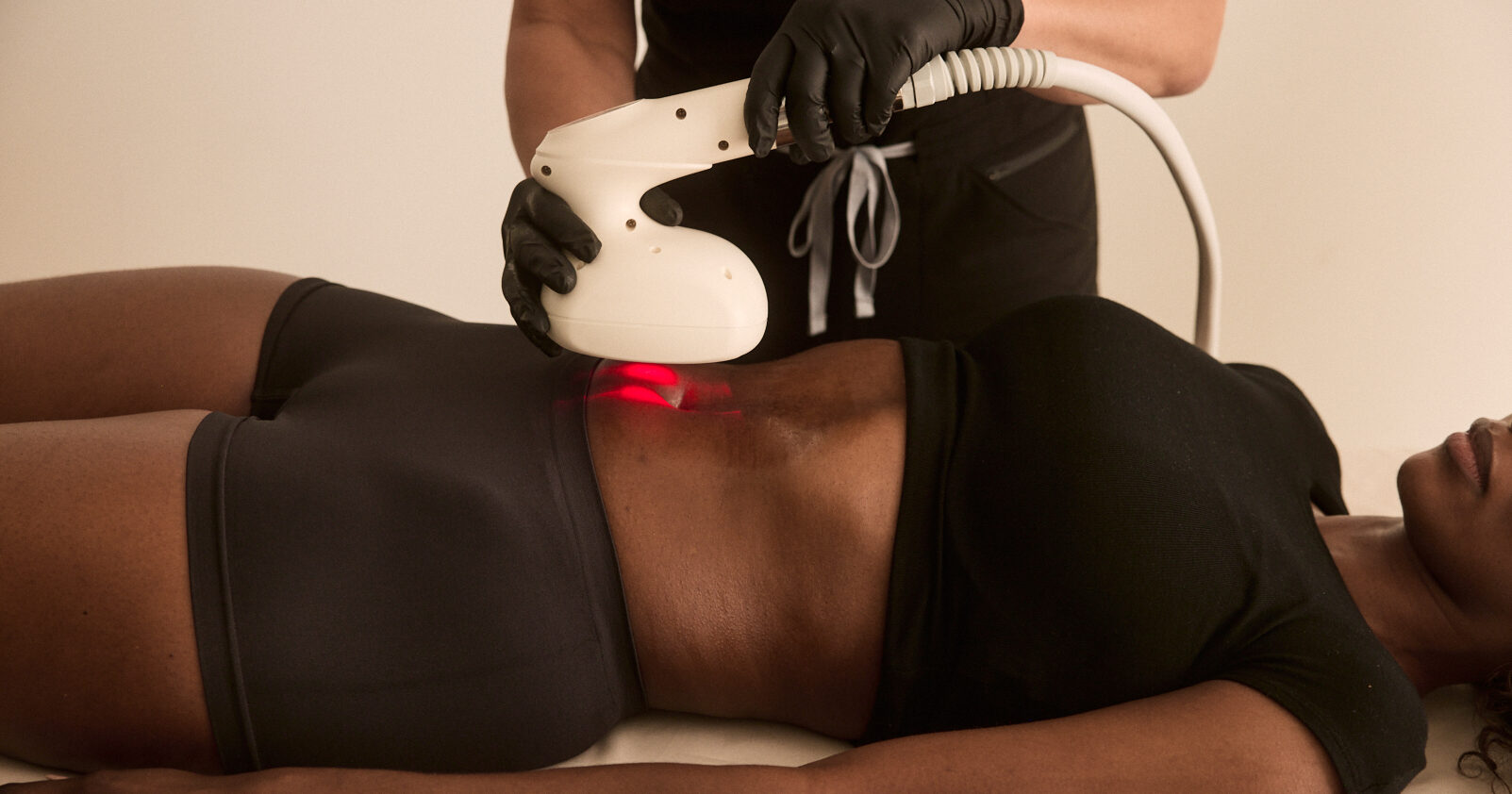
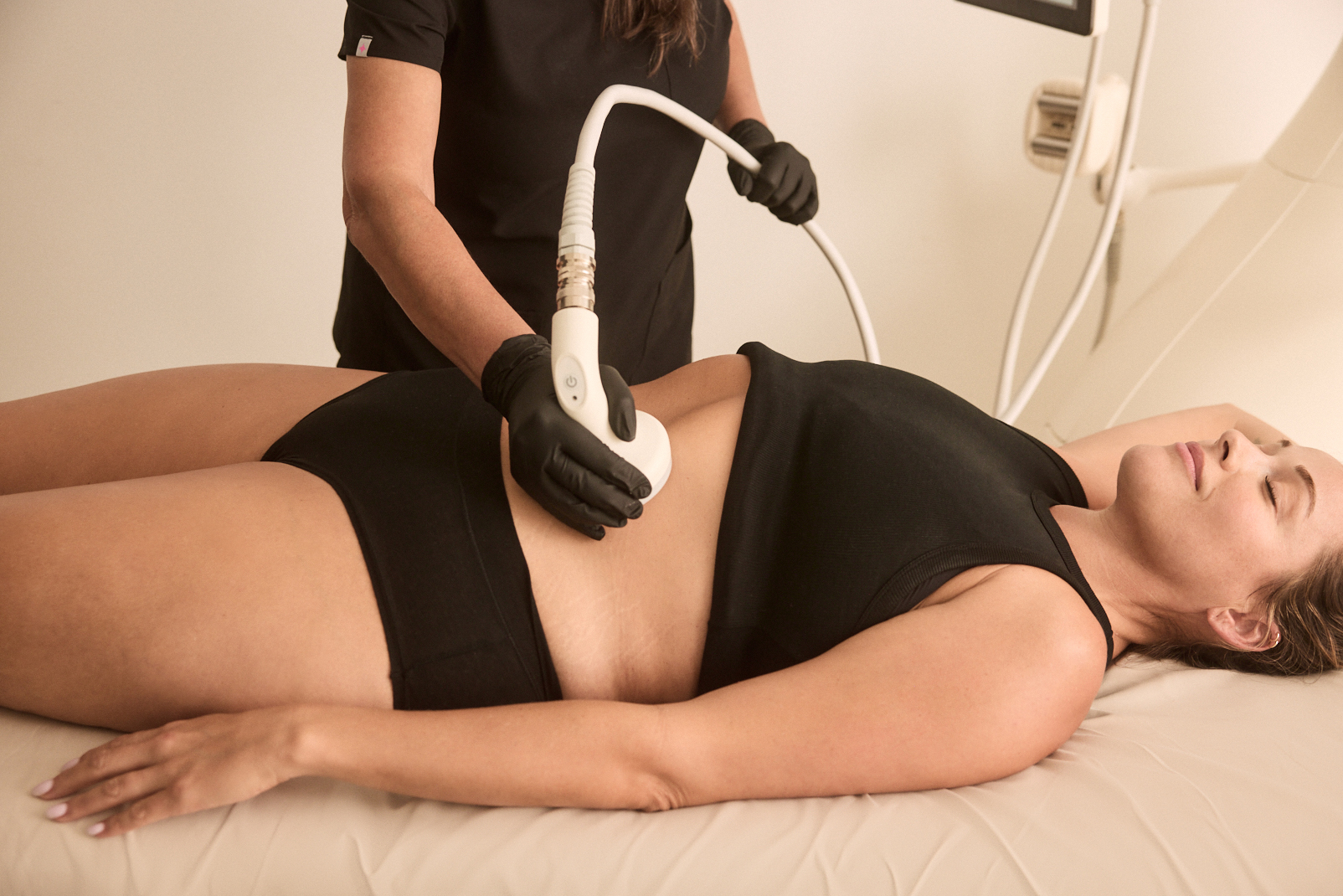
Depending on the technology used, collagen-boosting procedures can help tighten loose skin, improve skin elasticity, reduce cellulite, and even target stubborn fat deposits that persist despite following a healthy weight loss plan. That’s exactly what T-Shape 2 can help with.

T-Shape 2: A Multi-Modality Device
T-Shape 2 is an FDA-cleared, non-invasive body contouring device that works alongside your healthy habits, not as a replacement for them. It combines four proven technologies in a single treatment:
- Low-Level Laser Therapy (LLLT): promotes skin regeneration, helps improve metabolism, and helps reduce circumference in targeted areas
- Bipolar Radiofrequency (RF): delivers controlled heat into deeper skin layers to stimulate collagen production directly, supporting firmer, tighter skin with a visible lifting effect
- Endodermic Massage with Vacuum Suction: helps improve blood circulation and lymphatic drainage, addressing cellulite and fluid retention
- Mesospheric Activation: supports the body’s natural circulatory processes, improving skin health and tissue balance
The RF technology in T-Shape 2 is particularly relevant here: it actively stimulates collagen production in the skin. It basically does externally what collagen supplements aim to support internally. Moreover, studies assessing the effectiveness of T-Shape 2 in reducing localized fat deposits revealed that the participants did indeed register fat loss and an increase in muscle in the abdomen and thigh areas after T-Shape 2 treatments.
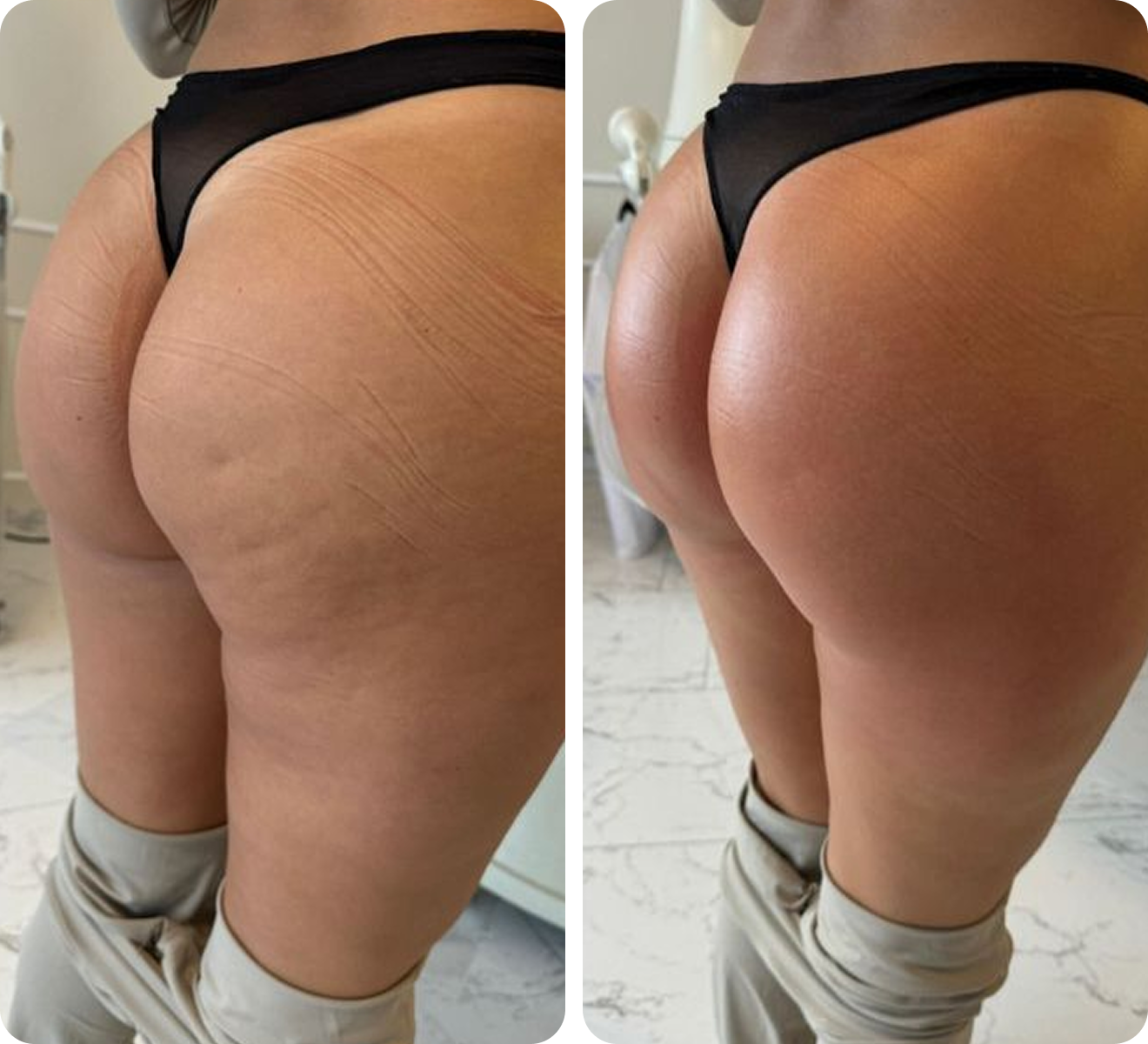
After 1 cellulite treatment with T-Shape 2.
T-Shape 2 treatments require no downtime, and they feel like a warm massage. Sessions typically run 30-60 minutes. Results build gradually over several weeks as new collagen forms. Most clients see the most notable changes after completing a recommended series of 6-12 sessions.
If you think T-Shape 2 might help you in your weight loss journey, find a provider near you and schedule a consultation today.
FAQs
Can collagen help you lose weight without exercise?
Collagen cannot directly help you lose weight without exercise, but it might help increase satiety, support metabolism, and increase muscle mass.
Does collagen make you gain weight?
No, collagen does not make you gain weight. Pure hydrolyzed collagen contains roughly 35-40 calories per 10g serving, far too few to contribute to weight gain. Some people notice scale fluctuations initially, but these often reflect water retention and gut adjustment rather than fat.
What is the best time to take collagen for weight loss?
You can try taking collagen 30-45 minutes before your largest meal with water. This may help support satiety, but it won’t directly cause you to lose weight. Some also prefer taking it before bed, as amino acids are used for tissue repair overnight. We advise you to talk to a doctor, who can help you understand what the best approach is for you.
Does collagen help reduce belly fat?
Collagen cannot directly help you reduce belly fat, but it can help increase satiety and support your metabolism. If you take collagen supplements, eat healthily, and exercise regularly, collagen might help optimize the results of the other two activities.
Which collagen is best for weight loss?
Marine collagen peptides Type I are generally recommended as a better option for people who are trying to lose weight thanks to their high bioavailability. However, no specific collagen peptides can directly burn fat cells. They can help in your weight loss journey by slightly increasing satiety, supporting your metabolism, helping maintain muscle mass, as well as relieving joint pain so you can move more.That said, bovine collagen is more heavily studied in body‑composition trials. There is no clear evidence that one source is superior for weight loss; choice mostly comes down to tolerance, ethics, and cost.