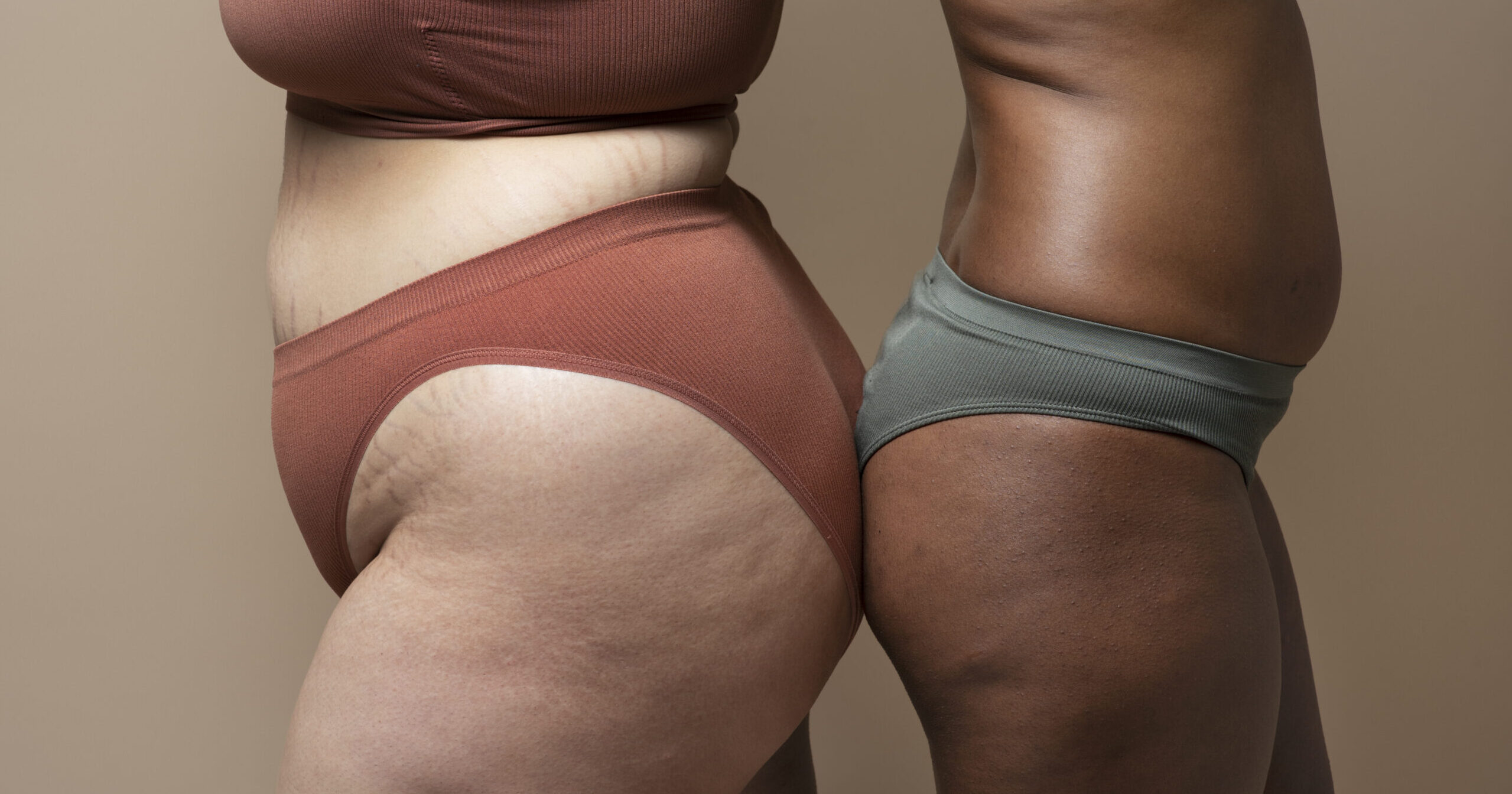
Cellulite and stretch marks are different skin conditions. They are often confused because oftentimes, they develop on the thighs, hips, buttocks, and abdomen.
Cellulite produces a dimpled, uneven skin texture caused by fat pushing upward against connective tissue. Stretch marks are linear scars that form when the skin stretches faster than it can adapt. It’s good to know which one you’re dealing with, or whether you have both, because it may help you find the best way to address the issue if that’s what you want.
So, if you want to discover the differences between cellulite vs stretch marks, read on!
Disclaimer: This article is provided for informational and educational purposes only. The information presented here is not a substitute for professional medical evaluation, consultation, or care and should not be relied upon to make health-related decisions. Always consult a qualified and licensed medical or aesthetic professional before undergoing any cosmetic or aesthetic procedure.
Quick Comparison: Cellulite vs Stretch Marks
| Feature | Cellulite | Stretch Marks |
| Appearance | Dimpled or lumpy skin surface | Linear streaks or bands |
| Cause | Fat pushing through fibrous connective tissue | Rapid skin stretching causing dermal tearing |
| Texture | Uneven, rippled | Flat or slightly indented |
| Common Areas | Thighs, buttocks, hips | Abdomen, thighs, breasts, arms |
| Painful? | Usually not | Sometimes itchy when forming |
| Permanent? | Persistent, though appearance may improve | Fade over time but rarely disappear completely |
| Most Effective Treatments | Radiofrequency, vacuum massage, subcision | Retinoids, laser therapy, microneedling |
Key Takeaways
- Cellulite causes dimpling because fat pushes against fibrous connective tissue beneath the skin.
- Stretch marks are scar-like lines that stem from rapid stretching of the skin.
- Cellulite is more related to connective tissue structure and fat distribution.
- Stretch marks result from collagen and elastin damage in the dermis, especially as we age and the skin loses elasticity and collagen naturally.
- Both are harmless and completely natural.
- Neither can usually be completely removed, though therapeutic approaches may improve their visual presentation.
What Is Cellulite?
Cellulite is a structural skin and connective tissue condition. It involves fat distribution and fibrous connective bands.
Cellulite develops when fat cells in the subcutaneous layer expand and press upward against the skin. At the same time, fibrous septae, meaning the connective tissue strands that anchor the skin to the underlying muscle, pull the skin downward. This creates the notorious dimpling.
Cellulite is predominantly found on the thighs, buttocks, and hips, though it can also appear on the abdomen and upper arms.
Interestingly, cellulite is not linked only to excess fat. Slim people can have cellulite, too. Athletes can have it. In fact, research suggests that around 80-90% of women develop cellulite at some point. Men, by contrast, have a criss-cross pattern of connective tissue that makes cellulite much less prominent. That’s why cellulite affects them far less frequently.
There are several factors that influence whether you get cellulite and if you get it, how severe it becomes:
- Hormones, particularly estrogen
- Genetics, because of inherited differences in connective tissue structure, skin thickness, and fat distribution
- Age, because collagen production declines with age, so the structural support beneath the skin weakens
- Circulation, because poor blood flow and impaired lymphatic drainage may contribute to fluid retention and inflammation beneath the skin
- Lifestyle factors, like a sedentary lifestyle, a high-sodium diet, and low muscle tone
What Are Stretch Marks?
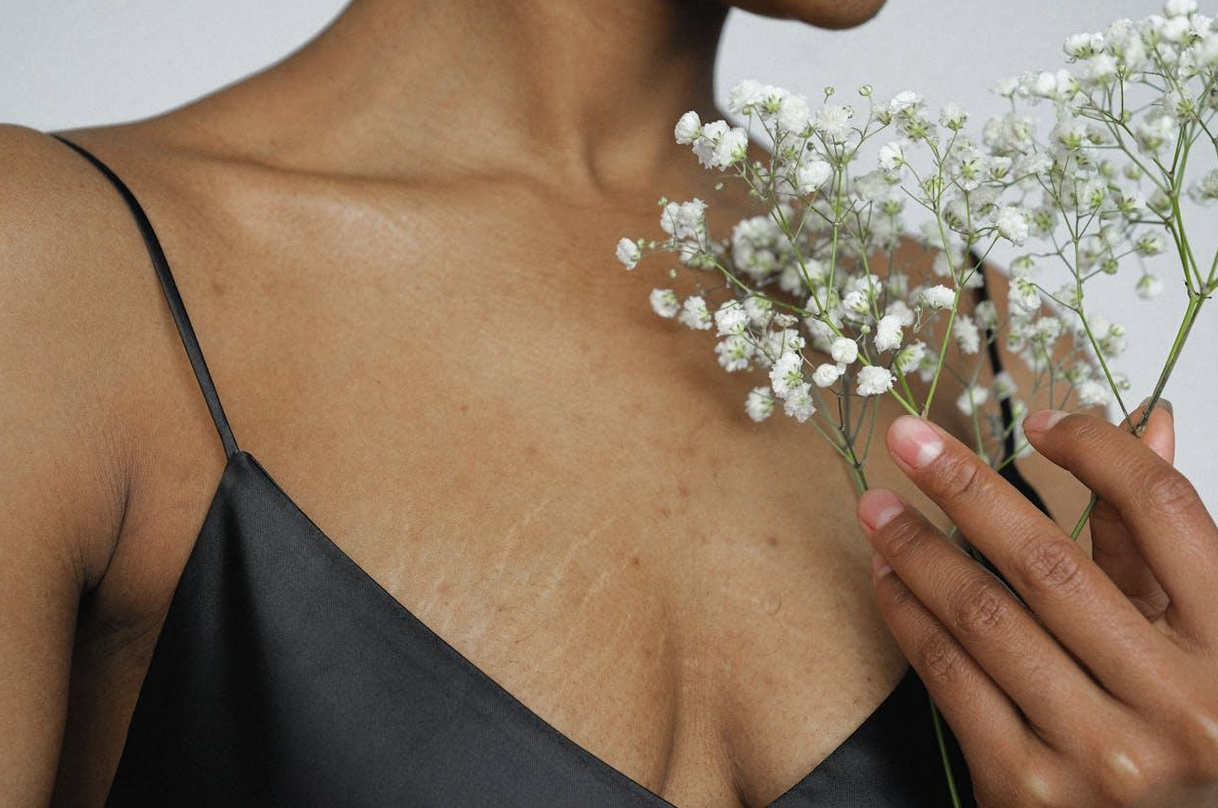
Stretch marks are medically known as striae distensae. They are a type of dermal scarring. They form when the skin’s middle layer (the dermis) becomes damaged during periods of rapid growth. Stretch marks usually develop because of:
- Puberty and growth spurts
- Pregnancy
- Rapid weight gain
- Rapid muscle growth
- Corticosteroid use
- Genetic predisposition
Stretch marks are common on the abdomen, breasts, upper arms, underarms, hips, buttocks, and back.
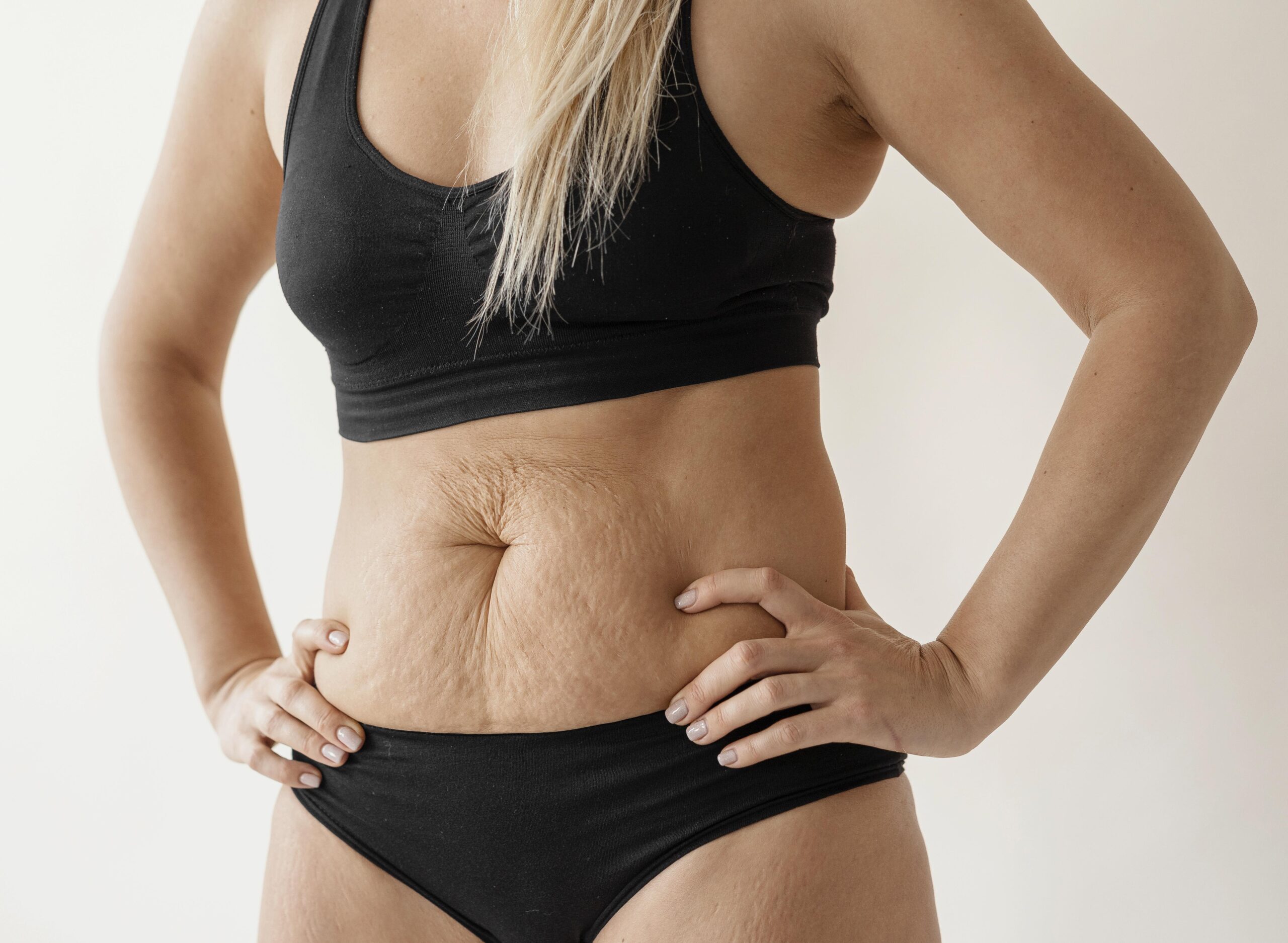
Newly formed stretch marks are red or purple. Over months and years, as the blood vessels heal and collagen reorganizes itself, stretch marks fade to a silvery or white tone. They are often of a lighter color compared to the rest of the skin. Stretch marks may also become flat or slightly indented.
Stretch marks rarely disappear on their own. But they do often become visually better over time.
Cellulite vs Stretch Marks: Main Differences
At first sight, the two conditions can look similar, especially on the thighs or abdomen. To help you understand which condition you’re dealing with, we’ll compare cellulite and stretch marks in detail.
Having said that, we must note that cellulite and stretch marks are totally normal. Many people have both, actually. Some people consider them an aesthetic concern indeed. But they are not harmful. They are a normal part of how human skin and connective tissue respond to changes in the body across months and years.
Appearance
Cellulite creates surface unevenness: areas of dimpling and raised skin.
Stretch marks look like lines or streaks that run parallel to each other, often in the direction the skin was stretched.
Skin Depth and Structure
Stretch marks affect the dermis, which is the skin layer containing collagen and elastin fibres.
Cellulite develops deeper beneath the skin, involving subcutaneous fat and fibrous connective tissue in the hypodermis.
Texture
If you run your hand over cellulite, you’ll feel an irregular, bumpy surface.
If you run your hand over a stretch mark, you’ll feel it either flush with the surrounding skin or very slightly recessed.
Causes
These are structurally quite different conditions. Cellulite is linked to fat cells and fibrous connective tissue beneath the skin.
Stretch marks are a scarring response to mechanical tearing in the dermis. The underlying biology, and therefore the treatment logic, differs significantly.
Body Areas
Both cellulite and stretch marks appear on the thighs, hips, and abdomen. This is partly why they’re so often confused.
Stretch marks, however, can also form on the breasts, upper arms, lower back, and buttocks, essentially anywhere the skin undergoes rapid expansion.
Risk Factors
Both cellulite and stretch marks share some risk factors, like pregnancy, rapid weight changes, and hormonal changes, which is partly why they can co-occur.
But cellulite is far more influenced by genetics and connective tissue architecture, while stretch marks depend more heavily on the speed of skin expansion.
Permanence
Stretch marks often improve naturally over time as collagen remodels and pigmentation fades, but they don’t disappear.
Cellulite is more persistent because the structural cause (fibrous septae pulling against fat deposits) doesn’t resolve on its own.
How to Tell Cellulite from Stretch Marks
A quick way to distinguish cellulite from stretch marks is to look at the pattern and texture of the skin:
- Cellulite creates dimples, ripples, or a “cottage cheese” texture beneath the skin.
- Stretch marks look like lines or streaks that are red or purple at first and then turn to white or silver.
- Cellulite changes the surface contour of the skin.
- Stretch marks change the colour and structure of the skin itself.
- Cellulite is usually most visible when standing, sitting, or compressing the skin, while stretch marks remain visible regardless of movement or pressure.
Treatments for Cellulite vs Stretch Marks
Neither cellulite nor stretch marks can typically be fully eliminated. Most aesthetic procedures aim to reduce the visual pattern. They rarely remove these skin structural changes completely. Results can vary significantly between individuals.
| Treatment | Cellulite | Stretch Marks |
| Regular exercise | Can improve skin appearance | Limited effect |
| Weight changes | May help in some cases | Does not remove marks |
| Retinoids | Minimal benefit | More useful early on |
| Radiofrequency | Often helpful | Often helpful |
| Laser therapy | Common approach | Common approach |
| Microneedling | Moderate benefit | Moderate to good benefit |
| Subcision | Highly effective for some | Not used for stretch marks |
Treating Cellulite
Treatments that directly address the fibrous septae appear to produce the most durable results, although aesthetic procedures that stimulate collagen production can also be helpful.
Subcision, which involves mechanically breaking these bands, has shown promise in clinical research. Radiofrequency treatments heat the deeper tissue layers, stimulating collagen production.
Exercise can also help strengthen underlying muscles and improve circulation, which is thought to affect how noticeable cellulite is.
Topical creams for cellulite generally produce temporary effects at best. Caffeine-based products, for example, often lead to modest, short-lived improvements. Creams with hyaluronic acid may also be useful. But no cream has been shown to produce meaningful structural change.
Treating Stretch Marks
Stretch marks are usually best addressed soon after they appear, when they’re still red or purple. They’re more difficult to remove once they turn white.
At this active stage, prescription retinoids have some clinical support for improving the appearance of stretch marks. They can do so because they stimulate collagen production. But they are not suitable during pregnancy.
Laser procedures and microneedling can improve texture and tone, partly by triggering the skin’s healing response and encouraging collagen remodelling.
Older stretch marks respond poorly to treatment. Some improvement in colour and texture is achievable, but complete removal is rarely realistic.
T-Shape 2 for Cellulite: A Non-Invasive Option
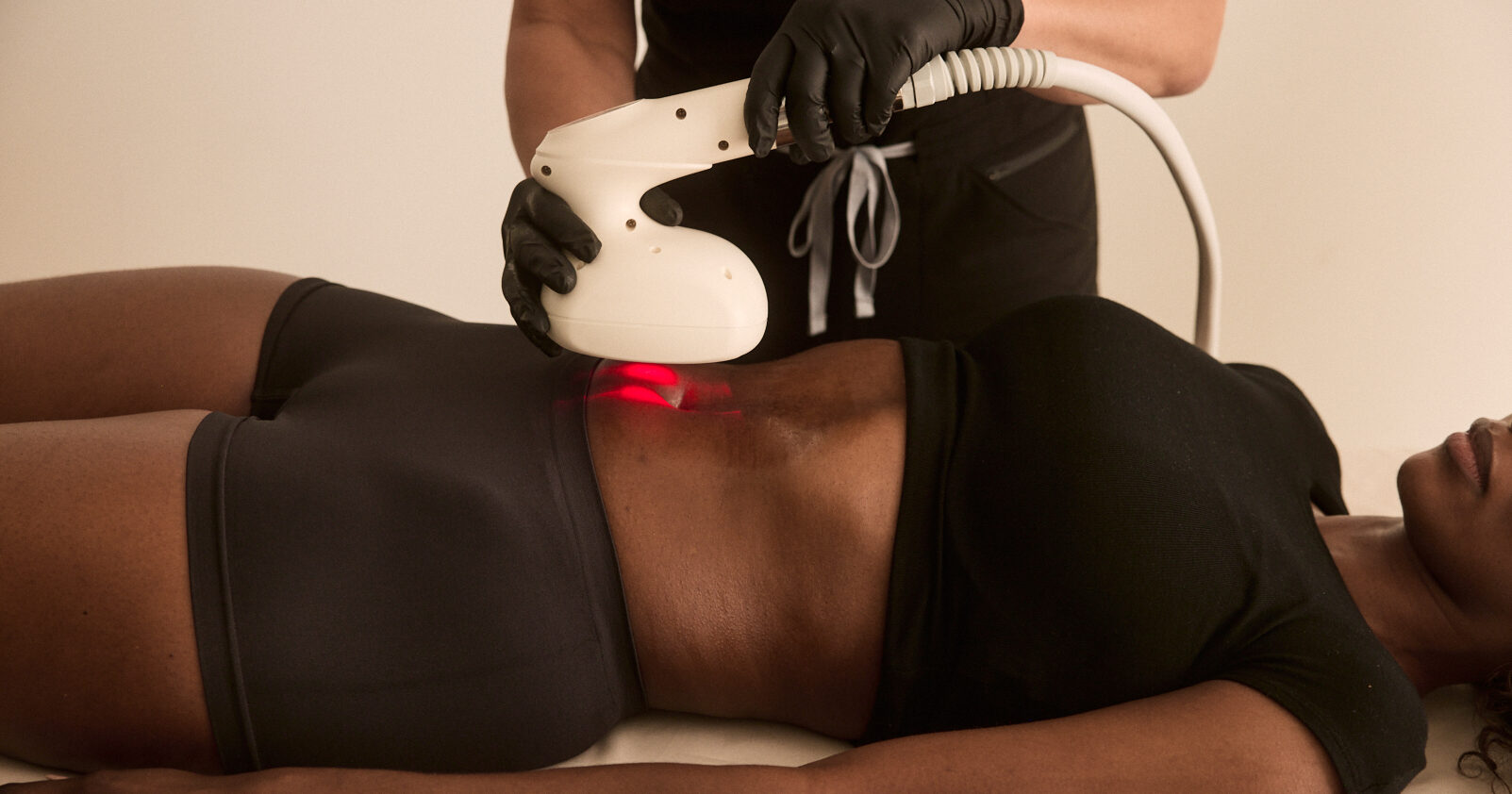
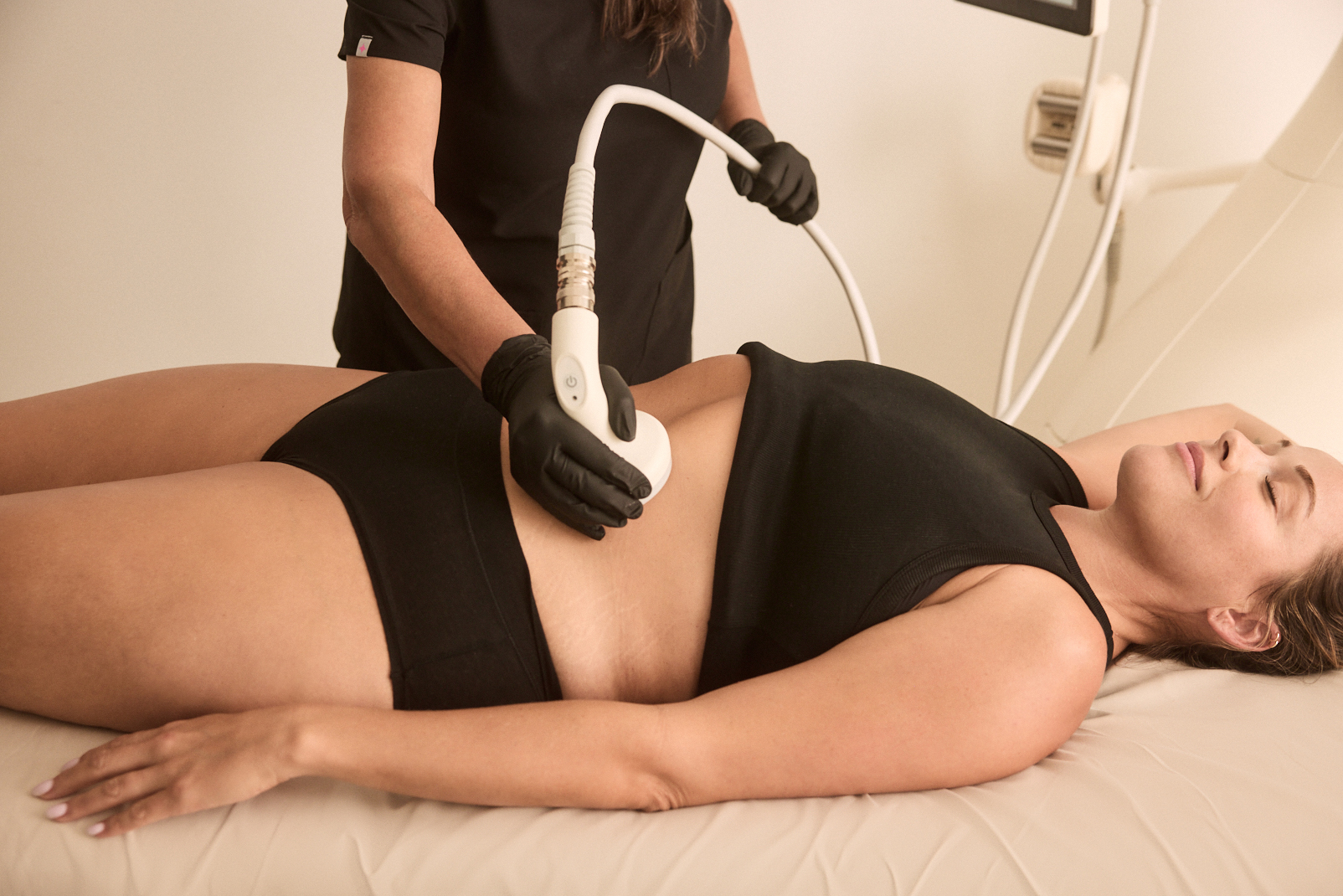
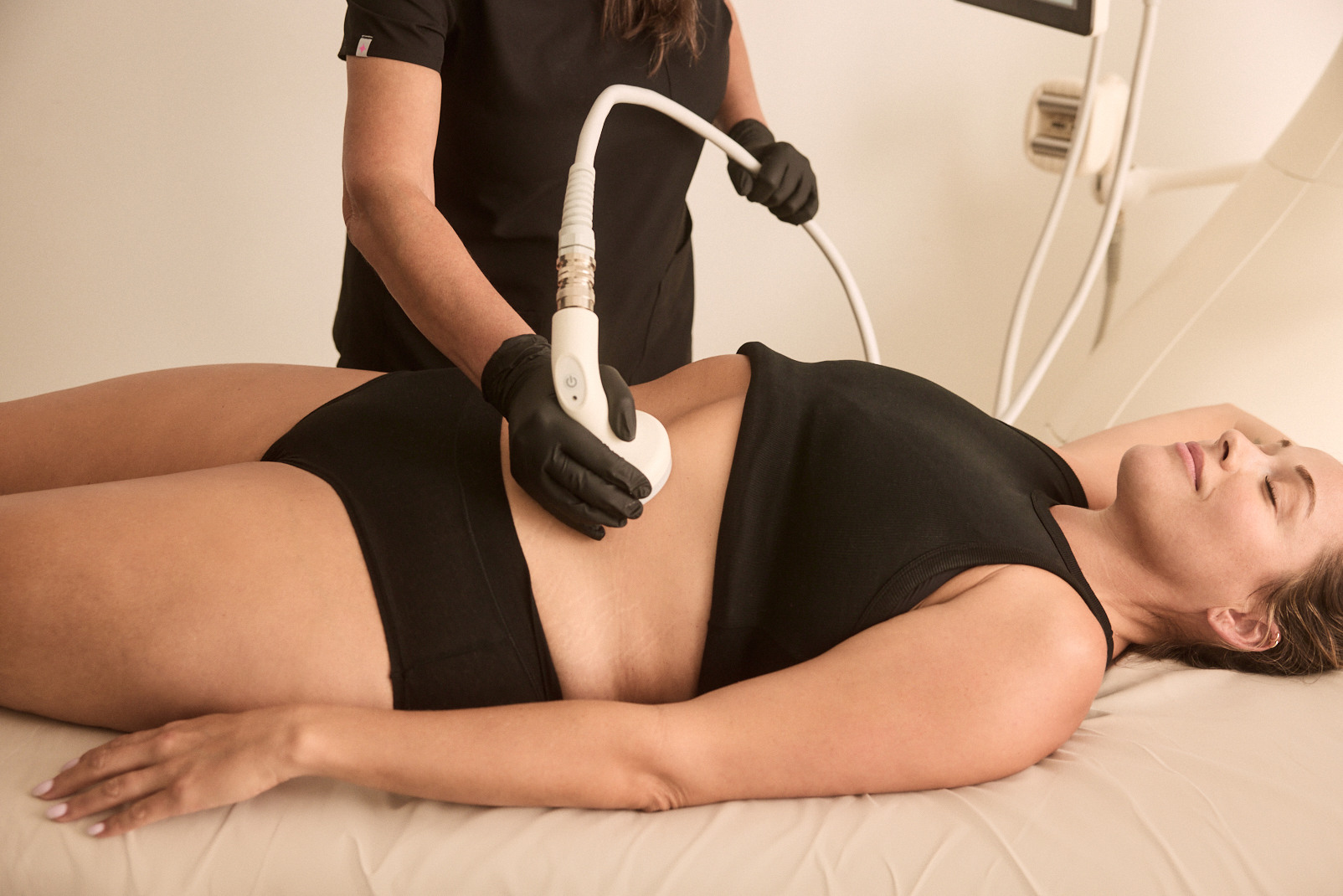
If you want to address cellulite without surgery or downtime, you may be a good candidate for T-Shape 2, a non-invasive procedure designed to reduce cellulite. It combines multiple technologies in the same device: bipolar radiofrequency energy, low-level laser therapy, vacuum suction, and mesospheric activation.
Each of these technologies has different goals:
- Radiofrequency energy penetrates deep into the skin to heat the underlying tissue. This thermal effect is designed to stimulate collagen and elastin production, which can help tighten and firm skin over time. The heating process can also help break down fat cells, which may reduce the dimpled appearance.
- Low-level laser therapy helps sculpt the skin and improve metabolism.
- Endodermic massage with suction lifts and compresses the skin, increasing local blood circulation and stimulating lymphatic drainage. This component has been shown to address the circulatory and fluid retention factors that contribute to cellulite’s appearance.
- Mesospheric activation can help tone underlying muscles and improve overall skin health.
Because T-Shape 2 is applied topically, it does not require incisions, anaesthesia, or recovery time. Most people can return to normal activities immediately after a session. Sessions typically run between 30 and 60 minutes. A course of 6-12 treatments is usually recommended, depending on the individual.
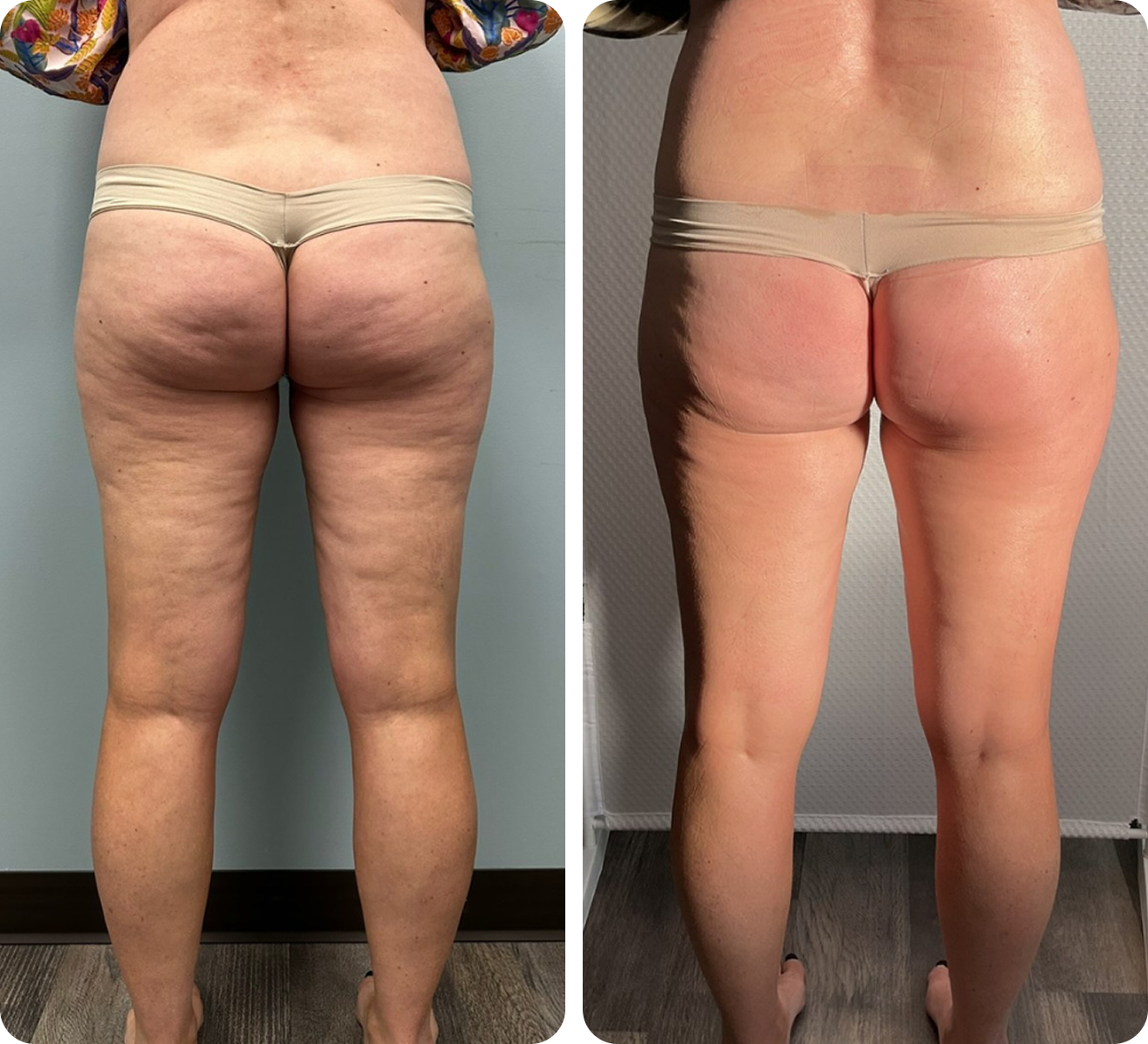
Before and after 3 treatments with T-Shape 2.
T-Shape 2 is considered best suited to those with mild to moderate cellulite who are looking to improve skin elasticity, texture, and firmness without surgery. A consultation with an experienced treatment coordinator is the best way to determine whether it’s appropriate for your specific skin concerns.
Can You Have Cellulite and Stretch Marks at the Same Time?
Yes, many people have both cellulite and stretch marks. It’s very common after pregnancy, puberty, rapid weight changes, or body composition changes.
They develop together on the thighs, hips, buttocks, and abdomen because these areas are especially affected by fat distribution, hormonal shifts, and skin stretching.
Although they can coexist, these dermatological concerns are different structural conditions and usually require different treatment approaches.
When to See a Dermatologist
Most of the time, cellulite and stretch marks don’t require medical attention because they are considered harmless. That said, schedule a consultation with a board-certified dermatologist if:
- You’re uncertain about what you’re looking at, since some skin changes can resemble or mask other conditions.
- Your stretch marks appeared suddenly and are accompanied by unexplained weight gain, easy bruising, fatigue, or high blood pressure; these can occasionally signal an underlying hormonal condition.
- You’re considering a treatment plan and want guidance on which options are best suited to your skin type, tone, and severity. Do not schedule any treatments before talking to a specialist.
- You want a professional assessment before starting any device-based treatment.
Final Thoughts
Cellulite and stretch marks are different skin structural changes with different underlying causes. Cellulite involves fat distribution and connective tissue beneath the skin. Stretch marks are a form of dermal scarring that develops as a result of rapid stretching.
Both are extremely common and harmless, though many people choose to treat them for cosmetic reasons. While treatments are associated with improved texture, firmness, or color, complete removal is rarely possible.
FAQ
Is cellulite the same as stretch marks?
No, cellulite is not the same as stretch marks. Cellulite is a structural condition involving fat pushing through fibrous connective tissue, producing a dimpled skin surface. Stretch marks are dermal scars that result from the skin stretching rapidly, leaving linear bands on the skin.
Which is harder to treat: cellulite or stretch marks?
Cellulite and stretch marks are difficult to remove completely. Cellulite tends to be more resistant to lasting improvement because it involves deeper structural changes in connective tissue. Stretch marks, particularly newer ones, may respond to early treatment with laser treatment or retinoids.
What do cellulite and stretch marks look like?
Cellulite usually causes dimpling, puckering, or uneven skin texture beneath the surface. It has that notorious orange peel or cottage cheese form. Stretch marks look more like long, narrow streaks or bands in the skin. Early stretch marks are often red, pink, or purple, while older stretch marks tend to become white or silvery.
Can losing weight remove cellulite or stretch marks?
Weight loss may reduce the appearance of cellulite in some people because it results in fewer fat deposits pressing outward. It doesn’t eliminate it, though, especially when the underlying connective tissue structure is the primary issue. Stretch marks are not affected by weight loss.
Can exercise help with cellulite and stretch marks?
Strengthening the muscles beneath cellulite-prone areas can improve the overall firmness of the skin’s surface and may reduce how visible the dimpling appears. Exercise has a limited effect on stretch marks.
Are stretch marks permanent?
Stretch marks don’t disappear completely on their own. Progressively, most fade from red or purple to a lighter, silvery tone and become less apparent. Aesthetic procedures can speed this process and improve texture.
Do topical creams work for cellulite and stretch marks?
Topical creams have limited effects because cellulite and stretch marks develop at deeper skin layers. Most creams cannot significantly alter connective tissue architecture or dermal scarring. Still, they can remove dead skin cells and sometimes even stimulate collagen production, both of which are beneficial for improving skin texture.