Collagen is the most abundant protein in your body. In your skin, it’s the structural foundation that keeps it firm, smooth, and resilient. As a matter of fact, collagen makes up roughly 75% of your skin’s dry weight! And it’s not only beneficial for the skin. Collagen is important for bones, joints, blood circulation, and more.
But collagen production declines with age, unfortunately. That’s why the skin starts showing aging signs. That’s why some people experience joint pain or muscle pain. The nails may also become brittle. And the hair may become thin or even start falling out.
Nonetheless, collagen regeneration treatment can give the body a bit of support in producing collagen. If you want to learn more about what it implies, read on!
Disclaimer: This article is provided for informational and educational purposes only. The information presented here is not a substitute for professional medical evaluation, consultation, or care and should not be relied upon to make health-related decisions. Always consult a qualified and licensed medical or aesthetic professional before scheduling any procedures.
Key Points: Collagen Regeneration Treatment
- What is collagen regeneration treatment? Collagen regeneration treatments refer to aesthetic procedures and lifestyle choices that can stimulate the body’s natural collagen production.
- Does collagen production decline with age? Yes, collagen production begins to decline in the mid-20s.
- Can collagen loss be reversed? Collagen loss cannot be fully reversed. But collagen production can be stimulated through targeted treatments, skincare, nutrition, and healthy lifestyle habits.
- What are the best treatments to boost collagen production? Among the best collagen treatments are microneedling, RF microneedling, laser resurfacing, ultrasound therapy, radiofrequency therapy, PRP, biostimulatory fillers, and combination technologies like T-Shape 2. These may stimulate collagen production and lead to smoother facial lines, less sagging, and a more youthful skin.
- Are collagen regeneration treatments safe? These treatments are generally safe when performed by trained professionals, with most side effects being mild and temporary, such as redness or swelling.
- Who should avoid collagen regeneration treatments? These treatments may not be suitable for people with severe acne scars, pregnant individuals, or those with active infections, inflammatory skin conditions, or autoimmune disorders.

Does Collagen Production Decline and Can It Be Reversed?
Collagen production declines with age. By your mid-20s, fibroblast activity slows, and collagen synthesis decreases by approximately 1% per year. This decline is accelerated by hormonal changes, oxidative stress, UV exposure, chronic inflammation, and other factors.
You cannot replace the lost collagen, meaning that you cannot restore collagen to youthful peak levels. However, the human body produces collagen naturally, so you can support this process through collagen-stimulating treatments, which may increase collagen levels over time. These procedures usually rely on three principles:
- They can trigger fibroblast activation.
- They can provide structural or biochemical support.
- They can reduce ongoing collagen breakdown.
Types of Collagen Regeneration Treatments
The most popular collagen-stimulating treatments today are non-surgical because they offer little to moderate downtime.
Collagen-stimulating treatments fall into several categories based on the mechanism of action:
- Mechanical stimulation: microneedling
- Thermal stimulation: radiofrequency, ultrasound, lasers
- Biological stimulation: PRP, biostimulators
- Chemical stimulation: peels, topical retinoids
- Structural induction: biostimulatory injectables
- Systemic support: diet, supplements, lifestyle modification
Keep in mind that all collagen treatments require professional consultation for safe and fully customized protocols. What works brilliantly for one person may be inappropriate, or even risky, for another. A trained clinician will evaluate your skin thickness, sun damage history, previous cosmetic treatments, and overall health before recommending an approach.
As such, here are some of the most popular collagen regeneration treatments.
T-Shape 2 Combination Technology
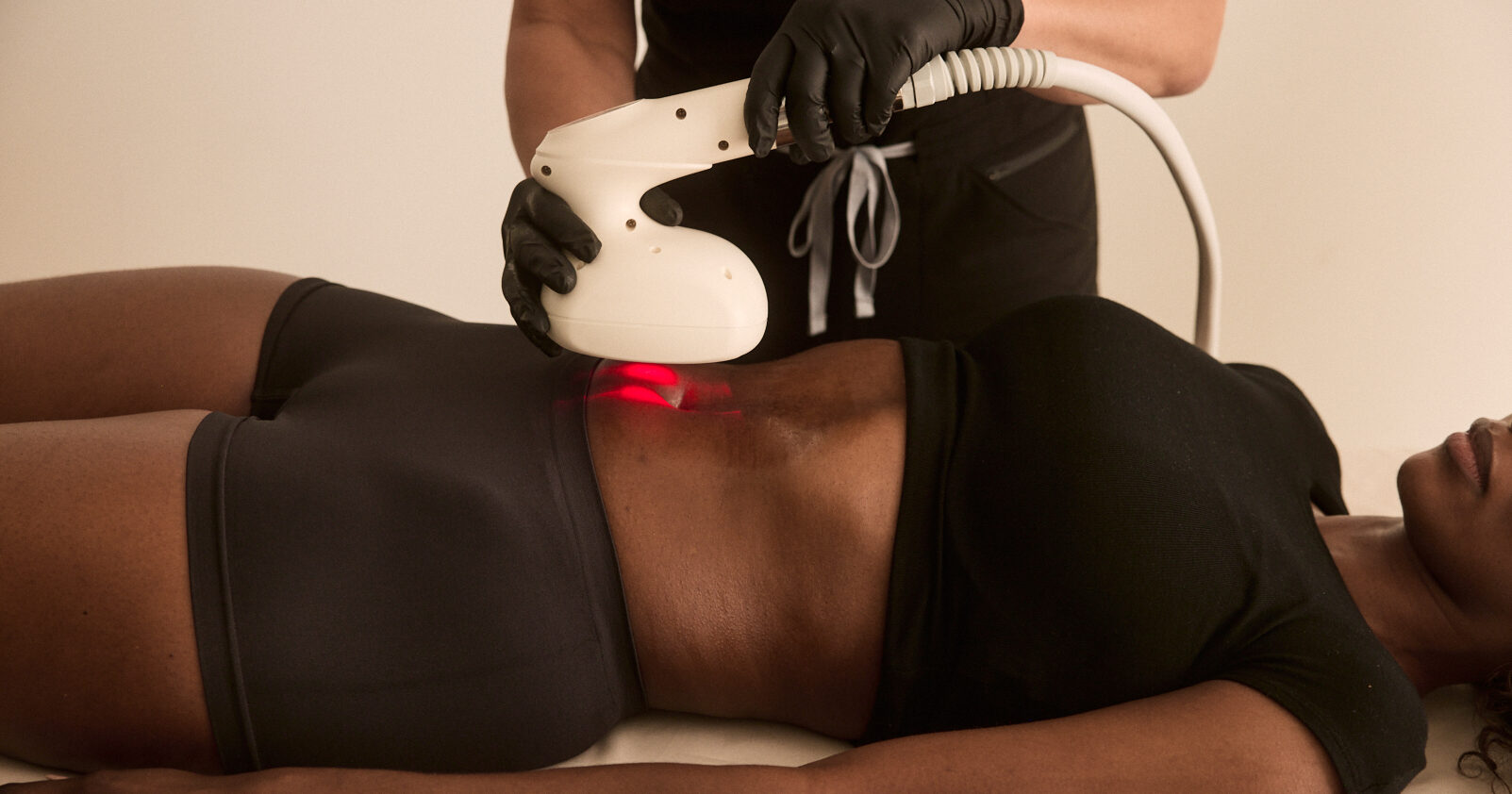
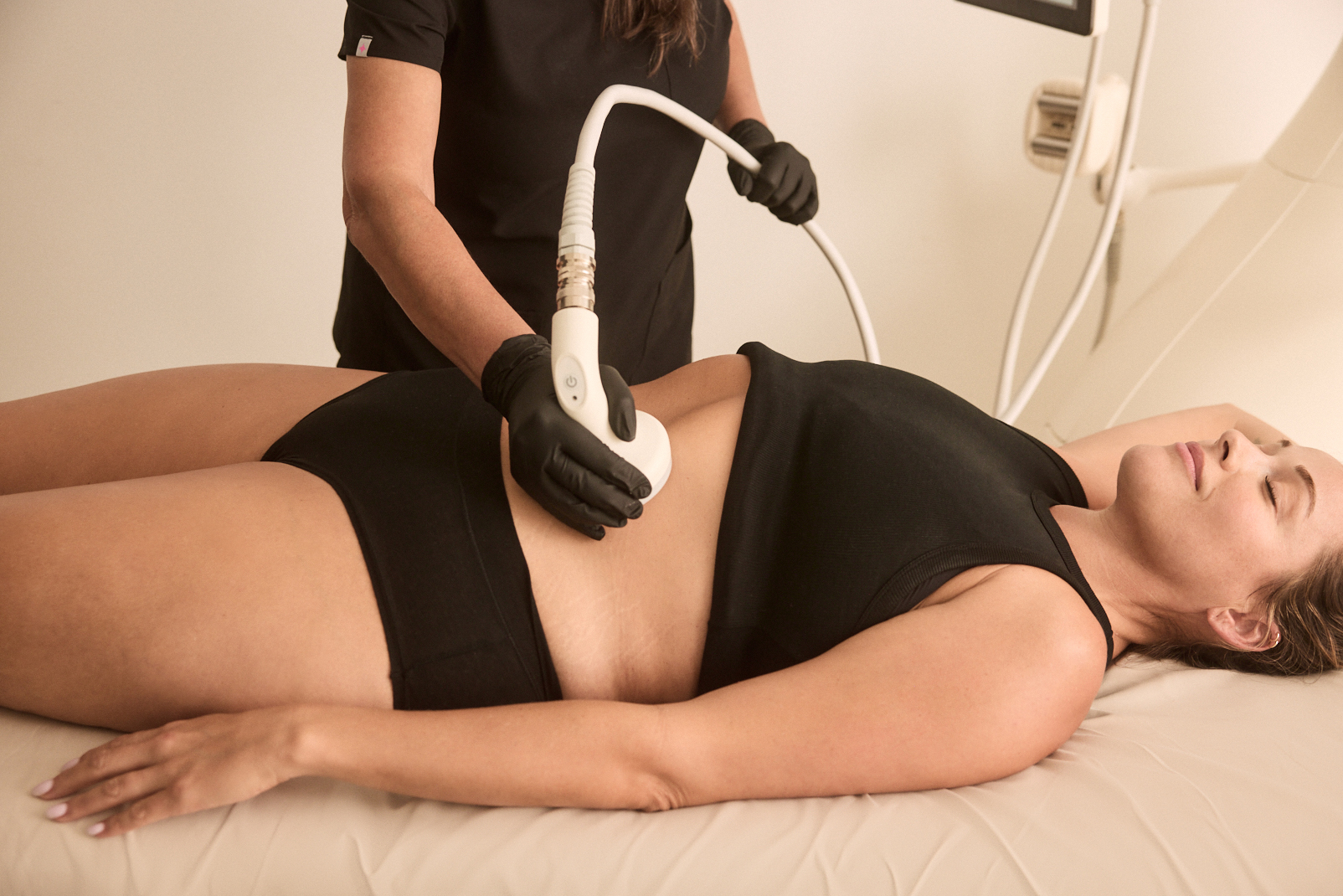
T-Shape 2 is among the most cutting-edge collagen-stimulating treatments because it incorporates four technologies:
- Low-Level Laser Therapy (LLLT), aimed to sculpt and improve metabolism
- Bipolar Radio Frequency, aimed to boost collagen and skin firmness by stimulating the body’s natural healing process, and thus stimulating collagen production too
- Endodermic massage with suction, aimed to improve lymphatic drainage and smoothen dimpling
- Mesospheric activation, aimed to enhance underlying muscle tone, improve overall skin health, and promote circulation
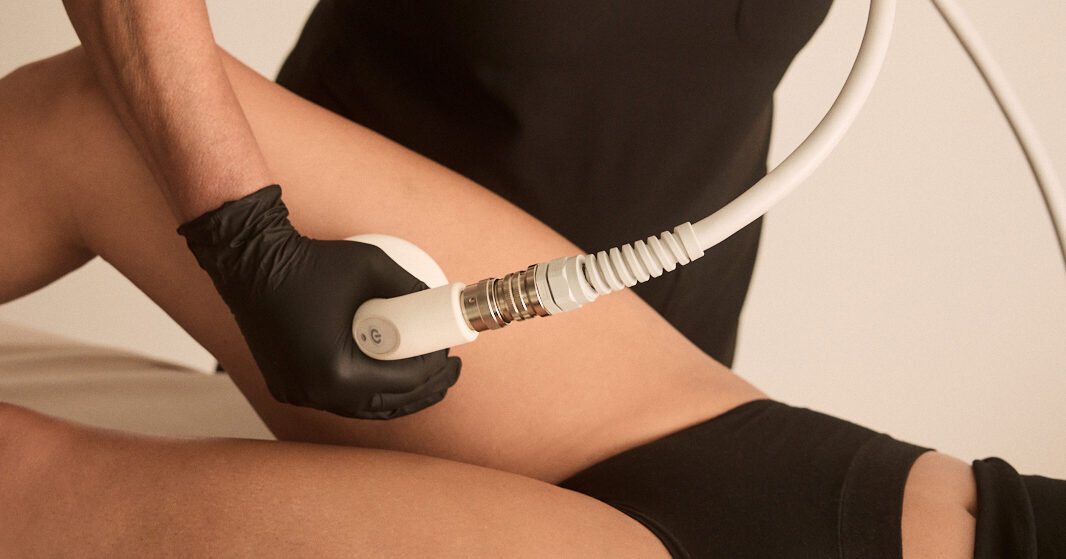
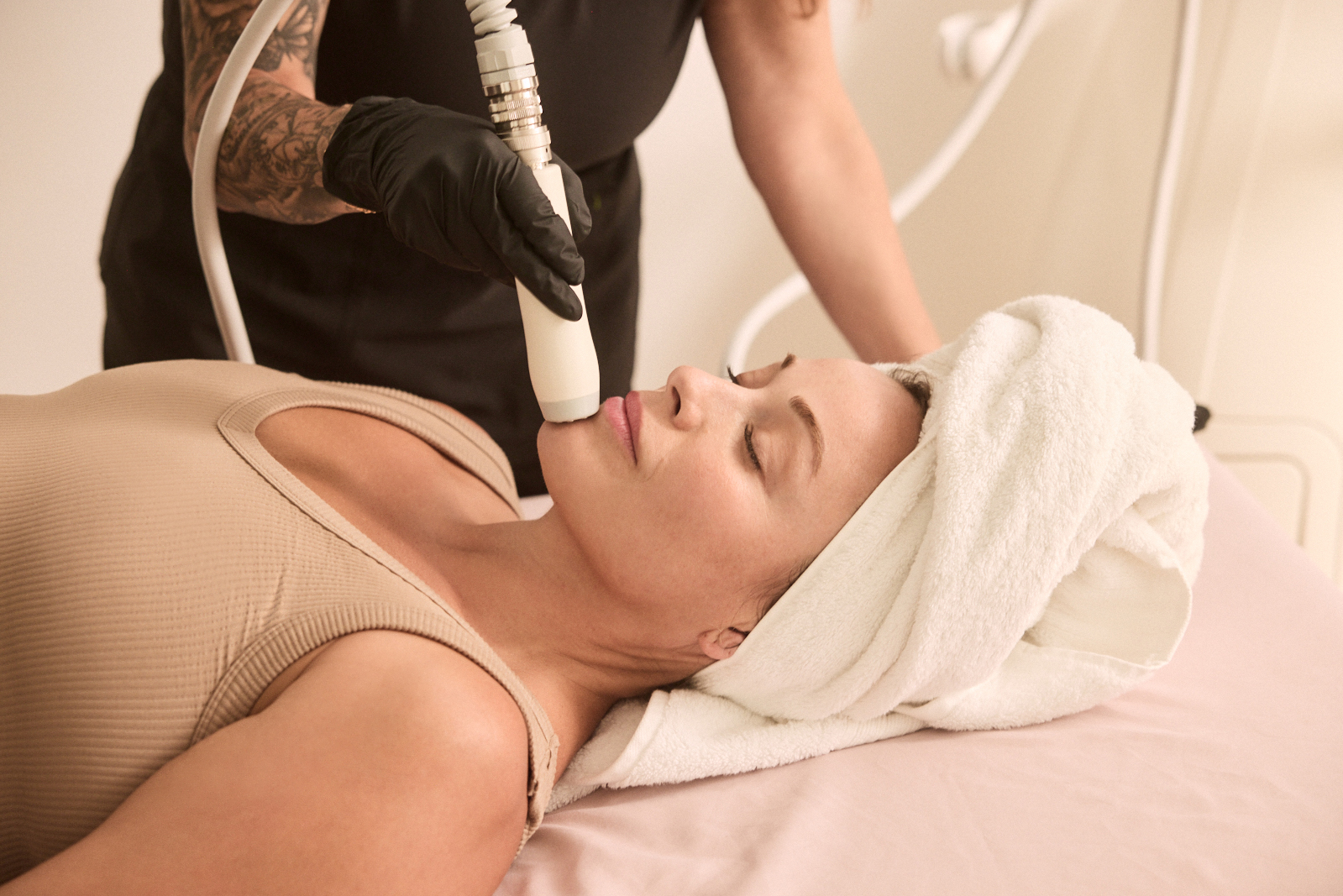
T-Shape 2 is suitable for various body parts, including the face, as it has several auto-programs that run on smart, preset protocols for the best performance. It can, therefore, with little to no downtime, lead to improved skin texture and a firmer skin.
Microneedling and RF Microneedling
Microneedling creates controlled dermal injury through fine needles that penetrate the skin. This process triggers a wound-healing response, which stimulates collagen growth. This procedure is quick and minimally invasive, and usually doesn’t cause significant discomfort if done by a professional.
RF microneedling, or radiofrequency microneedling, is a combination technology: needles + thermal technology. The needles create microinjuries in the skin, while the radiofrequency technology creates thermal stress. This maximizes collagen production and remodeling. Morpheus8 is one of the most popular RF microneedling devices.
PRP Therapy
Platelet-rich plasma therapy is a type of biological collagen-boosting treatment that relies on the plasma and platelets in the blood. The practitioner takes a blood sample from you. Then, that blood sample is placed into a centrifuge where it is processed to separate red blood cells, plasma, and platelets. Then, the practitioner injects the platelet-rich plasma into the targeted area.
PRP is often combined with microneedling.
Laser Resurfacing
Laser resurfacing induces collagen regeneration through controlled thermal injury, basically like other methods described above. This procedure is done with either an ablative laser or a non-ablative laser.
Ablative lasers are a bit more invasive and uncomfortable and require more downtime. Ablative laser treatments remove the outer skin layer and heat the underlying layer. Even though recovery takes longer, this process can have a better impact on collagen remodeling. Non-ablative lasers do not remove skin layers; they just heat the dermis. Because of this, the stimulation is not that strong, but the procedure is more comfortable and requires minimal recovery.
Biostimulatory Injectables
Biostimulatory injectables are injectable materials that are designed to trigger your body’s own collagen production. They do not add immediate volume like hyaluronic acid dermal fillers. In the case of biostimulatory injectables, the results appear gradually, sometimes over months.
The injected material creates a controlled inflammatory response, which activates fibroblasts to produce collagen. The material is slowly resorbed, while collagen remains.
Some biostimulatory injectables you may have heard about include poly-L-lactic-acid, calcium hydroxylapatite, and polycaprolactone. Sculptra (containing poly-L-lactic acid) and Radiesse (containing calcium hydroxylapatite) are among the most popular.
Ultrasound Therapy
Ultrasound therapy uses focused ultrasound energy that heats targeted layers of the skin. The energy bypasses the surface and reaches deeper tissue levels where collagen fibers are located. The thermal injury that is created causes the existing collagen to contract and triggers new collagen production.
This treatment does not damage the skin and usually does not require downtime.
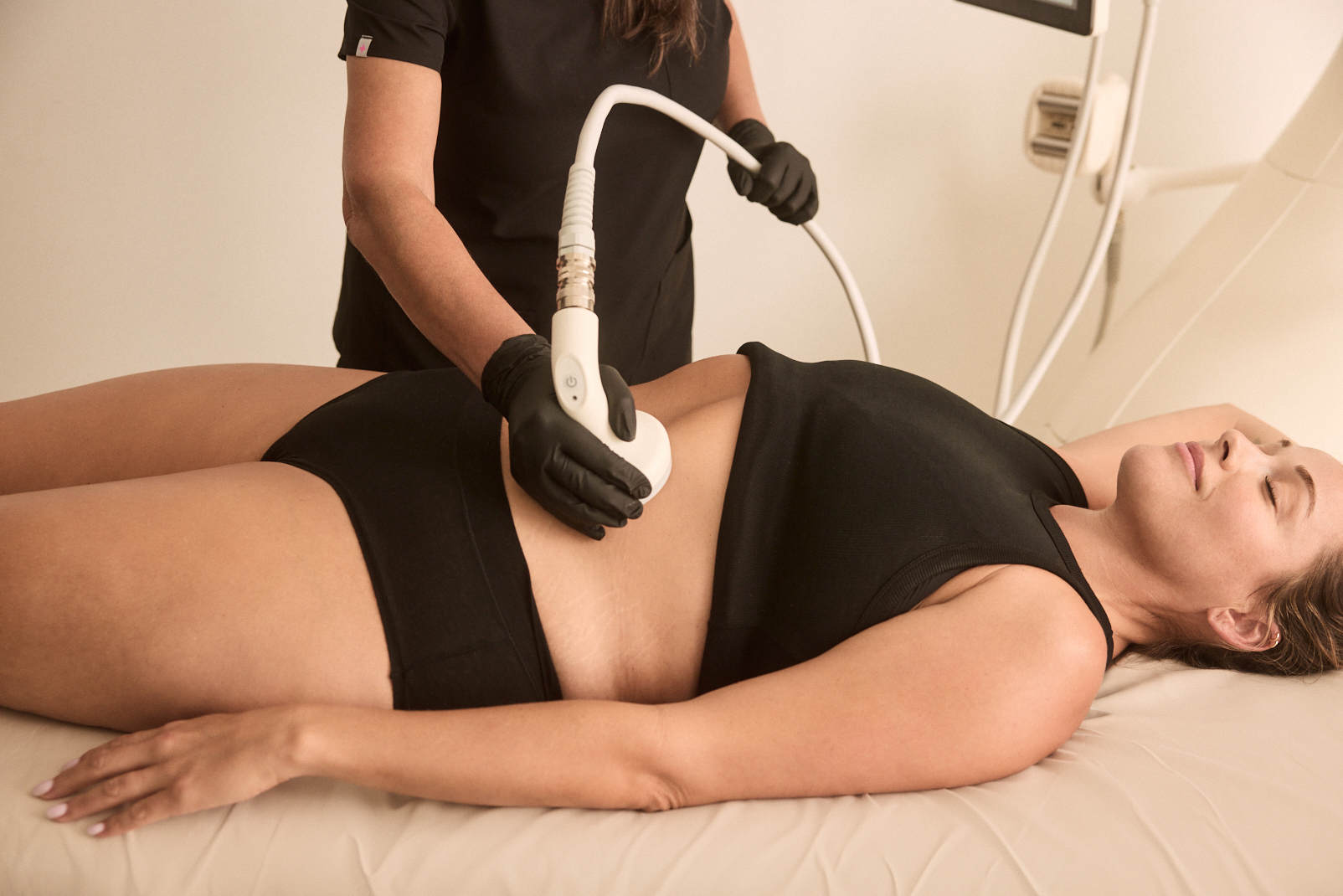
Radiofrequency Therapy
Radiofrequency therapy stimulates collagen production by heating the skin with safe electromagnetic waves. Like in the case of other collagen-stimulating treatments, radiofrequency therapy causes collagen fibers to contract and activates fibroblasts. And then, as the skin heals, new collagen is produced.
Chemical Peels
Chemical peels enhance collagen production by creating controlled chemical injury to the skin. The depth of the peel depends on the type and concentration of the acid that is used for the procedure.
Superficial peels mainly affect the outer skin layers and provide mild collagen stimulation. Medium and deep peels can reach deeper skin layers for a stronger collagen response.
However, deeper chemical peels can be more uncomfortable and require more downtime.
Topical Creams
Topical creams with active ingredients like retinoids, vitamin C, and peptides can also help increase collagen production and skin hydration. But the results depend on how frequently and consistently they use it and on the specific formulation of the cream.
Usually, topical creams work best alongside other collagen regeneration treatments. Some people also use aloe vera gel, which, according to research, contains essential amino acids that can help boost collagen production.
Dietary Supplements
You can also take some dietary supplements formulated to support collagen production and healthy skin. For example, you can take oral collagen supplements. While hydrolysed collagen peptides do not reach the skin directly, they can be helpful in the long run to improve skin elasticity and collagen density. The results depend on how much collagen you take, how long you take it, and the quality of the supplement.
You can also try other supplements that are known to support collagen production. Vitamin C, for example, is your best choice. Without it, newly produced collagen is weaker and less stable. Zinc and copper are also necessary, as are omega-3 fatty acids.
Lifestyle Change to Support Collagen Production
What you eat, how much water you drink, and the lifestyle you’ve adopted can influence your body’s ability to produce collagen. So, besides the treatments mentioned above, it’s very important to make some changes in your daily habits. Otherwise, the results you may obtain after these treatments will not be long-lasting.

Dietary Changes
What you eat has a direct impact on collagen production. One of the things that matter the most is protein intake. Fibroblasts need a steady supply of essential amino acids to build collagen. That’s why diets that are too low in protein can slow down skin repair and regeneration.
Micronutrients that come from collagen-boosting foods are just as important. Deficiencies in vitamin C, iron, or copper can affect collagen quality, so make sure to eat plenty of vitamin C-rich foods like citrus fruits. Moreover, diets rich in antioxidants help reduce skin cell oxidative stress, which otherwise damages collagen fibers.
And don’t forget about high-glycemic products. Sugar and carbohydrates can cause frequent insulin spikes and increase inflammation. Over time, this can damage collagen.
Sun Protection
Sun exposure is one of the biggest contributors to collagen loss, so it’s of utmost importance to protect your skin at all times with a broad-spectrum sunscreen.
You can also wear hats and protective clothing, as well as avoid sun exposure between 10 AM and 4 PM.
No Smoking
Smoking has a direct negative effect on collagen. A study actually showed that the synthesis rates of type I and III were lower by 18% and 22%, respectively, in smokers compared to non-smokers. This reduction can be linked to the fact that smoking impairs the skin’s ability to repair itself, as it promotes the production of metalloproteinase, an enzyme that breaks down collagen in the skin.
Moreover, smoking reduces blood flow to the skin as it causes vasoconstriction near the skin’s surface. This depletes the skin of oxygen and essential nutrients.
Sleep and Stress
Many studies have shown that prolonged sleep deprivation can cause a break in skin barrier function and mucous membranes. That’s because a significant amount of tissue repair happens while you sleep as growth hormone levels increase. Therefore, try to get enough quality sleep every day.
Stress also plays a role. Chronic stress raises cortisol levels. Cortisol, in turn, slows down fibroblast activity, disrupts cytokine signaling, and influences immune cell function. All of these disruptions can compromise collagen synthesis and extracellular matrix remodeling.
Hydration
Hydration supports many of the processes involved in collagen production because water helps transport nutrients and supports enzymatic activity in the skin.
It goes without saying that when the body is dehydrated, the skin will appear thinner and less elastic. So, staying properly hydrated can really help fibroblasts function and support healthy collagen structure.
Are Collagen Regeneration Treatments Safe?
Collagen regeneration treatments are generally safe when performed by trained professionals. However, like any aesthetic procedure, they are not completely risk-free, and they are not recommended for everyone.
The most common side effects, like redness, swelling, tenderness, and slight bruising, are mild and temporary. They usually fade away within a few hours to a few days. Some procedures may also cause temporary dryness, flaking, or tightness. In rare cases, people can develop allergic reactions.
More serious side effects, like burns or infections, can appear if the procedures are performed incorrectly.
Moreover, these procedures are usually not recommended for people who are pregnant and those with active skin infections, open wounds, inflammatory skin conditions, bleeding disorders, and autoimmune diseases.
It’s strongly recommended to talk to a healthcare professional before scheduling a collagen regeneration procedure.
When Will You See Results after a Collagen Regeneration Procedure?
Collagen regeneration does not happen overnight. It’s a gradual biological process, and results develop in stages:
- Immediately after treatment, you may notice mild swelling or firmness. This is temporary and mostly related to inflammation or tissue response. It is not new collagen yet.
- Within four to six weeks, fibroblasts become more active. This is when new collagen production begins. Fine lines may appear smoother, and skin tone may look more even.
- Between three and six months, collagen remodeling becomes more visible. Skin appears firmer, wrinkles soften, and skin elasticity improves.
- Peak results are usually seen around six to twelve months, especially with treatments such as RF microneedling, ultrasound, or biostimulatory injectables.

Are Collagen Regeneration Treatment Results Permanent?
Collagen regeneration treatment results are not permanent, but they are long-lasting. Your body is still aging, and its ability to produce collagen is still declining – this process cannot be stopped but it can be slowed down. And the results from collagen regeneration treatments can last for a year or more, often superior to traditional hyaluronic acid fillers.
How long the results will last depends on the treatment type, your age, your lifestyle, and how well your skin is maintained. Moreover, you might also have to schedule some maintenance treatments once or twice a year to preserve the results and continue collagen stimulation.
Does Skin Type Affect Collagen Regeneration Treatments?
Skin type does affect the efficacy of collagen regeneration treatments. For example, dry or barrier-impaired skin is more likely to peel, feel tight, or become irritated after some procedures. Sensitive skin may be at a higher risk of developing an inflammatory reaction.
Skin tone also matters. Individuals with darker skin tones have a higher risk of post-inflammatory hyperpigmentation, especially with aggressive lasers or deep chemical peels. That does not mean collagen treatments are unsafe for darker skin. It simply means that the approach must be adjusted.
A skilled provider will assess your skin type, pigmentation risk, and healing response before recommending any treatment. Customization is essential for both safety and results.
Choosing the Right Collagen Regeneration Plan
Collagen regeneration should be viewed as a long-term strategy for youthful skin, not a one-time fix. That’s why the best results come from customized plans outlined by experienced professionals, who can adjust them over time.
Treatment plans are tailored based on several factors: your age, skin thickness, pigmentation risk, health conditions, budget constraints, and willingness for downtime.
| Plan Type | Target Patient | Treatments | Frequency |
| Preventative | Late 20s-30s, early signs | Light fractional laser or RF microneedling; T-Shape 2 | 1-2x yearly |
| Correction | 40s-50s, moderate concerns | T-Shape 2 sessions + biostimulatory filler | Initial series, then annual maintenance |
| Resurfacing | 50s+, significant damage | One deeper laser treatment + T-Shape 2 | Yearly touch-ups with gentler modalities |
FAQs
What is the best treatment for rebuilding collagen?
The most effective ways to rebuild collagen are consistent sun protection, topical retinoids, and procedures like microneedling, laser therapy, or T-Shape 2 procedures that promote collagen production. Adequate protein intake, vitamin C, and a healthy lifestyle also support collagen synthesis.
Can collagen be regenerated?
Collagen can be regenerated with certain skincare treatments, aesthetic procedures, and healthy habits. However, collagen production slows down because of the skin aging process, and it cannot be reversed.
Is collagen good for cellulitis?
Collagen supplementation may slightly improve skin elasticity, which can make cellulite appear less noticeable. However, collagen does not directly treat or eliminate cellulitis.
Can you give collagen to kids?
Collagen supplements are generally unnecessary for children because their bodies naturally produce ample collagen. A balanced diet with sufficient protein is usually all that is needed unless a doctor advises otherwise.
Is collagen good for eczema?
There is limited evidence that collagen supplements are good for eczema.
Is collagen good for pregnancy?
Collagen is generally considered safe during pregnancy when obtained from food sources or reputable supplements. However, pregnant individuals should consult a healthcare provider before taking collagen supplements.
Do collagen treatments help with sagging skin?
Collagen treatments can help with sagging skin, which often appears as we age or after weight loss, as the skin loses its firmness. These treatments can stimulate collagen production and can help improve skin health, skin elasticity, and skin texture over time.