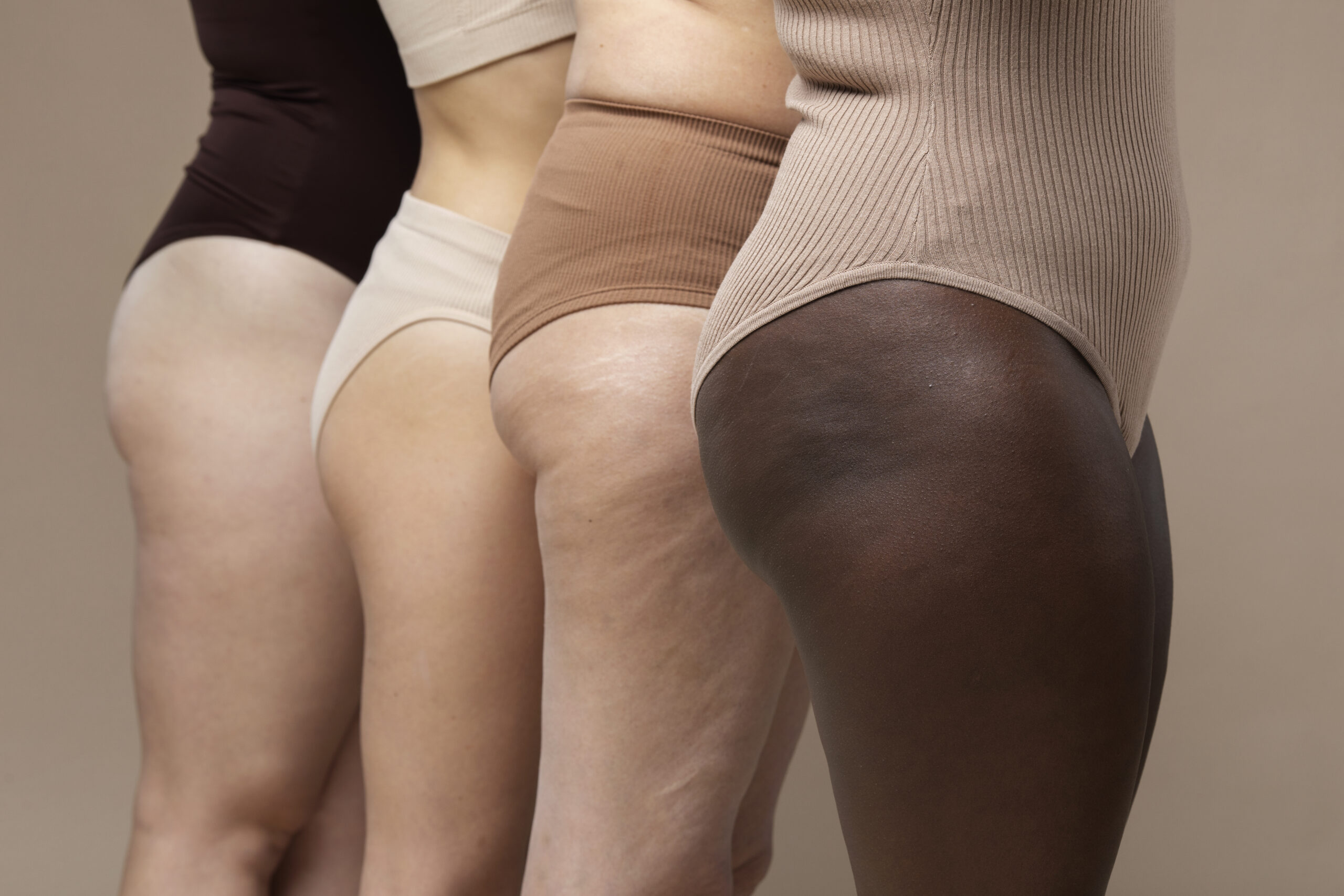
Cellulite affects an estimated 85-90% of women over the age of 20, regardless of their body weight, fitness level, or diet. It’s one of the most common aesthetic concerns in cosmetic dermatology.
Lately, more and more women have started wondering whether collagen is helpful in fighting cellulite. In fact, the market is full of collagen-based products claiming to reduce the appearance of cellulite and improve skin texture. Supplements, powders, creams… But does the science actually support these claims? And are some approaches more effective than others? Ultimately, does collagen help with cellulite or not?
This article covers what cellulite is, how collagen relates to it, what the research says about different collagen-based strategies, and what options exist if you want to go further than supplementation alone.
Disclaimer: This article is provided for informational and educational purposes only. The information presented here is not a substitute for professional medical evaluation, consultation, or care and should not be relied upon to make health-related decisions. Always consult a qualified and licensed medical or aesthetic professional before taking supplements or undergoing any cosmetic or aesthetic procedure.

What Is Cellulite?
The term cellulite refers to the dimpled, uneven skin texture that forms when fat deposits beneath the skin push up against the connective tissue. It causes the infamous orange peel or cottage cheese appearance on the thighs, buttocks, and abdomen.
To help you understand why cellulite appears, let us first explain some details about your skin’s structure:
- The skin has multiple layers: the epidermis, the dermis, and the underlying subcutaneous tissue (hypodermis), which contains fat.
- Within the fat layer, there are connective tissue bands called fibrous septa, which are rich in collagen. They anchor the dermis to the deeper muscle fascia below.
- In women, these bands tend to run more vertically. This makes it easier for fat to push upward and create dimples.
- In men, the bands run in a more angled pattern. This provides greater structural support. It’s one of the reasons women are at a higher risk of developing cellulite than men.
What Causes the Dimpling Appearance of Cellulite?
When fat cells expand, whether from weight gain or hormonal changes, they push upward against the skin. However, in certain locations, where fibrous septa are present, depressions appear on the skin. Why? Because the connective tissues pull the surface down in those areas, while the surrounding fat bulges upward. This produces the characteristic dimpling seen in cellulite.
What Causes Cellulite?
Cellulite formation is influenced by multiple factors:
| Factor | How It Contributes |
| Genetics | Determines fat distribution, skin structure, and connective tissue density |
| Hormonal changes | Oestrogen affects fat distribution and can accelerate collagen breakdown |
| Age | Collagen production declines from your mid-twenties onwards, making skin thinner and less firm |
| Poor diet | Excess sugar and processed foods may promote inflammation and impair collagen synthesis |
| Sedentary lifestyle | Reduces circulation and blood flow, which compromises tissue health |
| Fluid retention | Puffiness in the tissue can make dimpled skin more visible |
It is worth noting that both normal-weight women and women with a higher BMI can have significant cellulite.
What Is Collagen?
Collagen is the most abundant protein in the body. It forms the scaffolding of the connective tissue in your skin, tendons, bones, and ligaments. In the skin specifically, collagen provides structure, firmness, and resilience.
There are several types of collagen. Type I collagen is the most relevant to skin health. It makes up around 80% of the collagen content in the dermis. It is primarily responsible for keeping the skin firm and supporting its architecture. Type III collagen is also present in the skin, though in smaller amounts.
Collagen levels start declining from around age 25, approximately 1% per year. Over time, this leads to:
- Thinner skin with less structural support
- Reduced skin elasticity and firmness
- Increased visibility of cellulite dimples, because a weaker dermis cannot hold the underlying fat in place as effectively
Collagen breakdown is also accelerated by UV exposure, smoking, chronic stress, and poor diet. As the dermis becomes less dense, the fat beneath it becomes more visible at the skin’s surface.
How Does Collagen Help With Cellulite?
Collagen doesn’t directly reduce cellulite, but it can help reduce its appearance alongside other measures. Here’s why.
1. Dermal Density and Firmness
If your collagen is stronger and denser, your skin is better able to resist the upward pressure of fat deposits beneath it. When collagen fibers are abundant and well-organized, the skin holds its structure more effectively. This can help reduce the visible contrast between the bands pulling down and the fat pushing up.
2. Connective Tissue Reinforcement
The fibrous bands that contribute to cellulite are themselves made largely of collagen. With age or hormonal change, these septa can weaken and degrade. This makes dimpling more pronounced. Supporting collagen formation in these tissues can potentially help support overall skin resilience.
3. Skin Hydration and Thickness
Collagen contributes to dermal thickness, structural integrity, and skin hydration. If the skin is thin, the fat cells can become more visible from the surface. In this regard, improving collagen density can thicken the dermis and create a buffer between the fat layer and the outer skin.
4. Elastin and Structural Proteins
Elastin production often follows collagen stimulation. Elastin gives the skin its ability to snap back after being stretched. It works in tandem with collagen to maintain a smooth, firm appearance.

What Does the Research Say About Collagen Supplements?
The evidence for collagen supplements and cellulite is more substantial than you might expect. But it is not without limitations.
The Key Study: Bioactive Collagen Peptides
The most frequently cited study in this context was done by Michael Schnuck, Vivian Zague, Steffen Oesser, and Ehrhardt Proksch in 2015. The study involved 105 women aged 24-50 with moderate cellulite. They took either 2.5 g of bioactive collagen peptides (BCP) or a placebo daily for 6 months.
Here’s what the authors discovered:
- A 9% reduction in the degree of cellulite in participants with a normal BMI (lower than or equal to 25) and a reduction of 4% in the degree of cellulite in participants with a BMI higher than 25.
- Skin waviness improved by approximately 11% on thighs.
- The results in women with a BMI higher than 25 were less significant. But the authors believe the treatment might have been too short for them to see maximum results. After all, the degree of cellulite in overweight women was more pronounced, so longer treatments might be needed.
- The networks of collagen/elastic fibers in the dermis and subcutis became denser.
Additional Evidence
A 2019 systematic review published by Choi et al. found promising evidence for both short- and long-term benefits of collagen supplementation for skin aging. They observed improved skin elasticity, better skin hydration, and improved dermal collagen density.
Ultimately, taking collagen supplements appears to support overall skin health in ways that can reduce the visibility of cellulite. They seem to be particularly useful for people whose cellulite is influenced more by dermal weakness than by fat volume.
The Limitations
It is important to note that these results have multiple limitations:
- Most studies are relatively short-term (6 months or less).
- Results are more pronounced in women of a healthy weight; those with excess body fat tend to see less significant improvements.
- Collagen supplements do not directly reduce fat distribution or break down existing fat cells.
- Further research on larger populations is still needed.
It’s also worth noting that taking collagen supplements does not always go directly to the skin. They are absorbed by the body in the way the body feels necessary. Collagen may also go to the bones or the joints, for example, not reach the skin directly.
Types of Collagen: Which One Works Best for Cellulite?
Before we discuss more details, here’s a quick comparison of how different collagen-boosting approaches affect cellulite appearance:
| Approach | Mechanism | Evidence for Cellulite |
| Collagen peptides (oral) | Provides amino acids for collagen synthesis; may stimulate fibroblasts | Moderate |
| Topical collagen creams | Surface hydration; cannot penetrate dermis | Limited |
| Collagen rich foods | Bone broth, chicken skin, fish – provide amino acids and cofactors | Indirect |
| Professional treatments | Directly stimulate collagen in the dermis | Strong for device-based approaches |
Here’s what you should pay attention to when choosing collagen for reducing the appearance of cellulite or supporting overall skin health.
Collagen Peptides
The body cannot absorb whole collagen molecules directly. They need to be broken down into smaller fragments first. Collagen peptides (also called hydrolyzed collagen) are pre-digested forms of collagen that the body can actually absorb and use. When you see hydrolysed collagen on a label, that means the protein has been broken down through a process called hydrolysis, making it bioavailable.
Type I vs Type III
Collagen Type I is the most relevant for skin health. It is the main structural protein of the dermis. It is most directly associated with firmness and dermal density. Marine collagen is a particularly rich source of Type I.
Collagen Supplements vs Topical Collagen Creams
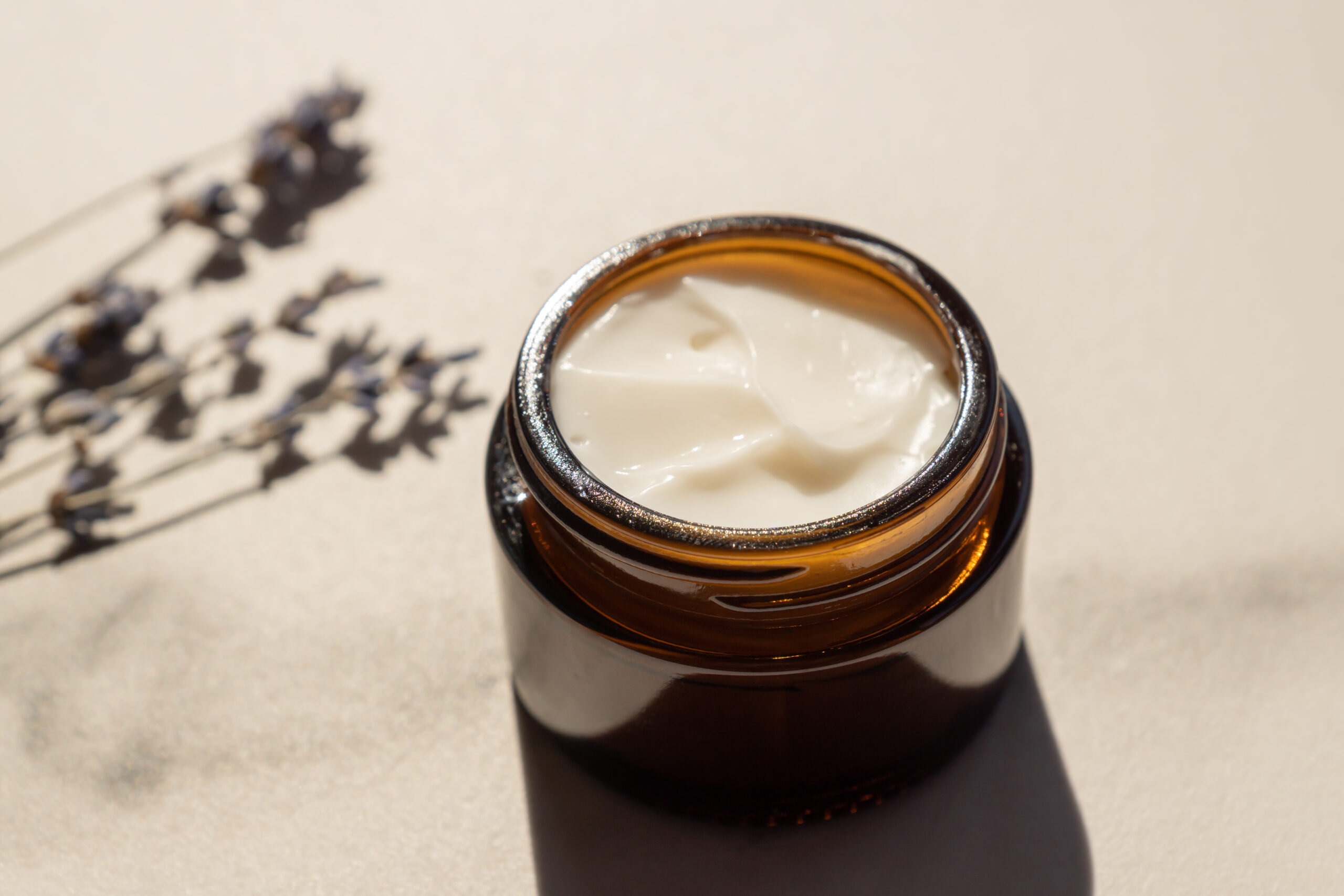
Topical collagen creams are popular, but their effectiveness for reducing cellulite is limited. Collagen molecules are too large to penetrate the skin’s barrier effectively from the outside. As such, topical collagen creams can improve surface hydration and appearance, but they are unlikely to reach the dermal layer where structural changes occur.
Collagen supplementation taken orally delivers amino acids to the bloodstream that the body can then use to stimulate collagen synthesis in the dermis.
How to Support Collagen Naturally to Reduce Cellulite?
Whether you choose to supplement or not, you can adopt healthy habits that will support your body’s own collagen production and can slow collagen breakdown.
Nutrition
You can try incorporating collagen rich foods into your diet: bone broth, chicken, fish, and eggs, for example. They supply the amino acids glycine, proline, and hydroxyproline that are the building blocks of collagen.
Vitamin C is equally important. It is a required cofactor for collagen formation. Without adequate vitamin C, the body cannot complete collagen synthesis. Good sources of vitamin C include citrus fruits, bell peppers, kiwi, and broccoli.
Other nutrients that support collagen production include:
- Zinc: found in meat, shellfish, legumes; supports wound healing and collagen repair
- Copper: found in nuts, seeds, liver; helps with elastin production and collagen cross-linking
- Grape seed extract: a potent antioxidant that may help protect existing collagen from oxidative breakdown
- Antioxidants generally: they protect collagen from degradation caused by UV exposure and inflammation
Healthy Lifestyle Habits
- Regular exercise, particularly cardio and strength training, improves blood flow and lymphatic drainage, both of which reduce fluid retention and keep skin tissue nourished.
- Dry brushing before a shower has been associated with improved circulation and lymphatic flow. This may reduce the visibility of lumpy skin by reducing fluid accumulation in the tissue.
- Maintaining a healthy weight reduces the pressure that enlarged fat cells exert against the connective tissue.
- Staying well hydrated supports well-hydrated skin and overall tissue function.
- Avoiding smoking and excessive sun exposure slows collagen breakdown.
Professional Collagen-Boosting and Cellulite Treatments
For many people, lifestyle changes and supplementation produce meaningful improvements. For others, particularly those with more pronounced cellulite or structural laxity, a more targeted approach may be appropriate.
The most effective professional treatments work by directly stimulating collagen production in the dermis, improving circulation, and addressing the fat deposits beneath the skin simultaneously.

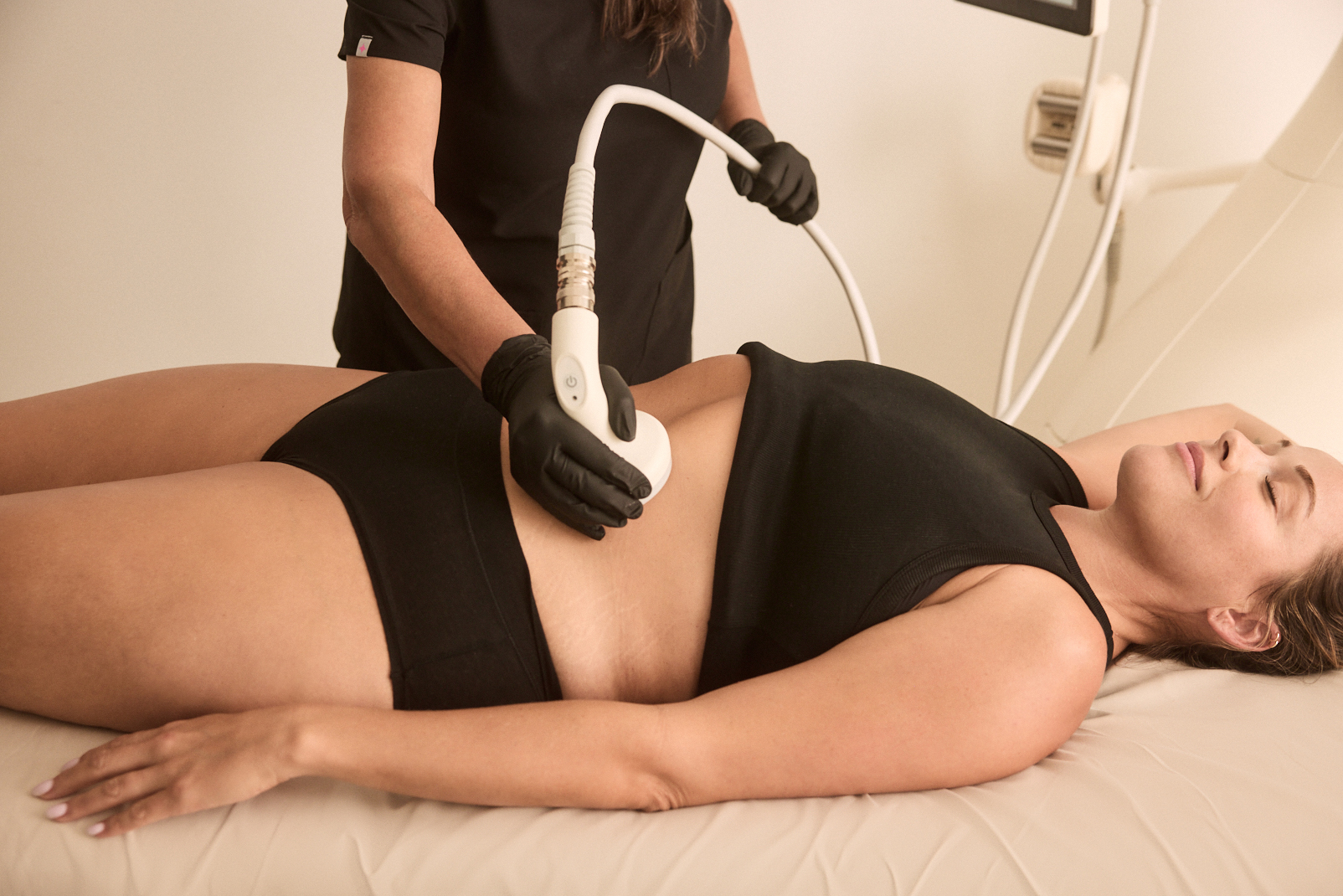
T-Shape 2: A Multi-Technology Approach
One device that combines several of these mechanisms in a single session is the T-Shape 2. It is an FDA-cleared, non-invasive system that integrates four technologies.
1. Bipolar Radiofrequency (RF)
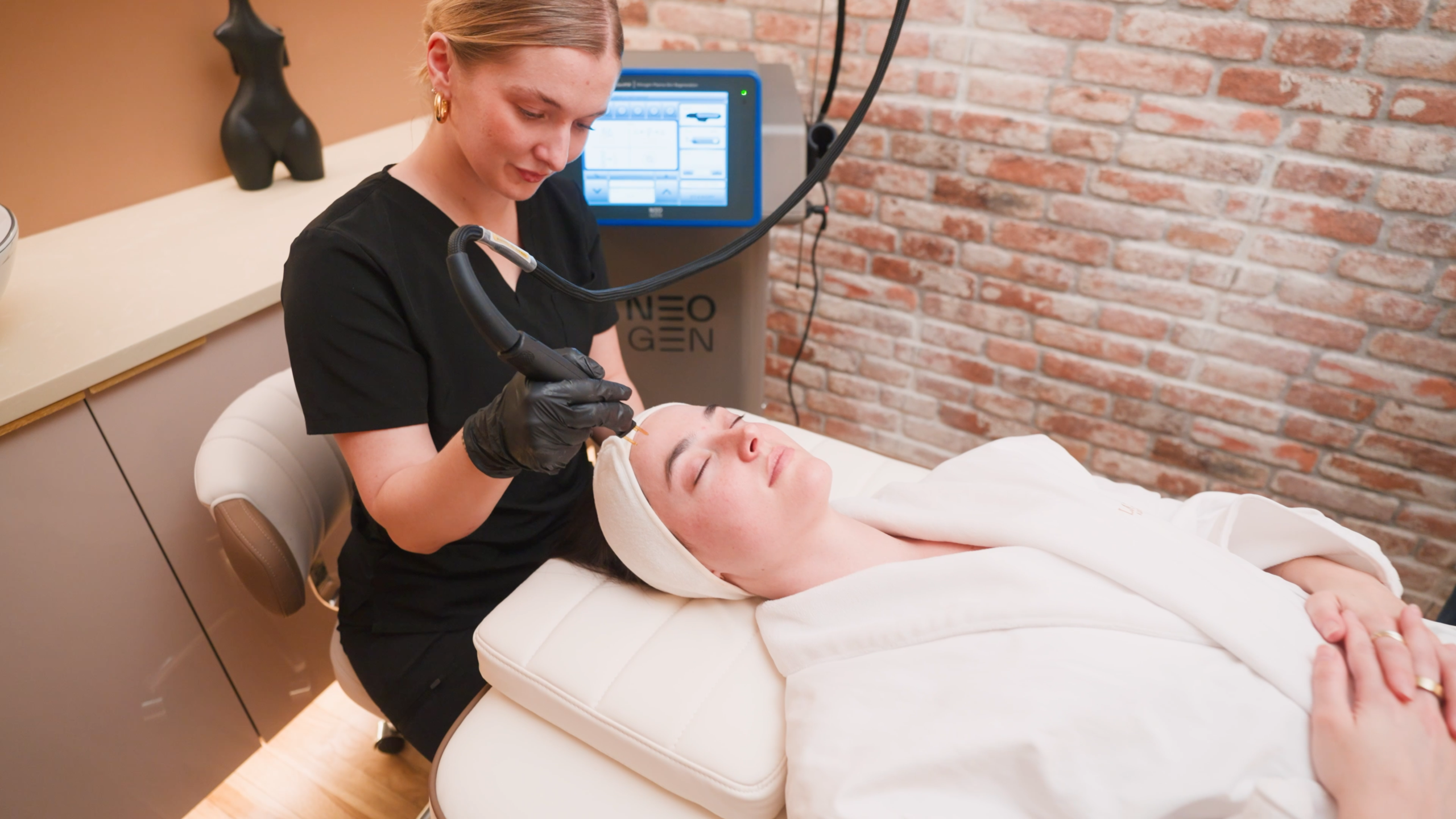
Bipolar and multipolar radiofrequency (RF) energy heats the deeper layers of the skin to a precise temperature. This controlled thermal effect activates fibroblasts, the cells responsible for collagen synthesis. This, in turn, promotes the formation of new collagen and elastin production. Over the course of several sessions, this can lead to measurable improvements in skin firmness, skin elasticity, and skin texture.
In fact, research on RF for cellulite reduction has shown significant reductions in fibrous septum thickness and has led to cellulite improvement.
2. Low-Level Laser Therapy (LLLT)
Low-Level Laser Therapy (LLLT) targets fat cells directly to reduce adipose tissue. This reduces the volume of the fat deposits beneath the skin, decreasing the upward pressure that creates dimples. LLLT can also help stimulate collagen production and reduce inflammation.
3. Endodermic Massage with Suction
The vacuum component applies gentle suction to the skin. This can help support smoother skin by smoothing dimpling and enhancing lymphatic drainage. It can also help reduce fluid retention in the tissue and remove accumulated toxins. As a matter of fact, improved lymphatic flow is a recognized factor in cellulite appearance. That’s because stagnant fluid makes the tissue look puffier and the dimpling more pronounced.
4. Mesospheric Activation
The Mesospheric Activation technology delivers precise micro-vibrations into the skin and underlying tissue. This can help promote deeper tissue stimulation, tone underlying muscles, and promote circulation.
What Makes This Approach Different?
The main issue with cellulite is that it involves multiple layers of the skin. That’s why T-Shape 2 has been designed to work on all of them at the same time. It helps stimulate collagen production, improve lymphatic drainage, tone underlying muscles, improve metabolism, and even firm the skin. Collagen remodelling continues in the weeks after the treatment as the tissue rebuilds. This means that results keep improving and can be maintained for 1-2 years with maintenance sessions every 6 months, given that the procedure activates a natural process in your body.
A typical course consists of 8-10 T-Shape 2 sessions, 1-2 times per week, with no downtime. Maintenance sessions every few months can sustain and extend the results.
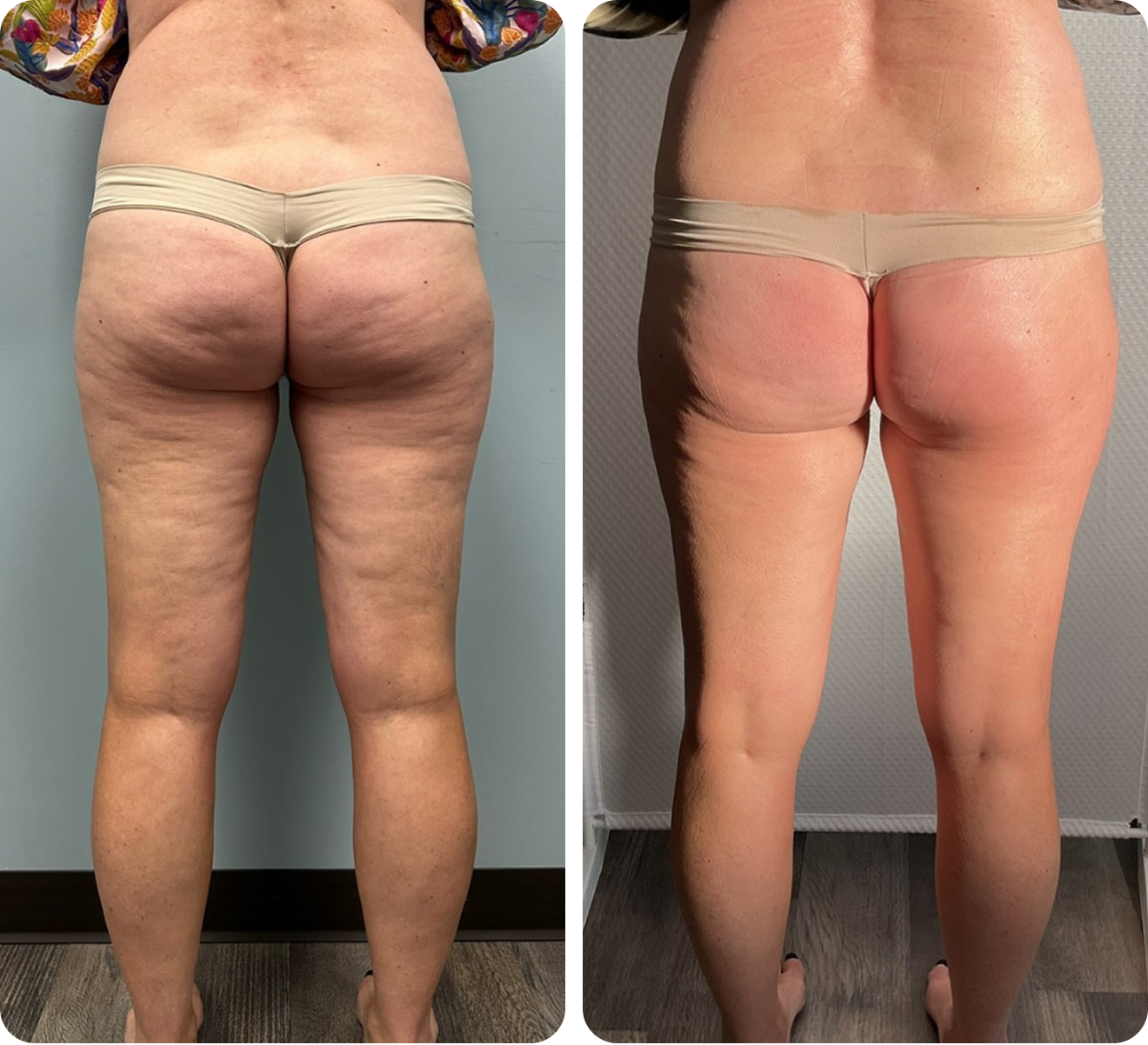
Before and after 3 cellulite treatments on the buttocks and legs with T-Shape 2.
How Does It Compare to Other Approaches?
| Approach | Targets Dermis | Targets Fat | Improves Circulation | Non-Invasive | Downtime |
| Collagen supplements | ✓ | ✗ | ✗ | ✓ | None |
| Topical collagen creams | ✗ | ✗ | ✗ | ✓ | None |
| Dry brushing / massage | ✗ | ✗ | ✓ | ✓ | None |
| Laser treatments (standalone) | Partially | ✓ | ✗ | ✓ | Minimal |
| T-Shape 2 | ✓ | ✓ | ✓ | ✓ | None |
FAQ
Does collagen help with cellulite?
Research suggests that collagen can help with cellulite when taken orally for at least 3-6 months. It shows improvements in skin texture, skin firmness, and the degree of visible cellulite. However, these studies have numerous limitations, so results are not guaranteed.
Does collagen powder help with cellulite?
Collagen powder may help reduce cellulite, as outlined in some studies, but not meaningfully, because collagen supplements don’t target cellulite specifically. It can help support overall skin health, though.
Do collagen peptides help with cellulite?
Collagen peptides may help reduce cellulite, as outlined in some studies, producing only modest results, because collagen supplements don’t target cellulite specifically. It can help support overall skin health, though.
What’s best for cellulite on thighs?
The best solution for cellulite on thighs implies having a healthy diet, exercising regularly, and maintaining a healthy weight. Professional aesthetic procedures such as T-Shape 2 treatments can also help reduce cellulite on thighs.
What vitamin breaks down cellulite?
No vitamin has been shown to break down cellulite. Some vitamins, like vitamin C, support collagen production and skin health, but they don’t directly reduce cellulite.
What are the first signs that collagen is working?
If you notice that your skin looks more hydrated, softer, and more elastic, this might be a sign that collagen is working.
Do collagen creams reduce cellulite?
Topical collagen creams can improve surface hydration and temporarily reduce dimpling, but the collagen molecule is too large to penetrate the dermis from the outside. As such, they are unlikely to produce significant structural change.
Can collagen completely eliminate cellulite?
No, collagen cannot completely eliminate cellulite. Collagen supports skin health and can reduce the visibility of cellulite dimples, but it does not eliminate cellulite entirely.
Is T-Shape 2 a good option for cellulite?
T-Shape 2 is a non-invasive treatment cleared by the FDA for reducing the appearance of cellulite. It combines radiofrequency, laser therapy, vacuum massage, and mesospheric activation to address cellulite on multiple levels. It can help stimulate collagen production, break down fat cells, and improve circulation and lymphatic drainage.