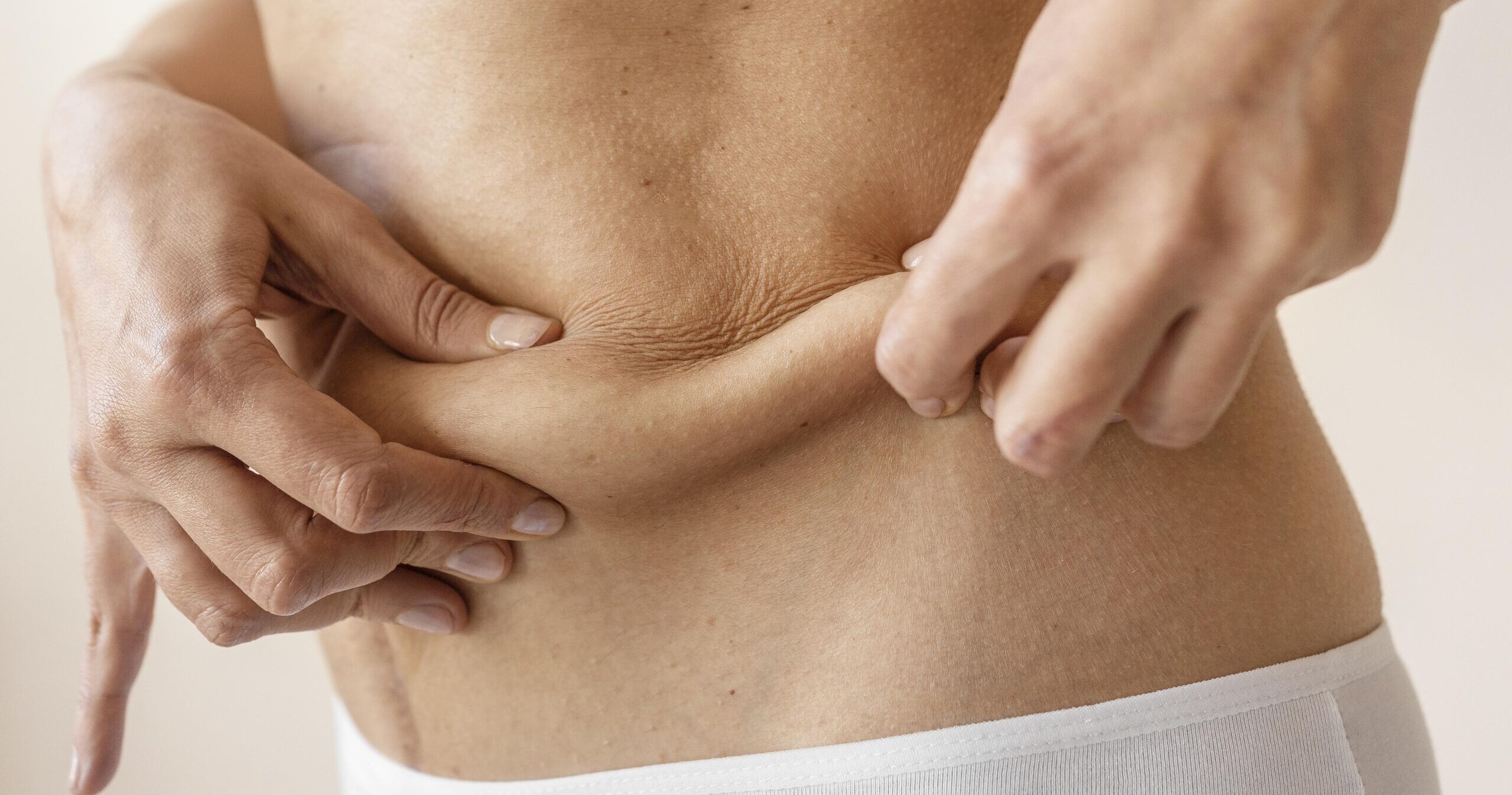
Many people have loose skin after losing weight if they lose weight rapidly or if they lose significant weight. This is very common during weight loss journeys, and it’s also natural. However, lax skin is a major source of frustration. It can cause emotional distress, and it can also cause health issues. That’s why, if possible, people try to avoid it.
So, if you’re wondering how to avoid loose skin when losing weight, keep reading. We’ll explain why some people have sagging skin after losing weight, how to prevent it, and how to tighten skin if it does remain loose.
Disclaimer: This article is provided for informational and educational purposes only. The information presented here is not a substitute for professional medical evaluation, consultation, or care and should not be relied upon to make health-related decisions. Always consult a qualified and licensed medical or aesthetic professional before undergoing any cosmetic or aesthetic procedure.
Quick Answer: How to Avoid Loose Skin When Losing Weight
You can’t always completely prevent loose skin after weight loss, but you can significantly reduce the risk. The most effective method is gradual weight loss (about 1-2 lbs per week), which gives your skin enough time to adapt. Supporting your body with strength training, which helps preserve muscle, and adequate protein intake.
Moreover, make sure to stay hydrated, eat nutrient-rich foods (especially vitamin C, zinc, and healthy fats), protect your skin from sun damage, and avoid smoking.
That said, outcomes depend on factors like age, genetics, how much weight you lose, and how long your skin was stretched. Mild loose skin often improves on its own over 6-24 months, while more significant laxity may require professional treatments or surgery.
What Causes Loose Skin After Weight Loss?
To help you understand how to avoid loose skin when losing weight, let us explain why exactly loose skin appears.
Your skin is a living organ made up of multiple layers. The middle layer is called the dermis. In the dermis, there is collagen, and there is elastin. These are two proteins that keep your skin elastic and firm. Collagen provides structure and firmness; elastin allows the skin to stretch and snap back.
When you gain weight, your skin stretches gradually to accommodate the increased volume. During this process, the collagen and elastin fibres are put under sustained tension. If that tension is maintained for years, the fibres can become damaged or weakened. Then, when you lose weight, especially if it’s rapid weight loss, the fat beneath the skin diminishes, but the skin itself doesn’t immediately contract. As a result, you’re left with sagging skin that does not fit the body it covers.
Factors that Determine How Likely You Are to Have Loose Skin
There are several factors that determine how much loose skin one can have after losing weight, including:
- How much weight was lost -> the greater the total weight loss, the higher the chance of noticeable loose skin
- Speed of weight loss -> rapid weight loss leaves the skin less time to remodel
- How long one was overweight -> longer periods of stretching cause more structural damage to collagen and elastin fibres
- Age -> collagen production naturally declines from the mid-20s onwards, so older individuals generally have less skin resilience
- Genetics -> some people simply have more naturally elastic skin than others
- Lifestyle factors -> smoking, excessive sun exposure, poor hydration, and nutritional deficiencies all accelerate collagen breakdown
It is worth noting that what looks like loose skin is sometimes a layer of remaining subcutaneous fat. In those cases, continued fat loss and muscle building can resolve the appearance without any additional intervention.
How Much Weight Loss Causes Loose Skin?
Here are some guidelines on how much weight loss causes loose skin:
| Under 10 kg (22 lbs) | Most people see little or no noticeable loose skin, particularly if weight loss is gradual and muscle is maintained |
| 10-25 kg (22-55 lbs): | Risk increases significantly, particularly with rapid weight loss or in individuals over 40. Loose skin may appear in areas like the abdomen, upper arms, and inner thighs |
| 25-45 kg (55-100 lbs) | Significant loose skin is common. Professional treatments are frequently sought |
| Over 45 kg (100+ lbs) | Excessive loose skin is highly likely. Body contouring surgery is often the most appropriate solution for excess abdominal skin and other affected areas |
How to Avoid Loose Skin When Losing Weight: Prevention Strategies
There is no single magical solution, but there is a body of evidence pointing to strategies that can reduce the risk of developing significant loose skin in the first place. Most of them come down to how you lose weight and how you support your body during the process.
1. Lose Weight Gradually
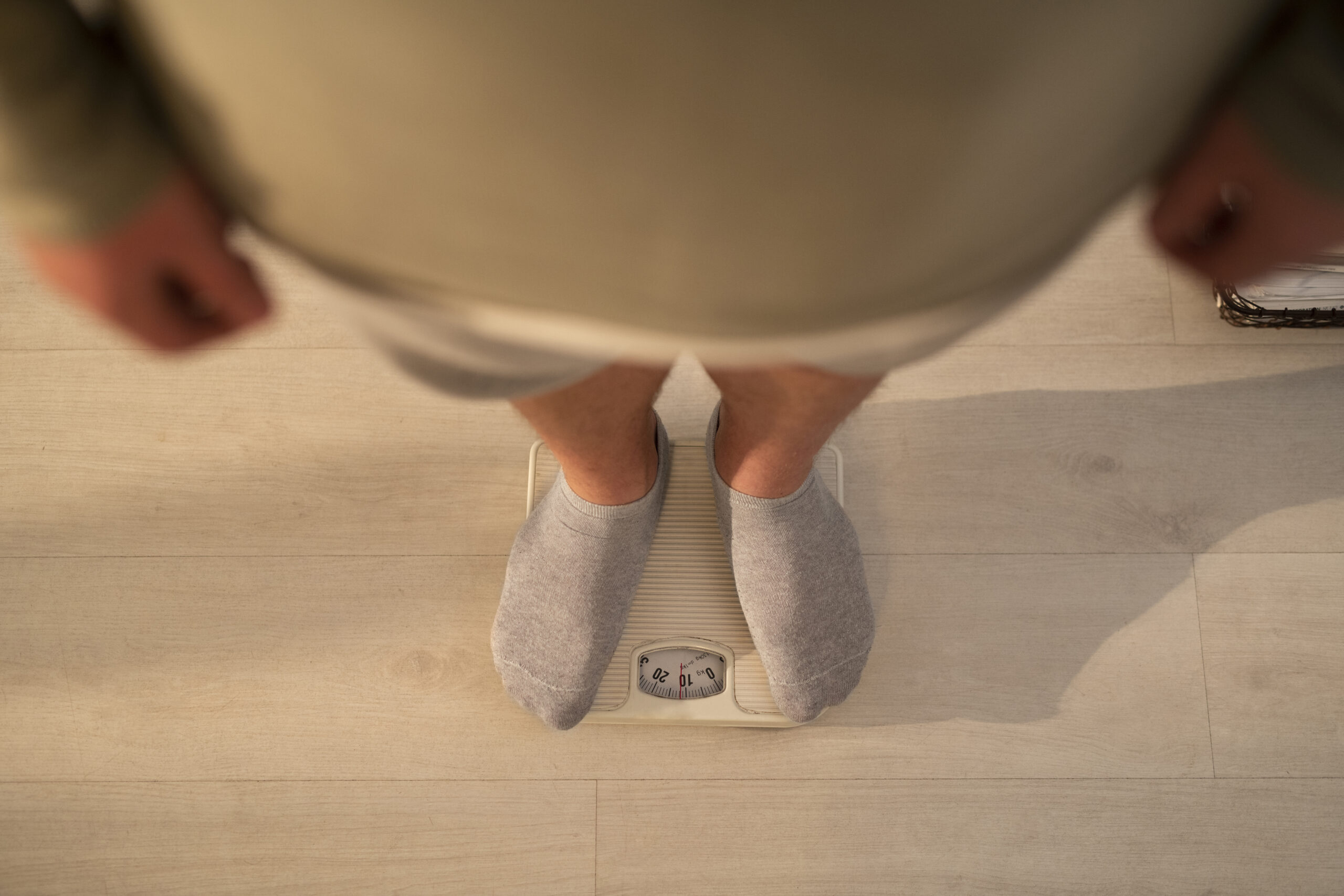
This is, consistently, the most important preventive factor. Aim for a rate of approximately 1-2 pounds per week, as per the CDC’s recommendation. At this pace, your skin will have time to adapt to the changing body composition beneath it. Skin remodelling is a slow process, so even after reaching your goal weight, your skin can continue to tighten naturally for 6 to 24 months as collagen turns over.
In other words, if you want to avoid loose skin, try to avoid rapid weight loss, as well. This can happen through crash diets, extreme calorie restriction, or, in some cases, weight loss medications. These methods change your body too rapidly, and the skin doesn’t have enough time to adjust to the changes.
2. Build and Preserve Muscle Mass
Fat provides volume beneath the skin. When that fat disappears without anything to replace it, the skin can appear deflated and sagging. Muscle mass can help you fill that space and support the skin.
Strength training and resistance training are the most effective if you want to avoid loose skin while losing weight. It’s generally recommended to have 2-3 sessions per week targeting major muscle-building movements: squats, deadlifts, rows, presses, and lunges. Building lean muscle mass also supports collagen production, as the mechanical stress on connective tissue during exercise stimulates fibroblast activity, the cells responsible for producing collagen.
3. Prioritize Protein
Protein is the raw material your body uses to build and repair both muscle and skin. During weight loss, your protein requirements actually increase because your body needs adequate amino acids to maintain lean muscle mass and support ongoing collagen production in the dermis.
According to the National Academy of Sports Medicine, it’s generally recommended to have a daily protein intake of 1.6-2.2 grams per kilogram of body weight per day while actively losing weight. Other sources, like the University of Kansas Medical Center, recommend a daily protein intake of 1.0-1.2 grams per kilogram. Therefore, individual needs vary, so always talk to a healthcare professional to confirm your personal needs. Good sources of protein include lean meats, fish, eggs, legumes, and dairy.
4. Stay Hydrated
Your skin (your entire body, for that matter) needs water. If the skin is properly hydrated, it maintains greater elasticity and is more capable of adapting to changes in body volume. Therefore, aim for around 2 litres daily. Adjust accordingly if you have a specific medical condition, if you’re exercising heavily, or if you live in a warm environment.
You can also support your skin’s hydration topically. You can try topical treatments containing ingredients like hyaluronic acid, glycerin, and ceramides. They can help reduce transepidermal water loss and keep skin more supple throughout your weight loss journey.
5. Eat for Your Skin
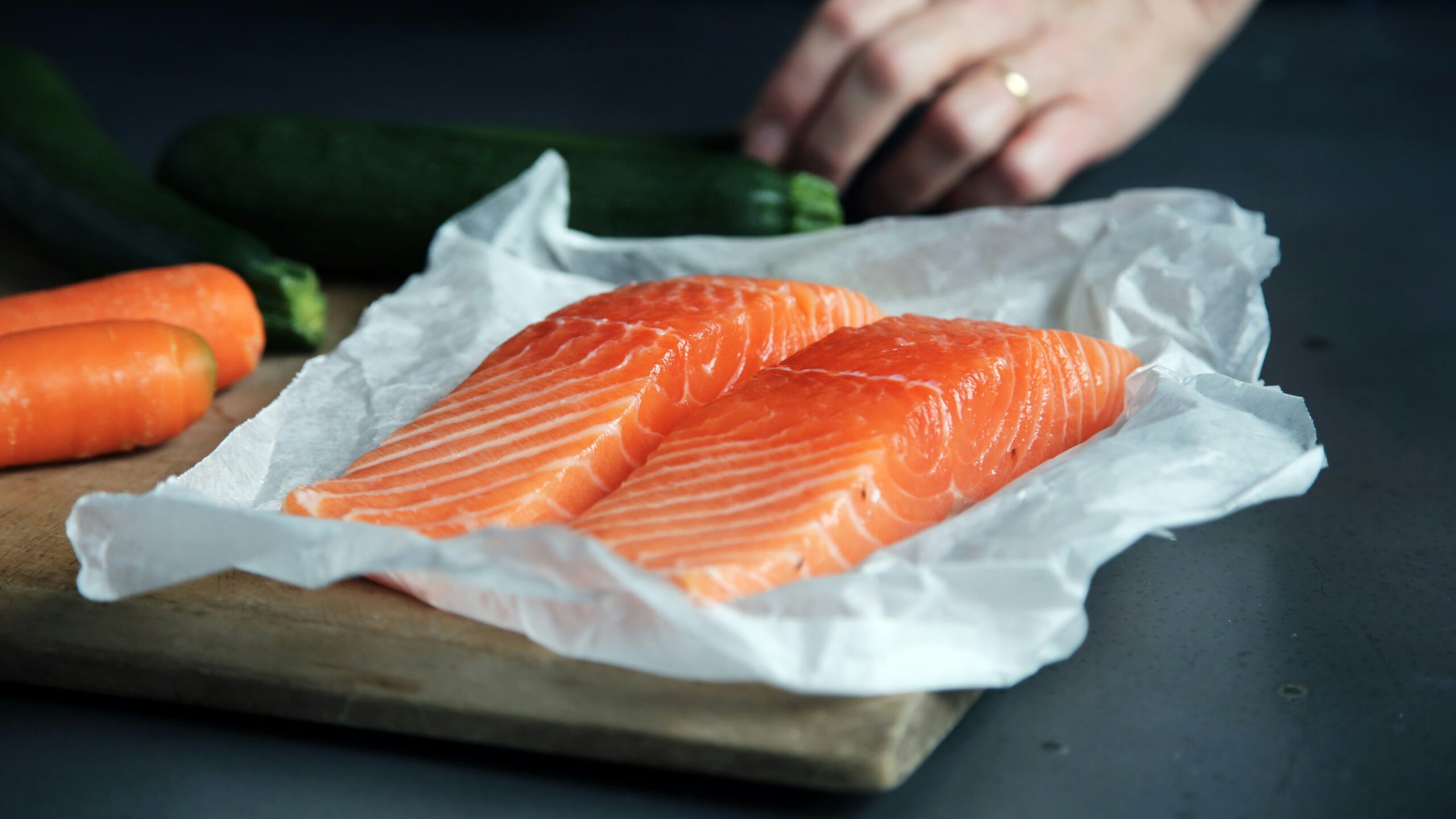
A balanced diet supports skin health from the inside out. There are nutrients that can actually support your body’s natural collagen production and enhance skin elasticity, but you won’t notice the changes overnight. As such, here are some foods that should be prioritized while losing weight:
| Nutrient | Role in skin health | Good sources |
| Vitamin C | Essential cofactor for collagen synthesis | Citrus fruits, bell peppers, broccoli, strawberries |
| Zinc | Supports wound healing and collagen structure | Nuts, seeds, legumes, red meat |
| Omega-3 fatty acids (healthy fats) | Reduce inflammation, support skin barrier function | Oily fish, walnuts, flaxseed |
| Vitamin A | Supports skin cell turnover and repair | Eggs, dairy, oily fish, fortified spreads |
| Vitamin E | Antioxidant protection against collagen degradation | Almonds, sunflower oil, spinach |
Avoid highly restrictive diets that cut out entire food groups, though. Nutritional deficiencies can make things worse.
6. Protect Your Skin From the Sun
Excessive sun exposure accelerates the breakdown of collagen and elastin, precisely the proteins you’re trying to preserve. UV radiation degrades skin structure over time, reducing skin firmness and making skin elasticity harder to maintain during weight loss.
Therefore, use a broad-spectrum SPF 30 or higher at all times while you’re out, even on cloudy days. And continue using it even after you’ve reached your desired weight. This can help protect your skin against oxidative damage and improve skin elasticity over time.
7. Avoid Smoking
Nicotine constricts blood vessels. This restricts the flow of oxygen and nutrients to the skin. It also directly damages collagen fibres. That’s why people who smoke are much more likely to show signs of skin aging earlier than others. So, if you smoke, quitting is one of the most impactful things you can do for your skin health overall.
8. Be Cautious With Rapid Weight Loss Methods
Crash diets and extreme calorie deficits do so much more than accelerate fat loss. They also cause muscle loss, nutritional deficiencies, and the hormonal disruption that compromises skin health. Repeated cycles of weight loss and regain (sometimes called yo-yo dieting) are particularly damaging: each cycle stretches and contracts the skin, gradually wearing down its elastic fibres in a way that compounds over time.
The Ozempic Factor: Loose Skin and GLP-1 Weight Loss Medications
Weight loss medications, particularly GLP-1 receptor agonists such as Ozempic (semaglutide), have transformed how many people approach significant weight loss. The results can be remarkable. But they come with a skin-related challenge that deserves specific attention.
The speed and magnitude of losing weight with Ozempic can be abrupt, leaving the skin without adequate structural support, a phenomenon widely referred to as “Ozempic face,” although it can manifest anywhere on the body.
GLP-1 medications can also cause muscle loss alongside fat loss, which compounds the appearance of loose skin due to the reduction in underlying structural support. Loose skin is especially noticeable in areas where fat loss was significant, including the jawline, arms, abdomen, and thighs.
GLP-1 medications often reduce appetite, and overall nutrition patterns change. Lower protein intake, reduced vitamin C, or insufficient micronutrients can compromise collagen production and skin repair, further increasing the risk of skin laxity during rapid weight loss.
If you are using GLP-1 medications for weight loss, the strategies above become even more important. Therefore, we recommend talking to a healthcare professional about prevention strategies.
How to Tighten Loose Skin
Sometimes, despite their best efforts, people still get loose skin after weight loss. This is particularly common after massive weight loss, 50-100 pounds or more, after bariatric surgery, or following rapid weight loss with GLP-1 medications. In these situations, additional interventions can help.
T-Shape 2: Multi-Technology Body Contouring
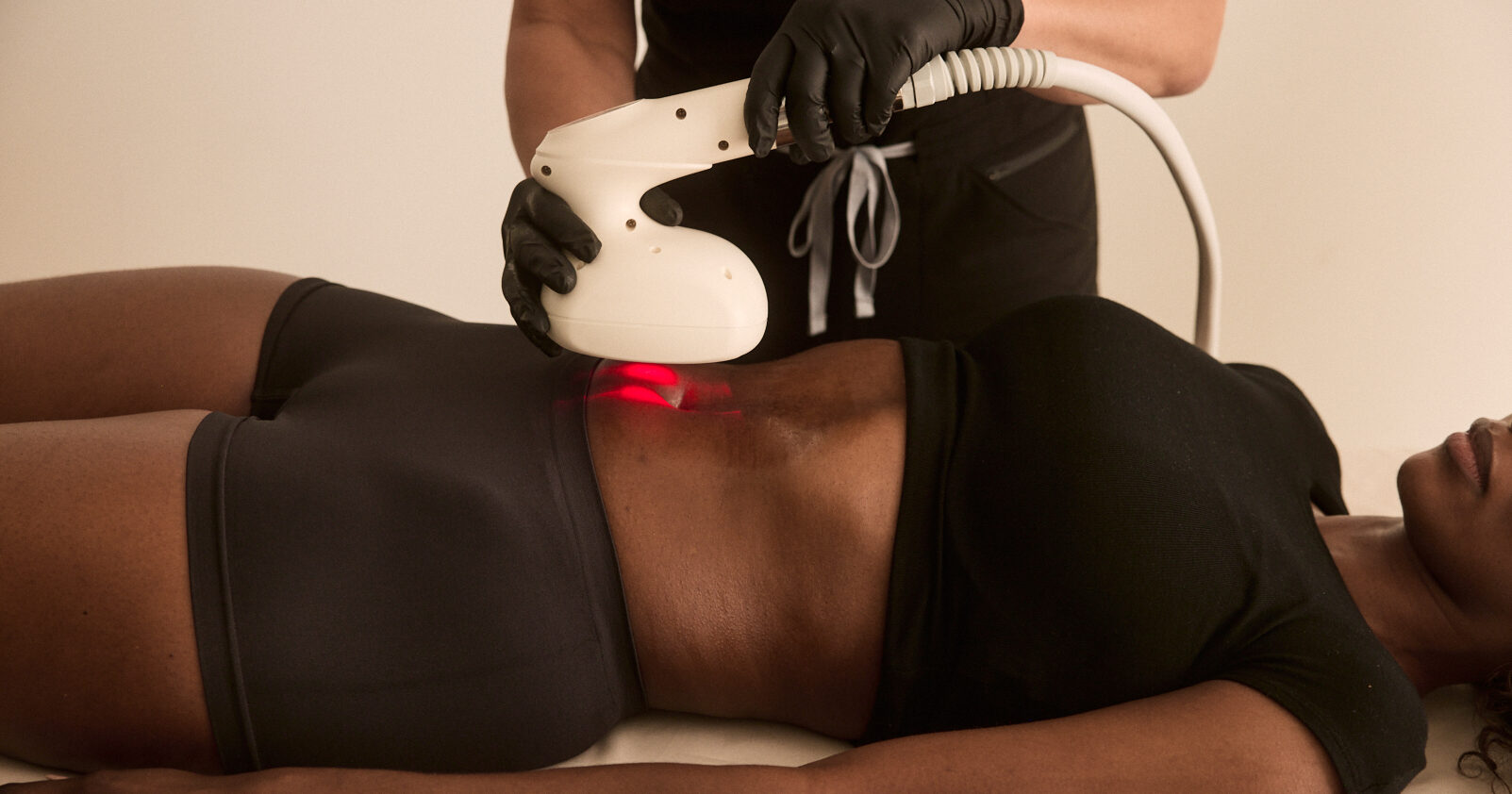
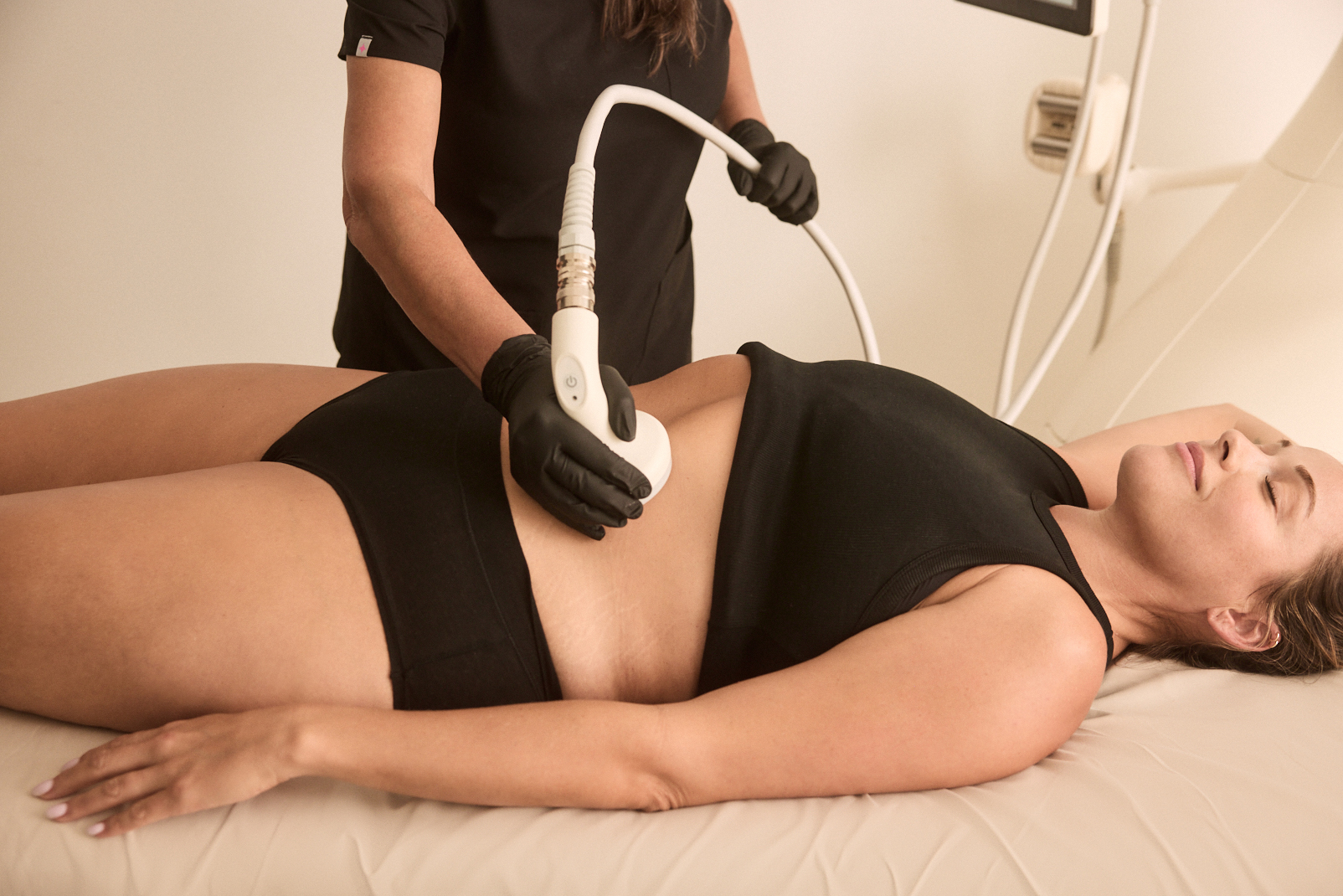
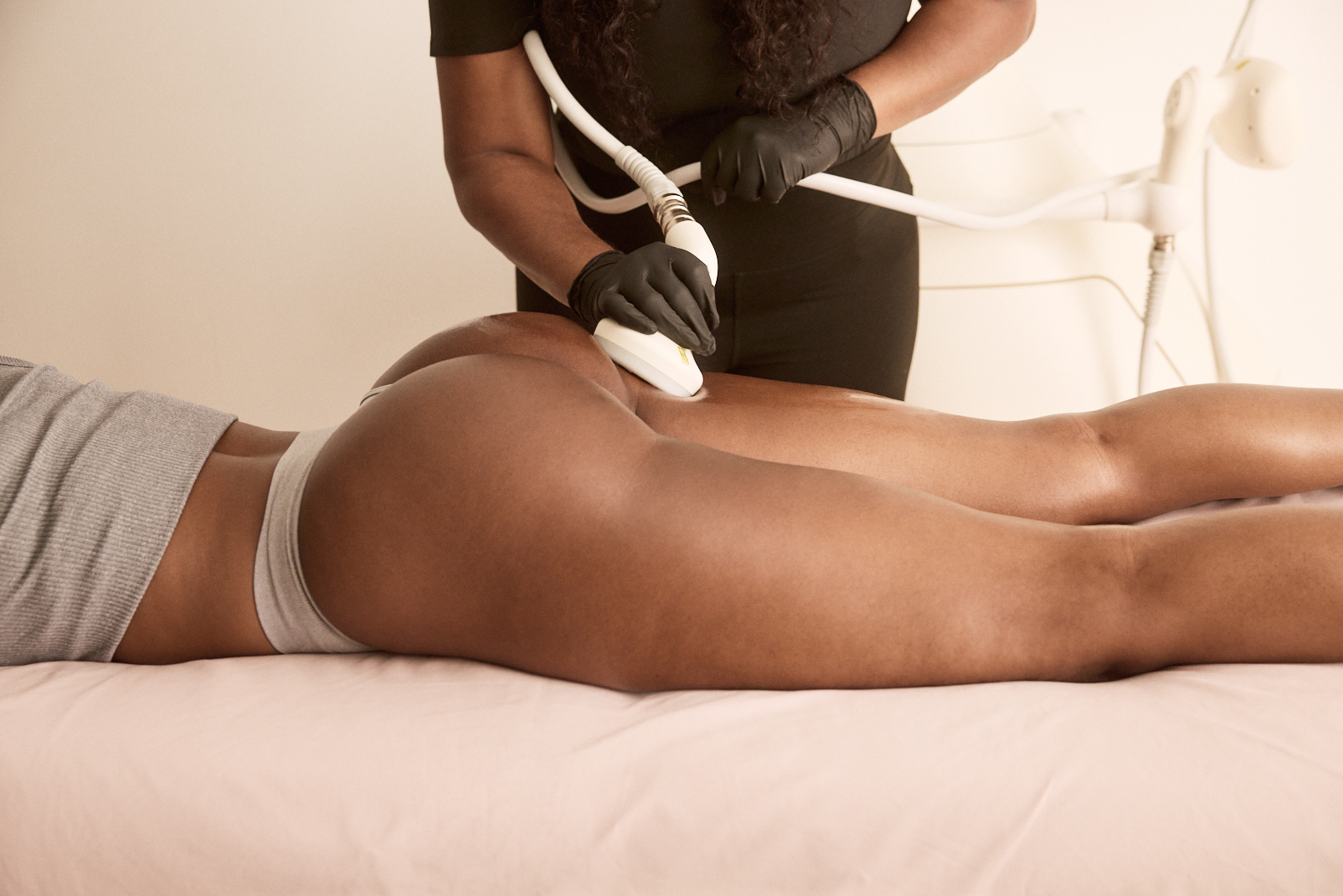
T-Shape 2 is a professional body contouring device that addresses the core challenges of skin after weight loss: loose skin, muscle toning, circulation, and lymphatic drainage.
T-Shape 2 combines four technologies in a single platform:
- Bipolar Radiofrequency (RF) – delivers controlled thermal energy deep into the dermis to stimulate fibroblast activity, triggering the production of new collagen and elastin. This progressively tightens and lifts the skin over a treatment course.
- Low-Level Laser Therapy (LLLT) – promotes skin regeneration and improved vasculature. This supports overall skin health and skin tone.
- Endodermic Massage with Vacuum – can help stimulate lymphatic drainage, prompting the body to naturally manage excess fluid; contributes to a firmer, more sculpted appearance.
- Mesospheric Activation – can help tone underlying muscles and promote circulation
Clinical studies on T-Shape 2 have shown that 10 treatments led to an 80% improvement rate among clients, a 23% increase in muscle tissue-to-fat ratio, and a 10% improvement in skin tone and laxity. Participants also noticed a 2cm average reduction in abdominal circumference and a 14% increase in rectus abdominis muscle tissue thickness.
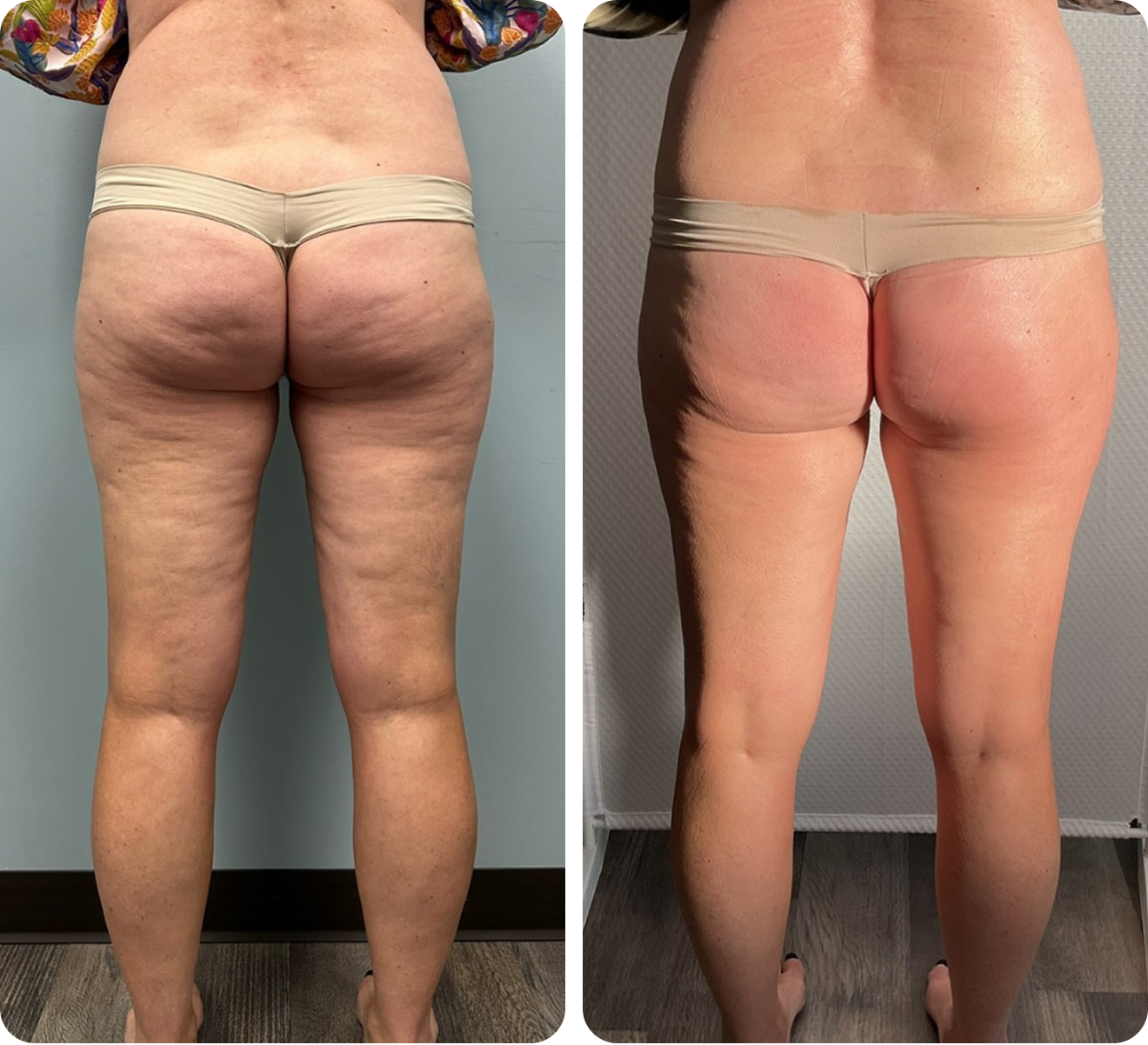 Before and after 3 cellulite treatments on the buttocks and legs with T-Shape 2.
T-Shape 2 can be used both on the face and on the body. And it is suitable for both loose skin prevention and skin tightening.
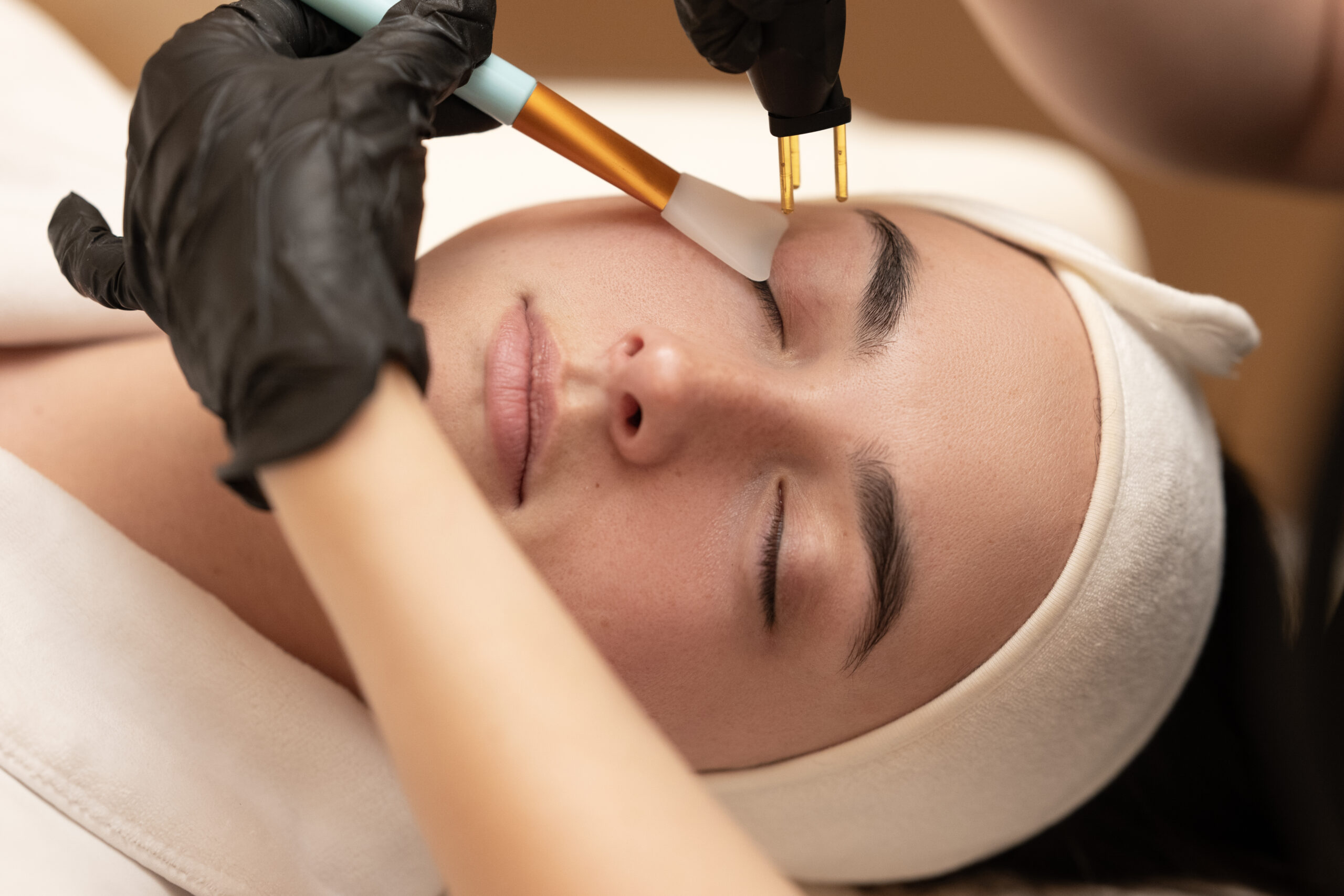
Nitrogen Plasma
Nitrogen plasma (Neogen) can help with skin tightening at a deeper structural level by stimulating collagen and elastin production.
Neogen uses nitrogen thermal plasma technology to remodel collagen and resurface the skin. The device converts nitrogen gas into plasma energy. Those energy pulses rapidly heat the lower layer of the skin (the dermis), creating controlled thermal disruption that triggers the body’s natural healing response, producing new collagen and elastin that results in both immediate skin tightening and firmer skin over time.
One of Neogen’s key differentiators from other skin-tightening technologies is its comprehensive approach to skin structure. Unlike radiofrequency microneedling or fractional lasers, which treat only a proportion of tissue, Neogen treats the entire skin architecture. It also does not damage the surface of the skin, so there’s less downtime compared to CO2 lasers.
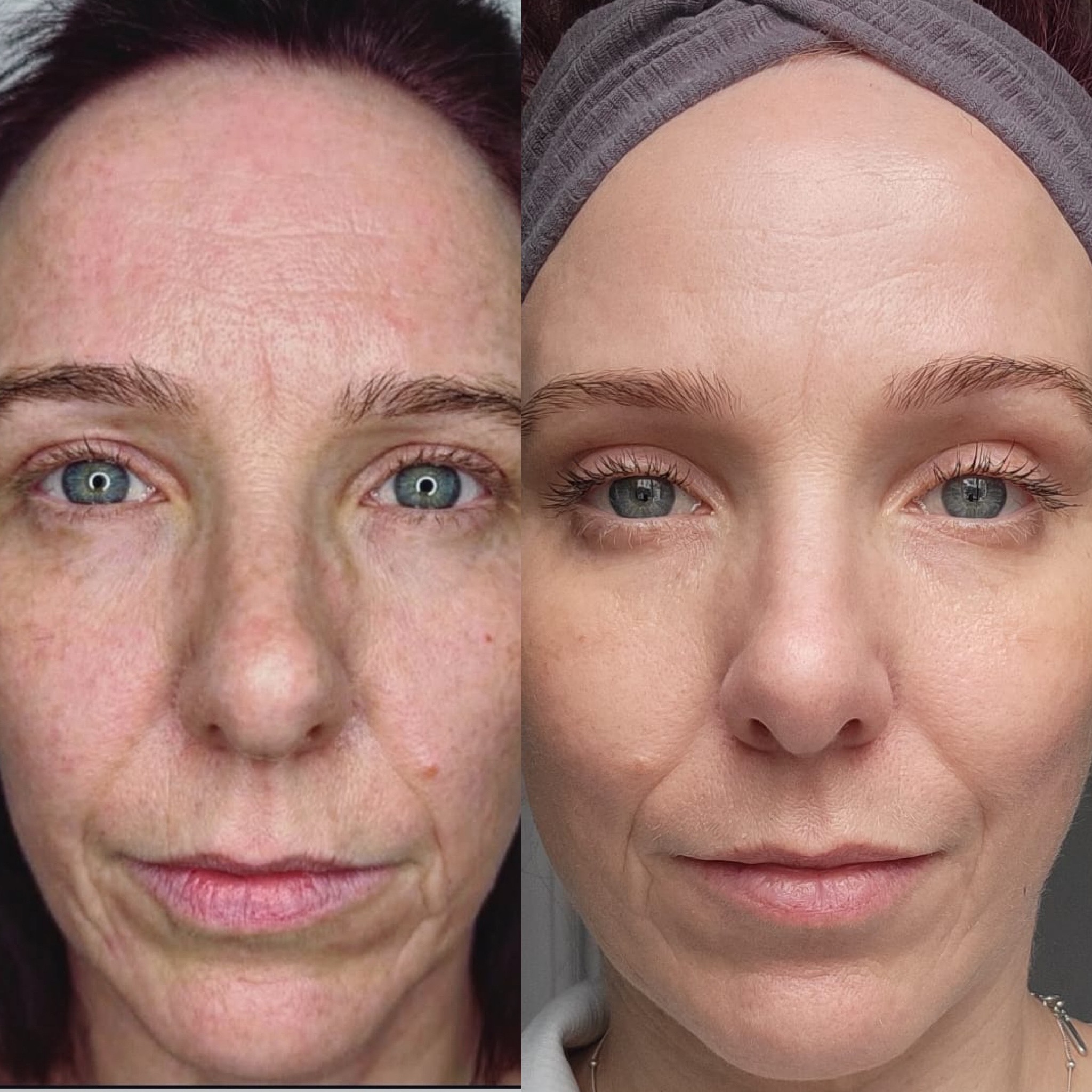
3 months after 1 medium energy treatment with Neogen. Courtesy of Plasmatology.
Neogen can be recommended for:
- Facial and neck laxity associated with Ozempic face
- Crepey or loose skin on the abdomen, upper arms, and thighs following significant weight loss
- People seeking skin regeneration rather than just surface improvement
- Those who want a single-treatment protocol with manageable downtime (typically 4-5 days of mild redness, similar to a mild sunburn)
Other Skin Tightening Technologies
Here are other skin-tightening technologies your doctor might recommend:
| Technology | How It Works | Typical Areas Treated |
| Radiofrequency (RF) | Delivers controlled heat to stimulate collagen contraction and gradual new collagen formation | Abdomen, arms, thighs, neck, jawline |
| Ultrasound-Based Tightening | Uses focused ultrasound energy to trigger collagen remodeling at deeper structural levels | Face, neck, jawline, brows |
| Laser Skin Tightening | Uses light energy to heat skin and encourage collagen renewal | Face, neck, small body areas |
| Microneedling | Creates controlled micro-injuries that activate the skin’s natural repair process (can be combined with RF) | Face, neck, décolletage, smaller body zones |
| Collagen Biostimulators | Injectable substances that prompt the body to gradually produce more collagen over time | Face, neck, selected body areas |
| Mechanical Stimulation / Vacuum-Based Therapy | Uses massage and suction to mobilize underlying tissue and enhance circulation | Abdomen, thighs, buttocks, arms |
Surgical Options for Excessive Loose Skin
For cases of excessive loose skin, which is common after massive weight loss, non-surgical approaches may not be enough. In these situations, body contouring surgery might be recommended because it directly removes excess skin.
Common procedures include:
- Tummy tuck (abdominoplasty) – removes excess abdominal skin and tightens the underlying muscles.
- Arm lift (brachioplasty) – addresses sagging skin on the upper arms, an area frequently affected after weight loss
- Thigh lift – removes skin folds from the inner or outer thighs
- Breast lift (mastopexy) – addresses volume loss and ptosis following weight loss
If you have excess skin and think that surgery might be a good option for you, talk to a healthcare professional. In some cases, body contouring surgery is not just cosmetic, since excess skin can cause many physical and mental health issues.

Can Loose Skin Affect Physical Health?
Loose skin after weight loss is often seen as a cosmetic issue, but in many cases, it can have real physical health implications, including infections, mobility issues, and hygiene difficulties.
Moisture, Friction, and Infections
When excess skin folds over areas like the abdomen, thighs, or arms, it creates an environment where moisture accumulates. Friction also becomes an issue. This can lead to skin irritation, chafing, and even persistent rashes.
In more severe cases, trapped moisture in skin folds can encourage bacterial or fungal infections. These infections can be uncomfortable, difficult to manage, and may require ongoing treatment if the excess skin remains.
Mobility and Daily Comfort Challenges
Significant amounts of loose skin can interfere with everyday movement. Extra skin may pull on surrounding tissues, causing discomfort during activities like walking, exercising, or even standing for long periods. For some individuals, this can reduce mobility and make it harder to maintain an active lifestyle.
In addition, loose skin can create a feeling of heaviness or imbalance, especially when it’s concentrated in one area such as the lower abdomen. This may even contribute to posture issues or mild musculoskeletal strain over time.
Hygiene and Skin Care Difficulties
It’s much more challenging to maintain proper hygiene if one has excess skin that creates deep folds. These areas require careful, consistent cleaning and thorough drying to prevent irritation and infection. Without proper care, sweat and bacteria can accumulate, leading to unpleasant odors and recurring skin problems.
These hygiene needs can quickly become a daily burden, especially for those with busy routines or limited mobility. This can also increase the risk of chronic skin conditions if not addressed consistently.
Impact on Physical Activity and Fitness
Loose skin can act as a barrier to exercise, both physically and psychologically. Physically, it may cause discomfort or pain during high-impact movements like running or jumping. The skin may pull, leading to irritation or even small tears in extreme cases.
As a result, some people avoid certain forms of exercise, which can slow down progress or make it harder to maintain weight loss. Over time, reduced physical activity can affect cardiovascular health, muscle strength, and overall well-being.
The Effects of Loose Skin on Wellbeing
Excess skin folds following major weight loss are associated with reduced quality of life, lower self-esteem, and interference with daily activities and social functioning. Some people feel socially isolated despite their incredible health achievements.
Many people experience a conflicted emotional response: pride over the achievement of weight loss, mixed with disappointment that the result doesn’t match the body they imagined.
These feelings are completely normal, but they can affect one’s mental health long-term. That’s why many people try to prevent loose skin, if possible. If not possible, there are many options to tighten loose skin after the weight is lost or to remove it altogether.
If loose skin after your weight loss journey is affecting your mental health, a few approaches that research suggests may help include:
- Connecting with others who have gone through a similar experience (in-person or online support groups)
- Working with a therapist or counsellor who specialises in body image
- Shifting your personal metrics from appearance to performance: what your body can do, rather than what it looks like
- Giving yourself time, as the skin continues to remodel for 12-24 months after reaching your ideal weight.
A Practical Timeline: What to Focus On and When
Your approach should evolve throughout your weight loss journey. Here is a general framework:
During active weight loss:
- Prioritise gradual weight loss (1-2 pounds/week)
- Maintain strength training 2-3x per week to preserve muscle mass
- Hit your protein targets daily
- Stay hydrated and eat for skin health
- Apply moisturiser and SPF daily
- Avoid smoking and excessive sun exposure
At or near goal weight:
- Continue resistance training and adequate protein intake
- Consider collagen supplements
- Assess the degree of loose skin after 6-12 months of weight stability
- Consult an aesthetic practitioner about non-surgical options like T-Shape 2 or Neogen if sagging skin remains
- Consult a plastic surgeon if excessive loose skin is affecting the quality of life or physical function
12+ months post-weight-loss:
- Skin continues to remodel naturally; give your skin time
- Non-surgical loose skin treatments can still produce results at this stage
- Surgical skin removal might be recommended if there is excessive lax skin
Frequently Asked Questions
How to avoid loose belly skin when losing weight?
To avoid loose belly skin when losing weight, try to lose weight gradually, build muscle through strength training, stay well-hydrated, eat enough protein, and support skin health with nutrients like vitamin C. These steps can help minimize loose skin but may not prevent it completely. If you do have some sagging skin, you can try to tighten belly skin with professional treatments like T-Shape 2, Neogen, or other skin-tightening technologies.
How do you keep the skin tight while losing weight?
To keep the skin tight while losing weight, focus on slow, steady weight loss, resistance training, which helps maintain muscle mass, proper hydration, and a balanced diet. Skincare and treatments may help, but skin tightening is largely influenced by elasticity and genetics.
Will losing 50 pounds cause saggy skin?
Losing 50 pounds can cause saggy skin, especially if the weight loss is rapid or if skin elasticity is lower. Some people experience mild sagging, while others may have more noticeable loose skin, depending on individual factors.
Can you avoid loose skin if you lose weight really slowly?
Losing weight slowly can reduce the risk of loose skin by giving your skin more time to adapt, but it does not guarantee that you’ll have no loose skin whatsoever, especially after significant weight loss or if you’re older, since the skin becomes less elastic as we age.
Is it possible to lose 100 lbs without loose skin?
It is unlikely to completely avoid loose skin after a 100-pound weight loss. However, younger individuals with good skin elasticity and gradual weight loss may experience less noticeable sagging.
Can you completely avoid loose skin when losing weight?
Sometimes, you cannot completely avoid loose skin when losing weight. It depends on how much weight you lose, how quickly you lose it, your age, genetics, and other factors outside your control. However, there is significant evidence that gradual weight loss, strength training, adequate protein intake, and healthy habits can meaningfully reduce the risk of developing loose skin while losing weight. The question is not whether you can guarantee zero loose skin, but whether you can give your skin the best possible conditions to remodel.
Does saggy skin after weight loss ever go away?
Mild loose skin often improves over 12-24 months as collagen remodels naturally. The degree of improvement depends on age, the amount of weight lost, and skin health generally. For more significant loose skin, professional interventions are often needed.
Will I have loose skin if I go from 170 to 130 pounds?
If you go from 170 to 130 pounds, you might have some loose skin, but it’s not guaranteed. It depends on factors like age, genetics, how quickly you lose weight, and skin elasticity. A 40-pound loss may result in minimal to moderate skin laxity, especially around the abdomen.