You cannot fully spot reduce arm fat, but you can make flabby arms slimmer and more toned by lowering overall body fat, strengthening your upper arms, and, if needed, adding professional treatments such as radiofrequency devices like T-Shape 2.
All of this should be done gradually, with a safe calorie deficit, regular exercise, and realistic expectations, and it should never replace personalized advice from a qualified health or aesthetics professional.
As such, if you want to learn how to get rid of flabby arms, keep reading to learn everything you need to know about this!
Disclaimer: This article is provided for informational and educational purposes only. The information presented here is not a substitute for professional medical evaluation, consultation, or care and should not be relied upon to make health-related decisions. Always consult a qualified and licensed medical or aesthetic professional before undergoing any cosmetic or aesthetic procedure.
Quick Answer: How to Get Rid of Flabby Arms
You cannot spot reduce arm fat, but you can make flabby arms look slimmer and more toned by lowering overall body fat, building muscle in the arms and shoulders, and supporting skin health.
The most effective method is to combine the following: a moderate calorie deficit, regular strength training (especially for the triceps and biceps), getting enough protein, and consistent physical activity.
If loose skin or mild skin laxity is the main concern, some people also explore non-invasive treatments such as radiofrequency devices like T-Shape 2. Results vary depending on age, genetics, body composition, and whether the issue is fat, low muscle mass, or excess skin.
Flabby Arms: What Does It Mean?
When people say they have flabby arms, they usually have a mix of extra fat, looser skin, and less muscle definition around the upper arms.
Flabby arms are usually linked to:
- Higher overall body fat or being overweight
- Significant weight loss that leaves loose skin
- Natural changes with age, such as lower collagen and elastin in the skin
- Genetics (where your body tends to store fat)
- Low activity levels and little upper‑body exercise
- Hormonal changes, especially for women who are in perimenopause or menopause
Why Are My Arms Flabby Even Though I’m Not Overweight?
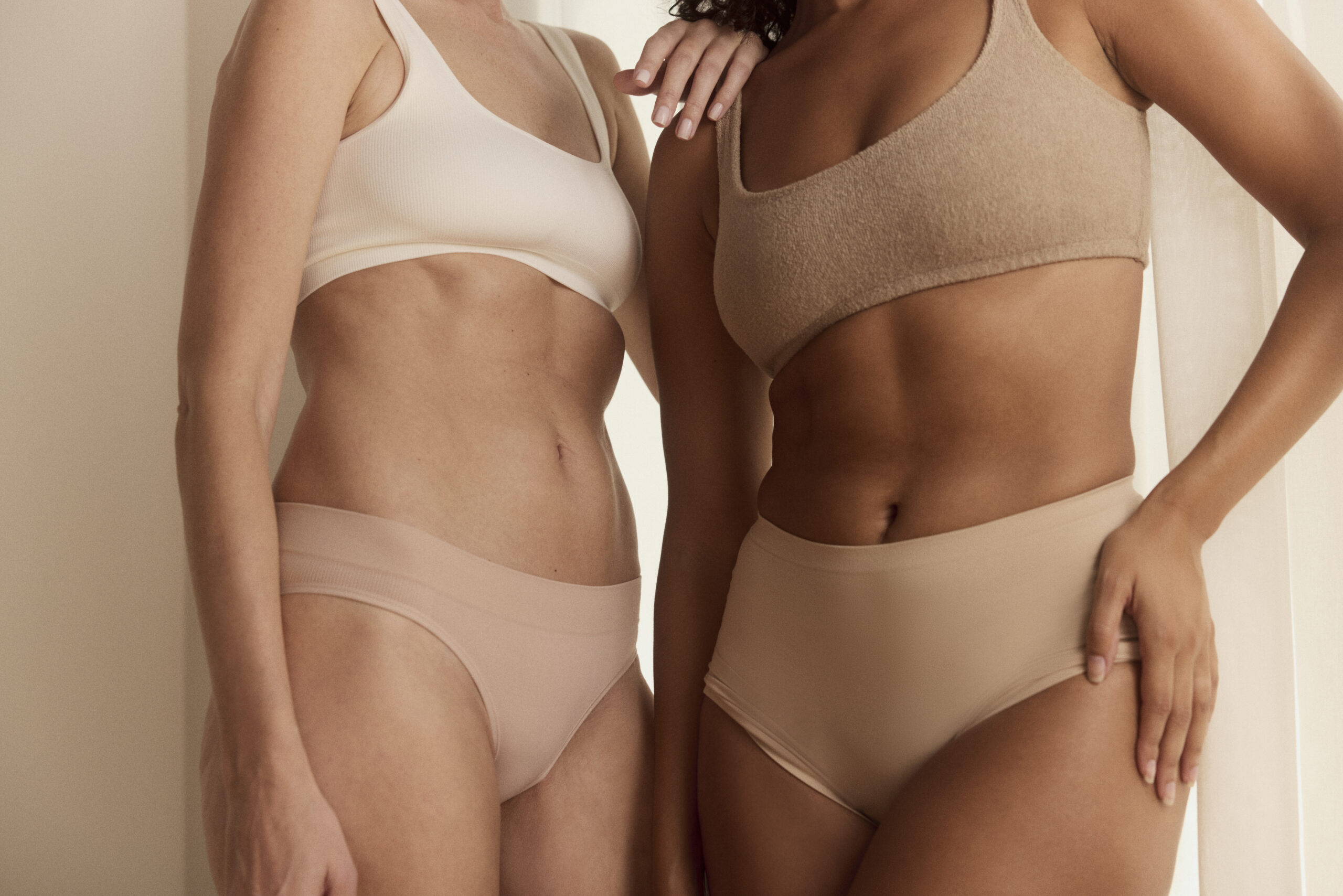
You can have flabby arms even if you’re not overweight if you:
- Have low muscle mass, because even if body fat is not high, less muscle underneath the skin can make the arms appear softer.
- Have a genetic predisposition, because genetics influence where the body naturally stores fat; some people tend to carry more fat in the upper arms, hips, or abdomen regardless of their overall weight.
- Are in your 40s or 50s, because as we age, muscle mass gradually declines and the skin produces less collagen and elastin; this can reduce firmness and make the upper arms appear looser.
- Have lost weight rapidly, because after losing weight, the skin may not fully retract, especially if weight loss happened quickly or the weight had been carried for many years.
- Are dealing with hormonal changes, since they can affect fat distribution, muscle maintenance, and skin elasticity.
Can You Spot Reduce Arm Fat?
We cannot spot reduce arm fat because we cannot choose exactly where our body loses fat. This has actually been confirmed in a study published in 2007. The participants trained only their nondominant arm, and the authors did not find more fat loss specifically in the trained arm.
Instead, losing weight comes from lowering overall body fat through calorie deficit, movement, and strength training. You can build muscle in the biceps, triceps, and shoulders to improve tone and shape while overall body fat slowly goes down.
How to Reduce Flabby Arms: A Step-by-Step Guide
Step 1: Create a Gentle Calorie Deficit
To lose arm fat and other stubborn fat areas, your body needs to use more energy than it takes in over time. Health agencies call this a calorie deficit and recommend that it be moderate, not extreme, calculated based on each and everyone’s needs. The goal would be to lose around 1-2 pounds per week and eat a nutritious diet that supports healthy weight loss.
Here are some general recommendations:
- Focus your diet on vegetables, fruits, whole grains, lean protein, and healthy fats.
- Limit highly processed foods and sugary drinks that are easy to overeat.
- Increase protein intake with sources like poultry, fish, tofu, and legumes to preserve lean muscle mass during a calorie deficit.
- Avoid crash diets that promise very fast weight loss, as they can make it harder to maintain weight loss and may worsen loose skin.
Because factors like age, gender, and activity level influence how many calories you need, you can use tools that estimate basal metabolic rate (BMR) and daily needs for a starting point. However, they are not a substitute for a nutrition professional.
Step 2: Strength Training for Your Upper Arm Fat
Strength training is one of the most effective ways to tone flabby upper arms because it helps build muscle and improve firmness.
When you gain muscle in your upper arms, the arms tend to look firmer, they jiggle less, and sleeveless tops or short sleeves often feel more comfortable to wear, even before you notice more changes in body fat. So, even if you can’t rely on spot reduction to reduce arm fat, you can still train your arms regularly to build muscle.
For most generally healthy adults, you can try:
- Strength training at least 2 days per week
- Training all major muscles (including arms and shoulders)
- 1-3 sets of 8-12 controlled repetitions per exercise
A simple routine could be:
- 2-3 non‑consecutive days per week (for example, Monday; Wednesday; Friday)
- 5-8 movements that work the arms, chest, back, and shoulders
- At least one full day of rest between strength days to let muscles recover
If you are new to lifting weights or have health issues, a trainer or physiotherapist can help check your starting position, arm alignment, and elbow and shoulder safety.
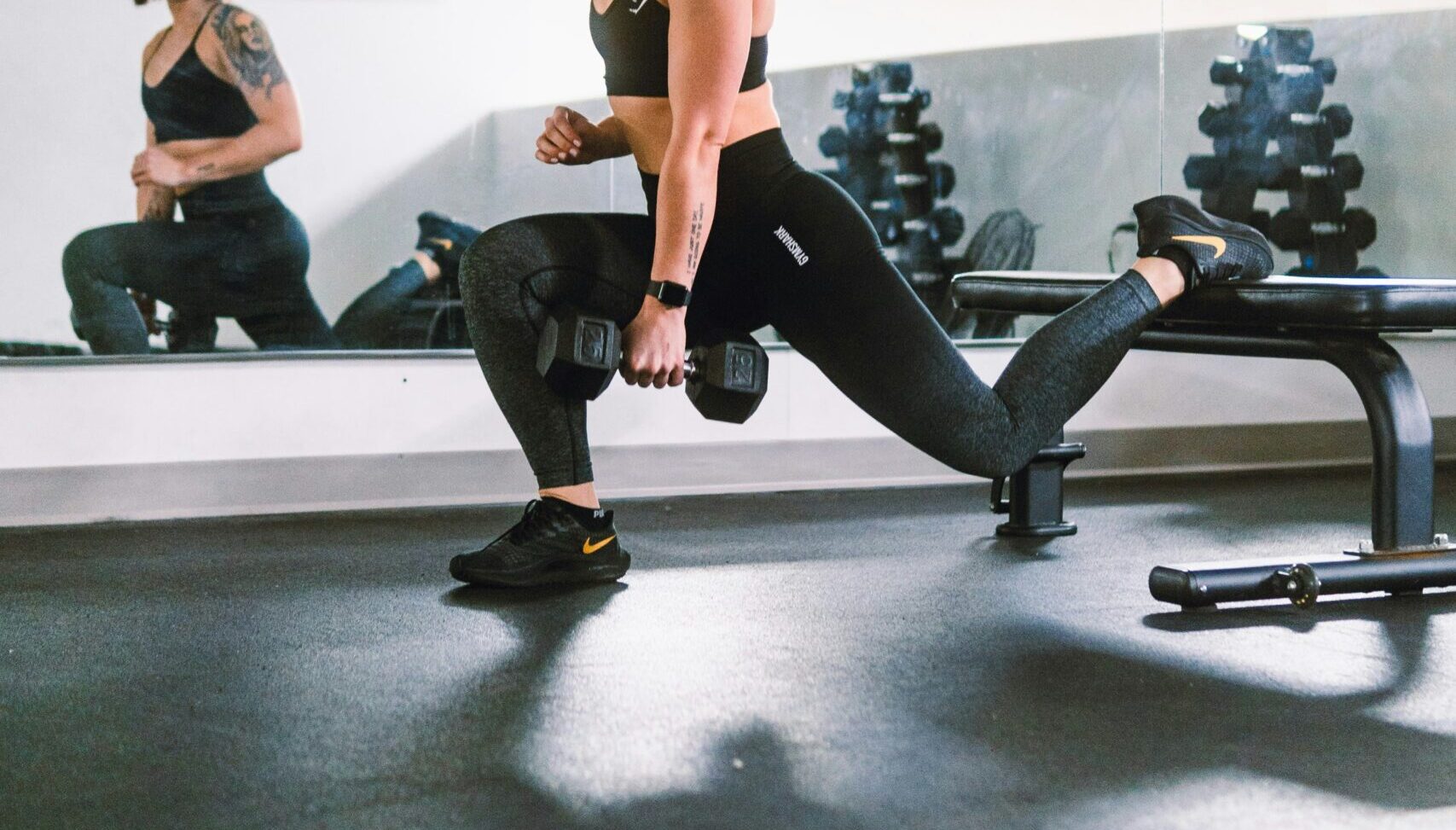
See below for some popular arm exercises.
Step 3: Add Regular Cardio and Daily Movement
Cardio alone will not melt arm fat directly, but it can help reduce overall body fat and support heart health.
It is generally recommended to aim for:
- At least 150 minutes per week of moderate‑intensity activity (for example, brisk walking)
- Plus 2 or more days per week of muscle‑strengthening exercise
You can try walking, cycling, swimming, or classes that keep you moving continuously. Just find something that works for you – it can even be dancing, if that’s what you enjoy!
Step 4: Understand the Role of Skin and Age
Even with lower body fat and stronger muscles, some people still notice loose skin on the upper arms. This is very common because with age, collagen and elastin production declines, often starting in the mid‑20s and continuing each year. And this makes our skin less strong and less able to adapt to body changes quickly. Loose skin can also be caused by large or repeated weight loss, as well as prolonged sun exposure, smoking, and hormonal changes, all of which affect collagen and elastin production.
Lifestyle changes (not smoking, using sun protection, eating nutrient‑dense foods, and staying hydrated) support overall skin health. Mild lax skin might tighten on its own over the years. But even though these lifestyle habits are very good for your overall health and should be prioritized, they will not remove excess skin or improve moderate to severe laxity.
Upper-Arm Workout Exercises
To build muscle definition in the arms, focus on triceps and biceps through exercises such as tricep dips, kickbacks, bicep curls, and push-ups.
Below are some popular exercises that target the upper arms and surrounding muscles. Always move in a slow, controlled way and stop if you feel pain. If you have any health issues, talk to a specialist before trying any new exercises.
1. Dumbbell Biceps Curl
Bicep curls are a great exercise that tones and strengthens the front of the arms. It’s typically performed with dumbbells by curling the weights towards the shoulders.
- Targets: biceps and front of arms.
- Starting position: Stand with feet under your hips, a light pair of dumbbells in your hands, arms straight at your sides, palms facing in.
- Keep your elbows close to your body.
- Slowly curl the weights up toward your chest, then lower back to the starting position.
2. Triceps Kickback
Tricep kickbacks can help strengthen the triceps, which are often associated with flabby arms. All you have to do is extend the weights back while keeping the elbows close to the body.
- Targets: back of the upper arms (triceps).
- Starting position: Hinge slightly forward at the hips with a neutral spine, holding one dumbbell in each hand.
- Bend your elbows to about 90 degrees.
- Keeping your upper arms close to your body, lift and extend the arms straight back, then return to the bent position.
3. Triceps Dip (Bench or Chair)
- Targets: triceps, shoulders, and chest.
- Sit on a stable chair or bench with your hands next to your hips, fingers facing forward.
- Slide your hips forward off the edge and bend your elbows to lower your body toward the floor, then push back up to arms straight.
- Dips can put stress on the shoulders, so people with shoulder problems should ask a professional before using them regularly.
4. Push‑Up (on Floor or Wall)
- Targets: chest, shoulders, back, and arms.
- Starting position: Hands under shoulders, body in a straight line from head to legs, either on toes or knees.
- Bend your elbows to lower your chest toward the floor, then push back up to arms straight.
5. Serve the Platter
- Targets: biceps, shoulders, chest
- Starting position: Stand with your arms at your side and bend the elbows at 90 degrees.
- Reach the arms forward, straighten them as if serving a platter, then move them sideways in a T position. Move them back to the center, and then towards you to the starting position.
Non‑Invasive Treatments for Arm Fat and Loose Skin
There are several non-invasive technologies that can help get rid of flabby arms. However, they are usually meant for local fat bulges and mild‑to‑moderate laxity, not for major weight loss.
Cryolipolysis (Fat Freezing) for Arms
Cryolipolysis uses controlled cooling to damage fat cells under the skin, which the body then gradually clears. Studies suggest that cryolipolysis appears to be safe in the short term and has a limited side effect profile.
The procedure usually takes around 35 minutes per application, although clients might need multiple applications to cover a larger area. The procedure is not considered painful, but you might feel some mild pinching, and it has no downtime. Side effects might include redness, bruising, tingling, and numbness.
Radiofrequency
Radiofrequency (RF) devices heat the deeper skin and subcutaneous tissues, which may stimulate collagen and improve mild laxity, sometimes with small reductions in circumference.
These treatments may be an option if your main concern is mild laxity and tone, rather than large amounts of fat. They are not painful and require no downtime. Several procedures might be required to notice results, although keep in mind that radiofrequency usually does not cause immediate tightening. It takes several months to notice visible results from new collagen and elastic production.

Before and after 1 treatment with T-Shape 2.
T-Shape 2
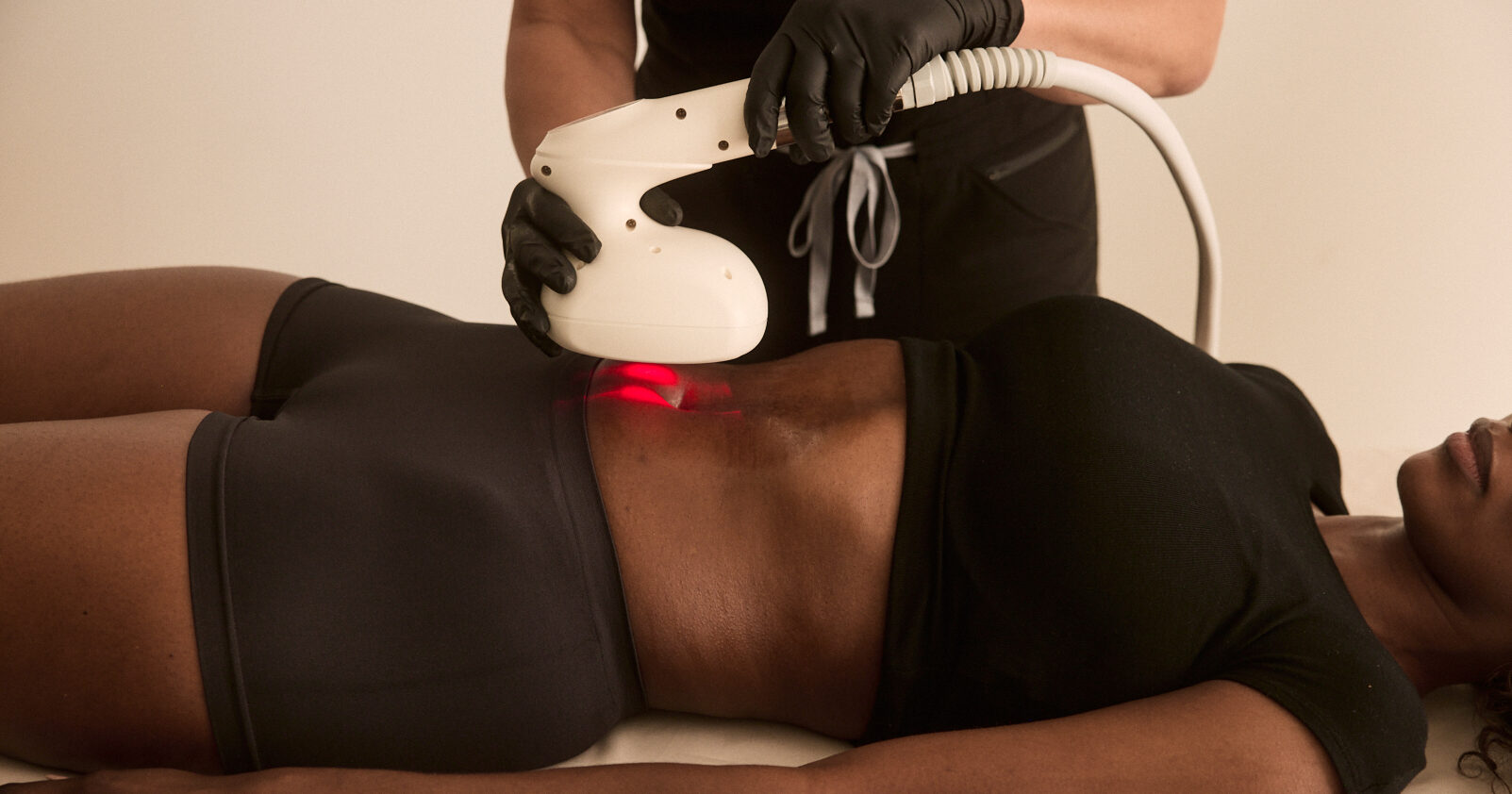
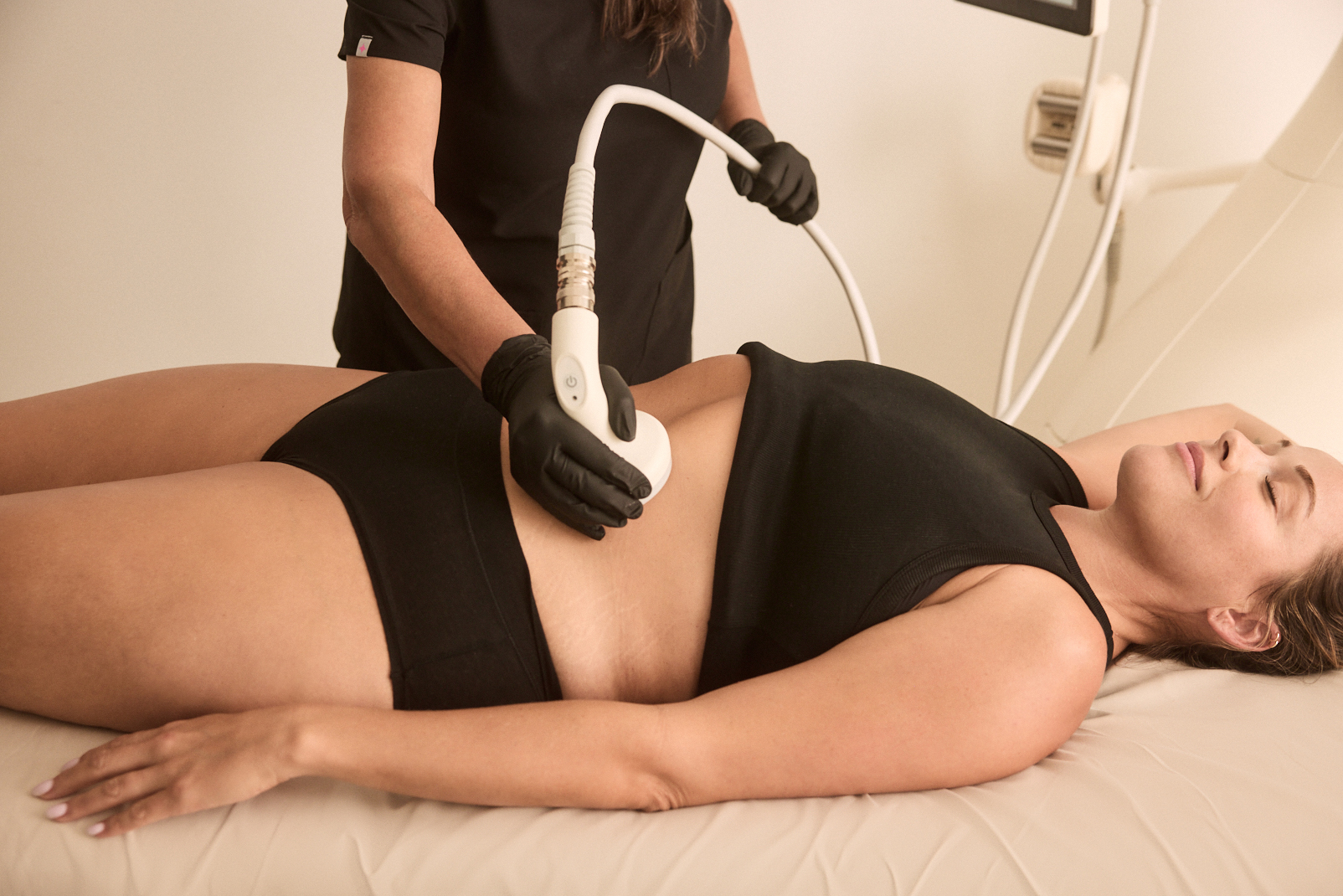
T-Shape 2 is a non‑invasive device that combines bipolar radiofrequency, low‑level laser (LLLT), endodermic massage with suction, and mesospheric activation. Combined, these technologies can help sculpt your arms, boost collagen and tighten skin, stimulate lymphatic flow, tone underlying muscles, and smooth dimpling.
T‑Shape 2 is FDA‑cleared for cellulite reduction, improved circulation, and relief of minor muscle pain and spasms. Clinical studies have shown significant improvements with T-Shape 2. Participants noticed an 80% improvement rate in targeted areas. After 10 treatments, they observed:
- 23% increase in muscle tissue-to-fat ratio
- 2 cm average reduction in abdomen circumference
- 10% improvement in skin tone and laxity
- 14% increase in rectus abdominis muscle tissue thickness
It is important to remember:
- T‑Shape 2 and similar devices are not a substitute for a healthy diet and exercise.
- They are not a treatment for obesity and do not replace surgery when there is very loose skin.
- Results can vary; a consultation with a qualified provider can help you understand realistic outcomes and routine session plans.
Surgical Options for Severe Flabby Arms
When flabby arms are caused by significant loose skin after major weight loss, non‑invasive methods may not be enough.
In those cases, plastic surgeons may suggest liposuction alone or combined with brachioplasty (arm lift).
Because these are major procedures, they are usually considered only when flabby arms are causing a strong functional or cosmetic concern and when non‑surgical options are not enough.
How Long Does It Take to Tone Flabby Arms?
Results vary from person to person depending on starting body composition, age, diet, activity levels, and consistency.
As a general estimate, here’s how long it takes to tone flabby arms:
| Goal | Approximate timeline |
| Strength improvements | 2-6 weeks |
| Improved muscle tone | 6-12 weeks |
| Visible body fat reduction | Several weeks to several months |
| Skin tightening changes | Several months |
FAQs
How to get rid of flabby arms after weight loss?
To get rid of flabby arms after weight loss, try resistance training, make sure you’re eating enough protein, and be patient, as the skin needs time to adapt. If you have moderate or severe loose skin, time and exercise likely won’t tighten the skin. You can try talking to a healthcare professional about non-invasive aesthetic procedures or surgical procedures to remove the excess skin.
How to get rid of flabby arms over 60?
To reduce flabby arms over 60, focus on maintaining muscle mass, staying physically active, eating enough protein, and supporting overall skin health.
Resistance training is especially important because adults naturally lose muscle with age. Training the arms, shoulders, chest, and back two or more times per week may help improve firmness and strength. Regular walking or other aerobic activity can also support overall body composition.
If loose skin is a major concern, lifestyle changes may improve skin quality, but usually cannot fully remove significant excess skin.
Can flabby arms be toned?
Yes, flabby arms can often become more toned, but the process depends on what is causing them. If the issue is mostly low muscle mass, strength training can improve arm definition. If excess body fat contributes, reducing overall body fat may help. If loose skin is the main issue, exercise may improve underlying muscle, but it may not fully tighten the skin.
How to get rid of bat wings on your arms?
To get rid of bat wings on your arms, try strength training for the triceps, shoulders, chest, and back, reducing overall body fat if appropriate, eating enough protein to support muscle maintenance, and supporting skin health through lifestyle habits. If the concern is significant loose skin, talk to a healthcare professional about non-invasive aesthetic procedures or surgical options.
How long does it take to firm up flabby arms?
The time needed to firm up flabby arms depends on body fat levels, muscle mass, age, genetics, skin elasticity, and training consistency. As a general guide:
- Strength improvements may appear within 2-6 weeks
- Early changes in muscle tone may appear in 6-12 weeks
- Visible body fat reduction often takes several weeks to months
- Skin tightening changes may take several months
What causes flabby arms?
Flabby arms are usually caused by one or more of the following factors:
- Higher overall body fat
- Reduced muscle mass or low upper-body strength
- Loose skin after weight loss
- Natural aging and reduced collagen and elastin production
- Genetics and natural fat distribution
- Low physical activity levels
- Hormonal changes
- Repeated weight gain and weight loss