Everyone has textured skin. That’s inevitable, especially as we age. Enlarged pores, acne scarring, wrinkles… They’re all part of the skin’s natural process of changing over time. Despite the social media filters and the flawlessly edited photos you see online, perfectly smooth, poreless skin doesn’t really exist.
That said, textured skin can sometimes become more noticeable. Dead skin cell buildup, clogged pores, or sun damage, among others, can exaggerate unevenness. When this happens, you can’t fix your skin, but you can absolutely support its health. Over time, this can help reduce the appearance of textured skin.
As such, in the following sections, we’ll explain what causes uneven skin texture and how to get rid of textured skin—or, better said, how to support your skin’s health!
Disclaimer: This article is intended for informational and educational purposes only. It does not constitute medical advice, diagnosis, or treatment, and should not be relied upon as a substitute for professional medical guidance.
Quick Answer: How to Get Rid of Textured Skin?
You can improve the appearance of textured skin by combining gentle cleansing, regular exfoliation (1-3 times per week), proper hydration, and daily sunscreen use. This can help support healthy skin cell turnover. For stubborn or deeper texture caused by acne scarring, sun damage, or collagen loss, you should seek professional care. You may be a good candidate for treatments like chemical peels, radiofrequency, T-Shape 2 procedures, or laser therapies.
What Causes Textured Skin?
Textured skin can be caused by aging, dead skin buildup, clogged pores, acne scarring, sun damage, dehydration, skin conditions, and even health issues.
Uneven skin texture refers to the bumps, rough patches, flaky skin, enlarged pores, or shallow scars that you can see or feel. This bumpy skin texture is different from pigmentation issues like redness or dark spots, though texture issues and uneven skin tone sometimes occur together.
Textured skin can develop because of:
- Dead skin cell buildup. As your skin ages, cell turnover (the body’s natural process of producing new skin cells) slows from about 28 days in your youth to 45+ days after age 50. Without proper exfoliation, those dead cells pile up, and the skin starts looking dull and having rough patches.
- Clogged pores and acne. When excess oil mixes with dead skin cells, the pores become blocked. This creates blackheads, whiteheads, and inflammatory bumps that can clog pores further. Post-acne scarring can contribute to this unwanted effect.
- Sun damage. Chronic UV exposure contributes to roughly 90% of visible (often premature) aging signs and changes in the skin, according to the Skin Cancer Foundation. UV rays induce oxidative stress and break down collagen. Over time, this causes rough skin, enlarged pores, and a crepey, uneven surface.
- Dehydration and barrier damage: Harsh cleansers and over-exfoliation, for example, can damage the skin barrier.
- Skin conditions. Keratosis pilaris, for instance, causes excess keratin buildup. This creates small bumps on arms and thighs. Eczema and psoriasis, on the other hand, cause scaly, uneven patches.
- Aging. Starting in your late 20s, your skin texture changes. Collagen production decreases by about 1% annually. This slower repair process makes the uneven texture more noticeable with each passing year.

Where Does Textured Skin Show Up on the Face and Body?
Skin texture issues can appear anywhere you have hair follicles and oil glands—essentially, most of your body.
On the Face
The most common problem zones on the face include:
- Cheeks: where pores tend to be more visible and congestion builds
- Nose and T-zone: excess oil production creates rough skin texture and blackheads
- Chin: hormonal breakouts often leave behind uneven texture
- Forehead: dead skin and product buildup can make this area feel rough
On the Body
The most common problem areas on the body include:
- Back and shoulders: body acne and resulting scars create an uneven surface
- Chest: sun exposure leads to roughness and visible damage over time
- Upper arms and thighs: keratosis pilaris (those small “chicken skin” bumps) affects up to 50-70% of adolescents and 40% of adults, according to the British Association of Dermatologists
- Elbows and heels: thick, rough patches from friction and dryness
Clothing friction, sweat, and neglecting to exfoliate regularly on the body can worsen texture issues. But also keep in mind that facial skin and body skin often need different product strengths. Your face typically requires lighter, non-comedogenic formulas, while your body can handle richer creams or stronger acids.
How to Get Rid of Textured Skin on the Face: Step-by-Step Skincare Routine
A consistent, simple skincare routine over 8-12 weeks can visibly soften mild to moderate texture. The key is patience and not overwhelming your skin with too many products at once. Moreover, be sure to patch-test any products before use and change only one variable at a time. This helps you identify what works and what causes irritation.
As such, here’s a skincare routine you can try to get rid of textured skin.
Step 1: Gentle Daily Cleansing
Most people do well cleansing twice daily. But if your skin is very dry or sensitive, your dermatologist may suggest a full cleanse at night and only a gentle rinse in the morning.
A gentle cleanser can remove oil, sweat, pollution, and makeup. All of these contribute to clogged pores and rough texture if left on the skin for too long. But you’ll have to choose the cleanser carefully, so it matches your skin type:
- Oily/combination skin: Look for gel or foaming cleansers that remove excess oil without stripping
- Dry/sensitive skin: Choose cream or milk cleansers that maintain moisture
Try to avoid:
- Cleansers with high alcohol content
- Strong fragrances that can irritate and damage the skin barrier
- Harsh scrubs as your primary cleanser
- Scrubbing tools, as they can create micro-tears
To clean your face, use lukewarm water and massage your face gently for 30-60 seconds with your fingertips.
Step 2: Exfoliate the Right Way (1-3 Times a Week)
Exfoliation is very important if you want to get rid of rough patches. Exfoliation basically removes the dead skin cells, keeps the skin healthy, and promotes a smoother skin texture.
There are two types of exfoliants: physical exfoliants (scrubs with particles or cleansing brushes) and chemical exfoliants (acids like AHA-, BHA-, or PHA-based serums, toners, or cleansers that dissolve dead skin).
You can try both to see which one works better. But you’ll have to be extra careful with physical exfoliants, as they can damage the skin if used too aggressively. If you’re using chemical exfoliants, you’ll have to make sure they’re not too harsh for your skin, especially if you have sensitive skin.
How to use chemical exfoliants:
- Start with 1-2x per week at night with a low concentration exfoliant (PHA is preferred for sensitive skin)
- Apply to clean, dry skin before other treatments
- Increase to 3x weekly if your skin tolerates it well
Don’t over-exfoliate—if it happens, you may notice persistent redness or stinging, unusual peeling or flaking, or a burning sensation after application. If you notice these, stop using the exfoliant immediately and focus on restoring your skin barrier with gentle hydration.
Step 3: Other Skincare Products
Once cleansing and gentle exfoliation are in place, it’s time to apply other skin-supporting products, such as:
- Retinoids, which increase skin cell turnover and boost collagen production
- Niacinamide, which reduces redness, regulates excess oil, and supports overall skin health and barrier function
- Serums, especially vitamin C serums, as they brighten the skin and even out skin tone
- Moisturizers with hyaluronic acid, glycerin, or ceramides, which hydrate and restore the skin’s natural barrier
- SPF creams (SPF 30 or higher) to protect your skin from sun damage
How to Make Textured Skin Look Smoother with Makeup
Makeup can’t completely hide uneven skin texture, but it can help you minimize its appearance when your skin is properly prepped. Here’s how you can make textured skin look smoother with makeup.
Prep: Hydrate and Prime
Never apply makeup on dry, flaky skin, as it will only make the uneven texture more noticeable. Proper prep makes all the difference”
- Apply a hydrating, non-greasy moisturizer 10-15 minutes before makeup
- Let it fully absorb before moving on
- Use a primer formulated to blur pores and fine lines
Base: Foundation & Concealer
Foundations with a lightweight, buildable texture are the best for textured skin. They’ll glide smoothly over the skin without settling into uneven areas.
Here’s how you can apply your foundation to make textured skin look smoother:
- If some areas are red or discolored, use a lightweight color corrector before applying foundation.
- Use a damp sponge to press foundation into the skin gently.
- Apply the foundation in thin layers.
- Avoid heavy buffing motions that lift dry flakes.
- Spot-conceal only where needed (blemishes, redness) instead of layering coverage everywhere.
Finish: Setting Without Emphasizing Texture
- Use a finely milled, translucent powder
- Apply with a small, fluffy brush only where needed (T-zone, around nose)
- Try setting sprays with a soft-focus or hydrating finish to help powders melt into skin
- Avoid heavy glittery highlighters on bumpy areas
- Place subtle sheen highlighters only on smoother zones (cheekbone tops, brow bone)
How to Improve Textured Skin on the Body
Body skin is thicker than facial skin and can generally handle stronger formulas. The approach is similar but adjusted for larger surface areas and different concerns. Here’s what you can try to improve textured skin on the body.
Body Exfoliation: Scrubs vs. Acids
Chemical exfoliation is usually more effective (and safer) for the body than harsh scrubs.
Here are some exfoliants that usually work best for body texture:
- Lactic acid – smooths and hydrates at the same time
- Glycolic acid – improves rough texture and dullness
- Salicylic acid – ideal for bumps, clogged pores, or body acne
Use exfoliating products 2-4 times per week, not daily. If you exfoliate daily, it will do more harm than good, as daily exfoliation often leads to irritation, which increases roughness over time.
Hydrate and Protect Body Skin
Dehydrated skin exaggerates texture. If you exfoliate perfectly but don’t hydrate your skin, it will still look rough and uneven.
Apply moisturizer within 3 minutes of showering, when you skin is slightly damp. This traps water in the skin barrier and improves smoothness noticeably.
Look for body moisturizers with:
- Urea (5-10%) – softens rough, thickened skin
- Glycerin or hyaluronic acid – pulls water into the skin
- Ceramides – repair the skin barrier so texture doesn’t come back as fast
If your moisturizer absorbs instantly and the skin still feels tight, it’s probably too light.
Adjust Your Shower Habits
Avoid long, hot showers, as they strip the skin barrier and can worsen texture over time, even if you moisturize afterward.
So, try to use lukewarm water while showering and limit your showers to 10 minutes. Moreover, choose non-foaming, fragrance-free body cleaners and avoid loofahs and aggressive scrubbing tools.
Don’t Forget About Sunscreen
Many people use sunscreen on their faces to avoid wrinkles and texture issues and forget to apply it to exposed body areas as well. But UV rays have the same effect on body skin as they have on face skin: they have an oxidative effect and disrupt normal cell turnover. Therefore, use SPF 30+ daily on exposed areas.
How to Get Rid of Textured Skin: Professional Treatments
More and more people nowadays rely on professional treatments to improve the appearance of their skin. Most of them are non-invasive or minimally invasive and work by stimulating the body’s natural collagen production.
Here are some professional treatments you can try to get rid of textured skin.
Radiofrequency
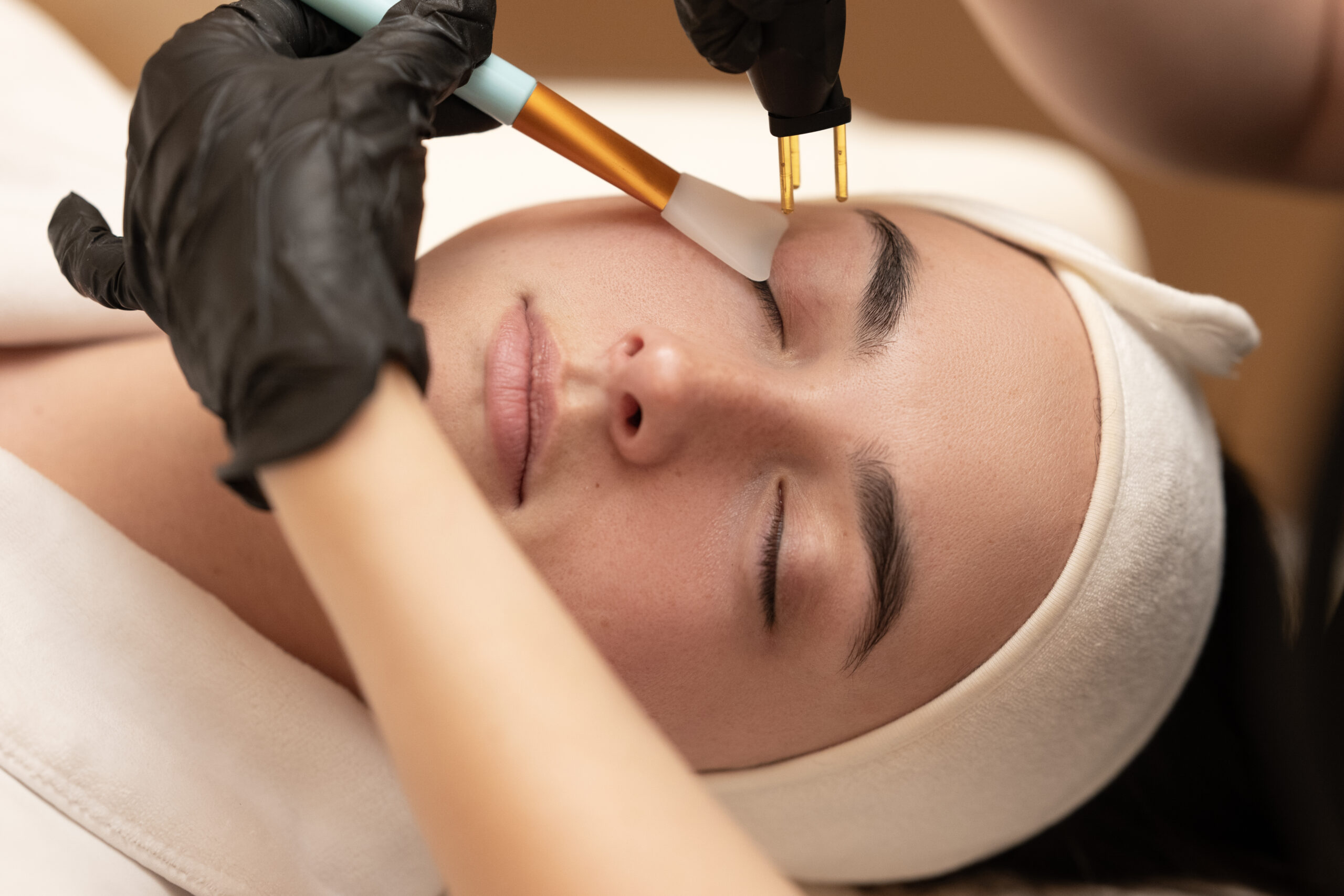
Radiofrequency (RF) therapies are among the most widely used energy-based procedures for improving skin texture and firmness. They work by delivering controlled heat deep into the skin, which stimulates the production of collagen and elastin that give skin a smoother, more resilient structure.
Here are some radiofrequency procedures you can try:
- Traditional RF: non-invasive devices that deliver heat using radiofrequency only; suitable for face, arms, abdomen, thighs, and other body areas.
- RF microneedling: a hybrid approach that uses tiny needles to deliver radiofrequency energy directly into deeper layers of the skin. This combines micro-injury + heat stimulation to accelerate collagen remodeling. It can be useful for deeper texture issues, scars, or mild laxity.
- Combined technologies: RF can be used in combination with other technologies (see below)
T-Shape 2: Multimodal Body Contouring + Skin Smoothing
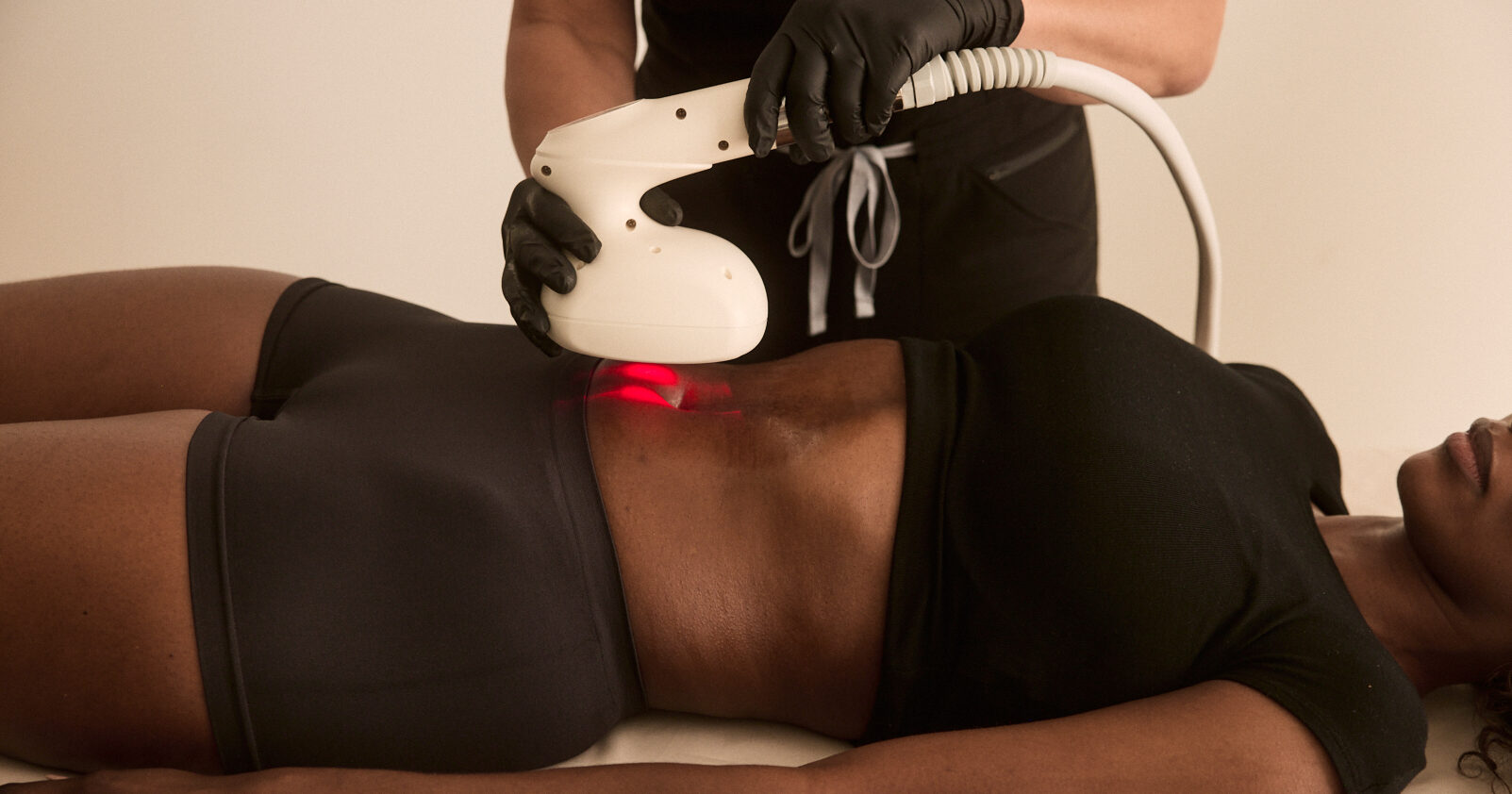
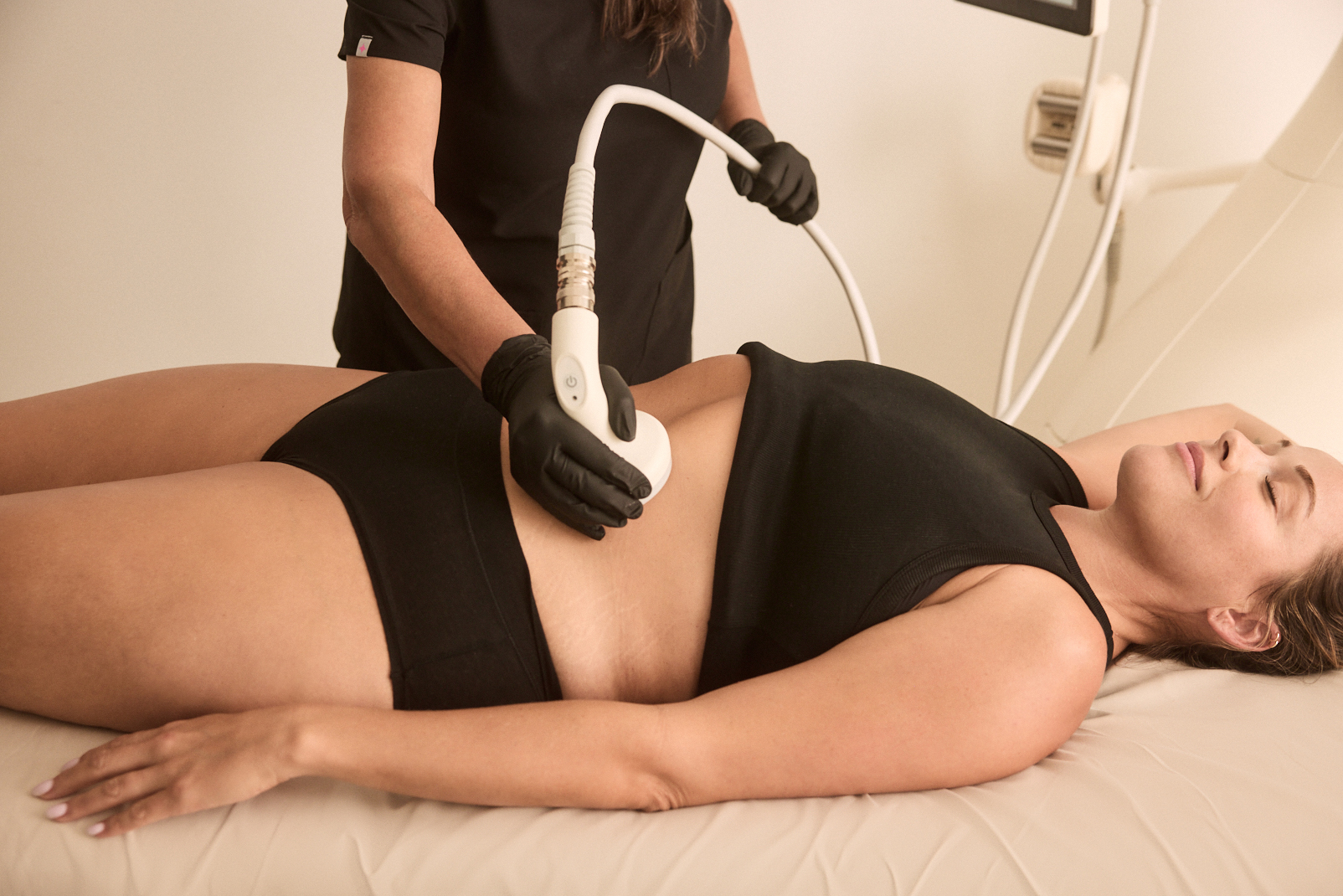
T-Shape 2 is a machine that combines several technologies to address not just surface texture, but the underlying tissue structure that contributes to uneven skin appearance.
T-Shape 2 incorporates:
- Bipolar radiofrequency, which heats deeper connective tissues to stimulate collagen and elastin production and improve firmness and textural smoothness.
- Low-Level Laser Therapy (LLLT), which targets stubborn fat to support contouring and metabolism.
- Endodermic massage with suction, which is a mechanical stimulation that can help promote lymphatic drainage and circulation; this can reduce fluid retention and may help reduce the dimpled appearance associated with cellulite.
- Mesospheric activation, which can help tone underlying muscles and promote circulation.
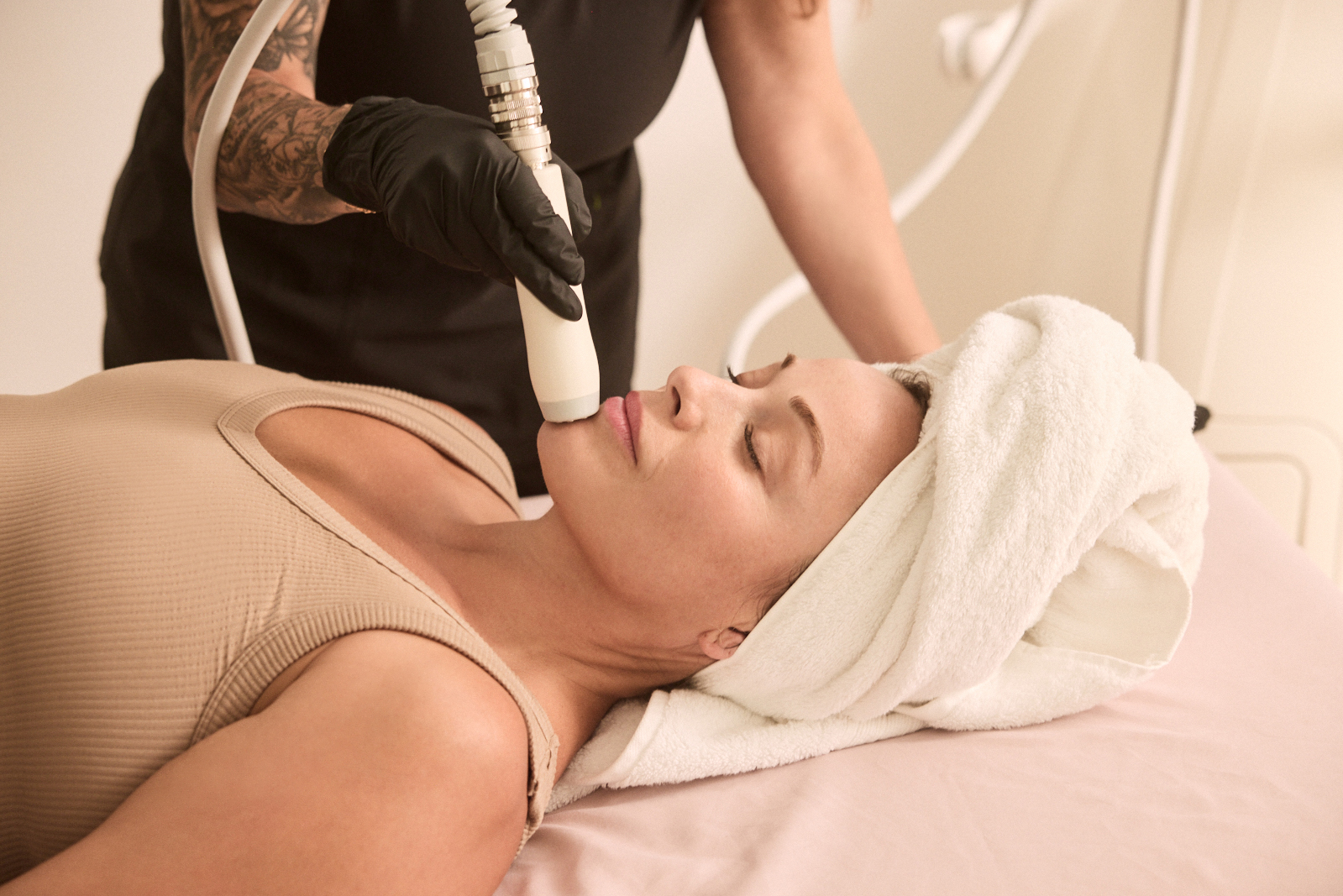
T-Shape can be used for improving both face and body skin texture.
Neogen Plasma
Neogen uses nitrogen plasma to cause thermal disruption to the skin. It converts nitrogen gas into plasma, which can penetrate as deep as the reticular dermis, depending on needs, being absorbed uniformly. When the plasma pulse impacts the skin, it immediately heats the skin and causes tissue contraction. This triggers the body’s natural healing response, which, in turn, stimulates long-term collagen production.
As a result, the skin can appear smoother and tighter as it heals and regenerates after Neogen plasma procedures. Plus, downtime is usually limited (depending on procedure intensity), but the structural change continues for months afterward as collagen rebuilds.
Like other machines, Neogen is suitable for face and body procedures to promote a more radiant skin over time. It is FDA-cleared for acne scars, actinic keratoses, superficial skin lesions, viral papillomata, wrinkles, and seborrheic keratoses.
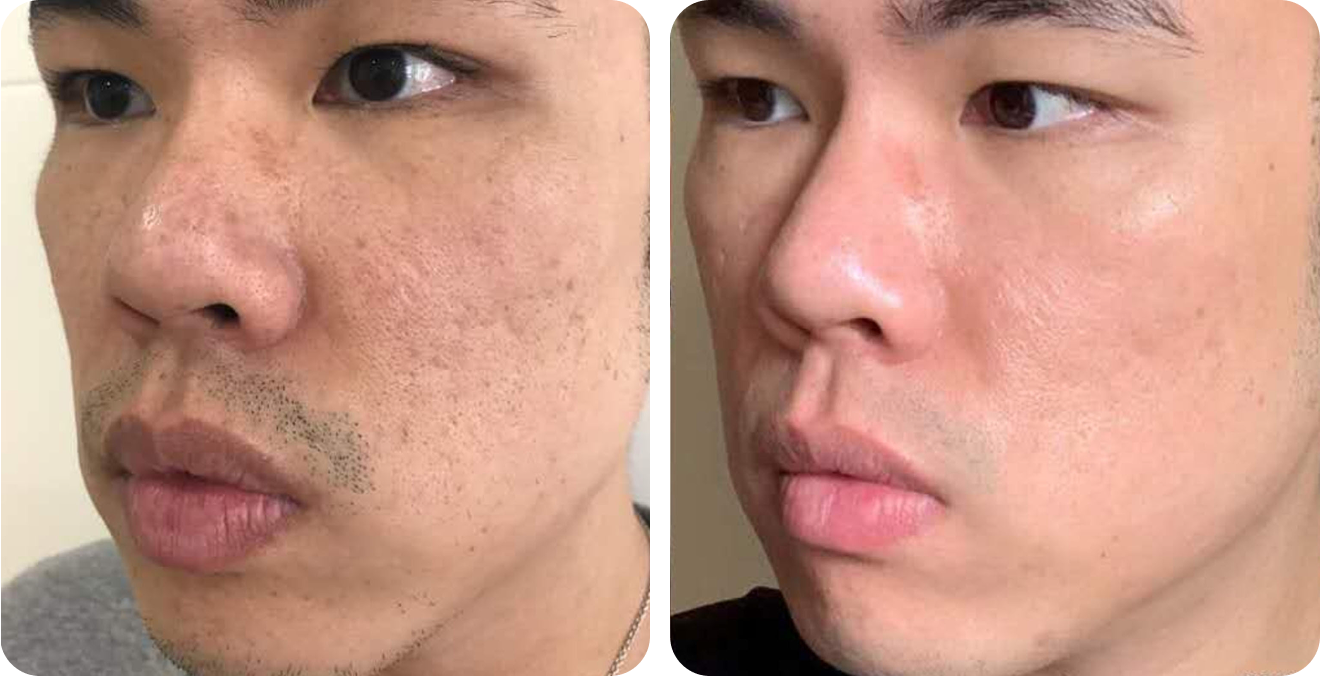
8 Days after 1 Medium Energy Neogen Treatment.
Ultrasound
Ultrasound treatments don’t resurface the skin directly, but they can help improve texture indirectly by tightening the deeper support layers. This makes them particularly useful when texture issues are linked to laxity rather than surface buildup.
On the face, ultrasound is often used for:
- Jawline and lower face firmness
- Crepey texture caused by sagging
- Subtle lifting effects
On the body, it’s commonly used for:
- Loose or crepey arms
- Abdomen and thighs after weight loss
- Early skin laxity that affects texture
Laser Resurfacing
Laser treatments can help improve textured skin by delivering controlled thermal energy that stimulates collagen production while encouraging skin renewal. Providers usually choose non-ablative lasers because they preserve much of the skin surface and have little to no downtime compared to CO2 lasers.
These treatments are commonly used on the face, chest, arms, and legs.
Chemical Peels
Professional chemical peels can help improve skin texture as they accelerate cell turnover and remove layers of damaged or irregular skin cells. Unlike the exfoliants you can use at home, the chemical peels applied at a clinic can penetrate more deeply.
Why Your Texture Isn’t Improving (Even with Skincare)
You’ve been consistent for weeks. You’re using all the “right” products. But your skin feels uneven. What’s wrong? Here are the most common issues that can cause this:
- Too many actives at once: using retinol, vitamin C, and multiple acids simultaneously can cause inflammation and worsen texture instead of improving it
- Heavy or comedogenic products: thick oils, rich creams, or pore-clogging makeup that doesn’t get fully removed at night
- Inconsistent routine: skipping sunscreen, irregular exfoliation, or stopping retinoids before they’ve had time to work (remember: 8-12 weeks minimum)
- Wrong diagnosis: what you think is texture might actually be a skin condition that requires medical treatment; if textured skin persists after 2-3 months of consistent routine, it’s time to consult a professional
Lifestyle Habits That Help Smooth Skin Texture
What you do daily (sleep, diet, stress management) directly influences how quickly skin repairs itself and whether it can maintain a smoother texture. Here are some daily habits that can help you in this process:
- Drink enough water throughout the day to support overall skin health. It’s not a magic fix alone, naturally. But chronic dehydration shows in your skin’s appearance.
- Eat a balanced diet rich in antioxidants (fruits, vegetables), healthy fats (omega-3s from fish, nuts, seeds), and adequate protein. This supports collagen production and skin renewal.
- Avoid smoking and drinking alcohol. Both can accelerate collagen breakdown, leading to dull, uneven skin tone and rough texture over time.
- Get enough sleep. Chronic sleep deprivation slows healing and can worsen acne. Your skin does significant repair work while you rest.
- Work on your stress management techniques. High cortisol levels from chronic stress can trigger breakouts and slow the skin’s natural repair processes, making texture more stubborn.
FAQs
What causes skin to be textured?
Textured skin can be caused by dead skin cell buildup, clogged pores, dehydration, sun damage, and gradual collagen loss. Acne, improper exfoliation, and a weakened skin barrier can make texture more noticeable over time.
What is the 4-2-4 rule in skincare?
The 4-2-4 rule in skincare is a cleansing method that involves massaging an oil cleanser for 4 minutes, a water-based cleanser for 2 minutes, and rinsing for 4 minutes. It aims to deeply cleanse the skin, though it may be too aggressive for sensitive or acne-prone skin.
How to fix very bumpy skin?
To fix very bumpy skin, you might have to rely on consistent chemical exfoliation, proper hydration, and barrier repair rather than aggressive scrubbing. If the visible bumps persist after several weeks, professional treatments like chemical peels, T-Shape 2, microneedling, or radiofrequency may be needed.
How to improve skin texture in 7 days?
In 7 days, you can improve skin texture slightly by focusing on gentle exfoliation, daily moisturizing, and strict sunscreen use. While you won’t change collagen levels in a week, your skin can feel smoother and look more even with reduced inflammation and better hydration.
How to get rid of bumps on the face?
Facial bumps are often caused by clogged pores, excess oil, or irritation, and they respond well to gentle cleansing and chemical exfoliants. Avoid over-exfoliation, as it can worsen bumps by damaging the skin barrier.
How to get rid of bumps on the forehead?
Forehead bumps are commonly linked to excess oil, hair products, sweat, or fungal overgrowth. You can try using a gentle cleanser, avoiding pore-clogging hair products, and incorporating a BHA exfoliant to smooth that area over time.
What product gets rid of skin texture?
No single product eliminates skin texture completely, but retinoids and chemical exfoliants are considered the most effective at improving it over time. These work best when paired with a good moisturizer and daily sunscreen to support skin repair and prevent further damage.