If you want to look younger, focus on improving skin quality, restoring volume, and reducing visible signs of aging such as wrinkles, pigmentation, and skin laxity.
Despite the fact that no method can actually stop the natural aging process, you can slow it down with skincare, healthy lifestyle habits, and professional treatments.
So, if you want to learn how to look younger and feel younger in your own skin, keep reading!
This article covers:
- How aging affects your skin at a structural level
- The most effective daily routine and what skincare ingredients to include
- Lifestyle factors that either speed up or slow down the aging process
- Professional and clinical procedures worth considering
- Realistic timelines for results
- Common mistakes that may be making you look older than you are
Disclaimer: This article is provided for informational and educational purposes only. The information presented here is not a substitute for professional medical evaluation, consultation, or care and should not be relied upon to make health-related decisions. Always consult a qualified and licensed medical or aesthetic professional before undergoing any cosmetic or aesthetic procedure.
Quick Answer: How to Look Younger?
To look younger, focus on three key areas: improving skin quality, restoring facial volume, and preventing further aging.
This includes using sunscreen daily, incorporating proven skincare ingredients like retinoids and vitamin C, and maintaining healthy habits such as good sleep, balanced nutrition, and stress management.
For more visible or faster results, talk to a specialist about professional treatments like fillers, Botox, laser resurfacing, and skin-tightening procedures. These can help reduce wrinkles, improve texture, and restore a more youthful appearance.
What Actually Makes You Look Older?
Skin aging results from structural, biochemical, and environmental changes that reduce skin firmness, elasticity, and even skin tone.
- Collagen and elastin loss are perhaps the most well-known culprits. Collagen provides the structural framework that keeps your skin firm. Elastin allows it to spring back after body changes, like losing weight. Your body produces less of both starting in your mid-20s. The rate of decline is even higher after menopause in women. Consequently, the skin looks thinner and looser and is more prone to wrinkling.
- Volume loss plays an equally significant role in aging. Subcutaneous fat redistributes and diminishes with age. Subtle changes in underlying bone structure also contribute to hollowness around the eyes and cheeks, as well as a less defined jawline.
- Pigmentation changes are also important. Sun exposure accumulated over the years leads to uneven tone, dark age spots, and areas of discoloration. All of these can make the skin look tired or aged, even when the texture is otherwise good.
- And let’s not forget about oxidative stress and glycation. Free radicals generated by UV exposure, pollution, smoking, and a poor diet degrade collagen and damage skin cells. Glycation, on the other hand, is a process where excess sugar molecules bind to collagen fibres. It causes them to become stiff and brittle over time.
None of these processes can be reversed entirely. But many of them can be slowed, and their visible effects can be reduced significantly.
How to Make Your Skin Look Younger: Skincare Routine
Consistency matters far more than complexity here. A simple routine used daily outperforms an elaborate one used sporadically. Here’s how to build one that actually works.
Morning Routine
Your morning routine should focus on protection as much as treatment. Use:
- Gentle cleanser. It strips away overnight buildup without compromising the skin barrier. Avoid anything that leaves your skin feeling tight. If the cleanser is too harsh for your skin type, it will remove natural oils and dry out the skin.
- Vitamin C serum. Apply it before SPF. Vitamin C offers antioxidant protection against free radical damage. It may help brighten uneven skin tone over time.
- Moisturizer. Hydration supports the skin barrier and reduces the overall appearance of fine lines. Look for ingredients like ceramides, glycerin, or hyaluronic acid.
- Broad-spectrum SPF 30-50 that blocks both UVA and UVB rays. Arguably, the most impactful step in any anti-aging routine. Sun damage is responsible for an estimated 80-90% of visible skin aging, according to research published in dermatology literature, and can even increase the risk of skin cancer. Apply sunscreen daily, regardless of weather or season. This is consistently supported by evidence as a primary strategy for slowing photoaging.
Night Routine
In the evening, your skin naturally enters a repair phase – your beauty sleep window. It’s the perfect time to incorporate more active ingredients.
- Cleanser. Remove SPF, makeup, and pollutants thoroughly. Double cleansing (an oil-based cleanser followed by a water-based one) can be helpful if you wear broad-spectrum sunscreen or makeup.
- Retinoid. Retinoids (including over-the-counter retinol and prescription tretinoin) are considered the gold standard ingredient in anti-aging skincare. They promote cell turnover and stimulate collagen production. Studies have shown that retinoids can improve fine lines, skin texture, and pigmentation over time. Start slowly, with only 2-4 nights per week, to allow your skin to adjust.
- Hydrating serums. Hyaluronic acid draws moisture into the skin and helps keep skin hydrated; peptides can support the skin’s collagen-synthesis processes. Both are well-tolerated by most skin types.
- Barrier repair cream. A richer moisturizer overnight supports the skin barrier, especially if you’re using a retinoid that may cause initial dryness or mild irritation.
Ingredients for Younger-Looking Skin With Research Behind Them
Beyond retinoids and vitamin C, several other ingredients have evidence supporting their use:
- Niacinamide. Research suggests it can improve skin texture, reduce the appearance of enlarged pores, and help with uneven pigmentation. It’s also well-tolerated and mixes well with most other actives.
- AHAs and BHAs. Alpha hydroxy acids (like glycolic and lactic acid) and beta hydroxy acids (like salicylic acid) exfoliate dead skin cells, improve texture, and can help with pigmentation and mild acne. They can increase sun sensitivity, so morning SPF becomes even more important.
- Peptides. Though the evidence is less robust for peptides compared to retinoids, some peptide formulations have shown promise in supporting skin firmness and reducing the appearance of fine lines.

How to Look Younger than Your Age: Healthy Habits
Skincare products can only do so much. Things you do day-by-day are also very important. They can really affect how you look and how you feel in your own skin.
Sleep
During deep sleep, the body releases growth hormones and enters a cellular repair mode.
Research has linked poor sleep quality to increased signs of skin aging, including fine lines, uneven pigmentation, and reduced skin elasticity. Even if you don’t notice visible aging signs, you’ll feel older if you don’t get enough sleep.
Therefore, try to get 7-9 hours of sleep every night. This is the gold standard for optimal health, both mental and physical health.
Chronic Stress
High stress levels (cortisol) wreak havoc in your body. They can accelerate collagen breakdown. They can disrupt the skin barrier. And they can trigger or worsen inflammatory skin conditions like eczema or rosacea.
That’s why it’s of the essence to learn how to reduce stress – not just for the skin, but for the entire body and overall well-being.
You can do so through regular exercise, adequate rest, and mindfulness practices.
Diet
A healthy diet high in nutrient-rich foods and antioxidants, which are found in vegetables, fresh fruits, and certain oils, may help neutralize free radical damage.
Adequate protein intake supports collagen synthesis.
Omega-3 fatty acids, found in oily fish, walnuts, and flaxseed, are associated with better skin hydration and reduced inflammation.
Conversely, diets rich in refined sugar and processed foods may accelerate glycation (see above for details).
Drinking water and staying hydrated also helps keep the skin plump and supports a more youthful appearance.
Smoking and Alcohol Intake
Smoking reduces blood flow to the skin, depletes vitamin C, and generates significant oxidative stress. All of these result in early signs of aging and poor skin health.
Alcohol dehydrates the skin and disrupts sleep quality. Over months and years, it can damage the liver’s ability to process toxins, which can also have repercussions on the skin.
How to Make Your Face and Skin Look Younger: Professional Treatments
Professional treatments can address aspects of visible aging that skincare products can’t reach. Namely, they can produce structural changes in the deeper layers of the skin, address volume loss, and help with pigmentation.
The options below are well-established and widely used in clinical settings, but are usually used only as complementary methods alongside skincare products and lifestyle changes. Talk to a healthcare specialist before trying any procedures.
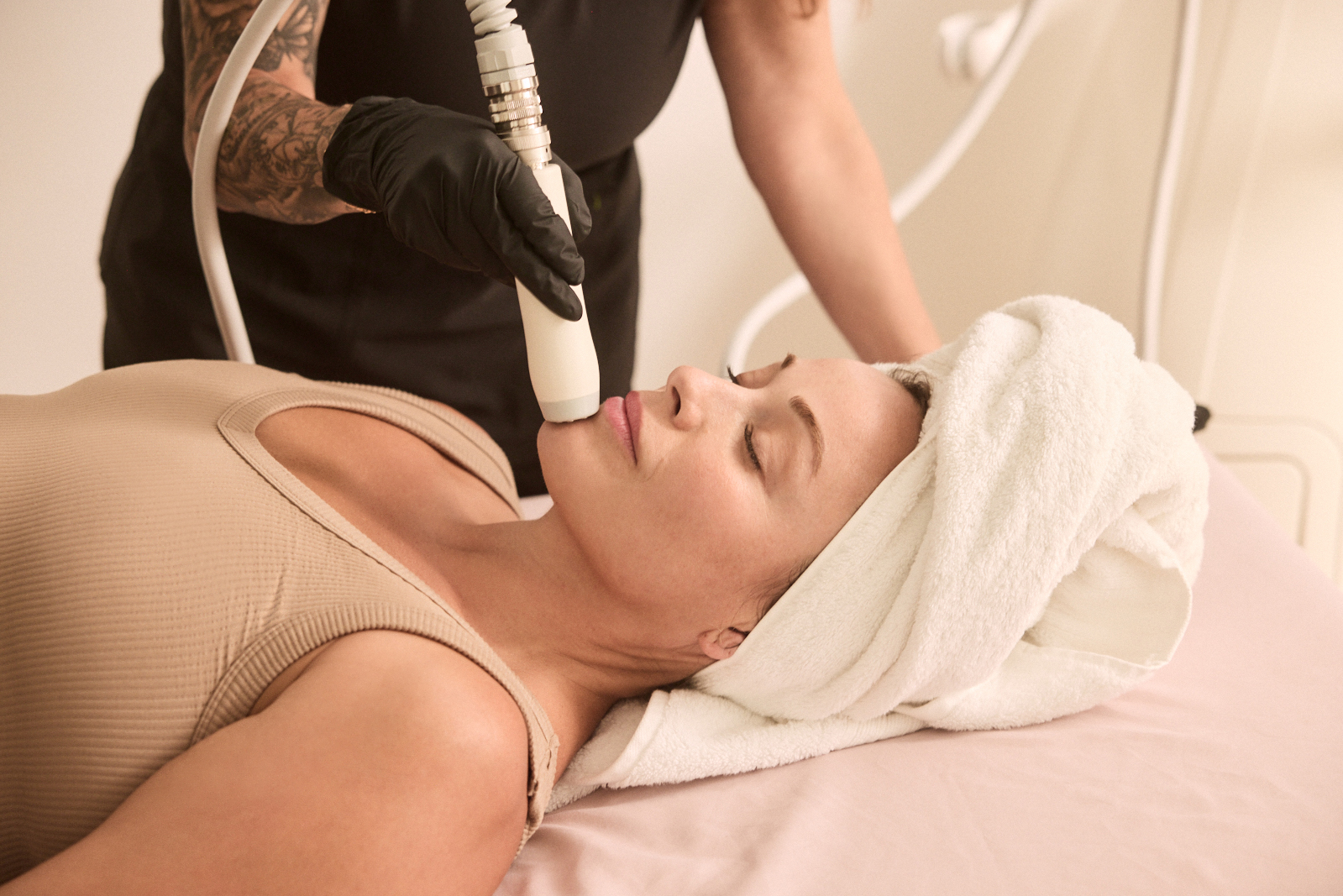
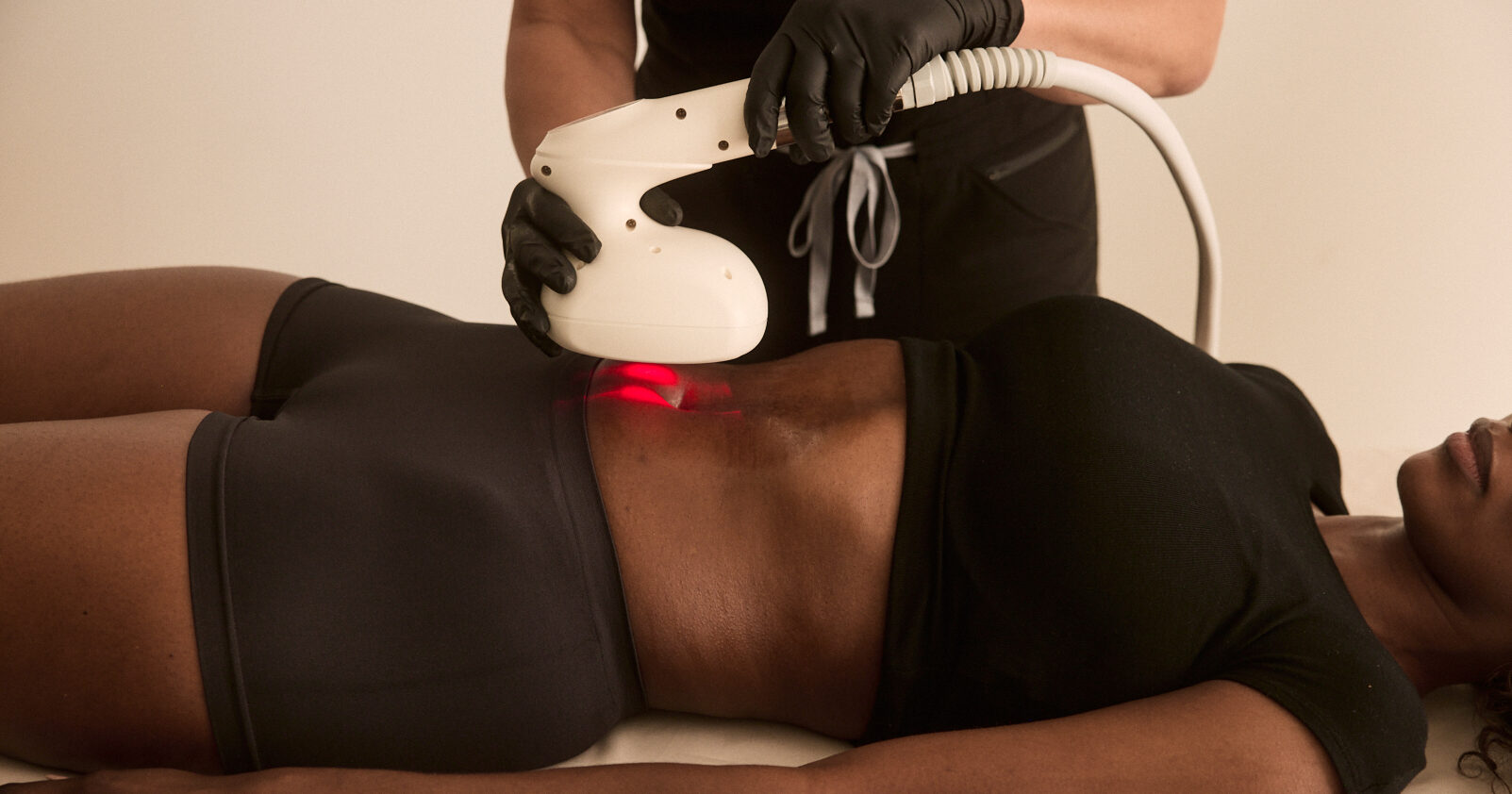
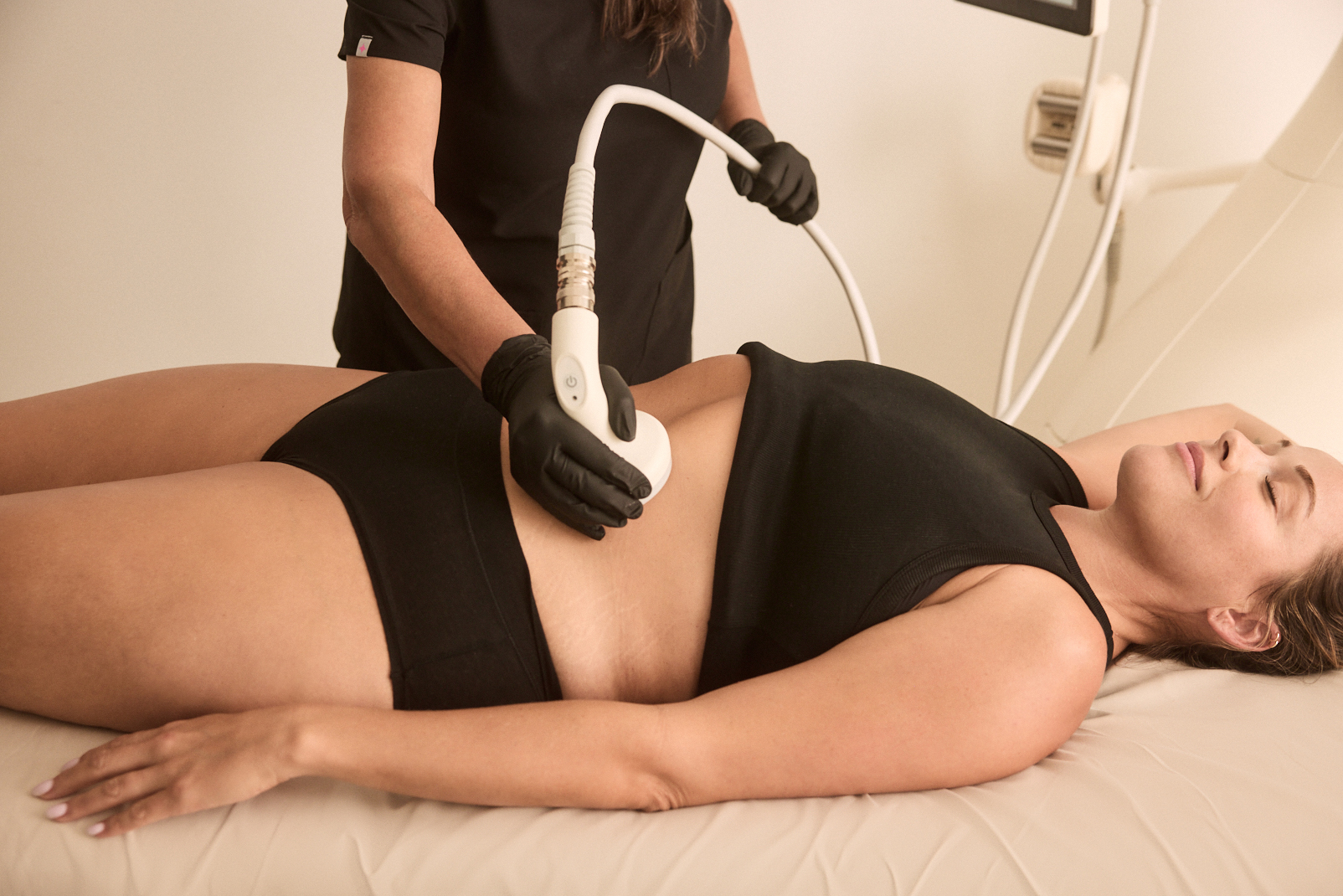
T-Shape 2 for Skin Tightening and Body Contouring
T-Shape 2 is a non-invasive aesthetic device used in clinics to improve skin firmness and body contour through several technologies. It combines radiofrequency, vacuum, and laser energy in the same platform.
Clinically, it’s often used for skin laxity, the appearance of cellulite, and mild body contouring. The mechanism involves stimulating collagen production in deeper skin layers while improving local tissue tone.
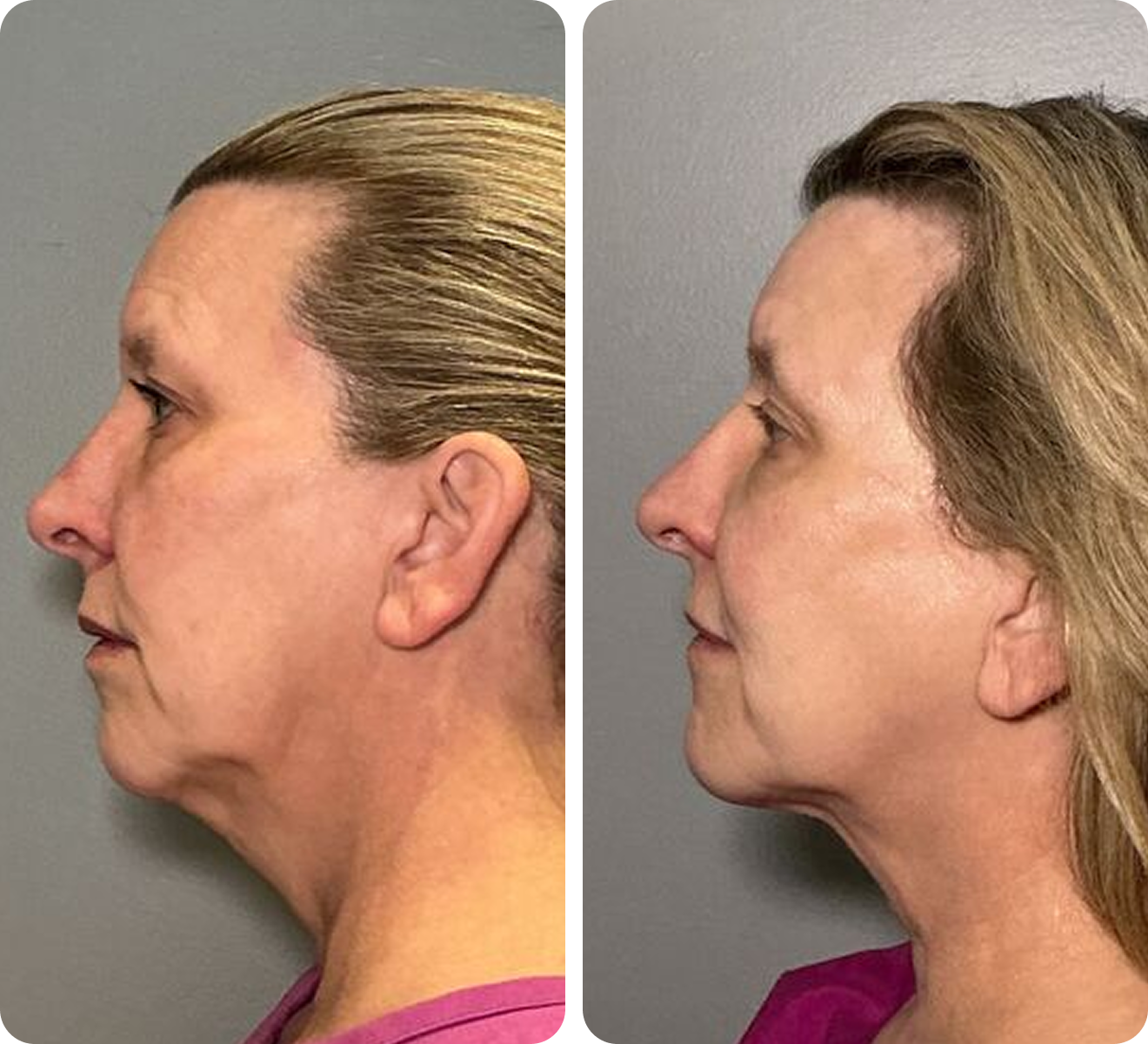
Before and after 3 skin-tightening treatments with T-Shape 2.
Results are progressive as collagen rebuilds over months. It can be used both on the body and on the face.
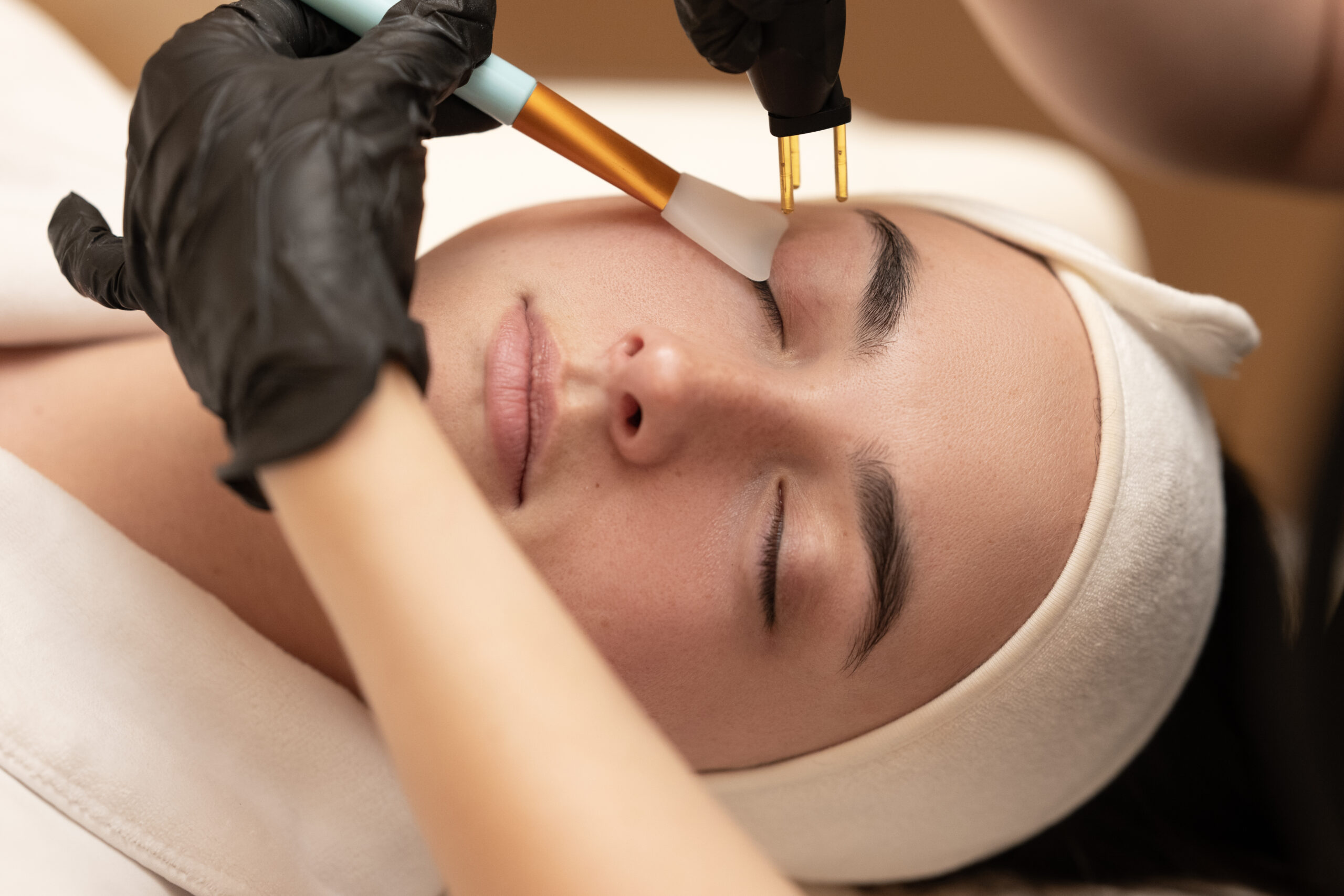
Neogen Plasma for Skin Resurfacing and Texture Renewal
Neogen is a plasma-based skin treatment that can help improve texture and promote collagen remodelling through controlled thermal stimulation. Plasma energy is delivered into the skin, triggering the body’s natural healing and regeneration process. It can produce results similar to a CO2 laser but without the downtime associated with it.
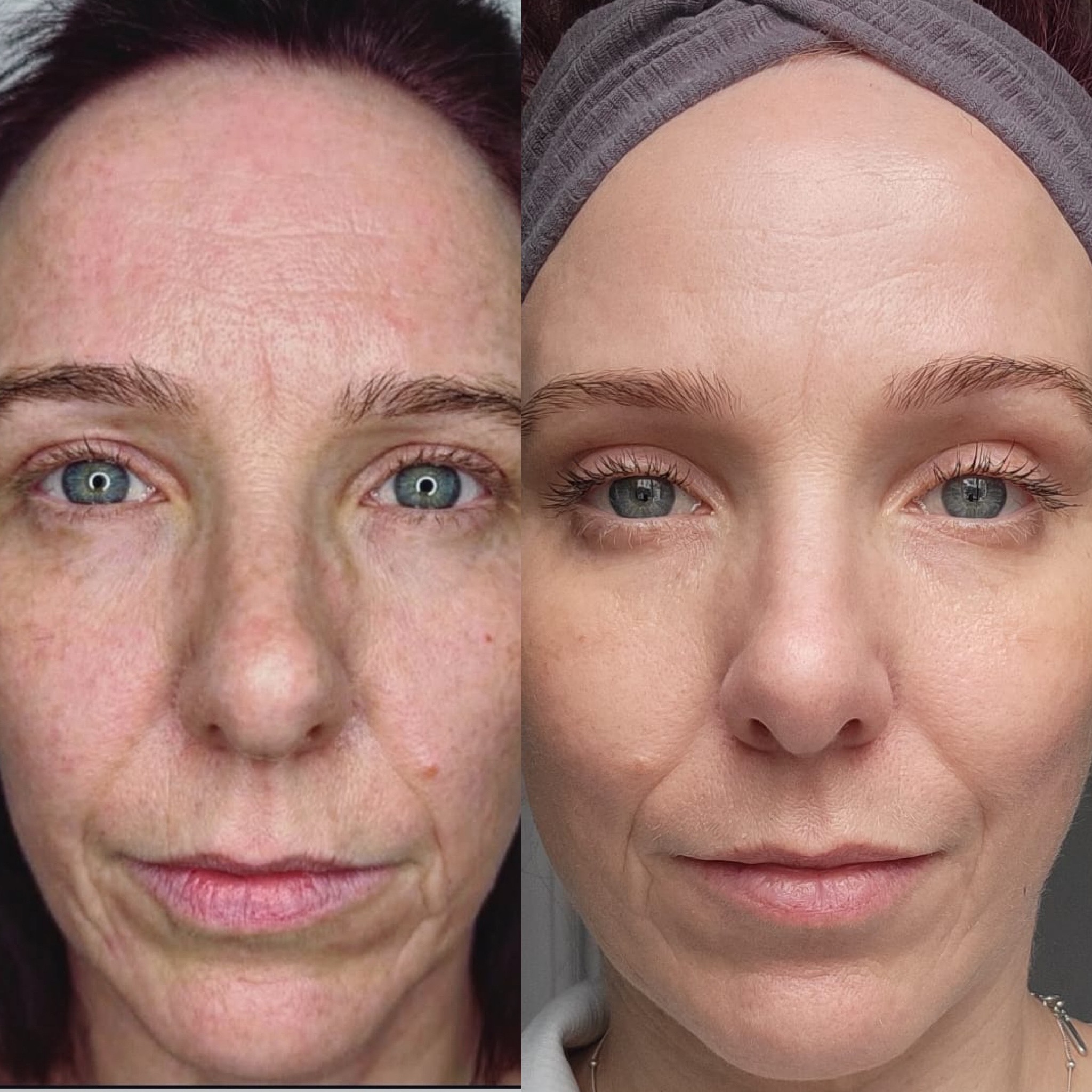
3 months after 1 medium energy treatment with Neogen. Courtesy of Plasmatology.
Nitrogen plasma skin technology is frequently used for reducing wrinkles, improving uneven texture, reducing acne scars, and reducing superficial pigmentation.
Radiofrequency (RF) Skin Tightening for Collagen Stimulation
Radiofrequency skin tightening heats the deeper skin layers. RF energy penetrates below the skin’s surface. It creates a controlled heating effect that activates fibroblasts, the cells responsible for producing collagen and elastin.
Common treatment areas include the face, jawline, and neck. Results are gradual. Most clients see improvements several weeks or months after the procedure.
Multiple sessions are usually recommended. RF tightening is generally well-tolerated and carries a lower risk profile.
Dermal Fillers for Volume Restoration and Facial Rejuvenation
Dermal fillers restore facial volume. They produce immediate contour improvement. The most commonly used fillers are hyaluronic acid-based, a substance naturally present in the skin.
Injectable fillers are usually used for the cheeks, under-eye dark circles, nasolabial folds, and lips.
Unlike energy-based treatments, fillers produce visible results immediately after the procedure. The improvements last 6-24 months, depending on the product used and the area treated.
As with any injectable procedure, results depend significantly on the skill of the practitioner.
Botulinum Toxin (Botox) for Dynamic Wrinkle Reduction
Botox reduces dynamic wrinkles by temporarily relaxing targeted facial muscles responsible for expression lines. Common treatment areas include the forehead, between the brows (glabellar lines), and around the eyes (crow’s feet).
Beyond treating existing lines, regular preventative use may slow the deepening of expression lines over time, though this benefit is more relevant for younger people. Effects last 3-4 months, after which the treatment can be repeated.
Laser Resurfacing and IPL for Pigmentation and Texture Correction
Laser and IPL treatments can help improve skin tone and texture by targeting pigmentation and stimulating controlled dermal repair.
IPL (intense pulsed light) can be effective for addressing sunspots, redness, and diffuse discolouration. It’s less targeted than laser procedures but covers larger areas quickly.
Both cosmetic procedures require a series of sessions and some degree of post-procedure skin care (sun avoidance, gentle cleansing, SPF).
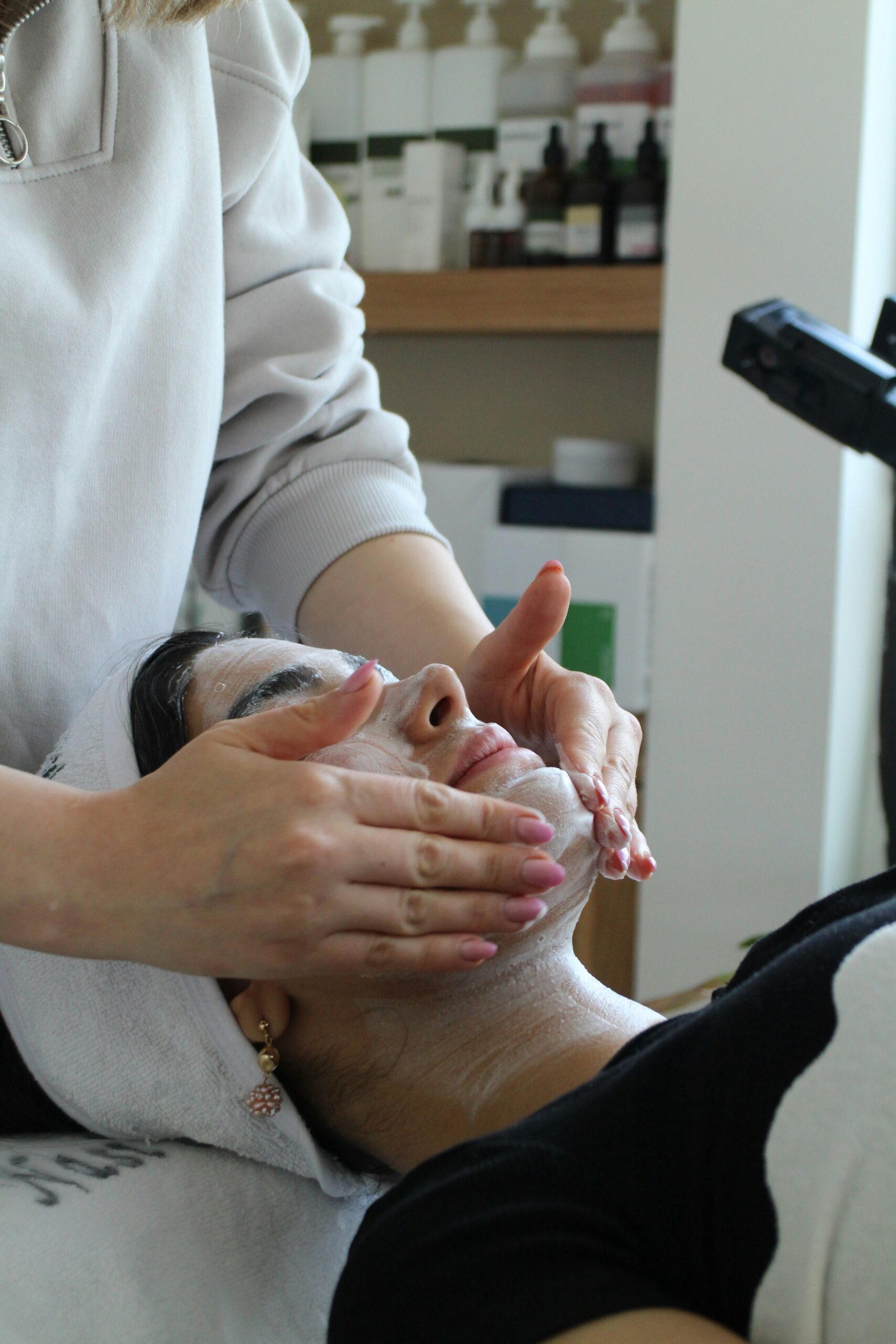
Chemical Peels
Chemical peels exfoliate the skin with acid solutions. They remove the damaged outer skin layers and stimulate regeneration in deeper layers. As the skin heals, it produces new cells and stimulates collagen activity.
Chemical peels are used to improve overall skin appearance. They target uneven texture, pigmentation, fine lines, and dullness, and can support healthy aging.
Can Devices at Home Help You Look Younger?
Nowadays, there are many at-home devices that can help improve skin quality. But they operate at lower energy levels than clinical machines. Some popular devices include:
- LED therapy masks, which use red and near-infrared light to penetrate the skin and stimulate collagen production. Some clinical research supports their use for fine lines. But results at consumer-grade energy levels tend to be more modest.
- Microcurrent devices, which deliver low-level electrical currents that may temporarily improve muscle tone and skin contour.
- Gua sha and facial massage, which can improve circulation and reduce puffiness, particularly around the eyes. There’s no strong evidence they produce structural changes in skin or tissue, though. Still, regular facial massage may contribute to a healthier-looking complexion as part of a broader routine.
Mistakes That Age Your Appearance Faster
Some common habits may be accelerating visible aging without you realising it:
- If you forget to apply sunscreen, your skin will slowly start looking duller and older. Harmful UV rays are the leading driver of premature aging. No anti-aging skin product works as well as preventing the damage in the first place.
- If you exfoliate your skin too often or use products that are too strong for your skin type, this may compromise the skin barrier, cause chronic inflammation, and paradoxically accelerate aging over time.
- If you forget to apply skincare products to your neck skin and your hands, they may show signs of aging sooner than the face.
- If you often go to sleep without removing your makeup, your facial skin may be exposed to oxidative residue, which can clog the pores and result in a dull complexion over time.
- If you often look down at your screen, you may develop tech neck. The horizontal lines on the neck may become more prominent.
How Fast Can You Expect to See Results?
Ultimately, this is unique to everyone. Some see results in just 2 weeks. Others see results in a few months. It heavily depends on what methods you’re trying, how consistent you are, your age, and the goals you aim for.
Here are some general timelines for different methods:
- Skincare: most active ingredients require consistent use over 4-12 weeks before seeing any improvements. Retinoids in particular involve an initial adjustment period. The skin may actually look worse before it looks better.
- Professional treatments: some procedures (dermal fillers, Botox) cause immediate or near-immediate results. Energy-based treatments like RF and laser resurfacing require 4-12 weeks post-treatment for improvements. That’s when the collagen remodelling happens.
- Lifestyle changes: sleep quality improvements may show up in skin appearance relatively quickly, usually within days to a couple of weeks. Dietary changes and stress management tend to produce more gradual improvements over several months.
Frequently Asked Questions
What is the fastest way to look younger?
The fastest way to look younger usually implies the use of procedures like dermal fillers or botulinum toxin injections, if they are recommended to you by a specialist.
Can you actually reverse aging?
Biologically, no, you cannot reverse aging. Visibly, however, you can improve your skin’s appearance with a good skincare routine, healthy lifestyle habits, and professional treatments. These can reduce the appearance of volume loss, laxity, and pigmentation.
Do anti-aging creams actually work?
Some anti-aging creams really do work. Retinoids have the most consistent research support for improving fine lines, texture, and pigmentation over time. Antioxidant creams like those with vitamin C may help prevent UV-related damage. Other ingredients vary significantly in how much evidence backs them up.
At what age should you start an anti-aging routine?
You can start using sun protection and products with antioxidants in your 20s. Anti-aging products with retinoids are usually prescribed by dermatologists to people in their 30s or 40s.
How can I make my hands look younger?
To make your hands look younger, focus on sun protection, hydration, and proper treatments that reduce brown spots, restore moisture, and boost collagen. Hands age quickly because the skin is thinner, gets more sun exposure, and loses fat over time.
How can I look 10 years younger?
To look a decade younger naturally, improve your skin quality, restore facial volume, and use strong UV protection. Sunscreen, retinoids, and professional treatments work better together.
Can you look 20 years younger in 30 days?
You cannot naturally look 20 years younger in 30 days. But you can try treatments like fillers, Botox, skin hydration, and mild resurfacing, which can make you look fresher and reduce some visible signs of aging within a month.
How can I make my face look younger with makeup?
To make your face look younger with makeup, use makeup that adds light, softness, and dimension without emphasizing texture. Use a lightweight foundation, cream blush, subtle contour, and soft brow definition.