After losing weight, having a baby, or simply getting older, many individuals find themselves staring in the mirror, wondering: is this loose skin or fat? The answer matters more than you might think. Treating one like the other can leave you really frustrated. You’ll likely waste money, and the results will be disappointing. Ultimately, the same solution doesn’t work for both issues.
Keep reading if you’re trying to understand if you’re dealing with loose skin vs fat. We’ve explained everything you need to know about dealing with both!
Disclaimer: This article is intended for informational and educational purposes only. It does not constitute medical advice, diagnosis, or treatment, and should not be relied upon as a substitute for professional medical guidance.
Quick Facts: Loose Skin vs Fat
- Loose skin is thin, lax tissue caused by collagen and elastin loss, while fat is a thicker subcutaneous volume stored under the skin.
- Loose skin feels papery and folds easily when pinched, whereas fat feels dense and spongy.
- Loose skin responds to collagen-stimulating treatments or surgery, while fat responds to lifestyle changes, fat-reduction procedures, or liposuction.
Here’s a quick comparison between loose skin vs fat:
| Characteristic | Loose Skin | Fat |
| Texture when pinched | Thin, papery, folds easily | Thick, dense, spongy |
| Surface appearance | Wrinkled, crepey, or crinkled | Smooth, rounded |
| Movement | Ripples or swings independently | Moves as a heavier mass |
| Response to weight loss | May become more noticeable | Usually decreases with sustained calorie deficit |
| Common areas | Neck, arms, lower abdomen, inner thighs | Abdomen, flanks, back, hips, under chin |
| Best treatment category | Collagen stimulation or surgery | Fat-reduction procedures or lifestyle changes |
| Timeline for visible change | Gradual remodeling over months | Weeks to months depending on method |
What Is Loose Skin?
Loose skin refers to skin that has lost elasticity and structural support. Over time, collagen and elastin fibers weaken. This is caused by aging, rapid weight loss, sun damage, or hormonal changes. When this happens, the skin loses its ability to bounce back. Weight loss medications can speed up the development of loose skin, especially when combined with rapid weight loss.
Signs of loose skin include:
- Fine wrinkling or crepey skin texture
- Horizontal folds that hang over the waistband or bra line
- “Bat wings” on the upper arms that swing when you wave
- Tissue that bunches when sitting and flattens when lying down
- Skin that drapes or hangs in loose folds
Loose skin is especially common after:
- Rapid weight loss (for example, losing 50-100+ pounds in under 12-18 months)
- Pregnancy, particularly multiple pregnancies or carrying multiples
- Age-related decline in collagen and elastin starting in the mid-20s
- Sun exposure and smoking, which accelerate elastin breakdown
Loose skin often appears on the lower face, neck, upper arms, abdomen, and inner thighs.
What Is Fat?
Fat is an adipose connective tissue stored beneath the skin. Subcutaneous fat, the one you can pinch, sits above the muscle layer and gives certain areas of the body a fuller, softer appearance.
Some body fat is necessary for hormonal balance and insulation. Excess fat accumulation, however, can alter body shape and mask underlying muscle definition. Excess body fat can accumulate due to consuming more calories than the body can use. Furthermore, genetics plays a big role in where exactly fat is stored, which explains why some people struggle with having fat in certain areas even if they maintain a healthy lifestyle.
Visual signs of fat include:
- A thicker, heavier feel when pinched
- Smooth surface without fine wrinkles
- A rounded or bulging shape
- Less “crinkly” movement compared to loose skin
Excess fat is often caused by:
- Chronic calorie surplus from food and beverages
- A sedentary lifestyle with low muscle mass
- Genetic predisposition for specific storage areas (abdomen, flanks, arms)
- Hormonal factors: menopause, PCOS, chronic stress, elevating cortisol

How Can You Tell If It Is Loose Skin or Fat?
To understand if it’s fat or loose skin, you should try the pinch test and observe movement and texture differences.
The Pinch Test
Here’s how to perform the pinch test to check whether you have loose skin or fat:
- Stand in front of a well-lit mirror.
- Choose an area of concern (lower abdomen, upper arms, inner thighs).
- Using your thumb and forefinger, pinch the tissue and lift it away from the underlying muscle.
- If you notice:
- Thin, papery tissue that lifts easily and folds like fabric – it’s primarily loose skin
- Thick, dense, spongy tissue that resists lifting – it’s primarily fat
- Tissue that feels thin on top but substantial underneath – it’s a combination of fat and loose skin
- Repeat this test in multiple areas. You may find that in some body areas you have loose skin and fat in other body areas.
Movement and Texture Signs
Another way to understand whether you’re dealing with skin laxity or fat is by observing movement and texture:
- Loose skin tends to ripple or wrinkle when you move or change positions
- Fat moves as a heavier mass and has a smoother surface
Can You Have Loose Skin and Fat at the Same Time?
Most of the time, people don’t have either loose skin or fat. They have both. After pregnancy, weight loss, or aging, it’s common to have a layer of residual fat sitting beneath the skin that has lost elasticity. This problem can be difficult to solve. First, reducing fat alone may leave the area looking deflated. Secondly, tightening treatments alone may not address volume.
Providers often approach these cases in stages. For example, mild fat reduction may be performed first to debulk the area. Then, it can be followed by collagen-stimulating treatments to improve skin quality and firmness.
What’s the Difference Between Loose Skin vs Belly Fat?
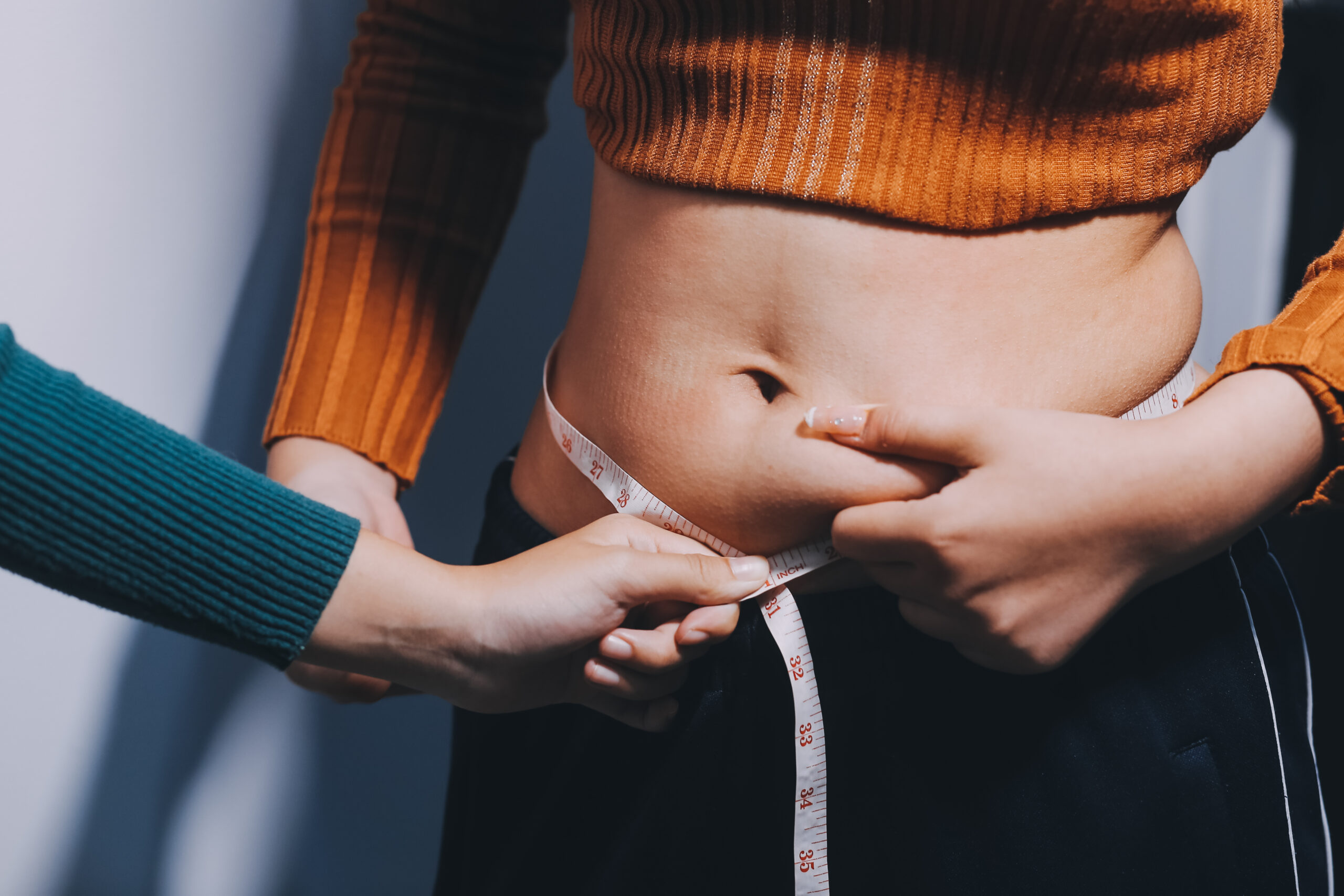
Belly fat has density and weight, creates a fuller, more rounded shape, and feels thicker or heavier when pinched. Loose skin is thinner, softer, and more crepey, especially when bending forward or sitting down. Moreover, belly fat maintains volume regardless of position, while loose skin may flatten when you’re lying down.
In other words, if what you pinch feels substantial and cushion-like, it’s likely fat, but if it feels thin, loose, or empty, it’s likely loose skin.
Best Treatments for Loose Skin
The right treatment for excess skin depends on severity, location, and whether underlying fat is also present. Mild to moderate skin laxity may respond to non-surgical collagen stimulation, while significant overhangs require surgical removal.
Here’s what you need to know upfront: loose skin does not significantly shrink with diet or exercise because it’s caused by a loss of collagen and elastin. These can improve muscle tone and superficial skin texture, but they cannot make redundant tissue disappear.
Non-Surgical Skin Tightening Options
Skin tightening technologies like radiofrequency (RF), RF microneedling, ultrasound, T-Shape 2, nitrogen plasma regeneration treatment (NeoGen), and certain lasers can activate the body’s natural healing process to stimulate collagen production and elastin regeneration.
These options work best for:
- Mild skin laxity on the abdomen, arms, knees, or neck
- Early laxity after small weight changes or childbirth
- Patients who are committed to multiple sessions and gradual improvement
- Those wanting to avoid surgery and its associated scarring
Keep in mind that the results from non-surgical tightening are subtle and appear gradually, usually over 3-6 months. You’ll also have to schedule maintenance treatments once or twice yearly to sustain the desired results.
And don’t forget that non-surgical procedures cannot remove excess skin or large hanging folds. They are best suited for borderline cases, not significant laxity. Moreover, results vary significantly based on individual collagen response.
Neogen Plasma: Reducing Loose Skin and Supporting Skin Quality
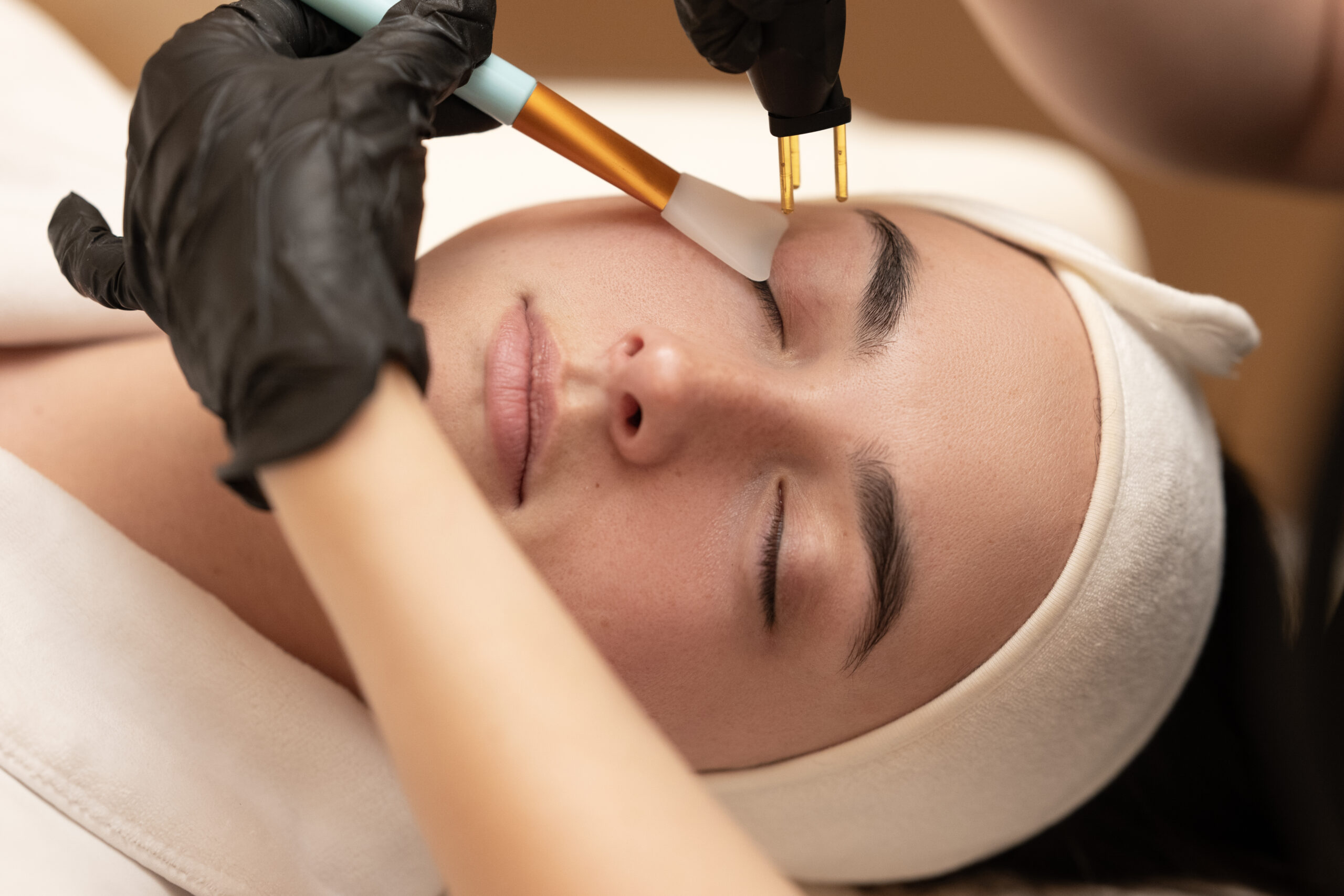
If your goal is to reduce skin laxity and improve skin texture and appearance, Neogen plasma regeneration might be exactly what you’re looking for. This treatment uses nitrogen plasma energy to heat the skin in a controlled way, which can trigger immediate tightening while encouraging longer-term collagen and elastin remodeling.
What makes it different from many surface treatments is how deeply the thermal effect can reach. That’s why it’s often used for areas where skin quality matters just as much as firmness: fine lines around the eyes or mouth, photodamaged neck skin, or uneven texture after acne.
Neogen won’t reduce fat volume, but it can change how the skin looks and feels: smoother, firmer, and more resilient.
Surgical Solutions for Significant Loose Skin
If you have skin overhangs (e.g., multiple large folds or severe bat wings), you might have to rely on surgical removal. Non-surgical treatments simply cannot remove tissue that is physically redundant.
Common surgical procedures include:
| Procedure | Target Area | What It Does |
| Tummy tuck (abdominoplasty) | Front abdomen | Removes excess skin, tightens underlying muscles |
| Panniculectomy | Lower belly “apron” | Removes overhanging skin fold |
| Arm lift (brachioplasty) | Upper arms | Removes loose arm fat and skin |
| Thigh lift | Inner/outer thighs | Removes sagging skin on thighs |
| Lower body lift | Circumferential | Addresses abdomen, flanks, buttocks, and thighs |
Best Treatments for Stubborn Fat
Fat-reduction procedures are body contouring tools, not weight loss solutions. They’re designed to address specific areas of fat deposits that resist diet and exercise. But they do not to replace a healthy lifestyle.
Treatment choice depends on the amount and location of fat, skin elasticity (good elasticity favors non-surgical and liposuction-only approaches), and overall health and BMI.
Lifestyle and Medical Weight Management
Diet quality, regular exercise including resistance training to build muscle tone, adequate sleep, and stress management can be really helpful if you want to reduce body fat… No procedure replaces these basics if you want to achieve that ideal weight. So, if you’re still more than 20-30 pounds above your goal weight, focus on sustainable weight loss before considering contouring procedures.
Keep in mind that some people might benefit from supervised medical weight management, including nutrition counseling. Therefore, it’s best to consult a healthcare professional before starting your weight loss journey, as they can design a personalized plan that will work best for you specifically.
Non-Surgical Fat Reduction
Non-surgical fat reduction procedures selectively break down fat cells in specific areas. This reduces the size of subcutaneous fat pockets, according to the American Board of Cosmetic Surgery. Popular non-surgical fat reduction options include:
- Cryolipolysis, which uses extreme cold to dismantle fat cells and reduce fat pockets
- Radiofrequency, which uses electromagnetic energy to heat fat cells and cause thermal disruption
- Ultrasound, which uses highly focused ultrasound waves to break down fat cell walls
- Laser treatments, which dismantle subcutaneous fat with controlled heat
- Injectable deoxycholic acid, which is a substance that occurs naturally in the body, and when injected, it can help break down fat for digestion
- Red light therapy, which delivers a specific wavelength of light through the skin and reduces the size of fat cells
InfraBaldan: Fat Reduction Support
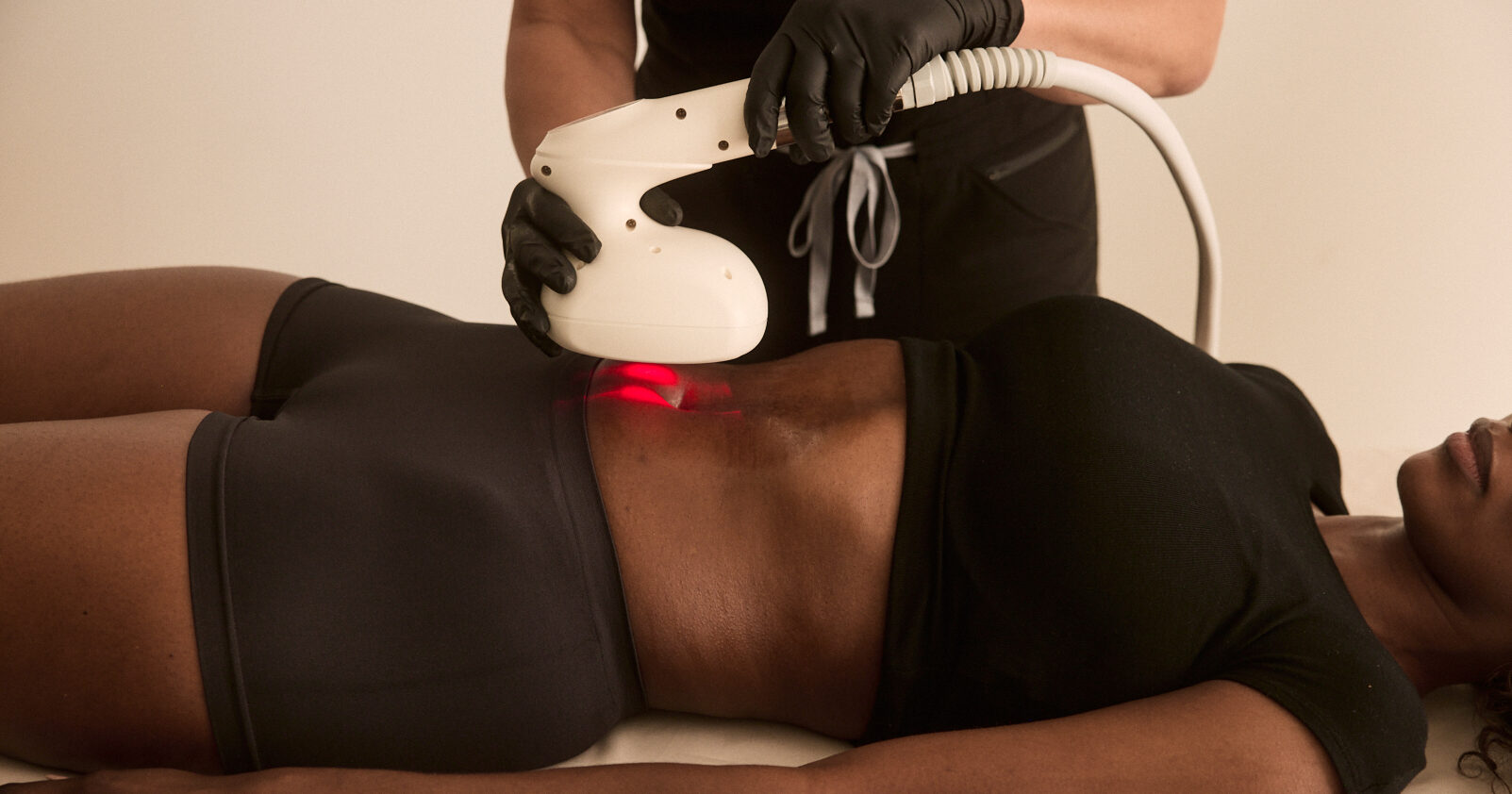
If your main concern is stubborn fat, you might benefit from InfraBaldan sessions. It’s a unique system that combines near-infrared photobiomodulation with low-intensity physical movement.
During sessions, you recline while pedaling at a relaxed effort level, creating a low-strain environment designed to support metabolic activation. At the same time, the near-infrared exposure is intended to encourage the body to burn stored fat, all while preserving muscle tissue.
It’s intentionally low-stress, which is why people often describe it as active recovery rather than exercise. But also, you’re not melting fat on the spot. Instead, you’re gradually refining your body contours while exercising and stimulating circulation.
Surgical Fat Removal (Liposuction)
Liposuction uses small incisions and a thin tube to suction out subcutaneous fat.
Common liposuction areas include the abdomen, flanks, thighs, back rolls, arms (arm fat removal), and under the chin. Many patients address multiple areas in one procedure.
Swelling and bruising are expected post-procedure. The tissue settles gradually, with final results typically visible at 3-6 months.
T-Shape 2: For Reducing Loose Skin and Fat
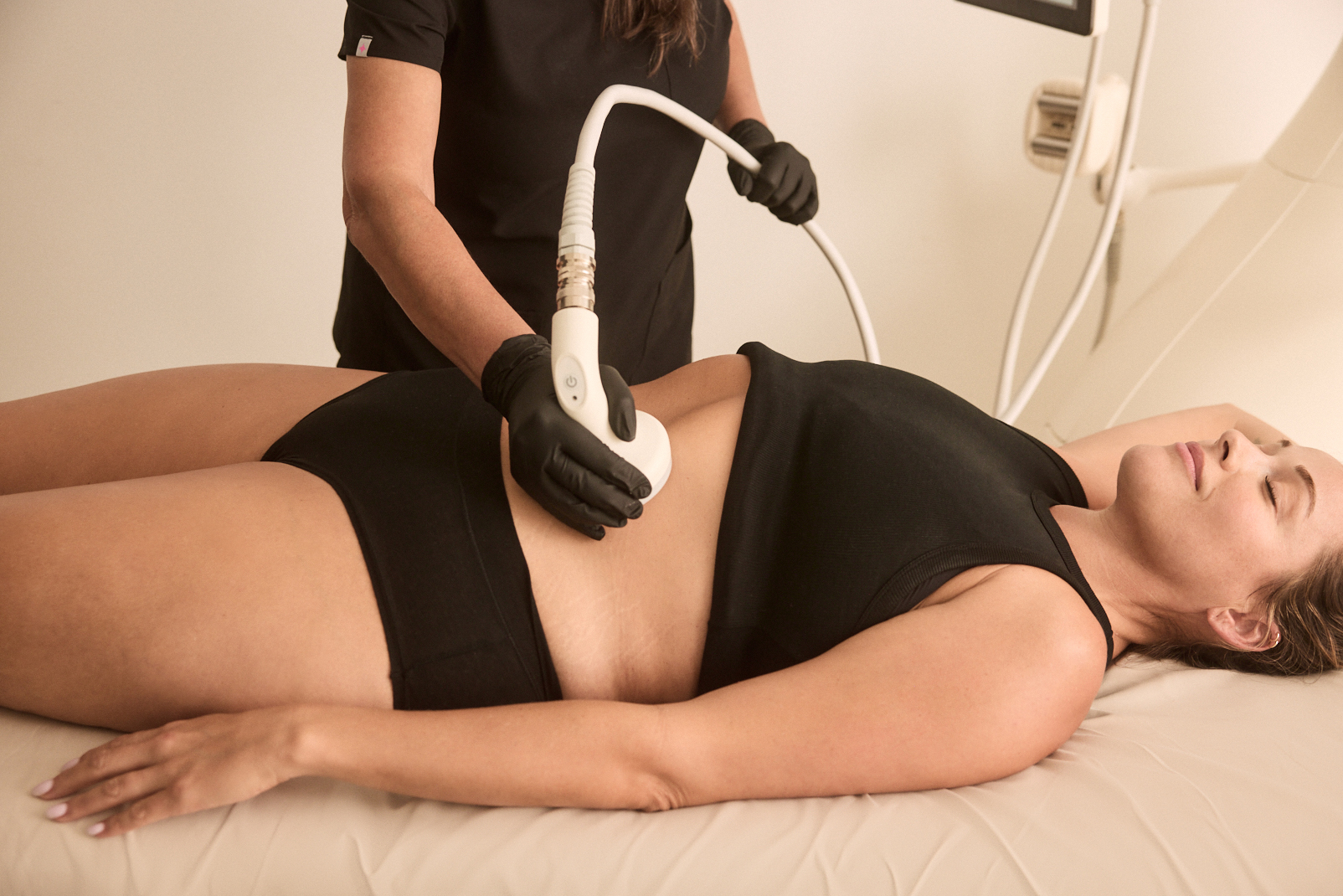
T-Shape 2 is a multi-technology body-contouring platform designed to address both mild to moderate skin laxity and fat reduction.
T-Shape 2 combines Low-Level Laser Therapy (LLLT), bipolar radiofrequency, endodermic suction massage, and mesospheric activation. Together, these technologies aim to stimulate collagen production, enhance circulation, support lymphatic drainage, and improve overall tissue quality.
What does that mean for you in practical terms? The radiofrequency side targets firmness by encouraging collagen activity. The laser and mechanical massage components focus more on contour smoothing, circulation, and lymphatic movement. That’s why clinics often use it for areas that feel a bit soft, slightly lax, or prone to cellulite.
Clinical data have shown that T-Shape 2 procedures have caused improvements in muscle-to-fat ratio, skin tone, and abdominal circumference. Nonetheless, the results develop gradually and vary between individuals.
What Treatment Should You Choose?
- If the tissue feels thin, crepey, or folds easily -> Focus on collagen stimulation or skin tightening technologies.
- If tissue feels thick, heavy, and dense when pinched -> Prioritize fat-reduction strategies.
- If tissue hangs in large overhanging folds -> Consider surgical evaluation because non-surgical devices cannot remove redundant skin.
- If you notice both density and laxity -> Consider combination protocols, addressing fat volume first and skin quality afterward.
This framework is not a diagnosis, but it explains exactly why two people with similar concerns may receive completely different treatment recommendations.
Risk and Safety Considerations
Body contouring and skin-tightening technologies vary in intensity, downtime, and suitability. While many treatments are considered non-invasive, they still involve energy delivery into tissue. Your body’s healing capacity can also influence treatment options.
That’s why it’s essential to schedule a consultation with a qualified provider, who can assess your overall health status and medical history, skin quality, elasticity, and thickness, and stability of body weight before treatment.
FAQs
Why does weight loss cause loose skin?
Weight loss causes loose skin because when you gain weight, the skin stretches to accommodate the increased volume. And after significant weight loss, the stretched skin remains loose, as it doesn’t have enough collagen and elasticity to retract. Collagen and elastin fibers may be weakened, especially because of age or after long periods of stretching.
Does loose skin go away?
Mild loose skin can go away naturally and gradually as collagen remodels, especially if the process is supported by strength training, good nutrition, and a healthy lifestyle. However, a significant amount of loose skin usually doesn’t disappear completely without professional treatments.
What does fat look like?
Fat looks like a smooth, soft bulge or roll that appears full and thick under the skin. It keeps its shape whether you’re standing or lying down.
Can loose skin be tightened again?
Yes, loose skin can be tightened again to some extent with skin tightening treatments, resistance training, and a healthy lifestyle. Severe laxity may require advanced procedures, though.
How to tell if it’s loose skin or fat on arms?
Loose skin on the arms looks thin and may swing or wrinkle when you move. Fat feels heavier and more padded when you pinch it, and it maintains a fuller shape when you relax your arm.
What’s the difference between postpartum loose skin vs fat?
Postpartum loose skin tends to appear wrinkled or stretched, especially around the lower abdomen. Postpartum fat feels thicker and more uniform and creates soft fullness.
Will you have loose skin if you lose weight?
Not everyone develops loose skin if they lose weight. It depends on age, genetics, skin quality, and how quickly they lose weight. To avoid loose skin after losing weight, it’s best to lose weight gradually, build muscles in the meantime, and maintain a healthy lifestyle.