The term “medspa” gets used loosely enough nowadays that it can mean almost anything: a clinic with soft lighting, a spa that stocks prescription-grade products, or a full medical practice that happens to offer body contouring. If you’re a client trying to understand what you’re walking into, or an owner trying to build something worth walking into, that ambiguity is worth clearing up before anything else.
This guide does two things. It walks through 24 of the most in-demand medspa services in plain language, so clients know what to expect and owners know where the revenue actually lives. And it gives medspa owners a practical framework for building a menu with staying power!
Disclaimer: This article is provided for informational and educational purposes only. The information presented here is not a substitute for professional medical evaluation, consultation, or care and should not be relied upon to make health-related decisions. Always consult a qualified and licensed medical or aesthetic professional before undergoing any cosmetic or aesthetic procedure.
What Are Medspa Services?
A medical spa is a mix between a day spa and a medical clinic. It offers non-surgical aesthetic and wellness procedures in a setting that prioritizes the client’s experience as much as the outcome. Med spas are run or supervised by licensed providers, allowing them to offer medical-grade procedures that require special training. At the same time, the relaxing environment of a medspa promotes relaxation and helps lower cortisol levels, aiding stress reduction.
Medspa vs. Day Spa vs. Dermatology Office
A day spa offers massage, relaxation facials, body wraps, and similar services. A dermatologist or plastic surgeon operates at the other end of the spectrum: medical diagnosis, prescription treatment, and surgery. The medical spa sits between these two, offering procedures that produce visible, lasting aesthetic results without requiring surgery or managing medical disease.
Medspas can offer laser treatments, injectables, chemical peels, and body contouring because they operate under medical supervision. A day spa cannot. A dermatology clinic generally can, but rarely prioritizes the experience-focused model that makes medspa services so broadly appealing.
Who Are Medspa Treatments for?
Medspa clients come in with a fairly consistent set of goals: reducing wrinkles, treating acne, addressing unwanted fat or cellulite, removing unwanted hair, or improving skin texture and tone. The treatments differ widely; the underlying motivation is consistent. People want to feel better in their skin, and they want results they can see.
The Top 24 Medspa Services
Below, you’ll learn more about 24 of the most popular medspa services, organized by category with plain explanations for both clients and medical spa owners.
Injectables and Skin Boosters
1. Neuromodulators
Neuromodulator injections like Botox relax the facial muscles responsible for expression lines, which is the mechanism behind their use on forehead creases, frown lines, and crow’s feet. Results appear within a few days of the appointment and last roughly 3-4 months, after which the muscle activity gradually returns, and the client comes back. No recovery time involved. The treatment itself takes well under half an hour. Because the results are temporary by nature, most clients build regular appointments into their routine rather than treating it as a one-time fix.
2. Dermal Fillers
Dermal fillers restore volume to areas that have thinned or shifted with age. Lip fillers, cheek augmentation, and jawline definition account for the majority of requests. Hyaluronic acid is commonly used in dermal fillers to restore lost volume in facial areas. Results are visible immediately, with mild swelling that resolves over the following week or two. The longevity varies depending on the product used and the area treated. Most fillers last anywhere from six months to two years. Fillers and neuromodulators are often combined in the same appointment, since they address related but distinct aspects of facial aging.
3. Biostimulatory Injectables
Biostimulatory products like Sculptra and Radiesse work differently from volume-adding fillers. They don’t fill the space. Instead, they signal the body to produce collagen over time. The results are gradual and cumulative (you’d need a series of sessions spread over a few months). They can last considerably longer than traditional fillers.
Facial and Skin Rejuvenation
4. Medical-Grade Facials
Medical-grade facials cover substantially more ground than what you’d receive at a day spa. A HydraFacial-style treatment moves through cleansing, exfoliation, extraction, and hydration in a single session, often with targeted serums or LED therapy added on. The result is noticeably cleaner and brighter skin with no downtime. Because the treatment is gentle enough to repeat monthly and produces consistent results, many clients schedule it as a standing appointment.
5. Chemical Peels
Chemical peels dissolve the bonds between damaged skin cells. This allows them to shed and reveal fresher tissue beneath. Light peels can help address surface dullness and mild uneven tone. Medium and advanced peels can reach deeper layers to treat sun damage, acne scarring, and more pronounced pigmentation. Recovery time depends on peel depth, from none at all to roughly a week. A series of treatments spaced a few weeks apart typically produces more lasting improvement than a single session.
6. Microdermabrasion and Dermaplaning
Microdermabrasion involves using a device to physically resurface the outer skin layer, improving texture and brightness. Dermaplaning implies the use of a surgical-grade blade to remove dead cells and fine facial hair, leaving the skin noticeably smoother. Both have little to no downtime. They work equally well as standalone treatments or as preparation before other procedures. For instance, once the outermost layer of dead skin is removed, serums and other topicals can be absorbed more effectively afterward.
7. Microneedling / RF Microneedling
Microneedling creates controlled micro-injuries in the skin using tiny needles. This activates the body’s healing response and stimulates collagen production. RF microneedling delivers radiofrequency energy through those same needles, driving deeper remodeling of the tissue. Both modalities can help address skin texture, scarring, and laxity. The RF version does so more aggressively and justifies a higher price point. It also implies more recovery time between sessions. A course of three to six treatments is standard for meaningful, lasting results.
Laser and Light-Based Services
8. Laser Hair Removal
Laser hair removal targets the pigment in the hair follicle with concentrated light energy. It damages the follicle’s ability to regrow hair over successive sessions. Most clients need 6-8 treatments to see significant reduction, with periodic touch ups afterward. Newer devices accommodate a wider range of skin types than earlier generations. Plus, the treated area makes a significant difference to session time. Smaller areas like the upper lip take minutes, while larger areas like the legs or back require considerably longer.
9. IPL Photofacials (Intense Pulsed Light)
Intense pulsed light therapy delivers multiple wavelengths of light simultaneously. It can target pigmentation, sun damage, visible redness, and broken capillaries. Unlike lasers that emit a single wavelength for a specific target, IPL addresses a range of concerns within the same session. On that account, it’s a practical option for clients dealing with several skin concerns at once. A series of three to five sessions is usually required, with minimal downtime between each.
10. Laser Skin Resurfacing (ablative and non-ablative)
Ablative laser resurfacing removes the outer skin layers, helping address wrinkles, scarring, and texture. It does so at a depth that can produce dramatic and lasting results. However, ablative laser procedures do have quite a long recovery period (a few weeks or even months) that clients need to plan around. Non-ablative laser treatments are more gentle, as they don’t remove surface tissue. They stimulate collagen gradually with considerably less downtime. The choice depends on how much result the client wants and how much recovery they can accommodate.
11. LED Light Therapy Add-Ons
LED therapy uses specific light wavelengths to address skin concerns without heat or physical contact. Red light supports collagen synthesis and reduces inflammation; blue light disrupts the bacteria responsible for acne. It’s a gentle treatment, typically with no downtime and no contraindications for most skin types. They’re most often added onto other treatments rather than booked alone, though some clients request standalone sessions.
Body Contouring and Cellulite
12. Non-Surgical Fat Reduction / Body Sculpting
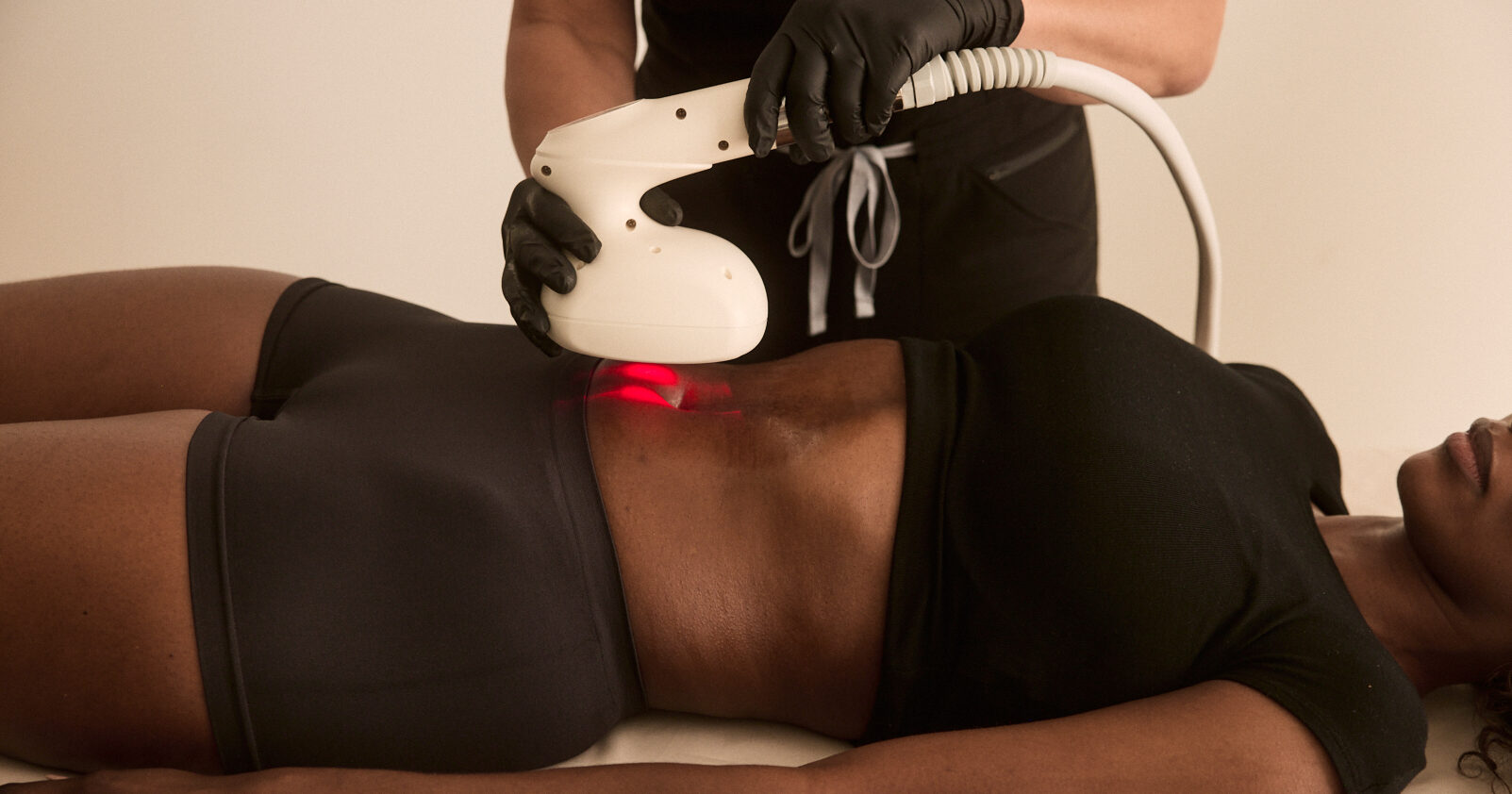
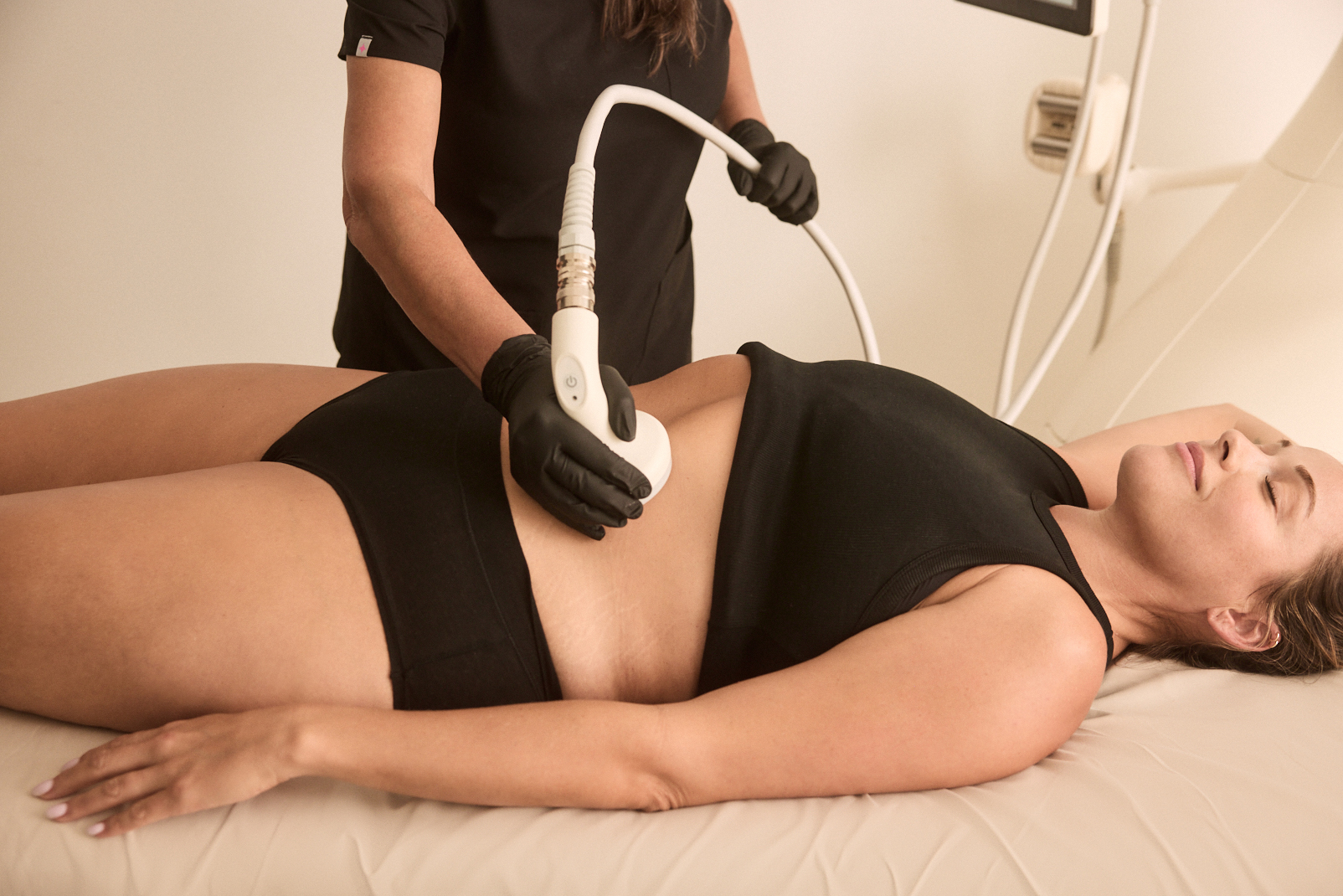
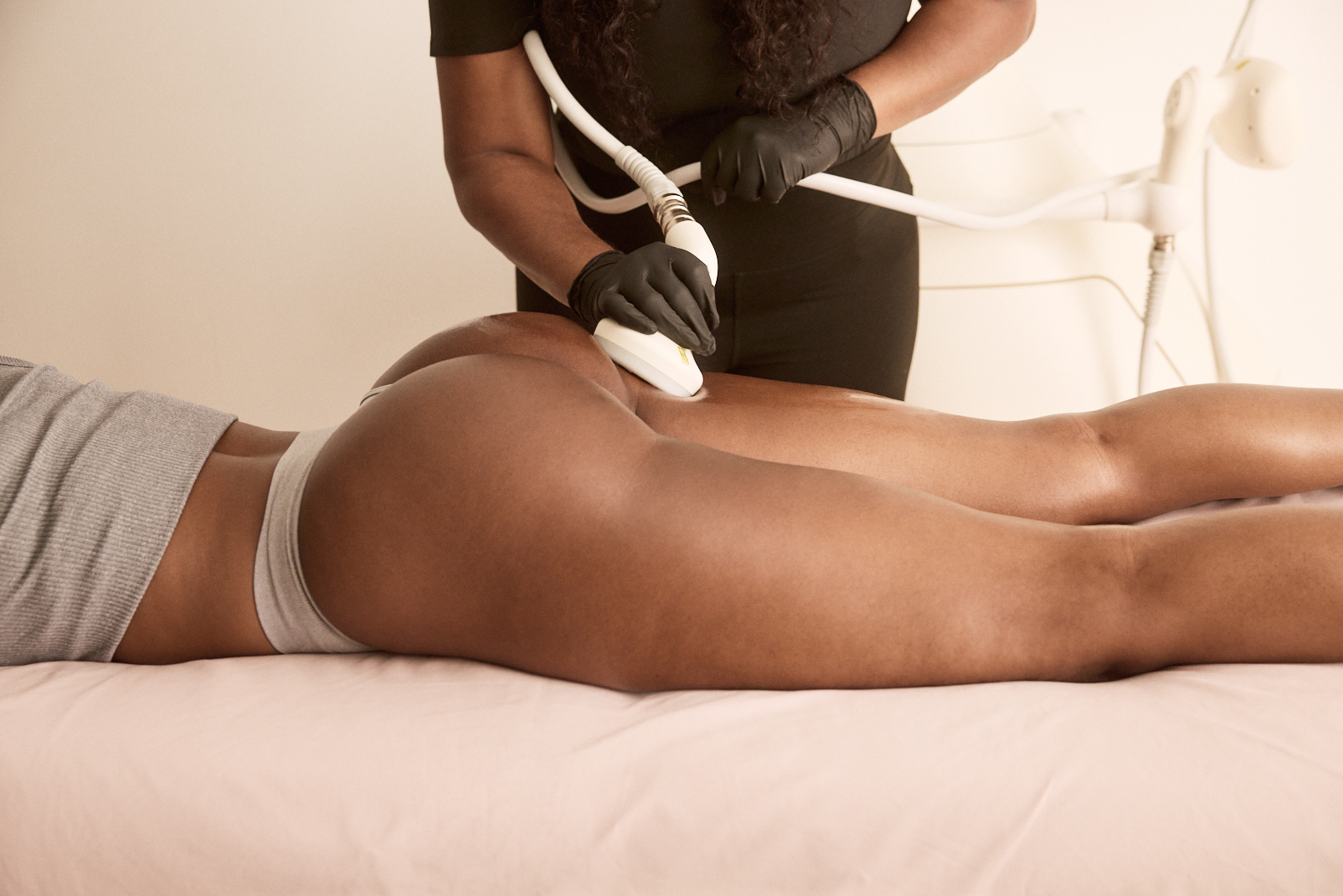
Non-surgical body contouring can help treat localized fat deposits without incisions, anesthesia, or recovery time. Radiofrequency, cryotherapy, ultrasound, and low-level laser energy each can help disrupt fat cells through different mechanisms, but the outcome is similar: a gradual reduction in volume in targeted areas like the abdomen, flanks, thighs, and arms as the body processes the treated cells over several weeks.
Multi-function platforms like the T-Shape 2 combine radiofrequency, low-level laser, and vacuum massage to address fat reduction, skin tightening, and cellulite within the same treatment. Another interesting option is InfraBaldan, which can help with weight loss without losing muscle at the same time.
It’s worth noting that results are not immediate. They build progressively after each session, so patience is part of the process.
13. Cellulite Reduction and Skin Tightening (RF, vacuum, combination devices)
Cellulite and skin laxity respond well to radiofrequency and vacuum-based treatments that can help break up fibrous bands under the skin. These treatments can usually also help stimulate tissue remodeling and improve circulation. Multiple sessions are needed to see visible improvement, and maintenance appointments sustain the results over time. Skin tightening often accompanies body contouring in the same treatment plan, since reducing volume without addressing laxity rarely gives clients the result they’re picturing. Devices like the T-Shape 2 are designed specifically to handle both within a single session.
Acne, Pigmentation, and Texture Solutions
14. Acne Treatments (devices, peels, light therapy)
A medspa’s approach to acne goes considerably further than what topicals alone can accomplish. Chemical peels, LED blue light therapy, and medical-grade skincare can produce lasting improvement for acne in both adolescents and adults. A well-designed treatment plan combines these modalities.
15. Scar and Texture Treatments (microneedling, resurfacing, plasma)
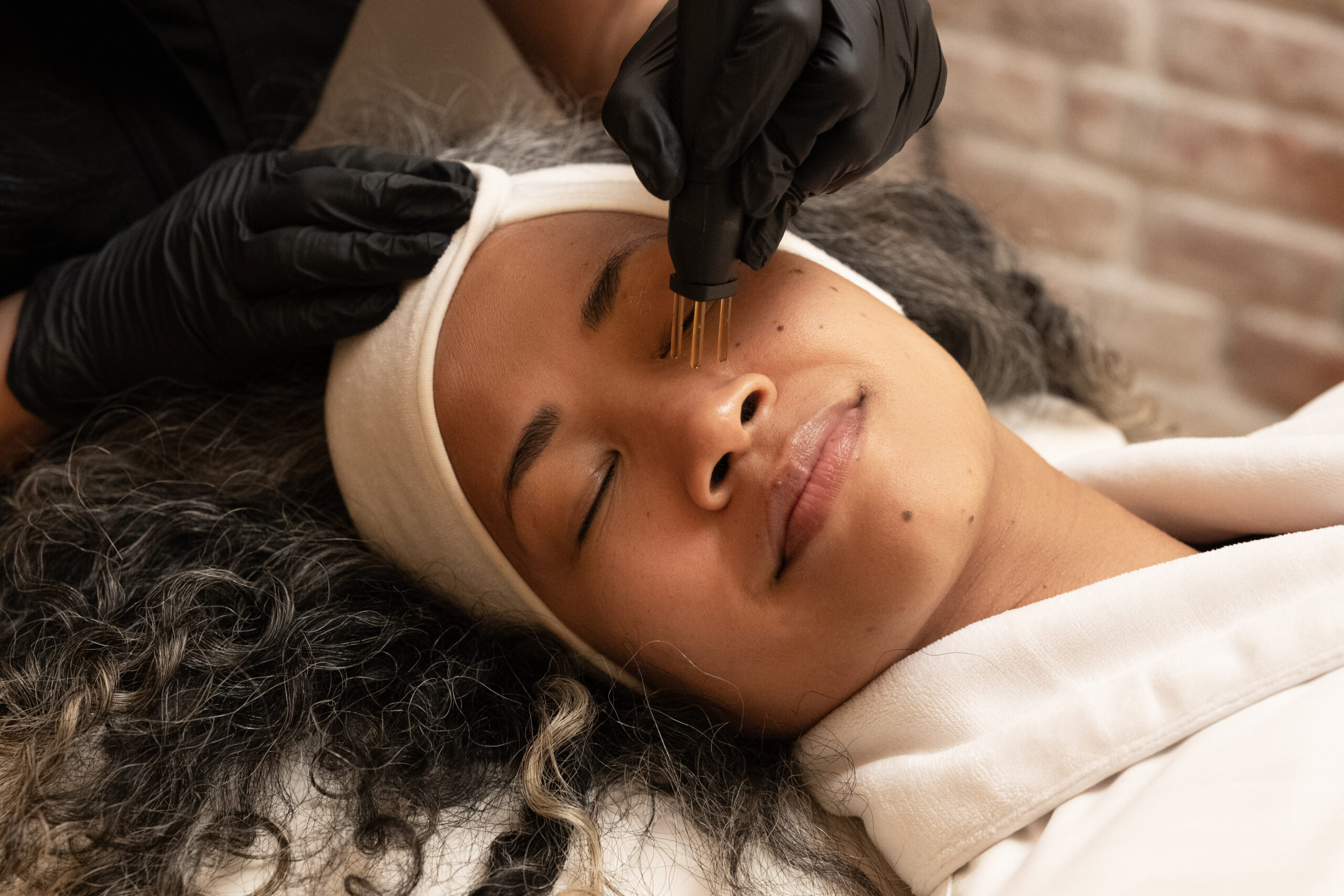
Addressing scar tissue and uneven skin texture usually requires a layered approach across multiple modalities and sessions. Microneedling, laser resurfacing, and plasma-based devices like Neogen (which is FDA-approved for acne scars, in fact) work at different depths and through distinct mechanisms to help reduce acne scars. Used in sequence over a structured treatment plan, they can produce results that no single treatment can match on its own.
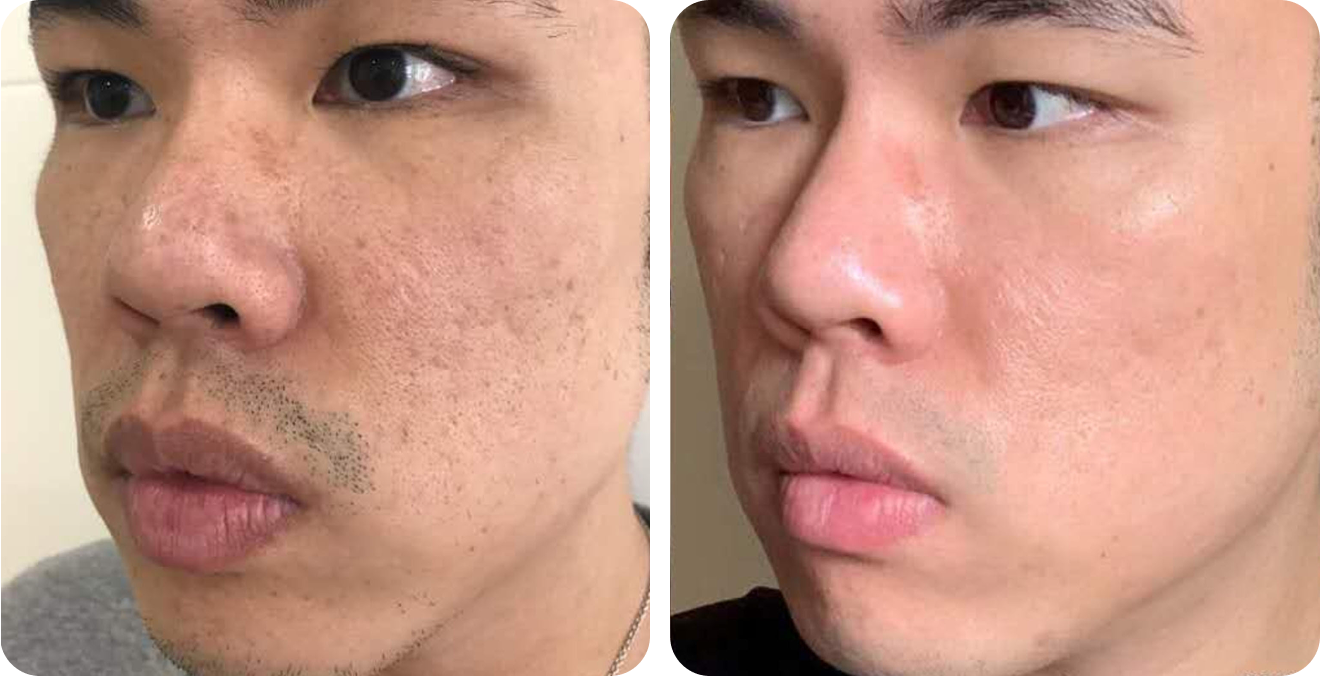
8 Days after 1 Medium Energy Neogen Treatment.
Wellness and Regenerative Services
16. PDO Thread Lifts
PDO (polydioxanone) thread lifts imply the insertion of dissolvable surgical threads beneath the skin. They physically reposition sagging tissue in areas like the jawline, mid-face, neck, and brows. The threads dissolve over several months, but the collagen stimulated along their path can sustain the lift well beyond that point. Results typically last between 1 and 2 years. Because no incisions are involved, recovery is measured in days rather than weeks.
17. Skin Boosters and Hydration Injectables
Skin boosters are injectable treatments designed to enhance the underlying quality of the skin. They do not change the skin’s structure, and they also do not add volume. For example, some of them contain highly concentrated hyaluronic acid, which is inserted into the dermis. There, it spreads through the tissue and can help improve elasticity, moisture retention, and overall skin luminosity. Most patients need two sessions spaced a month apart, with results lasting around six months. The treatment works particularly well alongside other facial services, since better skin quality amplifies the outcome of everything else.
18. Laser Tattoo Removal
Laser tattoo removal uses concentrated light energy to break up the pigment particles in tattoo ink. The body then clears them away naturally over the following weeks. Multiple sessions are needed. The number varies depending on the tattoo’s age, ink colors, depth, and placement. Each session is spaced 6-8 weeks apart to allow the skin to recover and the body to process the dispersed pigment. Newer devices work faster and more effectively on a wider range of ink colors than earlier technology.
Hair and Brows
19. Hair Restoration Treatments
Platelet-rich plasma therapy draws from the client’s own blood, processes it to concentrate growth factors, and injects it into the scalp to stimulate follicle activity. Combined with prescription topicals or device-based therapies, PRP can help slow thinning and support regrowth in clients with early to moderate hair loss. It rarely produces dramatic results on its own, but as part of a multi-modal protocol, it performs quite well.
20. Brow and Lash Enhancements
Brow lamination, lash lifts, tinting, and microblading can help address cosmetic concerns around the eyes and brows that sit outside the scope of traditional skincare treatments. Microblading deposits pigment into the skin to mimic the appearance of hair strokes. It produces results that can last 1-2 years with proper care. Lifts and tints are more temporary and typically need refreshing every 4-8 weeks, making them a natural part of a regular grooming routine.
Additional Aesthetic and Spa-Adjacent Services
21. Non-Medical Relaxation Facials and Spa Services
Not every visit to a medspa needs to be a clinical one. Relaxation facials, aromatherapy-based treatments, and traditional spa services are quite beneficial as well: stress relief, improved circulation, and skin hydration! They work particularly well alongside medical treatments on the same visit.
22. Body Treatments
Body scrubs and wraps imply the application of exfoliants, minerals, or botanical compounds to the skin. They are left for some time to work before being removed. They leave the skin smoother and more hydrated. Such body treatments can complement body contouring and skin health services by preparing or supporting the skin without requiring recovery. Many clients add them to body contouring appointments or book them as part of a longer visit.
Specialty and Differentiator Services
23. Plasma-Based Skin and Acne Treatments
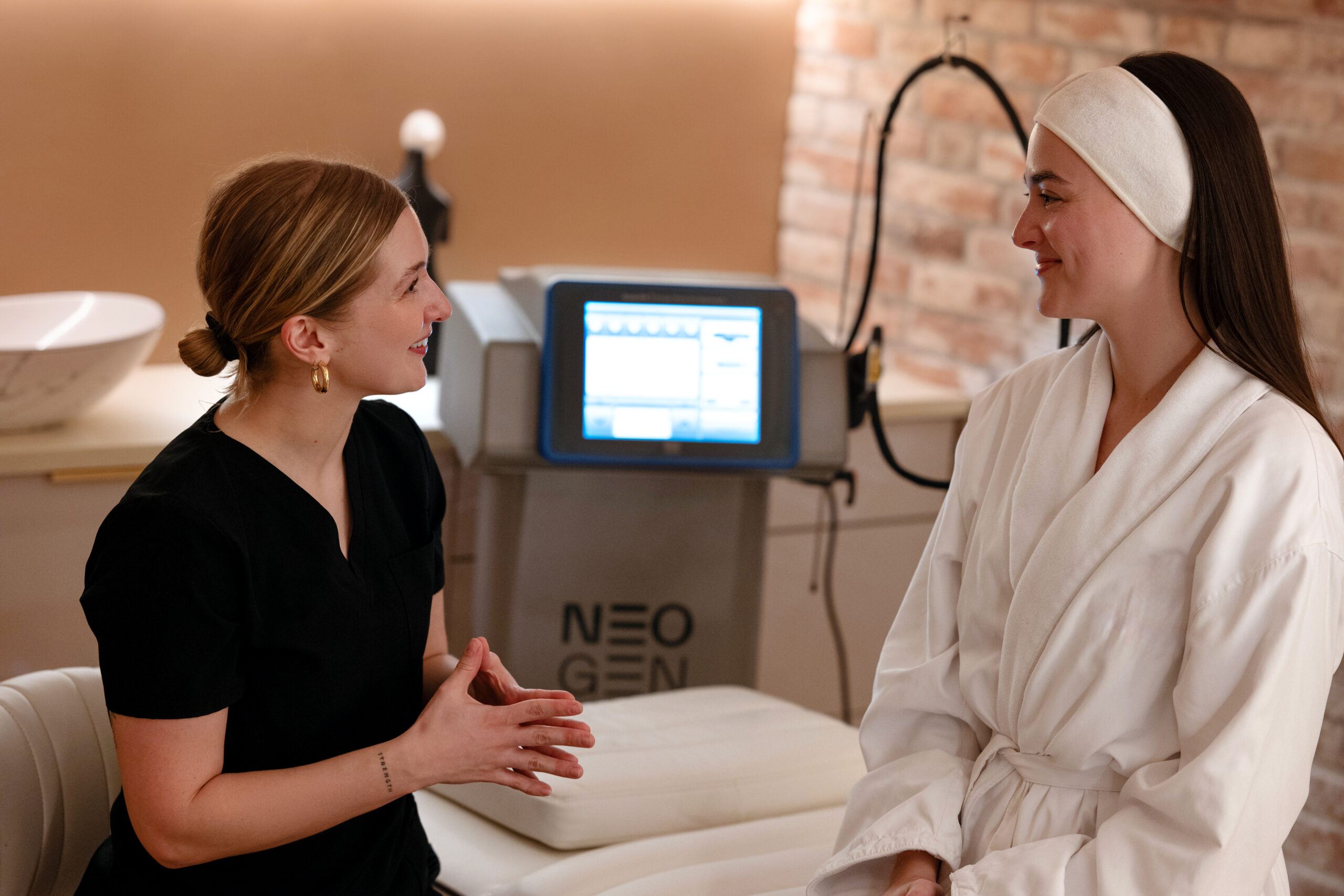
Plasma technology represents a step forward in non-invasive skin treatment. Nitrogen plasma devices like Neogen can resurface and regenerate skin at a depth comparable to ablative laser procedures but without the significant downtime caused by ablative lasers. It represents a meaningfully different mechanism from lasers or injectables. On that account, it can be a useful addition to treatment plans that haven’t fully resolved a client’s concern.
24. Advanced Diagnostic Skin Imaging and Consultation Services
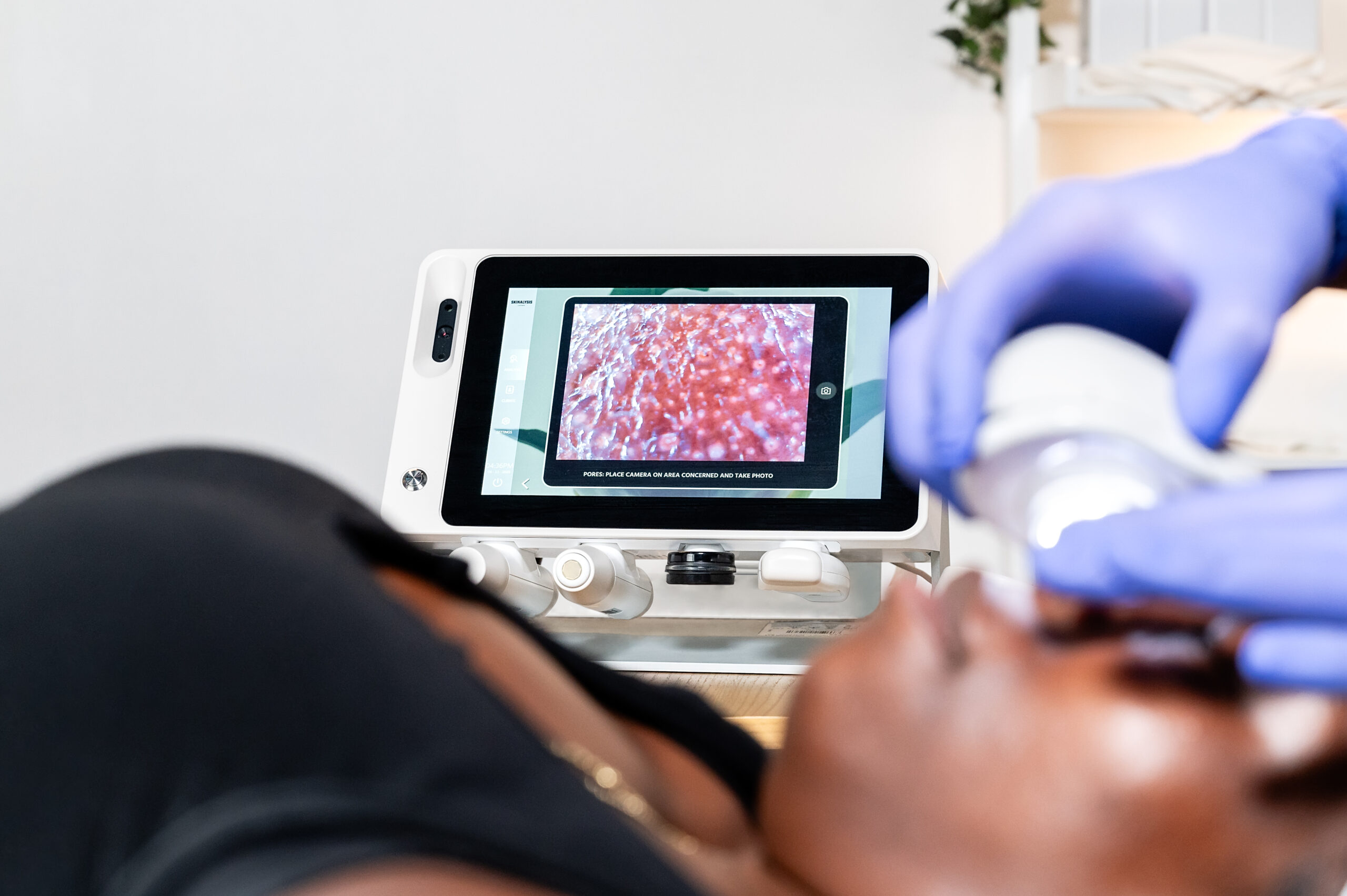
Skin analysis tools like Soft X use imaging technology to assess the skin below the surface. They can help identify concerns that aren’t visible during a standard consultation. Both the client and the provider leave the consultation with a more specific picture of what the skin actually needs. This information is beneficial for outlining a more targeted treatment plan from the outset.
How to Choose the Right Medspa Services for You
Can’t decide what treatment is best for you? We can help!
Match Your Concern to the Treatment
Here are some procedures that are generally recommended for specific skin issues. Always consult a medical professional before scheduling any of these.
| Smoothing wrinkles and addressing volume loss | Neuromodulators, dermal fillers, biostimulatory injectables, nitrogen plasma |
| Sun damage and uneven tone | IPL photofacials, chemical peels, medical-grade facials, nitrogen plasma |
| Acne and congestion | Plasma treatments, acne-specific peels and LED, medical-grade skincare protocols |
| Scarring and skin texture | RF microneedling, laser resurfacing, plasma treatments |
| Reduce fat | Non-surgical body contouring, InfraBaldan, T-Shape 2 |
| Cellulite and skin laxity | RF and vacuum body treatments, skin tightening devices, T-Shape 2 |
| Unwanted hair | Laser hair removal |
| Overall skin health and restoring a youthful appearance | Medical-grade facials, dermaplaning, chemical peels, T-Shape 2 |
Safety, Credentials, and Questions Worth Asking
Before booking any medical spa treatment, confirm that the practice operates under medical supervision and that whoever is performing your treatment holds the appropriate credentials. A reputable medspa will require a thorough consultation to assess goals and medical history before booking a procedure.
Bring a list of your current medications to your consultation. Some treatments interact with blood thinners, photosensitizing drugs, or immunosuppressants. Disclose your skin type, previous treatments, and any relevant medical history. All of these affect what’s safe and what’s likely to work for you. A good, licensed professional will ask lots of questions. If yours doesn’t, try a different provider.
Also, make sure that the provider has extensive experience with the procedure you want to try. Most medspa treatments require knowledge, expertise, and precision.
How to Build a Strong Med Spa Treatment Menu
If you’re planning to start a medical spa business, you might be feeling a bit lost amidst all these procedures, right? It can sometimes be really challenging to choose the ones that your target clients really need. We’ve prepared some tips that may help you get started.
Start With your Market and Your Own Strengths
Before settling on a service list, look at what the medspas in your area offer, identify where the gaps are, and be straightforward with yourself about your team’s clinical strengths.
Also, try to narrow your focus at first. An injectables-and-skin practice that does four services exceptionally well will attract and retain clients more readily than a spa that offers everything. Or you can start with a combination device like T-Shape 2, which can help address multiple skin concerns at once and is very easy to use.
Structure Your Menu around Four Core Categories
Most successful medical spa menus are organized into four areas: injectables and fillers, facial and skin rejuvenation, laser and light treatments, and body contouring and wellness. These four cover the majority of client demand and give both your team and your clients a clear framework for navigating consultations.
Devices That Power High-Demand Med Spa Services
A device that covers a single treatment category needs that category to generate significant volume before it pays for itself. On the other hand, a multi-function platform that can help address body contouring, skin tightening, and cellulite in a single device changes that math considerably. It also reduces the number of pieces of equipment your team needs to train on.
Non-invasive, low-downtime treatments are also easier to market than procedures with recovery periods. Many of the most in-demand services on this list require no downtime at all.
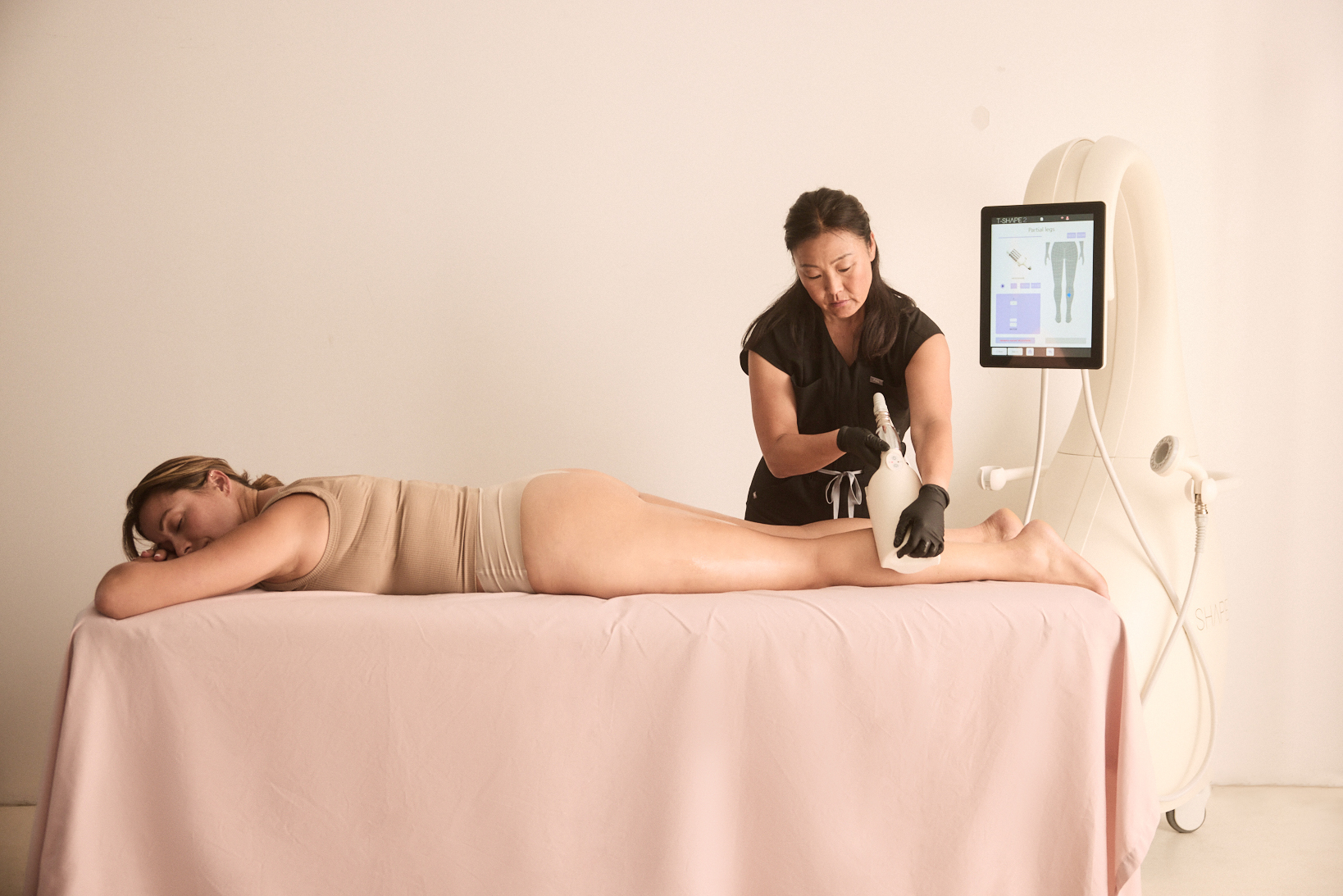
The T-Shape 2, for example, combines radiofrequency, low-level laser energy, vacuum massage, and mesospheric activation in a single platform. It can help address body contouring, cellulite reduction, and skin tightening across the same treatment session. Plus, it can be used both on the face and on the body, and Artemis provides full training.
In practice, this means you can build a complete body sculpting menu around a single device.
FAQs
How much do medpsa services cost?
Medspa services often range from about $100 to $500 per visit for common treatments like facials, peels, microdermabrasion, and some injectables. More advanced services, such as laser resurfacing or body contouring, can cost several hundred to several thousand dollars, depending on the treatment area and number of sessions.
What are the most popular medical spa services?
The most popular medspa services usually include Botox and other neuromodulators, dermal fillers, chemical peels, microneedling, and laser hair removal. Many med spas also offer body contouring, acne treatments, and skin rejuvenation services because they are in high demand and often repeatable.
What services does a med spa provide?
A med spa typically offers non-surgical aesthetic and wellness treatments such as injectables, facials, chemical peels, laser treatments, body contouring, and microneedling. Some also provide more advanced services like acne treatment, hair restoration, and regenerative skin procedures under medical supervision.
Can a med spa help with acne?
Yes, many med spas offer acne treatments such as chemical peels, microneedling, Neogen plasma, laser-based acne care, and medical-grade skincare plans. These treatments can help reduce breakouts, clear clogged pores, calm inflammation, and improve acne scars over time.
Can a medical spa help with wrinkles?
Yes, med spas commonly treat wrinkles with Botox or other neuromodulators, dermal fillers, microneedling, chemical peels, and laser resurfacing. These treatments can help soften fine lines, restore volume, and improve skin texture for a more youthful appearance.