You’ve probably noticed them in photos or in the mirror: two vertical cords running down the front of the neck, more visible when you talk, strain, or turn your head. Those are platysmal bands, and they’re one of the most talked-about signs of neck ageing in aesthetic medicine.
They can appear earlier than expected. They can also change faster than the rest of your face. And oftentimes, they resist the skincare routines that work in other areas. Understanding what actually creates them makes the difference between chasing solutions that won’t work and having a useful conversation with a professional who can.
This article covers what causes platysmal bands, the full range of options clinics commonly use to improve their appearance, and the questions worth asking if you decide to explore treatment.
Disclaimer: This article is provided for informational and educational purposes only. The information presented here is not a substitute for professional medical evaluation, consultation, or care and should not be relied upon to make health-related decisions. Always consult a qualified and licensed medical or aesthetic professional before undergoing any cosmetic or aesthetic procedure.
What Are Platysmal Bands?
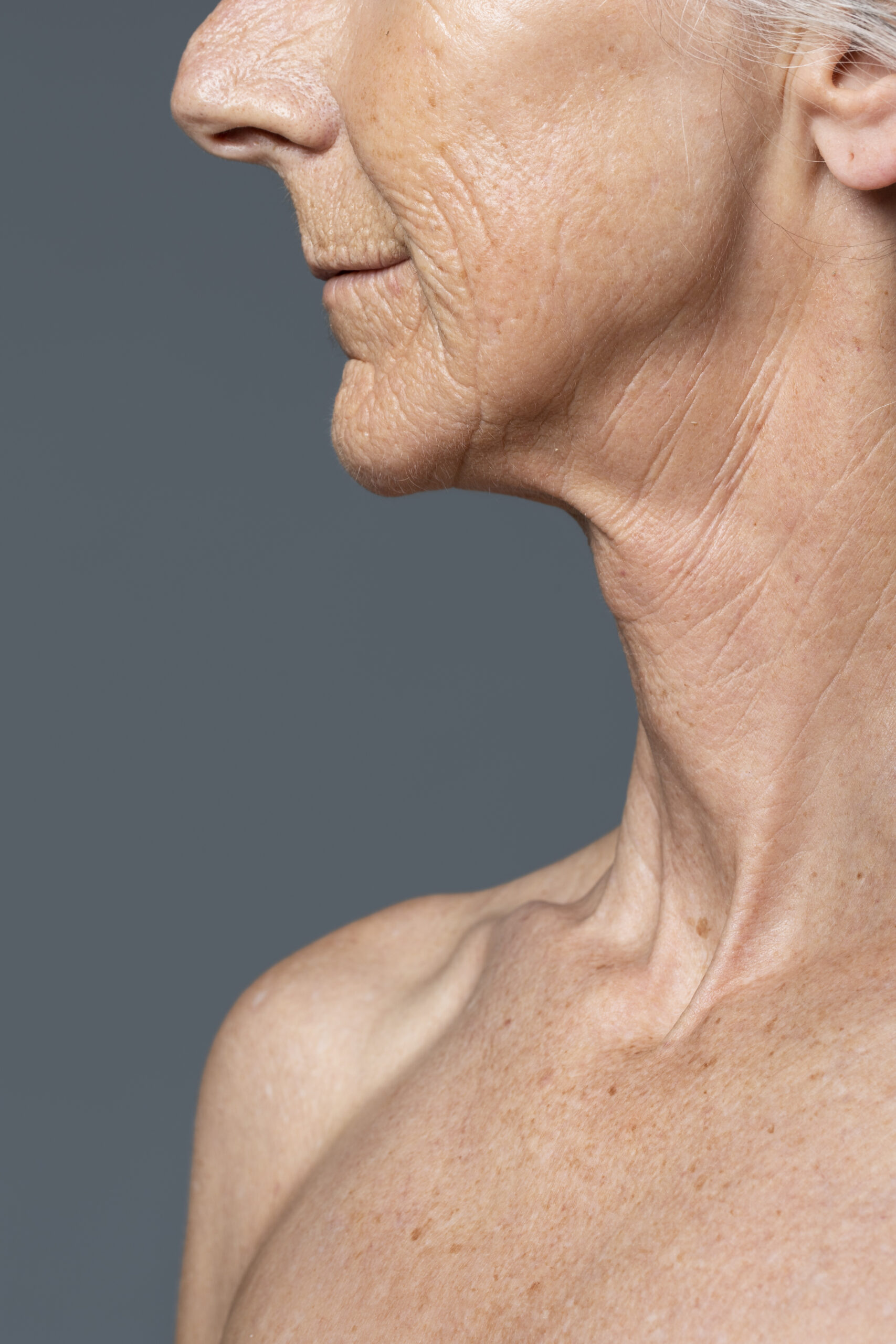
Platysmal bands are visible, vertical neck bands created by changes in the platysma muscle, creating what people often call turkey neck. The platysma muscle is a thin, flat muscle that covers the front of your neck. Every time you lift some weights, for example, you will notice the platysma muscle in the mirror. It is put to work in other day-to-day activities as well. Like other muscle movements, platysma muscle movements can cause creases in the skin over time.
Platysmal bands are totally normal. They’re a common part of facial and neck aging. But the timing and severity vary significantly from person to person.
The bands typically look like raised vertical lines or cords beneath the skin, running from the jawline downward. Some people notice them only when they speak or strain. Others see them at rest. They sometimes develop alongside loose skin, a less defined jawline, or excess fullness beneath the chin.
Where Does the Platysma Muscle Sit and What Does It Do?
The platysma is part of what anatomists call the superficial muscle layer of the neck. It runs as a thin sheet from the upper chest and collarbone up to the jawline and lower face, sitting just beneath the skin. It’s involved in facial expressions, pulling the corners of the mouth downward, and contributing to the look of strain or grimacing.
Because it’s a superficial muscle, any changes to it show directly through the overlying skin. Deeper neck muscles are cushioned by fat and connective tissue. The platysma has no such buffer, which is why even modest changes in muscle tone or position become visible.
Platysmal Bands vs. Other Neck Concerns
Not every neck concern is the same, and they don’t all respond to the same treatments.
| Concern | Appearance | Primary driver |
| Platysmal bands | Vertical cords or lines | Platysma muscle changes |
| Tech neck lines | Horizontal lines across neck | Repeated downward head posture |
| Submental fat | Fullness under chin | Excess fat beneath skin |
| General sagging skin | Loose, crepey texture | Collagen and elastin loss |
These concerns often coexist, especially from the mid-40s onwards. Excess fat under the chin, saggy skin, and visible neck bands frequently appear together. But the treatments that address one don’t automatically address the others, which is part of why a professional assessment matters so much.
What Causes Platysmal Bands?
Ageing plays the central role in the formation of platysmal bands, but it’s not the only factor that affects the way your neck looks and how quickly it ages. Platysmal bands are also caused by frequent, strenuous exercise like lifting weights, as well as genetics, body changes, and lifestyle habits.
Normal Ageing of Muscle and Skin
The skin on your neck is thinner than the skin on your face to begin with. Over time, collagen and elastin production slows. Because of that, the skin overlying the platysma loses density and firmness. It becomes less capable of concealing what lies beneath. The platysma itself gradually loses its structural integrity. The muscle edges become more distinct and, in some people, separate along the midline.
As a result, you may notice that the vertical muscle edges that’ve always been there start to appear as visible vertical bands.
The Role of Muscle Activity
Ageing alone doesn’t explain everything. Muscle activity is the primary cause of visible platysma bands. In their study, Trévidic, Patrick M.D. and Criollo-Lamilla, Gisella M.D., observed that platysmal bands formed only on the non-paralysed side of the face in patients with unilateral facial palsy, meaning the side where the muscle was still active. The paralysed side, where the platysma couldn’t contract, showed no comparable band formation.
Bands are shaped by how much your platysma contracts and how often. Everyday actions like lifting weights, gritting your teeth, straining, or speaking with exaggerated expressions all activate the platysma muscle and, over time, contribute to visible bands.

Genetics, Lifestyle, and Body Changes
Some people are simply predisposed to earlier or more prominent platysmal band formation due to thinner neck skin or a more active platysma. Genetics set the baseline, but several factors influence how quickly things progress:
- Significant weight loss can accelerate visible banding by reducing the fat that cushions the skin against the muscle.
- Smoking speeds up collagen breakdown and reduces skin elasticity.
- Sun damage weakens the skin’s structural proteins over time, making bands more visible sooner.
- Prolonged downward head posture (looking at phones or screens) contributes more to horizontal lines than vertical bands, but it still increases the general toll on the neck skin and posture.
Are Platysmal Bands Dangerous?
Platysmal bands are a cosmetic concern, not a medical one. They’re a normal part of the ageing process for many people and don’t indicate disease.
That said, some neck changes do warrant a medical evaluation rather than a trip to an aesthetics clinic. If you notice sudden asymmetry, unexplained swelling, pain, difficulty swallowing, or changes to the neck that don’t fit normal ageing patterns, a GP or specialist should assess you before any cosmetic intervention.
This article doesn’t assess symptoms and can’t evaluate your situation. If you have questions about specific changes to your neck, a qualified healthcare professional is the right starting point.
How Do Platysmal Bands Progress Over Time?
Platysmal bands don’t appear overnight. And their severity influences which treatment options are the best for you. Here’s a general framework, though only a clinician can properly classify where you sit.
Early, Dynamic Platysmal Bands
At this stage, the platysmal bands are visible mainly when the muscle is active: talking, straining, grimacing, or clenching the jaw. In a neutral resting position, the neck looks largely smooth. These are sometimes called dynamic platysmal bands, and they respond well to neuromodulator injections because the muscle is still the primary driver.
Moderate Platysmal Bands at Rest
If the platysmal bands remain lightly visible even without muscle activation, there’s probably some skin laxity alongside the muscle component. There may also be early jowling or a slightly less defined jawline. A combination approach, addressing both the muscle and the skin quality, is common at this stage.
Pronounced Platysmal Bands + Skin Laxity
More constant, prominent platysmal bands combined with significant excess skin and possible neck fullness represent the end of the spectrum, where non-surgical treatments alone may not deliver the results a patient is looking for. Many surgeons recommend surgical procedures such as platysmaplasty or a neck lift for suitable candidates in this group.
Can Skincare, Exercises, or Lifestyle Changes Improve Platysmal Bands?
Skincare, exercises, and lifestyle changes can partially improve platysmal bands, but not always.
What Skincare Can and Cannot Do
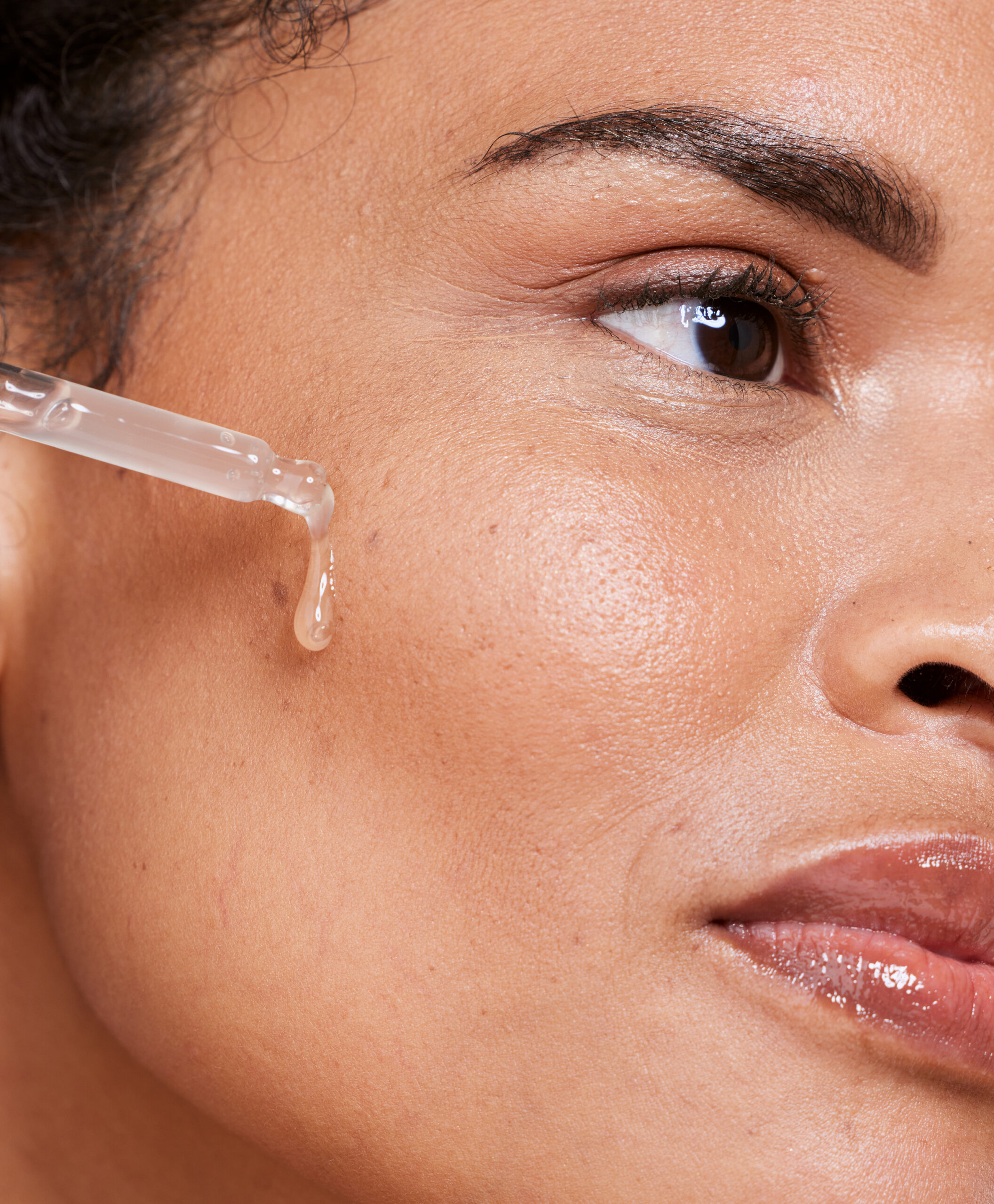
Good skincare supports the quality of the skin overlying the platysma. Thicker, firmer, better-hydrated skin will display underlying muscle changes less sharply than thin skin. Sunscreen prevents further collagen breakdown from UV exposure. Retinoids stimulate collagen production over time. Peptide-based products and hyaluronic acid serums support skin texture and hydration.
None of these changes the underlying platysma muscle, though. Skincare works at the level of the dermis, not the muscle below it. And since platysmal bands are mainly driven by muscle activity, as confirmed in the study linked above, they won’t disappear with a serum.
Neck Exercises: Helpful or Counterproductive?
Forceful neck exercises, grimacing, and resistance training targeting the neck can make platysmal bands more prominent, not less. They repeatedly activate the very muscle responsible for them. Specialists in aesthetic medicine generally advise against neck exercise routines for people who already have visible bands.
Gentle stretching and postural work are different, though. They can improve neck comfort and general posture without specifically worsening band visibility. But there’s no evidence that exercise routines can reverse established platysmal bands.
Habits that Support the Appearance of Your Neck
Lifestyle changes won’t reverse pronounced platysmal bands, but they can slow progression and support skin quality. Here’s what you can try:
- Protect the neck from sun exposure daily (not just the face).
- Quit smoking.
- Stay well hydrated.
- Maintain a stable, healthy weight.
- Reduce prolonged head-down posture at screens.
Best Treatments for Platysmal Bands
Treatment is elective. Results vary between individuals, and every option listed here carries its own risk profile, cost structure, and maintenance requirements. The information below is a general overview, not a recommendation. We strongly advise discussing your specific situation with a qualified practitioner. This is the only way to know which options might suit you.
Botulinum Toxin Treatment
Botulinum toxin treatment is often used to treat platysmal bands. It basically relaxes the platysma muscle with minimal discomfort. This reduces the muscle’s ability to contract and pull the overlying skin into visible bands. The technique is sometimes called the Nefertiti lift, and it can help promote a youthful-looking neck.
The effect on neck bands typically lasts around three to four months, after which the muscle gradually regains activity, and maintenance sessions are needed.
One note on expectations: botulinum toxin addresses active muscle contraction. It’s most effective for dynamic platysmal bands and moderately effective for bands with a resting component. It doesn’t address skin laxity or excess fat.
Dermal Fillers and Biostimulatory Injectables
Dermal fillers have a more limited role in treating vertical platysmal bands directly. They’re better suited to adding structure along the jawline, softening horizontal lines, and improving neck contour. Biostimulatory injectables work differently. They don’t add immediate volume. They stimulate collagen and elastin production over time, which is why they’re also usually not used as a standalone solution for platysmal bands.
That said, hyaluronic acid fillers and poly-l-lactic acid (a biostimulatory injectable) are sometimes used to support the jawline and complement neuromodulator treatment.
Radiofrequency and Combination Technologies (T-Shape 2)
Even when the platysmal bands are driven by muscle activity, the condition of the skin around them shapes how severe they look. Thinner, less elastic skin makes muscle edges appear sharper, so improving skin quality can soften the overall appearance of platysmal bands even without directly targeting the muscle.
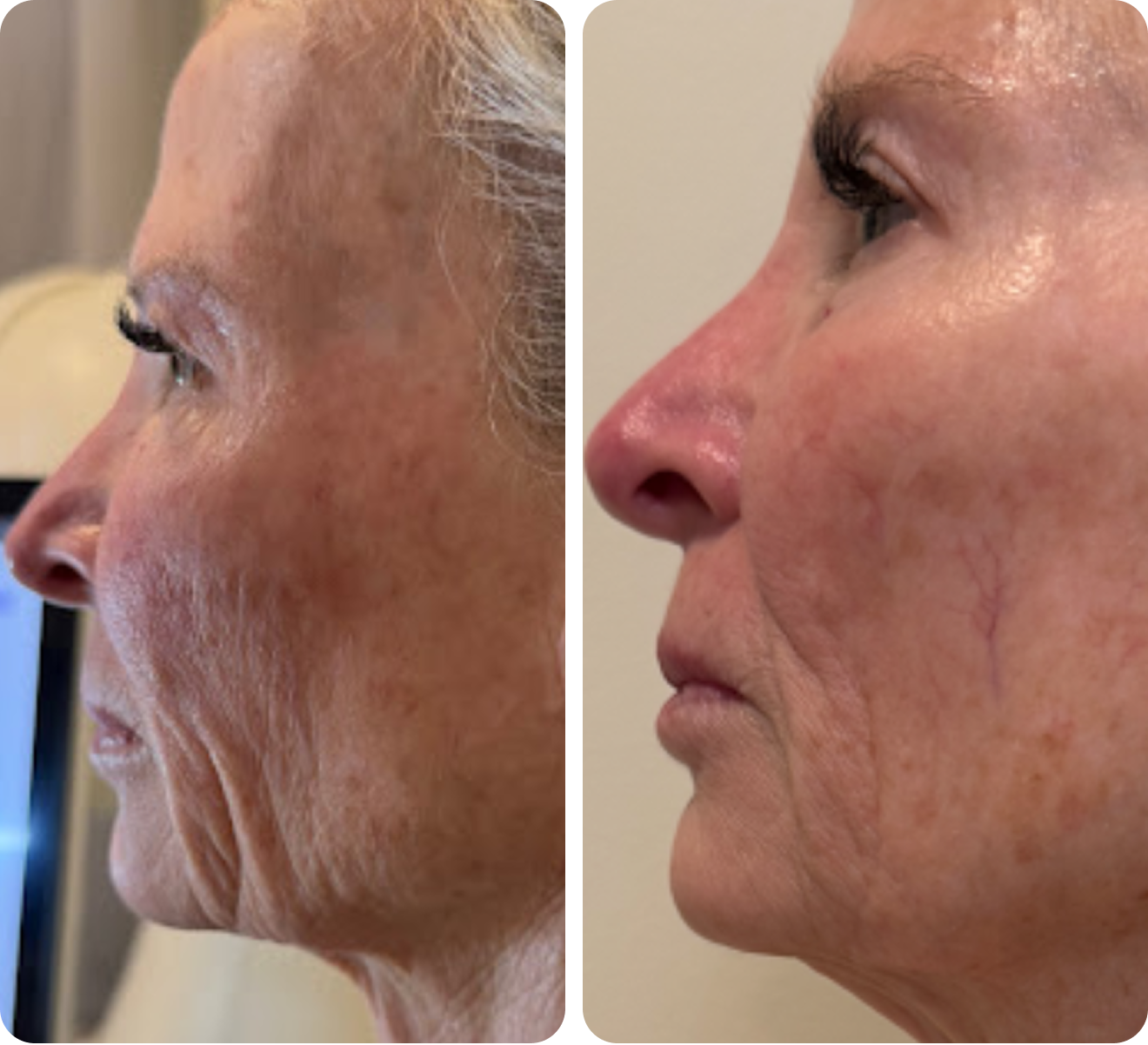
Before and after 8 skin-tightening treatments on the face with T-Shape 2.
Radiofrequency treatments don’t directly address platysmal bands, though. What they do is heat the deeper layers of the skin to stimulate collagen remodelling and gradual tightening. The effect builds over weeks to months as new collagen forms. This translates into improved skin firmness, a more youthful appearance, and a modest reduction in skin laxity on the lower face and neck. Radiofrequency treatments usually require minimal downtime.
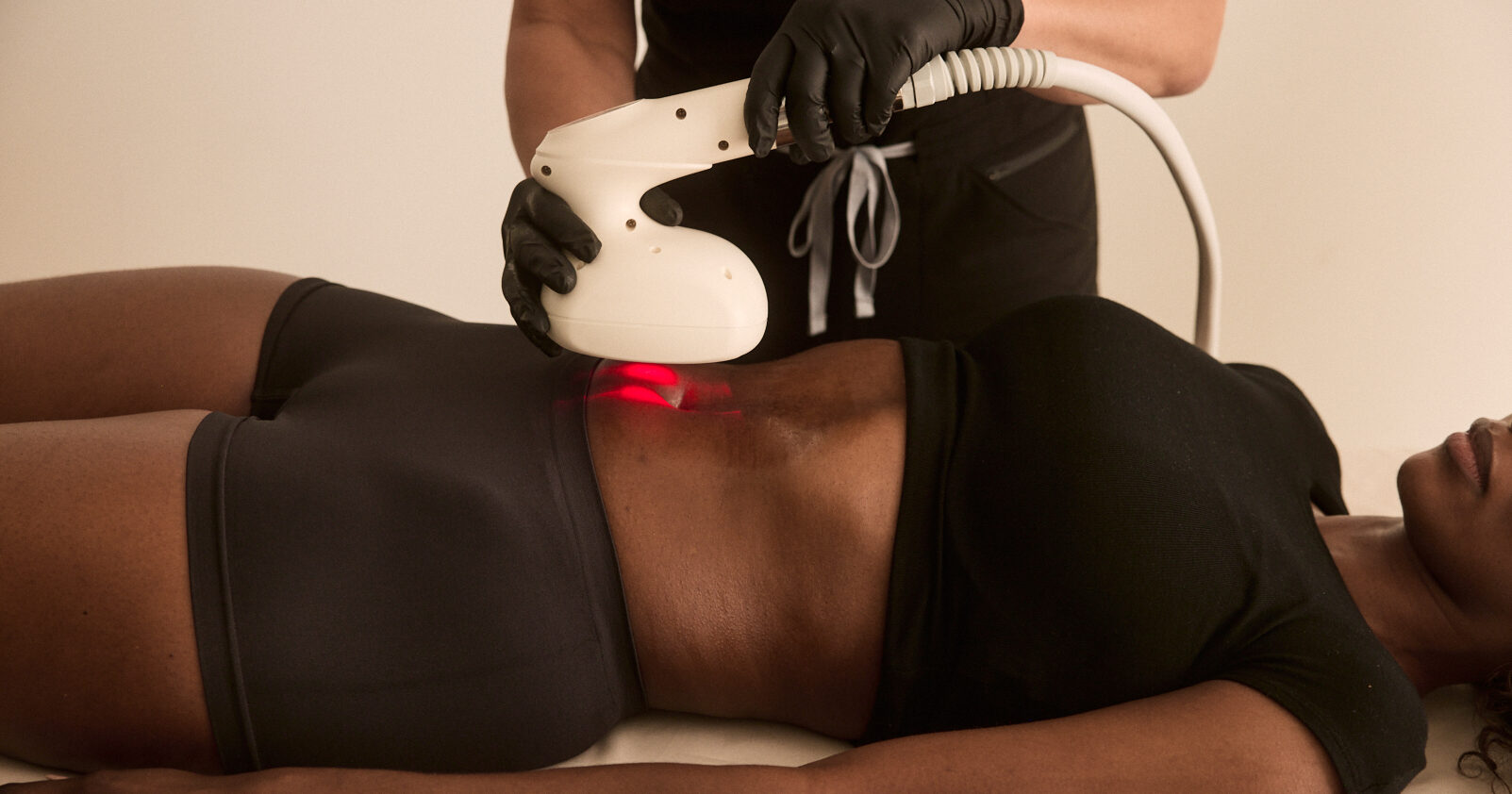
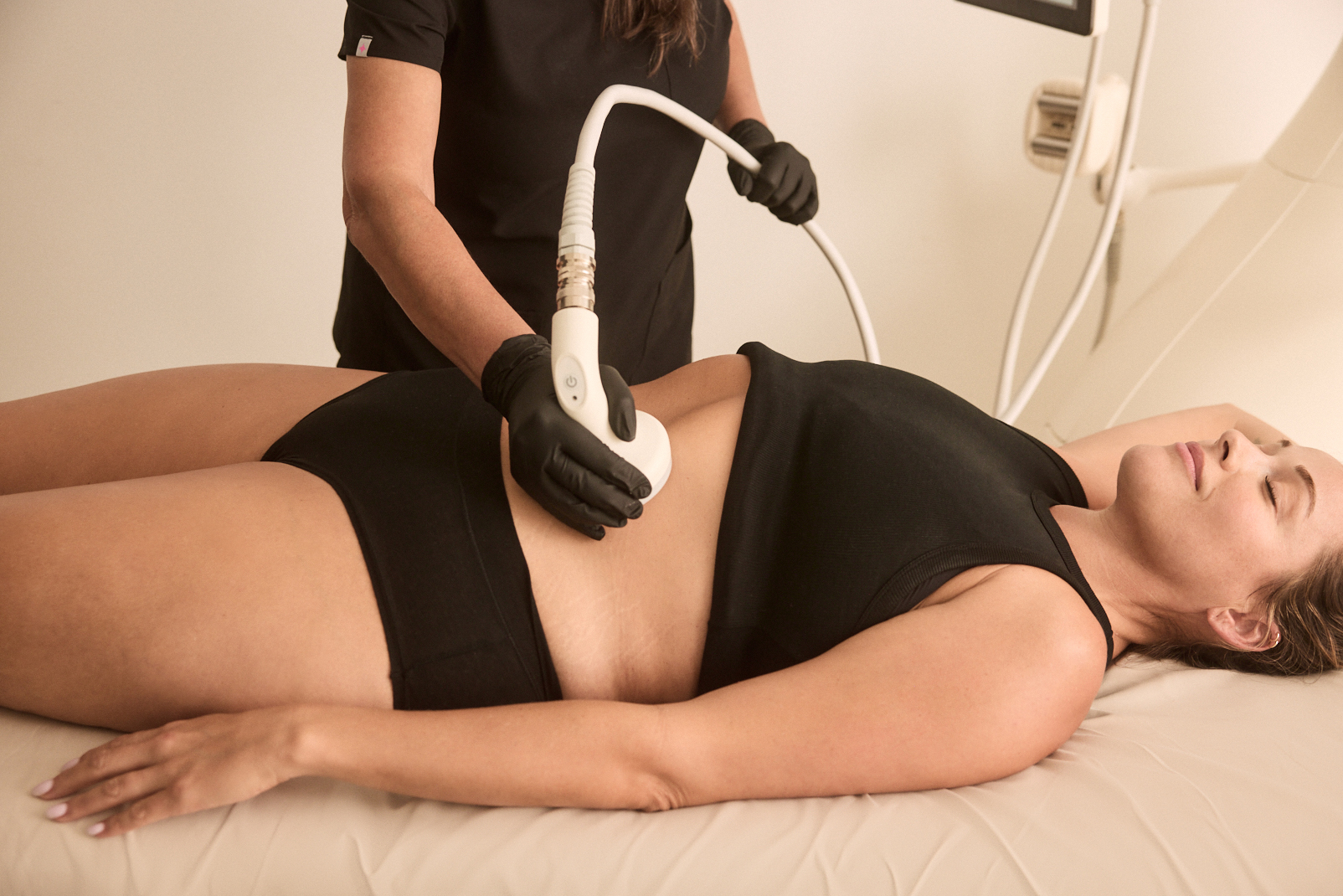
The T-Shape 2, for example, is a multi-modal system combining radiofrequency, vacuum-assisted massage, mesospheric activation, and low-level laser. Clinics often incorporate it into non-surgical neck rejuvenation protocols to address skin laxity and local circulation, as well as creating a youthful neck contour and a better jawline definition, where appropriate and within its indications.
Nitrogen Plasma Skin Regeneration (Neogen)
Nitrogen plasma technology delivers controlled thermal energy to the skin’s surface to resurface, tighten, and stimulate regeneration. It can address skin texture, fine lines, sun damage, and mild laxity. It’s a useful option when the neck shows multiple signs of aging skin alongside visible bands.
Neogen is an example of a nitrogen plasma system that some practices incorporate into neck rejuvenation protocols. Its ability to address texture, pigmentation, and tightening in a single treatment makes it relevant for situations where skin quality is a significant part of the concern.
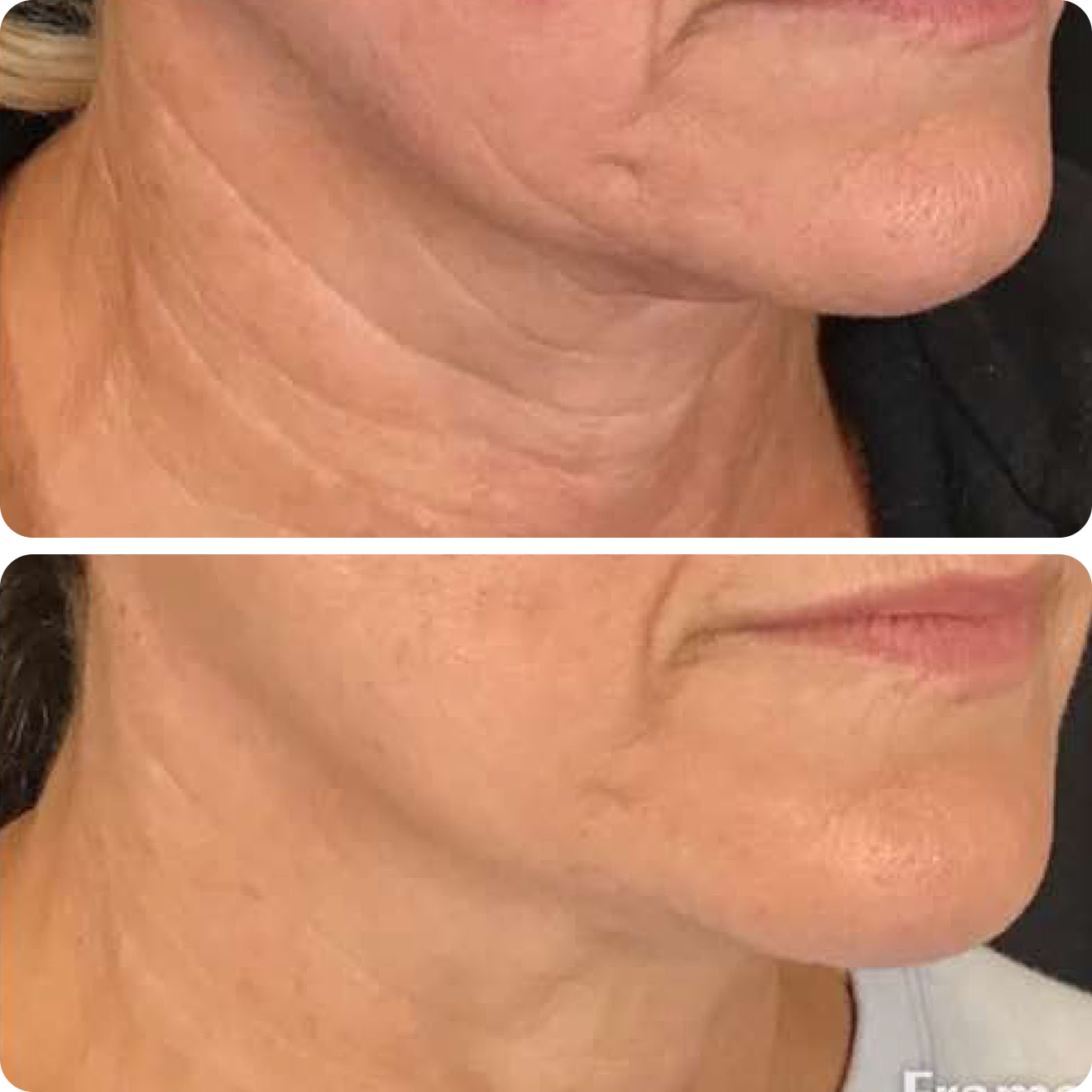
6 Weeks after 1 low energy treatment with Neogen.
Courtesy of Dr. Nina Deep.
Microneedling and PRP
Microneedling creates controlled micro-injuries in the skin to trigger a healing process that increases collagen and elastin. Platelet-rich plasma (PRP), derived from the patient’s own blood, is sometimes applied alongside microneedling to support skin regeneration. These treatments focus on improving skin texture, skin tone, and overall skin quality rather than targeting the platysma directly.
In the context of neck rejuvenation, they’re often part of a maintenance or combination plan.
Surgical Options: Platysmaplasty and Neck Lift
For pronounced platysmal bands with significant skin laxity, cosmetic surgeries are often the most effective option. A platysmaplasty involves modifying or repositioning the platysma muscle to reduce the prominence of the bands. It’s typically performed alongside a neck lift, which addresses excess skin and sometimes excess fat beneath the chin.
Surgical procedures can deliver more significant and longer-lasting changes than non-surgical treatments, generally lasting several years before maintenance becomes relevant. The trade-off is longer downtime, a recovery process, higher cost, and the risks that accompany any surgical intervention. A board-certified plastic surgeon or facial plastic surgeon is the right person to assess surgical candidacy.
What to Expect from Treatments: Results, Timing, and Limits
Before scheduling any procedures to address your platysmal bands, it’s of the essence to understand what exactly you can expect from the treatments that might be suitable for you.
When Do Changes Appear?
The timeline differs significantly by treatment type:
- Botulinum toxin: visible softening of bands typically within 7 to 14 days
- Dermal fillers: structural changes are immediate, with final results settling over 2 to 4 weeks
- Energy-based devices and collagen-stimulating treatments: gradual but significant improvement over 4 to 12 weeks as collagen remodels, with continued progress for several months
- Surgery: initial results visible once swelling resolves, typically several weeks post-procedure, with final results at around 6 months
How Long Do Results Last?
| Treatment | Typical duration |
| Botulinum toxin | 3 to 4 months |
| Hyaluronic acid fillers | 6 to 12 months |
| Poly-l-lactic acid | 12 to 24 months |
| Energy-based skin tightening | 1-2 years; maintenance typically annual |
| Surgical neck lift | Several years |
How to Talk to a Professional about Platysmal Bands
Several types of practitioners address neck bands in clinical practice, including:
- Board-certified plastic surgeons and facial plastic surgeons for surgical options, including platysmaplasty and neck lift
- Dermatologists with aesthetic training for injectable and energy-based treatments
- Aesthetic medicine physicians and nurses with specific experience in neck anatomy for non-surgical treatments
The neck is an anatomically complex area with important structures. Experience and training matter more here than in many other treatment areas.
Questions Worth Asking at Your Consultation
Go into your consultation with specific questions rather than a general “what can you do for my neck?” The answers will tell you a lot about whether you’re in the right hands:
- Is my main concern the muscle, the skin, the fat, or a combination of all three?
- Which treatment options are appropriate for my severity level?
- What kind of downtime should I expect?
- How many sessions are typical before seeing results?
- How often will I need maintenance?
- Are there health risks or contraindications I should know about for my specific situation?
Red Flags when Researching Online
Watch for:
- Promises of permanent results without risks
- At-home use of professional-grade devices
- Exercises or topical products claimed to eliminate bands
- “Miracle” protocols with no clinical evidence
A qualified practitioner will give you honest information about what’s realistic, what’s not, and what’s outside their scope.
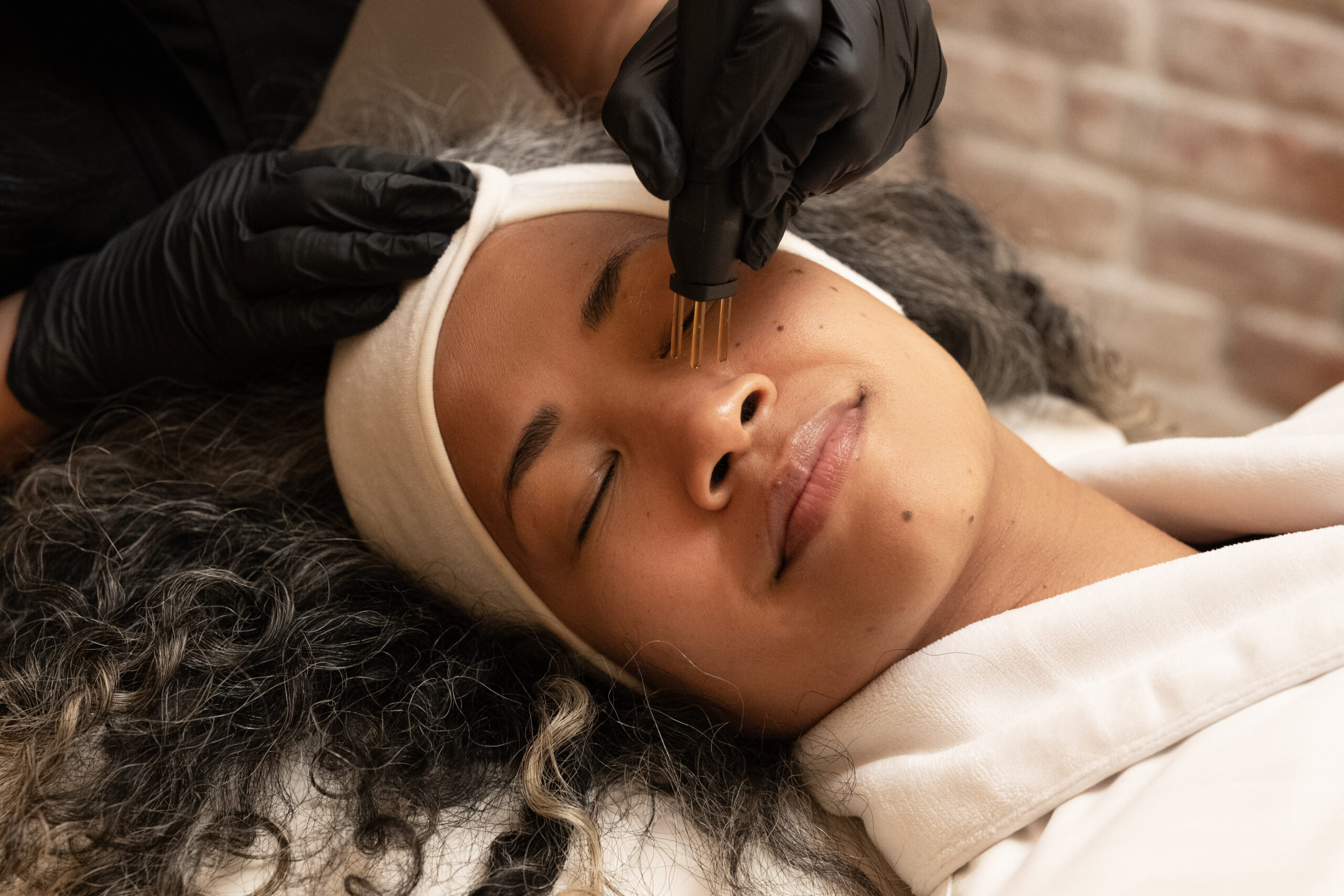
For Med Spa and Clinic Owners: Adding Platysmal Band Treatments to Your Offering
Platysmal bands are one of the most common concerns clients raise during neck and lower-face consultations. And clients are also more informed than ever. They’re often searching specifically for neck rejuvenation options and expect clinics to offer more than injectables alone.
For med spas and aesthetic clinics looking to expand their non-surgical neck protocols, the biggest gap is usually on the skin quality side.
Energy-based technologies like radiofrequency combination systems and nitrogen plasma give medspas a way to offer complete neck rejuvenation protocols. Clients see better results. Treatment packages become more cohesive. Plus, the clinic builds a stronger reputation in a space that most competitors haven’t fully addressed.
Artemis Distribution supplies the T-Shape 2 and Neogen to aesthetic clinics across the US. If you want to find out whether either technology is a good fit for your practice, the Artemis team can walk you through the devices, the clinical evidence, and the training and support that comes with them.
Get in touch with Artemis Distribution to request more information about our machines!
Key Takeaways
- Platysmal bands are vertical neck cords created by changes in the platysma, a thin superficial muscle that runs from the chest to the jaw. They’re a normal part of ageing, not a sign of illness.
- Muscle activity and skin thinning both contribute to the formation of platysmal bands. It’s not purely about sagging neck skin; an active platysma muscle plays a real role in band formation and progression.
- Genetics, sun exposure, smoking, significant weight loss, and overall skin quality influence how early and how visibly bands appear.
- Treatment options range from botulinum toxin injections and dermal fillers to energy-based technologies like radiofrequency and nitrogen plasma, through to surgical procedures including platysmaplasty and neck lift. All require professional assessment and planning.
- Skincare and healthy habits support skin quality and can slow progression, but they don’t reverse established platysmal bands.
- Energy-based devices, including T-Shape 2 and Neogen, may feature in clinic protocols for neck rejuvenation alongside injectable treatments. Their appropriateness for any individual is a clinical decision.
- Realistic expectations matter. Most people see improvement in their neck’s appearance, not a permanent return to an earlier state. The goal is a better-looking neck, not a flawless one.
FAQs
How to get rid of platysmal bands naturally?
No natural method can reverse established platysmal bands. The underlying platysma muscle and skin laxity that create them don’t respond to topical products or exercise. Consistent sun protection, avoiding smoking, and maintaining a stable weight can slow their progression. But anyone looking to reduce visible bands will need to consider professional treatment.
Why is the platysma called the muscle of horror?
The platysma is sometimes colloquially called the muscle of horror because it’s the muscle that activates during expressions of extreme fear or shock. It pulls the lower face and neck into that characteristic taut, strained grimace. Its broad, sheet-like structure means the whole lower face and neck can tighten at once, which is where the dramatic name comes from.
Do platysmal bands cause jowls?
Platysmal bands and jowls often appear together, but the platysma itself isn’t the direct cause of jowling. Jowls develop as facial ligaments loosen and fat descends, while platysmal bands form as the muscle edges separate and the overlying skin thins.
What can go wrong with platysmal band Botox?
The most common issues with platysmal band Botox are temporary and include bruising, mild swelling at injection sites, and, in some cases, uneven relaxation of the muscle if dosing or placement isn’t precise. More significant complications, such as difficulty swallowing or weakness in adjacent muscles, are rare but possible when the neck is treated, which is why this procedure should only be performed by a practitioner with specific experience in neck anatomy, as injection technique is critical.