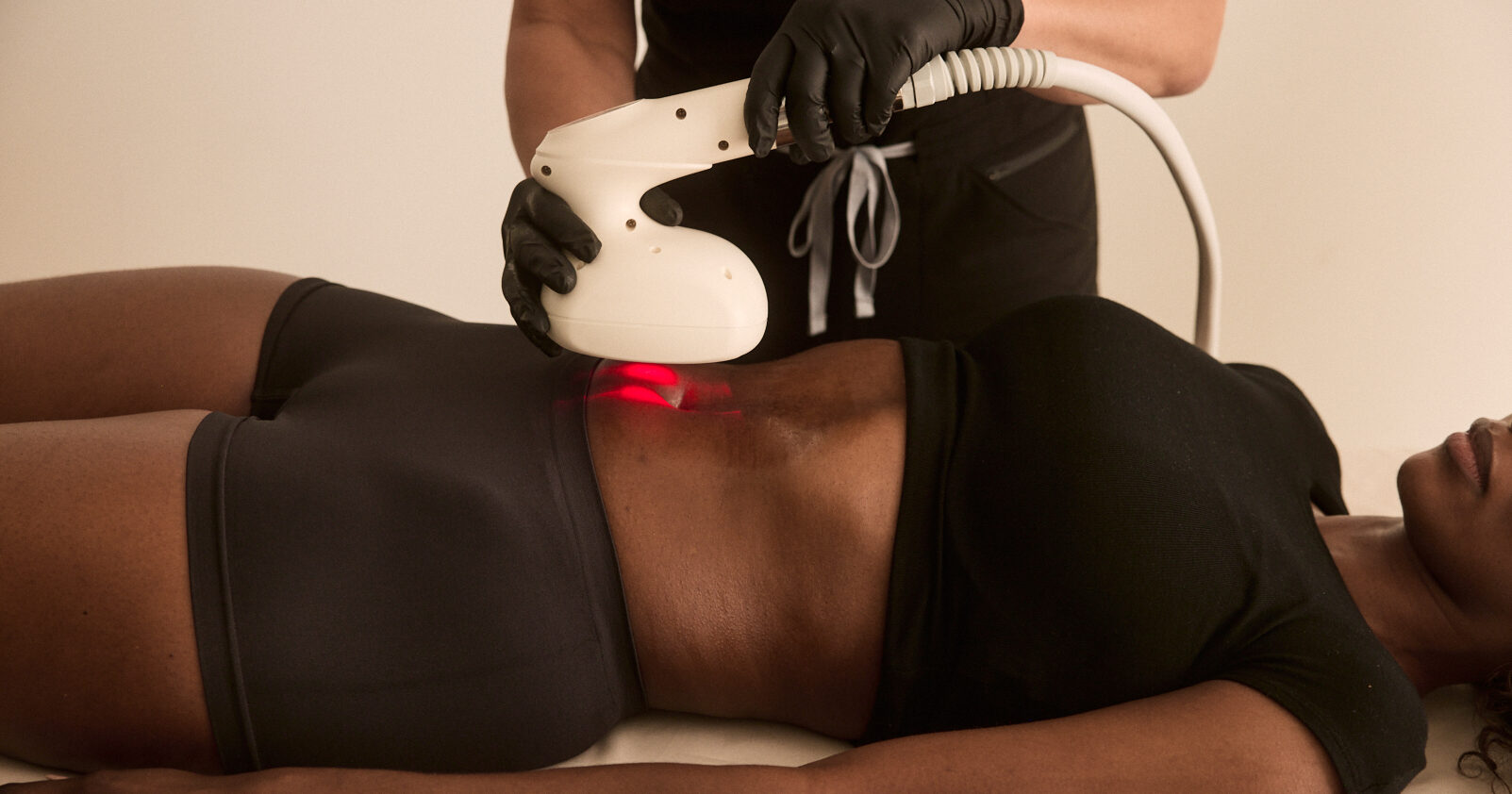
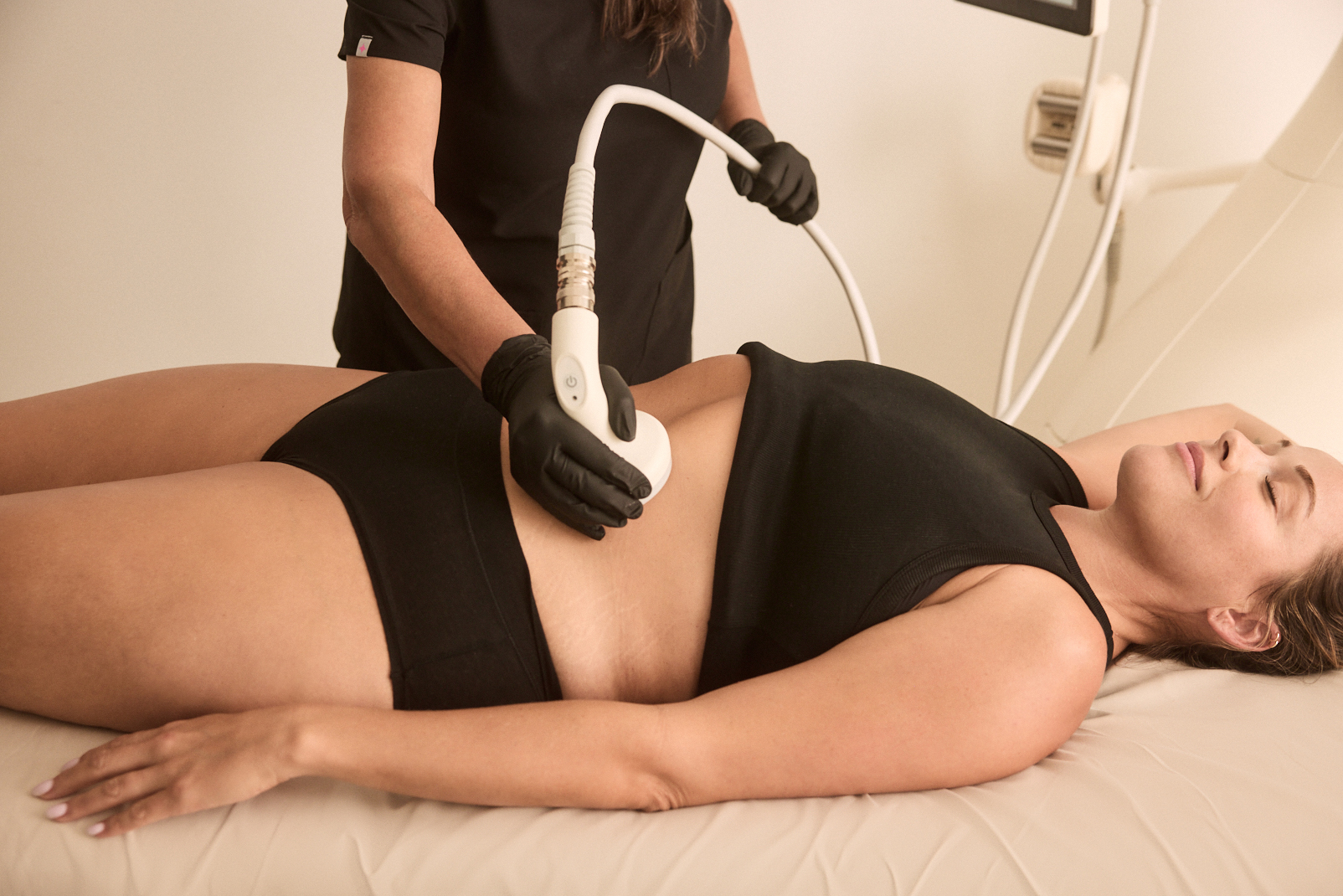
Non-invasive radiofrequency treatments have been used for skin-tightening effects for around 30 years now. Today, they are incredibly popular for improving mild skin laxity, reducing fine lines and wrinkles, and enhancing overall skin texture.
So, if you’ve noticed your jawline losing definition or a few fine lines creeping in around your eyes, you’ve probably been reading about medspa procedures, among which the radio frequency facial treatment is probably the most popular.
Keep reading if you want to learn more about radio frequency facial treatments, how they work, what they treat, who is a good candidate, and how to maximize your results.
This article is intended for informational and educational purposes only. It does not constitute medical advice, diagnosis, or treatment, and should not be relied upon as a substitute for professional medical guidance.
Quick Answer: What Is a Radio Frequency Facial?
A radio frequency (RF) facial is a non-invasive skin tightening treatment that uses controlled electromagnetic energy to gently heat the dermis. This triggers collagen and elastin production over time. It’s best suited for early signs of aging like mild skin laxity, fine lines, and dull texture, with little to no downtime compared to more aggressive procedures.
Most people need a series of 3-6 radio frequency facial sessions spaced a few weeks apart. Results gradually improve over several months as new collagen forms. These sessions can be performed by dermatologists, plastic surgeons, cosmetic surgeons, and medical spa licensed aestheticians.
While RF facials can help firm and smooth the skin, they do not replace surgical lifting or significantly reduce deep wrinkles or excess fat.
How Do Radio Frequency Facials Work?
Radiofrequency devices used for facial procedures emit electromagnetic energy waves that pass through the epidermis (your skin’s outer layer) and heat the dermal layers beneath, usually up to 4.5 mm deep.
This heat generated by the electromagnetic waves reaches therapeutic temperatures, typically around 65°C (149°F) in the dermis. The skin surface temperature is maintained below 45°C (113°F), as the device simultaneously cools the skin surface while it heats the deeper layer. According to Malcolm et al., this method allows “precise soft tissue modeling.” It triggers the body’s natural collagen and elastin production process.

What Are Collagen and Elastin?
Collagen and elastin are the structural proteins responsible for maintaining a firm, resilient, and plump skin. Collagen provides scaffolding and strength, while elastin allows skin to snap back after stretching.
The problem is that starting in your mid-20s, collagen production drops by approximately 1-2% each year. By the time you hit 40, you’ve lost a significant amount of these crucial proteins. This decline leads to:
- Fine lines and wrinkles
- Saggy skin and loss of volume
- Decreased skin elasticity
- Dull, tired-looking complexion
The Thermal Response
When heat penetrates deep into the dermis during an RF facial, it triggers what’s called a controlled thermal injury. This sounds alarming, but it’s precisely calibrated to stimulate your body’s healing response.
Here’s exactly what happens:
- Immediate contraction: existing collagen fibers tighten as their molecular bonds restructure
- Fibroblast activation: the skin cells that are responsible for producing collagen are activated
- New collagen formation: over weeks to months, fresh collagen and elastin fibers are synthesized
- Remodeling: the dermal architecture reorganizes, creating lasting structural improvements
Modern RF technology includes sophisticated temperature monitoring and contact sensors to maintain consistent, safe heating throughout the treatment area. This can help ensure that you get therapeutic benefits without risking damage to healthy tissue.
It’s important to note that RF facials work gradually. While you may notice some instant tightening effect from collagen contraction, the structural remodeling that delivers lasting results takes weeks to months.
Monopolar vs Bipolar Radio Frequency Skin Procedures
Monopolar radio frequency allows deeper and broader heating patterns, while bipolar radiofrequency tends to produce more superficial and controlled heating. Moreover, monopolar radio frequency is usually suitable for treating larger areas, while bipolar radiofrequency is used for more localized or precision treatments, especially on the face.
Monopolar radiofrequency devices have a single electrode that delivers RF energy and a grounding pad that is placed elsewhere on the body. On the other hand, bipolar radiofrequency devices have two electrodes placed close to each other, delivering RF energy.
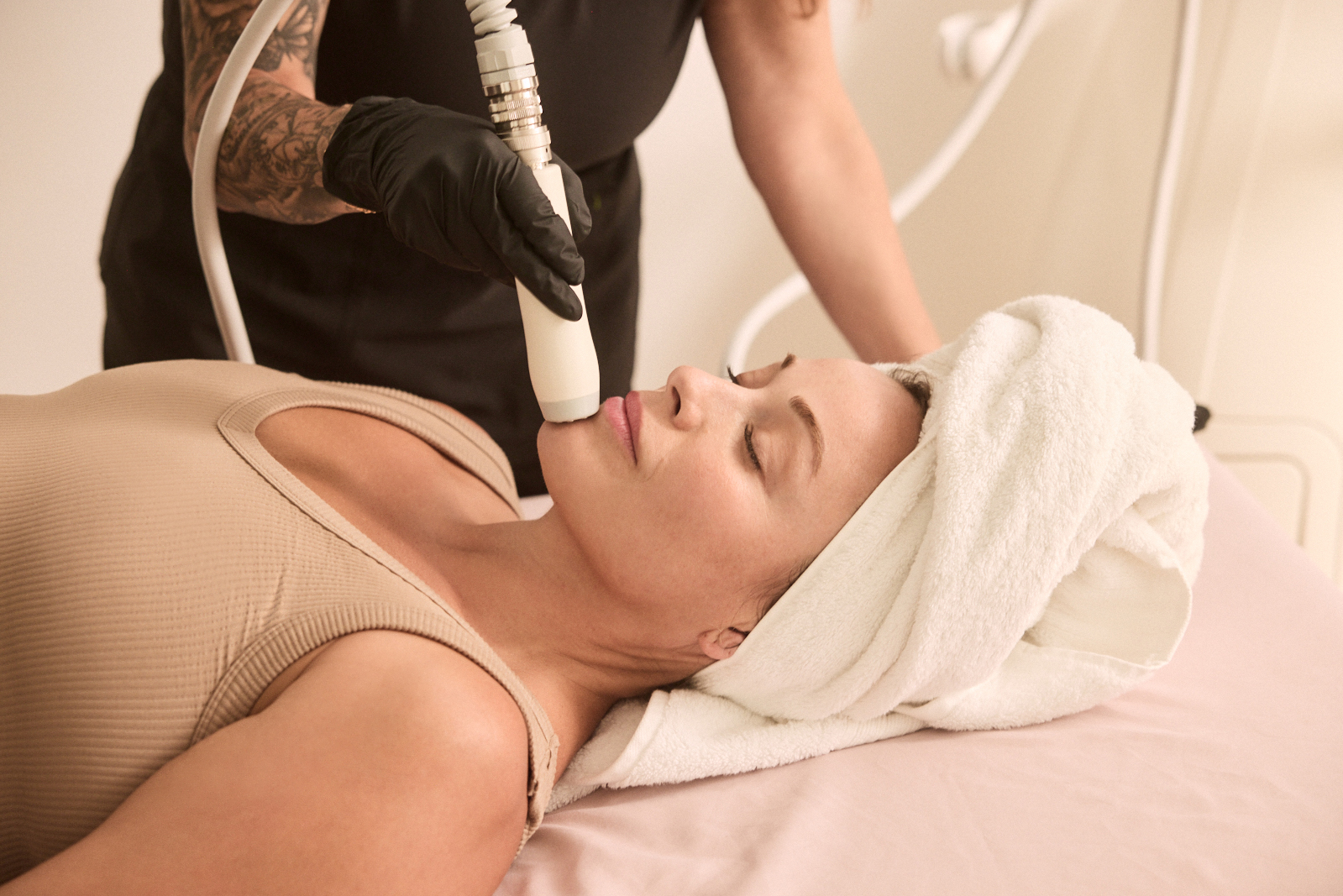
T-Shape 2: A State-of-the-Art Radio Frequency Device
T-Shape 2 is a multifunctional device that combines radiofrequency, laser, and vacuum massage. It uses bipolar radiofrequency to gently heat the dermis, stimulating collagen production so the skin looks firmer, tighter, and smoother over time. At the same time, the low-level laser therapy and vacuum-assisted massage can help improve microcirculation and lymphatic drainage. This can also help decongest puffy areas and subtly contour the jawline and cheek bones.
It is recommended to complete at least 6 non-invasive procedures with the T-Shape 2 device for long-term visible results. The sessions usually last about 30 minutes and are spaced 3 days apart. The procedures have no downtime, are pain-free, and are backed by real science and thousands of success cases.
What Is Radio Frequency Facial Good For?
RF skin tightening treatments primarily address textural aging concerns like wrinkles, laxity, and dullness rather than pigment-only issues like sunspots or melasma (though improved cell turnover may offer some secondary benefits).
Common treatment areas for radio frequency facials include:
Area | Concern |
Full face | Overall laxity, dull tone, fine lines |
Eye area | Crow’s feet, under-eye crepiness |
Jawline | Early jowls, loss of definition |
Mouth | Smile lines, lip lines |
Neck | Horizontal lines, crepey texture |
Décolletage | Sun damage, texture irregularities |
Who Is a Good Candidate for a Radio Frequency Facial?
Ideal candidates for radio frequency skin tightening facials usually include:
- Adults with mild to moderate laxity
- People looking for fine line and wrinkle reduction
- People with dull, tired-looking skin seeking a more youthful appearance
- Anyone wanting non-surgical skin tightening without downtime
- Individuals who want to maintain results from previous treatments
One significant advantage of RF treatments: it’s generally safe for all skin types and tones as long as the procedure is performed by an experienced provider who uses FDA-cleared technologies. This means it is generally safe for all skin types (Fitzpatrick I–VI), with a much lower risk of post‑inflammatory hyperpigmentation than many lasers. However, PIH can still occur if treatments are too aggressive or settings are inappropriate.
However, before scheduling any skin tightening treatments, it’s of the essence to have a proper consultation with a qualified healthcare professional. They’ll assess your skin, discuss your goals, and determine if RF is the right approach.
During your consultation, be sure to mention:
- Any history of melasma or hyperpigmentation
- Tendency toward keloid scarring
- Recent cosmetic procedures (fillers, peels, lasers)
- Current medications and supplements
- Any pre-existing health conditions
Who Should Avoid RF Facials or Use Extra Caution?
RF facials are considered safe for most people, but certain conditions require extra caution or complete avoidance, including:
- Pregnancy
- Implanted pacemakers or defibrillators
- Certain metal implants in the treatment area
- Active cancer treatment
- Active skin infections
- Herpes outbreaks in the treatment area
- Open wounds or severe inflammatory acne
- Recent sunburn
- Very thin or severely sun-damaged skin
- Sensitized or reactive skin conditions
- Uncontrolled diabetes
- History of poor wound healing
If you’re using an at-home radio frequency device, always check the manufacturer’s specific contraindications before use. Professional devices have different parameters from consumer products.
A board-certified dermatologist or qualified aesthetic provider can help determine if you need adjusted settings or might benefit from alternative treatments.
What to Expect Before, During, and After a Radio Frequency Facial
RF facials are typically outpatient or in-spa treatments with minimal downtime. Most people return to their normal activities immediately after.
Let’s walk through the entire experience from consultation to recovery.
Before Your RF Facial
Your journey starts with a consultation where your provider will review your medical history and medications, assess your skin’s current condition, take baseline photographs, discuss realistic expectations and desired results, and create a customized treatment plan. Always disclose pregnancy, recent cosmetic treatments, and any implanted devices.
Before your RF facial, make sure to avoid:
- Strong exfoliants (AHAs, BHAs) for 3-5 days before
- Retinoids for 3-7 days before
- Tanning (sun or beds) for 1-2 weeks before
Arrive at the clinic with clean skin: no makeup, lotions, or products.
During the RF Facial Procedure
Here’s what a typical RF facial session looks like:
- Cleansing: your provider thoroughly cleanses the treatment area
- Prep: a conductive gel or serum is applied to ensure optimal energy transfer
- Treatment: the RF handpiece moves in slow, overlapping circular motions across your skin
- Finishing: many providers complete the session with soothing masks, serums, or SPF
A radiofrequency procedure usually takes between 20 and 60 minutes, depending on the treatment goal and area. You might feel gentle heat, mild pressure from the handpiece, occasional tingling or vibration, and overall warmth that most find comfortable.
Immediately After Treatment
Common side effects of radio frequency skin treatments include mild redness and swelling. These are usually temporary and resolve within a few hours or days after the treatment. Moreover, your skin may feel tender immediately after a radio frequency skin treatment. You might have to use a healing serum for hydration and calming effects.
After the treatment, make sure to use broad-spectrum SPF 30+ before going outdoors, avoid hot water, saunas, and steam rooms for 24 hours, and skip any intense workouts on that day.
Ultimately, it is essential to follow all aftercare instructions provided by your dermatologist to ensure optimal results from radio frequency skin treatments.
How Long Does It Take to See Results from RF Facials?
New collagen and elastin production is a gradual process, so RF facials do not produce immediate results. But you might still notice that your skin feels tighter immediately after the procedure. Here’s what to expect:
Timeline | Results |
Immediately | Mild tightening from collagen contraction |
4-8 weeks | Early improvements become visible |
3 months | More marked changes; optimal results emerging |
6+ months | Full remodeling complete |
How Many Radio Frequency Facials Do You Need?
Most people need between 3 and 6 radiofrequency facial treatments, which are usually spaced 4 weeks apart, although the timeline depends on what device is used.
If you’re using an at-home RF device, you might required more procedures. It takes longer to notice results from at-home radio frequency devices compared to in-clinic treatments due to lower energy levels. Therefore, make sure to follow the manufacturer’s advice.
How Long Do RF Facial Results Last?
Once collagen has been remodeled, RF facial results can last up to 24 months, depending on several factors, including:
- Age and natural collagen production rate
- Lifestyle habits (sun exposure, smoking, sleep, diet)
- Skincare routine quality
- Genetic factors
Because skin continues to age, RF benefits gradually soften over time. Most providers recommend maintenance sessions every 3-6 months to sustain optimal results.
Do Radio Frequency Facials Have Any Risks?
Radio frequency facials are generally considered safe and well-tolerated as long as they’re performed correctly by qualified professionals who use specialized technologies and high-quality devices.
If performed incorrectly, radiofrequency treatments can cause:
- Blisters or burns
- Post-inflammatory hyperpigmentation
- Contour irregularities
- Fat atrophy (with excessive treatment)
Moreover, radio frequency waves are listed by the World Health Organization as potential carcinogenic, primarily based on studies of long-term, heavy mobile use. Cosmetic RF devices use different frequencies and exposure patterns, and there is currently no evidence that aesthetic RF skin‑tightening treatments increase cancer risk. Nonetheless, as with any RF exposure, treatments should follow established safety standards and manufacturer guidelines.
Radio Frequency Facial Alternatives
Radiofrequency is not the only facial treatment you can try to improve skin tone, reduce wrinkles, and restore that youthful complexion. In the following sections, we’ll discuss other treatments for tightening skin and stimulating overall collagen production.
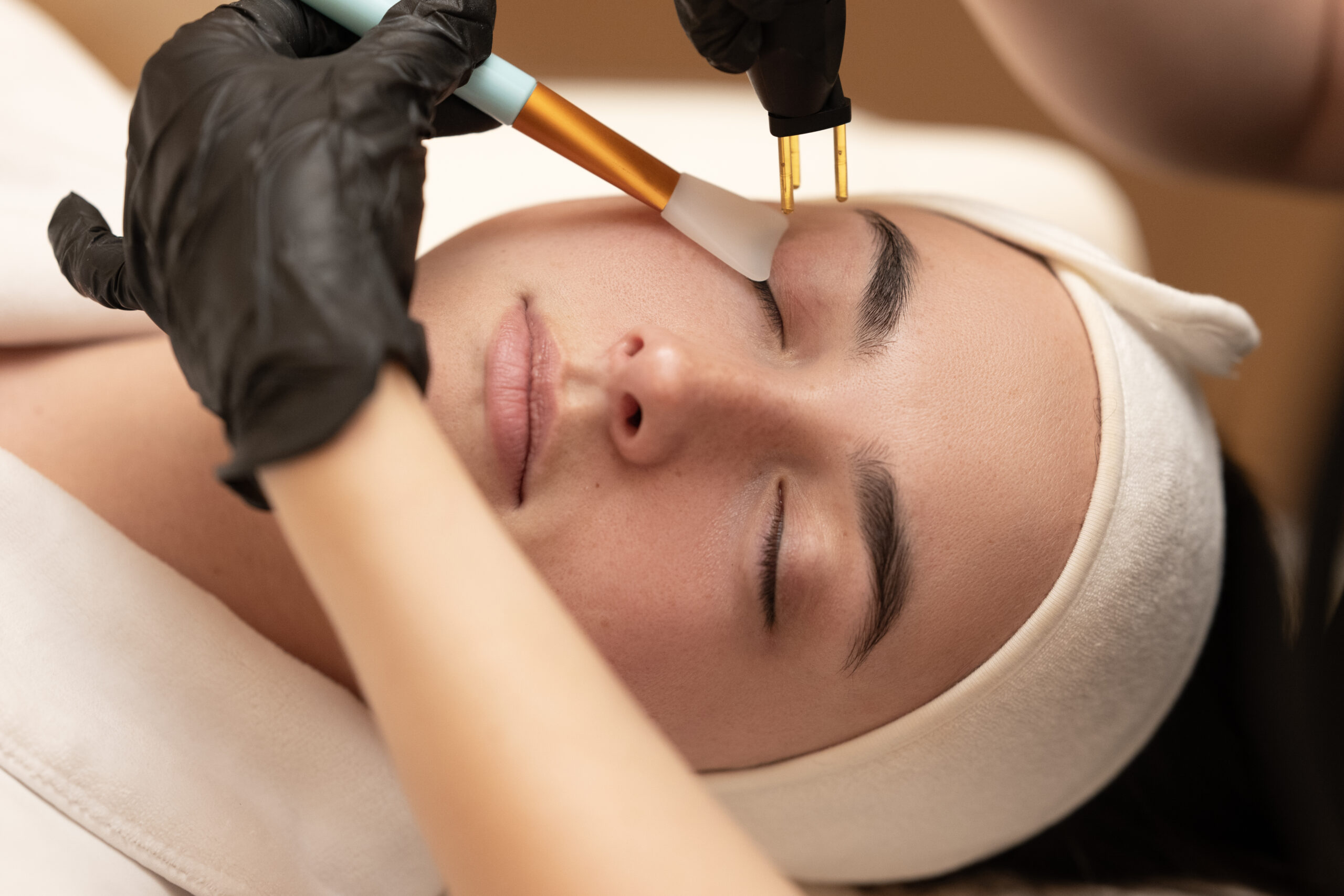
Neogen Plasma Skin Regeneration
Neogen uses thermal energy that is derived from nitrogen plasma. It delivers controlled heating to the skin, which stimulates a physiological response without creating an open wound. Basically, the plasma pulse impacts the skin, and immediately, the thermal energy locked up in the plasma is released. This heats the skin and causes immediate tissue contraction, stimulating collagen and elastin production.
Nitrogen plasma can penetrate as deep as the reticular dermis, but the treatment area, depths, and duration can be adjusted.
The Neogen plasma procedure is generally safe on skin types I-IV. Studies show that nitrogen plasma skin regeneration is effective and safe for reducing periorbital wrinkles, improving moderately photodamaged skin of the neck, reducing wrinkles around the lips, and even improving the appearance of the upper lid. It can also be used for acne scarring, actinic keratoses, and enlarged pores.
Laser Resurfacing
Laser resurfacing creates microscopic columns of controlled heat in the skin using light energy, not radiofrequency, which stimulates collagen.
Depending on the device and settings, lasers can target fine lines, acne scars, pigmentation, and texture, often with more dramatic resurfacing than a standard RF facial. However, radio frequency skin tightening is better tolerated than laser resurfacing, especially ablative laser resurfacing, as it requires significant downtime, often weeks or even months.
RF Microneedling
RF microneedling combines traditional microneedling with radiofrequency delivered through insulated needles that reach deeper dermal layers. This makes it suitable for more advanced laxity, acne scarring, and etched lines. However, RF microneedling has a longer downtime, requires strict post-procedure care, and has a higher price point per session compared with basic RF facials.
Ultrasound Therapy
Ultrasound treatments use ultrasound energy to reach deep into the skin, usually up to 5 mm deep. It has a similar effect on the skin – it triggers the body’s natural healing response and triggers collagen production.
Ultrasound procedures can be beneficial for smoothing wrinkles, improving skin elasticity, reducing the appearance of jowls, and lifting drooping eyelids or eyebrows.
Chemical Peels and Medical Skincare
Medium-depth chemical peels, retinoids, and pigment-targeting agents do not tighten tissue the way energy devices do, but they can help improve dullness, rough texture, and uneven tone that clients often hope to fix with RF facials.
In some cases, clinics combine lighter RF facials with peels or prescription skincare to maximize glow and smoothness at the surface while devices handle deeper collagen stimulation.
FAQs
Is a radio frequency facial painful?
A radio frequency facial is usually not painful. Most people describe it as causing a warmth sensation rather than pain, similar to a hot stone massage on the skin. The intensity can be adjusted, so discomfort is usually minimal when performed by a trained professional.
How much does a radio frequency facial cost?
A radio frequency facial procedure costs between $200 and $500. Advanced systems may cost more.
What does radio frequency do to your face?
Radio frequency (RF) energy heats the dermis, which can stimulate collagen production and improve skin firmness over time. It’s commonly used to target mild skin laxity, fine lines, and uneven texture.
Is the radio frequency facial worth it?
A radio frequency facial can be worthwhile if you’re looking for gradual tightening with little downtime rather than dramatic results. Outcomes depend on factors like age, skin quality, device technology, and consistent use.
Can radio frequency lift jowls?
Radio frequency may help tighten mild to moderate jowl laxity by stimulating collagen remodeling, giving a subtle lifting effect. However, it is not recommended for significant sagging skin.
Can radio frequency facials cause face fat loss?
Radio frequency facials can sometimes cause face fat loss if the skin is over-treated or over heated or if the device is improperly used. This is why it’s of utmost importance for the procedure to be performed by a qualified professional.
What are the benefits of radio frequency skin tightening treatments?
The benefits of radio frequency skin tightening treatments include more collagen production, firmer skin, wrinkle reduction, non-surgical skin tightening, improved skin texture, minimal downtime, and natural-looking results.