Losing weight can truly cause your life to make a 180. It can transform your health, confidence, and even energy levels! But sometimes the reflection in the mirror doesn’t match how good you feel physically, right? Having a saggy face after weight loss is often the main culprit behind this. It’s surprisingly common, especially for people who lose a lot of weight or lose weight quickly.
The facial changes you’re noticing after losing weight can definitely make you frustrated and affect your self-confidence. But they’re often manageable with lifestyle changes, non-invasive procedures, and even surgical procedures. So, in the following sections, we’ll help you understand what exactly causes facial sagging after weight loss and how to manage it!
Disclaimer: This article is provided for informational purposes only and is not a substitute for medical advice. Always consult a licensed healthcare or aesthetic professional before starting any treatment or procedure.
Quick Answer: Saggy Face After Weight Loss
Saggy face after weight loss usually results from volume loss, collagen decline, and skin laxity. Mild changes may improve over 3-6 months, while moderate cases often benefit from collagen-stimulating treatments or volume restoration.
What Does Saggy Face After Weight Loss Look Like?
People with a saggy face after major weight loss may notice:
- Hollow or flattened cheeks – the midface can look flatter or slightly sunken as fat pads shrink, making bone structure more visible and creating stronger shadows under the eyes and along the cheekbones
- Deeper nasolabial folds – the lines running from the nose to the corners of the mouth may appear more pronounced
- Jawline softening – loss of structural volume and collagen can blur the transition between the jaw and neck, sometimes creating early jowling even if overall body fat is lower
- Temple hollowing – the upper face may look narrower or more skeletal, which can subtly change facial proportions and make the eyes appear more tired, and make your under-eye bags more noticeable
- Neck creasing – horizontal lines or mild laxity under the chin may become more noticeable, especially after rapid weight loss
- Excess skin – the skin may look slightly draped or crepey, particularly around the lower cheeks and neck, rather than simply thinner or dehydrated
What Causes Saggy Face After Losing Weight?
Saggy face doesn’t always mean excess skin. In many cases, it’s a combination of volume loss, structural changes, and skin laxity:
- Volume loss – facial fat pads shrink, making the face look flatter or more hollow.
- Structural changes – muscles and connective tissues may weaken if protein intake or resistance training is low.
- Skin laxity – collagen and elastin fibers may struggle to keep up with rapid body changes.
Because these factors happen simultaneously, the face can look softer or older, even if weight loss improves your overall health. We’ll explain everything in detail below.
Loss of Facial Fat Pads
Facial fat isn’t evenly distributed. It sits in distinct compartments that support skin and smooth transitions between features. During weight loss, these fat pads shrink, which can make bone structure more prominent and shadows deeper.
When midface volume decreases, the lower face often looks heavier by comparison, even if overall body fat is lower.
Collagen and Elastin Decline
Collagen makes your skin firm, while elastin provides the “snap-back” effect. Starting in your late 20s, your skin loses its ability to produce collagen and elastin. After 35-40, the skin’s ability to contract fully after volume loss decreases significantly.
Along with weight gain that is maintained over several years, the skin stretches to accommodate the increased facial volume. Meanwhile, the collagen and elastin fibers in your dermis also stretch and can become damaged over time. So when you lose weight rapidly, your skin may not be able to remodel itself based on your new body shape.
Muscle Loss During Calorie Deficits
If protein intake is too low or resistance training is absent, weight loss can include muscle loss as well. Facial muscles are small but important for structural support, so reduced muscle tone may contribute to a softer appearance.
Lifestyle Factors
Several daily habits influence how noticeable sagging skin becomes:
- Chronic sun exposure
- Smoking or vaping
- High stress and poor sleep
- Dehydration
- Very restrictive dieting
These factors weaken collagen long before weight loss even begins, so it’s important to have a healthy lifestyle before, during, and after weight loss.

Who Is Most Likely to Develop a Saggy Face After Weight Loss?
Not everyone experiences facial sagging. Some people lose large amounts of weight with minimal visible change, while others notice subtle differences after only moderate weight loss.
The risk of experiencing a saggy face after weight loss tends to be higher for:
- Adults over 35-40
- Individuals losing weight rapidly, usually more than 50 pounds
- Those with naturally lean or angular facial structures
- People with thin skin or significant sun damage
- Individuals who have experienced repeated weight cycling
What Is Ozempic Face?
You may have heard the term Ozempic face used online to describe the hollow or sagging appearance that sometimes develops after rapid weight loss. Despite the name, Ozempic face is not caused by Ozempic directly damaging the skin. It refers to the facial changes that can occur when weight decreases quickly, especially with GLP-1 medications.
In other words, Ozempic face usually describes a combination of volume loss and skin laxity triggered by rapid weight reduction. A saggy face after weight loss, on the other hand, can develop even without medication and may be influenced more by age, genetics, or lifestyle factors.
Is It Sagging, Volume Loss, or Skin Quality?
Many people assume that they’re dealing with sagging skin, meaning skin laxity, when, in reality, the problem is actually loss of volume or dehydrated skin, for example. Here’s a simple self-check that can help you identify the problem:
| Problem | Symptoms |
| Mostly volume loss | Face looks flatter or hollow; bones appear more defines |
| Mostly skin laxity | Jawline softens, tissue moves downward when upright |
| Mostly skin quality changes | Skin looks thinner, drier, or less vibrant rather than loose |
Can a Saggy Face After Weight Loss Improve Naturally?
In many cases, skin laxity may improve after weight loss, especially when the changes are mild, and your skin still has enough elasticity to adapt. The key is recognizing what type of change you’re seeing.
If the sagging is mainly caused by temporary volume shifts or skin dehydration, that’s good news. Thee issues usually improve over time. However, significant extra skin usually requires external help (e.g., non-invasive collagen-remodeling procedures or surgical procedures).
Saggy Face after Weight Loss: Natural Improvement
During and after you lose weight, your face goes through a transitional phase. During the first weeks or even months, what you see in the mirror is not the final result.
First, weight loss can leave your face looking deflated. Facial fullness can stabilize, though, once you establish a consistent nutrition and hydration pattern. Similarly, if you’re on a more aggressive diet, it can temporarily increase inflammation or fatigue, which can also influence how your face looks.
And let’s not forget that skin remodeling itself is slow. It takes months for new collagen fibers to form and for the older ones to reorganize. That’s why mild facial skin sagging may continue to improve for 3-6 months after the weight stabilizes. Sometimes longer.
When Is Natural Tightening More Likely?
Natural skin tightening is more likely to happen if you haven’t lost a lot of weight and if you’ve maintained a relatively stable muscle mass and nutritional intake. Also, if your skin hasn’t been heavily affected by sun exposure or smoking over the years, your face has a high chance of returning to normal after weight loss.
Your age plays a role too, but it’s not the only factor. People under 35-40 usually have more collagen resilience. However, older individuals can still see gradual improvement if the underlying skin structure remains healthy.
When Is Natural Tightening Less Likely?
If facial changes are primarily caused by significant volume loss and you notice, for example, hollow cheeks or temples, the skin cannot recreate those fat pads on its own. Similarly, if you notice excess skin that folds or hangs around the jawline or neck, it will not disappear through lifestyle measures alone, even though skin texture may improve.

Tightening Loose Skin Naturally After Weight Loss
Stabilize Your Weight
Even if your goal is continued fat loss, it’s better to maintain a steady, predictable pace. This allows the connective tissue to remodel more effectively. Large fluctuations often worsen the appearance of sagging rather than improving it.
Avoid Prolonged Under-Eating
Very low calorie intake may slow down skin repair processes because the body prioritizes essential survival functions in this case over aesthetic recovery. If you experience persistent fatigue, skin dryness, hair shedding, or stalled strength gains, your calorie intake might be too low to support healthy tissue remodeling.
Support Collagen Internally
Collagen formation depends on consistent nutrition. For example, adequate protein provides amino acids for structural repair, while vitamin C supports collagen synthesis. Moreover, minerals like zinc and copper can help maintain tissue integrity. And omega-3 fats contribute to a healthier skin barrier and a balanced inflammatory response.
Strengthen the Skin Barrier
Even before true tightening occurs, you can strive to improve hydration and barrier function. This can make your skin look smoother and less crepey. To achieve this, you can use a gentle cleanser, a barrier-supportive moisturizer, and daily sun protection to create a stable environment for gradual recovery.
Preserve Muscle Mass
Resistance training during and after weight loss is very important. If you are able to maintain muscle mass, it will support your posture, as well as face and neck contours, which can indirectly influence how defined your jawline is and how your face looks overall.
How to Tighten Skin After Weight Loss on Face: Non-Surgical Treatments
Many people explore non-surgical options first because they allow gradual refinement without the commitment or recovery associated with surgery. These treatments don’t all work exactly the same way, though. Some restore lost volume. Others stimulate collagen. And some focus on improving skin quality and restoring firmness over time, as well as supporting skin health.
But also keep in mind that while non-invasive procedures can improve mild to moderate changes, they are most effective when tailored to your specific situation and skin condition.
Dermal Fillers
Dermal fillers are designed primarily for volume restoration, not skin tightening. After someone loses weight, they often experience reduced support in the midface, which can contribute to that saggy appearance. If your cheeks have lost volume, your lower face likely looks heavier, so you can often correct that with dermal fillers, which can help recreate that lost structural support.
The results are visible immediately, which is why fillers are appealing to people who want a noticeable change without downtime. However, the longevity of those results varies depending on the product used, the area treated, and individual metabolism. You might also have to schedule some maintenance sessions.
It’s of utmost importance to choose an experienced provider. If the fillers are placed incorrectly or overused, they can create a puffy or unnatural look.
Biostimulatory Injectables
Biostimulatory injectables work differently from fillers. Instead of providing instant volume, they encourage the body to rebuild its own collagen gradually over several months. This slow remodeling process can improve skin firmness and structural integrity over time and reduce the appearance of aging skin.
In other words, biostimulatory injectables are a good option for people who don’t mind waiting a bit to see the results appearing over time. This is often better than dermal fillers because the results usually look more natural.
However, biostimulatory injectables may not be sufficient when volume loss is severe or when there is true excess skin. They cannot remove excess skin.
Energy-Based Skin Tightening
Energy-based treatments focus on firming sagging skin and restoring a youthful appearance. They do so by triggering collagen production and remodeling within the deeper layers of the skin. Essentially, they create controlled thermal stimulation, which encourages the body’s natural repair processes. The technologies used for this purpose include radiofrequency, ultrasound, and laser resurfacing.
Unlike fillers, which change facial contours immediately, these treatments work slowly, similarly to biostimulatory injectables. Clients usually notice gradual tightening, improved texture, and better skin quality over several weeks to months as collagen fibers reorganize.
Multi-Technology Devices: T-Shape 2
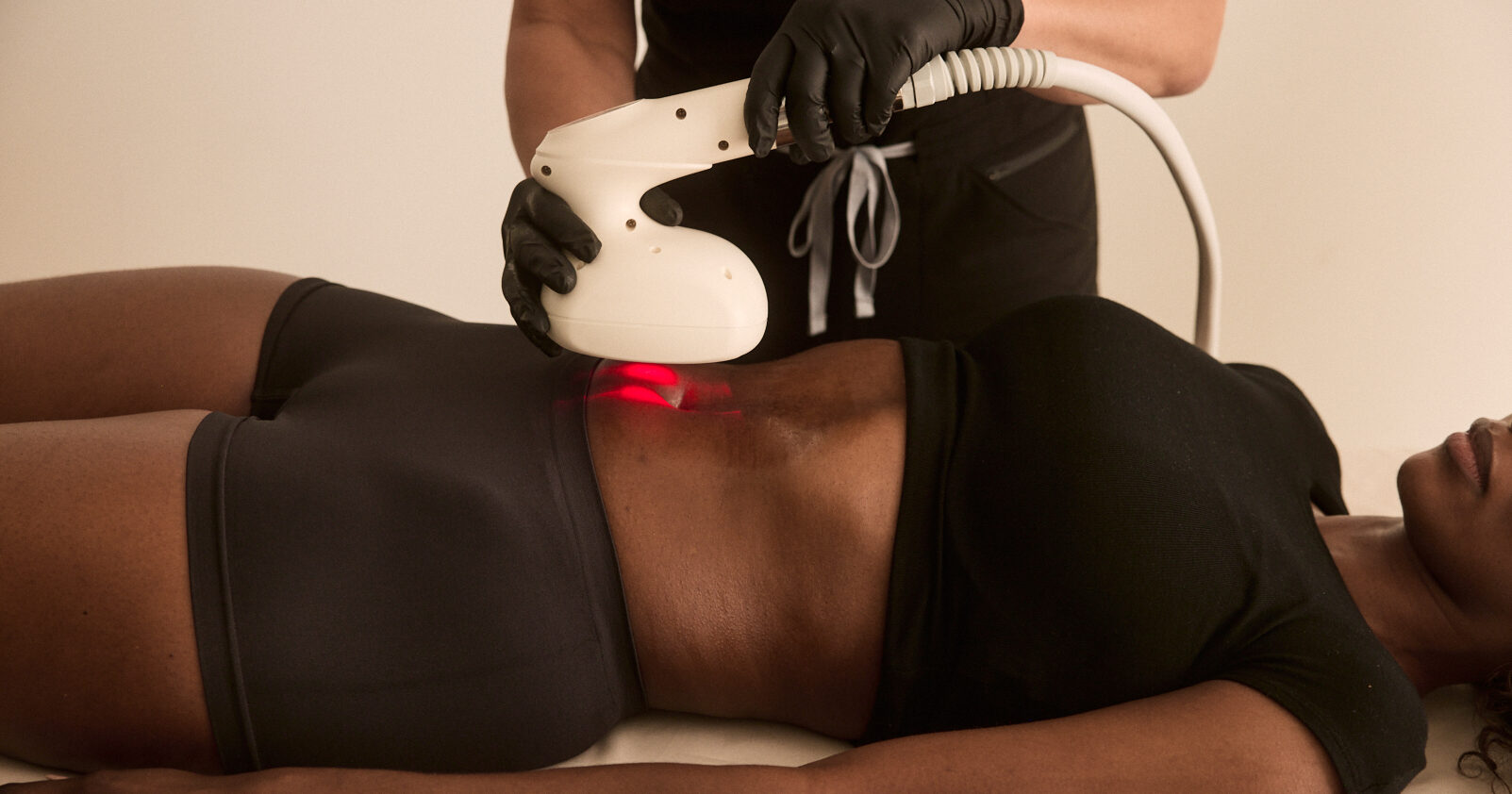
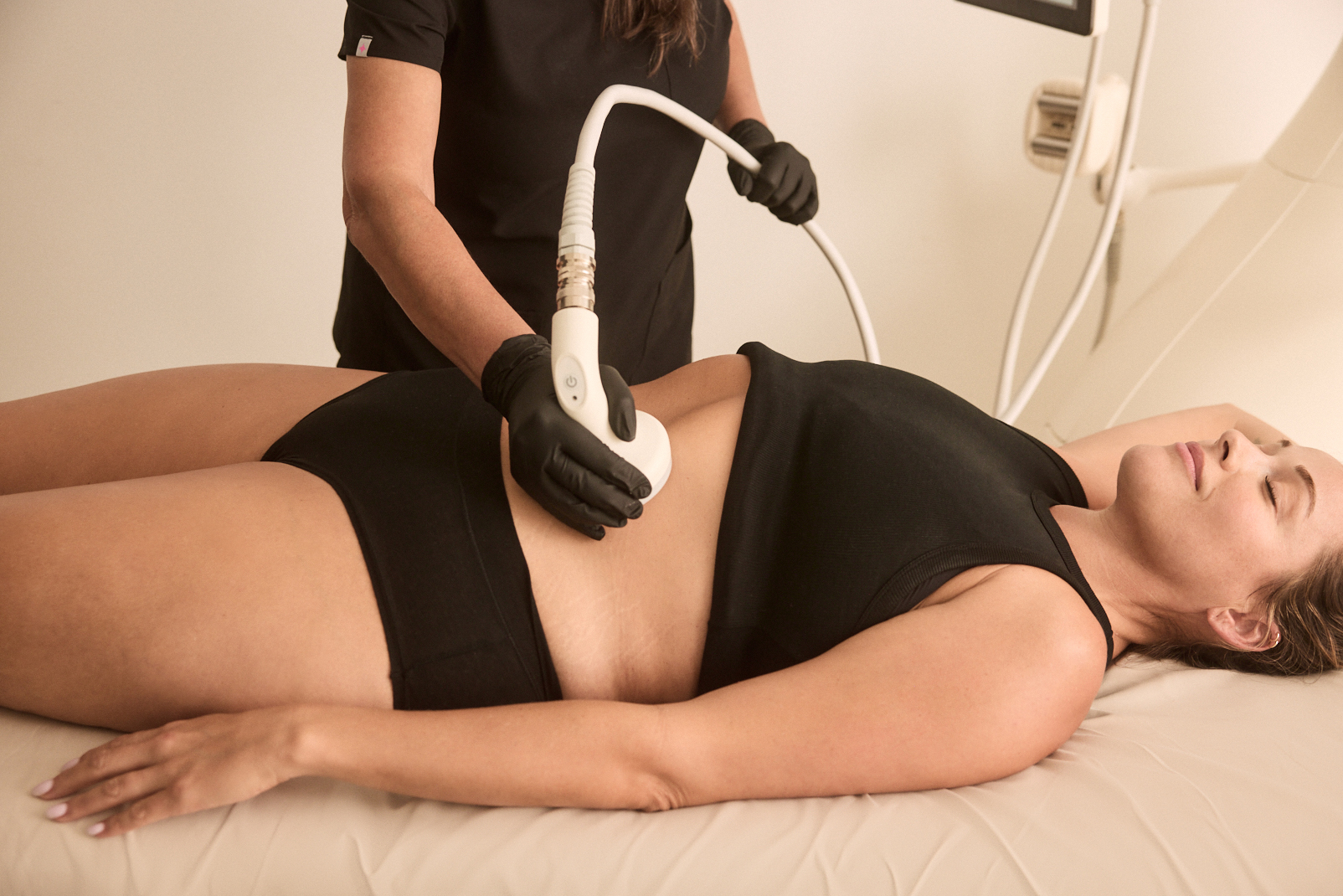
Some clinics opt for multi-layered approaches. They use combination devices that target several aspects of tissue health simultaneously. T-Shape 2 is an example of this type of system. It integrates bipolar radiofrequency, low-level laser therapy, vacuum-assisted massage, and mechanical stimulation.
Rather than focusing solely on volume or tightening, the goal of the T-Shape 2 system is to support overall tissue quality. Bipolar radiofrequency delivers controlled heat to encourage collagen activity. The mechanical and vacuum components aim to improve circulation and lymphatic flow. Low-level laser therapy is a supportive procedure for cellular activity and metabolic processes in the skin.
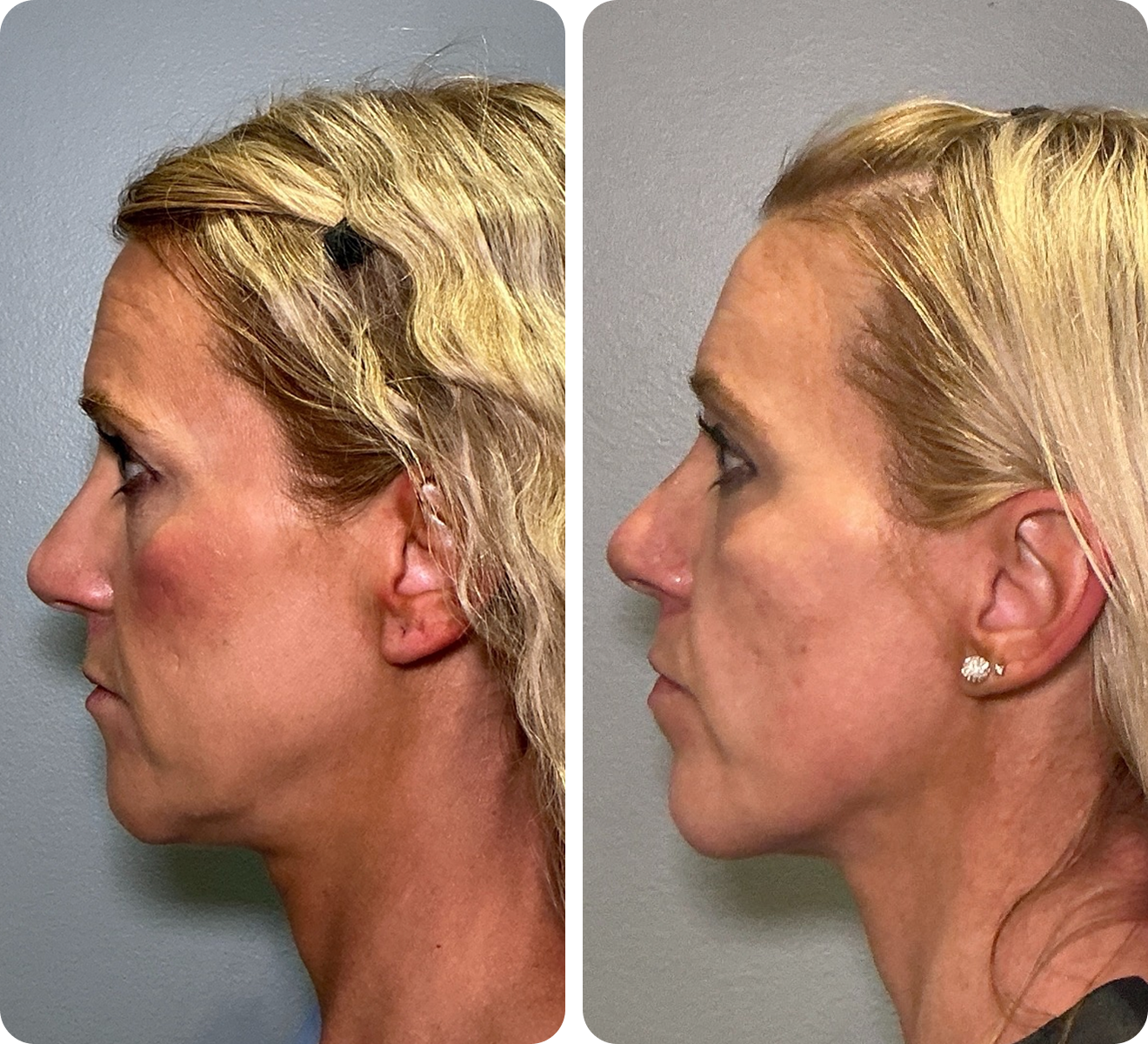
Before and after 2 T-Shape 2 treatments on the face.
T-Shape 2 procedures can be appealing during or after weight loss because facial changes rarely come from one single factor. Some people experience a combination of mild laxity, reduced circulation, and changes in skin texture, so T-Shape 2 can be a beneficial facial rejuvenation and body-contouring tool that can also be used on the body, such as on the upper arms or belly.
Nitrogen Plasma Skin Regeneration
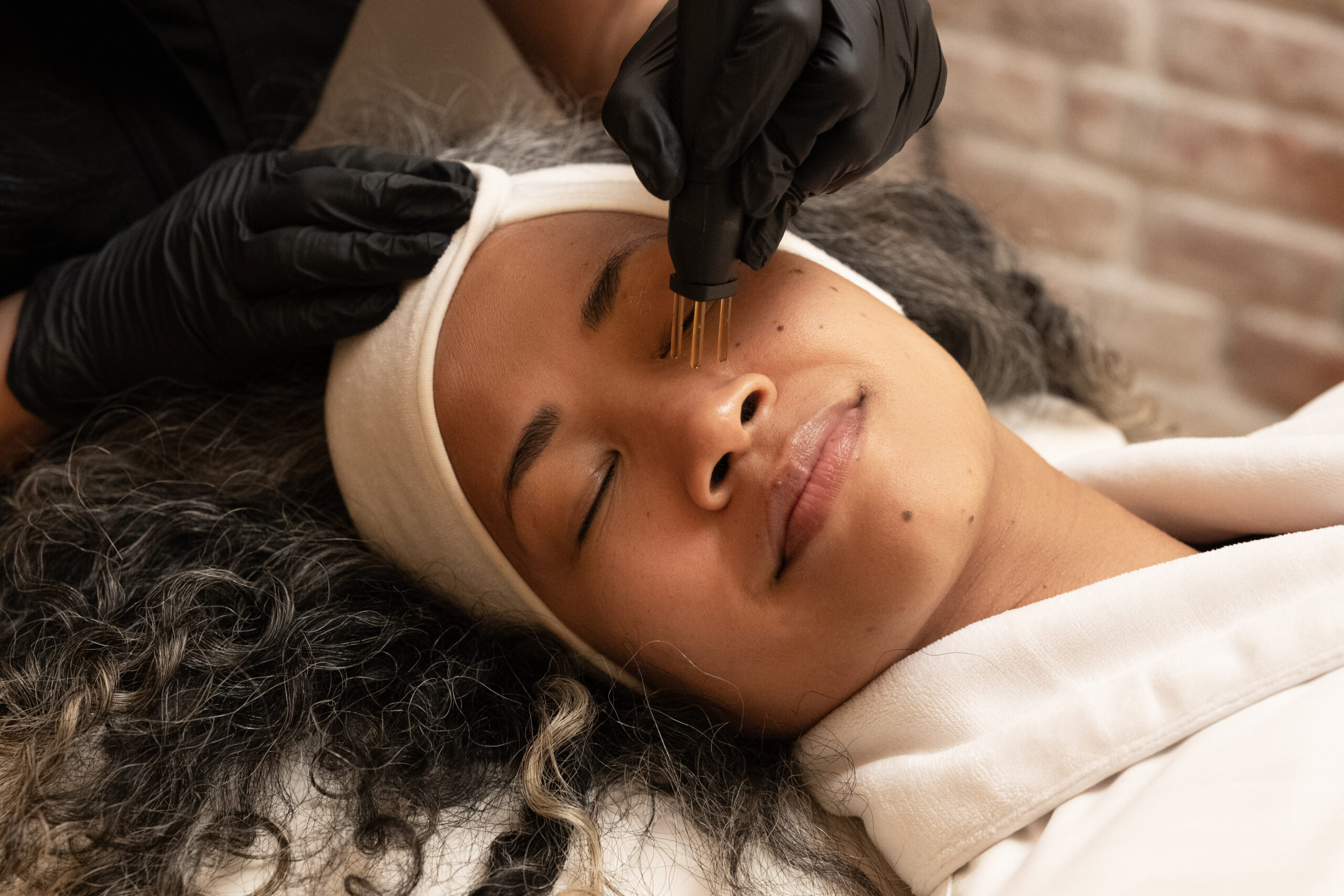
Neogen is a non-surgical skin regeneration machine that uses nitrogen plasma energy to stimulate the skin’s natural repair response, much like the other energy-based treatments mentioned above. Neogen technology delivers controlled nitrogen plasma energy to different skin depths, creating a thermal effect that stimulates collagen and elastin remodeling.
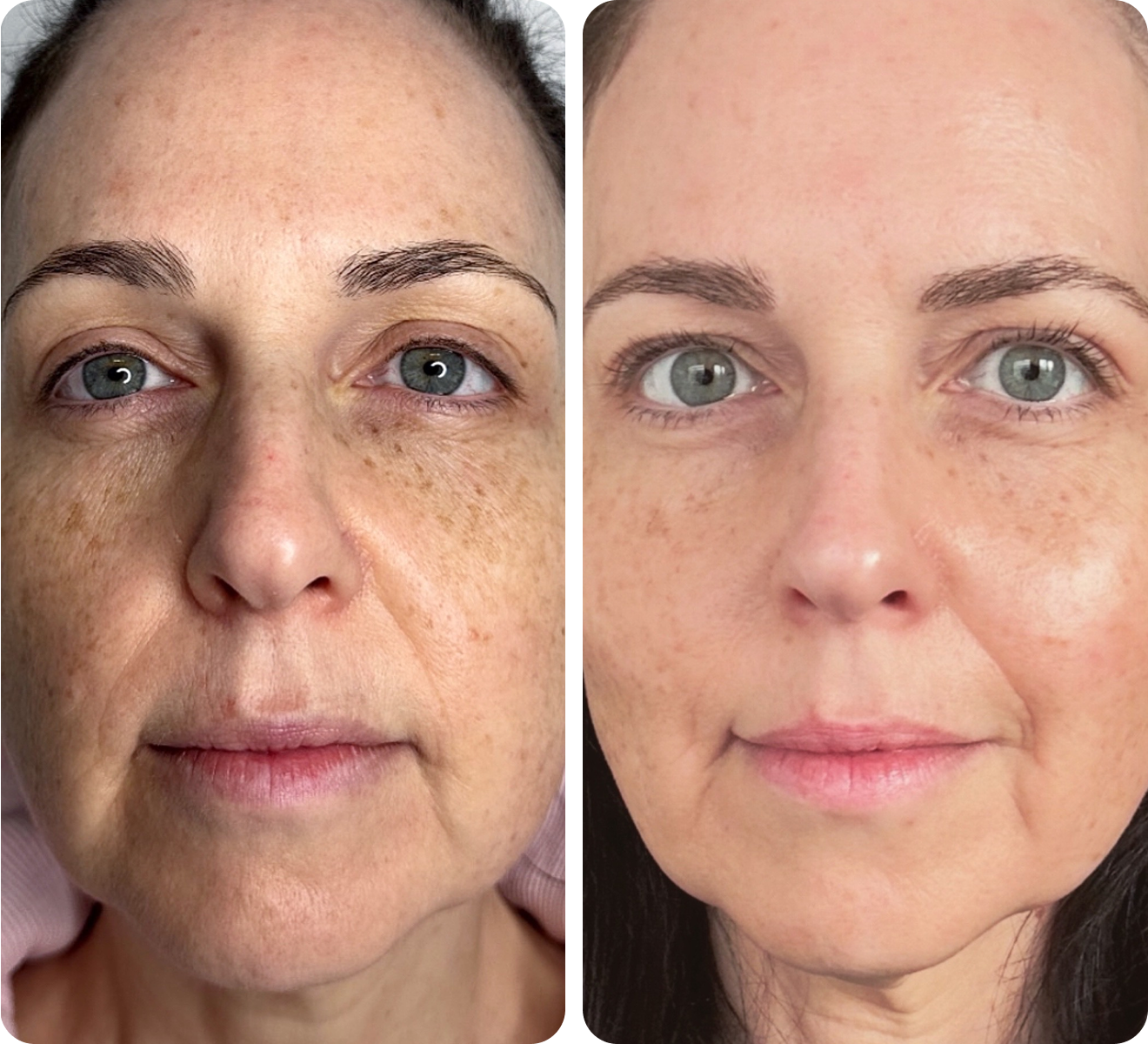
2 weeks after 1 medium energy treatment.
Neogen can be a good option for individuals with mild to moderate sagging after weight loss and those who notice crepey texture, fine lines, and reduced elasticity. It is actually FDA-cleared for wrinkles and rhytides, acne scars, viral papillomata, actinic keratoses, seborrheic keratoses, and superficial skin lesions.
Surgical Solutions for Severe Sagging After Weight Loss
Surgery is often recommended for pronounced laxity, significant jowls, and hanging neck skin after massive weight loss.
Surgical procedures that might help fix saggy skin after significant weight loss include:
- Facelift – the deeper layers of the facial tissues are lifted and repositioned
- Fat grafting – volume loss is being restored using the patient’s own fat
- Neck lift – addresses loose skin and poor neck contour from the jawline to the collarbone
- Blepharoplasty – an eyelid surgery that can remove loose skin and tighten supporting muscles
- Lip lift – lifts sagging skin, restores upper lip shape, and accentuates volume
In some cases, the doctor you’re working with, such as a board-certified plastic surgeon, might recommend that weight loss patients combine facial plastic surgery with other procedures, such as a breast lift, a tummy tuck, or an arm lift.
Frequently Asked Questions
How to prevent facial sagging after losing weight?
To prevent facial sagging after losing weight, lose weight gradually, prioritize adequate protein intake, include resistance training to preserve muscle support, hydrate properly, protect your skin from sun exposure, and avoid extreme calorie deficits.
Will my saggy face go back to normal if I gain some weight back?
Regaining a modest amount of weight may slightly plump facial features, but it typically doesn’t fully correct lax skin. The collagen and elastin damage that occurred during years of being stretched cannot be reversed simply by adding volume back.
Is saggy facial skin permanent?
Some degree of laxity is permanent without intervention because the skin that has been stretched significantly cannot fully return to its original state. However, appearance can be remarkably improved with appropriate treatments ranging from skincare and non-surgical tightening to surgical lifting. The right approach depends on your severity, goals, and preferences.
How do you fix a saggy face after weight loss?
You can improve a mild to moderate saggy face with stable nutrition, hydration, collagen-supportive skin care, and collagen-stimulating procedures like radiofrequency therapy or nitrogen plasma skin regeneration. Significant laxity may require surgical procedures.
How long does it take for the face to tighten after weight loss?
Mild facial sagging can gradually improve over 3-6 months after weight stabilizes because collagen remodeling takes time. If the skin has lost significant elasticity or volume, natural tightening may plateau after about 9-12 months.
Can a saggy face be reversed?
A saggy face can often be improved, but not always completely reversed. It all depends on your age, skin quality, and how much volume you’ve lost. You can rely on lifestyle measures and non-surgical treatments to enhance firmness and contour, but severe excess skin usually requires surgical correction.
Will I have loose skin after losing 50 pounds?
Losing 50 pounds increases the likelihood of loose skin, especially if you lose weight quickly or are over 35-40. Still, genetics, muscle mass, sun exposure, and lifestyle habits can influence your skin’s overall appearance and how much sagging develops when you lose a significant amount of weight.
Will losing 30 pounds cause loose skin?
Many people lose 30 pounds without noticeable loose skin, especially if they prioritize gradual weight loss, maintain muscle mass, maintain a healthy weight, and have a healthy diet.