Your skin just doesn’t look the way it used to. Maybe it’s a little looser around the jawline. Maybe you’ve noticed more fine lines around your eyes or mouth, a few age spots from years of sun exposure, or that papery, thin texture on your neck and arms that nobody warned you about. You’re not alone, and you’re certainly not out of options.
The list of skin rejuvenation treatments has expanded dramatically over the last decade. There are now treatments that work on the surface, treatments that reach multiple skin layers, and treatments that combine both at once. Some require no downtime. Others involve a few days of recovery. While it’s exciting to have so many options, many people come to their first consultation without a clear understanding of where to start.
In this guide, we’ll explain every major skin rejuvenation treatment: how it works, what it’s actually good for, and who it suits.
Disclaimer: This article is provided for informational and educational purposes only. The information presented here is not a substitute for professional medical evaluation, consultation, or care and should not be relied upon to make health-related decisions. Always consult a qualified and licensed medical or aesthetic professional before undergoing any cosmetic or aesthetic procedure.
Key Points:
- Skin rejuvenation covers a wide range of treatments, including laser resurfacing and chemical peels, radiofrequency, plasma energy, and injectables.
- Fine lines, wrinkles, acne scars, sagging skin, and sun damage all respond differently to different modalities.
- No single treatment addresses every concern. The best outcomes come from matching the right technology to your specific skin type and goals.
- Two standout options for skin rejuvenation are the T-Shape 2 (multi-technology RF platform) and Neogen (nitrogen plasma), which offer a more comprehensive treatment approach.
- Collagen production is the common thread behind virtually every effective skin rejuvenation treatment.
- Always consult a licensed practitioner before choosing any cosmetic procedure who can assess your specific skin concerns and help set realistic expectations.
What Is Skin Rejuvenation?
Skin rejuvenation is an umbrella term for any treatment designed to improve skin health, restore skin tone, address skin texture, and reduce visible signs of aging or damage. That includes lines, wrinkles, acne scars, sun damage, uneven skin pigment, loose skin, and loss of firmness.
Most treatments work through one (or more) of three basic mechanisms:
- Stimulating collagen production either through controlled heat, micro-injury, or chemical exfoliation, prompting the body to build new structural proteins
- Removing or remodeling the outer layers by clearing dead skin cells and damaged tissue, so new skin can form
- Restoring volume by using dermal fillers
Collagen is the protein responsible for keeping your skin firm and plump. After your mid-20s, your body produces roughly 1% less collagen per year. By your 40s, the effects become visible. By your 50s and beyond, they can become significant, especially for people who’ve had years of sun exposure or other lifestyle factors working against them. Almost every effective skin rejuvenation treatment on the market targets collagen production in some way. What differs is the how.
13 Popular Skin Rejuvenation Treatments
In the following sections, we’ll describe some of the most popular and commonly recommended skin rejuvenation treatments. Before scheduling any, consult a healthcare professional.
As such, here are 13 skin rejuvenation treatments.
1. Laser Resurfacing
Laser skin resurfacing is one of the most well-established skin rejuvenation treatments available. It uses focused light energy to either remove or heat layers of the skin, triggering the body’s natural healing process and boosting collagen production.
There are two broad types:
- Ablative lasers remove the outer layers of the skin entirely. CO2 and erbium lasers fall into this category. They can be highly effective for deeper wrinkles, acne scars, and significant sun damage, but they come with significant downtime (sometimes a few weeks of recovery). You may observe noticeable improvements in skin tone, texture, and fine wrinkles after a single session.
- Non-ablative lasers work differently. Instead of removing tissue, they heat the deeper layers while leaving the surface of the skin intact. They’re gentler, require less recovery, but typically need multiple treatments to achieve comparable results. Non-ablative laser resurfacing works well for early-stage fine lines, mild acne scars, youthful skin restoration, and general texture concerns.
Laser therapy is generally suitable for almost all skin types for the right concerns, though darker tones require careful selection of the wavelength and energy settings to avoid changes in skin pigment.
2. Chemical Peels
Chemical peels imply the application of a chemical solution to the skin to remove dead skin cells and prompt fresh cell turnover. They come in three depths:
| Peel Type | Depth | Best For | Downtime |
| Light peels | Epidermis only | Dull skin, minor fine lines, uneven skin tone | None to minimal |
| Medium peels | Upper dermis | Acne scars, moderate sun damage, texture concerns | 5-7 days |
| Deep peels | Deep dermis | Severe wrinkles, deep acne scars, significant sun damage | 2-3 weeks |
Light chemical peels work well as a regular maintenance option. Medium peels are usually a good choice for many people, as they can help with acne scars and improve skin tone without the full commitment of an ablative laser. Deeper peels are less commonly used today, given the alternatives available, but can still be appropriate for specific cases.
Chemical peels are generally not recommended for very dark skin tones without specialist guidance, as they carry a higher risk of post-inflammatory pigmentation.
3. Intense Pulsed Light (IPL)
Intense pulsed light (IPL) uses broad-spectrum light across multiple wavelengths. This is an important aspect because it makes IPL particularly versatile for targeting skin pigment issues: sunspots, redness, spider veins, and uneven skin tone all respond well.
IPL is not the go-to choice for deep wrinkles or significant sagging skin. Its strength lies in improving the overall colour and clarity of the skin. It basically breaks down pigmented cells and blood vessels, damaging targeted cells, which triggers the body’s natural healing response that stimulates collagen production.
It’s tolerable (described as a warm sensation), requires minimal downtime, and works well as part of a broader skin rejuvenation plan that pairs it with a tightening treatment.
4. Microneedling
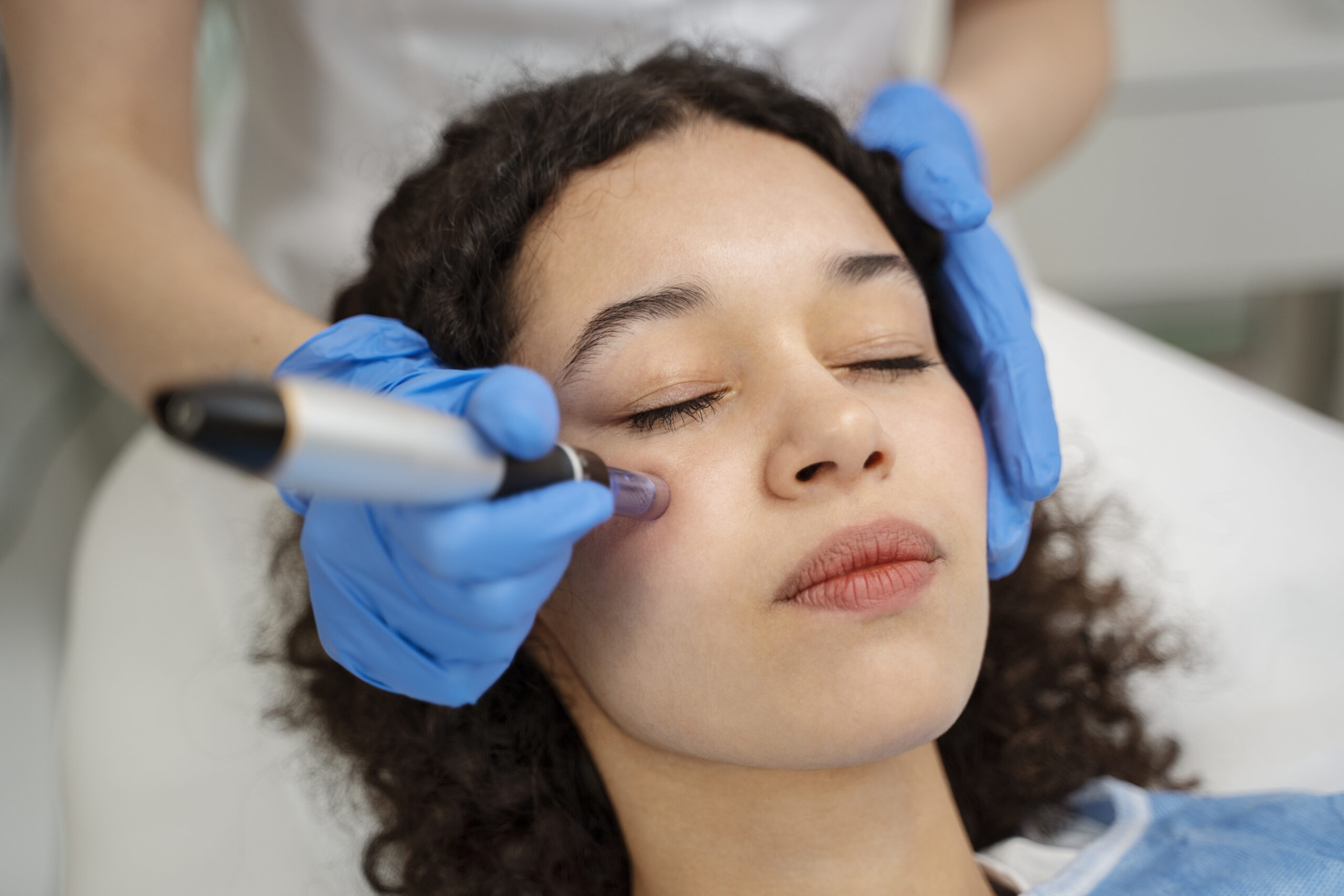
Microneedling creates tiny, controlled punctures in the skin using fine needles. Those micro-injuries tell the body to start repairing. The repair process also includes producing new collagen and elastin. The results appear after several weeks and can include improvements in skin texture and overall skin health, as well as a reduction in acne scars.
On its own, microneedling is a solid entry-level treatment for people who are newer to cosmetic procedures. When combined with radiofrequency energy (RF microneedling), the results can be more pronounced.
5. Radiofrequency (RF) Treatments
Radiofrequency is a non-invasive treatment that uses controlled heat energy delivered to the deeper layers of the skin to stimulate collagen production and cause existing collagen fibers to contract. Basically, like other skin rejuvenation procedures. It can lead to a tighter, firmer skin without touching the skin’s surface at all. That’s what makes RF one of the most useful non-surgical options for sagging skin and lax skin, particularly around the jawline, cheeks, and neck.
RF comes in several configurations: monopolar, bipolar, and multipolar. Monopolar penetrates the deepest, but it’s also more likely to cause discomfort. Bipolar is more precise and usually better suited for the face. Multipolar RF works at different depths simultaneously, and it’s more comfortable than both monopolar and bipolar RF. It’s generally well-suited for facial rejuvenation as well as body treatments.
6. Injectables: Dermal Fillers and Biostimulators
Dermal fillers use substances like hyaluronic acid to restore volume and smooth lines immediately. They’re particularly effective for static wrinkles (lines that are visible at rest), crow’s feet, frown lines, and hollow areas like the under-eyes or cheeks. Results are visible straight away and typically last 6-18 months, depending on the product and the area treated.
Hyaluronic acid fillers are the most widely used because they’re reversible and well-tolerated. They work by drawing water into the tissue, plumping the area from the inside and restoring volume naturally.
Biostimulators like Sculptra work differently. Rather than filling a space, they trigger the body to produce its own collagen over several months. The results are more gradual, but the improvements to skin firmness and tone tend to be longer-lasting (up to two years in some cases), just like in the case of radiofrequency treatments, for example.
For dynamic wrinkles, which are the lines formed by facial movement like frown lines and crow’s feet, Botox might be recommended, as they temporarily relax the underlying muscles.
7. Platelet-Rich Plasma (PRP)
PRP, sometimes called the “vampire facial,” draws a small amount of your own blood, processes it to concentrate the growth factors, and reintroduces those growth factors into the skin via injection or microneedling. It’s a regenerative approach that leans on your body’s own biology to promote collagen production and accelerate healing.
PRP can work well alongside other treatments rather than as a standalone solution. Pairing it with microneedling, for example, can amplify results.
8. T-Shape 2: Multi-Modality Approach for Face and Body
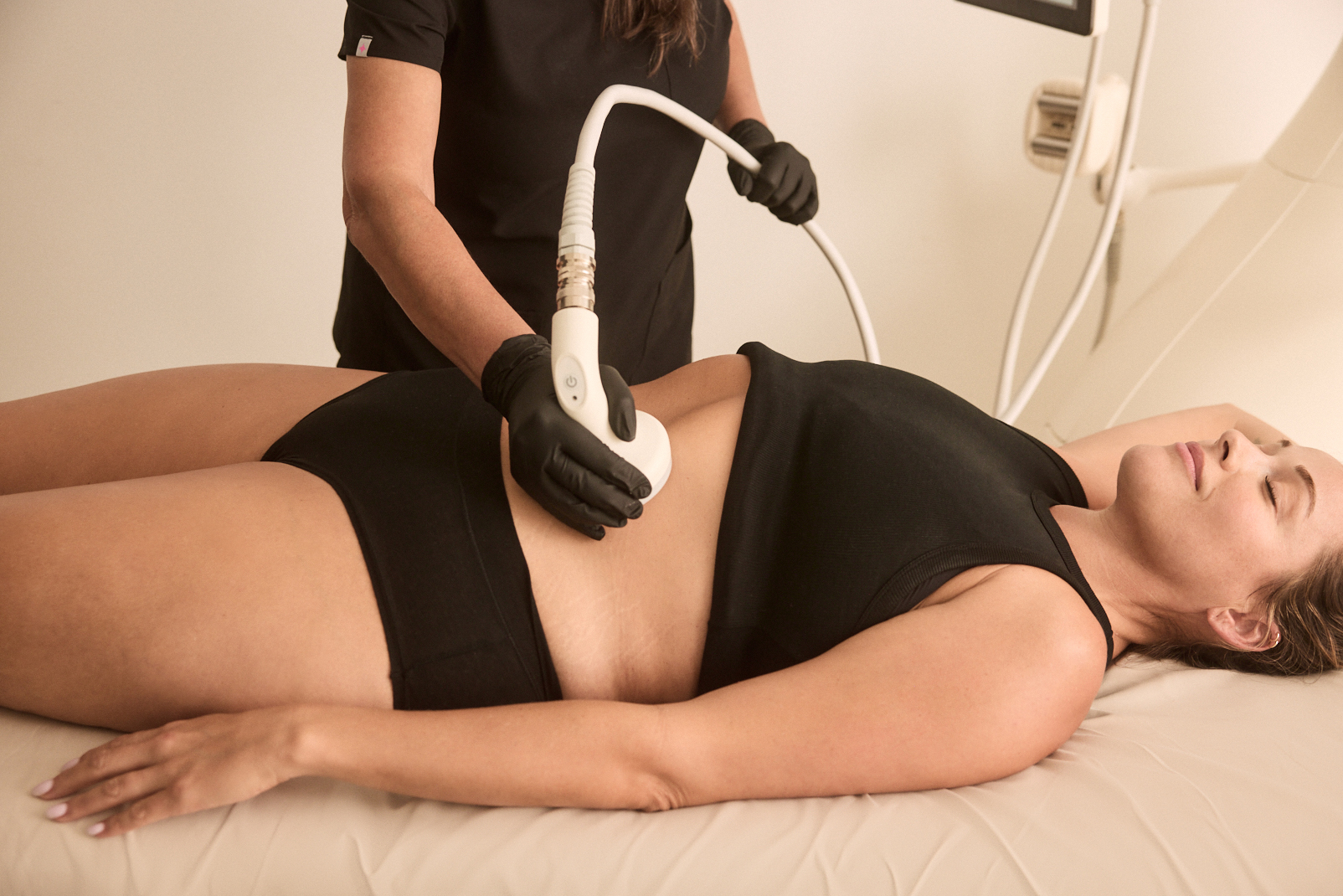
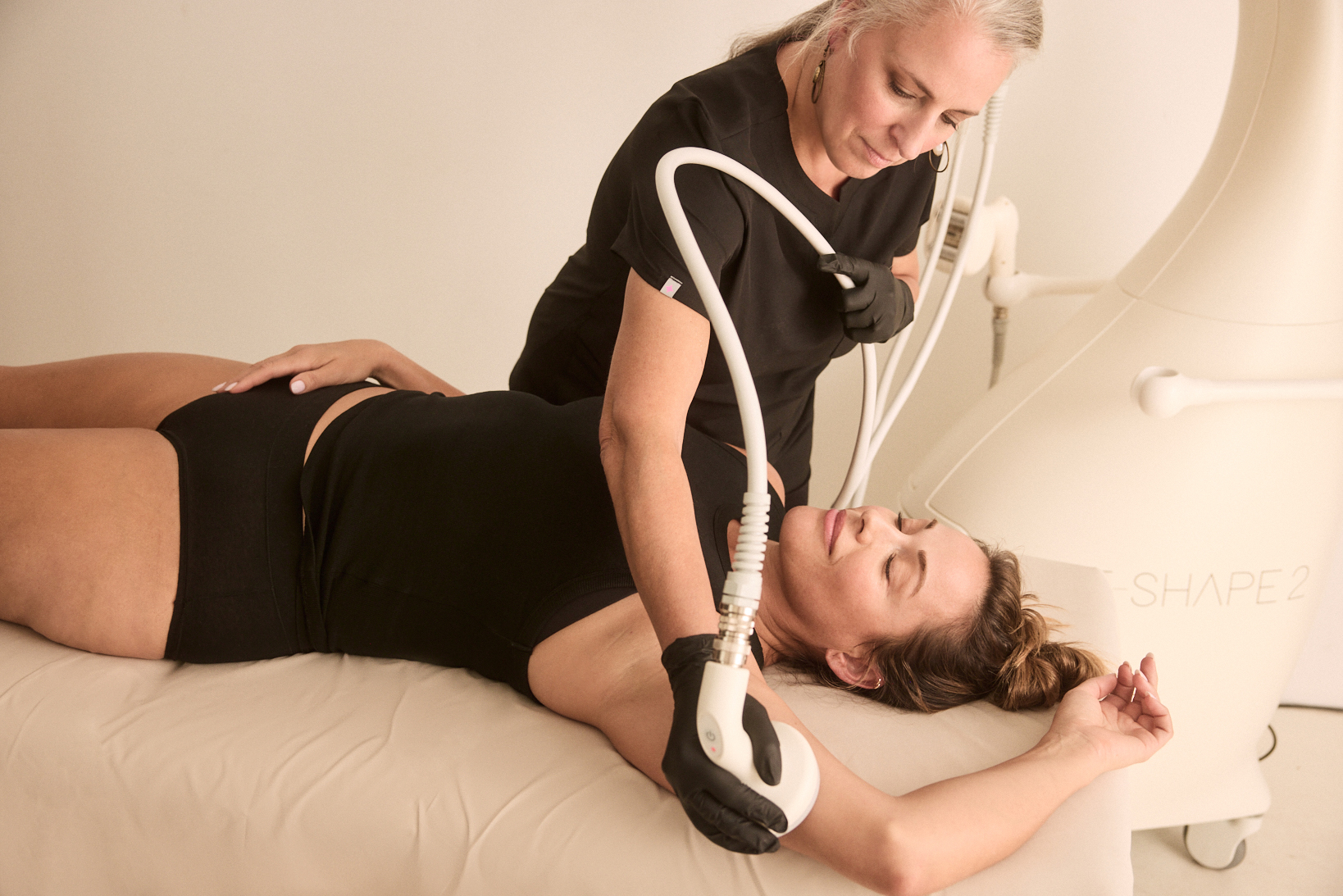
The T-Shape 2 is a multi-modality platform that combines four distinct technologies in a single device for non-invasive procedures:
- Bipolar Radiofrequency (RF): delivers heat energy to boost collagen production, contract existing collagen fibers, and improve skin firmness without affecting the skin’s surface
- Low-Level Laser Therapy (LLLT): supports cellular regeneration and collagen remodeling at the tissue level, with gentle stimulation of microcirculation
- Endodermic Massage with Vacuum Suction: mobilizes underlying tissue, supports lymphatic drainage, and improves local circulation, particularly useful for body areas with cellulite or lax skin
- Mesospheric Activation: a mechanical massage component that works alongside the other modalities to encourage tissue mobility and lymphatic flow
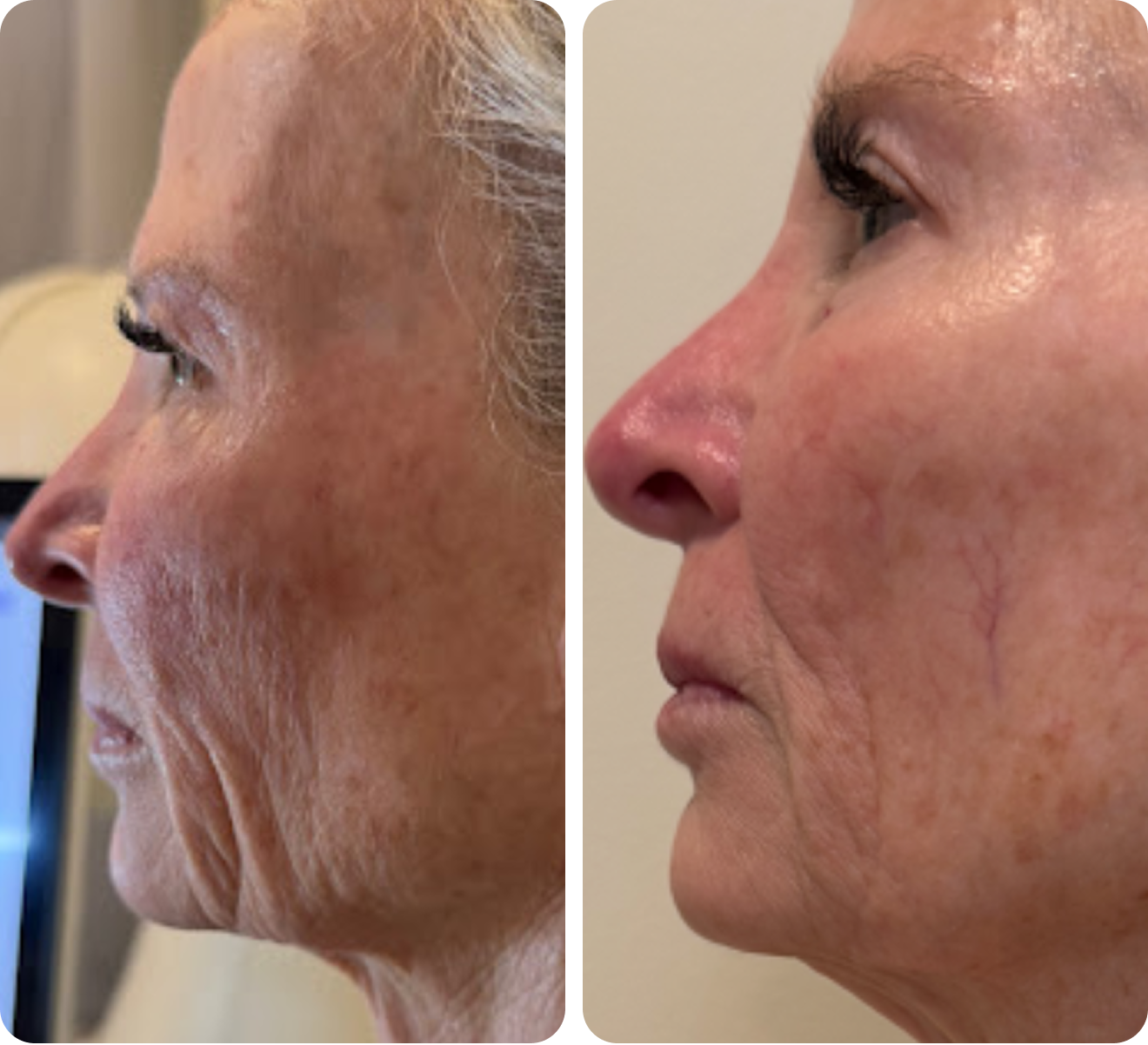
Before and after 8 skin-tightening treatments on the face with T-Shape 2.
The combination of these four approaches in a single session is what sets the T-Shape 2 apart from single-technology devices.
The T-Shape 2 is suitable for both facial rejuvenation (forehead, cheeks, jawline, neck) and body treatments (abdomen, thighs, arms). Collagen production continues for several months after each session, so cumulative benefits develop over a series of treatments. Most protocols recommend 6-12 sessions spaced 1-2 weeks apart, with maintenance every few months.
9. Nitrogen Plasma Technology
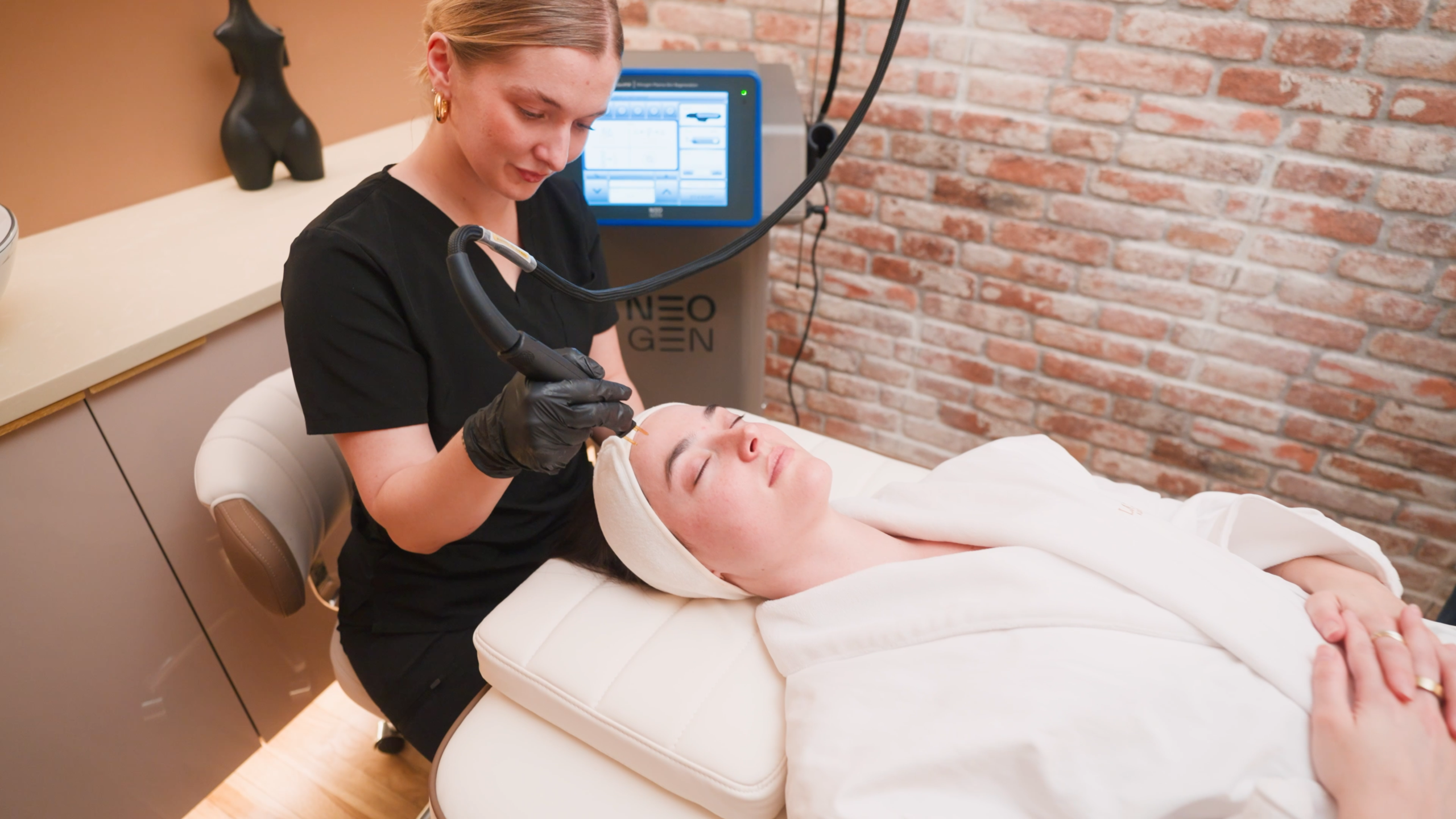
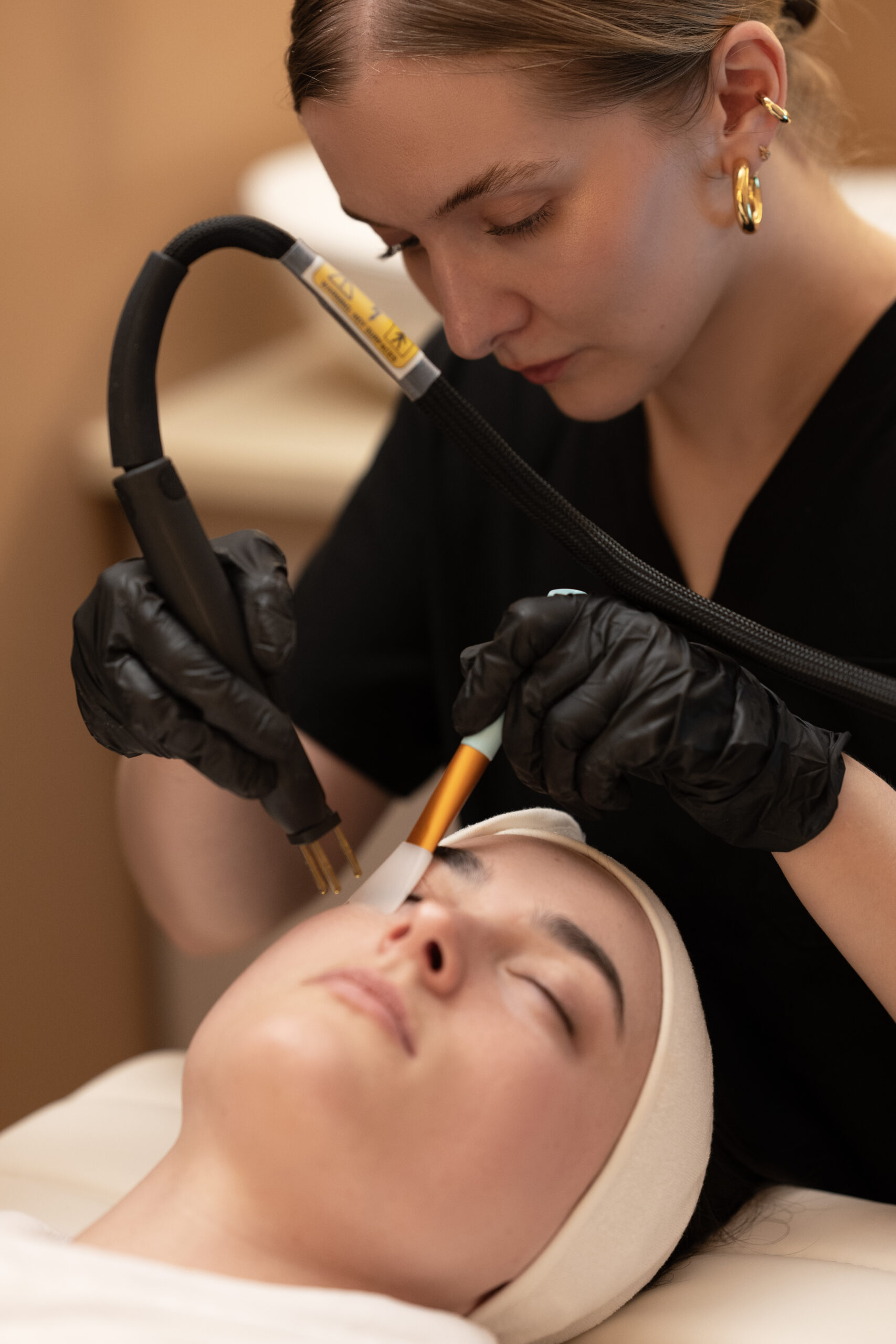
Nitrogen plasma skin regeneration (Neogen) uses nitrogen plasma energy to deliver controlled, uniform thermal energy to treat the entire skin architecture. That’s what makes it so different from other technologies. Most laser resurfacing and skin resurfacing technologies target a specific component of the skin, whether it’s water, pigment, or a defined tissue depth. Because of this, Neogen can help achieve a more comprehensive skin remodeling process that includes resurfacing, regeneration, and tightening.
Neogen is FDA-cleared for acne scars, viral papillomata, actinic keratoses, seborrheic keratoses, superficial skin lesions, as well as wrinkles and rhytides on both the face and the body.
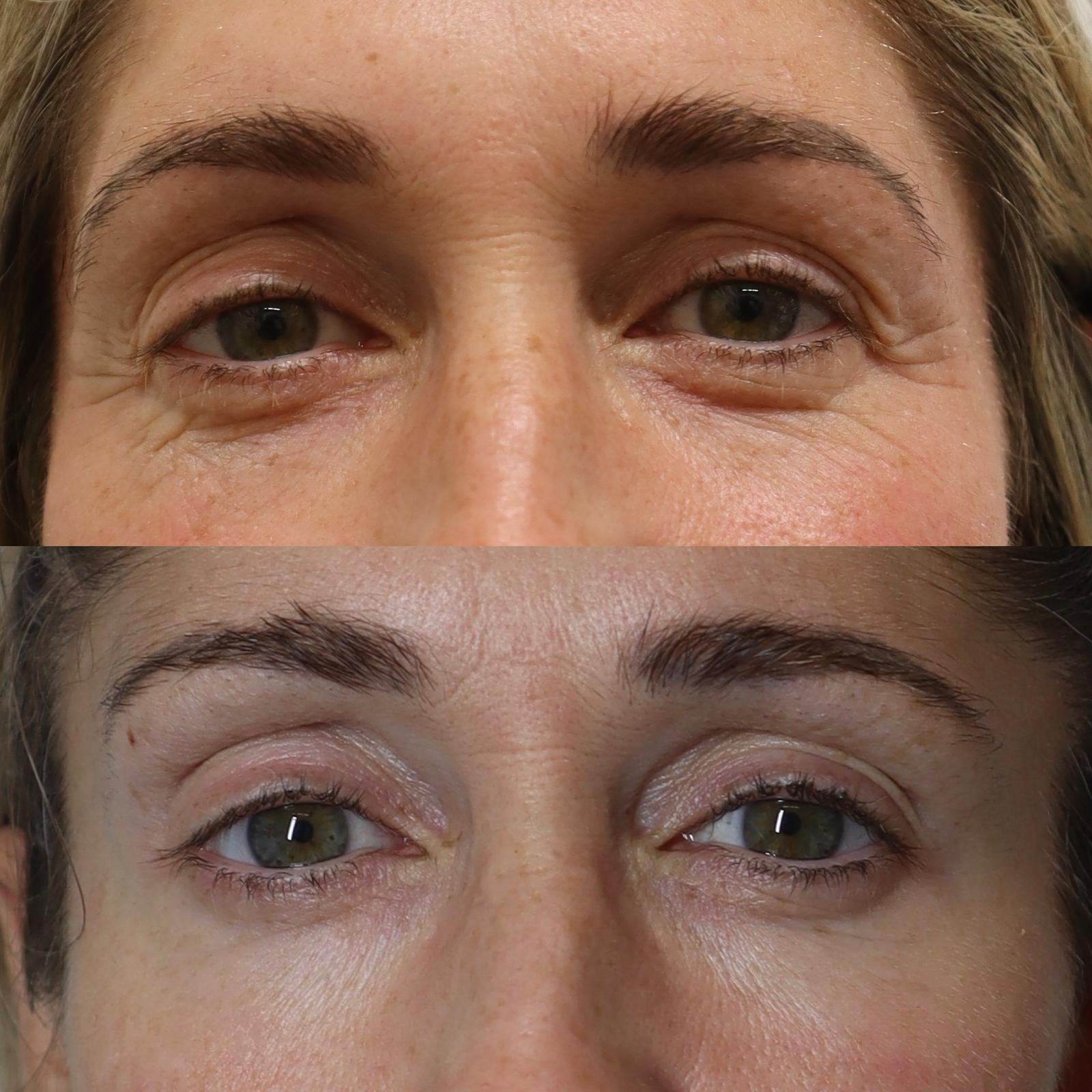
4 Weeks after 3 low-energy treatments on the eye area with Neogen. Courtesy of La Ross Clinic.
The downtime varies depending on the energy setting used. High-energy settings are for corrective treatments. They can help achieve fully ablative CO2 results with significantly less downtime and risks compared to ablative lasers. Low energy settings are recommended for life-long preventive and maintenance treatments. They can help achieve substantial improvement with minimal downtime and discomfort.
10. Ultrasound
Ultrasound skin rejuvenation uses focused ultrasound energy to deliver controlled heat into deeper tissue layers beneath the surface, triggering collagen production and gradual tissue tightening. Like radiofrequency treatments, it works by stimulating collagen remodeling, but it can reach deeper structural layers than many RF devices.
That deeper reach is what makes ultrasound particularly useful for mild to moderate loose skin, especially around the jawline, cheeks, brow, and neck. Some systems can target the superficial musculoaponeurotic system (SMAS), the same foundational layer involved in surgical facelifts.
11. Thread Lifts
Thread lifts are a minimally invasive treatment designed to provide modest lifting while also boosting collagen production over time.
The treatment implies placing dissolvable threads beneath the skin to support tissues mechanically and encourage the body’s natural healing response. As collagen forms around the threads, skin firmness may improve gradually.
Thread lifts are generally used for mild to moderate sagging skin. Common treatment areas include the jawline, lower face, cheeks, and neck. Results are usually temporary, and maintenance treatments are often needed.
12. LED Light Therapy
LED light therapy uses specific wavelengths of light to improve skin health, reduce inflammation, and promote collagen production.
Red and near-infrared wavelengths are commonly used in skin rejuvenation because they may support collagen production, reduce inflammation, and encourage tissue repair. Blue light is more often used for acne-prone skin.
LED is not typically used as a primary treatment for significant wrinkles, sagging skin, or advanced sun damage. Its strength lies in maintenance, early-stage skin rejuvenation, and supporting recovery after other cosmetic procedures.
Because it’s gentle, requires no downtime, and is generally well-tolerated, it can be a useful adjunct to treatments like microneedling, laser resurfacing, or RF-based protocols.
13. Dermabrasion and Microdermabrasion
Dermabrasion and microdermabrasion are mechanical resurfacing treatments that improve skin texture by removing damaged surface cells.
Microdermabrasion is the gentler of the two and is generally used for dull skin, minor uneven skin tone, and very superficial texture concerns, basically enhancing the skin’s appearance. It functions more as a maintenance treatment than a corrective one.
Dermabrasion is more aggressive and can be used for acne scars, deeper textural irregularities, and certain wrinkles. It has become less common as newer skin resurfacing technologies have emerged, mainly because it requires numbing and significant downtime. It might also remove unwanted hair.
How to Choose the Right Skin Rejuvenation Treatment
You’re probably wondering where to start with all of this, right? It depends on so many factors, including your skin type, the concerns you want to address, your tolerance for downtime, and your budget. We recommend talking to a healthcare professional before scheduling any skin rejuvenation treatment.
But here are some general guidelines that can help you understand what procedure might be suitable for you.
For early-stage aging (30s-early 40s):
- Chemical peels and non-ablative laser treatments for maintenance
- IPL for sun damage and uneven skin tone
- Microneedling or Neogen for texture issues
- T-Shape 2 for skin firmness
For moderate aging (mid-40s and 50s):
- RF treatments (including the T-Shape 2) for sagging skin and loss of skin firmness
- Medium peels or Neogen for scars and deeper sun damage
- Dermal fillers or biostimulators to restore volume
For more advanced concerns (50s and beyond, or significant crepey/sagging skin):
- T-Shape 2 for face and body loose skin, ongoing maintenance
- Neogen for significant wrinkles, crepey skin, and deep acne scars
- Combination approaches for facial rejuvenation with multiple concerns
| Skin concern | Procedures that might work |
| Reducing fine lines and early wrinkles | Light to medium peels, non-ablative laser treatments, microneedling, T-Shape 2, Botox |
| Loose or sagging skin | Radiofrequency, ultrasound, RF microneedling, T-Shape 2, Neogen |
| Crepey skin | Neogen, T-Shape 2, radiofrequency |
| Acne scars or rough texture | Microneedling, laser, Neogen, medium peels |
| Pigmentation or sun damage | IPL, chemical peels, laser, Neogen |
| Volume loss | Hyaluronic acid fillers, biostimulators |
| General rejuvenation for radiant skin | T-Shape 2, peels, microneedling, radiofrequency, Neogen |
What About At-Home Care?
Skin rejuvenation treatments work best when they’re supported by a solid at-home routine. Here’s what you can use:
- Sunscreen (SPF 30+): sun protection is non-negotiable, every day. Sun exposure is a major accelerant of skin aging and breaks down collagen fibers faster than almost anything else.
- Retinoids: the most studied active ingredient for collagen production and skin cell turnover. Prescription-strength versions (tretinoin) produce the most noticeable improvement in fine lines and acne scars over time.
- Hyaluronic acid serums: support moisture retention in the skin and complement any treatment that targets the deeper layers of the skin. They won’t replace in-office procedures, but they can help keep the surface hydrated and more receptive.
- Peptides and antioxidants: increasingly well-supported by research for maintaining skin health and supporting collagen production between treatments.
Post-treatment, your practitioner will give you specific guidance depending on which procedure you’ve had. Ablative treatments and Neogen protocols, for example, require more careful aftercare in the healing phase. You might have to avoid direct sun exposure or keep the treated areas clean and moisturised. Either way, follow any specific instructions on cleansing and product use.
For Medspas and Clinics: Advanced Solutions from Artemis
For medspas and clinics looking to expand their skin rejuvenation offerings, Artemis solutions provide access to technologies that address multiple treatment categories.
T-Shape 2 and Neogen, for example, can give you the opportunity to offer solutions for skin tightening, crepey skin, facial rejuvenation, resurfacing, and body treatments using platforms designed for both versatility and clinical performance. That broader treatment capability can help clinics serve a wider range of patient concerns with more customized protocols.
Artemis also offers extensive training and ongoing support in case you have any questions once your team starts using the devices. If you want to learn more about what our collaboration could imply, contact Artemis today!
FAQs
What are some good facial skin rejuvenation treatments?
Good facial skin rejuvenation treatments include laser resurfacing, chemical peels, microneedling, radiofrequency skin tightening, T-Shape 2, nitrogen plasma technology, ultrasound treatments, IPL, and injectables. The best option depends on whether your concern is wrinkles, sagging skin, pigmentation, acne scars, or volume loss.
How much are skin rejuvenation treatments?
Skin rejuvenation treatment costs vary widely depending on the procedure, provider, and number of sessions needed. Chemical peels and microneedling tend to be lower-cost options, while laser resurfacing, ultrasound, RF platforms, and plasma treatments are often higher-cost treatments.
What are the best skin rejuvenation treatments?
You should choose the best skin rejuvenation treatments depending on the concern being treated. Laser resurfacing and fractional treatments are often used for wrinkles and texture, RF and ultrasound for skin tightening, IPL for pigmentation, and Neogen or multi-modality platforms like Artemis T-Shape 2 for broader rejuvenation concerns.
What treatment can make you look 10 years younger?
There is no one treatment that can make someone look 10 years younger, but combination approaches can produce significant rejuvenation. Treatments often used for more dramatic results include laser resurfacing, Neogen, RF-based tightening, injectables, and combination protocols that address skin texture, laxity, and volume at the same time.