Sofwave has earned a strong reputation as a comfortable, low-downtime option for non-surgical skin tightening. Using SUPERB ultrasound technology, it targets the mid dermis at a depth of up to 2mm, where it can trigger collagen production and gradually improve skin laxity over several weeks.
However, Sofwave is not for everyone. Some people need to address skin laxity at deeper tissue levels. Others want to target skin texture alongside tightening, or prefer a device that works on, say, the legs and stomach, as well as the face.
So, if you’re looking for a Sofwave alternative, this guide walks you through the most relevant technologies, how they work, and how to choose between them.
Disclaimer: This article is provided for informational and educational purposes only. The information presented here is not a substitute for professional medical evaluation, consultation, or care and should not be relied upon to make health-related decisions. Always consult a qualified and licensed medical or aesthetic professional before undergoing any cosmetic or aesthetic procedure.
What is Sofwave?
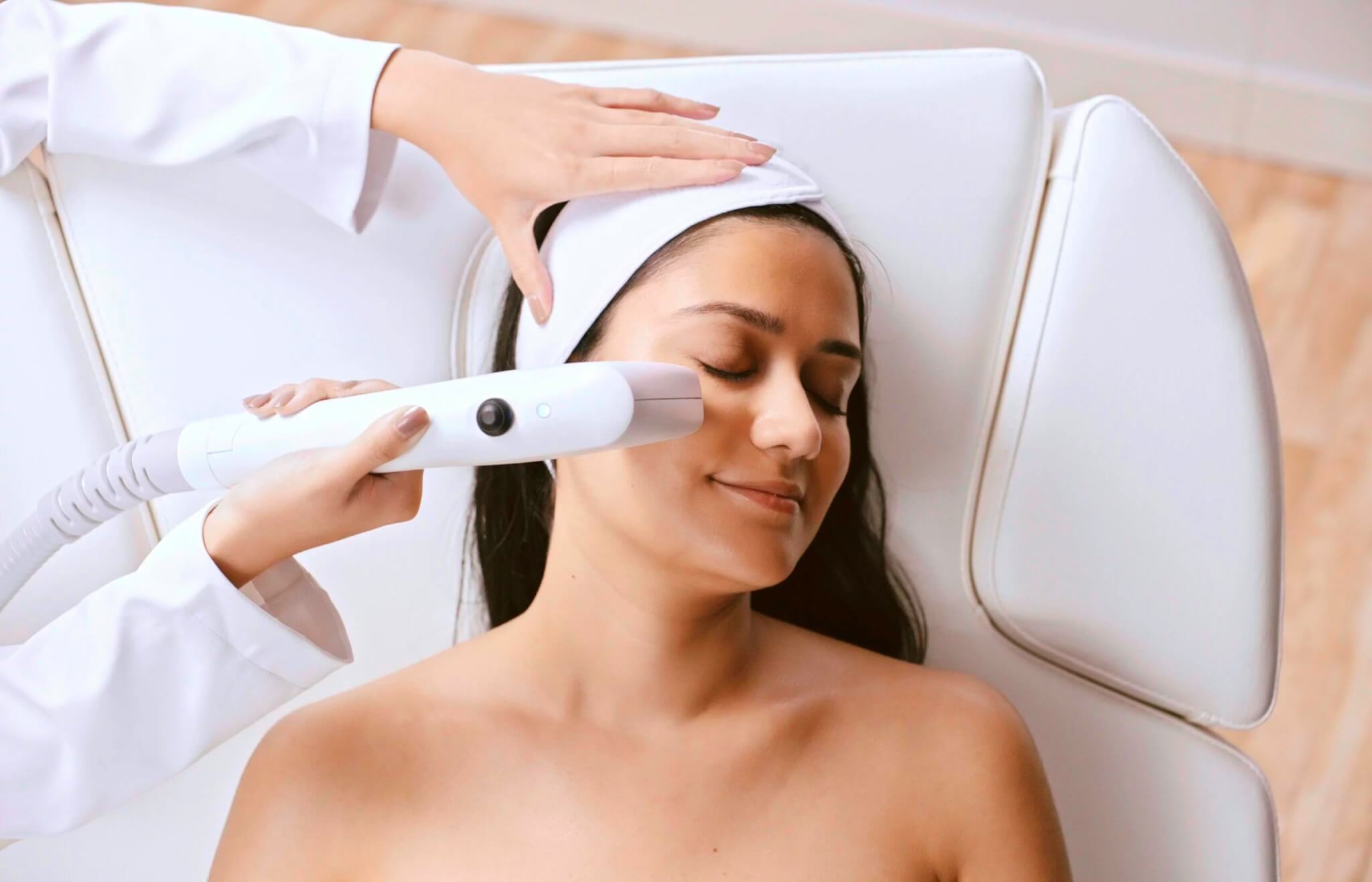
Sofwave is an FDA-cleared, non-invasive ultrasound device designed to address mild to moderate skin laxity and reduce the appearance of fine lines and wrinkles. Its SUPERB™ technology uses seven parallel ultrasound transducers to deliver thermal energy uniformly into the mid dermis at roughly 1.5mm beneath the skin’s surface. An integrated cooling system (SofCool™) protects the epidermis throughout treatment.
This activates the body’s natural healing process and encourages collagen growth over the following weeks. Most clients see progressive improvement for up to 12 weeks post-treatment, with results that can last approximately 1-2 years with maintenance sessions.
Sofwave is commonly used for:
- Mild to moderate skin laxity around the brows, jawline, and neck
- Early fine lines and wrinkles on the face
- People who want minimal downtime and a comfortable treatment
- All skin types, including darker skin tones
Because of these strengths, Sofwave is positioned as a good option for people seeking subtle, natural-looking results without surgery or recovery time. Sofwave’s more superficial approach has fewer potential complications, with the main risks being temporary redness and mild swelling that typically resolve quickly.
That said, like any other aesthetic technology or topical cream, it might not be the best solution for everyone.
Who May Not Be the Right Candidate for Sofwave Skin Tightening Treatment?
- People with more severe skin laxity or significant jowling are often better suited to deeper treatments or, in some cases, surgical options, which a qualified provider can assess.
- Those who want to address skin texture or pigmentation alongside tightening.
- People who have had recent dermal fillers in the intended treatment area.
- Anyone with active skin infections, implanted electronic devices, or certain medical conditions; your medical history and individual circumstances should always be discussed with a professional.
- Simply someone who wants to try a new technology.
If one or more of these apply to you, exploring a Sofwave alternative is a reasonable next step. Or, if you own a medspa business, you might be wondering whether you can incorporate more devices besides Sofwave into your medspa menu.
Sofwave Alternatives: Technologies and Devices
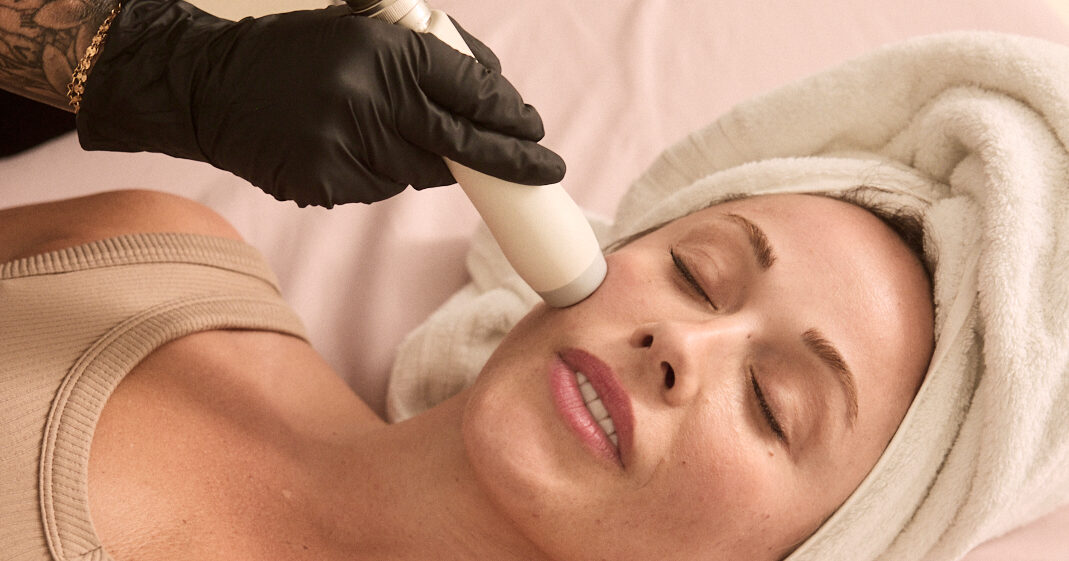
A Sofwave alternative is any treatment that can help address skin laxity, skin texture, or loss of skin firmness through a different mechanism or at a different depth. Some alternatives work at a shallower level and focus on gradual maintenance. Others go deeper for more pronounced structural lifting. And some combine multiple technologies in a single session.
Below is an overview of the most commonly used Sofwave alternatives, grouped by technology.
Ultherapy: Deeper Ultrasound Lifting
Sofwave vs Ultherapy is probably the most common comparison people make when researching ultrasound technology-based skin tightening treatments.
While Sofwave targets the mid dermis at around 1.5mm, Ultherapy, which also uses ultrasound waves, can reach depths of up to 4.5mm, including the SMAS layer, the same structural skin layer addressed during surgical facelifts.
Ultherapy may be a better fit when:
- The main concern is noticeable skin laxity along the jawline, brow, or neck
- Clients want a single treatment with longer-lasting results
- Surface tightening from Sofwave alone has not been sufficient
The tradeoff is that Ultherapy is generally more uncomfortable than Sofwave. Some clients describe sharp or deep sensations during pulse delivery, and the treatment sessions can run 60 to 90 minutes. Cost is also higher.
Moreover, Ultherapy carries a slightly higher risk profile due to its deeper penetration, with potential risks including temporary numbness, localized pain, or slight bruising, but these are typically mild and resolve naturally when the procedure is performed correctly.
Radiofrequency Skin Tightening: Thermage
Radiofrequency (RF) cosmetic treatments are among the most popular non-surgical skin tightening options. They deliver controlled heat through safe electromagnetic waves, which contract existing collagen and stimulate new collagen and elastin production.
Thermage uses monopolar RF energy to heat deeper dermal and subcutaneous layers, reaching up to approximately 3-4mm below the skin’s surface. This makes it effective for overall skin tightening and smoothing.
Compared to Sofwave:
- Thermage is often chosen when broader, deeper RF tightening is desired, particularly for larger body areas; some clients and providers perceive more visible tightening in those zones compared to Sofwave
- Treatment sessions might be longer (30 to 90 minutes, depending on the area)
- Thermage is generally positioned as a better option for overall contouring and broader areas, including body applications
- Sofwave tends to be more comfortable for most patients
Combination Technology: T-Shape 2
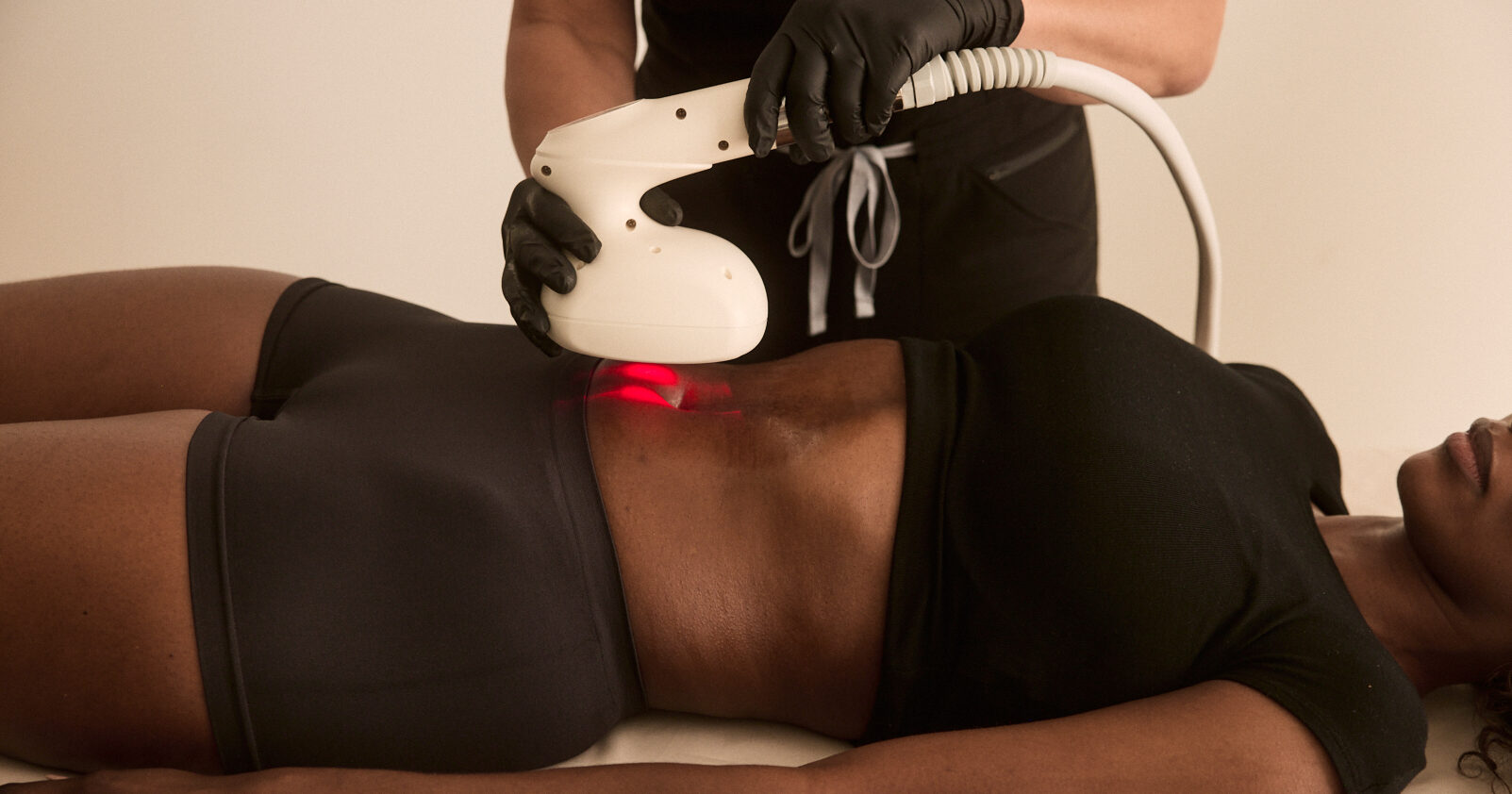
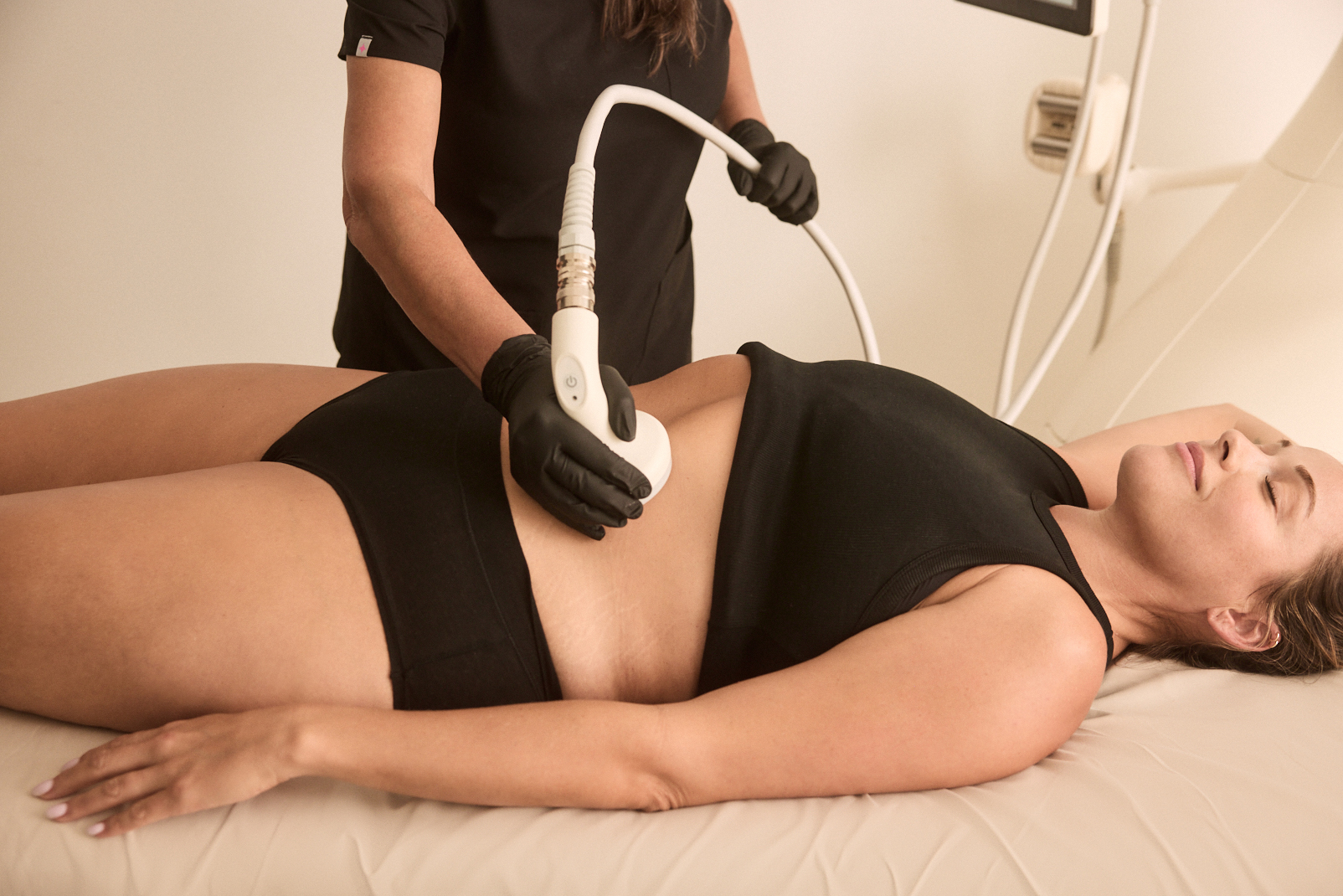
T-Shape 2 is a non-invasive skin tightening platform. It integrates four different cutting-edge technologies in the same treatment session, making it one of the most versatile alternatives on the market for both face and body concerns.
The four technologies it combines are:
- Bipolar Radiofrequency (RF): can be set at four different frequencies; the heat delivered can help stimulate collagen growth and improve skin elasticity.
- Low-Level Laser Therapy (LLLT): can help sculpt and improve metabolism for smoother skin
- Endodermic massage with suction: can help improve lymphatic drainage and reduce the appearance of cellulite
- Mesospheric activation: can help tone the area and promote blood flow
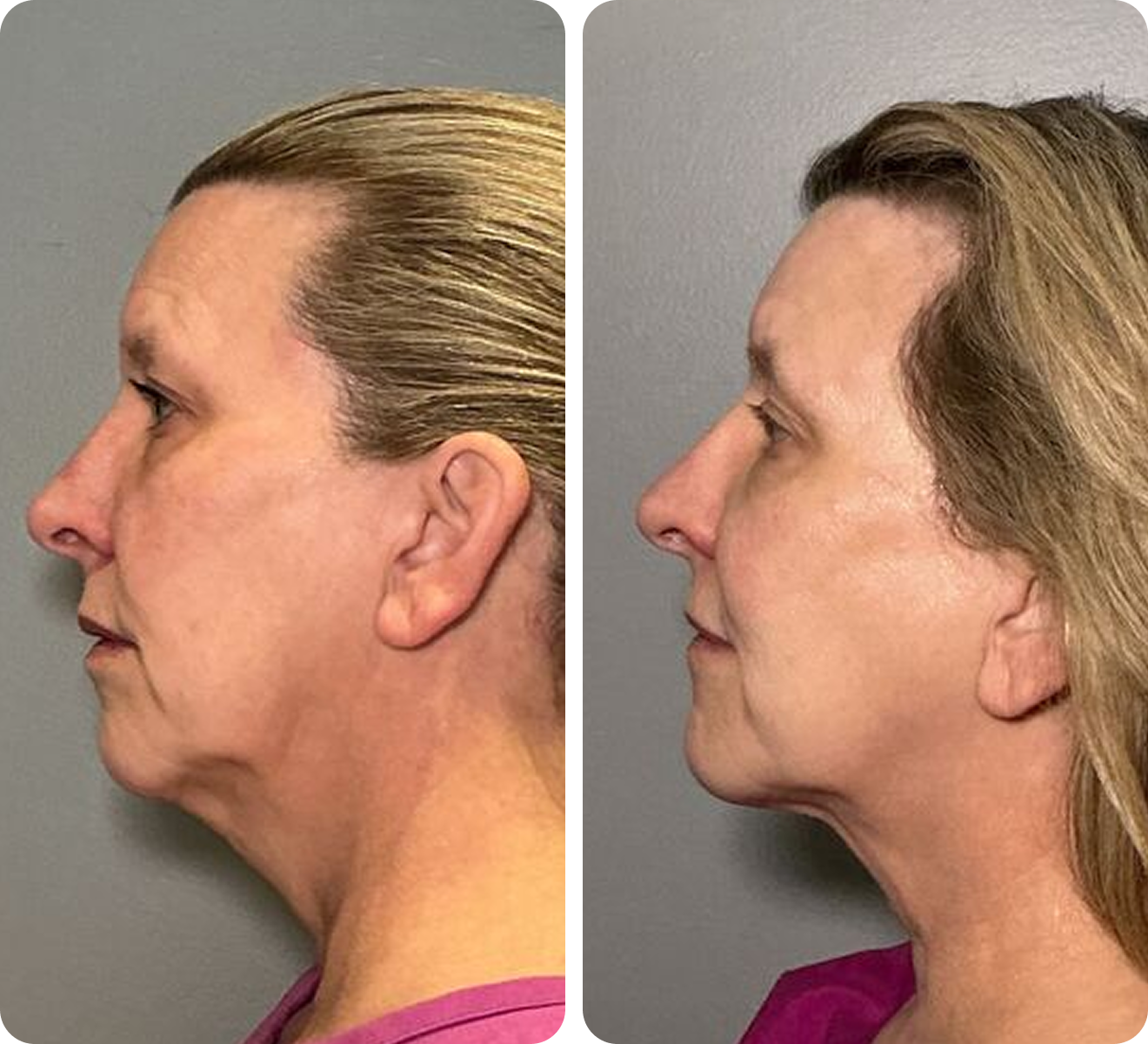
Before and after 3 skin-tightening treatments with T-Shape 2.
Together, these components can activate the body’s natural healing response and may help with mild to moderate skin laxity, cellulite, and overall skin quality. Because T-Shape 2 doesn’t penetrate tissue with needles or ultrasound energy, it is generally very comfortable. Most clients describe temporary redness and warmth during and immediately after the session, with no meaningful downtime.
T-Shape 2 is frequently positioned as a good option for:
- Face and body contouring, including the abdomen, thighs, and arms
- Those who want minimal downtime and a pain-free session
- Skin tightening combined with cellulite improvement
- Those who prefer a gentle, cumulative approach; most protocols involve at least six sessions
RF Microneedling: Morpheus8, Potenza, and Others
RF microneedling devices combine controlled micro-injuries from fine needles with radiofrequency energy delivered directly into the deeper layers of the skin. Because the energy bypasses the epidermis and reaches depths of up to 4mm, depending on the device, the collagen response can be more robust.
This makes RF microneedling a strong Sofwave alternative for clients whose main concerns include:
- Acne scars and uneven skin texture
- Enlarged pores and overall skin quality
- Skin laxity alongside resurfacing needs
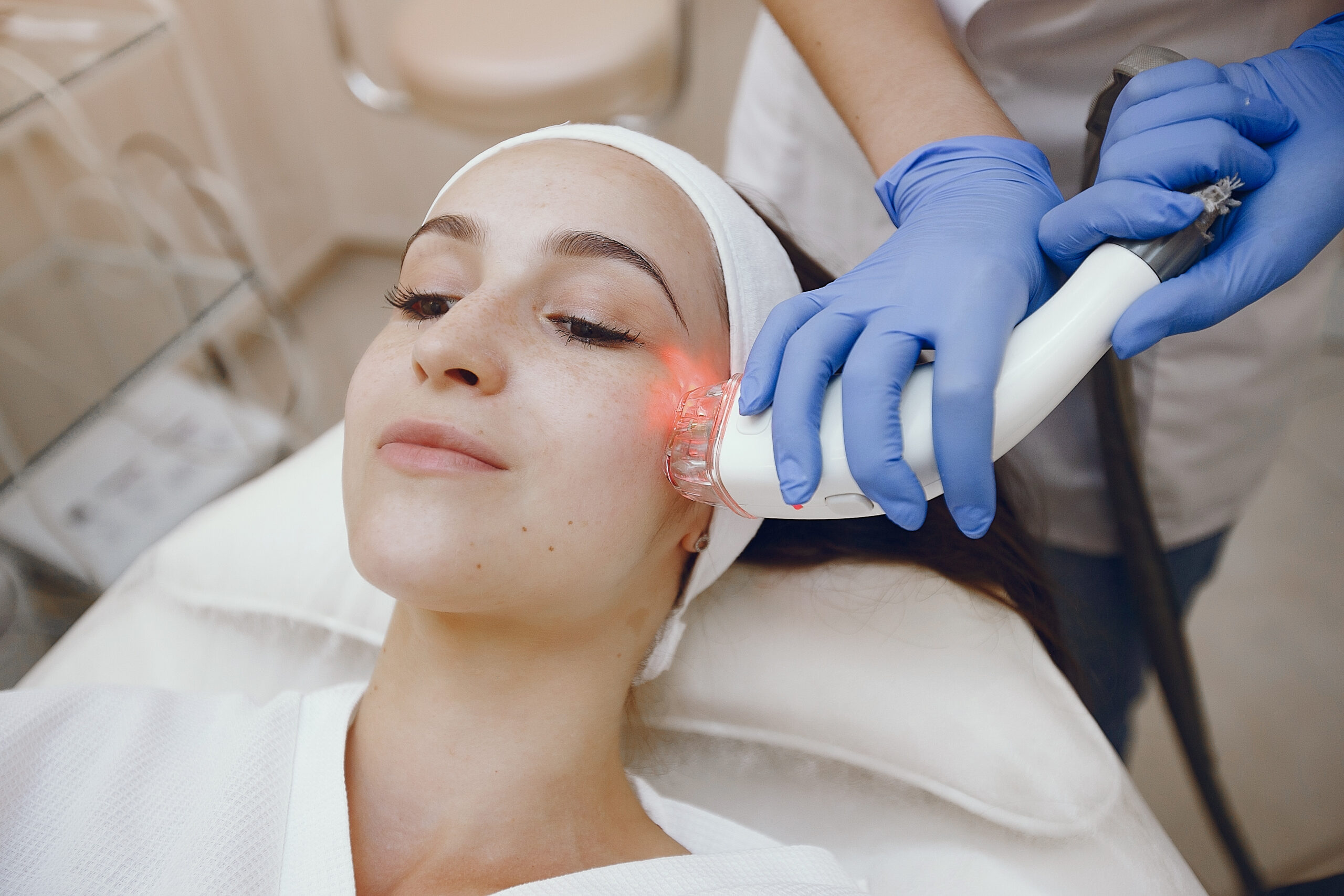
Some of the most widely used RF microneedling devices include:
- Morpheus8: Can reach up to 4mm, addressing both laxity and texture. It’s often used for patients who want comprehensive skin remodeling but can tolerate 1 to 5 days of downtime.
- Potenza: Features both monopolar and bipolar RF settings, allowing the provider to customize treatment depth in a single session. Suitable for skin texture, acne scars, and early laxity.
- Sylfirm X: Delivers RF energy in shorter, controlled pulses, which can improve comfort and reduce recovery time.
- Secret RF: Delivers energy at shallower depths than Morpheus8, with less downtime. Better suited for surface texture and reducing fine lines.
- Vivace RF: Uses gold-plated needles and is often described as gentler than Morpheus8, with a focus on mild rejuvenation and maintenance.
The main limitation compared to Sofwave is downtime. Most RF microneedling options involve several days of redness and sensitivity, and some people require longer recovery. Discomfort during treatment is also typically higher.
Nitrogen Plasma: Neogen
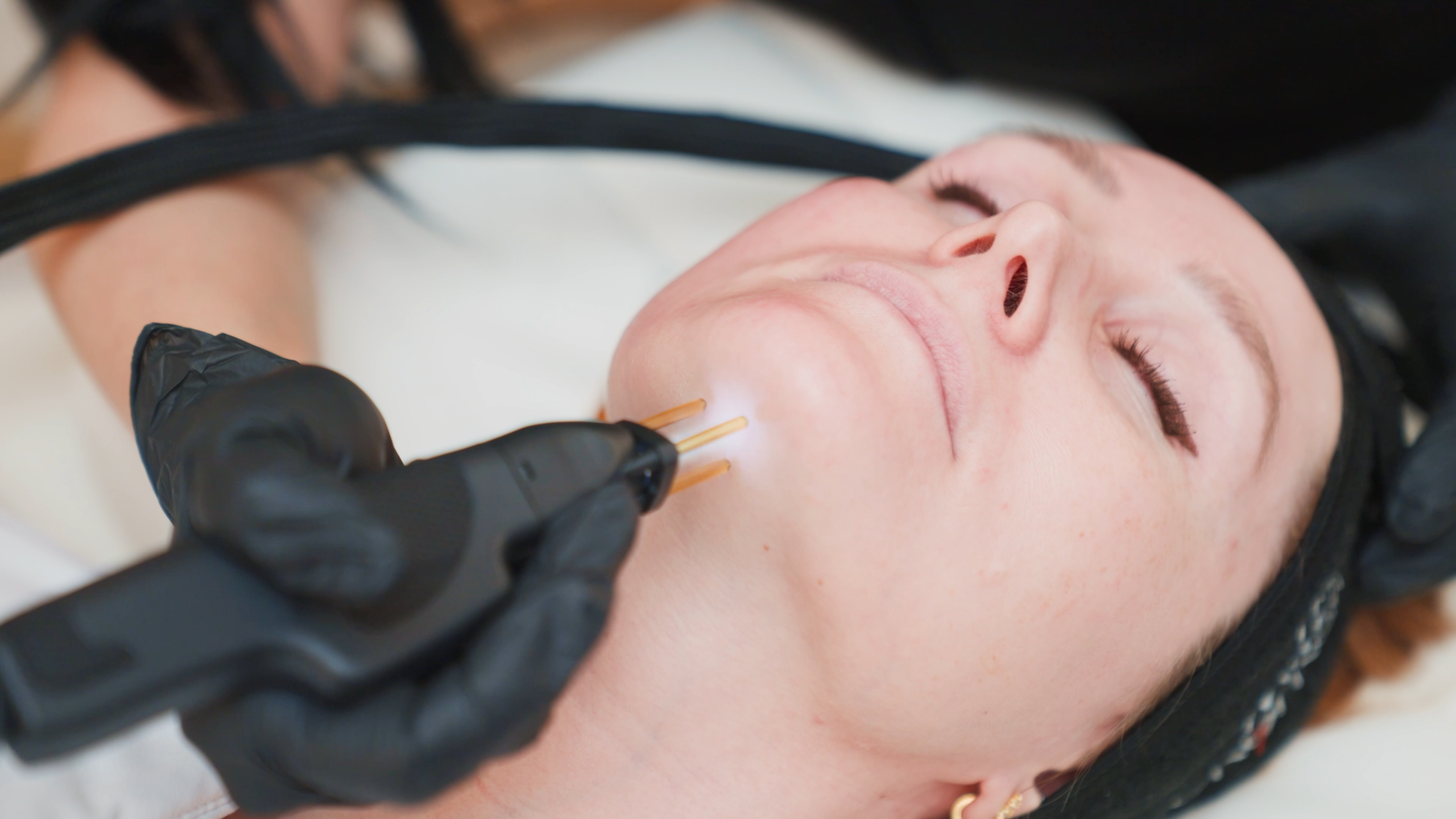
Neogen uses nitrogen plasma technology to deliver thermal energy into the skin. The device converts medical-grade nitrogen gas into plasma energy, which is then delivered in controlled pulses into the skin at different layers. This triggers a healing response that can boost collagen and elastin formation throughout the treated area.
What sets Neogen apart from other alternatives is that it treats the entire skin’s surface uniformly, without leaving untreated zones between treatment points. It also preserves an intact skin barrier (no open wounds), minimizing downtime compared to lasers, for example. This approach can be useful for patients dealing with:
- Fine lines and wrinkles, acne scars, and skin pigmentation concerns simultaneously
- Skin laxity alongside overall skin quality goals
- Sun-damaged or photodamaged skin
At lower energy settings, Neogen produces mild redness and minimal downtime. At higher settings, the treatment is associated with more noticeable skin changes and a longer recovery period (typically 3-10 days), with more significant tightening results. But the exact result varies by client and protocol.
Injectable Skin Rejuvenation
Some people choose injectable treatments as alternatives or complements to energy-based devices. These don’t directly tighten or resurface the skin but can support overall skin quality from within.
Examples include:
- Biostimulators (such as Sculptra or Radiesse), which encourage the body to gradually produce new collagen, improving firmness over months
- Skin boosters, which deliver hyaluronic acid to improve hydration and skin elasticity
Injectable treatments generally have minimal downtime, with most people resuming normal activities the same day. However, they aren’t effective for significant structural lifting or improving skin texture in the way that energy-based devices are. They tend to work best as supportive treatments alongside a broader treatment plan.
Quick Comparison: Sofwave vs Sofwave Alternatives
| Treatment | Discomfort | Typical Downtime | Best For | Common Side Effects |
| Sofwave | Low-moderate | Minimal (hours) | Mild laxity, fine lines, comfort-focused | Slight redness, warmth |
| Ultherapy | Moderate (can feel sharp during pulses) | Minimal (hours) | Deeper lifting, brow, jawline, neck | Redness, mild swelling, tenderness |
| Thermage (RF) | Low-moderate (warmth sensation) | Several hours | Broader tightening, body areas, contouring | Redness, warmth |
| T-Shape 2 | Low | Several hours | Face and body contouring, laxity, cellulite | Temporary redness, warmth |
| Neogen (nitrogen plasma) | Low-moderate (setting-dependent) | 1-10 days (setting-dependent) | Texture, pigmentation, laxity, acne scars | Mild swelling, redness, flaking |
| RF Microneedling (e.g. Morpheus8) | Moderate | 1-5 days | Texture, scarring, laxity, overall rejuvenation | Redness, swelling, tenderness |
| Injectables | Low (injection discomfort only) | 0-1 day | Hydration, collagen support, gradual firmness | Swelling, bruising |
How to Choose the Right Sofwave Alternative
Before choosing an aesthetic procedure, talk to a healthcare professional who can assess your skin concerns, skin type, and aesthetic goals to find a personalized solution.
1. Choose Based on Your Primary Concern
If your main concern is skin laxity and lifting (jawline, brow, neck), you may benefit from:
- Ultherapy for deeper structural lifting at the SMAS level
- Thermage for broader RF-based tightening across larger areas
- T-Shape 2 for gentle progressive tightening with minimal downtime, particularly if body areas are also a concern
Your main concern is skin texture, acne scars, or pores:
- RF microneedling (Morpheus8, Potenza, Sylfirm X) for combined resurfacing and tightening
- Neogen for texture, pigmentation, and laxity in the same session
Your main concern is minimal downtime with gradual improvement:
- T-Shape 2 for an entirely non-invasive, comfortable approach to the face and body
- RF without microneedling (Thermage)
- Injectable skin boosters for a purely supportive approach
2. Choose Based on Pain Tolerance and Recovery Time
People who prefer a pain-free or very low-discomfort experience generally do better with Sofwave, T-Shape 2, Forma, or injectable treatments. RF microneedling and higher-energy Neogen settings require more preparation and may involve a few days of visible recovery.
3. Choose Based on Treatment Area
Some technologies are designed for the face only. Others, like T-Shape 2, can be used across the body.
Working With a Professional: A Must for Skin Tightening Journeys
Regardless of which Sofwave alternative you think might work for you, the outcome depends heavily on who is performing the treatment and how it’s customized to your skin.
An experienced professional can:
- Assess whether you’re a candidate based on your skin type, medical history, medications, and specific concerns
- Match technology to your goal – two people with the same complaint may need different approaches, depending on whether the issue is sagging skin, volume loss, or texture
- Adjust device settings appropriately – energy level, treatment depth, pulse mode, and number of passes affect results and risk, particularly for patients prone to skin pigmentation issues
- Build a gradual plan rather than overtreating, which is the most common cause of prolonged inflammation or uneven results
- Guide pre- and post-care, which plays a significant role in recovery and final outcomes
If you’re exploring other skin-tightening technologies, consulting a qualified provider, ideally a board-certified dermatologist or board-certified plastic surgeon with experience in energy-based devices, is the best starting point. They can help you build a personalized treatment plan that fits your goals, your skin, and your lifestyle.
FAQs
Is there anything better than Sofwave?
Whether another treatment is “better” than Sofwave depends entirely on your goal, budget, and preferences. For those prioritizing deeper structural lifting (e.g., more pronounced laxity), many providers lean toward Ultherapy or certain RF microneedling protocols, whereas Sofwave tends to be used for milder laxity and comfort‑focused cases. For gentle, low-downtime tightening across the face and body, T-Shape 2 may be used. For people dealing with texture and laxity simultaneously, Neogen or RF microneedling may be worth considering. A consultation with a qualified provider is the most reliable way to identify the right option for your specific concerns.
How does Sofwave compare to Ultherapy?
Sofwave targets the mid dermis at around 1.5mm, making it suitable for fine lines and surface-level tightening. Ultherapy reaches the SMAS layer at up to 4.5mm, which allows for more structural lifting. Sofwave is generally more comfortable and costs slightly less, but Ultherapy may deliver more noticeable lifting for patients with more pronounced laxity.
What is the most comfortable Sofwave alternative?
T-Shape 2 and injectable skin rejuvenation treatments are among the lowest-discomfort options.
What products are similar to Sofwave?
Products and treatments similar to Sofwave include Ultherapy, Thermage, T-Shape 2, Neogen, and Morpheus8. These treatments are also used by specialists to improve skin firmness, reduce wrinkles, and stimulate collagen production.