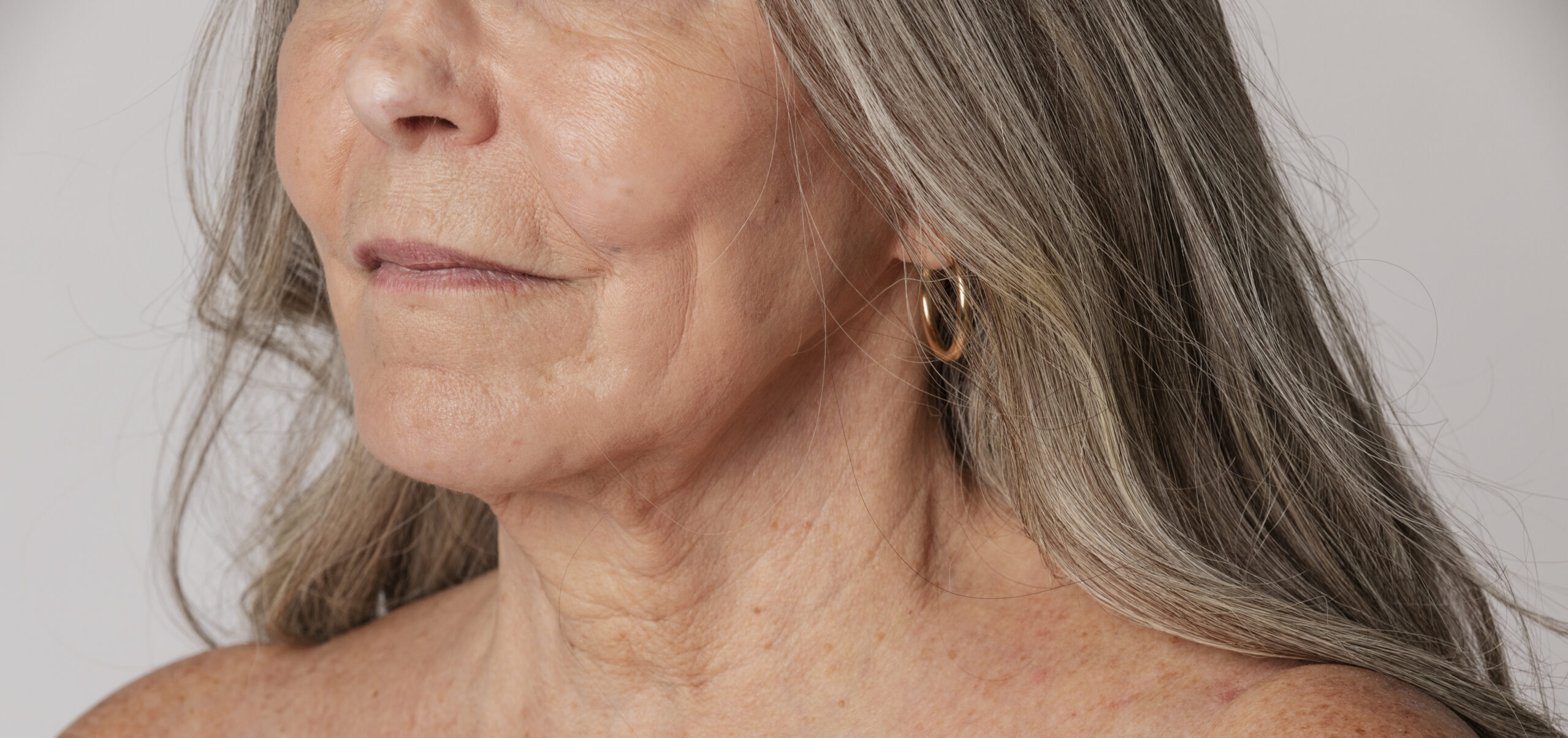
Crepey skin often appears on the inner arms, under the eyes, on the knees, or on the decolletage. It has a thin and finely wrinkled texture that looks a little like the paper you’d wrap a birthday gift in. While it’s extremely common, that doesn’t make it any less frustrating.
But what causes crepey skin, exactly? Can you improve its appearance? Can you treat crepey skin? And how can you prevent it? Let’s find out.
Disclaimer:This article is provided for informational and educational purposes only. The information presented here is not a substitute for professional medical evaluation, consultation, or care and should not be relied upon to make health-related decisions. Always consult a qualified and licensed medical or aesthetic professional before undergoing any cosmetic or aesthetic procedure.
Quick Answer: What Causes Crepey Skin?
| Cause | Why It Happens | Who’s Most Affected |
| Natural aging | Less collagen production, slower skin cell turnover | Everyone, from mid-20s |
| Sun damage | UV rays destroy the skin’s collagen and elastin, trigger MMPs | Outdoor workers, sunbed users |
| Dehydration | Weakens barrier, reduces volume | Those with dry skin, low water intake |
| Rapid weight loss | Skin can’t contract fast enough | Anyone losing large amounts of weight quickly |
| Smoking | Restricts blood vessels, impairs fibroblasts | Smokers and ex-smokers |
| Poor diet | Insufficient collagen-building nutrients | Diets low in protein, vitamin C, or antioxidants |
| Hormonal changes | Oestrogen drives collagen output; menopause reduces it | Women during perimenopause and menopause |
| Genetics | Thinner skin types lose elasticity sooner | Lighter skin types with family history |
| Medications | Some medications affect skin health and nutrient absorption | People taking specific medications |
What Is Crepey Skin?
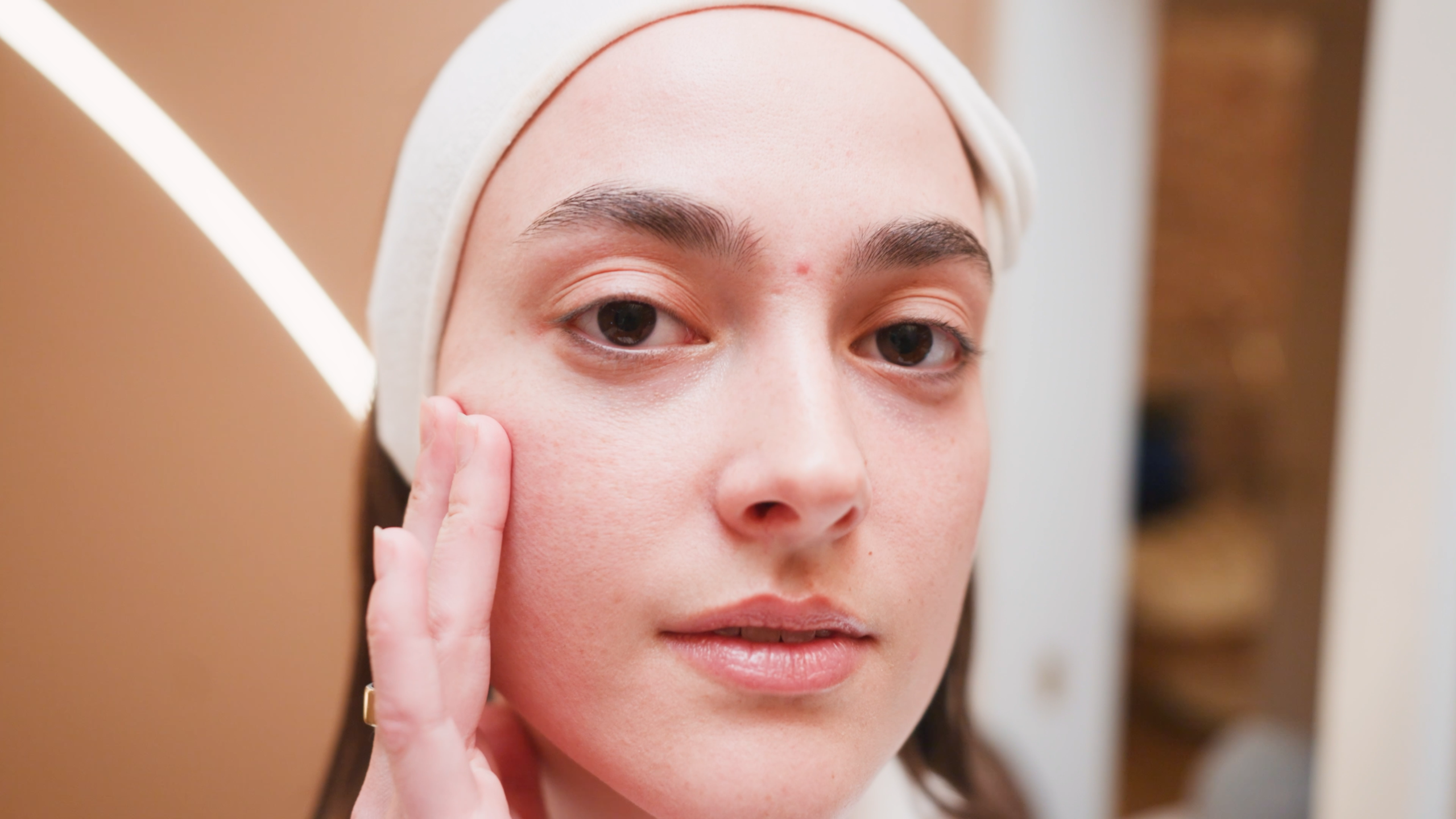
Crepey skin gets its name for an obvious reason: it resembles crepe paper. It’s thin, loose, finely wrinkled, with a texture that feels papery or crinkly to the touch. Unlike deeper expression lines that form around the eyes or mouth from repeated muscle movement, crepey skin affects larger surface areas and feels fragile.
Crepey skin occurs most commonly:
- Under the eyes
- On the inner upper arms (“bingo wings” territory)
- On the neck and décolletage
- On the knees and inner thighs
- On the hands and forearms
Crepey skin is also more prone to bruising, tearing, and slow healing, which makes it more than a cosmetic concern for some people. The skin basically becomes much thinner and structurally weaker.
What Causes Crepey Skin? Main Reasons
Crepey skin causes can be split into two categories: intrinsic (things happening inside your body) and extrinsic (things happening around you). In practice, the two are constantly working together.
1. The Natural Aging Process
Crepey skin is primarily caused by collagen and elastin breakdown, which is part of the natural aging process. To understand how exactly this happens, let us explain more about these two proteins that keep the skin firm, smooth, and elastic.
Collagen makes up roughly 70-80% of your skin’s dry weight and gives it structural integrity. Elastin is present in much smaller amounts, but it’s responsible for the skin’s ability to stretch and spring back into place.
Collagen production starts declining in your mid-20s at approximately 1% per year. Elastin is even more vulnerable because its production slows down significantly in your teen years. And once elastin fibers are damaged, the skin has a very limited ability to regenerate them.
Women experience a more significant drop in collagen and elastin production during menopause because of hormonal changes. This is linked to low estrogen levels, since estrogen helps stimulate the fibroblasts that produce collagen and elastin. According to Viscomi et al., the collagen content declines at an average rate of 2.1% per year in women who are in postmenopause.
As these proteins diminish, you lose skin thickness, density, and bounce. The outer layer thins, and moisture retention drops. Plus, the structural scaffolding that once held everything taut begins to give way. This causes loose skin that has that characteristic papery, wrinkled appearance we call crepey skin.

2. Sun Damage
Sun damage is consistently cited as the leading environmental cause of crepey skin.
There are two types of UV rays. UVB rays penetrate the upper layers of the skin and can cause burning. UVA rays go deeper, directly damaging collagen and elastin fibers in the dermis. UV radiation also triggers the production of enzymes called matrix metalloproteinases (MMPs), which actively break down collagen.
Chronic sun exposure also leads to a condition called solar elastosis, where elastin fibers become coarse, disorganised, and non-functional. The skin looks thicker in some areas but is structurally compromised throughout.
People who spend more time in the sun without protection in their 20s and 30s often notice crepey skin much sooner than expected.
3. Dehydration and Dry Skin
Water is fundamental to skin health. Well-hydrated skin looks plumper, fuller, and more resilient. When the skin is chronically dehydrated, which usually happens because of low water intake, harsh cleansers, cold weather, or air conditioning, the skin’s barrier function weakens. It becomes more prone to transepidermal water loss, which means moisture evaporates faster, and the skin struggles to maintain its structure.
We should mention hyaluronic acid in this regard, a molecule your body produces naturally. It can hold up to 1,000 times its weight in water and helps maintain skin plumpness and skin elasticity. Its levels also drop with age and UV radiation exposure.
Dry skin doesn’t directly cause crepey skin, but it increases the risk of developing it, especially if other factors are present. Moreover, when the skin is dehydrated, even mild crepey skin looks worse because it lacks the internal volume and moisture that would otherwise smooth things out.
4. Rapid Weight Loss
Rapid weight loss, especially in large amounts or over a short period, can cause crepey and sagging skin. Fat provides volume and structural support beneath the dermis. When it’s removed faster than the skin can adjust, the skin remains loose and has a stretched, fragile texture.
This is particularly common on the abdomen, inner arms, and thighs. But it also occurs on the face.
5. Smoking
Research consistently links smoking to premature aging of the skin, thinner skin, and a loss of skin elasticity.
A study has shown that the synthesis rates of collagen type I and III were lower by 18% and 22%, respectively, in participants who smoked compared to those who didn’t smoke. Knuutinen et al. have linked this reduction to the fact that smoking impairs the skin’s ability to repair itself, given that it promotes the production of metalloproteinase, an enzyme that breaks down collagen in the skin (just like UV radiation).
On top of that, smoking causes vasoconstriction near the skin’s surface and thus reduces blood flow to the skin. This depletes the skin of oxygen and essential nutrients.
6. Poor Diet
Collagen synthesis requires specific nutrients, particularly vitamin C (a cofactor directly required for collagen growth), protein (the raw material), and omega-3 fatty acids. A poor diet that’s low in any of these can impair your body’s ability to produce and maintain collagen, accelerating skin aging.
Antioxidants from colourful fruits and vegetables also help neutralize reactive oxygen species (ROS). These are unstable molecules that, when in excess, basically cause oxidative stress and drive collagen breakdown. You are, to some extent, feeding your skin through what you eat.
7. Genetics
Some people are simply more predisposed to crepey skin than others. For example, those with lighter, thinner skin types are generally more susceptible to sun damage and earlier collagen loss. If your parents had crepey skin in their 40s, you may notice it earlier, too.
8. Certain Medications
Long-term use of corticosteroids is a well-documented cause of skin thinning. Other medications can also affect overall skin health indirectly through hormonal pathways or by interfering with nutrient absorption. If you’re taking long-term medication and noticing changes in skin texture, it’s worth discussing with a healthcare professional.
How to Prevent Crepey Skin
You can’t stop the natural aging process, but you can slow it down. Here’s what you can do.
Sun Protection
Wearing sunscreen is the single highest-return investment in your skin health. A broad-spectrum sunscreen with at least SPF 30, ideally SPF 50, applied daily protects against both UVA and UVB rays.
Reapply every two hours outdoors. Wear protective clothing, wide-brimmed hats, and avoid peak UV hours. UV radiation through glass counts too, so if you’re driving regularly, your left-side skin is taking more cumulative sun damage than the right.
Keep Your Skin Hydrated
Use a moisturiser that supports your skin’s barrier. Look for ingredients like hyaluronic acid, ceramides, glycerin, and peptides. Hydrating skincare products should be layered. For example, you can use a serum with hyaluronic acid to draw moisture in, then a cream to seal it.
Drink enough water. Avoiding alcohol where possible helps too. Alcohol is dehydrating and disrupts sleep, which is when skin cells repair themselves.
Eat for Your Skin
A healthy diet rich in lean protein, colourful vegetables, and healthy fats gives your body the building blocks for collagen production. Here are some foods that are particularly worth including if you want to adopt a balanced diet:
- Vitamin C-rich options: citrus, kiwi, bell peppers, berries (all support collagen synthesis)
- Protein: eggs, fish, lean meats, legumes (provide amino acids for collagen)
- Omega-3 fatty acids: salmon, flaxseed, walnuts (reduce inflammation that accelerates skin aging)
- Antioxidants: leafy greens, nuts, green tea (neutralise ROS damage)
Quit Smoking, Limit Alcohol
Both impair collagen production, reduce circulation, and accelerate premature skin aging. The effect is cumulative, but stopping at any point can allow some degree of recovery.
Exercise and Strength Training
Regular exercise improves circulation, bringing oxygen and nutrients to skin cells. Strength training also helps build muscle, which provides structural support beneath the skin and can reduce the appearance of crepey skin, especially on the arms and legs.
Use Gentle Skincare
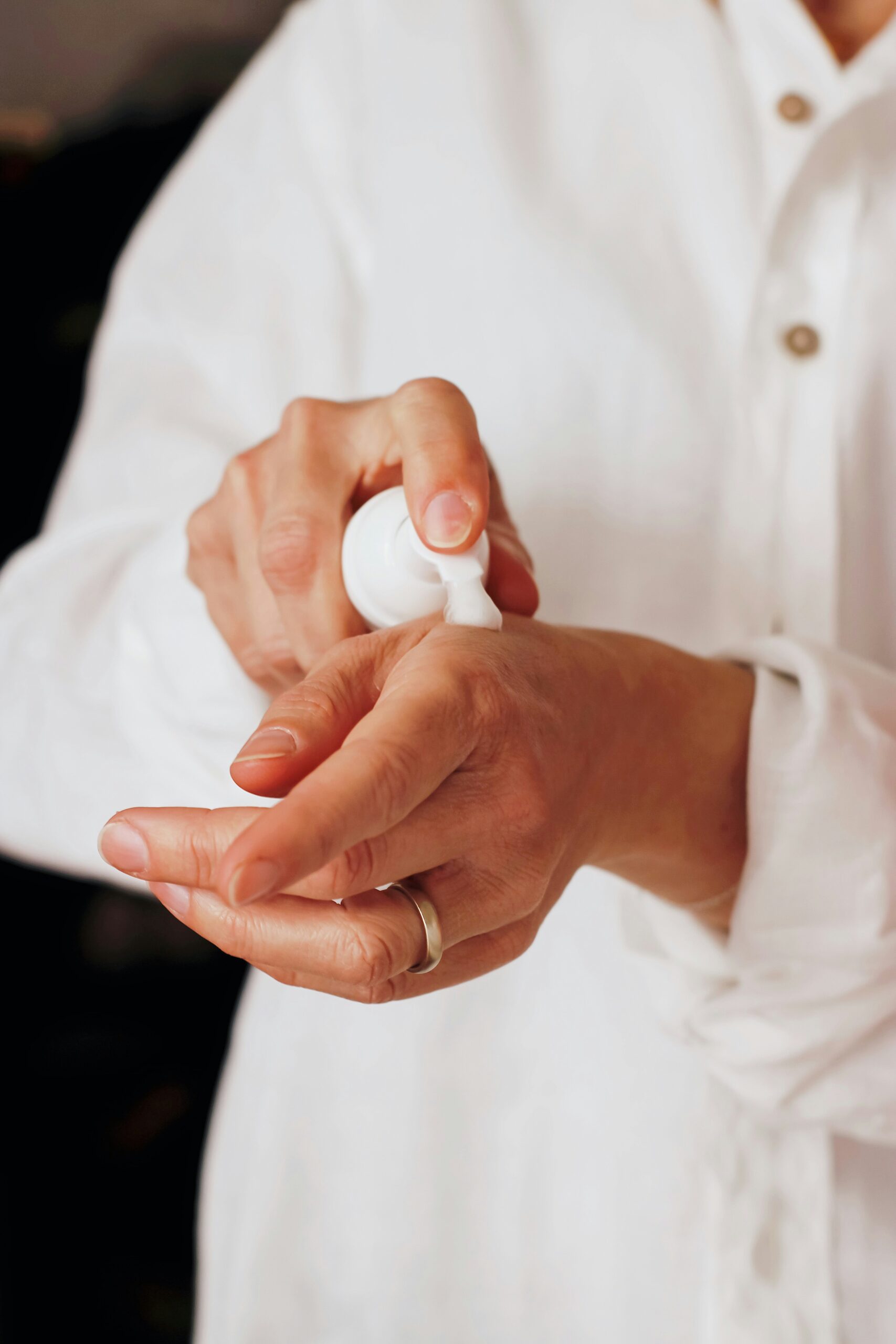
Use a gentle soap or cleanser that doesn’t strip your skin’s natural barrier. Harsh products compromise the outer layer, making everything worse. Also, exfoliate once or twice a week to improve skin cell turnover, but don’t overdo it.
Topical Treatments for Crepey Skin
Topical treatments can improve the appearance of crepey skin over time, but they have limits. They work best as part of a broader routine and are most effective on mild to moderate crepey skin.
Retinoids
Retinol and prescription-strength tretinoin are among the most evidence-backed topical ingredients for skin aging. They accelerate skin cell turnover, stimulate collagen production, and can gradually improve texture over months of consistent use. Start slowly, with just a few nights a week, as retinoids can cause initial irritation.
Alpha Hydroxy Acids (AHAs)
Alpha hydroxy acids like glycolic acid and lactic acid exfoliate the skin’s surface, removing dead skin cells and encouraging fresh ones. This improves texture and, with regular use, can make crepey skin appear smoother. Beta hydroxy acids like salicylic acid penetrate deeper and work particularly well for oilier areas or clogged pores.
Hyaluronic Acid
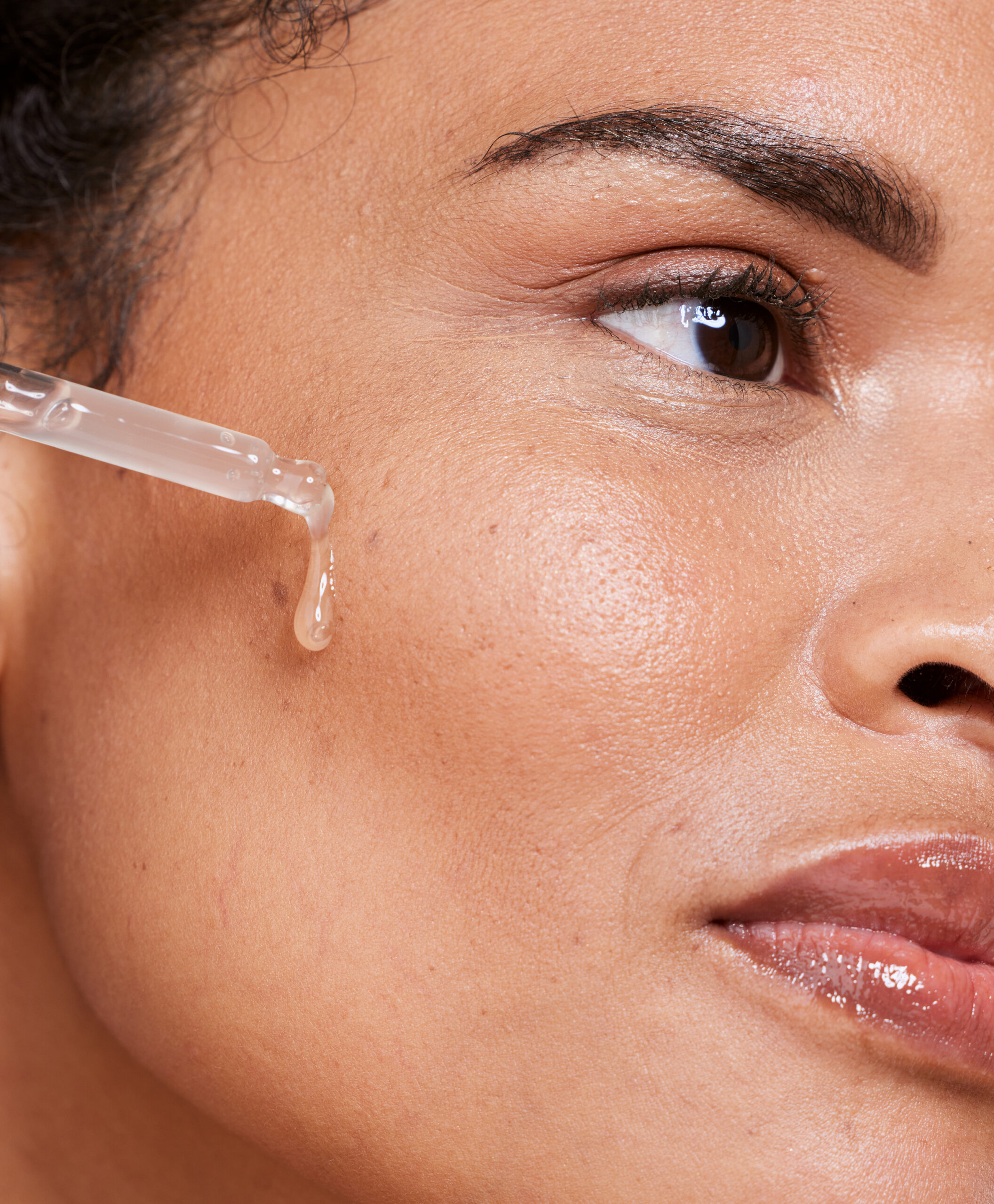
Applied topically, hyaluronic acid draws water into the skin, temporarily plumping it and reducing the visible appearance of crepey skin. It won’t rebuild collagen, but it can give your skin a more hydrated, fuller appearance with regular use.
Vitamin C
Topical vitamin C protects against UV-induced oxidative skin damage and directly supports collagen production. It’s best applied in the morning, under sunscreen.
Peptides and Ceramides
Peptides signal skin cells to produce more collagen. On the other hand, ceramides reinforce the barrier and reduce transepidermal water loss. Both are useful additions to a hydration-focused routine for aging skin.
Professional Crepey Skin Treatments Options
When topical treatments aren’t enough, particularly for advanced crepey skin, significant sagging skin, or post-weight-loss laxity on the body, it might be worth it to consider professional treatments. These work by actually triggering collagen production at a structural level, not just addressing the surface.
Before choosing any procedure, talk to a healthcare professional who can outline a customized treatment plan.
Dermal Fillers and Biostimulatory Injectables
Dermal fillers like hyaluronic acid injectables can immediately restore lost volume in areas like the under-eye hollows, cheeks, and hands, reducing the appearance of crepey skin by lifting and plumping from beneath.
Biostimulatory injectables work differently because they don’t provide immediate results. They gradually stimulate collagen production over several months, rebuilding skin structure rather than just adding volume. Results can last one to two years.
Laser Treatments
Laser treatments create controlled micro-injuries that trigger the skin’s wound-healing response and stimulate collagen production. CO2 lasers offer more dramatic results for advanced crepey skin but come with more downtime. Non-ablative options are gentler, with gradual improvement over multiple sessions.
Nitrogen Plasma Technology
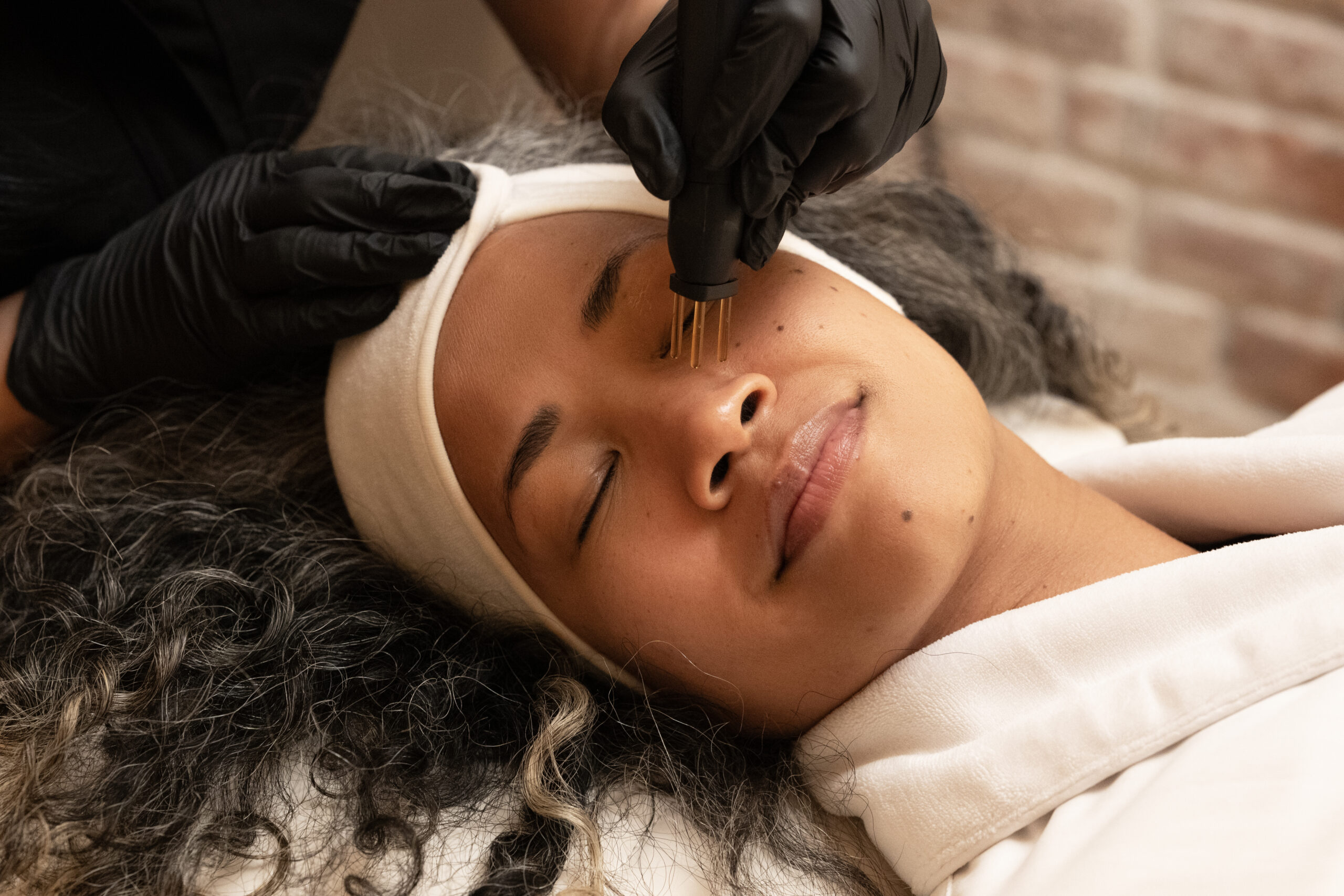
Nitrogen plasma skin regeneration (Neogen) delivers controlled thermal energy into both the superficial and deeper skin layers. In fact, it can penetrate as deep as the reticular dermis, depending on the procedure’s goal. It is absorbed uniformly and addresses the entire skin architecture, not just a portion of it, which allows for less downtime, usually 1-10 days, depending on the energy setting.
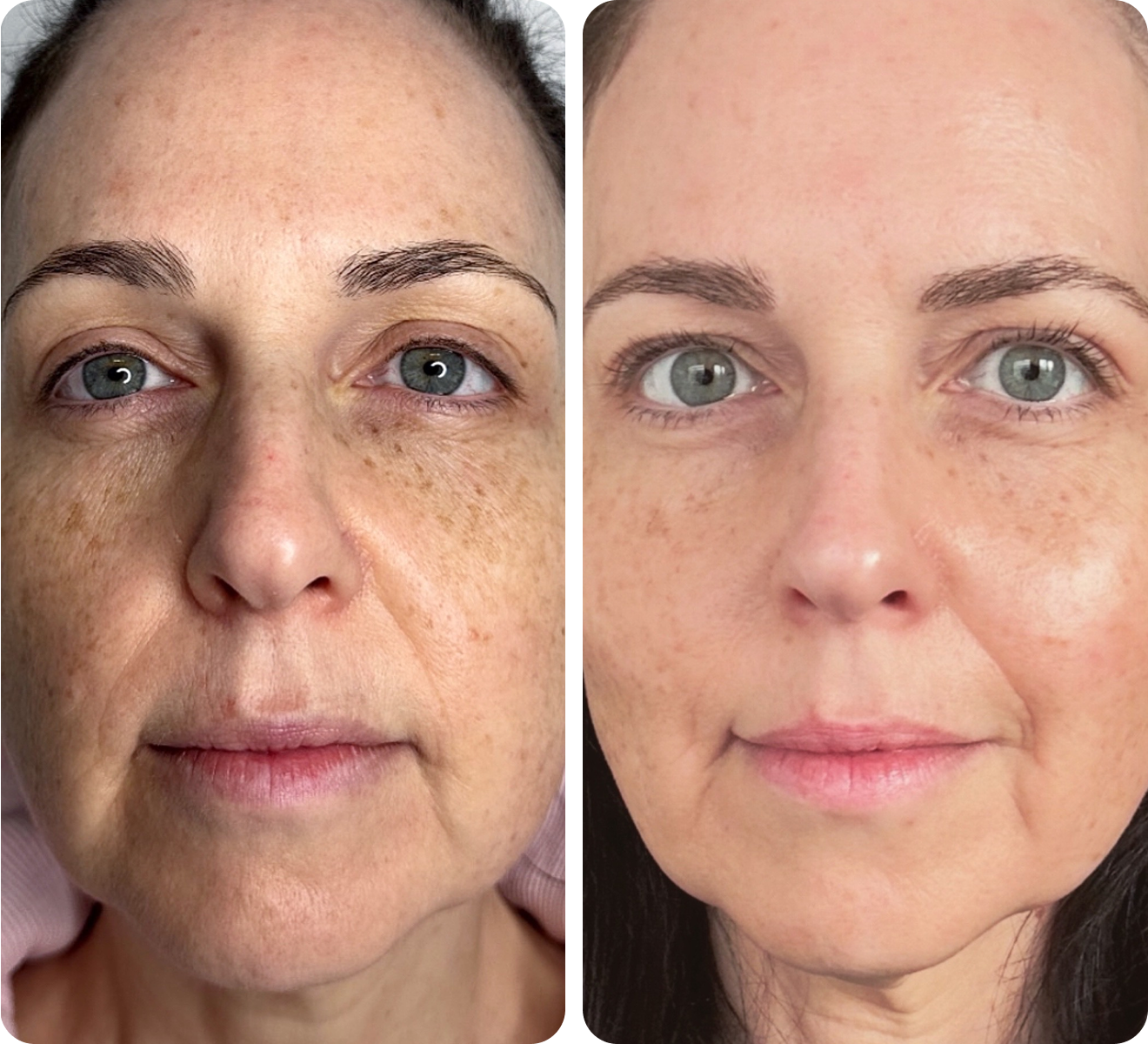
2 Weeks after 1 medium energy treatment with Neogen. Courtesy of Plasmatology.
Like in the case of laser treatments, the plasma pulse activates the body’s natural healing response, which, in turn, triggers collagen production. Because of this, Neogen can be recommended for people with:
- Crepey skin on the face, neck, décolletage, and body
- Under-eye crepey skin (without requiring ocular guards)
- Loose skin after weight loss
- Sun damage and pigmentation
- Fine lines and sagging skin
- Acne scars, enlarged pores, and overall skin texture
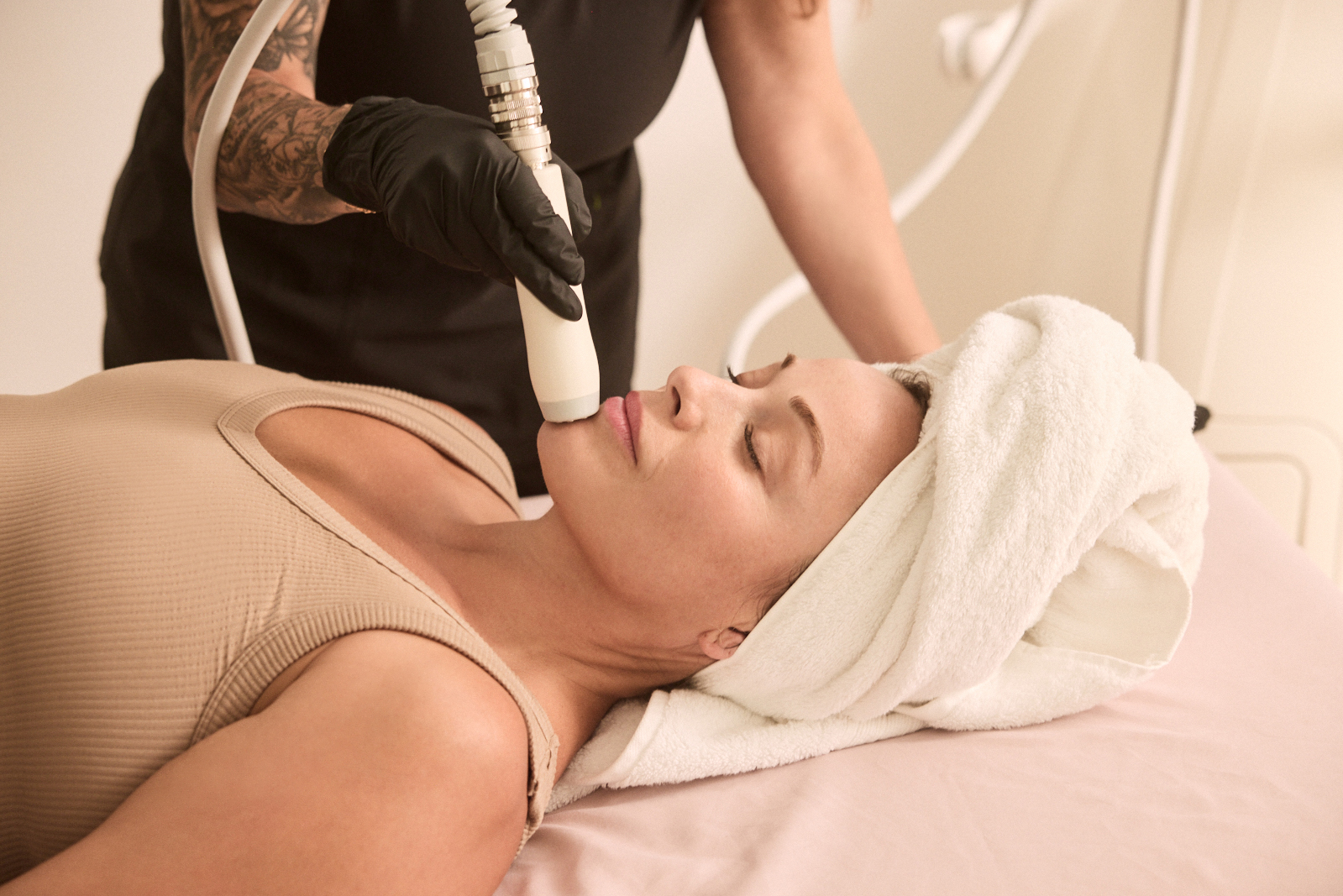
T-Shape 2: Radiofrequency, Laser, and Vacuum for the Body
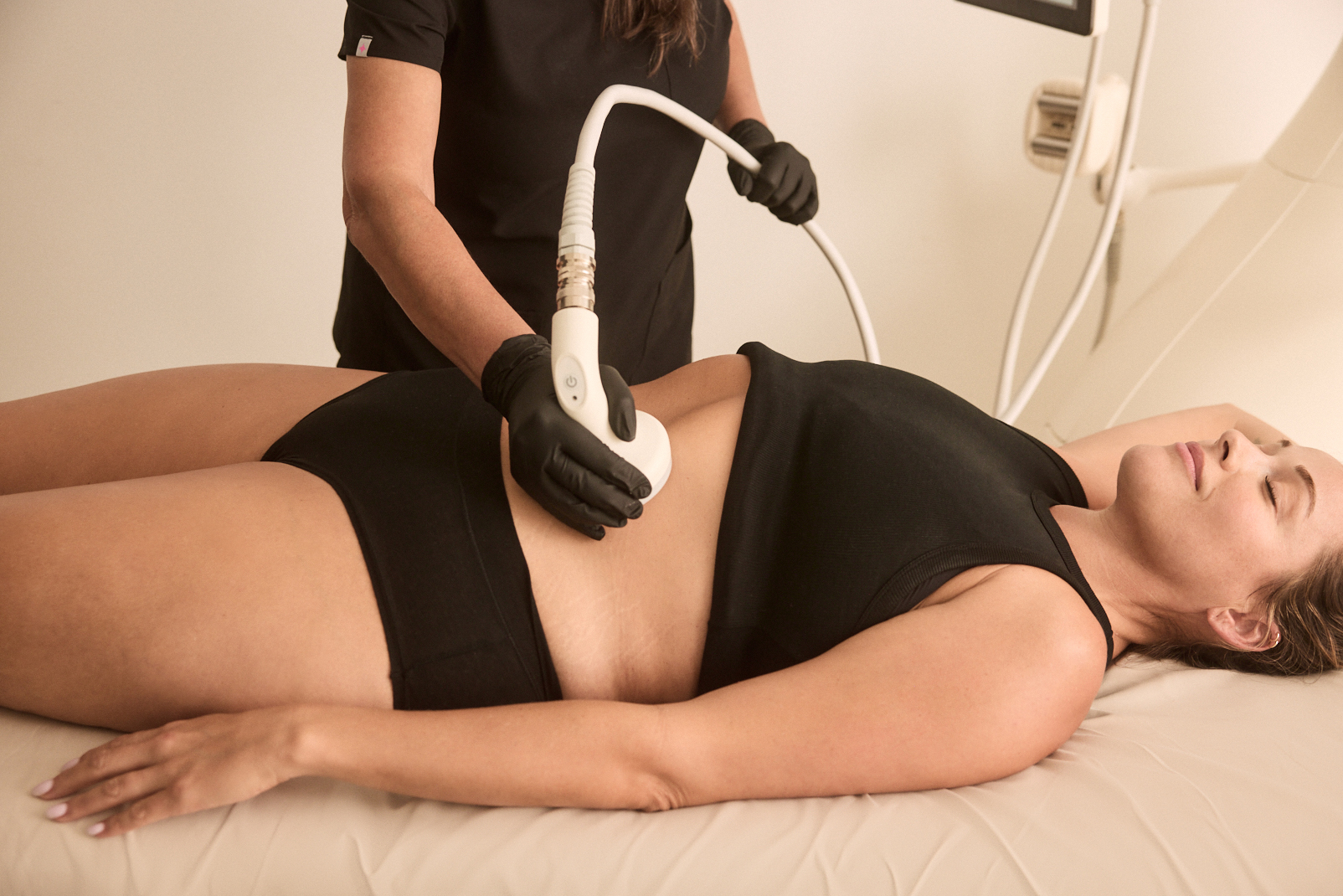
T-Shape 2 can be a suitable option for people with crepey skin on the body, particularly if you’re also dealing with loose skin.
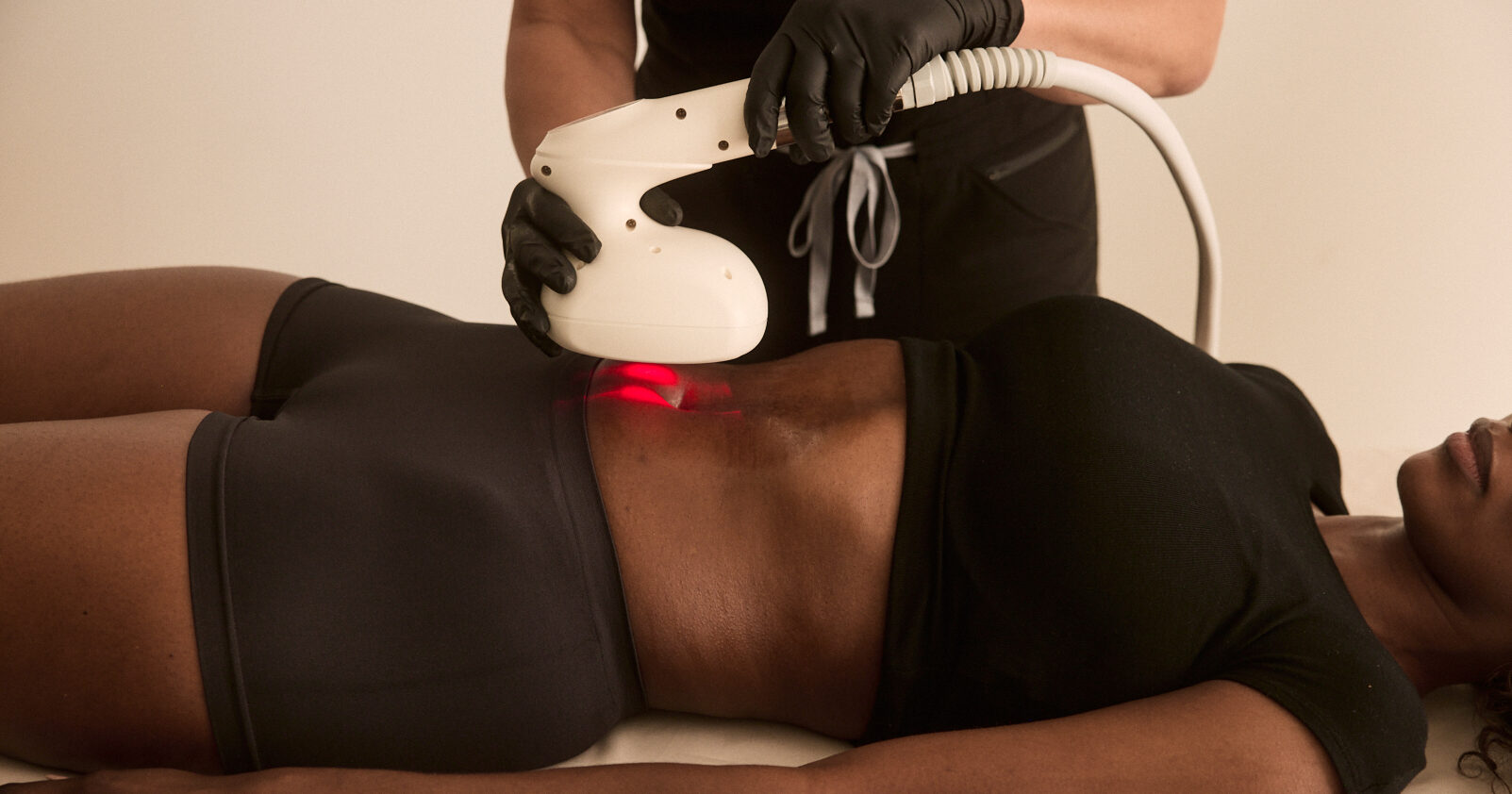
It’s a device that combines four distinct technologies in a single, non-invasive, no-downtime treatment:
- Bipolar radiofrequency (RF): delivers controlled heat to stimulate collagen production and improve crepey skin texture
- Low-Level Laser Therapy (LLLT): can stimulate skin regeneration, contributing to a more toned, contoured, and youthful appearance and firmer skin
- Endodermic Massage with Vacuum Suction: can help improve blood circulation and lymphatic drainage
- Mesospheric Activation: can support the body’s natural circulatory processes
T-Shape 2 is particularly well-suited for people who have crepey skin on the arms, thighs, abdomen, or legs and for those who want to address skin laxity alongside body contouring without surgery or downtime.
Sessions typically run 30-60 minutes. Most people need a series of 6-12 treatments, and maintenance sessions are recommended quarterly to sustain results.
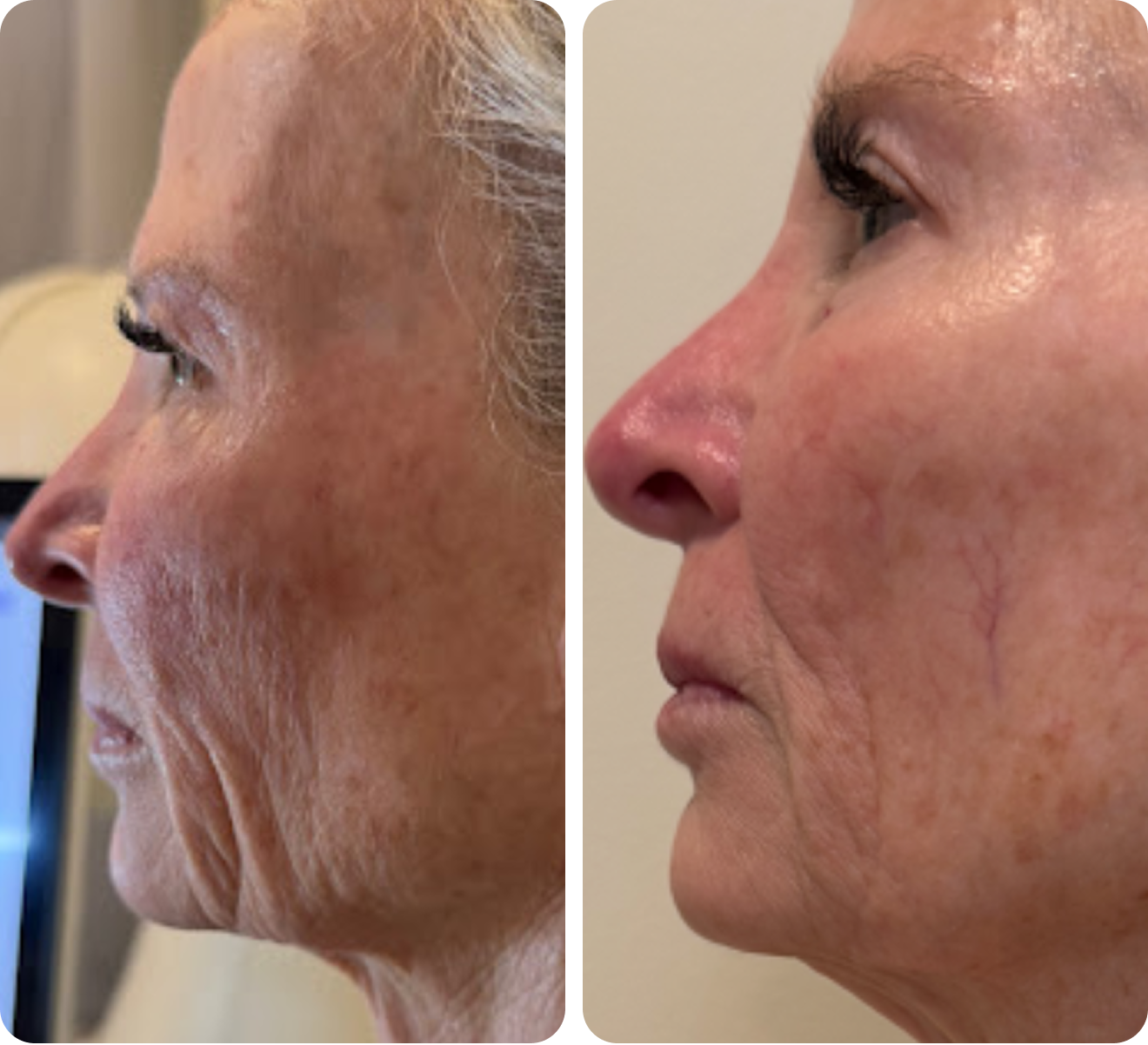
Before and after 8 skin-tightening treatments with T-Shape 2.
Can Crepey Skin Really Be Reversed?
You can’t fully reverse crepey skin and restore the skin of your 25-year-old self. But you absolutely can improve the appearance of crepey skin with the right combination of professional treatments and a consistent at-home routine.
Topical treatments work best to slow progression and improve surface texture on mild crepey skin. Professional treatments, on the other hand, particularly Neogen plasma regeneration for the face and T-Shape 2 for body areas, can trigger structural change by rebuilding collagen and elastin from within, which no cream can replicate.
FAQ
What causes crepey skin on arms?
Crepey skin on the arms is often caused by aging, sun damage, and loss of collagen and elastin. Dry skin, weight loss, and repeated UV exposure, including from tanning beds, can make the skin on the upper arms look thin, loose, and wrinkled.
What causes crepey skin on legs?
Crepey skin on the legs can develop because of aging, dehydration, sun exposure, and reduced collagen production. It may also appear after significant weight loss or from naturally thinner skin, especially around the knees and thighs.
What causes crepey neck skin?
Crepey neck skin is commonly caused by aging, sun damage, and the natural breakdown of collagen and elastin. Repetitive movements, dry skin, and gravity can also contribute to sagging and fine wrinkling.
What causes crepey skin on the face?
Crepey facial skin is usually linked to aging, sun exposure, dryness, and reduced collagen levels. Lifestyle factors like smoking, poor nutrition, and environmental stress can also weaken skin structure over time.
What vitamin is lacking for crepey skin?
Low levels of nutrients that support skin health, especially vitamin C, vitamin E, and vitamin D, may contribute to poor skin quality. Vitamin C is particularly important because it helps support collagen production, but crepey skin is usually caused by multiple factors, not just a vitamin deficiency.
What is the best remedy for crepey skin?
The best remedy for crepey skin depends on the cause, but common options include daily moisturizing, sun protection, retinoids, and products that support collagen. In more advanced cases, treatments like laser therapy, nitrogen plasma skin regeneration, radiofrequency, or microneedling may help improve skin texture.
Does drinking a lot of water help with crepey skin?
Drinking water supports overall hydration, but it will not reverse crepey skin on its own. It may help if dehydration is making the skin look drier, but collagen loss and sun damage usually require targeted skin care or professional treatments.