If you’re planning to open a med spa business and want to equip it with the best facial machines for estheticians, you’re in the right place. In this article, we’ll discuss the most popular devices on the market and explain why they could be a good addition to your business.
Quick Answer: What Are the Best Facial Machines for Estheticians?
The best facial machines for estheticians are chosen based on treatment goals, but most professional clinics rely on a combination of core and advanced technologies:
Best overall core devices (must-have in most clinics):
- Radiofrequency (RF) machines → skin tightening, wrinkle reduction, collagen stimulation
- Microcurrent devices → facial lifting, muscle toning, contour definition
- Hydradermabrasion systems → deep cleansing, exfoliation, hydration infusion
- LED light therapy devices → acne control, inflammation reduction, skin recovery
Best advanced professional systems (clinic differentiation):
- T-Shape 2 technology → multi-modality face + body treatments (RF + vacuum + low-level laser)
- Neogen plasma regeneration systems → advanced skin resurfacing, texture repair, and scar improvement
How clinics typically use them:
- Most successful aesthetic practices combine 2-4 technologies to build layered treatment protocols:
- RF + microcurrent for anti-aging and lifting programs
- Hydradermabrasion + LED for acne and skin clarity treatments
- Advanced systems like T-Shape 2 or Neogen for premium resurfacing and body contouring services
What Are Professional Facial Machines Used for in Aesthetic Clinics?
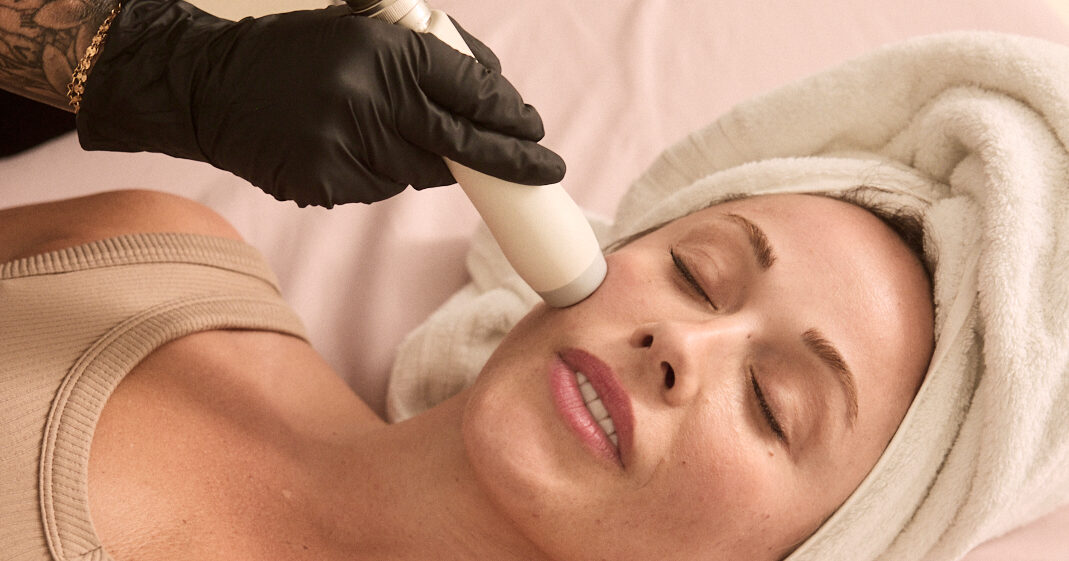
Walk into most modern spa or clinical settings today, and you’ll find an array of devices for all skin types and concerns. Professional facial machines give estheticians the necessary tools to work at a deeper level and to offer effective treatments for various aesthetic goals.
At a practical level, these machines are used by estheticians to:
- Cleanse and exfoliate the skin, removing dead skin cells and surface buildup
- Stimulate collagen production to address sagging skin and fine lines
- Improve skin texture and reduce the appearance of uneven skin tone
- Target acne and post-inflammatory marks, including acne scars
- Support blood circulation and lymphatic drainage
- Deliver hydration, oxygen, or active ingredients deeper into the skin
- Provide body treatments alongside facial protocols
The breadth of what facial machines can address makes them a central part of how modern esthetic practices differentiate themselves. If a business offers a strong treatment menu built around various technologies, this reflects positively on client satisfaction and repeat bookings.
Main Categories of Facial Machines
Before investing in any esthetician equipment, it’s of the essence to understand what the major technology categories actually do and which skin concerns each one targets best.
Radiofrequency (RF) Skin Tightening Technology
Radiofrequency delivers controlled thermal energy into the deeper layers of the skin. The heat prompts the body to stimulate collagen production and remodel existing collagen fibers. That’s why RF machines are widely used to address sagging skin and wrinkles.
Research published in peer-reviewed dermatology journals suggests that RF facial treatments can produce measurable improvements in skin firmness. But, naturally, results vary from person to person. They highly depend on skin type, device settings, the experience of the practitioner, and the number of sessions completed.
Skin tightening is the primary benefit of RF, without a doubt. However, the results don’t show right away. New collagen production takes time, which is why the clients will notice results in a few weeks or months after the procedures. That’s very important to mention beforehand.
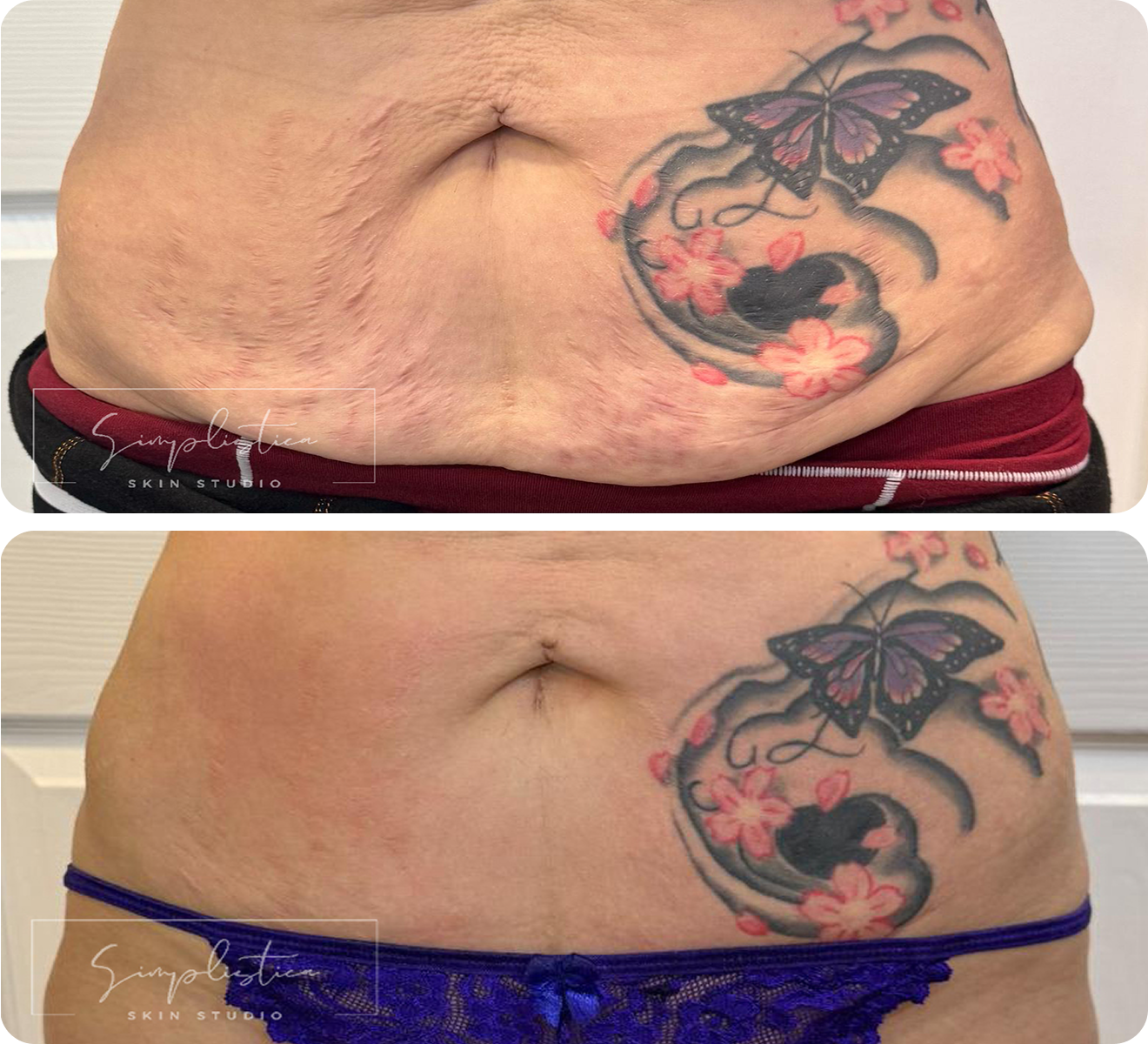
Before and after 5 treatments with T-Shape 2. Courtesy of Simplistica Skin Studio.
Microcurrent Facial Machines
Microcurrent devices deliver low-level electrical currents that mimic the body’s own bioelectric signals. The theory is that these currents can help train facial muscles, boost circulation, and lift contours.
These machines are popular in spa settings because they’re gentle, non-invasive, and suitable for a broad range of skin types, including sensitive skin. Treatments are often described by clients as comfortable or even relaxing.
Microcurrent can complement other facial treatments on your treatment menu.
Hydradermabrasion/Hydrodermabrasion Devices
Hydradermabrasion combines mechanical exfoliation with simultaneous suction and serum infusion. It’s different from microdermabrasion. Microdermabrasion uses abrasive crystals or a diamond tip to remove surface cells. Hydradermabrasion uses hydration as well while it exfoliates.
This treatment can address dead skin cells, surface congestion, uneven skin tone, and dullness. It also doesn’t leave the skin feeling stripped or tight. Because the method is less aggressive than classic microdermabrasion, it works well for sensitive skin.
Oxygen Facial Machines
Oxygen therapy devices deliver pressurized oxygen, usually alongside a hyaluronic acid or vitamin-based serum, directly onto the skin’s surface. The goal is to flood skin cells with oxygen and nutrients, supporting cellular metabolism and improving the delivery of active ingredients.
However, despite being quite a popular procedure in spas, high‑quality clinical evidence for oxygen facials is limited. Most of the visible benefits, meaning the hydration, the temporary plumping effect, and the radiant effect, are thought to come primarily from the serums and moisture rather than from oxygen itself.
LED Light Therapy Devices
Different LED colors target different concerns:
- Red light: may support collagen production, reduce the appearance of fine lines, and improve overall skin texture
- Blue light: targets acne-causing bacteria and can help manage active acne breakouts
- Yellow light: sometimes used to reduce redness and puffiness
LED is one of the more accessible technologies for spa and clinic settings. Devices range from handheld panels to full-face masks and larger professional systems. The modality pairs well with other facial treatments, often used as a finishing step after exfoliation or active serums.
Advanced Professional Systems
While standard facial machines focus on single modalities such as RF, LED, or microcurrent, advanced systems like T-Shape 2 and Neogen operate as platform-level technologies that combine multiple treatment mechanisms or induce deeper regenerative responses. These are typically introduced once a clinic has established a foundational treatment menu.
A single multifunctional machine can be more cost-effective than purchasing multiple devices for specific purposes, leading to savings in both equipment costs and maintenance.
T-Shape 2
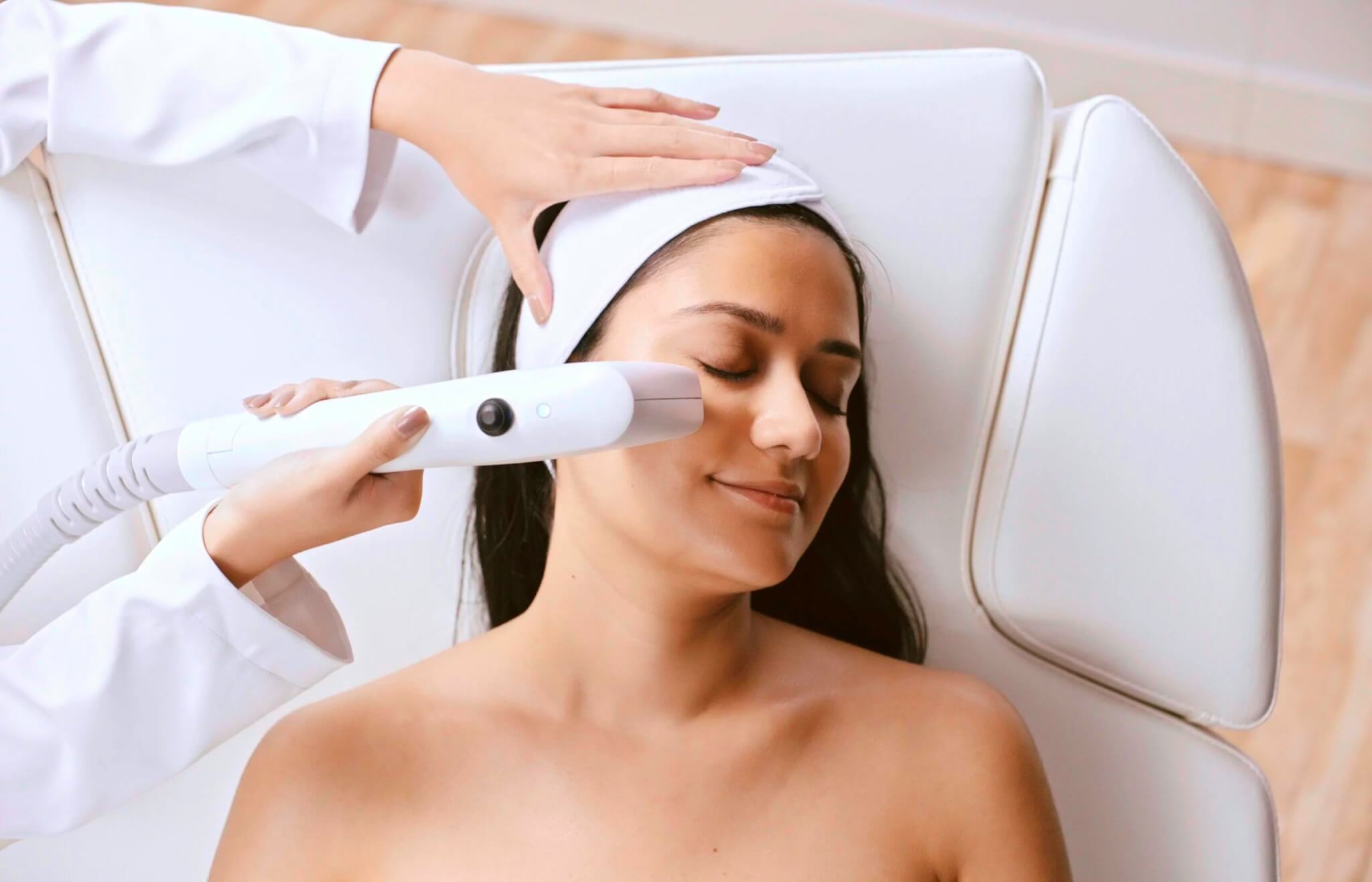
T-Shape 2 is a multi-technology platform that combines radiofrequency with vacuum therapy and low-level laser.
What makes T-Shape 2 interesting from a clinical perspective is its capacity to address both facial treatments and body treatments. It can be valuable for practices looking to expand their treatment menu without acquiring multiple separate machines.
The key benefits of T-Shape 2 for clinics include:
- Skin tightening on both the face and body
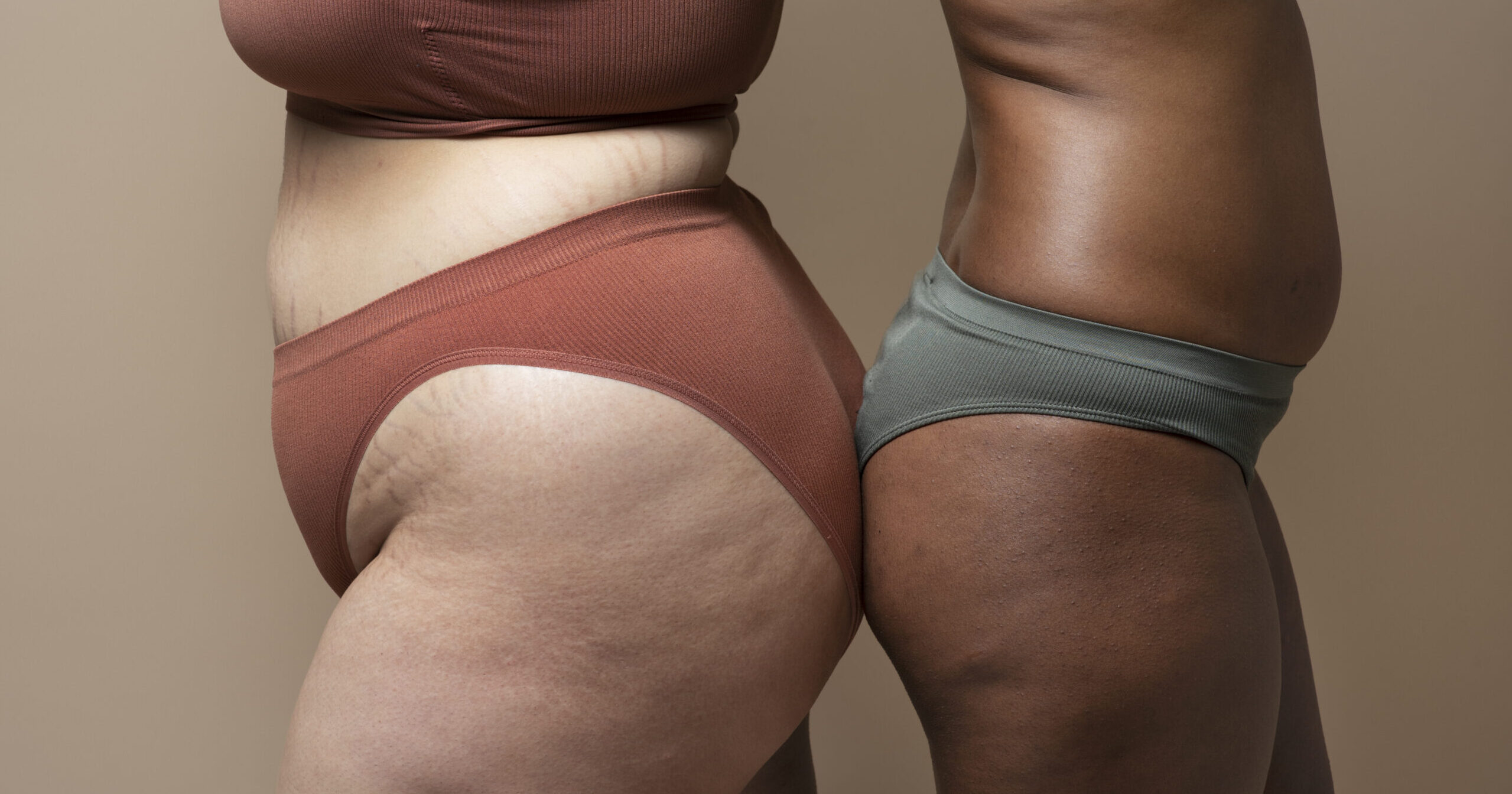
- Body contouring and cellulite management support
- Reduction in the visible appearance of sagging skin
- Versatility across skin types (though protocols for sensitive skin should be tailored)
- Potential to stimulate collagen production

Before and after 1 treatment with T-Shape 2.
The T-Shape 2 is designed for professional clinical use. It’s best suited to:
- Licensed estheticians with training in energy-based devices
- Aesthetic clinics offering a combination of facial and body services
- Practices looking to add skin tightening to their treatment menu
- Providers who want a single multi-modal device to reduce esthetician equipment overhead
Nitrogen Plasma Skin Regeneration (Neogen)
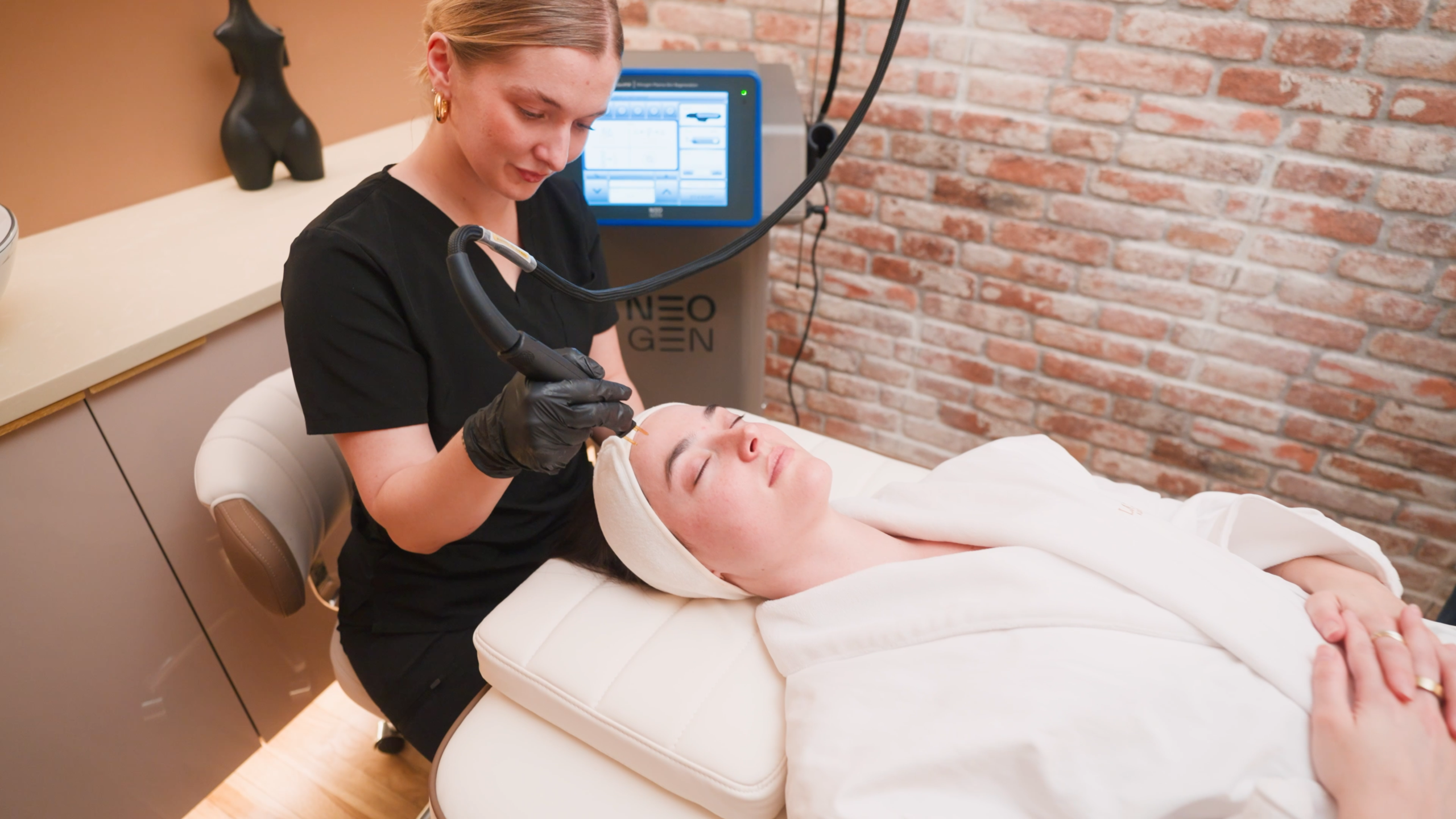
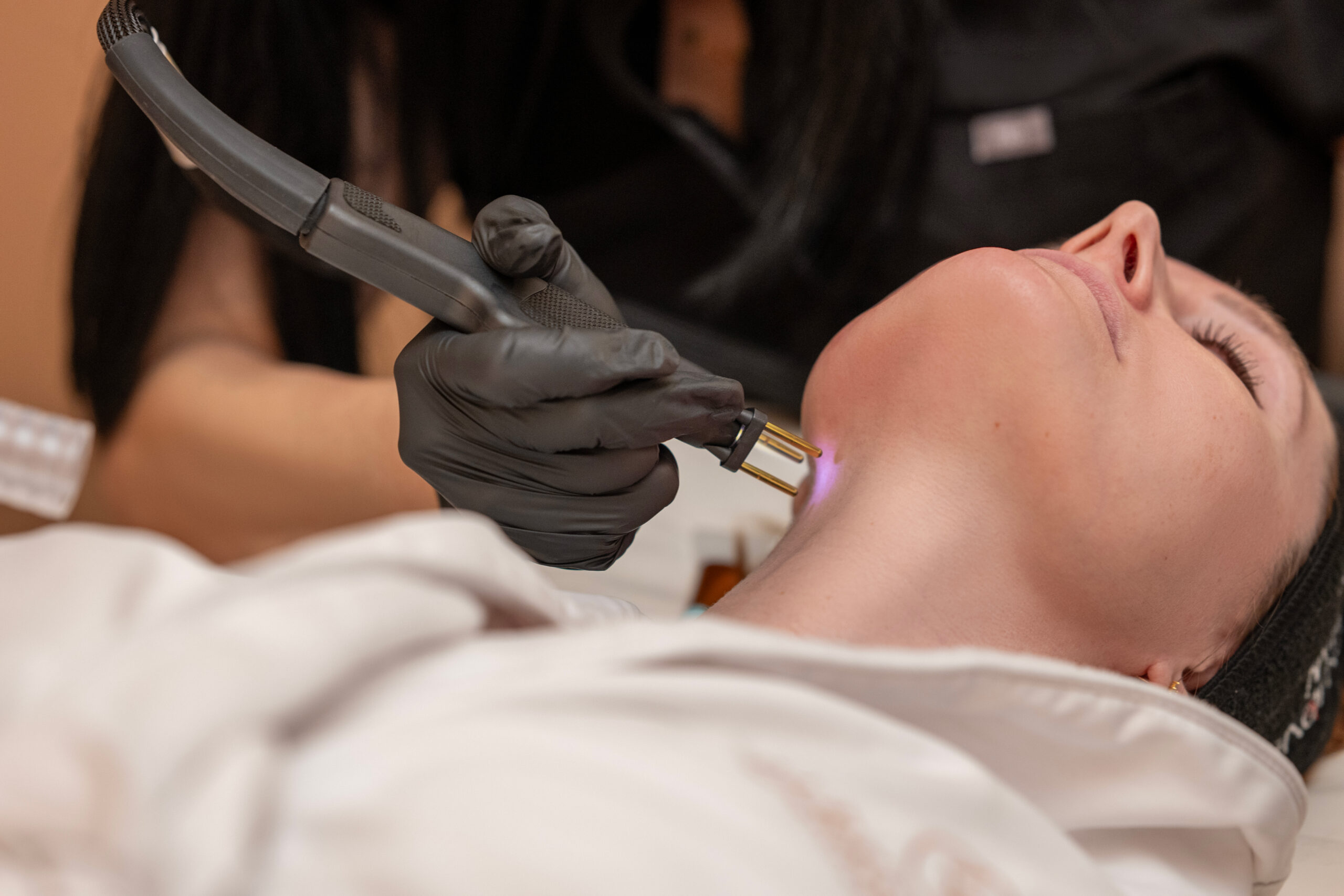
Neogen uses plasma energy, nitrogen plasma specifically, to trigger controlled skin regeneration. Plasma energy interacts with the skin surface more broadly compared to laser treatments, creating a controlled regenerative response.
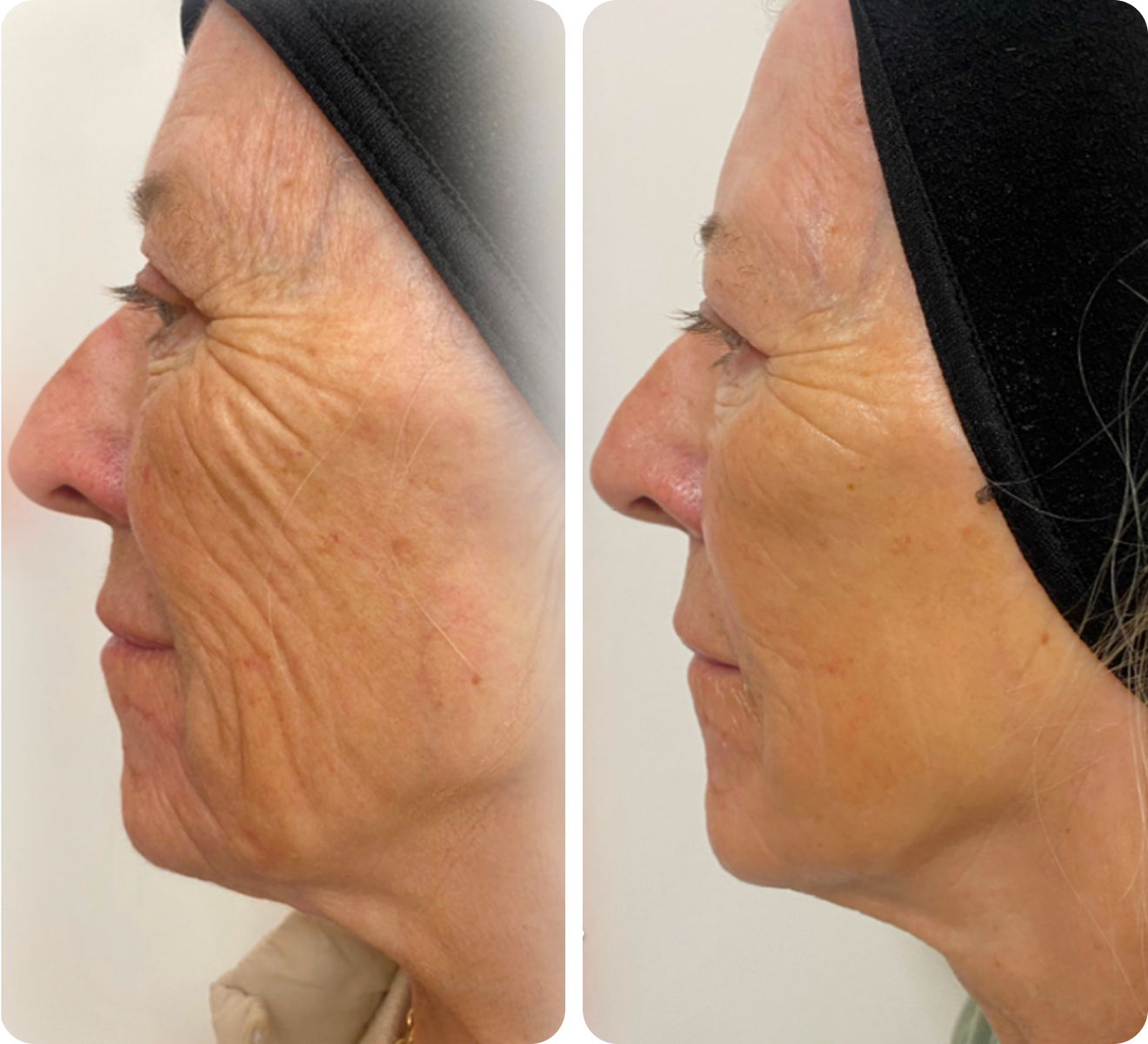
Before and after 2 low energy treatments with Neogen. Courtesy of Body Sculpt Aesthetics.
Research and clinical experience suggest Neogen may offer:
- Improvement in skin texture and surface irregularities
- Reduction in wrinkles and fine lines
- Skin tightening through collagen remodeling
- Improvement of acne scars
- Resurfacing effects on uneven skin tone
Because Neogen operates at varying energy levels, practitioners can adjust treatment depth from light refreshing protocols to more intensive resurfacing sessions.
T-Shape 2 vs Neogen vs Traditional Facial Machines
Technology | Main Effect | Best Suited For |
RF Machines | Skin tightening, collagen remodeling | Laxity, wrinkles, jawline definition |
Microcurrent | Lifting, toning | Maintenance facials, lymphatic support |
Hydradermabrasion | Exfoliation + hydration | Deep cleansing, dull skin, congestion |
LED Therapy | Light-triggered cellular response | Acne management, anti-aging support |
Oxygen Therapy | Surface oxygenation and hydration | Pre-event glow, dry or tired skin |
T-Shape 2 | Multi-modal body and face tightening | Contouring, cellulite, skin tightening |
Neogen | Plasma skin regeneration | Resurfacing, acne scars, texture correction |
Naturally, no single device covers everything. Most successful esthetic practices build the right equipment stack with various technologies. This allows them to address multiple client concerns, from routine maintenance facials to more targeted treatments for specific concerns.
Best Facial Machines by Treatment Goal
Treatment Goal | Best Facial Machine Technologies | Why They Work | Typical Clinic Use Case |
Skin tightening & anti-aging | Radiofrequency (RF), T-Shape 2, Neogen | Heat-based collagen stimulation improves firmness and reduces laxity over time | Mature skin, jawline definition, anti-aging programs |
Facial lifting & muscle toning | Microcurrent, RF + microcurrent combinations, T-Shape 2 | Microcurrent stimulates facial muscles and supports subtle lifting effects | Non-invasive lifting facials, maintenance protocols |
Acne & inflammation control | LED light therapy (blue/red), hydradermabrasion | LED targets acne-causing bacteria and inflammation; hydradermabrasion clears congestion without irritation | Acne facials, oily skin protocols, post-inflammatory care |
Deep cleansing & skin detox | Hydradermabrasion, oxygen facial machines | Mechanical exfoliation + infusion improves skin clarity and hydration balance | Dull skin, congested pores, pre-event facials |
Skin resurfacing & texture correction | Neogen, hydradermabrasion (mild cases) | Plasma energy triggers controlled regeneration; exfoliation improves surface texture | Acne scars, uneven texture, pigmentation irregularities |
Body contouring & cellulite support | T-Shape 2 | Multi-modality systems (RF + vacuum + low-level laser) target deeper tissue remodeling | Body treatments, cellulite reduction, skin tightening programs |
How to Choose the Best Facial Machine for Your Aesthetic Practice
Start with your client base. If your clients primarily look for maintenance facials and glow treatments, your services menu will look very different from the menu of a clinic that focuses on acne scars, scar removal, or significant skin tightening. What your clients are already asking for, or what concerns bring them through the door, should anchor your purchasing decisions. This will help you maintain clients long-term.
Then, determine what treatment menu goals you want to achieve. If you want to have new service categories, invest in cutting-edge technologies. At the same time, avoid over-investing in specialized devices if your team isn’t fully trained to use them or if they don’t align with your clientele’s needs.
Next, evaluate the features of facial machines by comparing technology specifications, such as power output, and look for customizable settings to cater to various client needs.
Consider the following when evaluating any machine:
- Training requirements -> Does the manufacturer offer adequate training? Is ongoing support available?
- Skin type versatility -> Can the device be safely adapted across skin types, including sensitive skin?
- Maintenance costs -> What are the costs for esthetician supplies and servicing? Factor these into your budget alongside the upfront price.
- Dual-use potential -> Can the device support both facial treatments and body treatments, expanding your revenue possibilities?
- Client satisfaction data -> Are there documented outcomes, clinical studies, or reliable testimonials that support the device’s claims?
- Financing options -> Does the distributor offer financing options for the devices you’re interested in?
Finally, it might be a good idea to see the devices you’re interested in in person. Look for trade shows or supplier events, or arrange for a direct rep visit. This way, you’ll collect exactly the information you need, especially if you can also observe how the devices are used for treating different skin types.
Tips on Choosing a Suitable Facial Machine
Most clinics fail not because they choose the wrong device, but because they choose devices in the wrong order. Here are some tips in this regard.
Tier 1: Foundational Treatment Machines (Must-Have Core)
- Hydradermabrasion (deep cleansing + hydration)
- LED light therapy (acne + inflammation + recovery)
Purpose: daily-use treatments, high client turnover, low risk, broad skin compatibility.
Tier 2: Clinical Performance Machines (Revenue Expansion Layer)
- Radiofrequency (RF) skin tightening
- Microcurrent facial systems
Purpose: core facial results (lifting, tightening, contouring) that increase treatment value per session.
Tier 3: Advanced Multi-Technology Platforms (Clinic Differentiation Layer)
- T-Shape 2 technology (multi-modality face + body)
- Neogen plasma regeneration
Purpose: premium services, advanced resurfacing, body + face expansion, clinic positioning upgrade.
Final Thoughts: Which Facial Machines Deliver the Best Results?
Choose based on what clients you have, the budget you aim for, your practice’s goals, and the results you’re most committed to delivering.
All in all, RF machines and microcurrent remain the workhorses of clinical skin tightening and lifting. Hydradermabrasion and LED are versatile and, at the same time, cost-effective entry points with strong client appeal. T-Shape 2 and Neogen are more advanced, usually appropriate for practices that are ready to offer premium facial treatments and body treatments.
FAQ
Are T-Shape 2 machines better than traditional RF facial treatments?
T-Shape 2 incorporates RF alongside other modalities, so it’s more comprehensive than most standard RF machines. Whether that makes it better depends on your treatment goals. For practices that want to address both face and body treatments with a single device, T-Shape 2 offers broader versatility. For focused facial skin tightening, a high-quality standalone RF device may be entirely sufficient.
What is Neogen used for in aesthetics?
Neogen is primarily used for skin resurfacing, tightening, and regeneration. It can improve skin texture, reduce the visible impact of acne scars and wrinkles, support skin tightening, and address uneven skin tone. Because it uses plasma energy, it behaves differently from most conventional facial machines.
Are multifunctional machines worth it?
Multifunctional facial machines are usually worth it because they allow aestheticians to offer a wider range of treatments without switching between devices, improving treatment flow and client satisfaction. Multifunctional machines can address various facial and body skin concerns, including wrinkles, acne, and uneven skin tone, thus providing comprehensive care in a single session.
How do microcurrent machines work?
Professional microcurrent machines use low-level electrical currents to mimic natural bio-electrical signals. They are often referred to as producing non-surgical facelifts due to their subtle lifting and toning effects.
What are the different types of LED therapy?
Blue LED light therapy and red LED light therapy are the most common. Different wavelengths of light from LED devices serve specific functions. For example, blue light targets C. acnes bacteria, while red light promotes collagen synthesis.